Szymon

991 posts

Szymon

Szymon

@CalianRain

Katılım Haziran 2022
36 Takip Edilen17 Takipçiler
Szymon
Szymon@CalianRain·
@Sawek93384037 @Igor69028028 Jest jeszcze opcja współpracy z ZSRR, ale dla althistoryków wychowanych na HoI4 i książkach Zychowicza byłoby to bluźnierstwo większe niż profanacja hostii xd
Polski
3
0
1
63
Sławek
Sławek@Sawek93384037·
@Igor69028028 A niby kogo mogliśmy jeszcze wybrać? Niemcy? Za duzo trzeba by im oddać i dlatego nie zgodziliśmy sie.
Polski
2
0
3
175
Szymon
Szymon@CalianRain·
@Igor69028028 Czytałeś może ,,Boso, ale w ostrogach", albo ,,Wspomnienia wędrownego kramarza"?
Polski
0
0
0
112
Punch Cat
Punch Cat@PunchingCat·
Punch Cat tweet media
ZXX
6
121
2.9K
23.7K
Szymon
Szymon@CalianRain·
@d_foubert Ale wiesz że topografia kraju też tak jakby inna? xd Rosja też kilkadziesiąt lat męczyła się na Kaukazie
Polski
0
0
8
183
Daniel Foubert 🇵🇱🇫🇷
Algieria 🇩🇿 stawiła nieporównanie bardziej zacięty opór Francji 🇫🇷 niż Polska 🇵🇱 Rosji 🇷🇺. Francja wylądowała w Algierii w 1830. Przez następne 17 lat Abd el-Kader prowadził regularną wojnę — budował państwo, armię, dyplomację, zawierał i zrywał rozejmy, bił Francuzów wielokrotnie w otwartym polu. Po jego kapitulacji w 1847 opór trwał dalej — Kabylowie walczyli do 1857, kolejne powstania wybuchały w 1871. Francja potrzebowała ponad 40 lat, żeby spacyfikować kraj i straciła przy tym dziesiątki tysięcy żołnierzy. Generał Bugeaud stosował systematyczne spalanie wiosek, wybijanie plemion w jaskiniach gazem i dymem — bo konwencjonalne metody nie wystarczały. Tymczasem Polska w 1792–1795: Rosja wkracza, magnaci otwierają bramę przez Targowicę, król kapituluje bez ostatecznej bitwy. Kościuszko 1794 to heroiczny zryw, ale trwał 7 miesięcy. Połowa szlachty kolaboruje, mieszczaństwo jest zbyt słabe, chłopi zbyt przywiązani do ziemi, żeby walczyć za kraj który ich nie wyzwolił. Trzeci rozbiór odbywa się niemal bez echa militarnego. Algieria broniła się zacieklej. Polska miała lepszą armię ale słabszą wolę zbiorową — bo państwo polskie było już wewnętrznie zepsute zanim zewnętrzny wróg zadał ostateczny cios.
Daniel Foubert 🇵🇱🇫🇷 tweet media
Polski
19
16
66
6.1K
Szymon
Szymon@CalianRain·
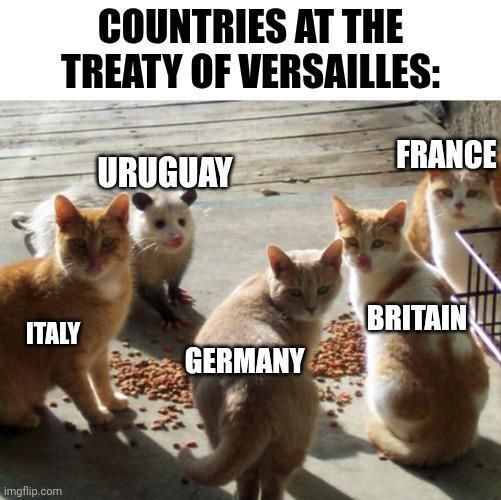
@medievalmlord Germany was not present at the Treaty of Versailles
English
0
0
2
171
Kiphex
Kiphex@k1phex·
they're so toxic
Kiphex tweet media
English
36
974
33.3K
818.8K
Szymon
Szymon@CalianRain·
@Mono101Mono @wjakobik Rzecz w tym że Ukraińcy nie bardzo mają wybór. W przypadku Rosji wystarczyłaby jedna decyzja Małpy z Kremla aby tę wojnę zakończyć.
Polski
0
0
0
5
Wojciech Jakóbik
Wojciech Jakóbik@wjakobik·
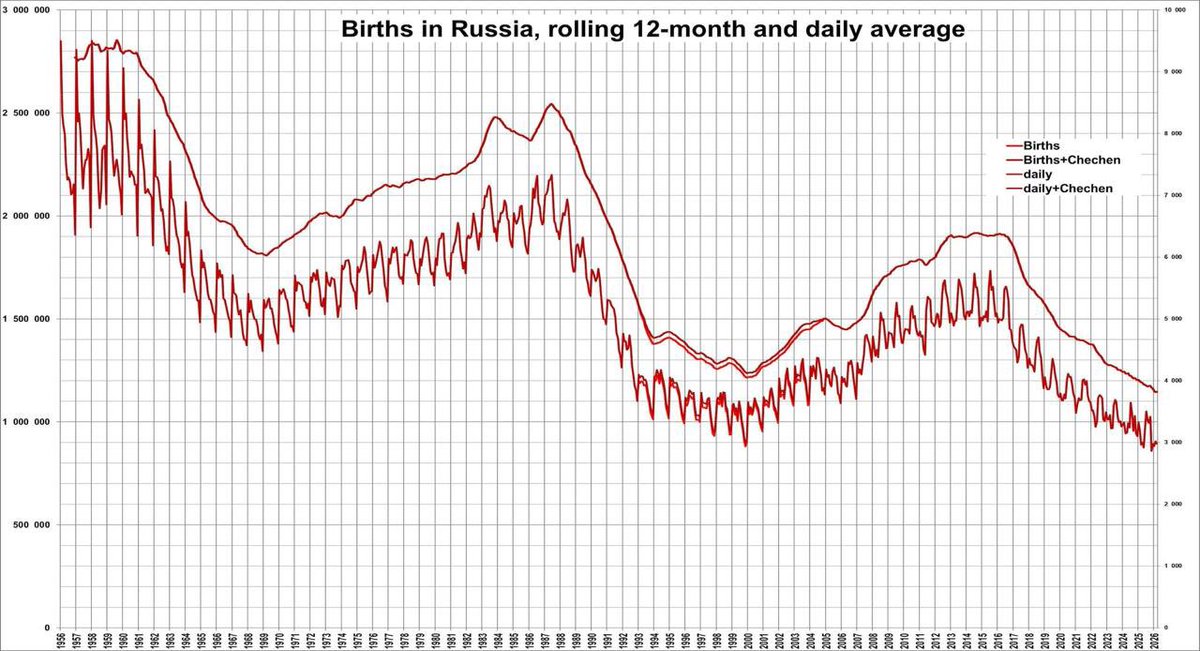
Bank Centralny Rosji przyznaje, że główny problem gospodarczy to teraz NIEDOBÓR SIŁY ROBOCZEJ. To może być jedna z przyczyn nieobecności części studentów na paradzie tzw. Dnia Zwycięstwa. Kreml świętuje na rosnącej górze trupów tzw. operacji specjalnej wchodzącej w piąty rok.
Wojciech Jakóbik tweet media
Polski
2
7
90
1.5K
Kari
Kari@Kari445009·
Kari tweet media
ZXX
25
40
1.5K
36.8K
Vytautas The Great
Vytautas The Great@VytautasTheGrrr·
"Russia risks nothing". Just: - Article 5. - Actual WW3. - Drawing Belarus into a war. - Losing access to the Baltic Sea. - Blockades on Kaliningrad. - Further death and destruction for its military. This is clickbait at this stage.
Roman Sheremeta 🇺🇸🇺🇦@rshereme

An attack on the Baltic states is entirely plausible, and here’s why. There are at least three reasons. First and foremost: russia risks nothing. No matter how events unfold with the occupation of the Baltic countries, things will not get worse for russia. Sanctions are already in place. Europe no longer buys its oil or gas. Weapons are being supplied to Ukraine. From a purely military perspective, russia also risks nothing. It has nuclear weapons, so if it wins and occupies the Baltics, or even parts of them, no one will be able to push it out. And if it loses, it will not lose its own territory. It will simply retreat to its borders, and NATO will not invade russian territory because of those same nuclear weapons. So why not try? Second reason: the goals of the war. The objectives of russia go far beyond the occupation of the Baltics. Above all, russia is interested in weakening or dismantling NATO and the EU. From this perspective, any territorial gain in the Baltics would count as a victory. Even if russia does not capture Vilnius or Tallinn, but only a few border villages, that would still be a win, because it would demonstrate NATO’s inability to defend its members. So again, why not try? Third reason: russia has sufficient forces and resources in the potential conflict zone to carry out military objectives and achieve an acceptable outcome. In the Leningrad Military District, there is a combat-ready army of around 70,000 troops, which can easily be reinforced with reserves from the Ukrainian front. This army is mechanized, with around 700 tanks and a large amount of armored equipment. Separately, I would highlight the drone component, which has no real equivalent in NATO and could significantly shift the balance of power in the event of an invasion. If the forces are sufficient, then why not try? Thus, as of now, we are facing the following situation: russia has enough forces and resources to achieve its goals in the Baltics, and it does not face a bad scenario under any development of events. The situation is very similar to the one before the invasion of Ukraine, especially considering the law that allows putin to “protect russians abroad,” which was quickly introduced in the State Duma. The Baltic states have helped us more than anyone else, so I sincerely hope our friends will not face war. But to preserve peace, one must prepare for a major war. It is very good that our Baltic friends have learned from Ukraine’s mistakes and have built defensive lines and fortifications to repel an invasion. I very much hope that russia will break its teeth on the Baltics, just as it did on Ukraine. Source: translated and adopted from Serhii Marchenko

English
119
83
1.9K
85.5K
Szymon
Szymon@CalianRain·
@DrabinskiAriel @Obiekt241 Z własnego podwórka mamy przecież wielu Polaków którzy wrócili do kraju po kilkudziesięciu latach emigracji. W przydku Ukraińców to kwestia tego do czego mają wracać. Polska się sporo rozwinęła przez ostatnie 20 lat, pytanie więc czy Ukraina wzbogaci się tak samo? (tldr nie)
Polski
1
0
2
151
Ariel Drabiński
Ariel Drabiński@DrabinskiAriel·
@Obiekt241 Też uważam że okolice 30% to górna granica. Z każdym rokiem wojny coraz mniej realna.
Polski
1
1
9
1.2K
Ariel Drabiński
Ariel Drabiński@DrabinskiAriel·
W lutym 2026 na Ukrainie mieszkało 29 milionów ludzi, milion mniej niż rok wcześniej. Tak twierdzi ukraińska demograf Libanova. Zaznacza również że na Ukrainę wróci ok. 30% uchodźców, a po wojnie Ukrainę czeka nowa fala emigracji w ramach łączenia rodzin. Reasumując: spełnia się niestety, mój czarny scenariusz ukraiński. ps. Narodowy Bank Ukrainy przyjął że w 2026 na Ukrainie będzie żyło 28,6 mln ludzi. ps2. utrzymanie spadku liczby ludności na poziomie 1 miliona rocznie, byłoby katastrofalne, jednak nie uważam by tak wielki spadek się utrzymał w kolejnych latach. Oczywiście jeśli wojna będzie tak długo trwała.
Polski
30
12
139
21.7K
Szymon
Szymon@CalianRain·
@DrabinskiAriel Zależy jaki będzie wyglądał pokój. Jeśli Ukraina otrzyma gwarancję to powstanie potencjał do rozwoju. Jeśli nie, mało kto będzie chciał tam wrócić. A o inwestycjach cywilnych czy imigracji mogą zapomnieć.
Polski
0
0
0
297
Szymon
Szymon@CalianRain·
@rshereme Po pierwsze, Rosja utknęła na Ukrainie i dopóki nie skończy tej wojny nie zaatakuje krajów Bałtyckich. Po drugie, wojna z krajami bałtyckimi to wojna z całym NATO, Ukraina jest sama Po trzecie, po co mieliby to robić? Skoro mogą wykorzystać te siły do zajęcia Kijowa?
Szymon tweet media
Polski
0
0
0
39
Roman Sheremeta 🇺🇸🇺🇦
An attack on the Baltic states is entirely plausible, and here’s why. There are at least three reasons. First and foremost: russia risks nothing. No matter how events unfold with the occupation of the Baltic countries, things will not get worse for russia. Sanctions are already in place. Europe no longer buys its oil or gas. Weapons are being supplied to Ukraine. From a purely military perspective, russia also risks nothing. It has nuclear weapons, so if it wins and occupies the Baltics, or even parts of them, no one will be able to push it out. And if it loses, it will not lose its own territory. It will simply retreat to its borders, and NATO will not invade russian territory because of those same nuclear weapons. So why not try? Second reason: the goals of the war. The objectives of russia go far beyond the occupation of the Baltics. Above all, russia is interested in weakening or dismantling NATO and the EU. From this perspective, any territorial gain in the Baltics would count as a victory. Even if russia does not capture Vilnius or Tallinn, but only a few border villages, that would still be a win, because it would demonstrate NATO’s inability to defend its members. So again, why not try? Third reason: russia has sufficient forces and resources in the potential conflict zone to carry out military objectives and achieve an acceptable outcome. In the Leningrad Military District, there is a combat-ready army of around 70,000 troops, which can easily be reinforced with reserves from the Ukrainian front. This army is mechanized, with around 700 tanks and a large amount of armored equipment. Separately, I would highlight the drone component, which has no real equivalent in NATO and could significantly shift the balance of power in the event of an invasion. If the forces are sufficient, then why not try? Thus, as of now, we are facing the following situation: russia has enough forces and resources to achieve its goals in the Baltics, and it does not face a bad scenario under any development of events. The situation is very similar to the one before the invasion of Ukraine, especially considering the law that allows putin to “protect russians abroad,” which was quickly introduced in the State Duma. The Baltic states have helped us more than anyone else, so I sincerely hope our friends will not face war. But to preserve peace, one must prepare for a major war. It is very good that our Baltic friends have learned from Ukraine’s mistakes and have built defensive lines and fortifications to repel an invasion. I very much hope that russia will break its teeth on the Baltics, just as it did on Ukraine. Source: translated and adopted from Serhii Marchenko
Roman Sheremeta 🇺🇸🇺🇦 tweet media
English
940
787
2.5K
612.7K
stepgod
stepgod@stiefgott·
Willkommen in deutschland
stepgod tweet media
Deutsch
274
974
11.2K
486.7K
Kari
Kari@Kari445009·
Kari tweet media
ZXX
9
25
800
11K
Szymon
Szymon@CalianRain·
@tobik2012 @AleksanderOlech No przecież cały czas o tym piszę XD Skąd ci ludzie i zapasy mieliby przyjść? Z odizolowanego obwodu liczącego 15 tys. km2? Życie to nie Hearts of Iron
Polski
1
0
0
8
Paweł
Paweł@tobik2012·
@CalianRain @AleksanderOlech Nie kumasz, jak bardzo błądzisz. Wyobraź sobie terytorium Ukrainy i jaka ilość terenów zajęli, zanim sie wycofali. Uważasz, że tam każda maszyna miala kroplówkę, żeby nie zabrakło paliwa i amunicji? Czołgi stawały po ilu dniach? Wyobraz sobie, że ze sprzętem idą ludzie i zapasy.
Polski
1
0
0
9
Szymon
Szymon@CalianRain·
@SkoczylasO79412 @kravietz2048 W Polsce demografia leży ale mamy o tyle lepszą sytuację że z kraju emigrantów stajemy się powoli krajem imigrantów. Ukraina takiego ,,luksusu" nie ma. I jeśli nie otrzyma gwarancji bezpieczeństwa to biznes cywilny nie zainwestuje tam nawet grosza i kraj się nie wzbogaci.
Polski
1
0
0
13
Kacapojebiec 2000 PL
Kacapojebiec 2000 PL@SkoczylasO79412·
@kravietz2048 @CalianRain Raczej nie chodziło mu o to, że dobrze robi, ale że dalej są zagrożeniem ponieważ w Polsce i na Ukrainie jest jeszcze gorzej z demografią
Polski
1
0
1
14