

Konrad Banicki
5.5K posts

Konrad Banicki
@Castalia1981
Philosophy • psychology • psychotherapy (gnōthi seauton) • psychiatry • EN/PL • „If it required brains to figure it out, I never should have said it"
Polska Katılım Temmuz 2017
1.1K Takip Edilen1.2K Takipçiler
Konrad Banicki retweetledi

Zhukov’s entrance in The Death of Stalin (2017) is an all-timer. Jason Isaacs walks in with the confidence of somebody who knows every other person in the room is panicking except him.
cinesthetic.@TheCinesthetic
What is the best character introduction you've ever seen in a movie?
English
Konrad Banicki retweetledi


@Psychologiseren I am not sure Kraepelin and neo-Kraepelinians would agree...
journals.sagepub.com/doi/abs/10.117…
journals.sagepub.com/doi/abs/10.117…
English

@Castalia1981 There is nothing descriptive about DSM classifications.
English
"For the psychoanalysts, to be interested in descriptive diagnosis was to be superficial and a little bit stupid" (Lieberman, 2015, p. 142)

English
For "something of a précis" of Maggie Ross' "Silence: A User’s Guide" see:
postmodernquaker.wordpress.com/2020/12/01/sil…

English
@SimonSimplicio Thank you for the reference to this paper (I don't think I had known it). Can we identify the reasons given by the patient, though, with underlying beliefs CT works with. A part of the work, I guess, is to reveal those beliefs that the patient would not identify as reasons.
English

That CBT doesn't work for the reasons Beck theorized has been known since the early 90s (see the Jacobson et al, 1996 component analysis)
Konrad Banicki@Castalia1981
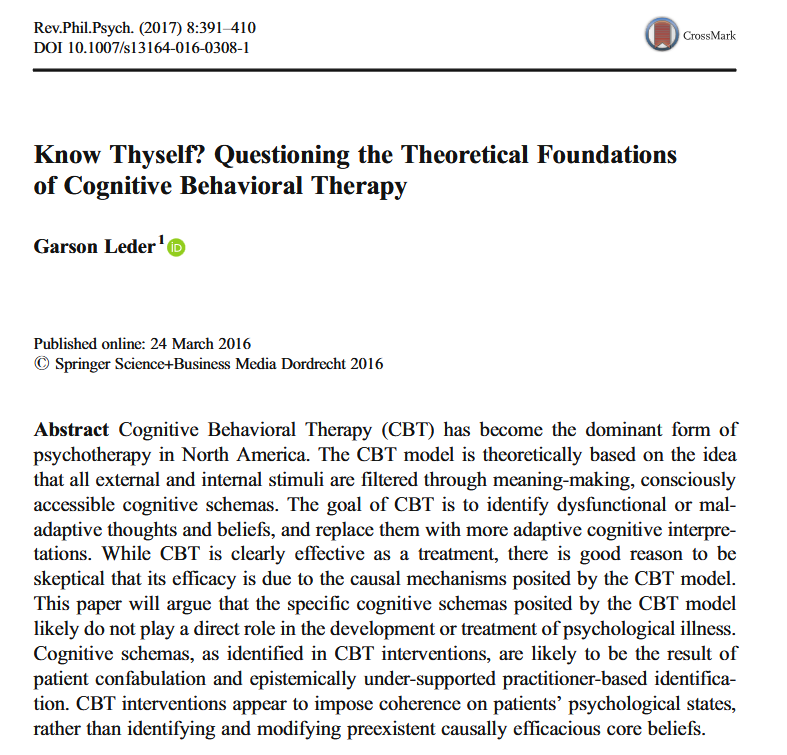
CBT works. But does it work for the reasons it claims? link.springer.com/content/pdf/10… @DrGipps
English
@DrGipps I've always thought of myself as a kind of a Murdochian (or a Murdochian-Platonist). But, well, I am not very surprised to see myself (made) an Anscombian (by you) 🙂
English

@Castalia1981 I'm happy with that. Maybe it's the idea of 'causally *efficacious*' that's problematic, leading one to think in terms of efficient causes. Then again, maybe the whole area is more subtle than even Aristotle can help with and we need to become Anscombians.
English
CBT works. But does it work for the reasons it claims?
link.springer.com/content/pdf/10…
@DrGipps
English
@DrGipps Well, maybe we should just become Aristotelians for a while and call it formal causes? Who knows 🙂
English
@Castalia1981 Yes to reasoning together. ... But I just don't know whether constitutive relations are ipso facto not causal. Not cos of silly Davidsonian reasons ('the cause of A caused A' etc). And it sure is unhelpful to say 'my belief B caused ME to X'. But 'B caused X' - it seems okay?
English
@DrGipps 2/ And, that is for sure, I don't think CBT works via arguing others into thinking otherwise. Rather, I guess, the notion of "reasoning together" (both parts of crucial importance) sounds much better to me.
English
@DrGipps 1/ I'm not sure, to be honest. I'm rather prone to suspect that the relationship between beliefs (cognitive dimensios) and emotions/experiences is more of a constitutive kind and, by this very token, the idea of causality doesn't make much sense... 👇👇👇
English
@DrGipps I knew it! If you did, it would probably be quoted here: cambridge.org/core/services/…
English


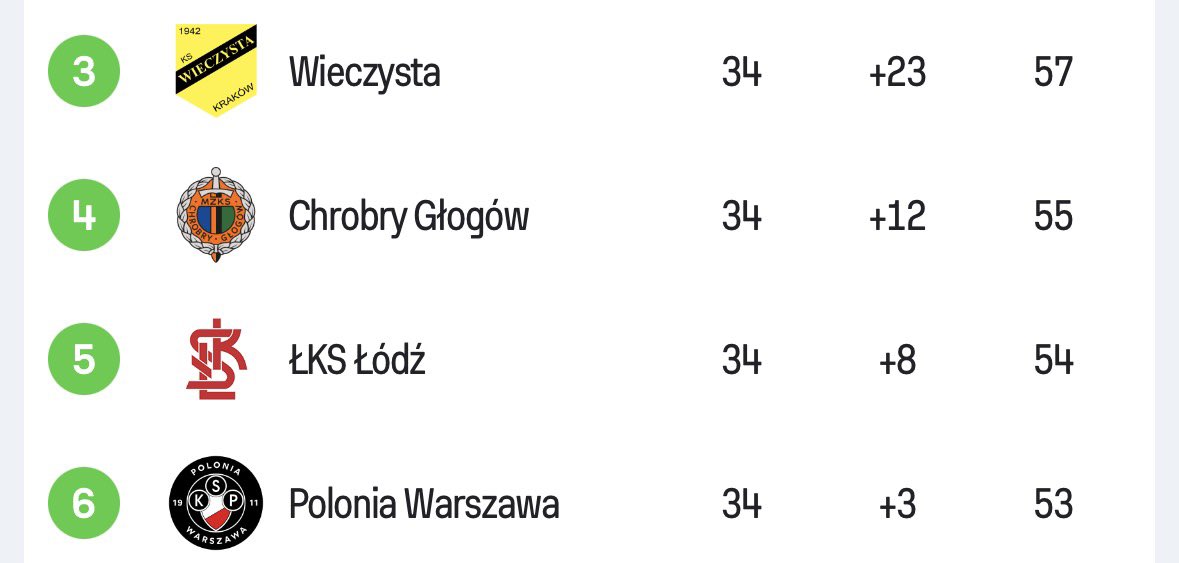
@Lefrektor Jak tak dalej pójdzie, to zostanie Pani pierwszą osobą, która dostanie się do nieba na zasadzie "side effect"...
Polski


Konrad Banicki retweetledi

Jestem ignorowany przez algorytmy, ale się nie poddaje. Może parę osób to zobaczy. Zawsze to lepiej niżby taka fotka miała się kisić w archiwum ;)
Białozór (Falco rusticolus).

Polski
Konrad Banicki retweetledi

Fidel Castro plays basketball in Krakow, Poland, 1972.

English

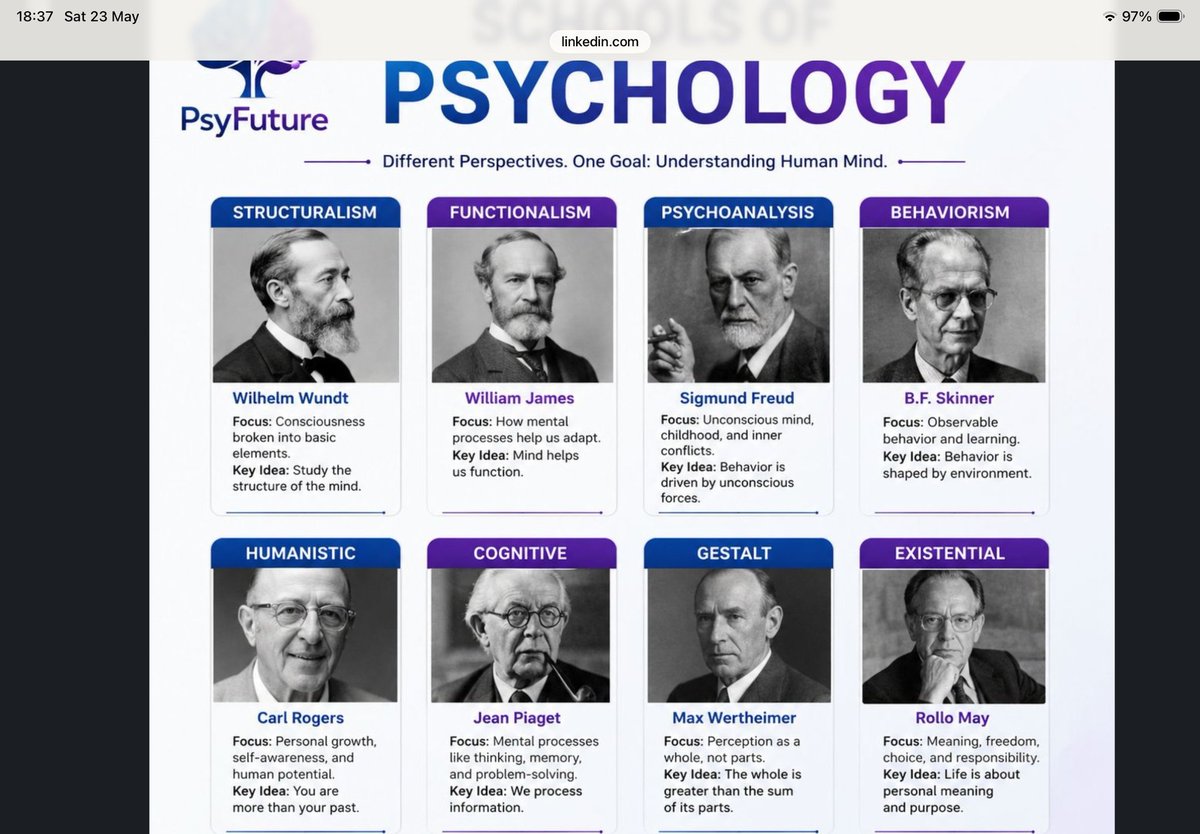
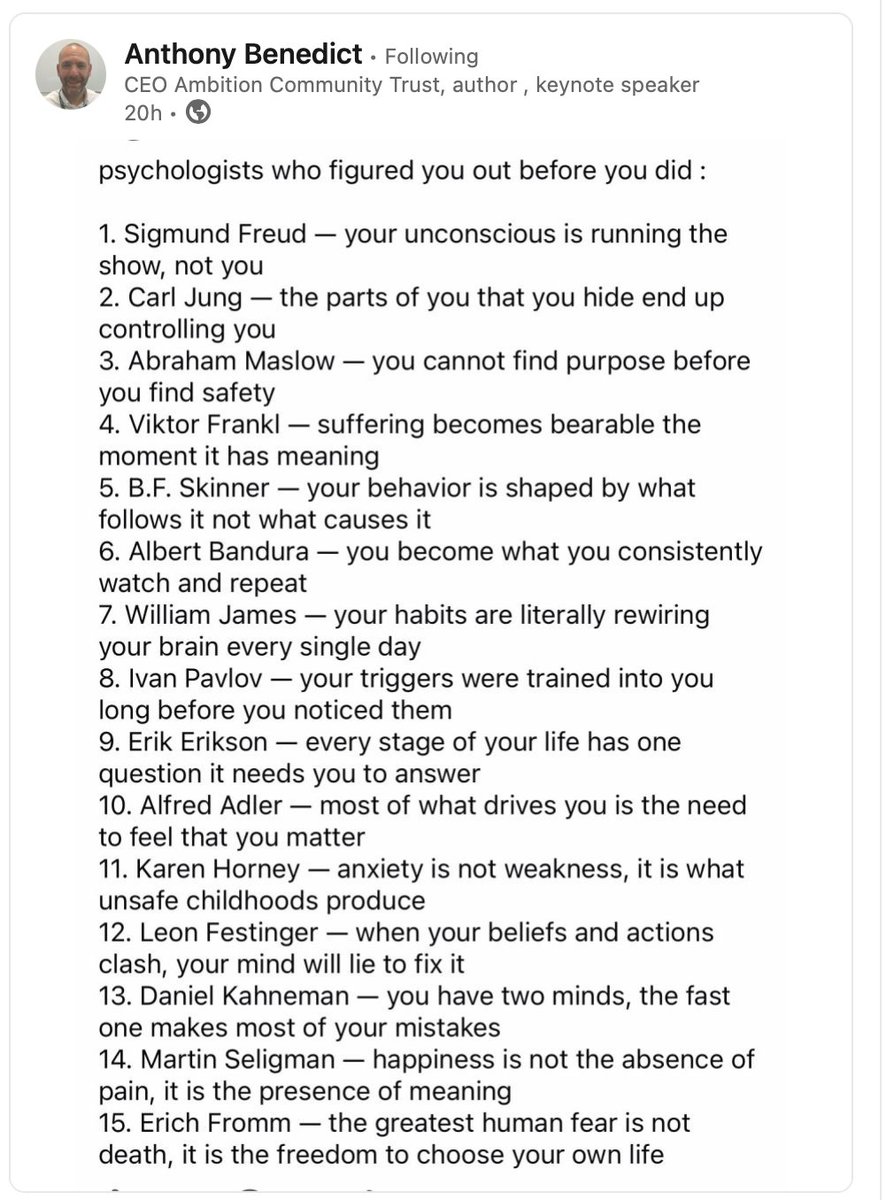
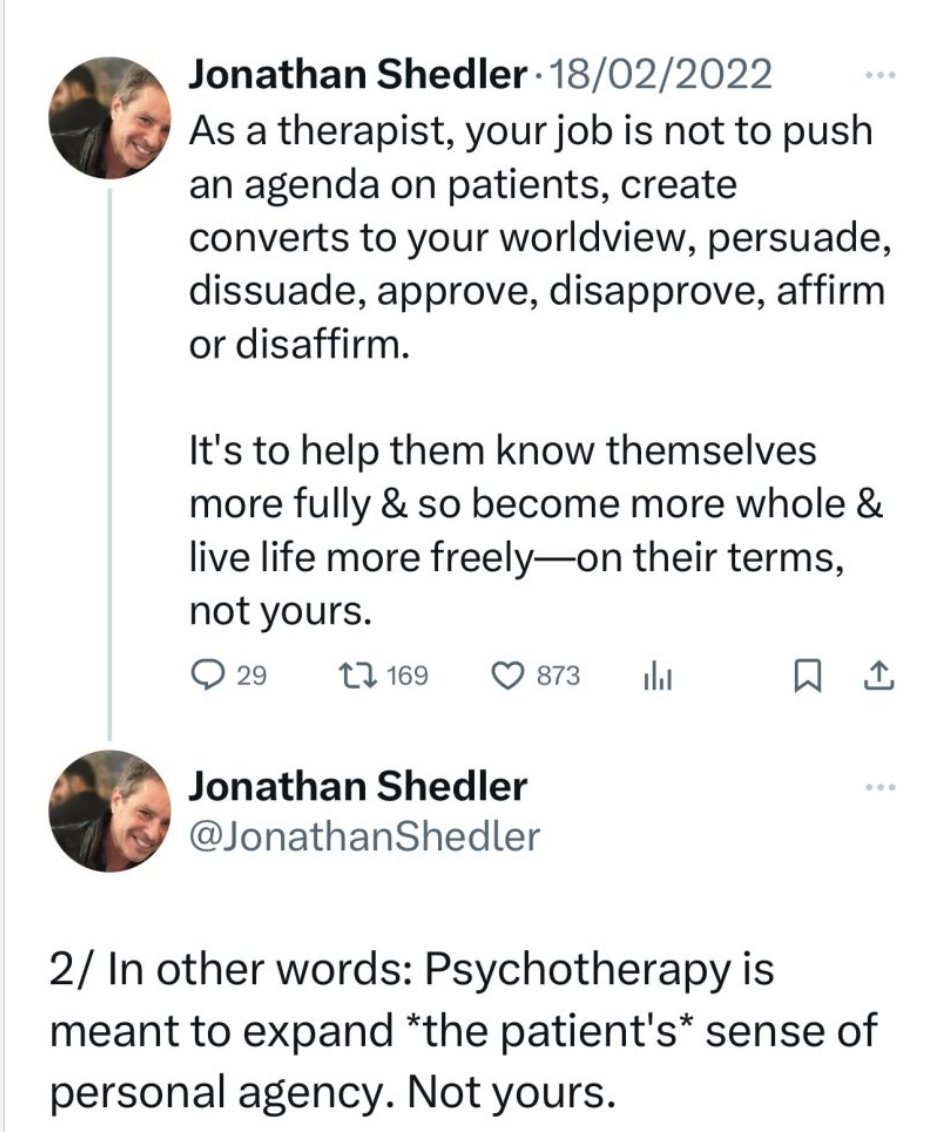
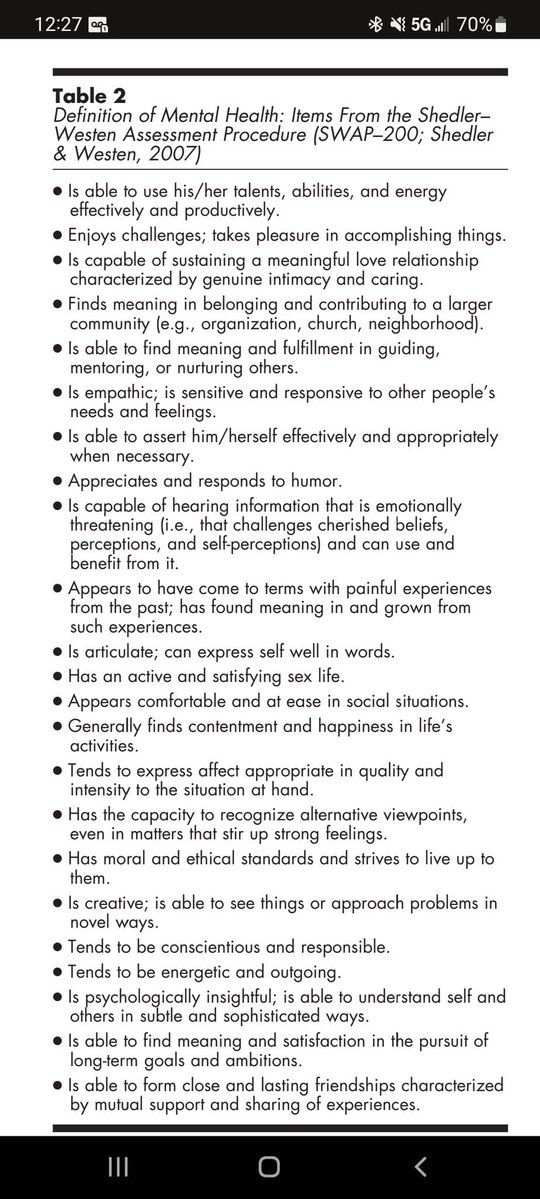
@Castalia1981 Since the Judea/Christian tradition/Vienna Circle/Dutch/Swiss/British Atlantic/US, the Western cannon of normal/abnormal development and even Karen Horney viewed 'variations' as neurotic variations on 'normal' adaptiveness/malware
English

@RebCoPTrainee @Castalia1981 It’s very interesting and very readable.
English