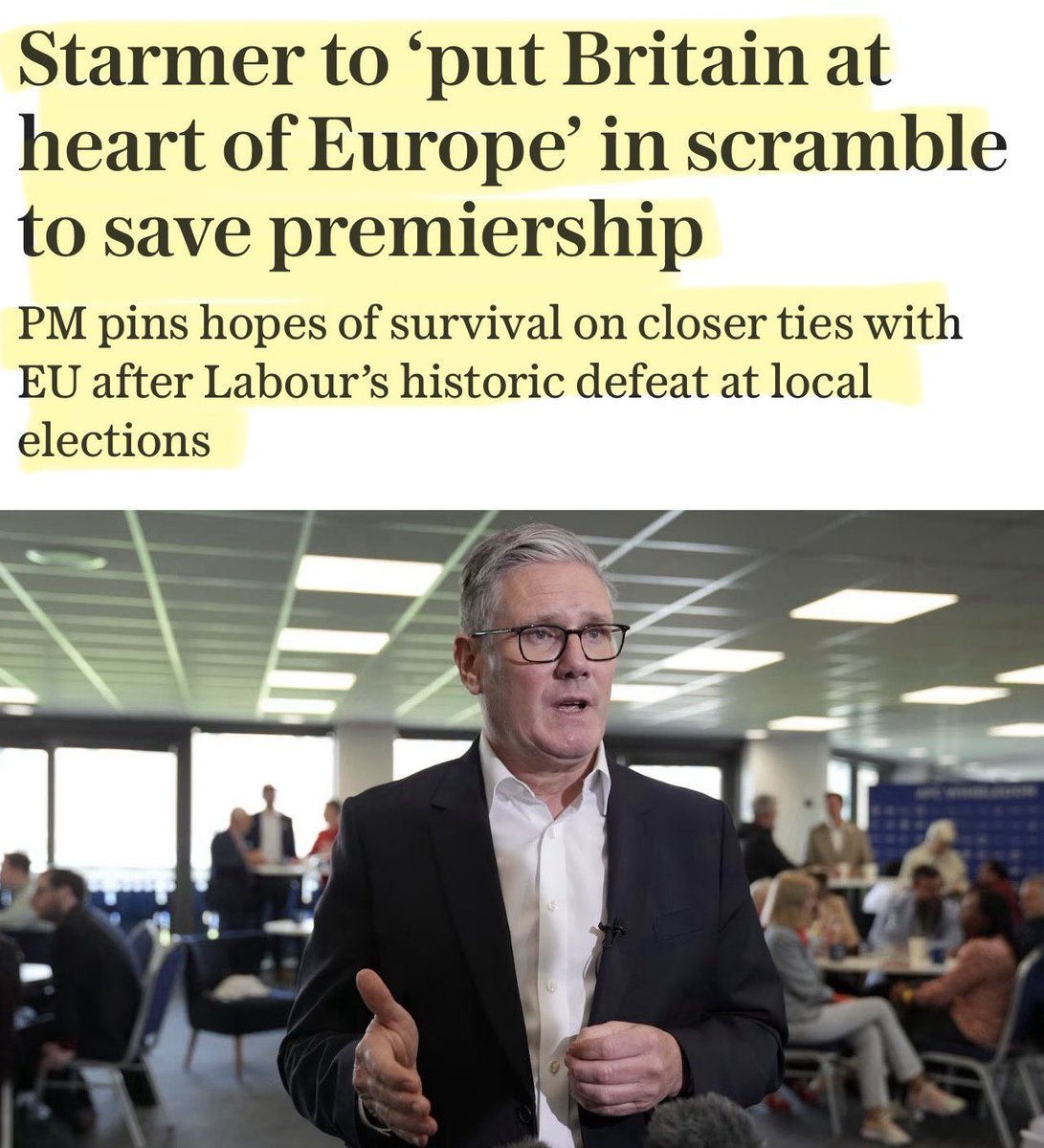
@darrenpjones How does adding jet another layer of civil servants help ?
English
steven cavill
6.5K posts





Labour Tax Expert Dan Neidle Says HMRC’s Exoneration of Rayner Is ‘Generous’ and ‘Hard to Understand’ order-order.com/2026/05/14/lab…





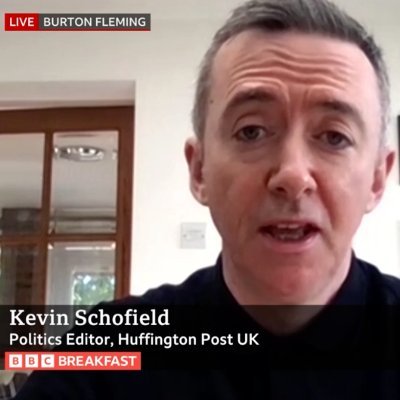
🚨 WATCH: Angela Rayner reacts to Keir Starmer’s speech "We will be judged on actions, not just our words... we can start by accepting that Andy Burnham should have never been blocked. It was a mistake the leadership of our party should put right"

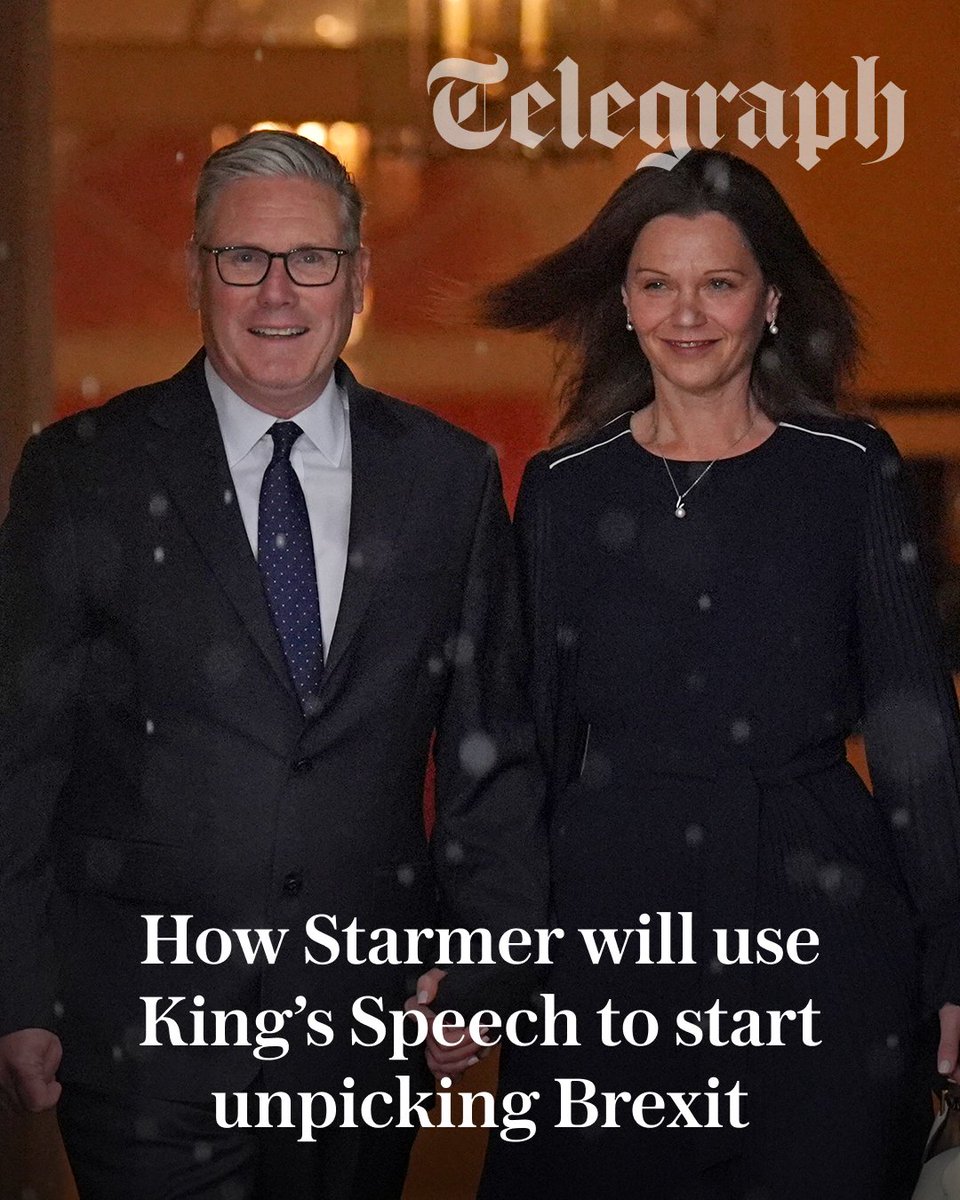
A few thoughts on Keir Starmer's speech... 🤔 (TL;DR - There was nothing to move the dial here, either on the politics or the economics. There is a case for closer cooperation with the EU on security issues, but this should not require the UK to sign up to even more of the EU's rules and unrelated schemes, while paying extra for the privilege. Indeed, these EU rules still limit the scope to provide more state support to British Steel, even if (a big if) it were desirable to do so.) 1⃣ There were no new policy announcements, just a rehash of things we already knew were coming; examples include the formal nationalisation of British Steel, which is already effectively under UK government control, and the "jobs guarantee" for young people, first promised back in November 2024. 2⃣ The nationalisation of British Steel will not address the fundamental problems facing the sector, notably the UK's sky-high energy prices. As it stands, nationalisation of the failing business just transfers more financial losses to the taxpayer. 3⃣ The UK probably could have nationalised British Steel even before Brexit, citing national security interests. But EU rules severely limit the amount of state aid that a member country can be provide, even if (a big if) it were desirable to do so. These rules still have some effect via the "level playing field" provisions of the UK–EU Trade and Cooperation Agreement (TCA). 4⃣ More generally, Starmer made a lot of the desire to be at the "heart of Europe", partly in response to rising geopolitical risks. The growing security threats from China and Russia and the strained relationship with the United States have indeed strengthened the case for cooperating more closely with allies in the rest of Europe. But this is essentially about security and defence cooperation, which has not been affected by the UK’s departure from the EU. In particular, “Brexit Britain” has led the support for Ukraine. Similarly, closer security and defence cooperation with friendly non-EU countries – notably Canada, Australia, and New Zealand – does not depend on closer economic ties with these countries, or signing up to a whole raft of other schemes while paying extra for the privilege.