Enri Çeno

762 posts

Enri Çeno banner
Enri Çeno

Enri Çeno

@CenoEnri

Enthusiastic Entrepreneur and Conservative Politician. Venture Capitalist. International Secretary @ Democratic Party of Albania. Book lover.

Europe Katılım Ekim 2019
291 Takip Edilen169 Takipçiler
Enri Çeno
Enri Çeno@CenoEnri·
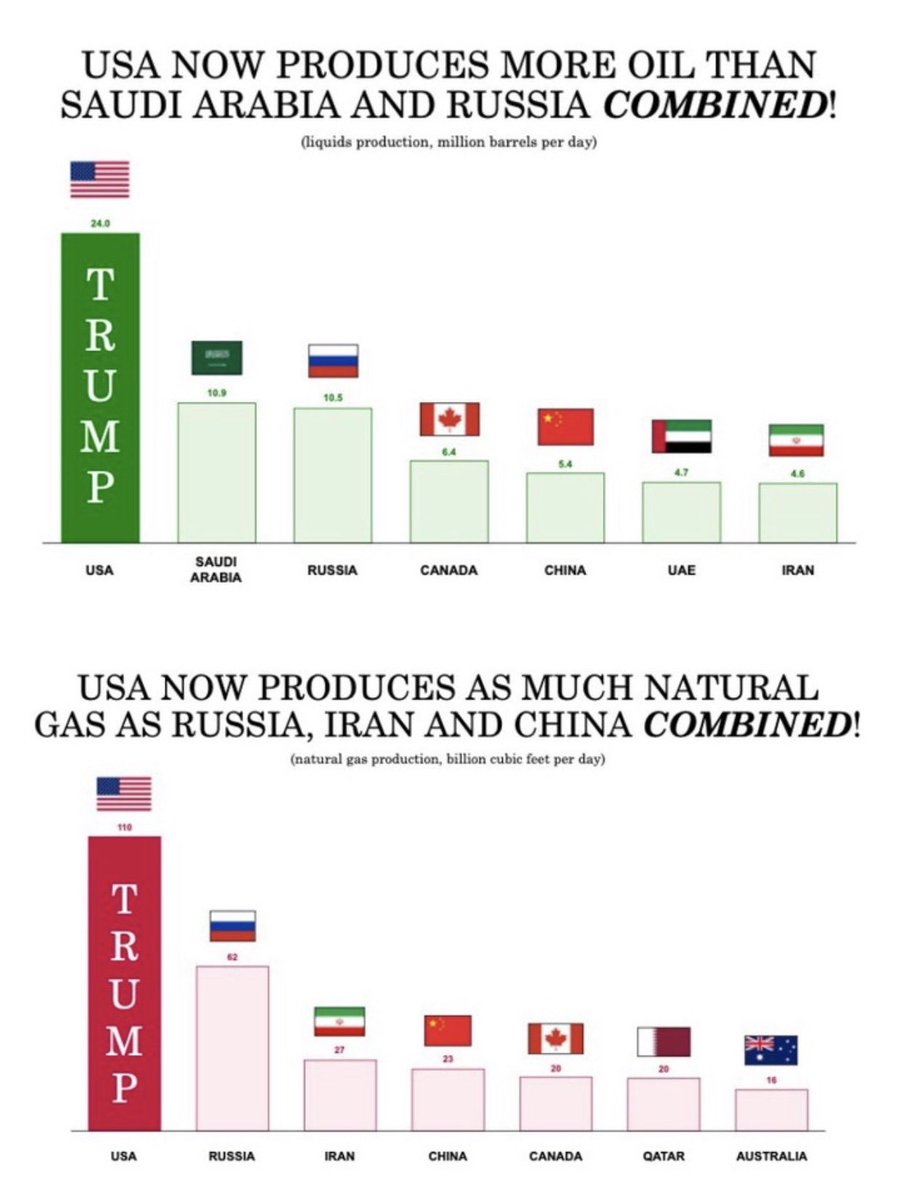
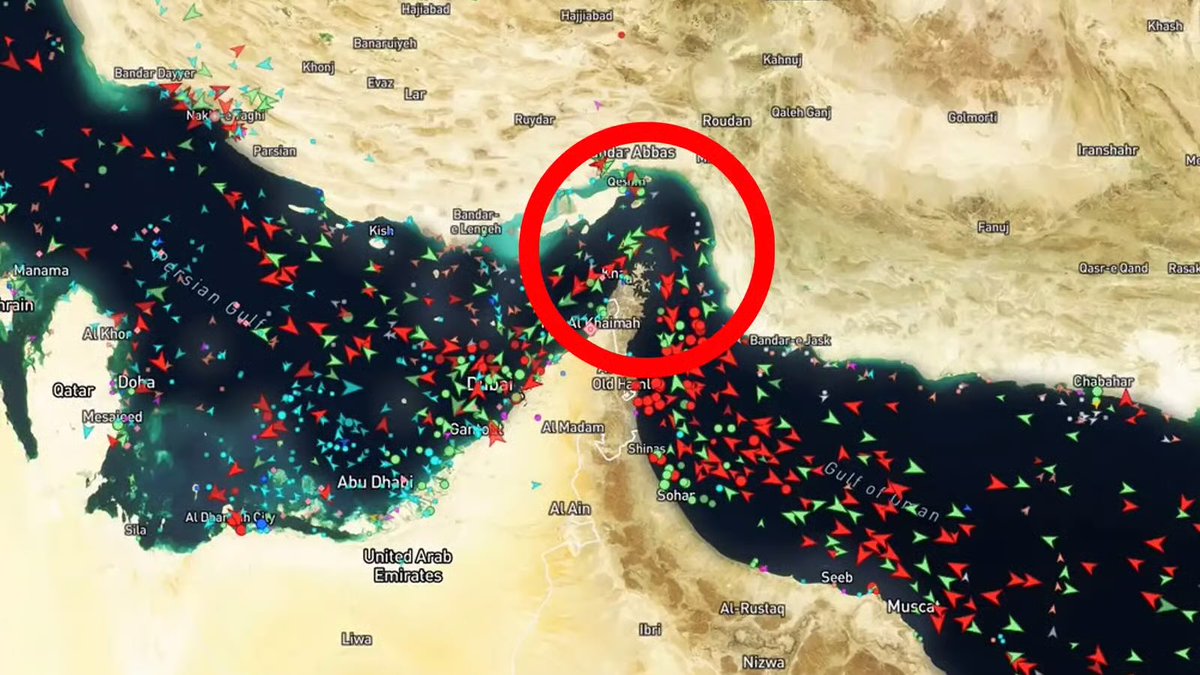
The global hegemony of the United States has not been built on a single factor, but rather on a complex architecture in which #MaritimePower constitutes the fundamental axis of its strength. In this sense, the seas are not merely open spaces for circulation, but strategic structures that sustain the #InternationalOrder, while straits represent the nodes where real control is concentrated. One of these nodes is the Strait of Hormuz, a geographically limited space with extraordinary weight in the #GlobalBalanceOfPower. For the rest of the world, its importance is perceived primarily in #Energy terms, as a vital corridor for the transport of oil and gas, whereas for the United States it represents above all a critical point of #MaritimeControl and, consequently, of its very #Hegemony. The logic underpinning this hegemony is rooted in a classic #Geopolitics principle: dominance over the seas translates into dominance over trade flows and, ultimately, into control over the structure of the #GlobalSystem. From this perspective, any threat to the control of these corridors is not seen as an ordinary crisis, but as an #ExistentialChallenge that touches the very foundation of American power. Losing control over such a strait would not simply be a tactical setback, but a fracture in the strategic architecture that sustains the global order. For this reason, any attempt to challenge this control is met with strong reactions, often perceived as disproportionate from the outside. These reactions cannot be understood solely through the lens of immediate political decision-making, but must be interpreted as expressions of a deeper structural mechanism. Figures such as Donald Trump are often perceived as unpredictable or excessive in their rhetoric, yet in reality they reflect the internal tension of a system striving to preserve its dominance in an increasingly challenging environment. When a strategic node like Hormuz is threatened, the response is not merely political, but #Systemic: it stems from the very necessity of maintaining an order grounded in control over #MaritimeRoutes. In this context, measures such as #Embargoes, #Blockades, or strict control over maritime passages are not simply tools of foreign policy, but protective elements of a broader structure of power. If this structure were to be seriously undermined, the consequences would not be confined to a single region, but would spread across the entire #GlobalEconomy, endangering its stability. Thus, actions that may appear aggressive or irrational on the surface are, at their core, attempts to prevent a potential collapse of the existing order. However, beyond the material and strategic dimension, there is another equally important component: the #CollectivePsychology of the superpower. A sense of #HistoricalMission, belief in superiority, and difficulty in fully understanding other cultural and anthropological realities create a complex interplay between perception and action. This interplay often produces a gap between how the United States interprets the world and how the world actually functions. Within this gap arise misunderstandings, tensions, and reactions that may seem inexplicable to other international actors. Ultimately, the global order rests on a fragile balance between structures of power and the perceptions that accompany them. When control over key maritime spaces is called into question, it is not merely an issue of military or economic strategy, but a challenge to the very identity and functioning of the international system. In this sense, events that may initially appear confined to a specific region acquire a much broader dimension, becoming critical points where not only the balance of power is decided, but also the direction of the #GlobalFuture.
Enri Çeno tweet media
English
0
1
1
20
Enri Çeno
Enri Çeno@CenoEnri·
In this sense, the rhetoric of the “#worldspoliceman” obscures a more nuanced reality. Power today is exercised less through overt domination and more through the management of systems—#traderoutes, #financialnetworks, and #energyflows. The current crisis demonstrates that those who criticize American dominance are confronted with a practical dilemma: replacing that role requires not only political will but also the logistical, military, and economic capacity to secure and stabilize global commons such as the #StraitOfHormuz. Ultimately, the unfolding dynamics suggest that the global energy order is entering a new phase, one in which #fragmentation and #strategiccompetition coexist with deep #interdependence. The United States, positioned at the intersection of production, refining, and maritime control, appears comfortable operating within this ambiguity—simultaneously a #supplier, a #regulator, and, when necessary, a #disruptor.
Enri Çeno tweet media
English
0
0
0
11
Enri Çeno
Enri Çeno@CenoEnri·
The comparison to historical #blockades, such as that imposed on #Cuba, is not without merit, but the scale and context are fundamentally different. In the case of Iran, the blockade intersects with a globalized #energy system where disruptions reverberate instantly across continents, affecting #prices, #inflation, and #supplychains. Oil prices have already shown volatility amid fears of prolonged disruption. The consequences are not confined to energy markets; they cascade into #food production, #manufacturing, and global #trade. What emerges from this situation is a redefinition of #power. The United States is not merely acting as a hegemon imposing unilateral control; it is exploiting a structural position within the global energy network. Its ability to both supply and restrict flows gives it a form of #leverage that is difficult to counter without coordinated international action—something that, notably, has been lacking, as many traditional allies have hesitated to engage directly in the conflict.
English
1
0
0
29
Enri Çeno
Enri Çeno@CenoEnri·
The contemporary global oil order is increasingly defined not by simple #supply and #demand, but by a complex #geopolitical choreography in which #maritime chokepoints, #refining capacities, and #strategic coercion intersect. At the center of this system stands the #UnitedStates, whose evolving role as both a major #producer and #exporter of #hydrocarbons has reshaped traditional #energy flows and #power balances. The recent escalation surrounding the #StraitOfHormuz and the U.S. #naval blockade of #Iranian ports illustrates how #energy #geopolitics is no longer merely about #resources, but about control over #circulation. In structural terms, the United States has achieved a unique duality. On one hand, it imports #heavycrude oil—primarily from countries such as #Canada and #Mexico—because its #refining infrastructure was historically designed to process dense, sulfur-rich hydrocarbons. On the other hand, the American #shale revolution, concentrated in regions like #Texas, has produced large volumes of #lightcrude oil, which is easier to refine and highly valued on international markets. This creates a circular #trade logic: the U.S. imports heavy crude to feed its refineries while exporting light crude and #refinedproducts globally. This dual system is not a contradiction but a strategic optimization of #industrial capacity and global #demand.
English
1
0
0
18
Enri Çeno retweetledi
EPP
EPP@EPP·
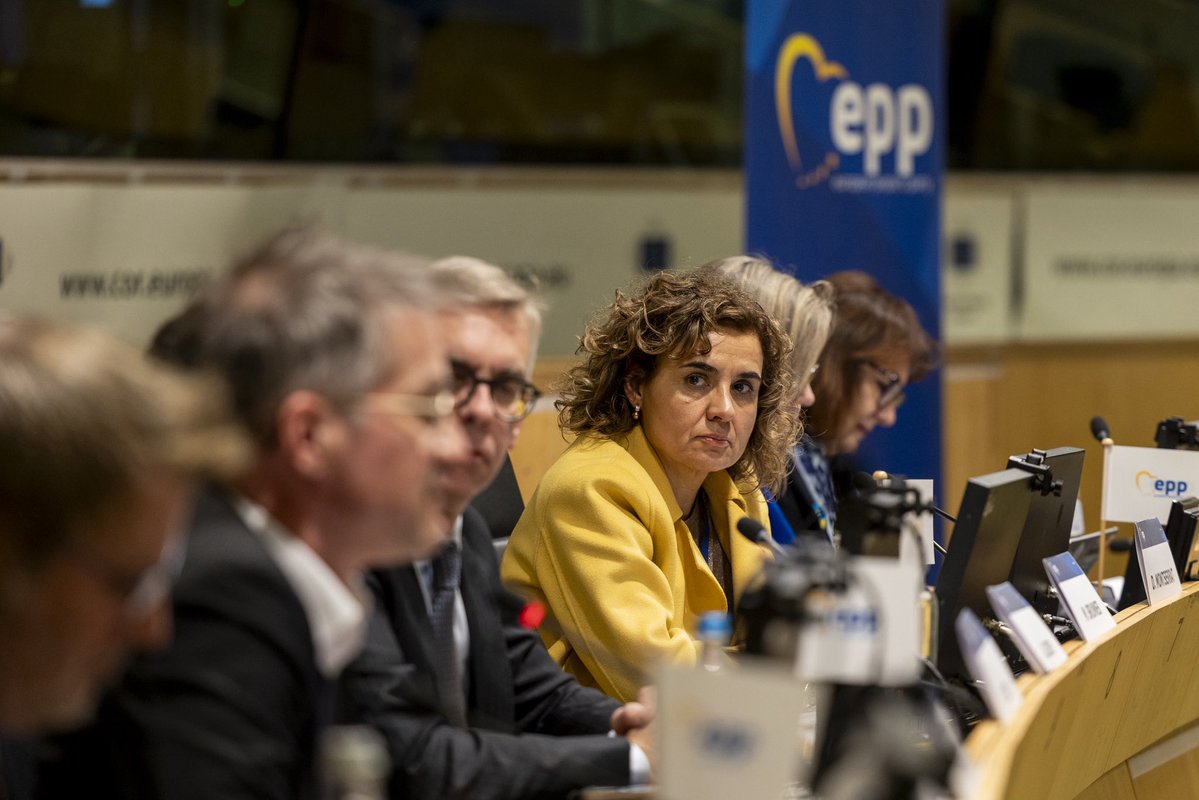
Excited to kick off another EPP Political Assembly, this time at the @EU_CoR. Looking forward to engaging with our members and shaping our shared priorities for 2026, from strengthening the external dimension of migration to advancing the new Multiannual Financial Framework.
EPP tweet mediaEPP tweet mediaEPP tweet mediaEPP tweet media
English
2
5
15
2.2K
Enri Çeno
Enri Çeno@CenoEnri·
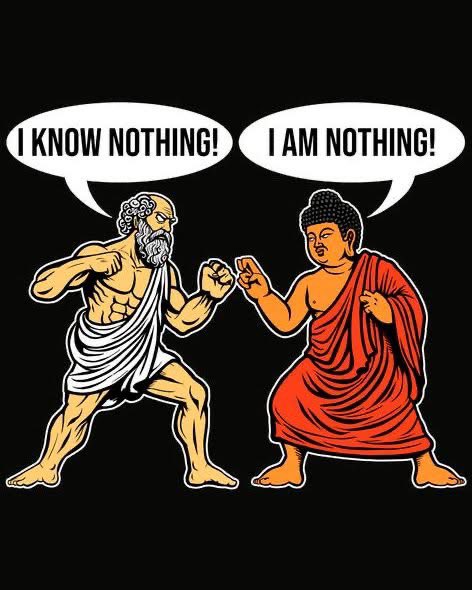
Two figures stand facing one another—not as enemies, but as symbols of two fundamentally different ways of understanding #existence. One declares, “I know nothing,” echoing the Western #philosophy tradition that begins with doubt, inquiry, and #reason. The other responds, “I am nothing,” expressing the Eastern path that seeks liberation through the dissolution of #ego and the direct experience of #reality. These two short statements encapsulate centuries of thought about #knowledge, #identity, and #truth. Western philosophy, rooted in ancient Greece, treats ignorance not as a failure but as a starting point. Socratic humility opens an endless process of questioning, analysis, and #dialogue. It assumes a thinking subject—an “I” that stands apart from the world, examining it through language, logic, and rational structures. Even #skepticism remains tied to the mind’s effort to understand and define reality. Eastern philosophy, particularly in Buddhist and Taoist traditions, takes a different route. The declaration “I am nothing” is not #nihilism, but freedom. It rejects the illusion of a fixed, permanent self and loosens attachment to identity, desire, and fear. To be “nothing” is to flow with reality rather than stand against it. Where the West seeks to know, the East seeks to #awaken; where one constructs meaning, the other dissolves it. What appears as opposition is, in fact, #complementarity. Western thought risks becoming trapped in endless analysis, separating thought from #experience. Eastern thought risks withdrawing into silence, inaccessible to rational communication. One relentlessly asks “What is truth?” while the other responds by letting the question fall away. Yet truth may not reside fully in either extreme. Modern life—saturated with information, constructed identities, and constant self-definition—demands both approaches. The humility of “I do not know” keeps the mind open and guards against #dogma. The liberation of “I am nothing” keeps the spirit free and guards against ego. One protects us from false certainty; the other from false identity. #Philosophy, then, is not a choice between East and West. It is the capacity to stand between them: to think deeply without becoming enslaved by thought, and to experience deeply without losing #awareness. In the quiet dialogue between knowing and letting go, a fuller #wisdom emerges—one that understands that the path to truth is often found not in choosing a side, but in maintaining the fragile #balance between them.
Enri Çeno tweet media
English
0
0
1
24
Enri Çeno
Enri Çeno@CenoEnri·
The phrase “No one is illegal on stolen land,” spoken publicly by Billie Eilish at the 2026 Grammy Awards, presents itself as a moral absolute. It sounds humane, definitive, and righteous. Yet it is precisely this certainty that demands scrutiny. Human history, psychology, and philosophy have never been shaped by statements that leave no room for contradiction. They have evolved through tension, doubt, and confrontation with reality. #CriticalThinking #Philosophy Across the long arc of human evolution, land was never a moral concept—it was a condition of survival. Early human groups moved, clashed, merged, and disappeared. Territory preceded ownership; survival preceded justice. To describe all land as “stolen” is to impose modern moral language onto prehistoric and historical realities where such categories did not exist. This anachronism simplifies history instead of illuminating it. #HumanEvolution #History Over time, humans organized this instinct. Territory became sovereignty; sovereignty became law. Yes, violence shaped many borders. But history is not a single frozen act of theft—it is a continuous process of transformation, legitimacy, and coexistence. If every land remains eternally “stolen,” then no society can ever be legitimate, and responsibility dissolves into permanent guilt. #Power #HistoricalReality Psychologically, humans function through distinctions: inside and outside, permitted and forbidden. These categories are not merely tools of exclusion; they are mechanisms of order and security. When we declare that “no one is illegal,” we do not eliminate the need for structure—we deny it. And when structure collapses, fear fills the vacuum. History shows that fear rarely produces compassion; it produces harsher forms of control. #HumanPsychology #SocialOrder Philosophically, the statement confuses moral critique with the rejection of law itself. Law is not justice, but it is the only instrument societies have created to approach justice without descending into arbitrariness. Political philosophy has never argued for a world without law, only for better law. When law is dismissed entirely, what remains is raw will—and will always favors the strongest. #PoliticalPhilosophy #LawAndJustice The phrase is compelling not because it is rigorous, but because it is comfortable. It offers moral clarity without demanding concrete solutions. It transforms ethics into identity and complexity into slogan. But history is not changed by slogans—it is shaped by difficult, imperfect structures built around real human behavior. #MoralAbsolutism #HumanCondition A serious historical, psychological, and philosophical analysis cannot accept this phrase as a final truth. As a gesture, it resonates. As an idea, it oversimplifies reality—and oversimplified ideas have rarely led to just outcomes. #CriticalEssay #Realism
Enri Çeno tweet media
English
1
0
0
43
Enri Çeno
Enri Çeno@CenoEnri·
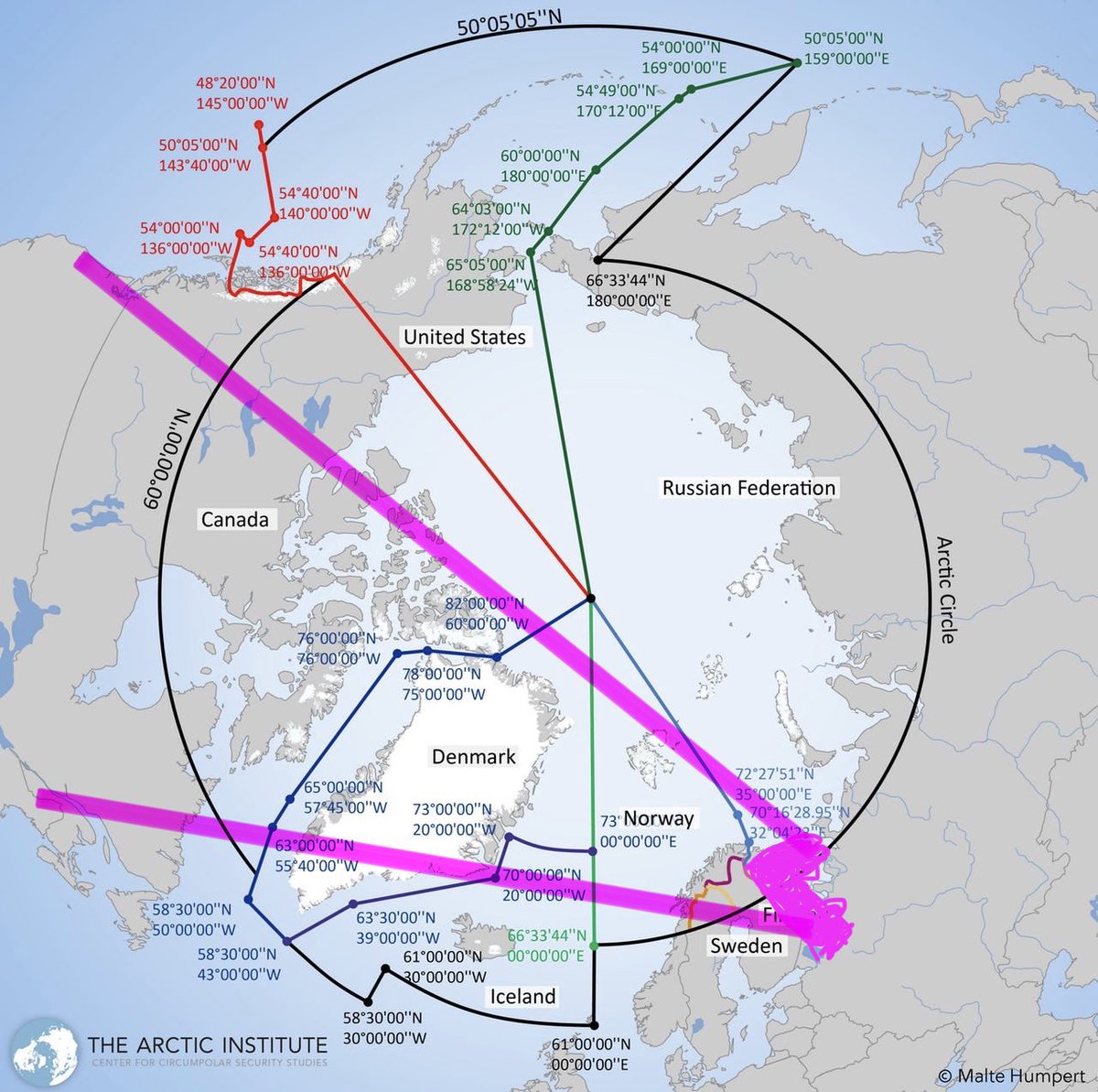
Greenland and the Geopolitical Reconfiguration of Global Strategic Space In contemporary geopolitics, space is not a passive backdrop but an active force shaping state behavior and global security. Yet our understanding of space remains distorted by cartographic projections that misrepresent physical reality. The Mercator projection, inherited from the era of maritime navigation, exaggerates distances and marginalizes high northern latitudes. This is not a trivial academic issue—it produces strategic misperceptions about #globalpower. #Greenland more than any other territory exposes this gap between perception and reality. Viewed from a spherical perspective, the shortest routes between northern #Eurasia and #NorthAmerica pass over the #Arctic. Air, ballistic, and space trajectories follow great-circle logic, not flat maps. As a result, the Arctic is not a periphery but a central strategic corridor where nuclear powers intersect. Russia’s force concentration on the #KolaPeninsula reflects this geometry: the Arctic offers the most efficient path toward strategic targets on the U.S. mainland. From this angle, Greenland is not an isolated ice mass but a critical node located beneath potential strategic trajectories. In #missiledefense, the midcourse phase of a ballistic missile—near apogee—is the most favorable window for interception. At this stage, trajectories are predictable and reaction time becomes decisive. Advantage depends not only on technology, but on geometry. Greenland’s position places it structurally close to these trajectories, making it indispensable rather than optional. This explains the continuity of #US strategic interest in Greenland across administrations. What is often portrayed as political eccentricity is in fact driven by stable, measurable parameters of #nationalsecurity. As the Arctic shifts from buffer zone to operational theater, Greenland becomes a convergence point of air, space, and maritime domains. Melting ice is also opening new #maritime corridors, shortening routes between #Asia and #Europe. The Northern Sea Route is becoming a viable commercial artery, inevitably attracting military attention. History shows that trade routes and #security are inseparable. In this context, Greenland’s northeastern coasts gain dual importance: monitoring submarine movement into the #NorthAtlantic and supporting early-warning and missile defense systems. Its strategic value does not stem from population or resources, but from its position in the global geometry of power. Geopolitics is ultimately governed by distance, time, corridors, and control—not rhetoric. As the Arctic becomes a central axis of the international system, understanding polar space is a key indicator of #globalpower. Greenland is not a frozen periphery; it is a structural pillar of the emerging order. #Geopolitics #ArcticGeopolitics #GlobalSecurity #StrategicStudies #DefensePolicy #InternationalRelations #PowerProjection
Enri Çeno tweet media
English
0
0
0
40
Enri Çeno
Enri Çeno@CenoEnri·
The approval of the National Defense Authorization Act in December, just weeks before these developments, provided the necessary legal foundation for this approach. This act signaled that the United States is prepared to employ all instruments of state power to neutralize transnational threats, particularly those originating from failed states or criminal regimes. The intervention in Venezuela, in this sense, was not an exception but the concrete implementation of a clearly articulated doctrine. #NDAA #RuleOfLaw In conclusion, the American intervention in Venezuela can be interpreted as fully consistent with U.S. doctrinal tradition and its contemporary security needs. It represents a synthesis of Monroe, Truman, and Trump: hemispheric defense, prevention of systemic threats, and the absolute prioritization of national security. In a world where failed states and transnational criminal networks represent some of the greatest risks of the 21st century, this action signals not only strength, but strategic clarity. #USLeadership #Geopolitics #21stCenturySecurity
English
0
0
0
18
Enri Çeno
Enri Çeno@CenoEnri·
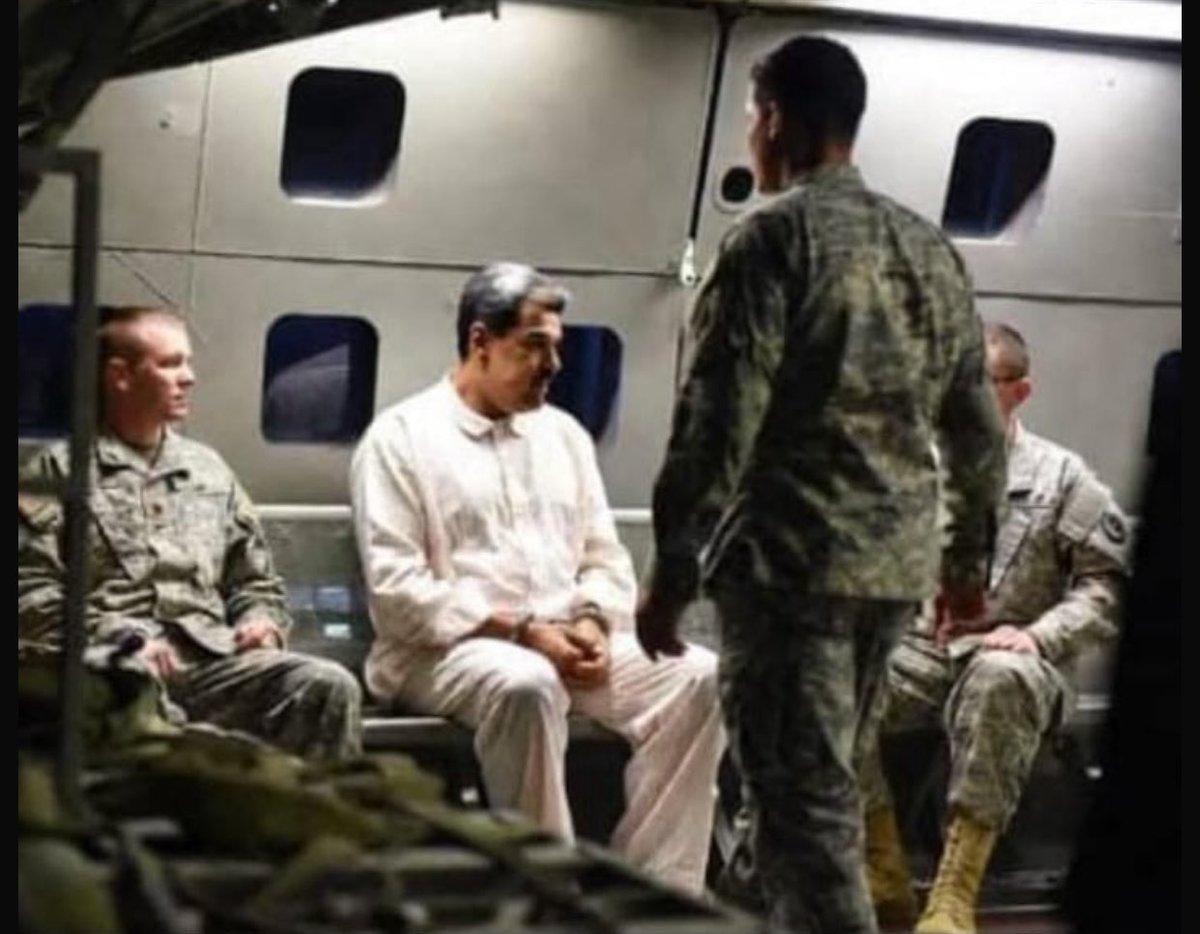
The U.S. military intervention in Venezuela and the arrest of Nicolás Maduro represent a decisive turning point in the security architecture of the Western Hemisphere and a clear reassertion of America’s role as the guarantor of regional strategic order. This action should not be interpreted as an impulsive use of force, but rather as the result of a long-standing doctrinal and political continuity that has guided the United States for more than two centuries — from the #MonroeDoctrine, to the #TrumanDoctrine, and up to the contemporary national security framework shaped by the principles of #AmericaFirst. The Monroe Doctrine, proclaimed in 1823, established the foundational principle that the Western Hemisphere lies outside the sphere of interference of external powers and that its stability is directly linked to the security of the United States. In this sense, the transformation of Venezuela into a failed state — captured by an authoritarian regime and deeply infiltrated by international criminal networks — constituted a direct violation of this historic principle. The American intervention therefore does not appear as an expansionist act, but as a return to Monroe’s defensive logic: the prevention of systemic threats within America’s strategic backyard. #WesternHemisphere #RegionalSecurity This approach is further reinforced by the Truman Doctrine, which after World War II legitimized active American engagement against regimes that generate instability and threaten the international order. Although initially articulated in the context of containing communism, the Truman Doctrine established a critical precedent: the United States is not merely a reactive power, but a preventive one. The Maduro regime — marked by economic collapse, political repression, and documented cooperation with criminal actors — met all the criteria of a threat requiring decisive intervention rather than symbolic sanctions. #Deterrence #PreventiveAction On the domestic front, this intervention is closely tied to Donald Trump’s electoral commitments on national security and the fight against drug cartels. Trump has consistently framed narcotrafficking not as a peripheral social issue, but as a strategic threat to the health and stability of the nation. The years 2023–2024 recorded the highest levels of drug-related deaths in U.S. history — a national tragedy that exposed the direct link between international cartels, failed states, and America’s internal crisis. The significant decline of this trend in 2025 demonstrated that a tougher and more proactive approach can produce real results. #NationalSecurity #WarOnDrugs In this context, Venezuela was not merely a distant Latin American problem, but a strategic node in the narcotrafficking chain fueling America’s drug crisis. Striking a regime that tolerates or cooperates with these networks therefore constitutes an act of national self-defense. This logic was further institutionalized through the Trump Doctrine on diplomacy and security, which is based on the principle that without security there is no sovereignty, and without sovereignty there can be no effective diplomacy. “America First” does not imply isolationism, but clear strategic priorities and the willingness to act when vital interests are threatened. #TrumpDoctrine #AmericaFirst #Sovereignty
Enri Çeno tweet media
English
1
0
0
94
Enri Çeno
Enri Çeno@CenoEnri·
Europe didn’t “fall behind.” Europe chose to fall behind. In 2008, the EU and the U.S. economies were nearly equal. Today, the U.S. is ~50% larger than the entire EU combined. That gap is the result of #policy, not fate. The U.S. bet on #innovation, #risk, and #capital. Europe bet on #regulation, #precaution, and control. Result? 9 of the 10 most valuable companies are American. Europe has zero trillion-dollar tech companies. In Europe, founders are treated with suspicion. In Silicon Valley, they’re celebrated. Failure is shame in Europe. Failure is #education in the U.S. Nearly 90% of EU tech talent would move to the U.S. for the right opportunity. Not because they hate Europe — but because Europe punishes #ambition. Even Europe’s winners leave: Spotify. Klarna. ARM. Capital, scale, and growth live elsewhere. Europe debates. America builds. #China executes. Europe regulates first — then wonders why nothing grows. #Security without growth is stagnation. #Protection without ambition is decline. Europe isn’t becoming the future. It’s becoming a well-preserved #museum of the past.
English
0
0
0
40
Enri Çeno retweetledi
Christopher Landau
Christopher Landau@DeputySecState·
This is the same person, incidentally, who characterized Communist Cuba as a “one-party democracy” and fostered European investment, tourism, and trade that propped up the island’s repressive and stridently anti-American regime.
FRANCE 24 English@France24_en

🇪🇺 Former EU foreign policy chief Federica Mogherini was formally charged on Wednesday with "procurement fraud and corruption". Click here for more 👉go.france24.com/P8J

English
229
1.5K
4K
202.8K
Enri Çeno
Enri Çeno@CenoEnri·
A quick overview of my latest analysis on the 2025 U.S. National Security Strategy and its impact on the #WesternBalkans, especially #Albania. Building on insights from @SamuelDSamson about the need for “civilizational allies” in Europe, the article explores how #US priorities—strong alliances, resilient democracies, and countering authoritarian influence—shape our region today. These shifts highlight why a clear, pro-Western strategic orientation remains essential for the Balkans. Full article below 👇 albanianconservativeinstitute.org/the-2025-us-na… #Geopolitics #NSS2025 #Balkans #SecurityPolicy #ForeignPolicy
English
0
1
1
66
Enri Çeno
Enri Çeno@CenoEnri·
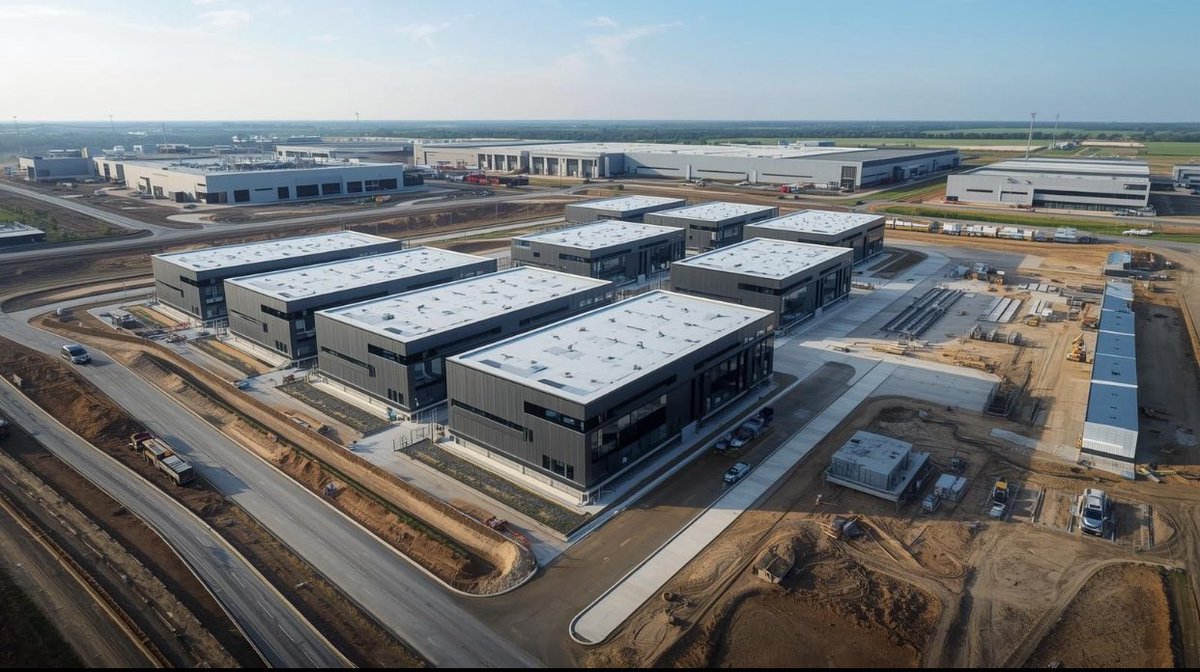
Something extraordinary is happening in Europe, and almost no one is paying the attention it deserves: the Schwarz Group, the company behind Lidl and Kaufland, has launched a colossal €11 billion investment to build one of the largest data centers the continent has ever seen. A six-building campus, 200 MW capacity, and up to 100,000 AI-grade GPUs—a number that outscales many national-level initiatives tenfold. This is not a story about a retail chain experimenting with technology; it is clear evidence that Europe is finally stepping seriously into the global #AI race, not with speeches but with real #infrastructure. For years, Europe has spoken about “digital sovereignty,” about the need not to fall behind the US or China, about ambitions to develop homegrown technology. But words remained words—until now. Because only those who control #compute control innovation. Only those who build high-level infrastructure can produce competitive technology, support scientific research, empower startups and industry, and influence the global economy. When a traditional retailer invests €11 billion to build a “compute factory,” the message is unmistakable: the game has changed. The new era of innovation will not be shaped by those who produce tools, but by those who own the capacity to create them. At this moment, #Albania should be paying attention and learning the right lesson. Digital transformation does not happen through conferences, workshops, or lightly used online platforms. It is not enough to be consumers of technology; we must become producers of technological capacity. We need to build data centers, stimulate investment in public and private cloud, create policies that make our country attractive for the AI industry, and support universities and startups with real access to compute power. Being a small country is not a limitation—Estonia, Ireland, and Israel have already proven this. The only true limitation is the absence of vision and courage. This giant investment in Germany should serve as a wake-up call: the global #AIrace is not about designing apps; it is about building the infrastructure where future applications will be born. If Europe understands this and is acting decisively, Albania must not remain a spectator. This is the moment to think differently, to take a bold national bet, to invest in what creates long-term value and places our country on the map of the future economy. The future belongs to those who build, not those who wait. Europe has started building. We should start too. #AI #ArtificialIntelligence #AIFuture #AIStrategy #Compute #Infrastructure #DataCenters #Cloud #DigitalSovereignty #EuropeTech #Innovation #TechnologyLeadership #AlbaniaTech #FutureEconomy #TechPolicy #AIGrowth #DigitalTransformation #NextGenTech #TechInvesting #AIEcosystem
Enri Çeno tweet media
English
0
0
1
36
Enri Çeno
Enri Çeno@CenoEnri·
With the new U.S. doctrine emphasizing accountability and democratic integrity, it’s time Washington looks at Tirana not through curated narratives, but through the reality of a system captured by networks of power that operate more like a cartel than a government.
Tom Rogan@TomRtweets

At a minimum, it’s clear that Rama has allowed Albania to become a mafia state that provides a safe haven for some of the most serious international criminals and their illicit resources. 1/2 washingtonexaminer.com/in_focus/39033…

English
0
0
0
38
Enri Çeno
Enri Çeno@CenoEnri·
From Manhattan to Apollo, and Now to Genesis: America’s Next Strategic Leap From the #ManhattanProject that reshaped global power to the #ApolloProgram that put the U.S. on the Moon, America has always risen when history demanded breakthroughs. Today, with President Trump’s Genesis Mission, the nation enters a new phase — merging #ArtificialIntelligence, supercomputers, and federal data into a unified scientific engine designed to secure U.S. supremacy in the twenty-first century. Read more 👉 whitehouse.gov/presidential-a… Genesis marks the return of the federal government as a driving force in innovation, positioning the U.S. against accelerating global competition, especially from #China. This initiative is not just science — it is strategy. Control over national datasets, high-end computing, and AI-driven experimentation has become the new currency of geopolitical power. Whoever leads in #AI gains the advantage in intelligence, prediction, and national decision-making. Yet the mission carries risks: centralization of sensitive data, political influence over scientific direction, and the potential to intensify the global tech rivalry. Other powers will not stand by; Genesis will accelerate the race for technological dominance and deepen the strategic divide. Still, the initiative signals a historic turning point. If Manhattan shaped the nuclear age and Apollo defined the space age, Genesis may define the era of automated super-science. It promises breakthroughs in energy, climate, defense, and biotechnology — if managed wisely. Genesis is both promise and warning: the dawn of extraordinary capability, and the reminder that technological power is inseparable from political will. Whether it leads to progress or sharper global rivalry will determine the next chapter of American leadership. #GenesisMission #AIRevolution #Geopolitics #USLeadership #FutureOfScience #TechPolitics #AIandPower
English
0
1
2
48
Enri Çeno
Enri Çeno@CenoEnri·
What a matchup! Washington vs. Miami brought the energy from kickoff to the final whistle. Big plays, tough defense, and nonstop intensity — just how NFL Sundays should be. 🏈🔥 #NFL #WashingtonCommanders #FinsUp
Enri Çeno tweet mediaEnri Çeno tweet mediaEnri Çeno tweet media
English
0
0
0
60