V. Chandrasekar

4.2K posts

V. Chandrasekar banner
V. Chandrasekar

V. Chandrasekar

@ChandarRly

Nature Lover, Traveller, etc. once a railwayman...

Katılım Eylül 2015
175 Takip Edilen3.8K Takipçiler
V. Chandrasekar
V. Chandrasekar@ChandarRly·
For the last 3 days 08.54 Kalyan -CSMT AC local with coach no 8151 is leading to disturbance in Q at Kalyan and misunderstanding between normal commuters and senior citizens. Please look into @Central_Railway @drmmumbaicr @RailMinIndia
V. Chandrasekar@ChandarRly

The new AC local (coach no 8151 - Kalyan end) has sr.citizen seats are placed wrongly from other AC locals. Either the rake is inverted (i.e CSMT end and Kalyan end) or instructions painted wrong. @Central_Railway please look into

English
0
1
3
184
V. Chandrasekar
V. Chandrasekar@ChandarRly·
The new AC local (coach no 8151 - Kalyan end) has sr.citizen seats are placed wrongly from other AC locals. Either the rake is inverted (i.e CSMT end and Kalyan end) or instructions painted wrong. @Central_Railway please look into
English
0
3
5
378
V. Chandrasekar
V. Chandrasekar@ChandarRly·
@GMSRailway 1&2 BG and rest are MG. MG platforms at TJ end low level. Those were the days ❤️
English
0
0
0
31
manoj p
manoj p@manojp31804147·
@Garjana206 1928 साली कल्याण येथे विद्युत लोको शेड सुरू झाली होती तर त्यांनी डेक्कन Queen चे इंजिन का जप्त केले. जरा सखोल तपास व्हावा.
MR
1
0
1
147
आशीष माळी
आशीष माळी@Garjana206·
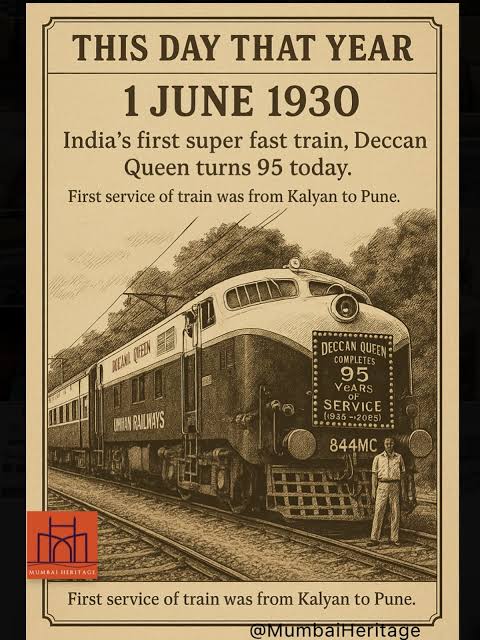
डेक्कन क्विन express कल्याणला का थांबत नाहीं? मध्य रेल्वेवरील एक अतिशय महत्वाचे जंक्शन . कल्याण नगरपालिकेच्या हद्दीतून रेल्वे धावत होती ह्याबद्दल रेल्वे काही कर कल्याण नगरपालिकेला देऊ लागत असे . पण पुढे काही वर्षे रेल्वेने तो कर नगरपालिकेला दिला नाही . त्यामुळे संतापलेल्या
आशीष माळी tweet mediaआशीष माळी tweet media
MR
10
34
256
25.1K
V. Chandrasekar
V. Chandrasekar@ChandarRly·
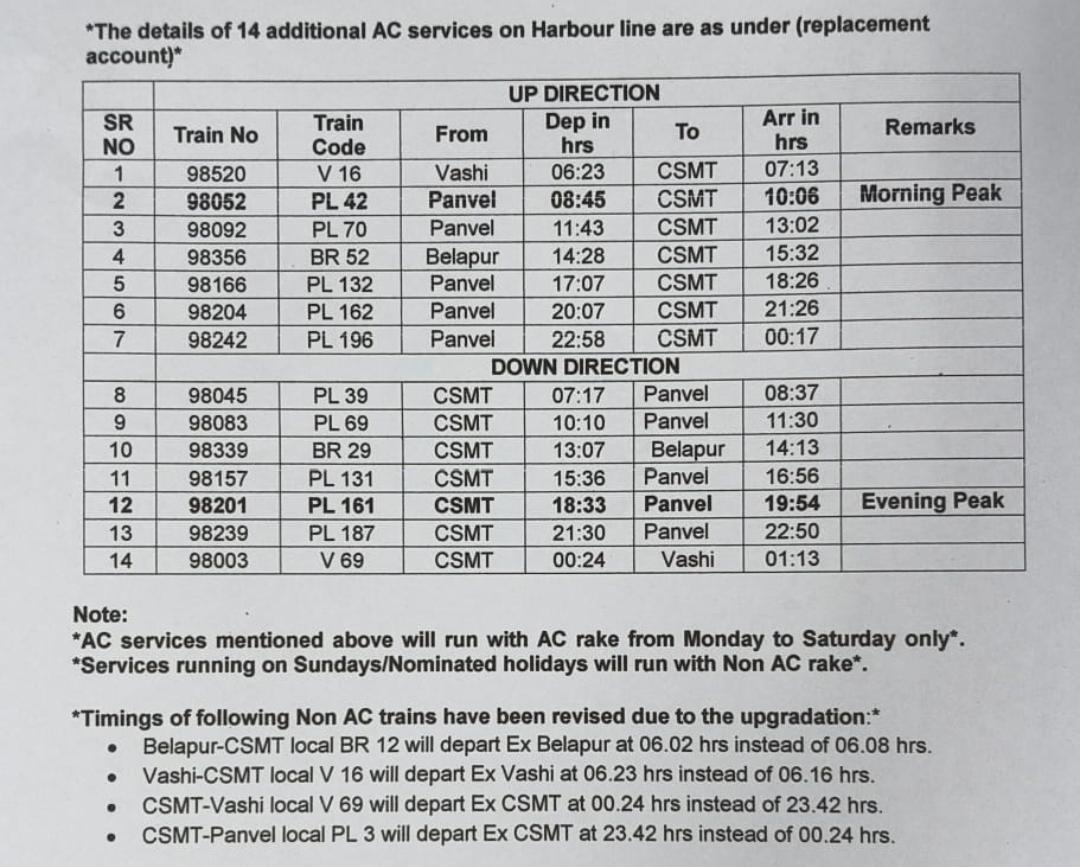
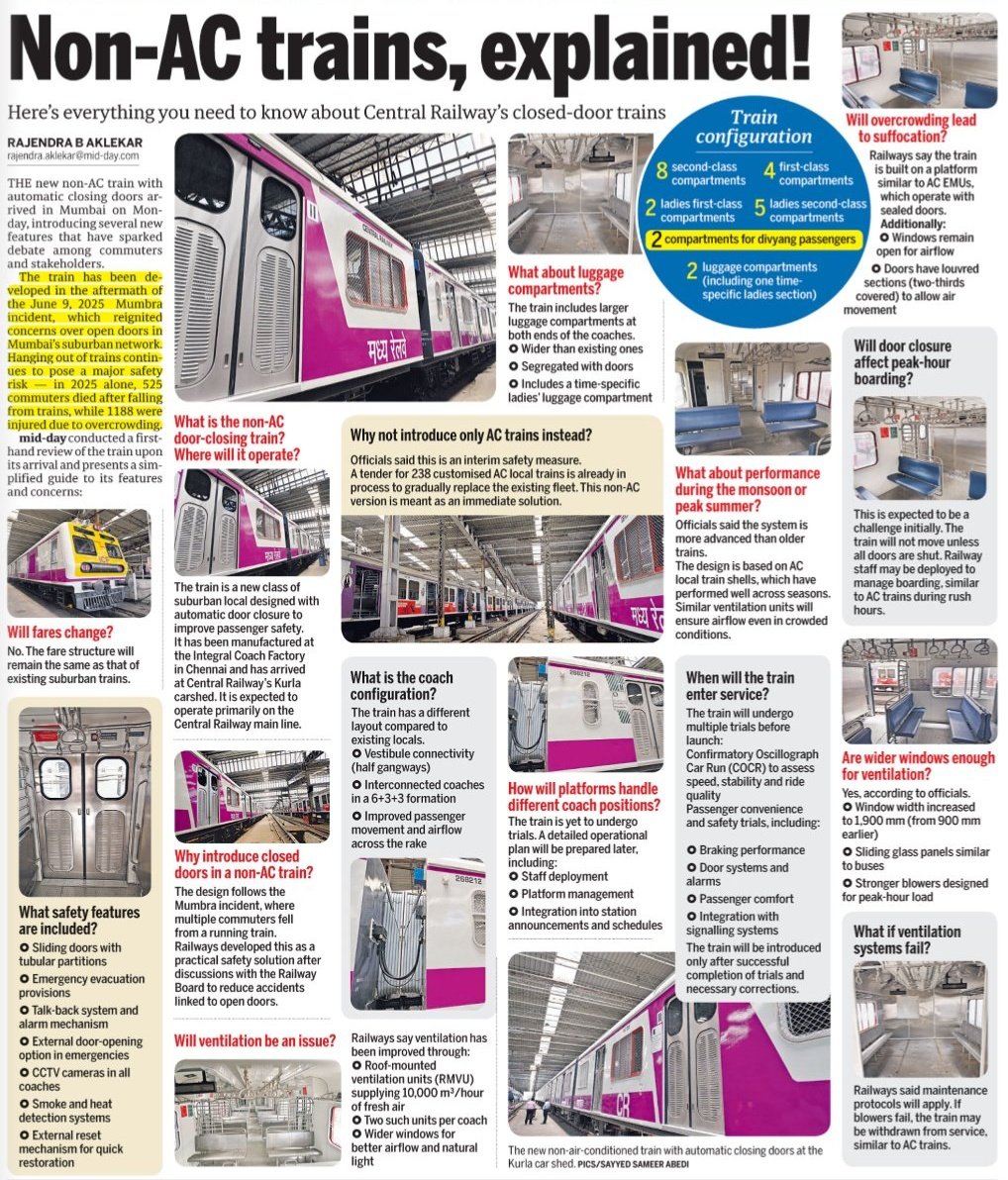
CR to convert 14 normal services into AC services on Harbour Line from 1.5.2026. Total AC services on CR rises to 108. 4 normal services to run with revised timings due to conversion.
V. Chandrasekar tweet media
English
0
0
3
68
V. Chandrasekar retweetledi
PIB India
PIB India@PIB_India·
More than 25,000 trains run across India every day.They carry more than 20 million passengers daily and move large quantities of coal, iron ore, grains, steel, cement and other commodities across a network of over 1,37,000 kilometres tracks. The track is the foundation on which this entire system works. When it is in good shape, trains run safely at higher speeds. When it is not, the results range from speed restrictions and delays to safety risks. A cracked rail, a loose fitting or a clogged ballast bed can all affect how a train moves. Keeping in view the importance of track, #IndianRailways started a wide-ranging modernisation programme over a decade ago. The work covered track renewal using modern machines, testing and inspection through advanced methods, mechanized maintenance, safety fencing etc. Together, these efforts have changed the condition of the network in a visible way. 👉 Read the blog "Modernizing the railway tracks" written by Union Minister @AshwiniVaishnaw 🖊️blogs.pib.gov.in/blogsdescr.asp… @RailMinIndia
English
8
124
370
28.5K
V. Chandrasekar retweetledi
Shekar Iyer
Shekar Iyer@SHEKARSUSHEEL·
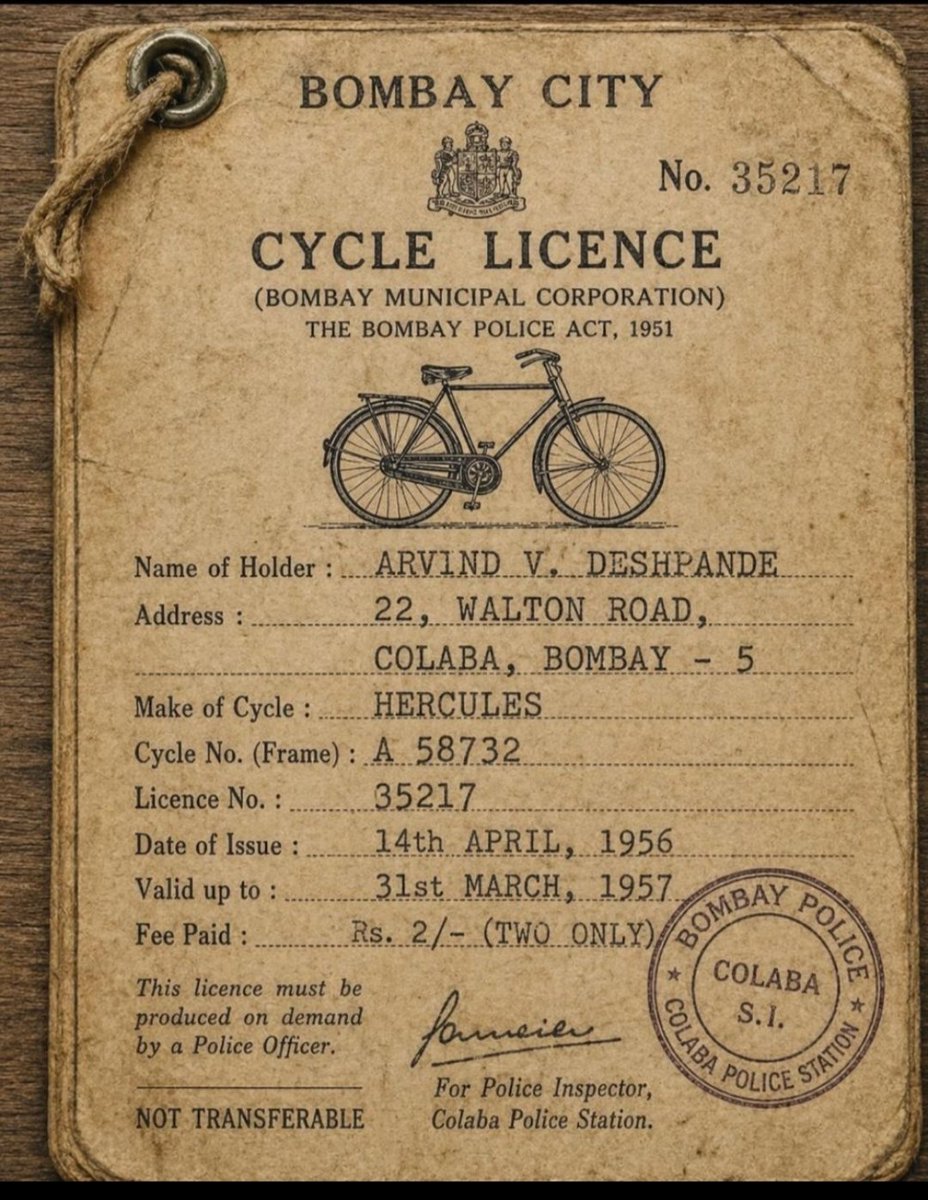
Licence was required for a cycle 🤔
Shekar Iyer tweet media
English
232
588
2.4K
87.2K
V. Chandrasekar retweetledi
DRM Pune
DRM Pune@drmpune·
Train no. 12126 PUNE-CSMT PRAGATI Exp. leaving PUNE at 07.45 hrs on 28/04/2026 is RESCHEDULED to leave at 10.00 hrs on 28/04/2026. Inconvenience caused is deeply regretted.
English
2
3
23
2.2K
V. Chandrasekar retweetledi
Ministry of Railways
Ministry of Railways@RailMinIndia·
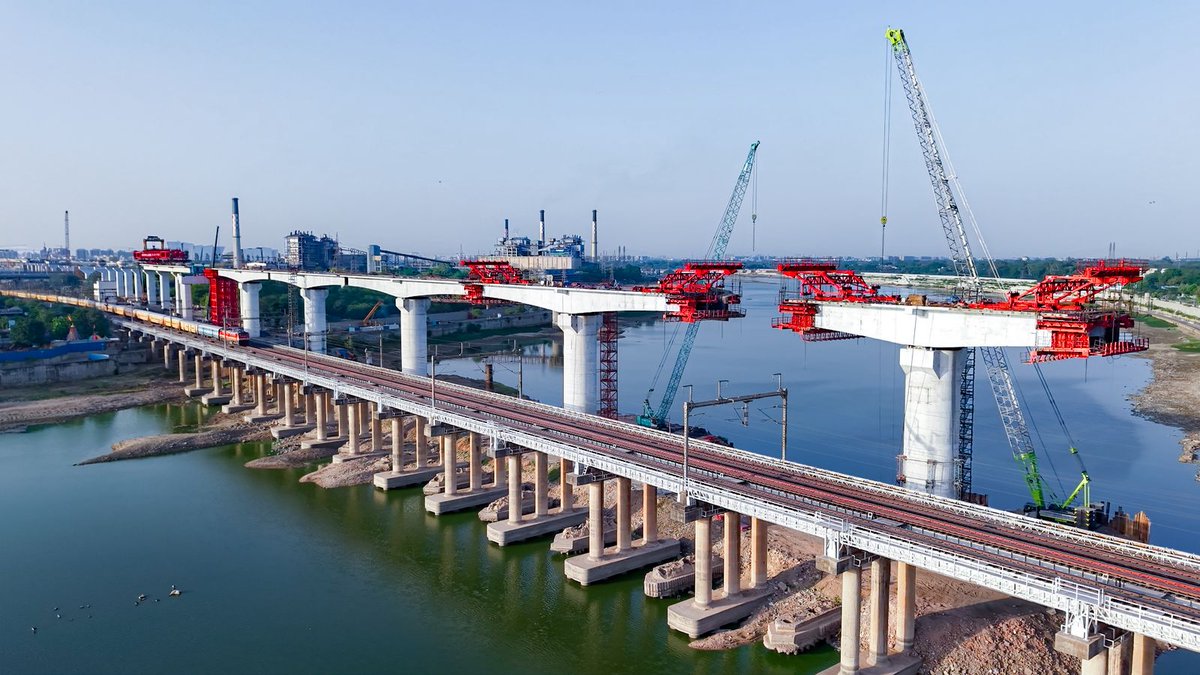
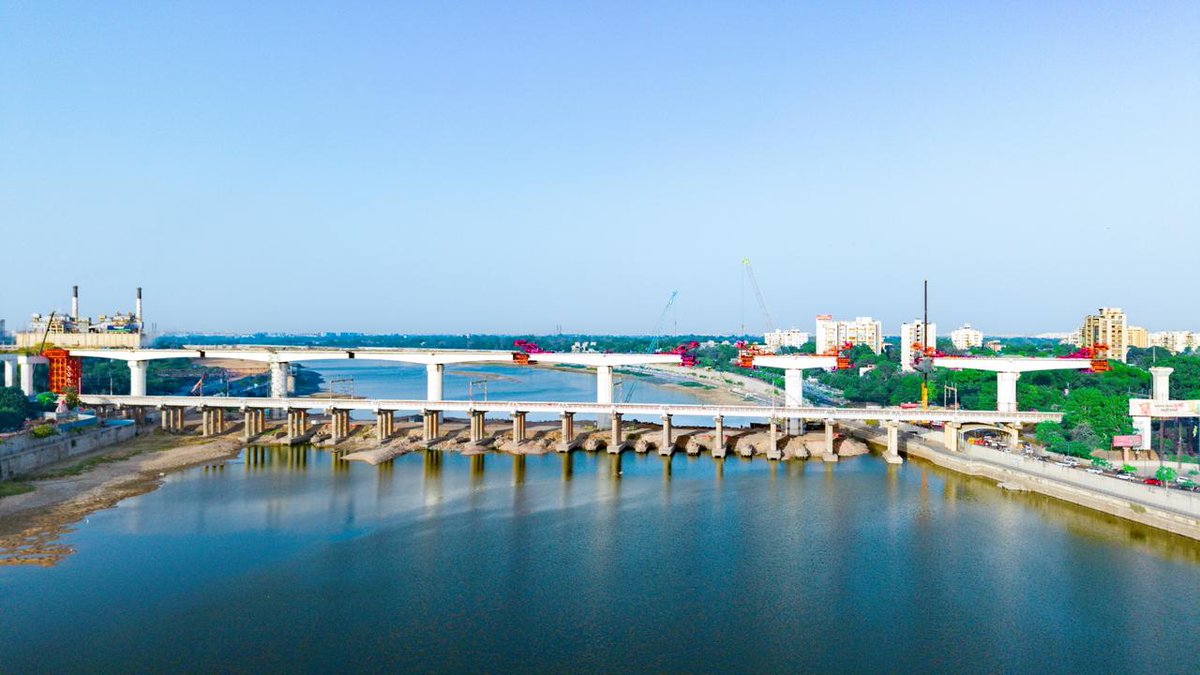
Rising over the Sabarmati River in Gujarat, a 36-metre-tall, 480-metre-long bridge for the Mumbai-Ahmedabad #BulletTrain project achieves remarkable progress, with all foundation and substructure works completed.
Ministry of Railways tweet mediaMinistry of Railways tweet mediaMinistry of Railways tweet mediaMinistry of Railways tweet media
English
18
257
1.3K
33.9K
V. Chandrasekar retweetledi
Abhishek AB
Abhishek AB@ABsay_ek·
At 36, Bhuvneshwar Kumar is doing something no fast bowler should manage after 15 years of bending his back. He is reinventing himself in real time, turning the final 5 overs into his territory while still owning the first 6 like no one in tournament history. 7 of his 11 wickets this season have come between 16-20 Overs, 12 overs bowled at exactly 8 an over. The death is where bowlers go to die & he walks out with wickets in his pocket. The story begins with a plate of food. A couple of years ago, Bhuvneshwar woke up feeling like he had swallowed stones. Bloated, heavy, slow. He started stripping things away. Coffee first, then tea, then dairy, then gluten, then anything that had ever walked or flown. Then the DEXA scans arrived. More muscle, sharper agility, a body that once kept him out for months now carrying him through 5 games in 13 days. RCB took a punt in late 2024 after 10 years at Sunrisers, paying over 10 crore for a bowler the international cricket had buried. His final season in orange had been painful, pace down, edges not carrying, obituaries written. But RCB saw something beyond the speed gun. A man who understood pressure like a sailor understands tides, who could stand at his mark in 17th over & know exactly which ball would break the game. Last season he did not just bowl, he taught. Yash Dayal from one end, Josh Hazlewood from the other & in between this quiet man from Meerut led the pack, where to stand, what to expect, which delivery to hold back. RCB won their first title in 18 years. Coincidence is a comfortable word for people who do not understand mentorship. This season the mentor became executioner again. We know he is the leading wicket taker in IPL powerplay history, the swing merchant who makes the new ball talk. But now he completes the circle, owning all three acts of a T20 innings. The knuckleball that stops in the pitch, the wide yorker that drags the hitter toward point, the in-swinger at 135 instead of 145. Cricket chews up fast bowlers before 35. The back goes,knee goes, pace drops, world tells you to pack it in. Bhuvneshwar heard it all. He rewrote his menu, recalibrated his training & keep evolving. At an age when most seamers are coaching or commentating, he is chasing the Purple Cap & proving that the body will listen if you learn its language. The gut feeling, quite literally, saved him.
Abhishek AB tweet media
English
46
421
3.1K
86.4K
V. Chandrasekar retweetledi
NyanChuu🔮🇯🇵🍭
NyanChuu🔮🇯🇵🍭@tanpukunokami·
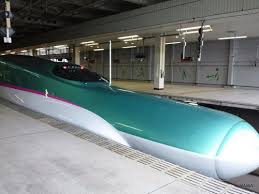
March 11, 2011. 2:46 PM. 33 Shinkansen bullet trains were running through northern Japan. Several were moving at 300 km/h. Then the earthquake hit. Magnitude 9.1. The 4th largest ever recorded. Epicenter: off the Sanriku coast, 130 km ESE of the Oshika Peninsula. Every single train stopped safely. Zero passenger injuries. Here's what happened. 12 to 22 seconds before the violent shaking reached the tracks, a seismometer on Kinkazan — a small island off Japan's Pacific coast — detected the quake and sent a signal inland. The signal traveled faster than the earthquake itself. Power to the tracks was cut. Every train in the zone automatically braked. By the time the ground started shaking violently, the trains were already slowing down. One empty test train derailed at Sendai Station. Not a single train in service derailed. The Shinkansen has been running since 1964. In 60 years, it has killed zero passengers — not in a collision, not in a derailment. Zero. Most people stop reading here. The real story starts now. Japan built this safety system in two layers, for two different problems. First: UrEDAS — the Urgent Earthquake Detection and Alarm System. Invented in the early 1980s, deployed on the Tokaido Shinkansen in 1992. The world's first operational P-wave warning system for trains. Its seismometers sit along the coast, listening for earthquakes out at sea. When one hits, the system reads the first 3 seconds of P-wave motion, estimates the magnitude and location, and sends a warning inland to the tracks. Second: Compact UrEDAS. Built after the 1995 Kobe earthquake, which struck directly beneath a city with almost no warning. When the earthquake happens directly under the train, there's no time to calculate anything. So Compact UrEDAS asks one question: "Is this shaking dangerous?" It answers in about 1 second. Both systems end the same way. They cut the power. The Shinkansen is built so that the moment it loses power, emergency brakes engage automatically. The driver makes no decision. There's no time to. A 300 km/h Shinkansen takes about 90 seconds to stop. No warning system in the world buys you 90 seconds. The goal isn't to stop the train before the earthquake arrives. The goal is for the train to be slowing down when it does. This is the part foreign coverage misses. The goal isn't to prevent the accident. The goal is to make the accident survivable. In-service Shinkansen have derailed twice in 60 years. 2004. Niigata Chuetsu earthquake. A trackside Compact UrEDAS detected the P-wave. Power was cut one second later. Emergency brakes engaged 1.5 seconds after that. But the earthquake was directly beneath the train, which was moving at 204 km/h. 8 of 10 cars derailed. The train skidded 1.6 km before stopping. 154 passengers on board. Zero injuries. 2022. M7.4 off Fukushima. A Shinkansen traveling at 320 km/h detected the first tremor and began braking. As the train decelerated toward a stop, a second, stronger quake (M7.4) hit. 16 of the 17 cars derailed. 75 passengers. 3 crew. Zero deaths. No serious injuries. Two other derailments involved empty trains. 2011, Sendai Station, a test train. 2016, Kumamoto earthquake, a transit train. In every case, the warning system had already cut the power before the shaking reached its peak. The system does not stop earthquakes. It does not always stop derailments. It just makes sure the earthquake arrives after the train is already slow. Japan's earthquakes and Japan's trains grew up in the same country, watching the same ground. Somewhere in Japan right now, a Shinkansen is moving at 300 kilometers per hour. Far away, on a quiet coast, a sensor is listening to the rock beneath it. It has been listening since 1992. Every time it was needed, it worked.
NyanChuu🔮🇯🇵🍭 tweet media
English
100
1.4K
6.4K
270.4K
V. Chandrasekar retweetledi
Rajendra B. Aklekar
Rajendra B. Aklekar@rajtoday·
BLUNDER! Two local trains on the same track on Central Railway at #Mumbai CSMT. A Central Railway spokesperson confirmed the incident and said they are investigating the matter. A train coming from Badlapur was taken on PF 5 instead of PF 4 which was occupied by another local. The local trains have been backed and now movement is restarting. The PF 5 to 8 were blocked and movement was stopped from 3.18pm Now the backing is complete and the movement is starting. There was a signal between these two local trains. CSMT Internal Home for Suburban Platforms was in red condition hence the Motorman stopped the train. Also the distance between the two trains was more than 130 meters.
English
56
98
529
89.8K
V. Chandrasekar
V. Chandrasekar@ChandarRly·
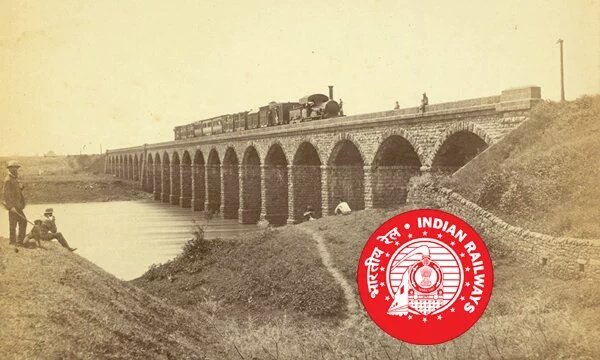
🚂 Today marks the 174th birthday of a historic journey — when India’s first train steamed out from Mumbai to Thane in 1853. A pioneering moment that set our nation on the tracks of progress, unity, and connectivity. 🇮🇳 #174YearsOfProgress @RailMinIndia @Central_Railway
V. Chandrasekar tweet media
English
0
1
4
179
The Kaipullai
The Kaipullai@thekaipullai·
Who's gonna tell him?
The Kaipullai tweet media
English
223
78
2.1K
652.6K