Sabitlenmiş Tweet
Chidera Harrison
1.3K posts

Chidera Harrison
@ChideraHarry
but do I just sit beside these shadows measuring my pain in iambics? Substack: https://t.co/E8Ijsewmmf
Port Harcourt, Nigeria Katılım Mart 2024
701 Takip Edilen512 Takipçiler

@ChideraHarry @LeePottsPoet Yeah, my good sir. Thank you…hope you’ve been good.
English

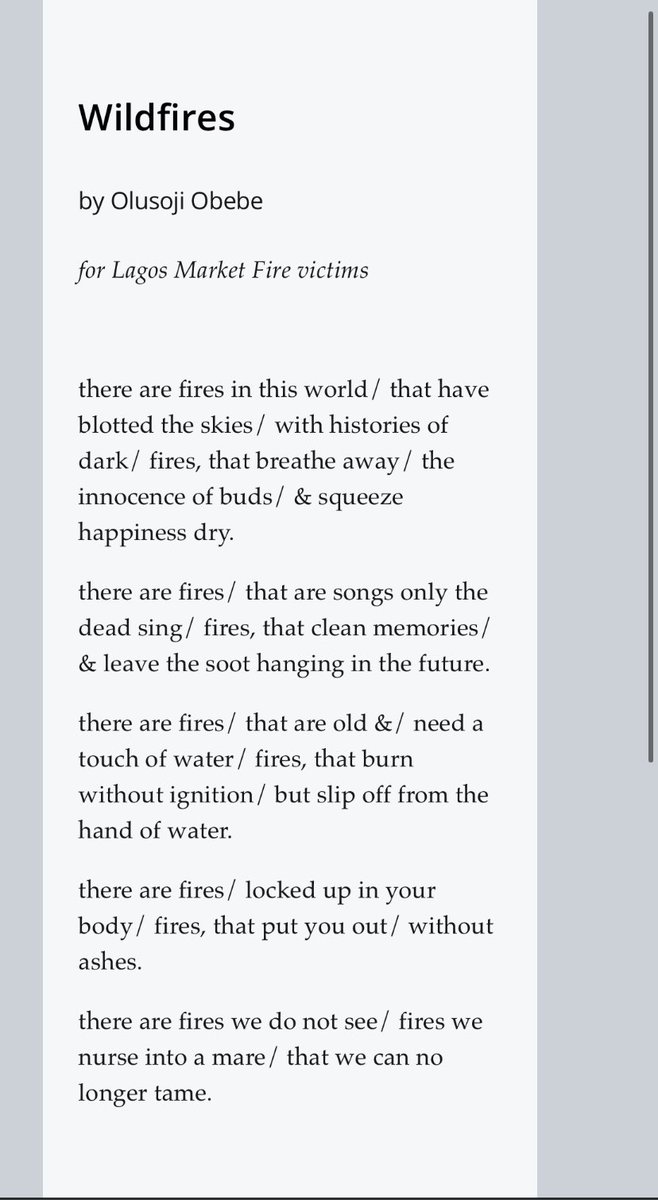
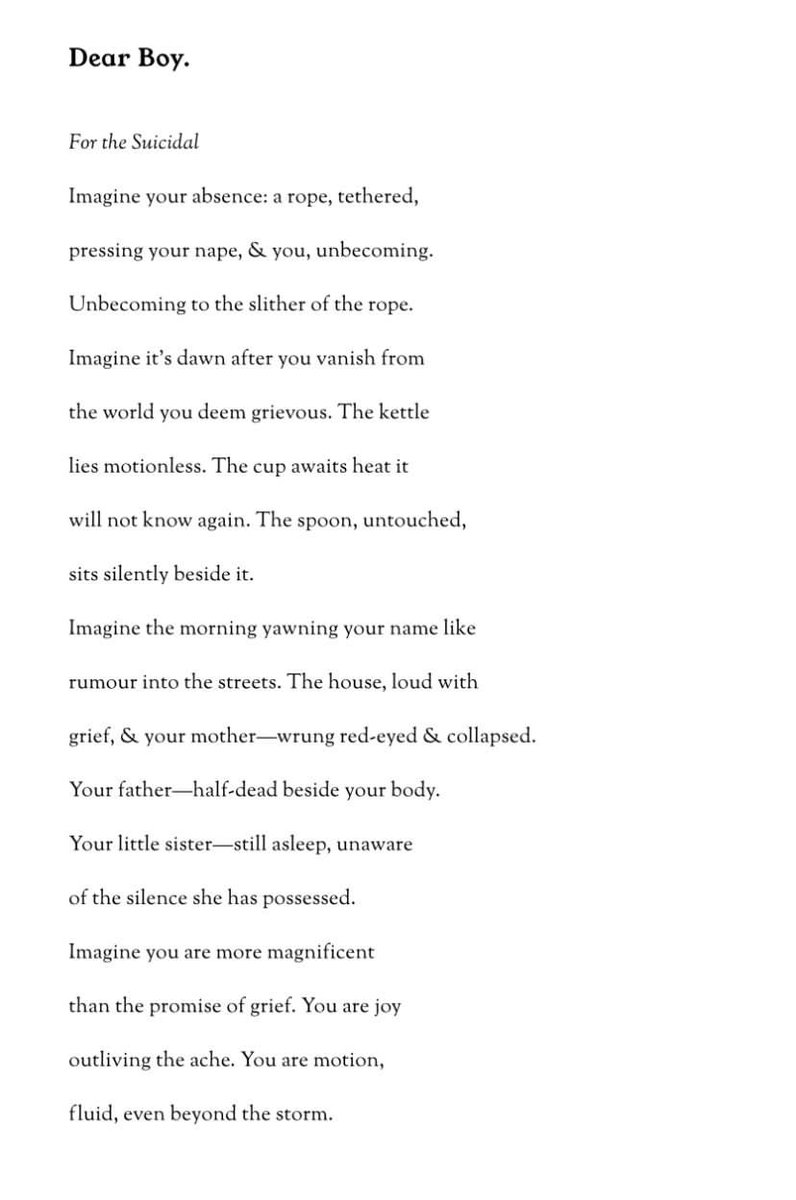
Guys, my first publication of the year is out on Stone Circle Review. Grateful to the affable @LeePottsPoet for giving this poem a home. Do read and share. Thank you! stonecirclereview.com/wildfires/


English
Chidera Harrison retweetledi

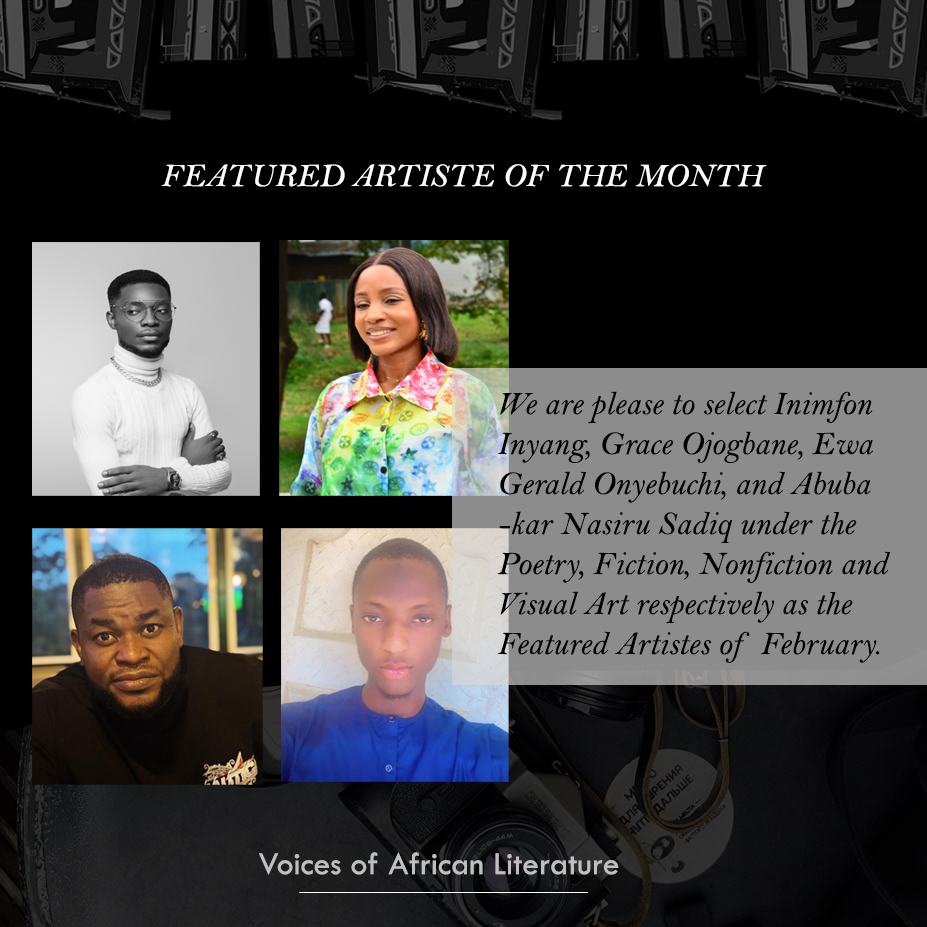
We are happy to announce that the works and interviews of our selected artist for the month of march are now live on our website. You can check them out through the link below:
voaliterature.weebly.com

English

Chidera Harrison retweetledi

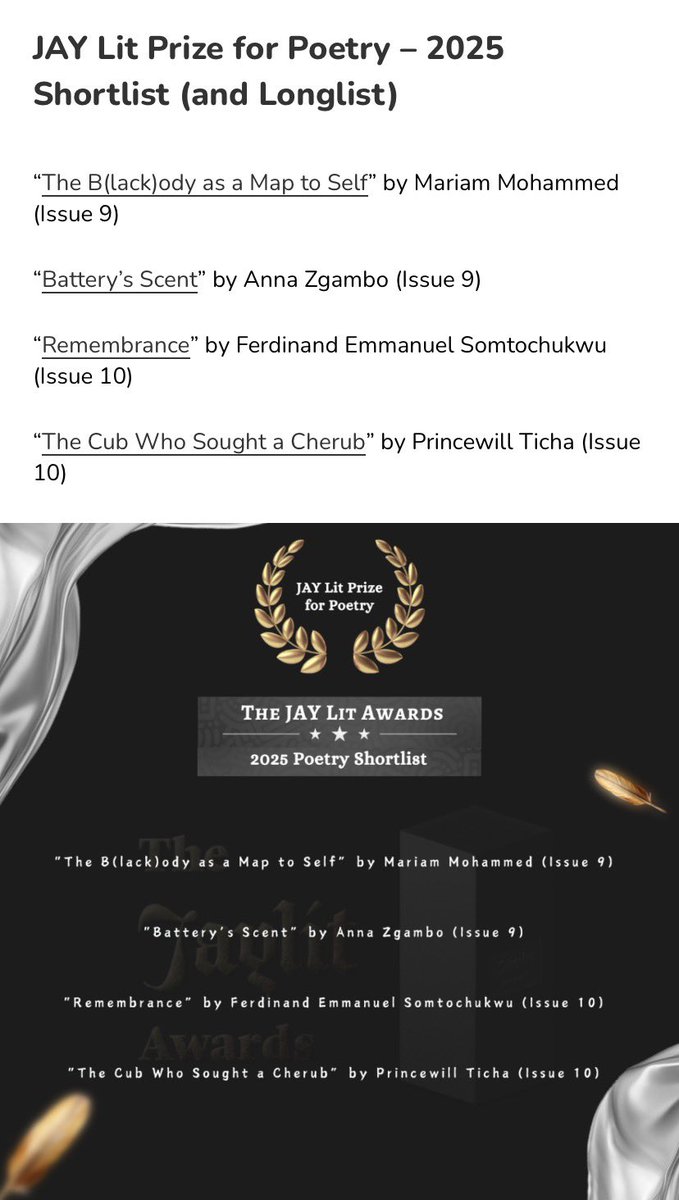
My poem Remembrance has been shortlisted for the 2025 JAY Lit Prize for Poetry.
Thank you, @JAY_Literature , for the recognition.


English
Chidera Harrison retweetledi

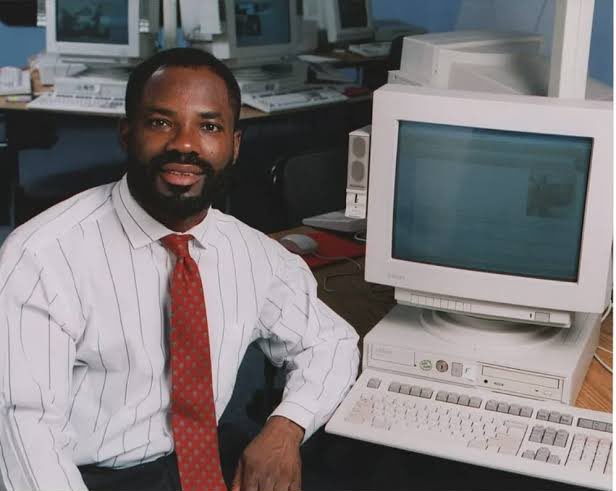
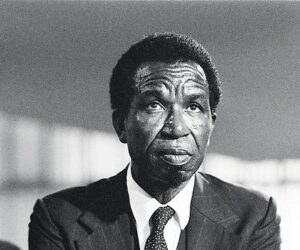
Philip Emeagwali, an Igbo-American scientist, is a pioneer of modern supercomputing.
In 1989, he created the world’s fastest computer, called the Connection Machine, and the first-ever supercomputer.
He received numerous awards, and was inducted into the National Inventors Hall of Fame, with recognition from President Bill Clinton.
After the Nigerian Civil War, Emeagwali faced extreme hardship but earned a scholarship to study in the United States, completing a bachelor’s degree in mathematics and a master’s at Oregon State University.
His most notable achievement was creating the world’s fastest computer.
Throughout his career, he has advocated for education and technology in Africa and ranks among the world’s top 100 high-IQ individuals.

English
Chidera Harrison retweetledi

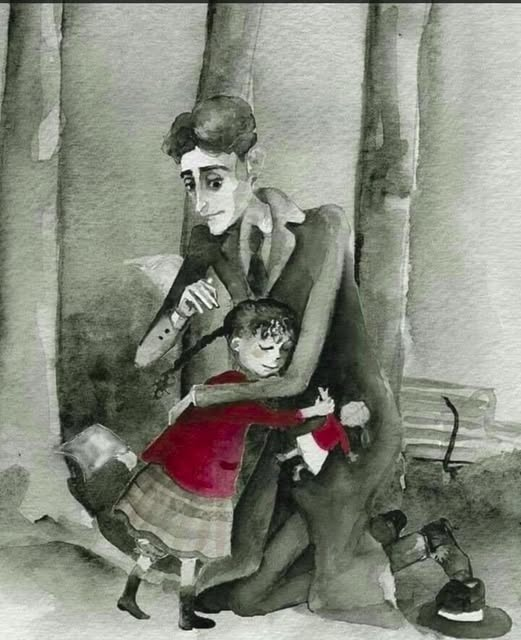
At 40, Franz Kafka (1883-1924), who never married and had no children, walked through the park in Berlin when he met a girl who was crying because she had lost her favourite doll. She and Kafka searched for the doll unsuccessfully. Kafka told her to meet him there the next day and they would come back to look for her.
The next day, when they had not yet found the doll, Kafka gave the girl a letter “written” by the doll saying “please don’t cry. I took a trip to see the world. I will write to you about my adventures.”
Thus began a story which continued until the end of Kafka’s life.
During their meetings, Kafka read the letters of the doll carefully written with adventures and conversations that the girl found adorable.
Finally, Kafka brought back the doll (he bought one) that had returned. “It doesn’t look like my doll at all,“ said the girl.
Kafka handed her another letter in which the doll wrote: "my travels have changed me.” the little girl hugged the new doll and brought her happy home.
A year later Kafka died. Many years later, the now-adult girl found a letter inside the doll. In the tiny letter signed by Kafka it was written:
“Everything you love will probably be lost, but in the end, love will return in another way.”

English

@ChideraHarry Doesn't necessarily have to be an anthology. Could be just a compilation of these poems.
English
Chidera Harrison retweetledi

@Panini500bc This is the main reason why I started @voaliterature. We are working on curating best of African Literature (Poems, Fiction, Nonfiction) and Art published every year, and best African mag of the year. Check us out.
voaliterature.weebly.com/coming-soon.ht…
English
Chidera Harrison retweetledi

We are still taking submissions until the 25th of March 2026.
Send us your experimental poems, your declarative poems, your lyrics poems — whatever form feels like you. 🤩🤩
Submission guidelines here: 2035africa.org/call-for-submi…
English
Chidera Harrison retweetledi

Before the white man came.
Democracy was in Igboland,
Equal right was in Igboland,
Women authority was in Igboland,
Writen communication was in Igboland.
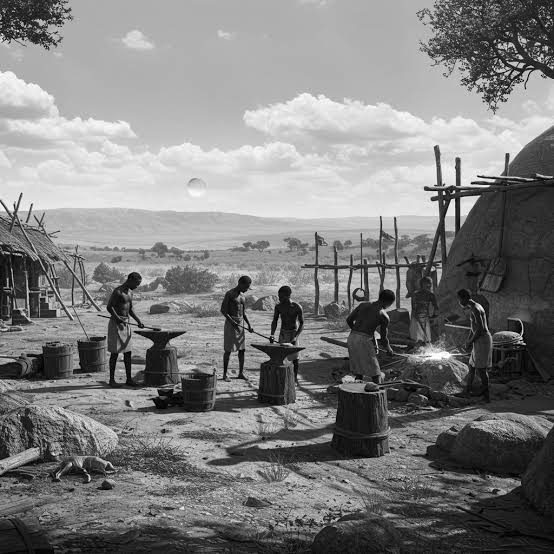
Iron technology was in Igboland.
Bronze casting was in Igboland
Textile industry was in Igboland
White men did not bring civilization to Igboland.
Igboland was a civilized world before they came.


English
Chidera Harrison retweetledi

🦅 IGBO GIANTS: CYPRIAN EKWENSI 🖤
Born in Minna, Niger State in 1921 to Igbo parents from Nkwelle Ezunaka, Anambra State, Cyprian Ekwensi grew up between the North and the East and used everything he saw to build one of the most prolific literary careers in African history.
He was a forester, a pharmacist, a broadcaster and a novelist all at once. His first internationally published work came out in 1947. He never really stopped writing after that, producing over 40 books across his lifetime.
His novel People of the City was one of the earliest Nigerian works published internationally. Jagua Nana, his most celebrated work, was so bold that the Catholic and Anglican churches banned it in schools. He won the Dag Hammarskjold International Prize in Literature in 1968.
When the war came he did not run. He joined the Biafran administration as Director of Information and chaired the Bureau for External Publicity, using his skills to fight for his people on the information front.
He died in Enugu in 2007 at 86. The pages he left behind remain.


English
Chidera Harrison retweetledi

Achebe. Soyinka. Okigbo. Osundare.
Tares Oburumu. C P Nwankwo. Samuel Adeyemi. Romeo Oriogun.
Summie's write@RuthSummie
Which African author’s writing style is instantly recognizable to you?
Chidera Harrison retweetledi

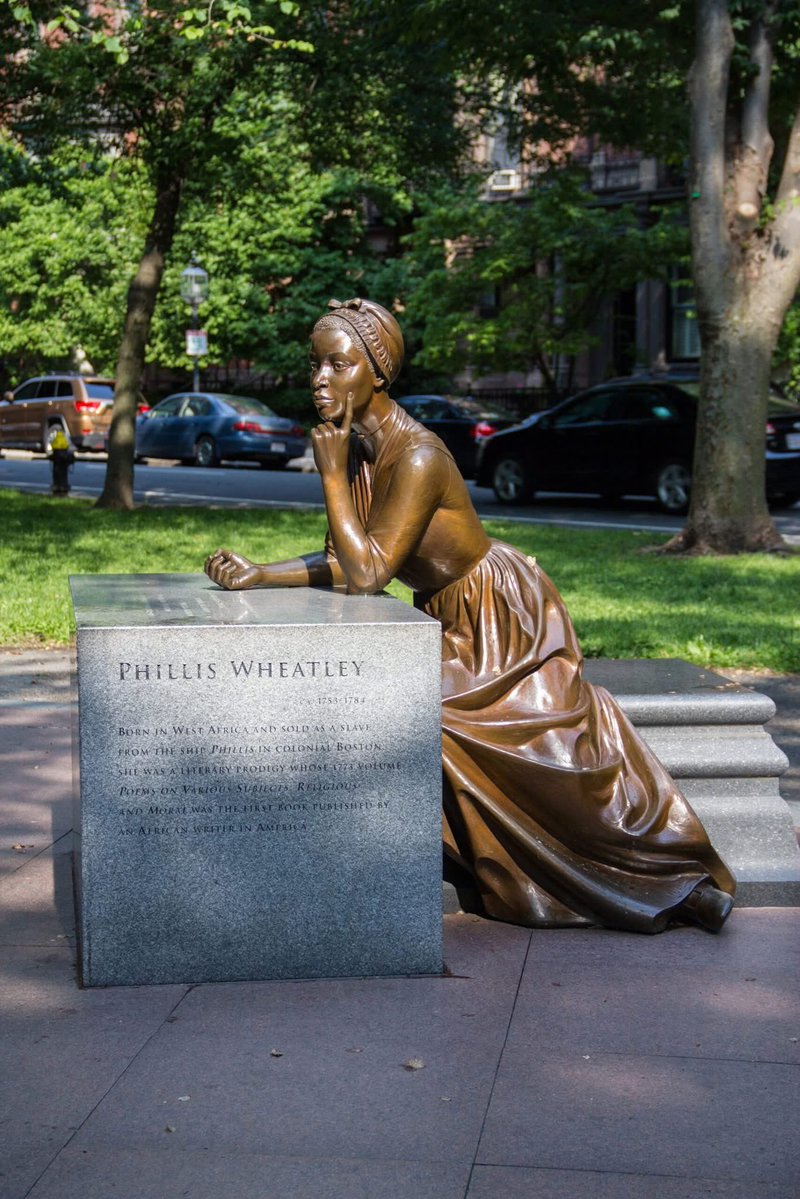
This young lady was called Phillis because that was the name of the ship that brought her, and Wheatley, the name of the merchant who bought her. She was born in Senegal 🇸🇳.
In Boston, the slave traders put her up for sale: “She's 7 years old! She will be a good mare!”
She was felt naked by many hands.
At thirteen, she was already writing poems in a language that was not her own. No one believed that she was the author. At twenty, Phillis was questioned by a court of eighteen so-called enlightened White men in robes and wigs.
She had to recite passages from Virgil and Milton and verses from the Bible, and vow that the poems she composed were not copied.
From a chair, she underwent her lengthy examination until the court approved her: she was a woman, she was Black, she was enslaved, but she was a poet.
Phillis Wheatley was the first African-American writer to publish a book in the United States 🇺🇸

English