Ching Tseng retweetledi
Ching Tseng
694 posts

Ching Tseng retweetledi
@SimoneStolzoff @AliAbdaal This is now my favorite Deep Dive episode! This episode really helps me with my career struggles. I ordered the book right after listening, cannot wait to read it!
English

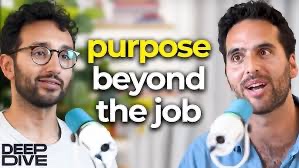
I was on Deep Dive with @AliAbdaal!
Of all the interviews I’ve done about The Good Enough Job, this was perhaps my favorite.
We get into the balance between meaning and money and how to derive meaning outside of work. Give it a watch!

English
Ching Tseng retweetledi

@symbiobotanist 👍 What I learned after getting my PhD is that degrees are not important, but education is, and education is not only offered by traditional schools. Great decision! 👍
English

She matched!!! She is going to be an OBGYN! We are officially an MD + PhD queer family today!!!
I am so so so proud of you, my love!!! 😘💕
#Match2024

English
Ching Tseng retweetledi

I just want to be happy and make my dog & cat the happiest fur children in the world.
☔@Whotfismick
So real
English


@SchuethAnna Personally experience, I felt much safer to show my tattoos or let others know my sexual orientation when I was in academia than now working in industry
English

A few people have asked me, whether my tattoos have affected my academic career negatively. And I can say: absolutely not. Now truly being myself makes me more happy & rather more efficient and productive. I have more opportunities & success.
#TattooArt #BeYou ❤️🌻

English
Ching Tseng retweetledi

@TheErinCalipari suggestion for journal editors, instead of using rejected, unexceptable sounds much less hurtful for research teams
English
Ching Tseng retweetledi

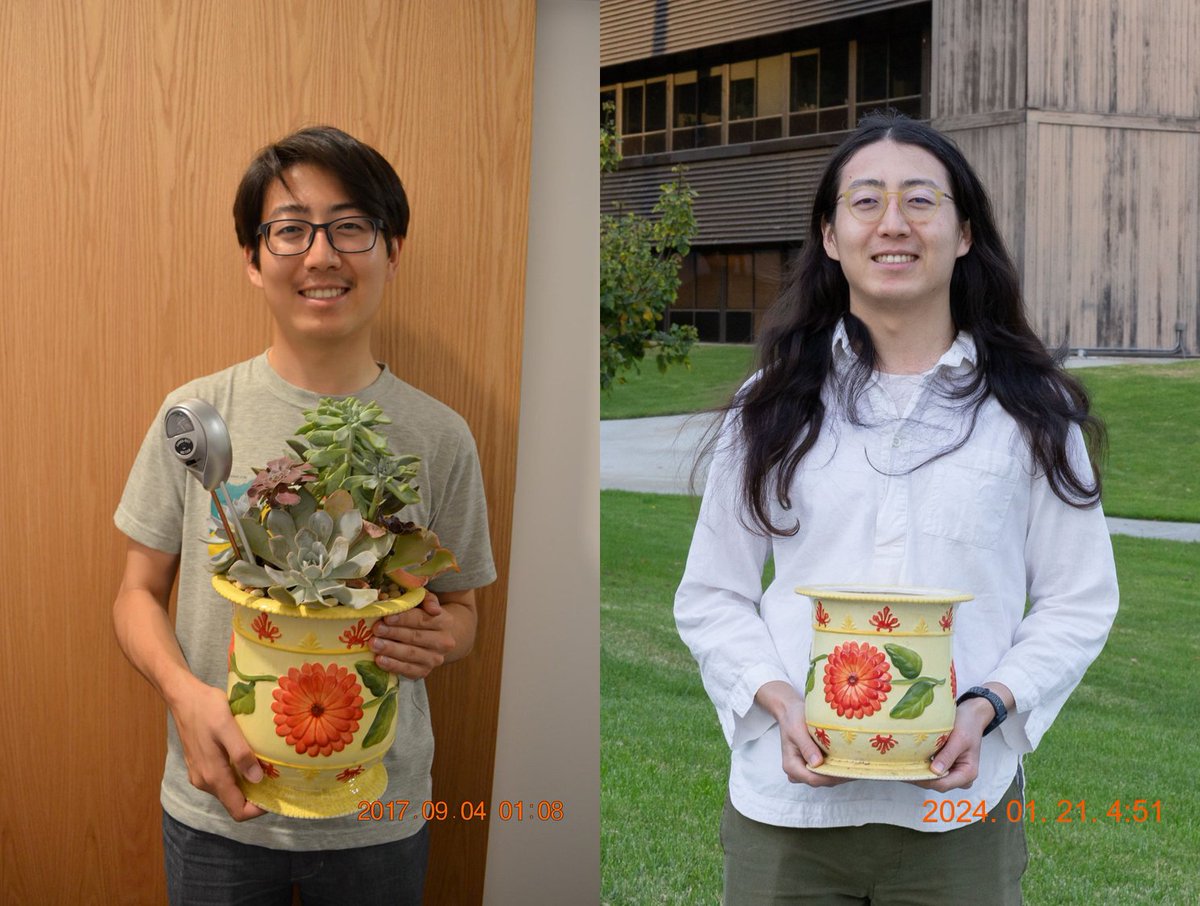
In 2017, I moved to San Diego to start an MD-PhD, an 8-year program. "8-years!" people would gasp, "Is that program even legal?"
To show the passage of time, I got a house plant, thinking I’d take a photo at the start and finish, hoping the succulents would thrive as living bookmarks of my academic training. Dear reader: they died, in no less than 3 months.
As backup, I grew out my hair. And grow it did, turning into a public ledger of my time in school – T4 by year 3, T10 by year 4. I unintentionally earned street cred with surfers and a couple of awkward catcalls.
My hair quickly became unwieldly, I had to get it trimmed twice. It got snagged whenever my wife rolled over on the pillow. Wrestling with shampoo and brushes, I sometimes daydreamed of a buzzcut. But I latched on to one key trait I’m proud of: my relentless stubbornness.
I convinced myself that chopping it off would be like quitting the MD-PhD midway, halfway through a marathon. So, my hair and I, in a love-hate relationship, begrudgingly trudged through medical school, the pandemic, and now finally my PhD.
Originally, I planned to donate my hair. What I didn’t anticipate was that I’d up donating my hair... to me. I started taking medication which causes my hair to fall off, just a month before my PhD defense. While this isn’t quite the end of my MD-PhD, I figured this is as good a time as any.
Reflecting on photos of my wild, free-flowing hair, I’m filled with a sense of fondness and gratitude. It was a wild, untamed badge of my youth, a testament to a time when things were different. I’m incredibly thankful I didn’t take those moments, or my hair, for granted.
Life is unpredictable, and things can change in the blink of an eye. Whether it's your energy, your health, or even something as simple as hair, appreciate it, celebrate it, relish in it. Because one day, you might look back and realize those were the golden moments.
To anyone reading this, I encourage you to embrace and appreciate the chapters of your life, especially the ones you're living right now. Celebrate your youth, your health, your quirks. Don't wait for a sign or a change to start valuing the beauty of your present. Because, trust me, it's worth every moment of gratitude.
#medicine #md #PhD #beforeafter #Growth #Health

English
Ching Tseng retweetledi

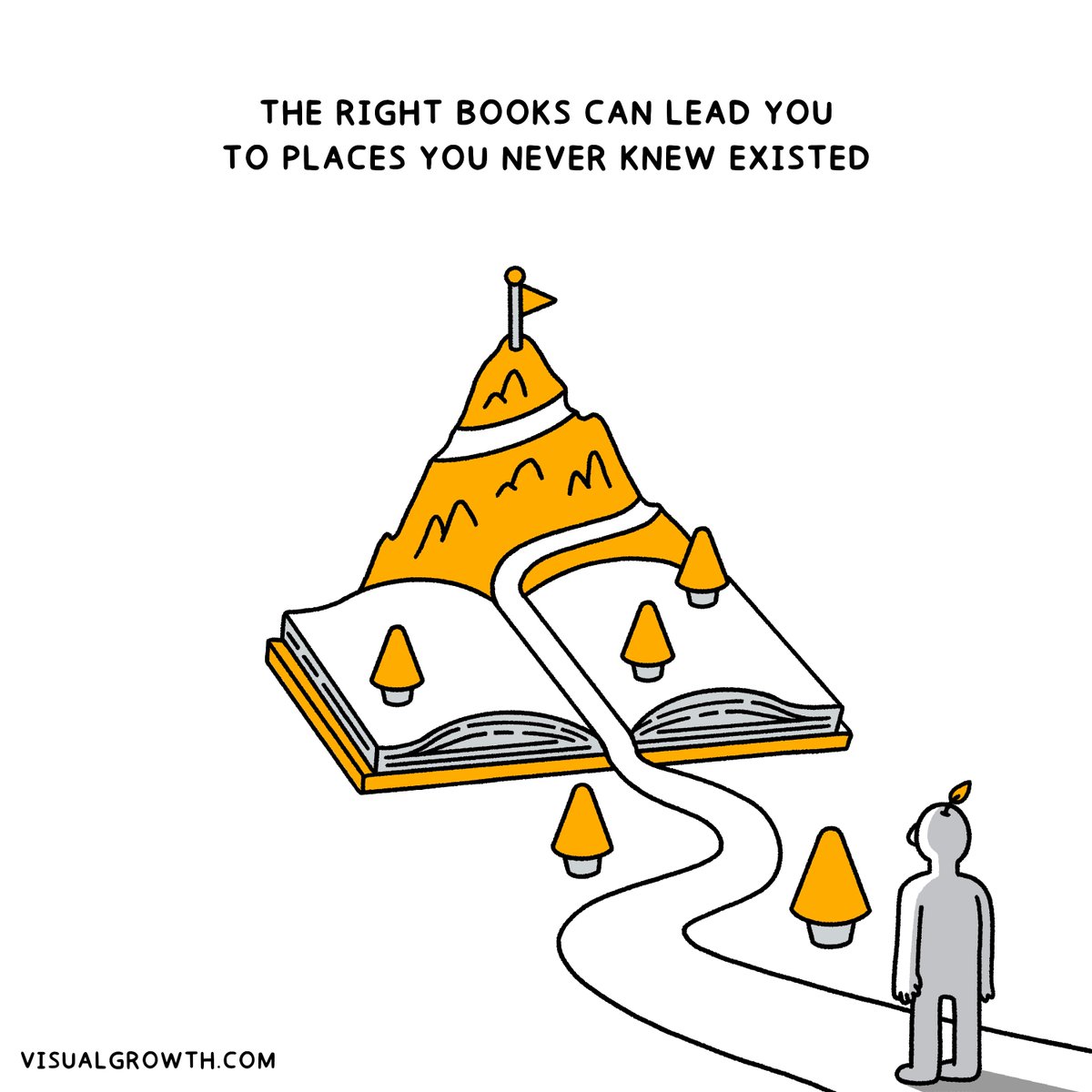
21 Reading tips from bestselling author @morganhousel:
1) Every smart person I know is a voracious reader who also says “every smart person I know is a voracious reader.”
2) Years ago I heard Charlie Munger say “Most books I don’t read past the first chapter. I’m not burdened by bad books,” and it stuck with me.
3) Reading is a chore if you insist on finishing every book you begin, because the majority of books are either a) adequately summarized in the introduction, b) not for you, or c) not for anyone.
4) Slogging through to the last page of these books – a habit likely formed early in school – can turn reading into the equivalent of a 10-hour work meeting where nothing gets done and everyone is bored.
5) Once you see reading through that lens, your willingness to pick up another book wanes. Which, of course, is tragic. “The man who doesn’t read good books has no advantage over the man who can’t read them,” said Mark Twain.
6) My reading strategy is to start as many books as I can but finish few of them.
7) College tuition at $25,000 a year comes out to roughly $100 per lecture. Good books – sometimes written by the same professor – can be purchased for fifteen bucks and can offer multiple times as much life-changing insight.
8) Most books don’t need to be read to the end, but some books can change your life – means you need two things to get a lot out of reading: Lots of inputs and a strong filter.
9) If you only pick up books you know with certainty you’re going to like you’ll confine yourself to reading the same authors on the same topics.
10) It’s better to have a low bar in what books you’re willing to try, and even the faintest tickle of interest should be enough to make the cut. Kindle samples are free, so excuses are minimal.
11) Similar to dating, a book you’re not into after 10 minutes of attention has little chance of a happy ending. Slam it shut and move on.
12) You’re not a failure if you quit a book after three pages anymore than if you reject the proposition of a 10-hour date with someone you just met who annoys you. Lots of fish in the sea.
13) Don't turn reading into a game of trying to read as many books as possible.
14) When you try to read as many books as possible in a month, "You're just doing it for the number because when you blow through books that quickly, you're not thinking about it."
15) "You're not reading a book and then meditating on what you've just read and thinking about the points...You're just like how can I get through this as fast as I can."
16) Now Morgan reads 1-2 books a month. He purposely reads slower and spends more time thinking about the ideas in the book instead of just trying to finish the book as fast as possible.
17) I do all my reading on Kindle and I highlight passages that I think are interesting.
18) When I go back through and read something a second time, I definitely find things that I didn’t pay that much attention to the first time because maybe the first time I read it, I was thinking about work or I was falling asleep in bed. I’m definitely a fan of reading things again.
19) I, like everybody, miss holding a physical book and the smell of a book, but I’m a hundred percent Kindle now just because I can search and archive things so much better.
20) Read more history and fewer forecasts.
21) Reading is a skill most of us stop practicing around 4th grade. But what you read, where you read, how you read it, and how you take extract value from what you read is a serious skill that requires honing throughout your life.

English
Ching Tseng retweetledi

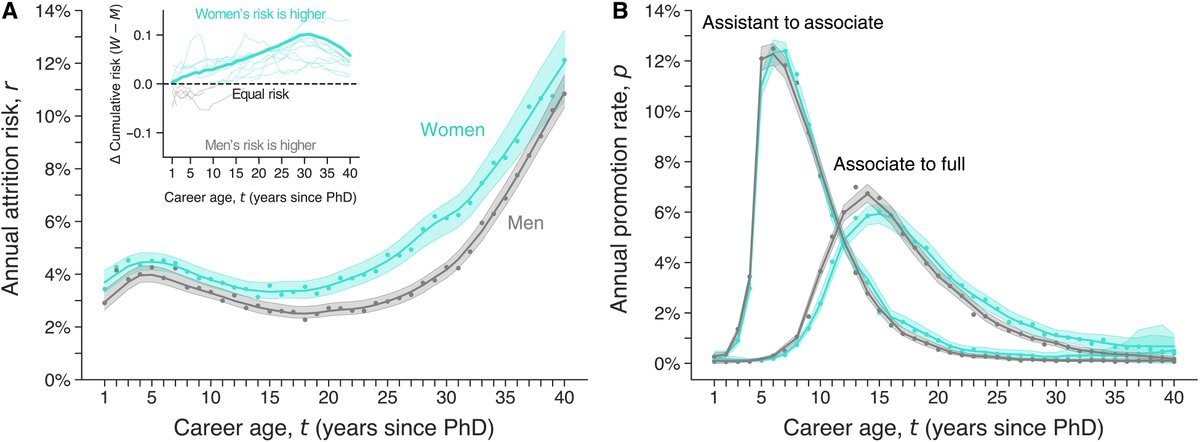
Women leave academia at higher rates than men at every career stage, and attrition is especially high among three groups: tenured faculty, women in non-STEM fields, and women employed at less prestigious institutions, a @ScienceAdvances analysis finds. scim.ag/5pH

English