
Sabitlenmiş Tweet
Chukwudi Njoku, PhD 🌍
12.1K posts

Chukwudi Njoku, PhD 🌍
@ChuddyPeter
Researcher | Geographer | GIS Analyst | Peacebuilder & conflict analyst @PINDFoundation | Environmentalist @SP_4Africa | Nuclear enthusiast @nuclear_aware
Nigeria Katılım Eylül 2011
4.9K Takip Edilen3.2K Takipçiler
Chukwudi Njoku, PhD 🌍 retweetledi

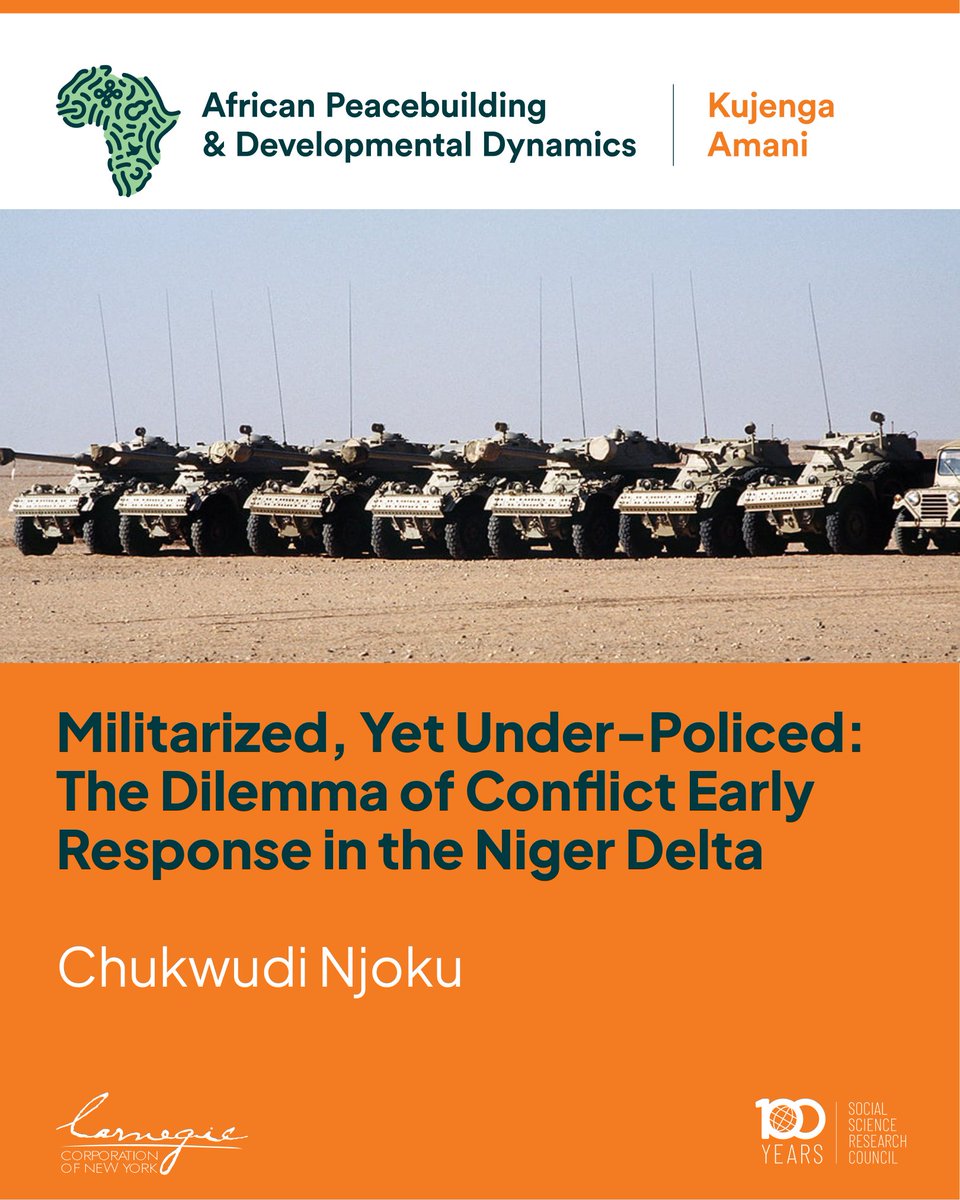
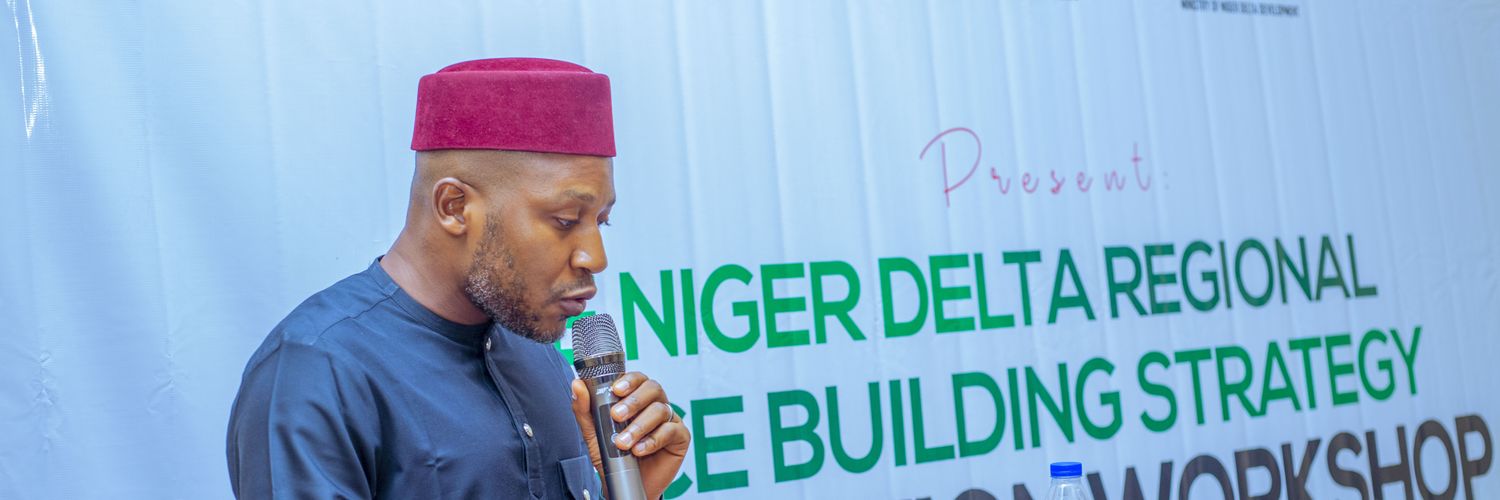
NEW on #KUJENGAAMANI | “Militarized, Yet Under-Policed: The Dilemma of Conflict Early Response in the Niger Delta” by Chukwudi Njoku: bit.ly/4sWGtBt
#Africa #Peacebuilding #NigerDelta

English
Chukwudi Njoku, PhD 🌍 retweetledi

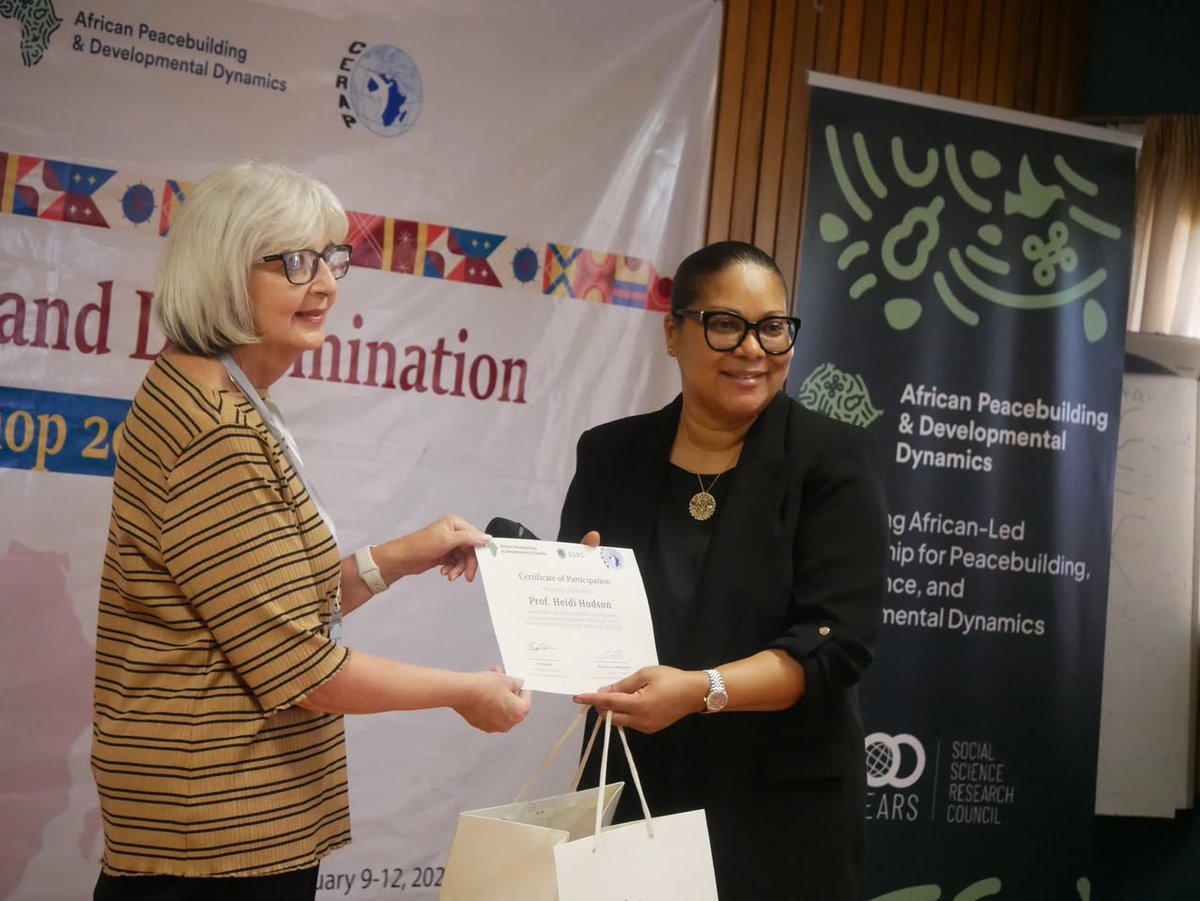
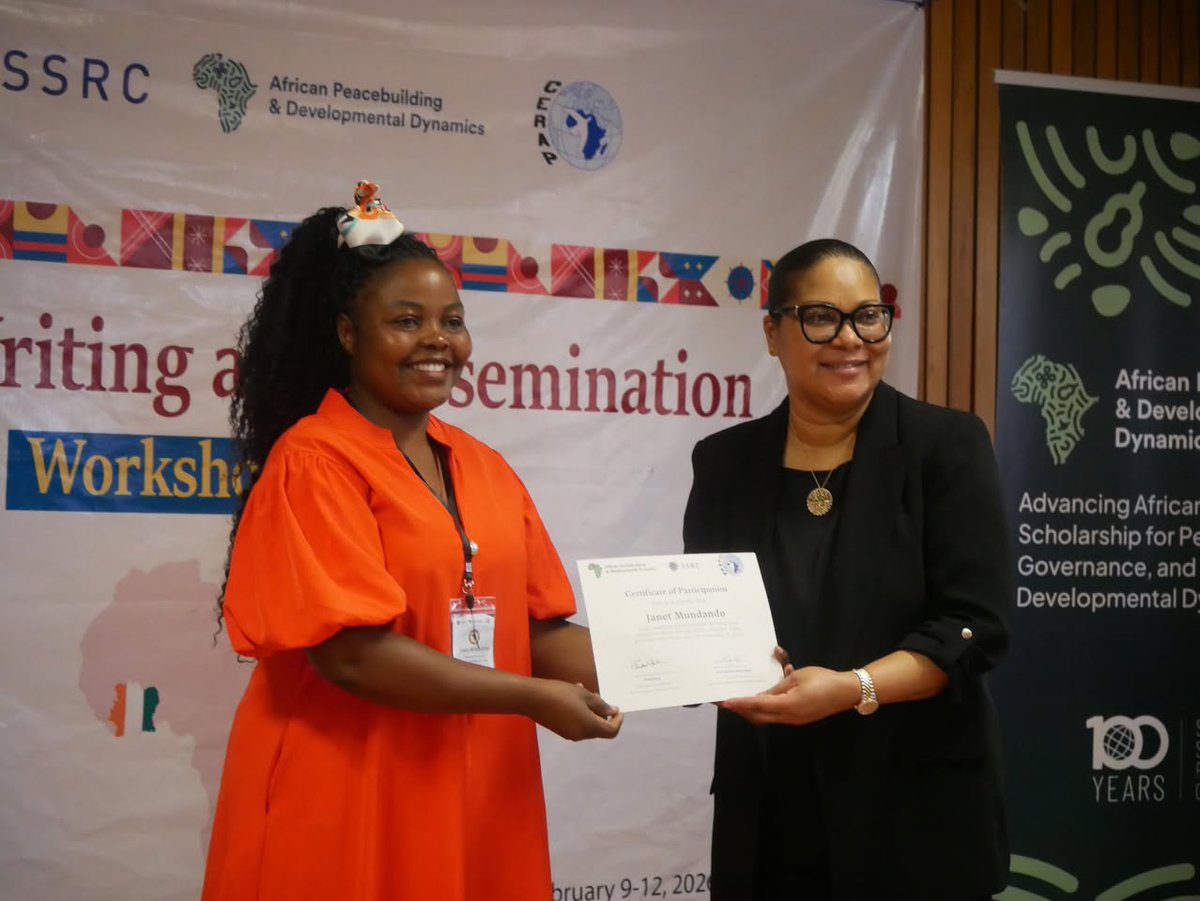
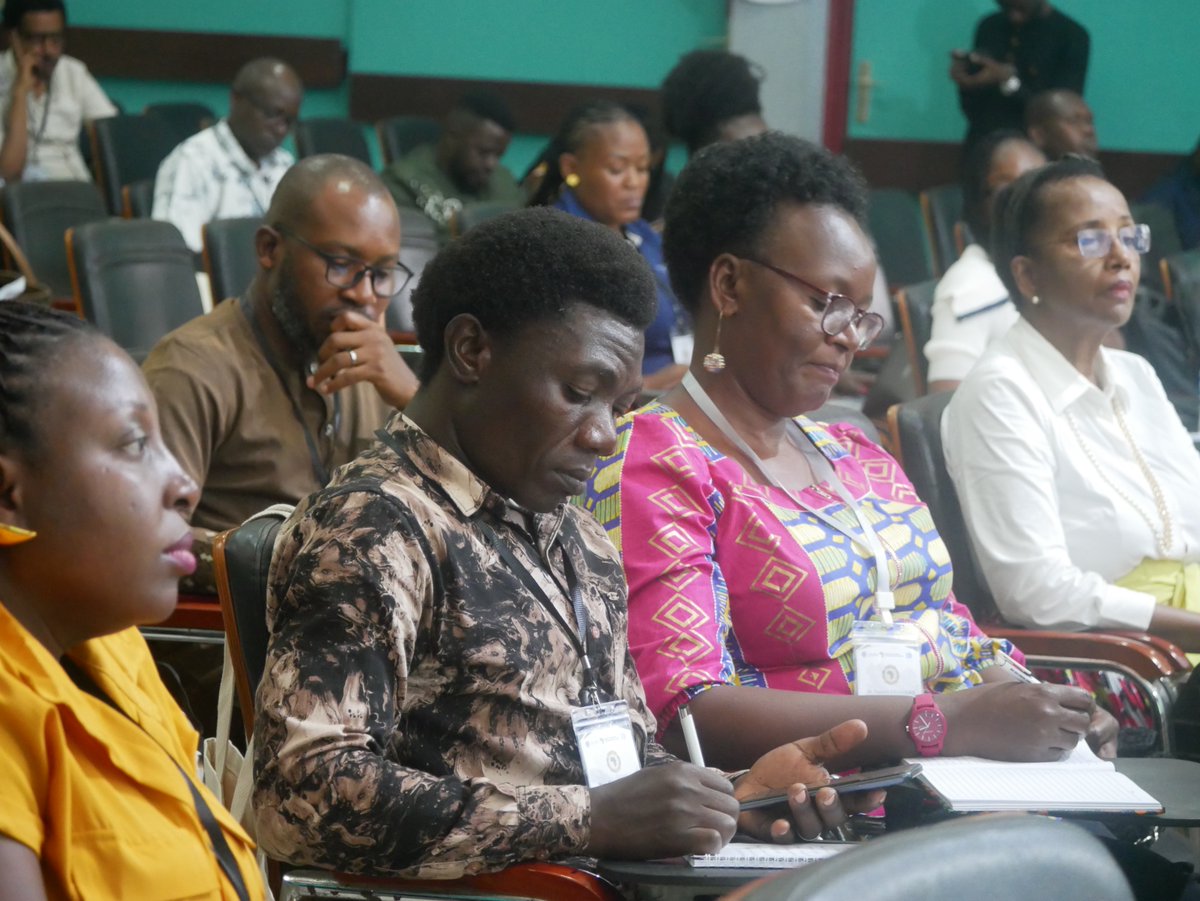
Abidjan News CI published a news item on the 2026 APDD Writing & Dissemination Workshop.
"Through this workshop, CERAP, SSRC, and APDD offer a strategic training framework to strengthen the capacities of African researchers."
📰 Read more: bit.ly/4l1niUj

English
Chukwudi Njoku, PhD 🌍 retweetledi

Saying nonsense in the name of speaking in tongues. Chukurukuchukuruku. 😂😂😂
This nonsense festered because Nigerians love mysteries.
KAYLAH OSARUMẸ ỌDEMWINGIẸ@kaylah_osas
Name something more cringe than this 😬
English

@Prrrr33333 @GBass04 AutoCAD Land Development, ArcMap, QGIS. QGIS is open source.
Français

@GBass04 Gideon Dingba what of Geoinformatics and Surveying
English
Chukwudi Njoku, PhD 🌍 retweetledi

Woman from Global South?
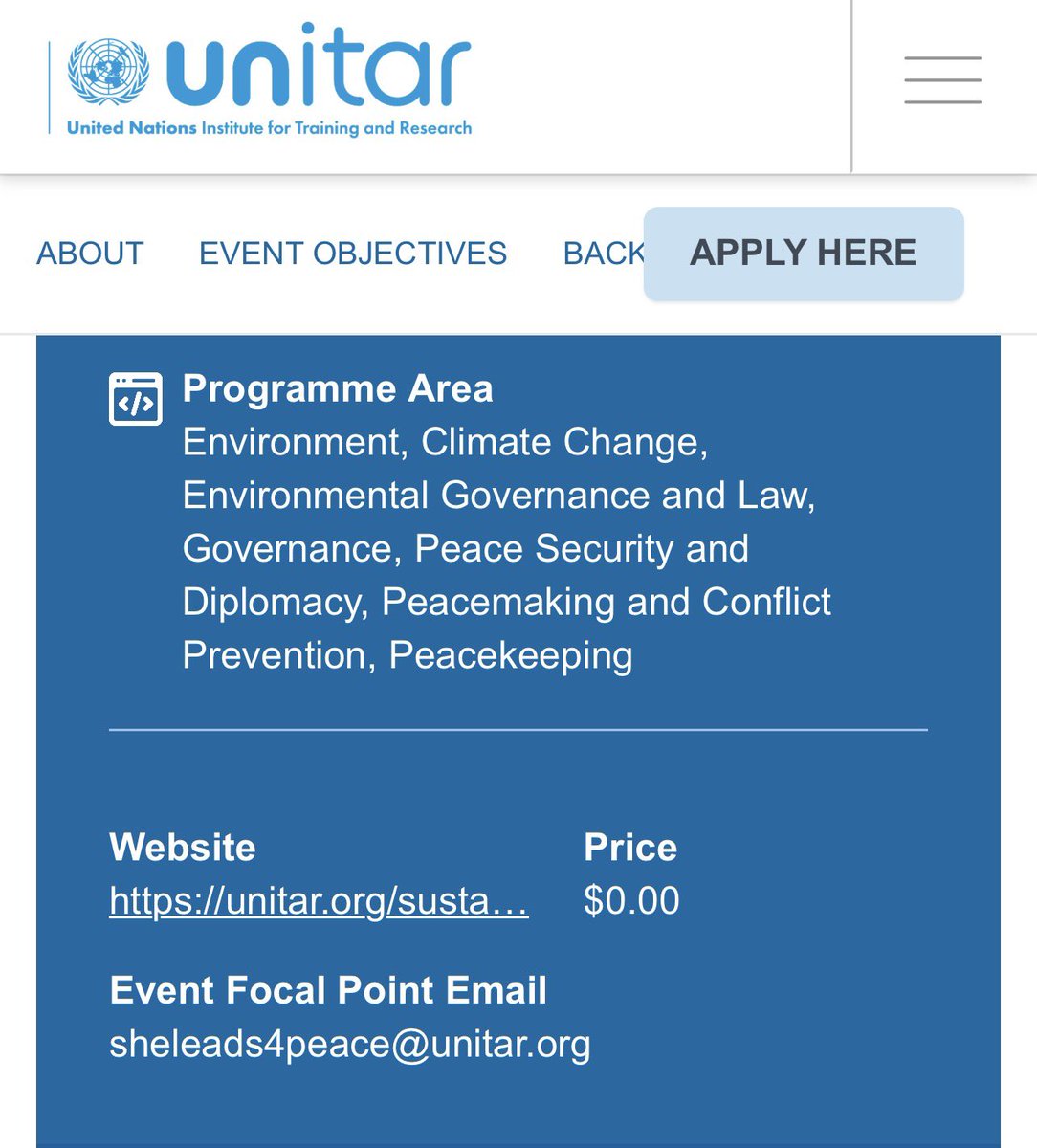
Working at the intersection of gender, climate, and peace. Apply for this UN training if interested.
Deadline is on 11th of January.
event.unitar.org/full-catalog/s…
Good luck 🍀


English

@OurFavOnlineDoc Will you blame him? He builds from the original scam story.
English

It is very sad and painful that our people are being dehumanised and embarrassed in this manner purely out of ignorant religious tomfoolery.
When you are less busy,
Pls read this Bible verse Genesis 9:11,
You will see that anyone predicting an earth-destroying flood and building an ark in 2025 is quite simply just a scammer.
Polymarket@Polymarket
JUST IN: Thousands from across Africa arrive in Ghana in hopes of securing a spot on Ebo Noah’s Arc for tomorrow’s claimed rapture & global flood. 0.1% chance it happens.
English

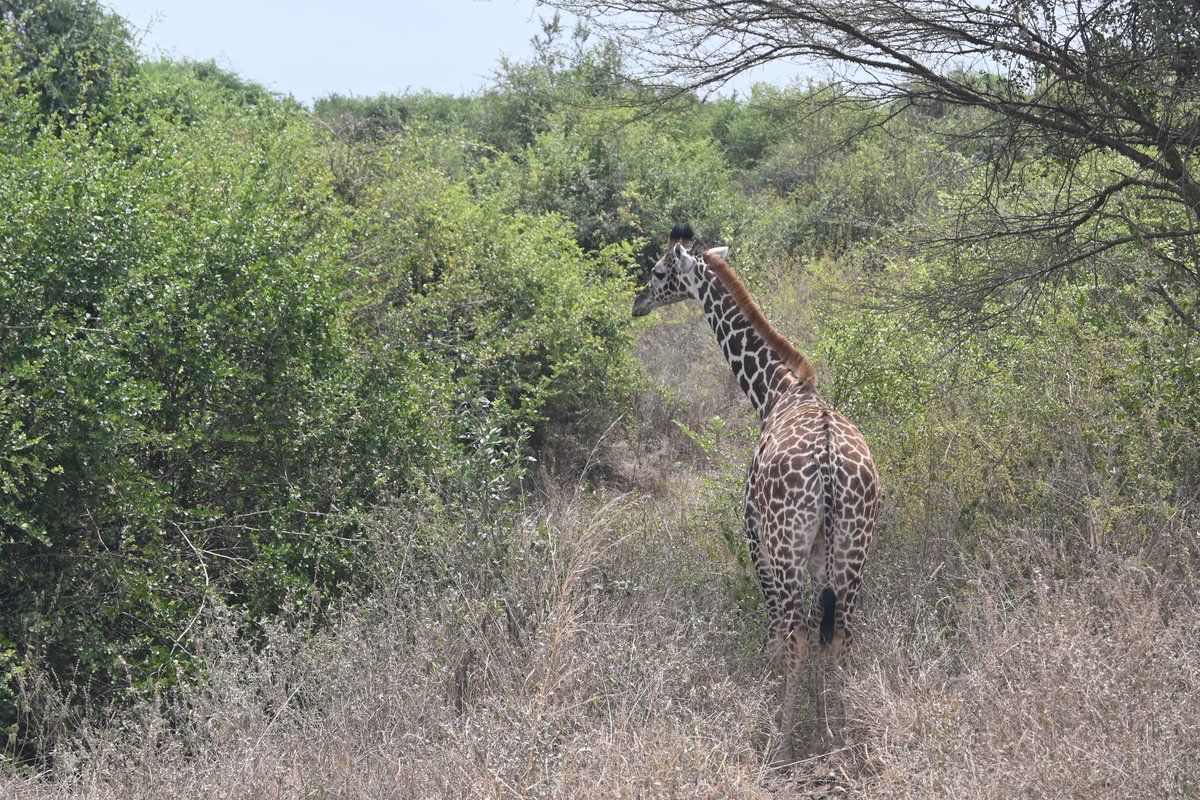
In my article, "What can Nigeria Learn from Kenya's Nature-Based Tourism", I reflected on my visit to the Nairobi National Park. I argued that Nigeria should replicate Kenya's nature-based tourism model to protect biodiversity & unlock economic potentials
linkedin.com/pulse/what-can…


English
Chukwudi Njoku, PhD 🌍 retweetledi

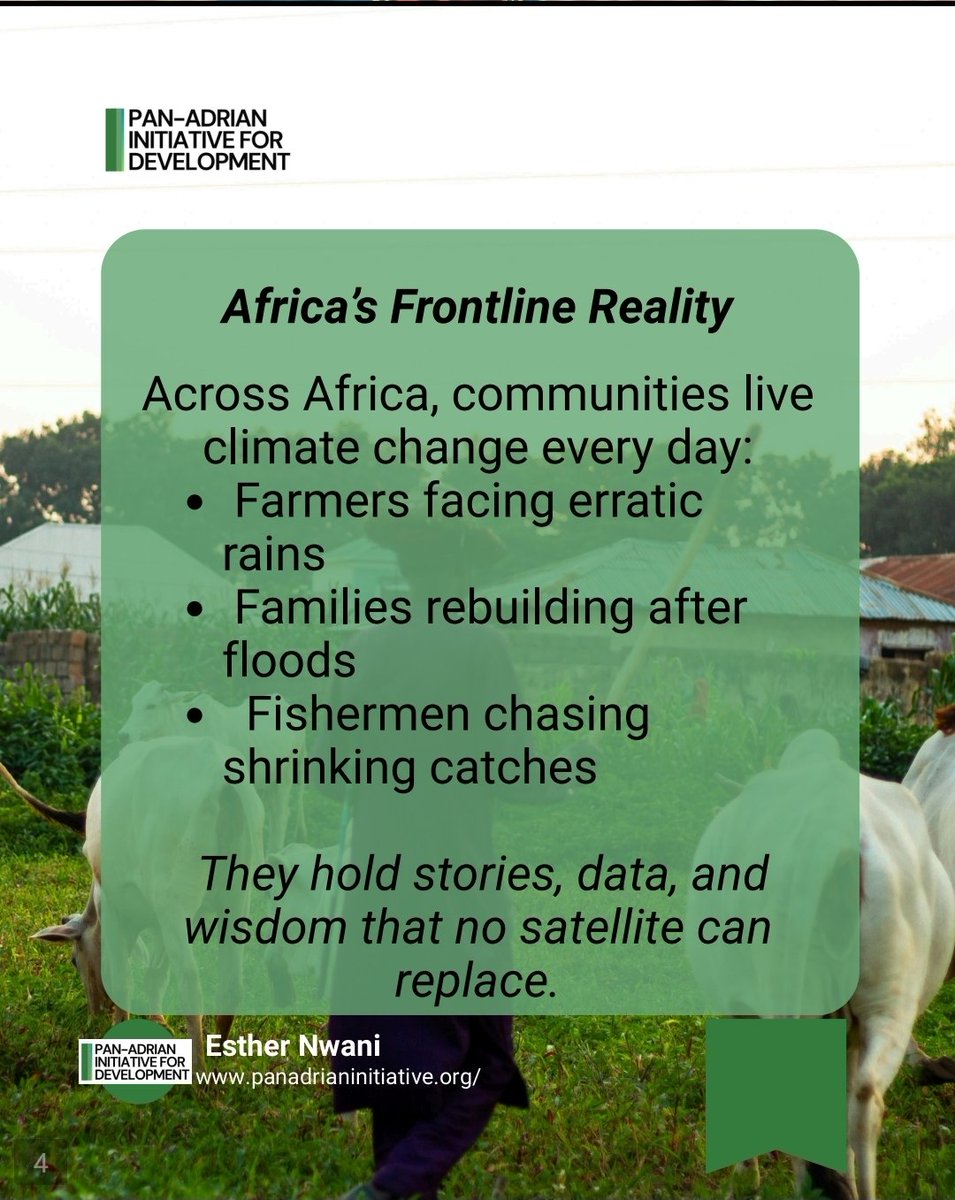
New Article Alert!
"Local voices, global impact: Why communities matter in Africa’s climate fight".
Read full article authored by Esther Nwani on DevDigest here: panadrianinitiative.org/local-voices-g…


English
Chukwudi Njoku, PhD 🌍 retweetledi

📘 NEW Special Policy Publication
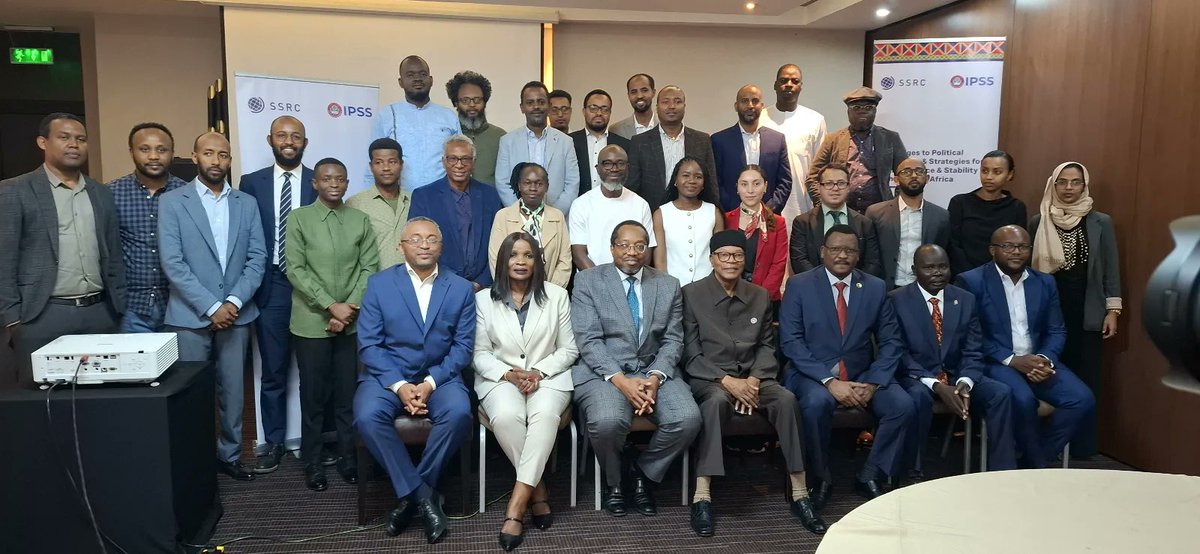
In June 2025, @IPSS_Addis & @ssrc_org convened a high-level policy dialogue on political transitions in the Horn of Africa.
🔗 Special Reflection by Mohamed Ibn Chambas, AU High Representative for Silencing the Guns: bit.ly/4j62FFz

English
Chukwudi Njoku, PhD 🌍 retweetledi

WHEN THE LAW BECOMES THE ENEMY: NIGERIA'S DRONE REGULATIONS ARE A GIFT TO TERRORISTS
In recent months, I have received a growing number of calls from drone operators across Nigeria. Their drones have been seized by personnel under the Office of the National Security Adviser. These are not reckless hobbyists or criminals. They are photographers, surveyors, and GIS analysts trying to earn a living. And once again, Nigeria is repeating its most dangerous policy mistake: enforcing rules while making compliance nearly impossible.
The Nigerian Civil Aviation Authority is responsible for issuing the Remotely Piloted Aircraft System Operator Certificate, the document that allows individuals and companies to legally operate drones. But to obtain this certificate, applicants must first secure an Operator Permit and an End-User Certificate from the Office of the National Security Adviser. The process involves a cumbersome five-stage procedure that takes a minimum of six months. For commercial operators, the registration fee alone is ₦800,000, roughly equivalent to what an average Nigerian worker earns in a year. In the United States, drone registration costs $5 for 3 years and takes about ten minutes online. In the United Kingdom, it costs £12 annually. Nigeria demands roughly $550 or more in fees, plus a company capitalization requirement for commercial operators. The message is clear: flying a drone legally in Nigeria is a privilege reserved for the wealthy or the exceptionally patient.
A few weeks ago, I visited the Office of the National Security Adviser where I raised a simple point with officials: without a significant number of registered drone users, there is no meaningful data to analyse. No database means no analytics. No analytics means no intelligence. We cannot secure what we cannot see. Currently, only a handful of companies in Nigeria hold official licenses to operate drones. The vast majority of drone owners are photographers, videographers, and surveyors, people who use these tools to document weddings, map farmland, and inspect infrastructure. A tiny fraction use drones for security or surveillance. Yet the regulatory framework treats every applicant as if they were importing military hardware.
If you want a drone today, you can walk into any photography equipment shop in Lagos or Abuja and buy one within the hour. The technology is accessible. Registration is not. I personally spent two years attempting to create an account on the NCAA's RPAS registration platform. The portal was inactive. Emails went unanswered. When I finally received a response from a staff, I was told the process had to be completed manually and required a physical visit to the HQ in Abuja. This is not regulation. This is obstruction. The absence of automation creates fertile ground for extortion, unnecessary delays, and nepotism. It discourages compliance and ensures that ninety percent of drone users in Nigeria remain unregistered, invisible to the very systems designed to track them.
The consequences of this policy failure are not abstract. They are playing out on battlefields across the Sahel. One incident haunts me still. A clandestine operative working in Nigeria's North West region was killed in an ambush. His drone was recovered by insurgents. Months later, that same drone appeared in footage from Burkina Faso after the Burkinabè Army raided a camp belonging to Jama'at Nusrat al-Islam wal-Muslimin, the al-Qaeda affiliate terrorising the region. We only identified the drone because a colleague had physically inscribed markings on it. There was no registration number. No serial in a database. No trail to follow. A proper registry would have allowed us to trace that equipment, identify networks, and potentially disrupt operations. Instead, we rely on handwritten notes and luck. This is not a hypothetical risk. Terrorist groups in the Sahel are now conducting sophisticated drone warfare. JNIM has evolved from its first armed drone strike in September 2023 to over a dozen coordinated operations spanning Mali, Burkina Faso, and Togo. The group has adapted commercial drones to drop improvised explosive devices on military positions. Human angle reports- In July 2022, ISWAP used a surveillance drone to identify a Nigerian military convoy before ambushing them in Gubio. The hobbyist drone market across Africa is booming, and terrorist organisations face few obstacles to accessing this technology. Nigeria's failure to build a comprehensive drone registry is not just an administrative inconvenience. It is a national security vulnerability.
There is a deeper irony here. According to Punch Newspaper, Nigeria's security agencies seized 86 drones at Nnamdi Azikiwe International Airport for lacking End-User Certificates. Those drones were handed over to the Nigerian Navy. The state confiscates what it cannot track, then wonders why it cannot track what the insurgents use. Meanwhile, competent companies and skilled professionals, both Nigerian and foreign, are being driven away by allegations of extortion during the licensing process. When the lawful path becomes harder than the unlawful one, people stop trying to be lawful. That is not a moral failing. That is human nature responding to a broken system.
What Nigeria needs is not more enforcement. It needs infrastructure. A functional, automated registration portal that can onboard thousands of users without requiring a trip to Abuja. A streamlined fee structure that does not price out photographers and farmers. A database robust enough to deploy geofencing technology and airspace management tools. Without registered users, these technologies are useless. You cannot regulate an airspace you have not mapped. You cannot monitor operators you have not catalogued.
The drone industry in Nigeria has grown by nearly forty percent since the release of Part 21 of the Nigeria Civil Aviation Regulations. The demand is there. The talent is there. The potential for agriculture, logistics, infrastructure inspection, and security applications is enormous. But potential means nothing if it is strangled by bureaucracy before it can breathe. Every day we delay building a proper registration system, we hand another advantage to those who wish us harm. They do not wait for permits. They do not pay fees. They simply acquire the technology and use it.
This is not a call for deregulation. It is a call for intelligent regulation, the kind that distinguishes between a wedding photographer in Abuja and a weapons smuggler at the border. The kind that builds databases instead of barriers. The kind that recognises that security comes from visibility, not prohibition. We have a choice. We can continue seizing drones from law-abiding citizens while terrorists fly freely across our borders. Or we can build a system that brings operators into the light, creates accountability, and gives our intelligence agencies the data they need to protect this country. The path forward is obvious. The only question is whether we have the will to take it.
CC @NuhuRibadu @Official_ONSA @OfficialDSSNG
English
Chukwudi Njoku, PhD 🌍 retweetledi

REMINDER! Applications are open for the 2026 African Peacebuilding & Developmental Dynamics fellowships (formerly APN & Next Gen). Apply now.
🗓️ Deadline: Jan 16, 2026
📷Learn more: bit.ly/3L2AQkI

English

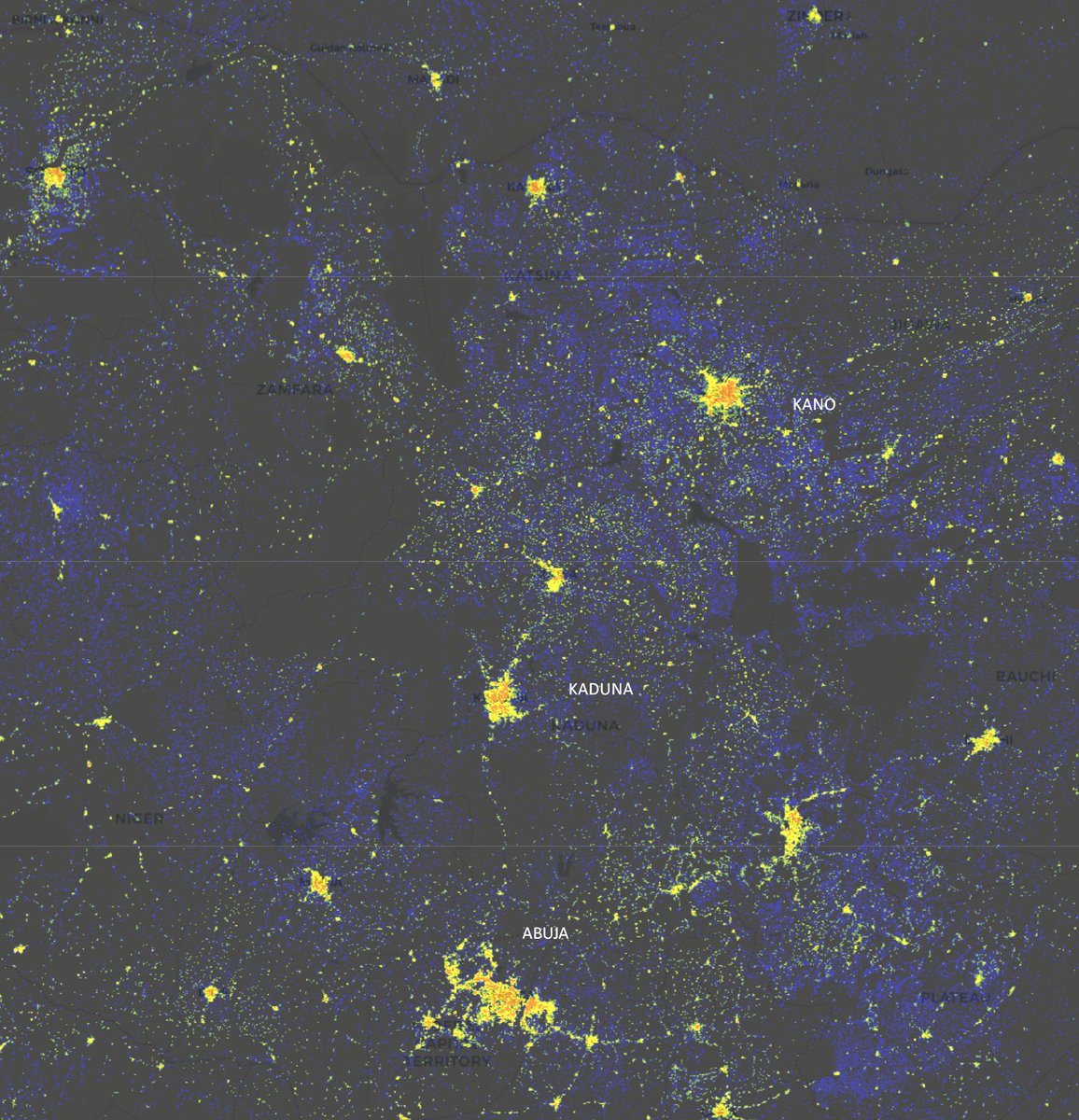
@markessien @snribadu Called Night Time Light (NTL) in Remote Sensing. Can be used as a proxy to measure economic development. Usually obtained from platforms like MODIS. Yes, imagery shows that the FCT is more developed, maybe more populated, but NTL is not the best proxy for population. LandSat is.
English

@snribadu It's a map of buildings as observed from satellite imagery. Nothing to do with lights.
English
Chukwudi Njoku, PhD 🌍 retweetledi

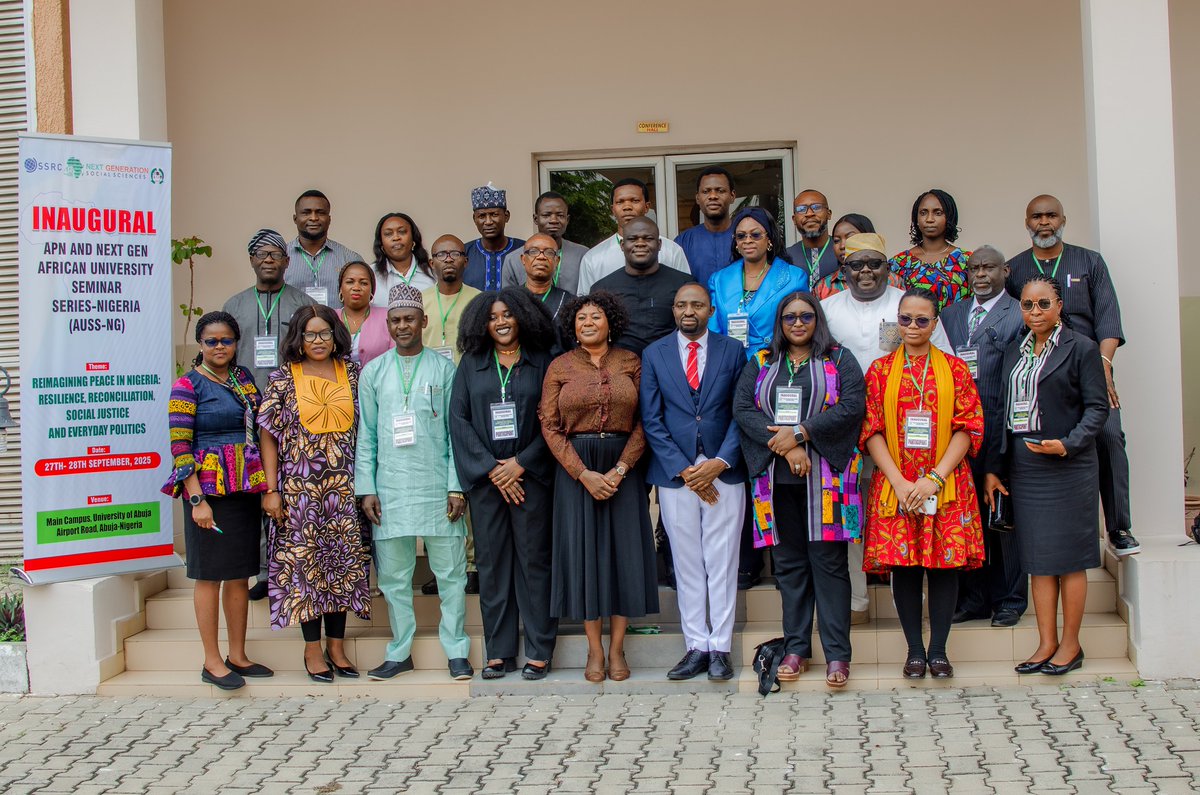
🌎 Excited to share highlights from the African University Seminar Series, Nigeria (#AUSS-NG), Inaugural Seminar, held from September 27 to 28 at the University of Abuja:
bit.ly/4oXAlaC
#AfricanPeacebuilding #ConflictResolution

English
Chukwudi Njoku, PhD 🌍 retweetledi

@ChuddyPeter @ani_danielson I have been everywhere in Nigeria except the core North. I worked in experiential marketing for 4years of my life.
There are no indices you use that make PH bigger than Cali by landmass!
Stop bro!! Abeg don't do this.
English

@Bebef8m @ani_danielson Have you travelled the length and breath of Calabar and Port Harcourt? I doubt you have. You are probably comparing Cross River State with Port Harcourt. And that's a common misconception.
See my earlier post for context:
x.com/ChuddyPeter/st…
Chukwudi Njoku, PhD 🌍@ChuddyPeter
@ani_danielson Yes, I am really sure. The perimeter of the urbanized or built-up area of Calabar is approximately 60km, with an area of 155sqkm. Alternatively, and significantly higher is Port Harcourt with a perimeter and area coverage of approximately 142km and 692sqkm respectively.
English

@ChuddyPeter @ani_danielson Errrr PH bigger than Calabar? Sure about that?
Calabar is over 4 times the size of PH!!!
You people tend to conflict population and size always.
English