Clément Frénay

521 posts

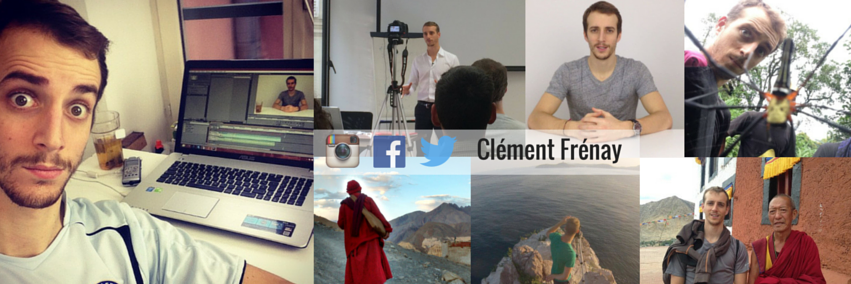
Clément Frénay banner
Clément Frénay

Clément Frénay

@ClementFrenay

Découvrez ma chaine Youtube sur les sciences du sommeil, des troubles anxieux, de la longévité et sur le futur de la thérapie : https://t.co/wdQWXNky6t

Katılım Mart 2014
151 Takip Edilen21.1K Takipçiler
Clément Frénay
Clément Frénay@ClementFrenay·
@bryan_johnson Kate seems great, I wish you the best, thanks to both of you for sharing so much interesting things to the world.
English
0
0
0
16
Bryan Johnson
Bryan Johnson@bryan_johnson·
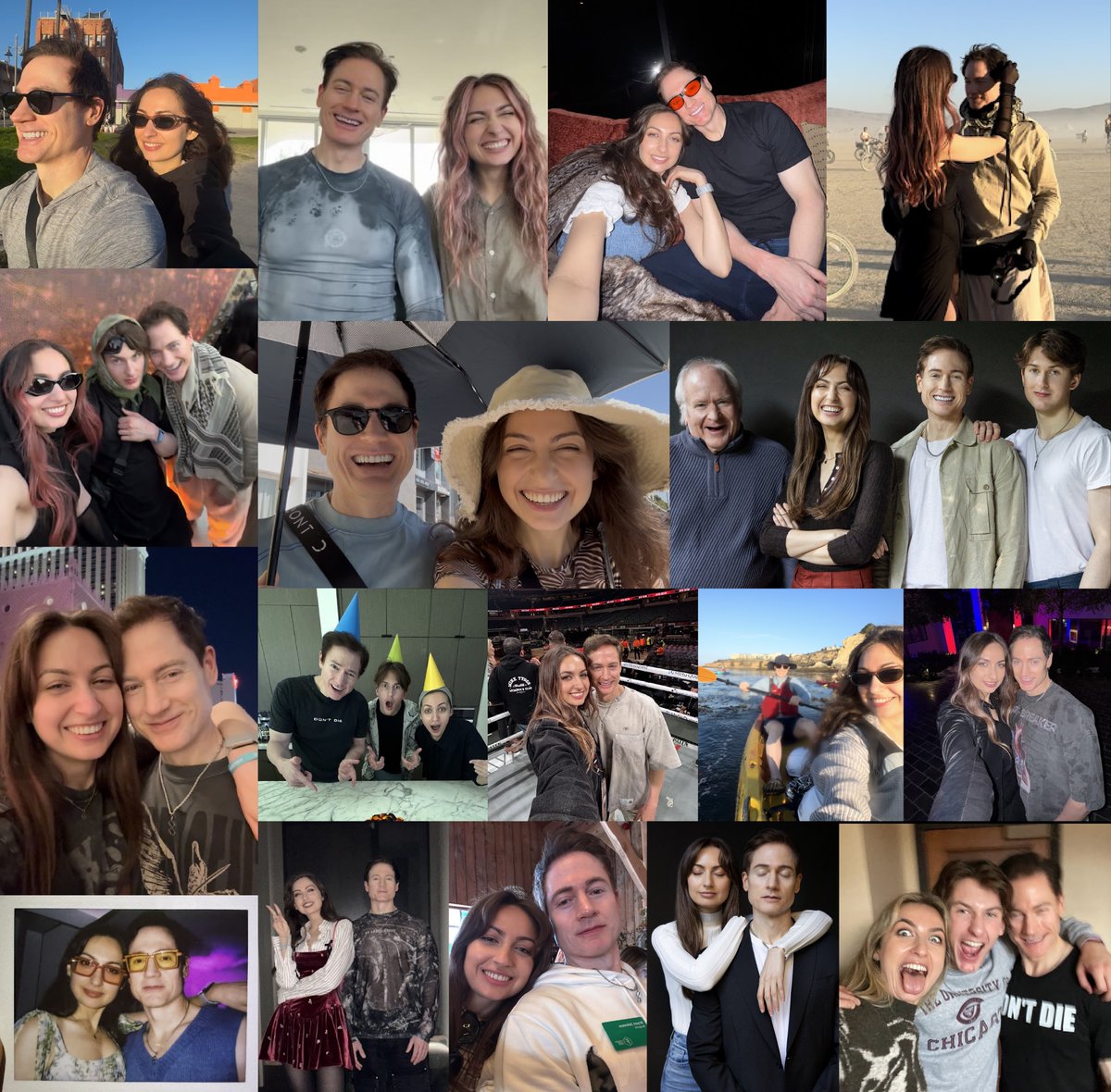
Guys…I have a girlfriend. Now I know what you’re thinking…how is it possible that anyone would want to be with me? I understand where you’re coming from. I think the answer is: her puzzle piece fits mine. In my early twenties, I read the biography of the American founding father John Adams. He and his wife Abigail had one of the great partnerships in American history; intellectually matched, emotionally intertwined, and co-architects of something bigger than themselves. I wanted what they had. But it wasn’t within reach. Years before, I’d married in a sort of arranged Mormon marriage. Unsure how else to explain it. We were functional, but we weren’t John and Abigail. We split after thirteen years. At age 34, after selling Braintree Venmo, and emerging from a mismatched marriage and the repression of Mormonism, I set out to rebuild myself and find partnership.  I met a woman in LA who became my first-ever girlfriend. Coming from a sheltered background, I was blind to the obvious warnings. I was dangerously naive. That relationship unraveled and was followed by litigation. The experience was unnerving and left me wondering if I could ever trust again. By the time I was 44, I started reconciling with the possibility of a life without partnership. @_katetolo and I met at my brain interface company Kernel. She’d discovered my work using neurotechnology to improve human well-being and merge human and AI. Even though she’d been dreaming of a career in fashion, she was drawn to what she foresaw as the defining question of our time: how will humans successfully co-evolve with AI. We shared the same obsession. The puzzle piece fit was immediate, as immediate as either of us had ever experienced. Yet we maintained our professional boundaries. When we worked on our first project together, the back and forth was effortless. She could conceptualize and feel what I couldn’t and vice versa. It helped that both Kate and I had a natural disposition towards hard work. Our joy came from creation. Kate was luminescent. When I saw her about the office, butterflies fluttered in my stomach.  Each day she’d show up wearing some unexpected combination of colors, textures, styles and accessories. Always tasteful, playful and interesting. She didn’t chase fancy brands. Most of her clothing was from the thrift store. It wasn’t how she looked but how her mind worked: original, eccentric, entirely her own. She was art. We both worked very hard and valued every second of the day.  One evening around 6:30 pm she dropped by my office and we talked for hours. It had been all business before.  This was the first time we stepped into each other’s personal lives. My heart strings pulled but my brain pushed back. ‘We know we can’t trust again’, my mind firmly stated. Our after-hours meet-ups in my office became a daily ritual. The favorite part of my day. We’d reminisce about work and tiptoe a bit deeper each time into each other’s personal lives. I’d recently started my new anti-aging project and one night Kate suggested to me that I should put the entire thing online to allow others to follow on. We worked together to put up a website and got a v1 out. We pondered what to call it, and decided on ‘Project Blueprint’. We were oddly from entirely different worlds but somehow the same person. Yet neither of us dared take the next step. We didn’t want to imperil our work relationship and we remained deeply skeptical of each other.  The combination of Kate being raised to distrust all things and me still feeling the sting of the previous relationship left us stirring in a pot of anticipatory disaster. Before long, whether we liked it or not, we’d become each other's favorite person. We’d spend every moment we could together. Social events and the weekends were still off-limits as our relationship was professional. We were both secretly wondering, ‘does the other person feel what I’m feeling?’ Unable to withstand any longer, after a year and a half of unspoken affection, one night I softly floated the balloon of inquiry. She confirmed it was reciprocal. Still, with things being so new, neither of us wanted to make our relationship public. We needed time to stabilize, mature and assess whether this was short or long term. I’m a 48 year old American, raised Mormon, with three children. She’s a 30 year old Bosnian-Australian-American. It took time to bridge our worlds. In our years of knowing each other, three of them have been navigating a relationship. All while building a business and movement. There have been many times where we didn’t know if we’d make it. In the last year, we’ve found our flow.  I trust Kate as much as my mother. She knows how to scaffold trust. She anticipates your anticipation and knows your reaction before you react. She’s meticulous in the integrity of our relationship. She’s even been pivotal in helping my father and me reconcile and navigate the contours of our relationship. In the past few years, Blueprint and Don’t Die have become global phenomena. Kate is the unsung hero.  She and I have been stride on stride since inception. She’s proven an exceptional executor and despite her unconventional background, intuitively knows things. Her creativity keeps me forever guessing what she’ll say or come up with next. Our minds have become so intertwined that life feels naked without her. Her story warrants being told as others will be better off emulating her practices and abilities. What I find most impressive about Kate is her prescience and thoughtfulness. She sees forwards, backwards, and side to side. Relative to her, I feel myopic in my awareness of the world. She can see through others, as an x-ray would. She then structures all that information and can package it in simple, understandable terms. In ways that allow for everyone to win. Kate is soft spoken, self-deprecating and understated. These attributes cloak her ferocious ambition, piercing intellect, and delightful creativity. Give her five minutes and she will reframe your world. But most people don’t know to look. They assume she’s my assistant. It’s such a loss because people are looking for what she has to offer. My son Talmage, Kate, and I are family. Nothing makes us happier than being together. Our conversations are fast, dark, and rowdy. Family feeds the soul, and we are nourished. As my son considers possible partners, he wisely models them off of Kate. Deep companionship is a universal human want.  And while there are eight billion of us on this planet, most struggle to achieve it, including those in relationships. It’s the most fulfilling of human experiences and also the most elusive. The joy of being seen, appreciated and loved, and offering the same to another. I wrote dozens of different sentences trying to capture what the want and struggle for deep companionship feels like. I deleted them all as none could holistically capture the emotional architecture of it. Then one day while exercising, I realized what it feels like: what the explorer Ernest Shackleton and his crew must have felt returning to land after being shipwrecked and surviving 497 days adrift in brutal Antarctic. It’s a bit of a dramatic comparison, however, I suspect many of you can relate. Kate feels like land to me after being adrift and searching for 25 years. Life sinks or sails based upon the quality of our most intimate relationships. No amount of professional success can plug the sinking hole of an acrimonious personal relationship. At this point, Kate and I have nearly become one person. We have entire conversations with a single look, sound, gesture or image. We independently come up with the same ideas and insights, suggesting to me that maybe it’s our tandem effort generating them. Our relationship is stable, positive, and calm. I’ve wanted this my entire life and impatiently waited 25 years for it to arrive. It’s better than anything I imagined. Lucky me, I found my Abigail Adams.
Bryan Johnson tweet media
English
4.1K
839
34.8K
18.1M
Clément Frénay
Clément Frénay@ClementFrenay·
@bryan_johnson GOAT, real life Tony Stark, thanks for leading the tribe and holding strong against the critics.
English
0
0
0
38
Bryan Johnson
Bryan Johnson@bryan_johnson·
I’m going to build an organoid avatar of myself. Thousands of miniature Bryan Johnsons grown on cell culture dishes, each replicating my cellular and organ biology. This living model will let me test the efficacy of supplements, drugs, and nutrition to accelerate safe and measure progress against aging. Details: The potential of stem cell derived organoids is to enable toxicity screenings for drug discovery and complex treatment regiments. This same benefit can be realized for longevity supplementation, nutrition, and Rx protocols. Becoming the most measured person in history allowed my organs to speak, but the drawback is that there’s only one copy of me for testing. This means I can only tweak one or a handful of variables at a time to explore their effects. A single copy of me limits the number of things I can test simultaneously, slowing the speed of progress. These limitations can be resolved by scaling me up using personalized, stem cell-derived organoids. We are currently giving this serious consideration. Here's a rough workflow: A blood sample is taken, some cells are isolated (PBMCs) and reprogrammed into induced pluripotent stem cells (iPSCs). These cells are then propagated in cultures. Using special lab treatments and conditions, they are coaxed to differentiate and grow into mini-organs, or organoids. These organoids carry my exact DNA. Although the reprogramming process erases most epigenetics acquired in my life, bringing the cells back to a newborn-like state, we can think of these organoids as "Baby Bryans" available to test interventions. Organoid function and phenotype can be monitored using computational models, which can extrapolate the organoid's behavior to predict effects on the actual organs in my body. These organoids can be hooked together into one artificial circulation, creating hundreds or thousands of "mini Bryans." These will allow us to test each ingredient and intervention separately, as well as particular combinations. The level of evidence and sophistication of organ-on-chip model has seen rapid progress in the last decade Initial prototypes utilized interconnected 2-D and spheroid "organ-on-chip" cultures to successfully model the metabolism, toxicity, and biodistribution of drugs and their metabolites, including liver-kidney, liver-lung, and liver-brain interactions. The use of induced pluripotent stem cells (iPSCs) coupled with 3D-printed scaffolds to generate spheroids and organoids paved the way for these systems in personalized medicine. This approach enables accurate, personalized, case-by-case predictions for drug interaction, efficacy, and toxicity. These systems can even model systemic disease states, such as blood-brain barrier permeability, neurotoxicity, lung and pancreas cystic fibrosis, cancer metastasis, and responsiveness to chemotherapy. The next iteration of organoids rely on computational models, promising to evolve these systems from modeling extreme toxicity and disease states to the more delicate field of predicting chronic toxicity and harms from drugs in development. This granularity will enable optimization of personal drug and supplement regimens with cellular and molecular level accuracy, a feat normally challenging to track within the complexity of the living body. The field is maturing from merely generating organoids to building in-silico avatars of one's body based on insights collected from cultured organoids. On the pharmaceutical side, these systems can already accelerate discovery by predicting drug candidate toxicity before they transition into expensive clinical trials. On the longevity and personal health side, this means we will soon no longer have to speculatively test interventions and therapies on ourselves based solely on general population data. My organoid avatars will undertake the heavy lifting of detecting and predicting toxicity, harm, and likelihood of efficacy.
Bryan Johnson tweet media
English
272
163
2.8K
776K
Talmage Johnson
Talmage Johnson@talmagejohnson_·
What I eat in a day
English
103
27
1.2K
130.6K
Bryan Johnson
Bryan Johnson@bryan_johnson·
This weekend I finished a rough draft of a Don't Die Network State. If we're serious about thriving beyond our imagination, we need IRL infrastructure+collective. No government is doing this. Don't Die. Don't kill each other. Don't kill earth. Align AI with Don't Die.
English
92
80
1.2K
370.9K
Clément Frénay
Clément Frénay@ClementFrenay·
Hey, je débarque sur tiktok avec des vidéos sur le sommeil, les rêves et les cauchemars ! Venez :D Par contre je vous préviens je connais RIEN à Tiktok, mais les vidéos sont montés par le même éditeur que sur Youtube donc c'est quand même quali :) Premières vidéos cette aprem !
Clément Frénay tweet media
Français
0
0
0
0
Clément Frénay
Clément Frénay@ClementFrenay·
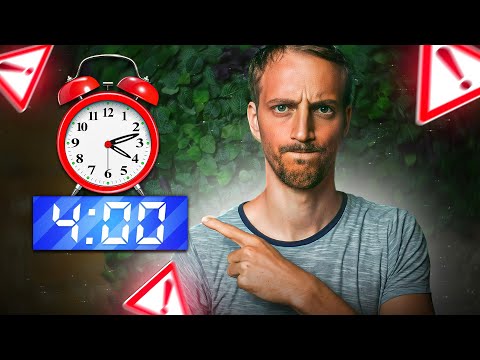
Les DANGERS de se réveiller trop tôt ! J'explique tout dans cette vidéo, avec mesures du sommeil à l'appui :) youtu.be/oGgKmQdsSrk
YouTube video
YouTube
Français
0
0
1
0
Clément Frénay
Clément Frénay@ClementFrenay·
Les DANGERS de se réveiller trop tôt ! J'explique tout dans cette vidéo, avec mesures du sommeil à l'appui :) youtu.be/oGgKmQdsSrk
YouTube video
YouTube
Français
0
0
0
0
Clément Frénay
Clément Frénay@ClementFrenay·
Les DANGERS de se réveiller trop tôt ! J'explique tout dans cette vidéo, avec mesures du sommeil à l'appui :) youtu.be/oGgKmQdsSrk
YouTube video
YouTube
Français
0
0
0
0
Clément Frénay
Clément Frénay@ClementFrenay·
Les DANGERS de se réveiller trop tôt ! J'explique tout dans cette vidéo, avec mesures du sommeil à l'appui :) youtu.be/oGgKmQdsSrk
YouTube video
YouTube
Clément Frénay tweet media
Français
0
0
3
0
Clément Frénay
Clément Frénay@ClementFrenay·
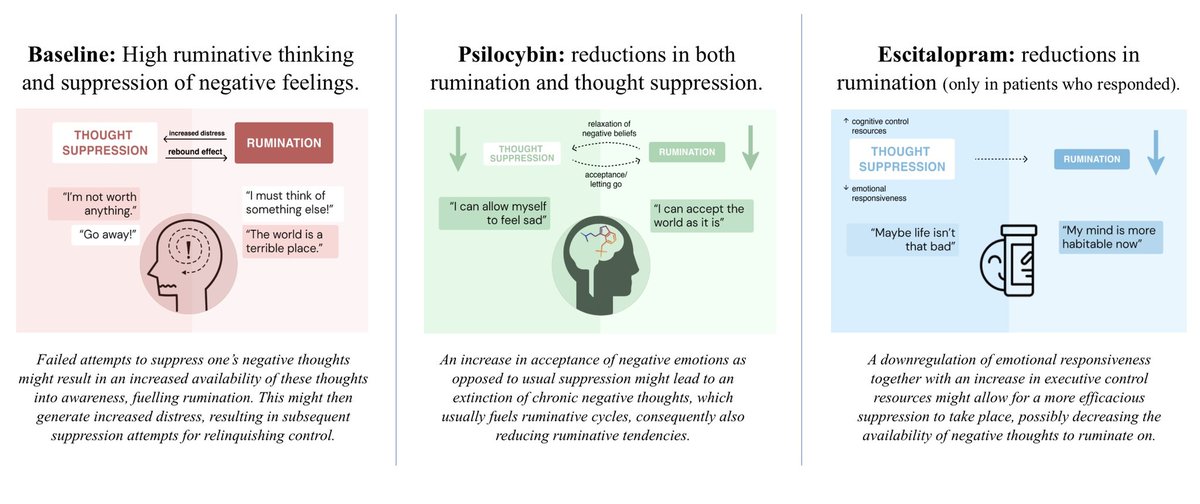
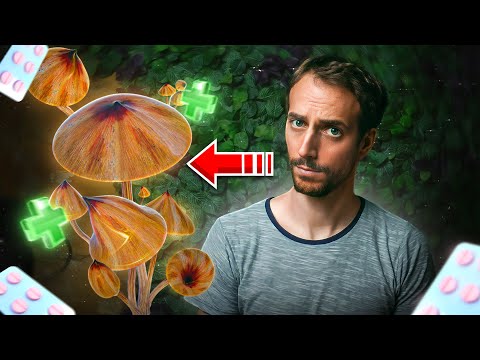
Vous connaissez le champignon hallucinogène qui guérit la dépression ? Découvrez ses effets incroyables sur le cerveau ! youtu.be/l4XrVXDv1C8
YouTube video
YouTube
Français
0
0
0
0
Clément Frénay
Clément Frénay@ClementFrenay·
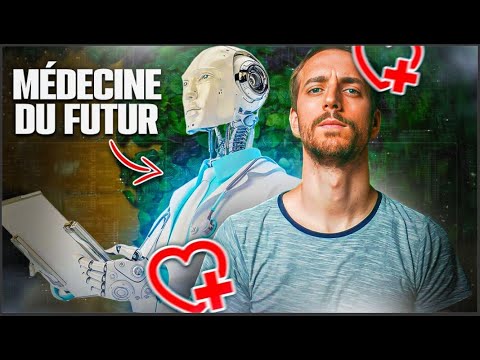
On va probablement vivre pour toujours grâce à l'intelligence artificielle ! Découvrez pourquoi ici : youtu.be/Cb3-N1FfZkw
YouTube video
YouTube
Français
0
0
0
0
Clément Frénay
Clément Frénay@ClementFrenay·
On va probablement vivre pour toujours grâce à l'intelligence artificielle ! Découvrez pourquoi ici : youtu.be/Cb3-N1FfZkw
YouTube video
YouTube
Français
0
0
0
0
Clément Frénay
Clément Frénay@ClementFrenay·
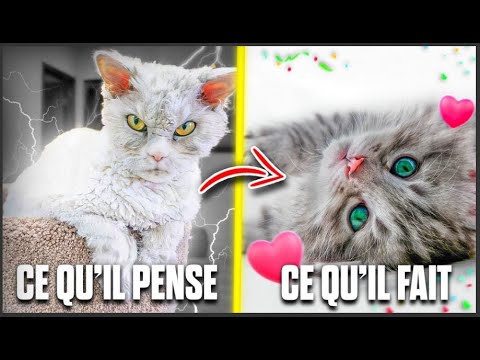
Est-ce que vos animaux de compagnie vous aiment vraiment ? Dans cette vidéo on explore un peu la psychologie animale et on essaie notamment de savoir si les chats sont des vilains démons sans cœur. Allez jeter un œil ! youtu.be/LLmq1G8j3x8
YouTube video
YouTube
Français
0
0
0
0
Clément Frénay
Clément Frénay@ClementFrenay·
Est-ce que vos animaux de compagnie vous aiment vraiment ? Dans cette vidéo on explore un peu la psychologie animale et on essaie notamment de savoir si les chats sont des vilains démons sans cœur. Allez jeter un œil ! youtu.be/LLmq1G8j3x8
YouTube video
YouTube
Français
0
0
0
0
Clément Frénay
Clément Frénay@ClementFrenay·
Les effets sur le cerveau de la psilocybine, le champignon hallucinogène qui guérit la dépression : youtu.be/l4XrVXDv1C8
YouTube video
YouTube
Français
0
0
0
0