

Clive Simpson
57.2K posts

Clive Simpson
@CliveSimpson63
When men choose not to believe in God, they do not thereafter believe in nothing, they then become capable of believing in anything. ― G.K. Chesterton
London Katılım Ekim 2022
1.4K Takip Edilen9.7K Takipçiler

@CliveSimpson63 So you think the majority of Londoners are idiots?
English

I suppose some people will pay money to see this. How much?
Charlotte Gill@CharlotteCGill
Amnesty International’s comedy line up for Edinburgh Festival looks soooo good… Nish Kumar Rosie Jones Grace Campbell the nepobaby Deborah Frances-White More to be announced! Perhaps Jen Brister next?
English
@Steve101uk Yeah they do, sadly - a lot of idiots live here.
English
@CliveSimpson63 And yet the people of London keep voting for him.
English

more i think abt the more i realize how much this fits bc most cis ppl view trans women exactly like dolls. we're pretty objects that are supposed to be pretty and admirable all the time and if we do anything bad or don't look how they want then they trash us.
frost | #TENOÍ 🏳️⚧️@theyfwfrost
am i allowed to say i've always hated when people refer to trans women as "dolls" ?? idk it's always felt really dehumanizing to me
English
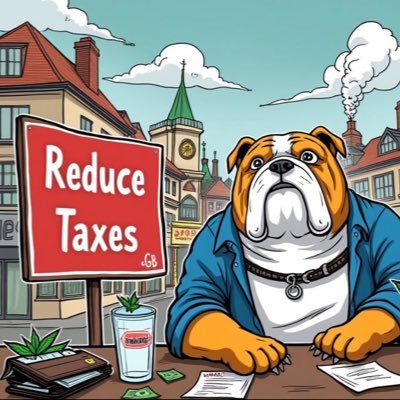
You can also tell ghosts are a crock too because nobody ever says they've seen a ghost with a peanut cut, in a bunny jacket and platforms, humming Chirpy Chirpy Cheep Cheep as she walks the stairs of a council house in Stevenage.
English
Almost all short form videos made in portrait mode are absolute slop whether it's on here, on Facebook or on TikTok. CHANGE MY MIND!
English
@HildegardP @GayTory @FFS_WhatNow He says something along the lines of "you can put glitter on a turd, it's still a turd"
English

@CliveSimpson63 @GayTory @FFS_WhatNow Jack's a frail. Ardwick's *much* more respectable than once it was. 🤣
English
@JChimirie66677 So they'd better take him back so they can improve him then, right?
English

@newface_in_hell @Slavaukrai47087 @Alexarmstrong I live in London and Khan has been a terrible mayor.
English
@Slavaukrai47087 @Alexarmstrong You sound like one of these funny people who don't live in London but say it has been destroyed.
English
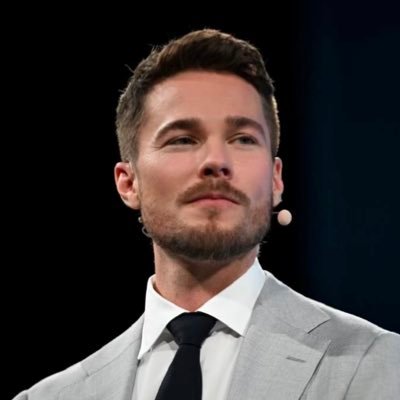
BREAKING: Sadiq Khan is set to be made a Lord by Keir Starmer, elevating him to the House of Lords. This is the second honour Starmer has given to Khan, following his Knighthood in the 2025 new years honours list.

English

We are in for a wonderful time of being treated like idiots! We get the leaders we deserve!
Politics UK@PolitlcsUK
🚨 WATCH: Andy Burnham reveals he puts milk in his tea before water "It softens the tea bag a bit and makes it stronger"
English
English
@GayTory @CliveSimpson63 Dunno about that, I used to see some strange, strange things round Ardwick. 🤣
English
@SubversiveForce Does anyone care what this superannuated Tankie thinks any more?
English

Corbyn’s priorities for Burnham? Gaza. Israel. Surprising.
And a rebuttal at the outgoing PM’s remarks about Corbyn’s Labour:
“To call it morally bankrupt and claim it to be a party that had been found to be institutionally antisemitic is completely wrong.”
English
@kpea245 This is about his tweets re Ann Widdecombe. As horrible as they were, I'm not in favour of the police getting involved.
English

@CliveSimpson63 so Clive you think a man threatening bullets, with guns on the wall behind him should just get a smack on the wrist? if something happened you journalists would be the first bashing the coppers
English
I agree with JB. Haven't we had enough of people being arrested for tweets?
Julie Bindel@bindelj
This man is clearly a hideous creature, and should crawl back to his cave, but what law has been broken here? Genuine question: news.stv.tv/north/aberdeen…
English




@CliveSimpson63 He can tell them next week. When he is prime minister and has named his cabinet. Any more non reasons to attack him before he's even started?
English
No time for Burnham to face questions in the House, but plenty of time for him to talk to a football pundit who already agrees with him.
I suspect this will characterise his premiership and by Christmas everyone will be sick and tired of his vibes-based policies.
Subversive Force@SubversiveForce
“People have to take clear positions quickly.” It’s incredible that Burnham is giving an interview to Gary Lineker while refusing to answer questions in the Commons. It’s also becoming increasingly obvious that he’s going to capitulate to the pro-Pal mob. It won’t win back the Muslim vote.
English
@FFS_WhatNow Drink plenty of water, take regular paracetamol, take the rest of the day off sick and go back to bed. That's an order. The work will wait until tomorrow.
English
