Clem Fandango

123.5K posts

Clem Fandango banner
Clem Fandango

Clem Fandango

@ColonyScotland

It doesn't seem to matter what evidence you show people. If it makes them feel unsafe about what they think they know, They'll deny it.

UpScrolled Katılım Şubat 2017
5.7K Takip Edilen7.3K Takipçiler
Sabitlenmiş Tweet
Clem Fandango
Clem Fandango@ColonyScotland·
Glasgow - A tale in many parts. Part two. When the Roman legions finally withdrew from Britain — only a few years after St Ninian’s visit — the little hill‑fort of Cathures (the future Glasgow) may once again have had to defend itself against the Picts pressing southward. It is even possible that its garrison witnessed the passage of King Arthur himself — not the later medieval knight of romance, but the historic war‑leader described by Nennius. One can imagine Arthur descending the line of the Drygate, riding out from his fortress capital at Alcluid (modern Dumbarton Rock) on his way to the last great battle of his life: Camlan, near Falkirk, in AD 537, where he fell. Six years after Arthur’s death, another figure destined for legend arrived at the same spot. This was Mungo (also known as Kentigern), son of: Eugenius/Owain, Arthur’s nephew and successor, and Theneu, sister of Medraut — Tennyson’s Modred — the man who had slain Arthur. Mungo came to Cathures driving an ox‑cart carrying the body of a holy man named Fergus. He buried Fergus in the Christian ground consecrated by Ninian, and in the glen beside it he built a small wooden cell — a monk’s dwelling and oratory. This little cell was called Eglais‑acha (“the church in the field”), a name that evolved into Glesca and finally Glasgow. One of the most evocative moments of Mungo’s life here was the visit of Columba, the Irish missionary who had founded Iona twenty years after Mungo settled in Strathclyde. It is easy to picture the two men — Columba the gentle‑voiced Gael, Mungo the noble Briton — walking together along the banks of the Molendinar Burn, deep in conversation. When the time came to part, they exchanged their pastoral staffs as a sign of friendship. After Mungo’s death, the story of Glasgow falls silent for nearly five centuries. The curtain rises again only when David, youngest son of Malcolm Canmore (the king who overthrew Macbeth), came to the region as Prince of Strathclyde — and began the transformation of Mungo’s humble monastic settlement into the medieval city. --- This is one of those moments where legend, landscape, and archaeology line up so cleanly that you can walk Arthur’s supposed route on a modern map. What follows is a historically plausible reconstruction of Arthur’s march from Alcluid (Dumbarton Rock) to Camlan/Camelon (near Falkirk), passing directly through the line of the Drygate at early Glasgow. This is not fantasy — it’s a route any late‑Roman Brittonic war‑leader would probably have taken. Arthur’s Route: Alcluid → Drygate → Camelon (AD 537) A historically grounded reconstruction 1. Alcluid (Dumbarton Rock) — Arthur’s Fortress Capital Start point: The towering volcanic plug at the mouth of the Clyde. This was the capital of the Kingdom of Strathclyde, and the strongest fortress in northern Britain. Arthur’s warband would leave by the eastern landward gate, descending into the valley of the River Leven. 2. Along the Clyde Valley to Old Kilpatrick Arthur would follow the Roman military road that once linked: Dumbarton (Alcluid) Old Kilpatrick (western end of the Antonine Wall) This road hugs the north bank of the Clyde, a natural corridor. 3. Crossing the Clyde near Old Kilpatrick There was no medieval bridge yet, but the Clyde here was: narrower shallower fordable at low tide Roman logistics depended on this crossing, so Arthur’s army would too. 4. Up onto the Antonine Wall Line From Old Kilpatrick, the army would climb onto the Antonine Wall’s military road (the via militaris), which ran just behind the rampart. This road leads eastward, straight toward Glasgow’s northern heights. 5. Descent toward Cathures (Glasgow Cathedral hill) Approaching the future Glasgow, the Roman road bends southward. Arthur’s column would descend toward the Brittonic stronghold of Cathures, passing: the line of modern Castle Street then onto Drygate, which is the Roman road alignment This is the moment the passage imagines: Arthur riding down the Drygate toward the Clyde. 6. Crossing the Molendinar Burn At the foot of the Drygate, the army would cross the Molendinar Burn, then a clear, fast stream in a wooded ravine. This crossing lies near: Wishart Street Duke Street 7. Southward to the Clyde Fords (Saltmarket / Clyde Street) Arthur would descend the steep slope (modern High Street → Saltmarket) to the fords of the Clyde. This was the main crossing for centuries before any bridge existed. 8. Eastward Along the Clyde to Rutherglen Once across, the army would follow the south bank of the Clyde, passing: Oatlands Rutherglen (an early royal site even in the 6th century) This avoids the marshier ground north of the river. 9. Turning Northeast Toward the Carron Valley From Rutherglen, the route climbs toward: Cambuslang Uddingston Bothwell Bellshill Coatbridge This line shadows the Roman road toward Bar Hill and Croy, then turns toward the Carron Valley. 10. Arrival at Camelon (near Falkirk) Camelon was a major Roman fort complex on the Antonine frontier, controlling the approaches to the Forth. This is the traditional site of Camlan, Arthur’s last battle. end of part two. Please note- This is my own personal viewpoint, it's how I interpret our history.
English
0
12
16
381
Clem Fandango retweetledi
Clem Fandango
Clem Fandango@ColonyScotland·
Glasgow - A tale in many parts. Part two. When the Roman legions finally withdrew from Britain — only a few years after St Ninian’s visit — the little hill‑fort of Cathures (the future Glasgow) may once again have had to defend itself against the Picts pressing southward. It is even possible that its garrison witnessed the passage of King Arthur himself — not the later medieval knight of romance, but the historic war‑leader described by Nennius. One can imagine Arthur descending the line of the Drygate, riding out from his fortress capital at Alcluid (modern Dumbarton Rock) on his way to the last great battle of his life: Camlan, near Falkirk, in AD 537, where he fell. Six years after Arthur’s death, another figure destined for legend arrived at the same spot. This was Mungo (also known as Kentigern), son of: Eugenius/Owain, Arthur’s nephew and successor, and Theneu, sister of Medraut — Tennyson’s Modred — the man who had slain Arthur. Mungo came to Cathures driving an ox‑cart carrying the body of a holy man named Fergus. He buried Fergus in the Christian ground consecrated by Ninian, and in the glen beside it he built a small wooden cell — a monk’s dwelling and oratory. This little cell was called Eglais‑acha (“the church in the field”), a name that evolved into Glesca and finally Glasgow. One of the most evocative moments of Mungo’s life here was the visit of Columba, the Irish missionary who had founded Iona twenty years after Mungo settled in Strathclyde. It is easy to picture the two men — Columba the gentle‑voiced Gael, Mungo the noble Briton — walking together along the banks of the Molendinar Burn, deep in conversation. When the time came to part, they exchanged their pastoral staffs as a sign of friendship. After Mungo’s death, the story of Glasgow falls silent for nearly five centuries. The curtain rises again only when David, youngest son of Malcolm Canmore (the king who overthrew Macbeth), came to the region as Prince of Strathclyde — and began the transformation of Mungo’s humble monastic settlement into the medieval city. --- This is one of those moments where legend, landscape, and archaeology line up so cleanly that you can walk Arthur’s supposed route on a modern map. What follows is a historically plausible reconstruction of Arthur’s march from Alcluid (Dumbarton Rock) to Camlan/Camelon (near Falkirk), passing directly through the line of the Drygate at early Glasgow. This is not fantasy — it’s a route any late‑Roman Brittonic war‑leader would probably have taken. Arthur’s Route: Alcluid → Drygate → Camelon (AD 537) A historically grounded reconstruction 1. Alcluid (Dumbarton Rock) — Arthur’s Fortress Capital Start point: The towering volcanic plug at the mouth of the Clyde. This was the capital of the Kingdom of Strathclyde, and the strongest fortress in northern Britain. Arthur’s warband would leave by the eastern landward gate, descending into the valley of the River Leven. 2. Along the Clyde Valley to Old Kilpatrick Arthur would follow the Roman military road that once linked: Dumbarton (Alcluid) Old Kilpatrick (western end of the Antonine Wall) This road hugs the north bank of the Clyde, a natural corridor. 3. Crossing the Clyde near Old Kilpatrick There was no medieval bridge yet, but the Clyde here was: narrower shallower fordable at low tide Roman logistics depended on this crossing, so Arthur’s army would too. 4. Up onto the Antonine Wall Line From Old Kilpatrick, the army would climb onto the Antonine Wall’s military road (the via militaris), which ran just behind the rampart. This road leads eastward, straight toward Glasgow’s northern heights. 5. Descent toward Cathures (Glasgow Cathedral hill) Approaching the future Glasgow, the Roman road bends southward. Arthur’s column would descend toward the Brittonic stronghold of Cathures, passing: the line of modern Castle Street then onto Drygate, which is the Roman road alignment This is the moment the passage imagines: Arthur riding down the Drygate toward the Clyde. 6. Crossing the Molendinar Burn At the foot of the Drygate, the army would cross the Molendinar Burn, then a clear, fast stream in a wooded ravine. This crossing lies near: Wishart Street Duke Street 7. Southward to the Clyde Fords (Saltmarket / Clyde Street) Arthur would descend the steep slope (modern High Street → Saltmarket) to the fords of the Clyde. This was the main crossing for centuries before any bridge existed. 8. Eastward Along the Clyde to Rutherglen Once across, the army would follow the south bank of the Clyde, passing: Oatlands Rutherglen (an early royal site even in the 6th century) This avoids the marshier ground north of the river. 9. Turning Northeast Toward the Carron Valley From Rutherglen, the route climbs toward: Cambuslang Uddingston Bothwell Bellshill Coatbridge This line shadows the Roman road toward Bar Hill and Croy, then turns toward the Carron Valley. 10. Arrival at Camelon (near Falkirk) Camelon was a major Roman fort complex on the Antonine frontier, controlling the approaches to the Forth. This is the traditional site of Camlan, Arthur’s last battle. end of part two. Please note- This is my own personal viewpoint, it's how I interpret our history.
English
0
12
16
381
Clem Fandango retweetledi
Craig McKenzie
Craig McKenzie@CraigMcK_YBFSI·
From a friend in the shire. Spotted somewhere in Montrose....👌
Craig McKenzie tweet media
English
27
50
269
4K
Clem Fandango retweetledi
Amazing Maps
Amazing Maps@amazingmap·
Celtic language distribution across Britain and Ireland
Amazing Maps tweet media
English
34
70
685
122.7K
Clem Fandango retweetledi
Mary Lou McDonald
Mary Lou McDonald@MaryLouMcDonald·
🇮🇪 Speaking on Sky News tonight about a United Ireland. No matter who is No.10 Downing Street they cannot deny Irish Unity referendums or block the right of the people of Ireland to decide our own future.  We will work enthusiastically with Plaid Cymru and the SNP to build a future beyond the Union - national independence, self- determination and progress.
English
152
579
1.8K
48.5K
Clem Fandango retweetledi
James Campbell
James Campbell@J4m35c4mpb3ll·
Euphemisms of the 17 & 1800's Clearance = Cleansing Pacification = Subjugation Treaty = Annexation Union = Colonization
English
4
46
89
1K
IRAN NEWS ☫
IRAN NEWS ☫@IR_HDX·
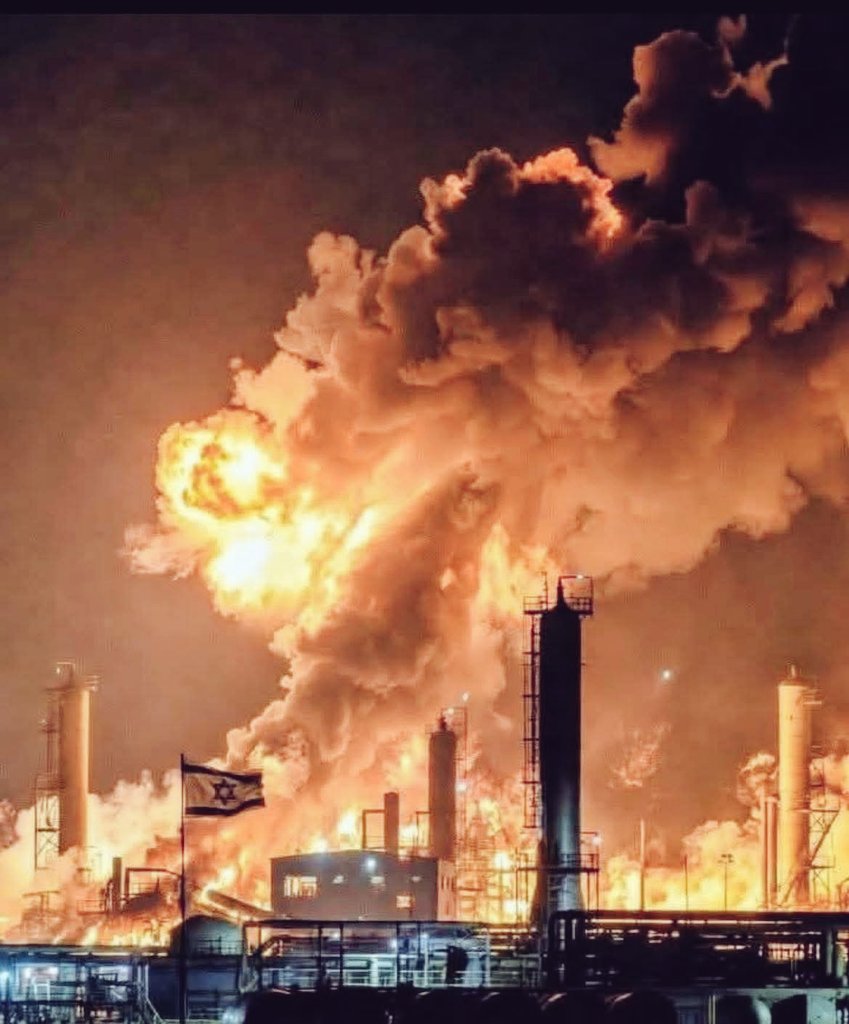
Do you support burning Tel Aviv bases in the region to the ground? If you support this, write "Yes."
IRAN NEWS ☫ tweet media
English
22
21
62
579
Clem Fandango retweetledi
Seamus gleeson💙
Seamus gleeson💙@kilturk44·
Morning all 💚
Seamus gleeson💙 tweet media
Donagh, Northern Ireland 🇬🇧 English
22
85
408
3.4K
Ruth Smith
Ruth Smith@ruth99bk6rwx·
Are you into chubby girls? Be honest…
Ruth Smith tweet media
English
4
0
23
2.1K
Fun Viral Vids 😊
Fun Viral Vids 😊@Fun_Viral_Vids·
The new uniform worn by home salespeople Would you buy something from them?
English
580
949
44.2K
4.4M
Clem Fandango retweetledi
The Scottish Border.
The Scottish Border.@border_scottish·
@AshRegan_ Ash would you be interested in heading up a dedicated women's party or a women's trade union?
English
3
8
17
1.1K
Clem Fandango retweetledi
Rev. Rebullah Conundrum
Rev. Rebullah Conundrum@revconundrum·
And after all that... It turns out I was Scottish and not British.
English
2
4
38
1.2K
The National
The National@ScotNational·
SNP MSP Laura Mitchell has paid tribute to the Clavie of Burghead during her affirmation to parliament The Moray MSP held a stave of the tar-soaked wooden barrel which was carried up to Doorie Hill and burned on January 11
English
23
18
87
19.2K
Clem Fandango retweetledi
Abolish Westminster
Abolish Westminster@AbolishWestmin·
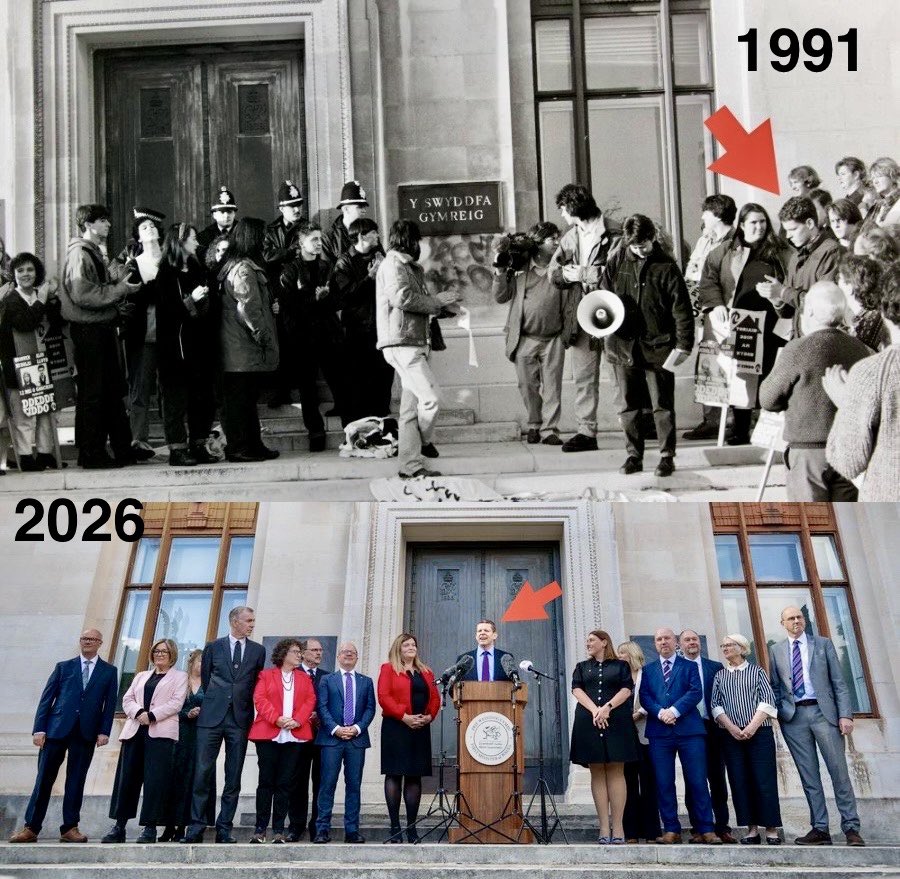
This is superb! ✊🏴󠁧󠁢󠁷󠁬󠁳󠁿
Abolish Westminster tweet media
Andy Davies@adavies4

📷Remarkable from @Ffototawe Chris Reynolds: His B&W photo from 1991 shows a young Rhun ap Iorwerth (expand to see on right), facing police, protesting outside the old Welsh Office building in Cardiff - exactly the spot where he stood yesterday as First Minister leading Plaid Cymru’s first ever government Just spoken to Chris - he was a student at Aberystwyth at the time who had been documenting protests like these. This event was part of the campaign for a Property Act by Cymdeithas yr Iaith (the Welsh Language Society) @Cymdeithas The banner on the steps reads: ‘Nid Yw Cymru Ar Werth’- ‘Wales is Not For Sale’ Is that another Plaid leader-to-be - Leanne Wood - in the background?

English
4
49
348
15.4K
Clem Fandango retweetledi
A
A@thatwelshanon·
I'm sick of hearing the argument "The Welsh language is pointless" ~390,000 people in the world speak Icelandic, compared to ~500,000 fluent Welsh speakers, and ~800,000 people with some form of knowledge of the language. Is Icelandic pointless? The Welsh, Gaelic and Cornish languages are integral parts of these isles, they tie us to our ancestors. We have a duty to preserve them. But only we can do it.
English
60
207
1K
15.9K
Clem Fandango retweetledi
naiive
naiive@naiivememe·
This Chinese guy is Trumping more than Trump
English
444
4.4K
29.6K
1.1M
Clem Fandango retweetledi
Popular Sovereignty
Popular Sovereignty@Douglas_Haribo·
SNP behavior that needs explaining.
Popular Sovereignty tweet media
English
13
59
86
1.9K