lu

411 posts

lu banner
lu

lu

@Conatus_j

이런저런 생각을 적어요

Katılım Eylül 2025
137 Takip Edilen99 Takipçiler
lu retweetledi
Alis volat propriis
Alis volat propriis@Alisvolatprop12·
[단독] AI 보폭 키우는 정재헌號 SKT, 美 앤트로픽과 전격 회동 12일 업계에 따르면 마이클 셀리토 앤트로픽 글로벌 정책 총괄은 전날 SKT 을지로 사옥을 찾아 주요 경영진들과 회동했다. 이 자리에서 양사는 다양한 AI 협력 방안에 대해 논의한 것으로 전해진다. 업계에선 이번 회동을 계기로 향후 SKT가 앤트로픽이 주도하는 '프로젝트 글래스윙'에 참여할 수 있을지 주목하고 있다. bloter.net/news/articleVi…
한국어
9
48
357
37.8K
lu retweetledi
Katoo
Katoo@blazingbees·
난 유학생활 할 때 돈 떨여져서 일주일을 $10로 버텨본적이 있음. 집에 연락도 안되고 카드도 안되서 막막했었는데 단돈 $10 가지고 $1.20 짜리 PB브랜드 식빵 한 줄, 그리고 $3짜리인가 그릭 요거트 사서 찍어먹으면서 버티고 그랬던적도 있음. 주식으로 인생 바뀔만한 '큰 돈' 벌기가 어렵다 생각하는 것도 웃긴게 인생 바뀔만한 큰 돈이라는거 자체도 결국 주관적인 가치이기 때문임. 저때 내가 아 거지같다 군대나 가야겠다 생각하고 유학 포기하고 그냥 군대 다녀왔으면 복학을 못했을 수도 있고 내 삶의 궤적이 달라졌을 수도 있지않을까. 퇴사하고나서 국장이 정말 거지같았던 적이 한 두번이었을까? 내가 트위터에서 시장이 끔찍했던 2024년에도 하락이 있으면 상승도 온다라고 생각하며 국장을 계속 안했으면 지금만큼 팔로워와 구독자가 생기고, 토스에서 글을 쓸 수도 있었을까? 큰 돈을 벌어야지만 인생이 바뀐다고 생각하거나, 큰 돈이 있어야만 돈을 번다고 생각하는거 자체가 루저 마인드라고 생각함. 증권사 첫 취업하고 연봉에 만족했었을까, 사회 초년생 때는 정말 돈이 모이지도 않더라 연봉이 적은것도 아닌데. 나중에 가니까 성과급으로 사회초년생 때 받던 연봉 몇배를 받던데, 그러기 위해서 이직을 몇번했는지 모름. 그때 당시에 '연봉 안올려주니까 일 안해'이러던 선배같지도 않은 사람들있었는데 결과적으로 백오피스로 빠지거나 그만두고 살림하면서 알아서 도태되더라. 내가 이직할 때 남아있던 애들은 아직도 내가 퇴사할 때 직급보다도 낮음. 주식해서 인생을 바꿀 돈을 번다기 보다는, 가능성을 보고 노력하면서 삶의 태도가 바뀌는거 자체가 인생이 바뀌는거 아니겠냐
Katoo tweet media
Katoo@blazingbees

이렇게 생각하니까 대부분 하다 말고 아 난 안돼 돈이 없으니까 안돼 ㅇㅈㄹ 함 누누히 말하지만 시드는 문제가 절대 아님 니 실력이 문제이지 ㅋㅋ 인생 바꿀 돈을 벌기가 어렵다기보다 주식을 다마고치 밥주듯이 남들 다한다니까 대충 취미생활하듯이 하니까 되겠냐? 시드는 절대 문제가 안됨

한국어
29
44
321
40K
lu
lu@Conatus_j·
@dons_korea 무섭기도 하네요…
한국어
0
0
1
11
DONS
DONS@dons_korea·
S&P 단일 종목 평균 풋-콜 스큐가 최근 10년 기준 하위 3% 수준. 아무도 헷지 포지션을 보유할 생각이 없어 보인다. 장밋빛 미래만 보고 있다는 말...
DONS tweet media
한국어
1
8
77
4.9K
lu retweetledi
NVIDIA Robotics
NVIDIA Robotics@NVIDIARobotics·
The next chapter of space computing is here 🛰️ Together with our ecosystem, we're advancing AI from Earth to space across: ✔️ Earth orbit and infrared imagery ✔️ Radio frequency and synthetic aperture radar ✔️ Autonomous space operations 🧵 Here’s a look at commercial space companies scheduling deployments of NVIDIA Jetson Orin, IGX Thor, and testing of the Vera Rubin Space-1 module. Learn more ➡️ nvda.ws/4ddGWsD
NVIDIA Robotics tweet media
English
45
181
1.2K
136.7K
lu retweetledi
Alis volat propriis
Alis volat propriis@Alisvolatprop12·
뒷주머니에 꾸깃꾸깃 박아둔 쪼고만 녀석이 세레브라스 $CRBS 상장한다니까 드디어 가는 군요. $GSIT #SRAM
Alis volat propriis tweet mediaAlis volat propriis tweet media
한국어
5
14
202
39.5K
lu retweetledi
무기견
무기견@sniffshiba·
2026년은 훗날 AI가 단순한 소프트웨어 혁신을 넘어, 반도체, 전력, 데이터센터, 클라우드, 국가전략, 자본시장을 재편하는 범용기술로 인정받은 전환기로 역사에 기록될 것 같네요. AI가 디지털 산업인데도, 병목은 GPU를 시작으로 계속해서 물리 인프라에서 나오고 있습니다. - GPU - HBM - 네트워킹 - 데이터센터 - 전력 - 변압기 - 송전망 - 냉각 - 가스터빈 - 원전 PPA - 부동산과 허가
한국어
3
6
69
4.8K
lu retweetledi
Serenity
Serenity@aleabitoreddit·
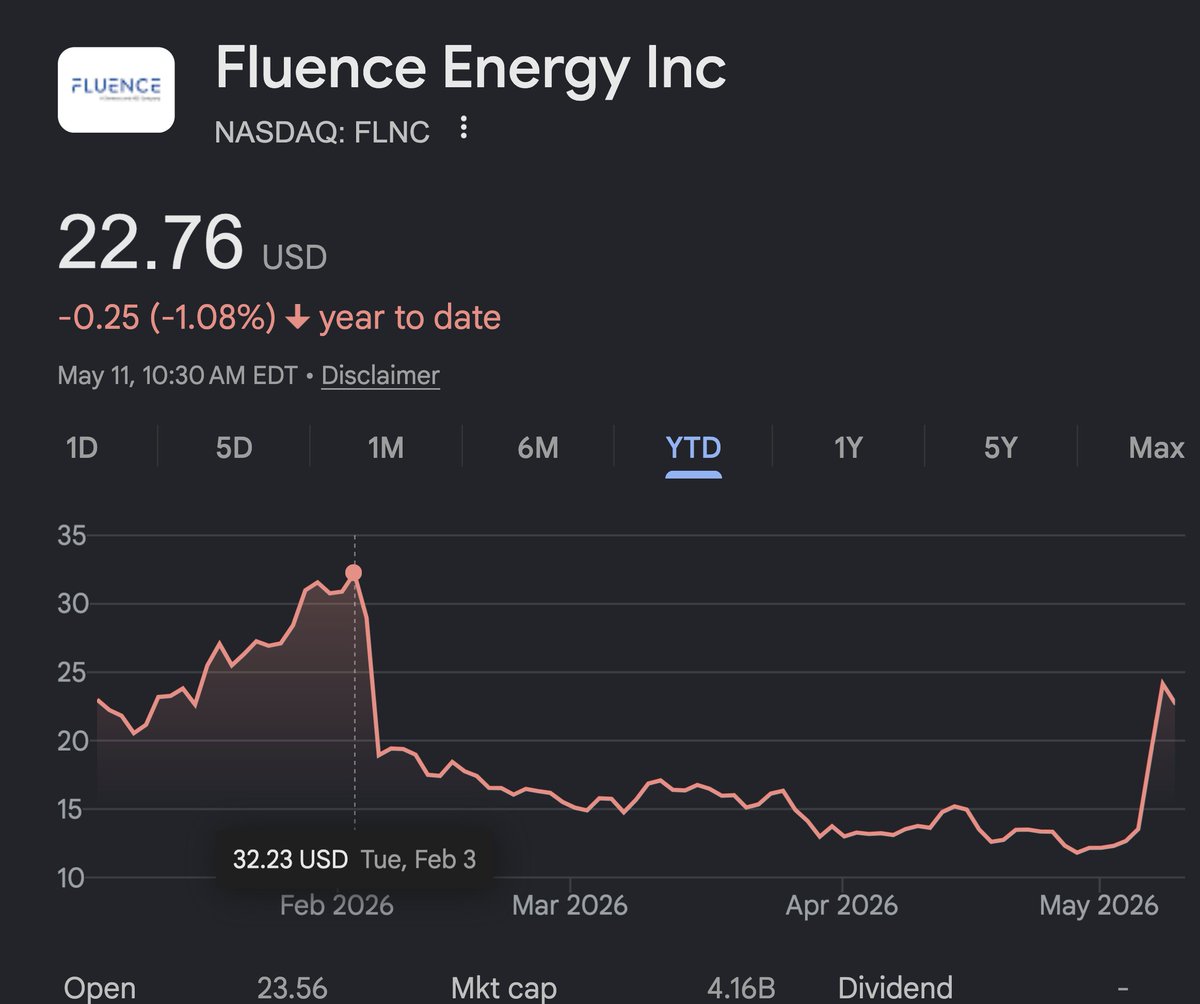
I actually think $FLNC should be a lot higher. The implications of having 2 incoming direct hyperscaler contracts in 1 quarter is enormous. $MSFT to $AMZN don't sign tiny deals. Obviously markets like to wait more until actual news/purchase order numbers come out... in the off-chance it doesn't go through or lower than expected. But a company doesn't just randomly announce 2 hyperscalers MSas and an expectation of the orders to hit Q3. Also winning multiple hyperscaler deals, in a single quarter is a leading indicator for more, especially as Fluence BESS becomes standardized. Given short interest is around 27.69%, I'm not sure if pre-earnings short sellers are very comfortable to take a risk... I think there's a chance for a generational run if a hyperscaler like $GOOGL signs a massive contract.
Serenity tweet media
rockwell0790@rockwell0790

@aleabitoreddit @Jess252530 Buying the flnc dip as well

English
143
105
1.5K
448.3K
DeepDive
DeepDive@DeepDive_KR·
한국 주식 뿐만 아니라 미국 일본 증시, 매크로 등 좋은 인사이트를 갖고 계신 한국 @Substack writer 분들의 최신 글을 실시간 rss 피드로 가져오는 페이지를 이번에 새로 만들었습니다. koreantickers.com/insights 현재 섭스택에서 활동하시는 제가 아는 한국인 writer 분들은 @PhotonCap , @damnang2, @NuttyCLD 이 세 분 밖에 없어서 Creator feed에는 일단 세 분만 배치되어있는 상태입니다. 글 제목을 누르면 원문 링크로 연결되게끔 해뒀습니다. 그리고 담낭님처럼 아티클 본문, 제목에 한국 종목 티커(6자리 숫자)를 언급하시는 경우에는 자동으로 해당 종목의 상세페이지로 아티클 링크가 들어가도록 되어있습니다. 한국 주식 분석을 깊이 있게 할 자신 있으신 분들은 Substack 열고 오늘부터라도 종목 분석글을 영어로 작성해보세요. 번역은 클로드나 그록이 잘 합니다. 썹스택은 유료 구독이 가능하기 때문에 패시브인컴을 벌 수 있는 굉장히 좋은 기회가 되실 수 있습니다. Insight 페이지 내에 신규 writer 분들을 위한 Live 피드를 구상하는 중에 있습니다. 섭스택 운영하실 분들은 언제든 DM/댓글 주세요. 참고로 현재 koreantickers 사이트는 런칭 1주일차 트래픽 13만, 방문 1.7만 기록 중입니다. 아직은 제가 취미로, 무료로 운영하고 있기 때문에 연락 주시는 최대한 많은 분들의 글을 실시간 피드에 올려드릴 예정입니다.☺️
DeepDive tweet media
장코드@jsh3pump_

큰거 온다..

한국어
10
29
164
77.3K
lu retweetledi
Jukan
Jukan@jukan05·
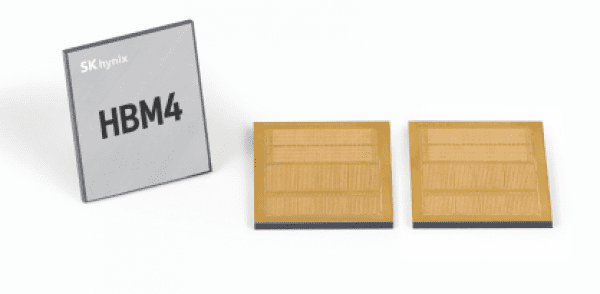
SK Hynix Pursues 2.5D Packaging Collaboration with Intel, Signaling Shifts in AI Chip Supply Chain SK Hynix is drawing attention as it pursues collaboration with Intel in advanced packaging. The company is currently understood to be conducting tests that adopt Intel's 2.5D packaging technology to integrate High Bandwidth Memory (HBM) with logic chips. With Taiwan's TSMC—the leader in 2.5D packaging—recently grappling with a severe supply crunch, expectations are growing that the 2.5D packaging supply chain for AI accelerators could diversify. According to industry sources on the 11th, SK Hynix is conducting joint R&D with Intel on 2.5D packaging technology. 2.5D packaging is a technique that inserts a thin film-like interposer between the chip and substrate to enhance chip performance. Representative applications include the AI accelerators being developed by global big tech firms such as NVIDIA and AMD. AI accelerators are built by combining high-performance logic chips—such as GPUs—with HBM through 2.5D packaging. At present, the global 2.5D packaging supply chain for big tech is effectively monopolized by TSMC, Taiwan's leading foundry. SK Hynix has also maintained a close partnership with TSMC, conducting joint R&D on HBM and 2.5D packaging. Beyond this, SK Hynix is reviewing the adoption of Intel's 2.5D packaging technology, "Embedded Multi-die Interconnect Bridge" (EMIB). The company is understood to be testing the integration of HBM and logic chips using EMIB-embedded substrates supplied by Intel. A source familiar with the matter said, "While it is still at an early R&D stage, SK Hynix is actively conducting tests to implement 2.5D packaging using Intel's EMIB," adding that "the company is also scouting candidate materials and components that would be required for actual volume production." The discussions between SK Hynix and Intel are seen as well aligned in terms of mutual interests. TSMC's 2.5D packaging technology, "Chip-on-Wafer-on-Substrate" (CoWoS), has been suffering from acute supply shortages amid the recent AI semiconductor boom. As a result, several big tech firms have turned their attention to Intel's EMIB as a promising alternative to CoWoS. From SK Hynix's perspective, preemptive R&D on Intel's EMIB is also necessary. While SK Hynix does not manufacture 2.5D packaging itself, developing HBM with the structure and characteristics of 2.5D packaging in mind is advantageous for improving yield and reliability. In fact, SK Hynix operates a small-scale line domestically dedicated to 2.5D packaging R&D. Furthermore, the collaboration is expected to allow Intel to significantly expand its advanced packaging business. Intel's EMIB uses small silicon bridges to connect chips, rather than a broad interposer. Because bridges only need to be placed where chip-to-chip connections are required, chips can be arranged more flexibly and efficiently. An industry source explained, "Intel is currently promoting its EMIB technology aggressively to SK Hynix and major OSATs," and "over the medium to long term, Intel's EMIB is expected to be added to the 2.5D packaging supply chain for AI accelerators." $INTC
Jukan tweet media
English
25
83
627
107.2K
lu retweetledi
DONS
DONS@dons_korea·
'AI가 꿈꾸는 기업의 어닝은 반도체를 위한 산업인가?' 올해 시장에서 어닝이 나오는 곳은 사실상 한 군데뿐이다. 반도체. 원래 AI가 진짜 생산성 혁명이라면 이런 모양이 나와선 안 된다. 제조업 마진이 회복되고, 금융업 고객당 운영비가 떨어지고, 유통 재고가 압축되고, 서비스업 노동비가 빠지면서 거의 모든 섹터 이익이 같이 올라와야 정상이다. 그런데 실제로 이익이 뛰는 곳은 반도체와 위에 얹힌 하이퍼스케일러 몇 곳뿐. 나머지 섹터 영업이익률은 사실상 제자리다. 반도체 기업의 상승 자체는 진짜다. 다만 마켓이 'AI 어닝'이라고 부르는 이 숫자의 정체는 한 번 따져봐야 한다. 엔비디아 H100, B100, B200, GB300. 세대마다 칩 가격이 위로 간다. 하이퍼스케일러는 이걸 사서 자본화한다. 산 비용은 감가상각으로 P&L에 떨어지고, 메우려면 클라우드 GPU 시간당 단가를 올려야 한다. 시간당 단가가 오르면 위쪽 AI 모델 토큰 가격이 오르고, 토큰 가격이 오르면 또 위쪽 SaaS 구독료가 오른다. 끝까지 따라가 보면 'AI 매출'이라고 부르는 숫자가 새로 만들어진 부가가치가 아니라... 반도체 가격이 올라간 만큼이 위로 흐른 인플레 숫자라는 뜻이 된다. 여기까지가 손익계산서 안에서 벌어지는 일. 이 숫자는 결국 물가로 새어 나간다. 문제는 가격 인상이 P&L 안에 머무르지 않는다. 클라우드 비용은 기업 IT 지출로 잡히고, 기업은 제품 가격에 얹는다. 시간이 걸려서 그렇지 결국 CPI와 PPI로 흘러간다. 지난 5년 미국 인플레가 타겟 위에 머무는 이유이기도 하다. 도이치가 낸 "Return of History" 역사의 귀환이라는 리포트도 같은 환경을 경고한다. 미국은 1990년대 Great Moderation 환경으로 돌아갈 수 없는 상태에 와 있고, 인플레는 5년째 타겟 위, 중앙은행 독립성은 의문시되며, 재정 궤적은 worrying path라는 평가. AI/반도체 사이클이 인플레 압력을 풀어주는 디스인플레 해독제일 거라고 다들 생각했다. 실제로는 반대 방향으로 작동하고 있다. CAPEX 가이던스만 보면 답이 안 나온다. 연간 수천억 달러. 회수하려면 데이터센터 단가를 위로 올려야 한다. 가격을 못 올리면 ROIC가 깨지고 가격을 올리면 수요가 깎인다. 지금까지는 "AI 수요는 무한하다"는 내러티브로 가격을 올려도 다 흡수됐다. 그런데 가격을 받아주던 쪽, AI를 실제로 쓰는 기업의 ROIC가 따라오지 못하기 시작하면 이때부터 모양이 바뀐다. 가격을 더 못 올리는 순간 데이터센터 ROIC가 무너지고, 무너진 ROIC는 다음 분기 반도체 주문 축소로 돌아온다. 그래서 하이퍼스케일러 CAPEX 가이던스 옆에는 매번 "demand visibility is strong"이라는 단서가 꼭 따라붙는다. 풀리면 안 되는 가정이라서. 채권으로 떠받친 자본구조... 이 칩 사는 돈은 어디서 오나? 영업현금흐름만으로는 절대 부족하다. 회사채. 2025-26년 IG와 HY 합쳐 AI 관련 발행이 사상 최대 근처. 여기에 하이퍼스케일러들이 데이터센터 SPV를 만들어 자산담보부 채권으로도 발행하고 있고, private credit으로도 빠지고 있다. 발행 공급이 위로 폭증하는 중... 회사채 yield는 결국 국채금리에 스프레드를 얹는 구조다. AI 관련 채권 공급이 늘수록 IG 시장 전체에 가격 압박이 가고, 압박은 결국 long end yield로 새어 나간다. 여기서 도이치 분석이 결정적으로 따라 붙는다. 도이치 리포트는 표면적으로는 골드와 달러 얘기지만 본질은 다르다. 미국 자본시장을 받쳐주던 외부 수요 기반이 흔들리고 있다는 진단이 핵심. 리포트 데이터 몇 줄만 분석해 보자. USD가 글로벌 중앙은행 외환보유고에서 차지하는 비중은 정점 60%대에서 지금 40%까지 떨어졌다. 같은 기간 금 비중은 저점에서 세 배 늘어 30%까지 올라왔다. USD와 금의 격차가 단 10%포인트. 누가 만든 변화인가... EM 중앙은행들. 중국, 러시아, 인도, 튀르키예, 폴란드, 카자흐스탄, 사우디, 이라크... GFC 이후 신흥국 중앙은행들이 사들인 금의 양은 1990년대에 선진국 중앙은행들이 팔아치운 금의 양을 이미 넘어섰다. 흐름이 정반대로 뒤집힌 셈. 도이치가 진짜 강조하는 건 다음에 있다. 1990년대에 달러가 세계 기축통화로 굳어진 결정적 이유. 미국이 강해서만은 아니다. 진짜 동력은 신흥국이 달러를 무더기로 사 모은 데 있었다. 중국, 사우디, 러시아, 인도... 수출로 벌어들인 달러를 차곡차곡 미국 국채에 쌓아 올렸다. 달러의 가장 큰 단골 손님이 신흥국이었다는 얘기. 그런데 지금 이 흐름이 거꾸로 풀리려는 조짐이 보인다. 신흥국이 그동안 모아둔 달러를 자기 필요에 꺼내 쓰기 시작할 가능성. 에너지 자립, 방산 투자, 산업 다변화... 전부 돈이 드는 일이다. 미국 국채에 묶여 있던 달러를 풀어서 자국 투자로 돌리는 흐름이 시작되면 달러를 새로 사주던 큰손이 사라진다는 얘기. 이미 신호도 보인다. 리포트 마지막에 UAE가 미국 재무부에 currency swap을 요청한 사례가 등장한다. 달러 유동성이 급하게 필요해 미국에 빌려달라고 손을 내민 일. 정리하면 이런 그림이다. 달러 표시 자산인 미국 국채, 미국 회사채를 새로 사주던 외부 큰손이 구조적으로 빠지는 환경. 1990년대에 만들어진 흐름이 정반대 방향으로 되감기는 중이라는 뜻. 공급은 늘고, 수요는 빠진다. 여기서 두 흐름이 같은 자리에서 부딪힌다. 한쪽에서는 AI 사이클이 미국 자본시장에 사상 최대 규모 채권 공급자 집단을 새로 만들어내고 있다. 다른 한쪽에서는 달러 채권을 받아주던 외부 큰손, 신흥국 외환보유고는 빠지고 있다. 공급은 위로, 수요는 아래로. 국채금리가 위로 끌릴 수밖에 없는 구조. 국채금리가 위로 끌리면 다음은 정해진 순서대로 떨어진다. 회사채 발행 비용이 올라가고, 하이퍼스케일러 자본조달 hurdle이 올라가고, ROIC가 안 맞는 CAPEX가 깎이고, 반도체 주문이 줄고, 가격이 내려온다. 이 시간이 오면 여기에 얹혀 있던 모든 'AI 매출' 숫자가 같이 빠진다. 결국 자기가 자기를 깎아먹는 구조라는 얘기. 그래서 어닝은 누구의 것인가? 처음 질문으로 돌아간다. "AI가 꿈꾸는 기업의 어닝은 반도체를 위한 산업인가?" 지금 구조를 있는 그대로 보면 답은 "그렇다"에 가깝다. 어닝은 반도체에서 만들어지고, 윗단 레이어는 가격을 위아래로 옮기는 역할에 가깝다. 그런데 반도체 어닝도 사실은 자본조달에 의존한다. 자본조달 비용을 결정하는 국채금리는 EM의 USD 이탈과 미국 재정 궤적이 같이 누르고 있다. 반도체 어닝은 결국 자본조달이 받쳐줘야 유지된다. 자본조달이 싸게 돌아가려면 미국 채권을 사주는 외부 큰손이 들어와야 한다. 외부 큰손이 들어오려면 달러가 기축통화 지위를 지켜야 한다. 사슬을 끝까지 따라가면 반도체 어닝의 진짜 토대는 '달러의 기축통화 지위'라는 얘기. 도이치가 그리는 "역사의 귀환"과 지금 AI 사이클 자본구조가 결국 같은 변수에 묶여 있다는 점이 핵심이다. 복잡하게 볼 거 없다. 세 가지만 같이 보면 된다. 1. 장기 국채금리의 term premium. 이것이 위로 끌리면 자본조달 비용이 본격적으로 오르기 시작한 신호. 2. 하이퍼스케일러 회사채 발행량과 IG 스프레드. 공급이 폭증하는데 스프레드가 못 좁혀지면 마켓이 더 못 받아준다는 신호. 3. 글로벌 외환보유고에서 달러 비중이 빠지는 속도. COFER 데이터의 USD 비중과 WGC가 분기마다 발표하는 중앙은행 골드 매입량을 같이 본다. 세 개가 동시에 같은 방향으로 움직이는 순간이 변곡점. 여기서 한 번 짚고 가자. 지금까지 시장은 AI 회사 어닝을 볼 때 돈을 새로 빌리는 비용을 거의 신경 쓰지 않아도 됐다. 회사가 채권을 얼마를 찍든 자본조달 비용이 어닝을 갉아먹지 않는 상태였다. 왜 그랬을까... 세 가지가 동시에 떠받쳐줬기 때문이다. 국채금리 자체가 낮은 수준에서 안정돼 있었다. 돈 빌리기가 쉬웠다는 얘기. 신흥국 중앙은행들이 미국 채권을 꾸준히 사줬다. 외부에서 수요가 계속 들어왔다는 얘기. 인플레 기대가 안정적으로 깔려 있었다. 금리가 더 튈 거란 걱정이 없었다는 얘기. 세 받침이 동시에 약해지는 환경. 도이치가 진단한 환경이고, 지금의 환경이다. 반도체 상승을 부정할 생각은 없다. 다만 상승이 AI 생산성의 결과인지, 자본조달이 만들어낸 가격 효과인지는 구분해야 한다. 전자라면 인플레는 가라앉고 금리는 내려와야 한다. 후자라면 인플레는 끈적해지고 금리는 위로 끌린다. AI가 꿈꾸는 어닝... 정말 산업 전체의 어닝인가, 아니면 반도체 하나의 어닝인가. 지금 같은 시기에 꼭 한 번은 짚어봐야 할 문제다.
한국어
6
28
175
11.9K
lu retweetledi
Serenity
Serenity@aleabitoreddit·
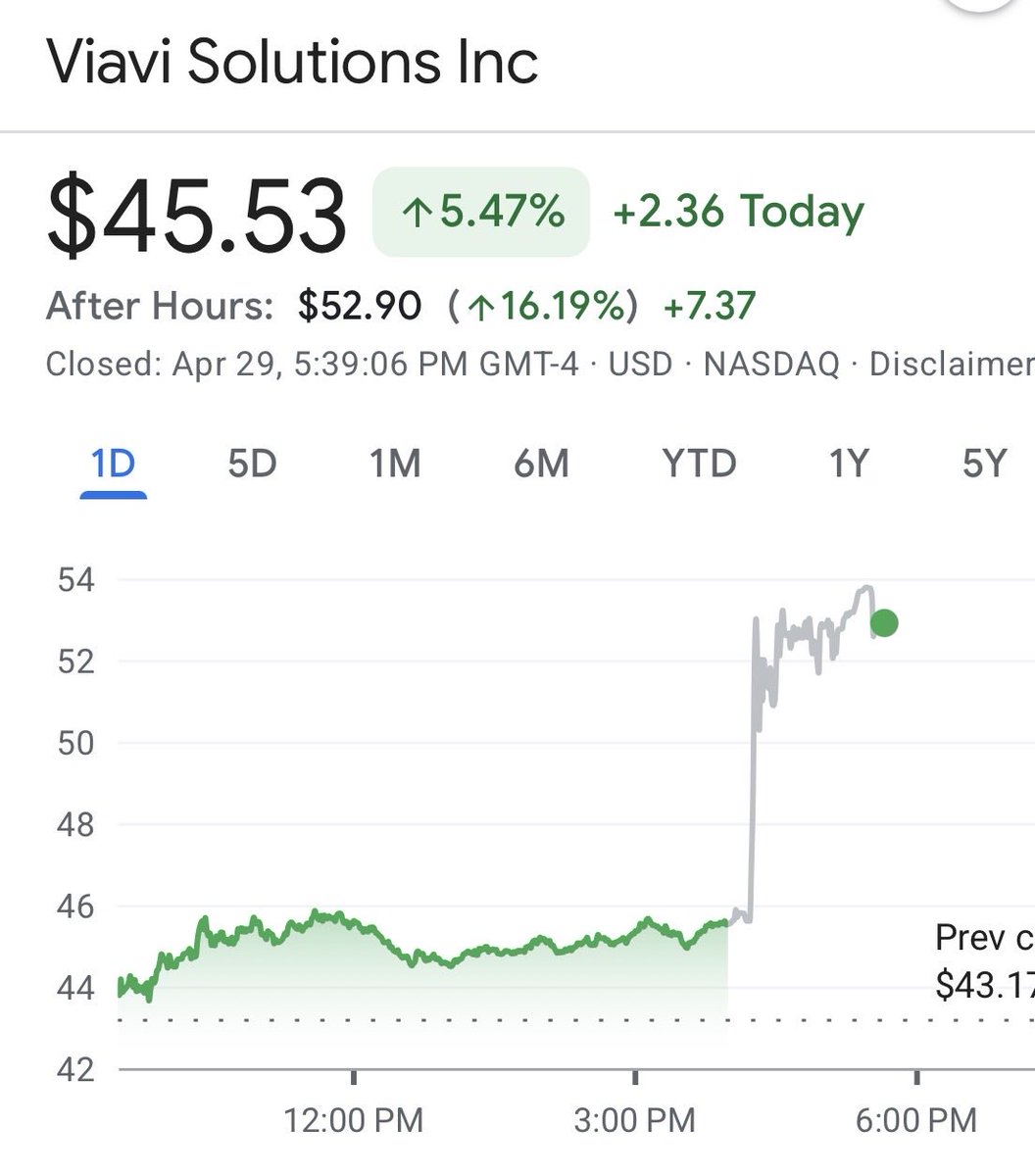
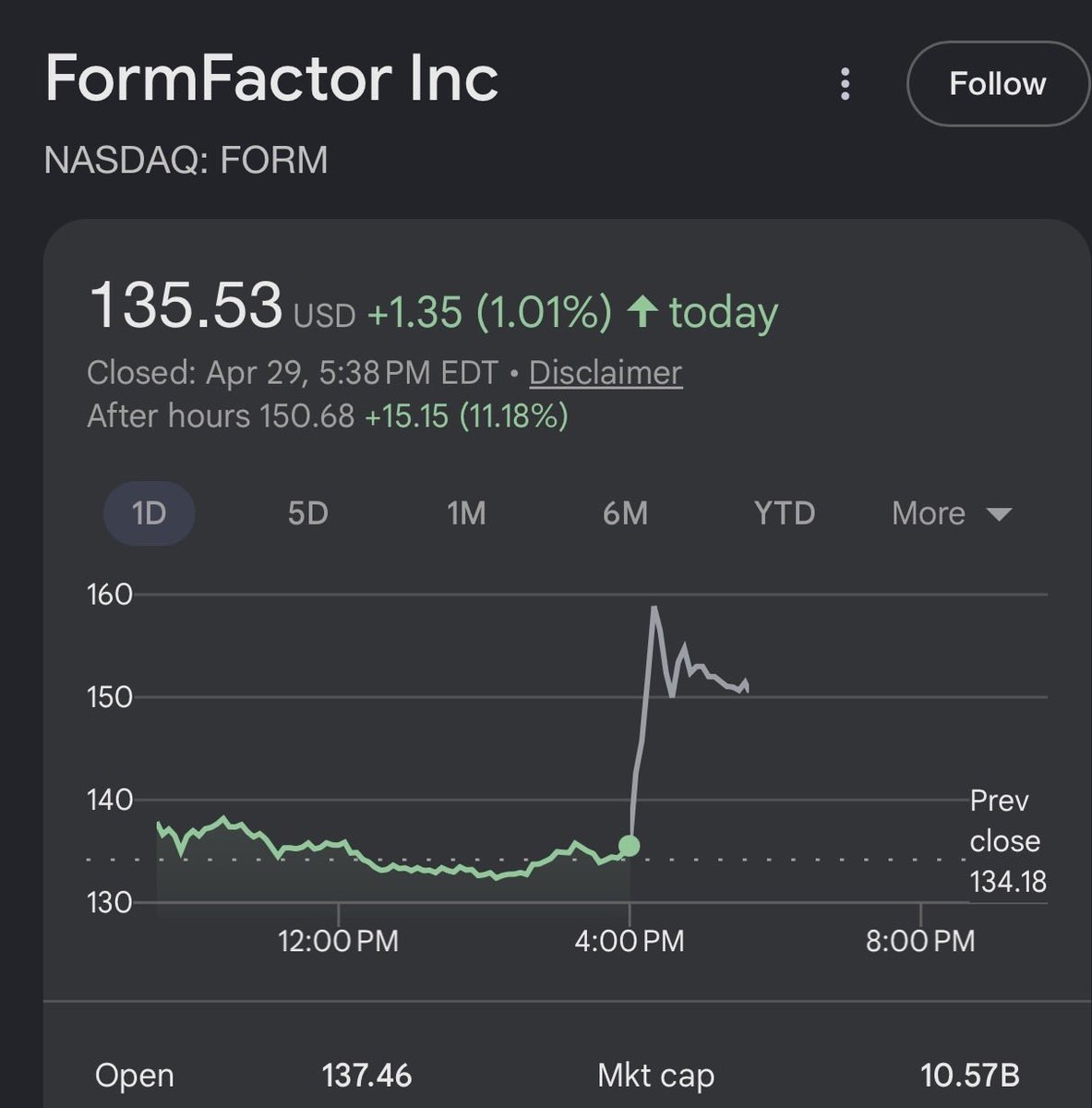
Monitoring the situation for you (testing/yields edition): $VIAV and $FORM earnings: Extremely Bullish So what does this mean? Names like $ONTO / $CAMT go brr. Throw in $TOWA (6315), since there's indication of aggressive memory production ramp. Names like Msscorps / $KEYS should go brrr. Broader upstream yields, test, validation, and inspection for both memory + optical ecosystem go heavily BRRR. And it's a leading indicator for $COHR, $FN, $LITE, and others if they're ramping up production. For $VIAV: -> $406.8M vs. $393M (beat) 42.8% Y/Y growth. -> $.27 EPS vs $0.2-$0.24 Guidance was $427m-$437m, indicating acceleration. For $FORM: -> $226M, 32% Y/Y, $.56 EPS vs. $.45 -> margins increased a TON to 49% (which indicates pricing power). -> Guidance was $.61 EPS, midpoint ~$240m revenue. "Record demand for High Bandwidth Memory (HBM) and stronger "Foundry & Logic networking applications" Basically the smaller yields/test ecosystem in general. BRRR.
Serenity tweet mediaSerenity tweet media
English
79
100
1.1K
341.3K
lu retweetledi
Treasury Secretary Scott Bessent
In advance of @POTUS' historic summit with President Xi in Beijing, I will depart on Monday for a quick series of meetings in both Japan and South Korea. On Tuesday, I will meet in Tokyo with Prime Minister @takaichi_sanae, Finance Minister @satsukikatayama, and other government and private sector representatives for discussions on the U.S.-Japan economic relationship. On Wednesday, I will stop in Seoul for a discussion with Vice Premier He Lifeng of China, before continuing on to Beijing for the Leaders’ Summit between President Trump and President Xi. Economic security is national security, and I look forward to a productive series of engagements as we work to advance President Trump’s America First Economic Agenda.
English
1.1K
3.9K
21.1K
1.5M
lu
lu@Conatus_j·
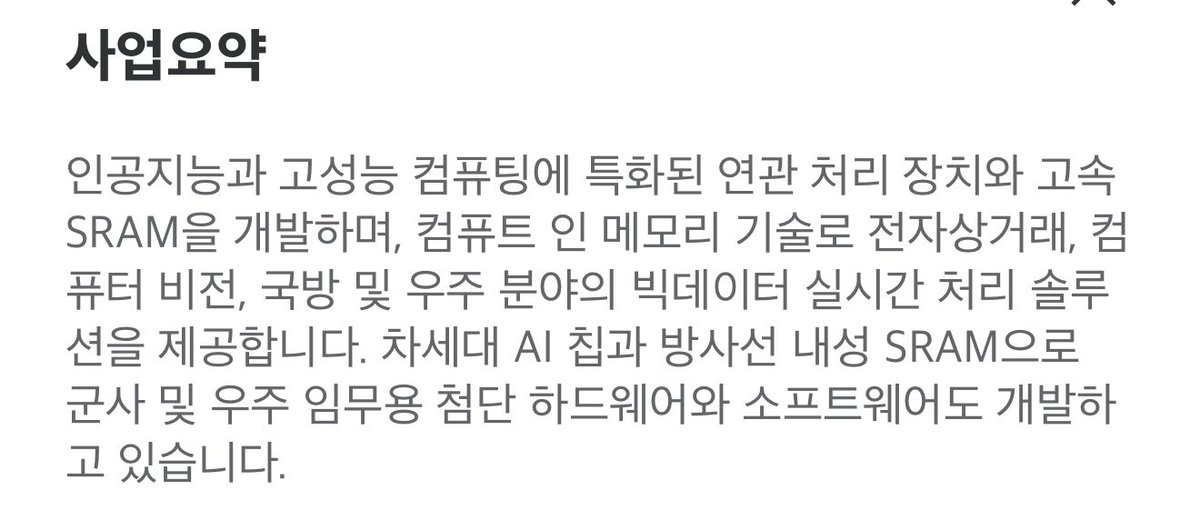
Cerebras를 한 문장으로 설명하면: “GPU를 더 많이 붙이는 방식이 아니라, AI가 생각하는 구조 자체를 바꾼 회사.” 왜 빠르냐? LLM 추론의 진짜 병목은 계산이 아니라 메모리다. 지금 GPU는 토큰 하나 생성할 때마다 모델 가중치를 외부 메모리(HBM)에서 계속 읽어와야 한다. 요리사는 빠른데 냉장고 왕복이 느린 구조라고 보면 된다. 그래서 GPU를 여러 장 붙여도 동시에 처리하는 양은 늘어나지만, 한 명의 응답 속도(latency)는 크게 줄지 않는다. Cerebras는 여기서 아예 접근을 바꿨다. 연산 코어 옆에 초고속 SRAM을 붙여 외부 메모리 왕복 자체를 거의 없앴다. 냉장고를 주방 한가운데 둔 셈. 결과적으로: WSE-3 메모리 대역폭 21 PB/s H100 대비 약 7,000배 추론 속도 약 3,000 tok/s 핵심은 단순 벤치 숫자가 아니다. AI가 길게 생각할수록 latency 차이가 누적되면서 체감 속도 격차가 훨씬 커진다. Cerebras는 웨이퍼 전체를 하나의 칩처럼 쓰는 회사다. 문제는 웨이퍼가 너무 크면 불량 확률이 폭증해서 원래 상용화가 거의 불가능하다고 여겨졌다는 것. Cerebras는: 97만 개 코어를 만들고 90만 개만 활성화 고장난 코어 자동 우회. 즉 단순 칩이 아니라 거의 “데이터센터를 웨이퍼 위에 올린 구조”에 가깝다. 물론 리스크도 있다. SRAM 용량 한계 모델이 커질수록 여러 WSE로 분산해야 하고, 그러면 온칩 초고속 장점이 일부 희석된다. 고객 집중 리스크 OpenAI 의존도가 커질 경우 과거 G42 문제와 비슷한 구조가 반복될 가능성도 있다. 그래도 중요한 건 방향성이다. AI가 점점: agentic AI 실시간 인터랙션 즉각 반응하는 AI 중심으로 가고 있다는 것... 이 환경에서는 “모델이 얼마나 똑똑한가”만큼 “얼마나 즉각 반응하는가” 자체가 제품 경쟁력이 된다. $CBRS
한국어
0
0
3
46
lu retweetledi
Carlos E. Perez
Carlos E. Perez@IntuitMachine·
The Packaging Play Nobody Saw Everyone is talking about memory stocks. MU up 820%. SNDK up 4,000%. SK Hynix printing 72% operating margins. But the biggest structural re-rating in the AI infrastructure stack is not a memory company. It is a packaging company in Taiwan that most people have never heard of. Here is how the QPT arbitrage framework uncovered it. Start with the physics. AI inference is memory-bandwidth-bound. The GPU finishes its math and waits. It waits for data to arrive from memory. Over 50% of attention kernel cycles stall due to data access delays. You can add a second GPU and per-token latency barely moves. The binding constraint on AI is not compute. It is memory bandwidth. That insight sent everyone into memory stocks. MU. SNDK. Samsung. SK Hynix. But the framework asks a second question that momentum investors never ask: What is the constraint beneath the constraint? Here is what sits beneath the memory bottleneck. Every AI GPU requires HBM — high-bandwidth memory. HBM is not a single chip. It is a stack of memory dies bonded to the GPU substrate using a process called CoWoS. CoWoS — Chip-on-Wafer-on-Substrate — is the advanced packaging step that physically connects the memory to the processor. Without CoWoS, HBM does not ship. Without HBM, GPUs do not function. Without GPUs, no AI. CoWoS is the chokepoint of the chokepoint. TSMC controls the overwhelming majority of CoWoS capacity. They are scaling from roughly 80,000 wafers per month to 130,000 by end of 2026. It is not enough. Nvidia alone consumes 60% of global CoWoS capacity. Broadcom needs 150,000 wafers for custom AI chips. AMD, Marvell, Google, Amazon — all competing for the same packaging slots. Demand exceeds supply by 30–40%. New CoWoS lines take 18–24 months to build. The bottleneck does not break until 2028 at the earliest. So what does TSMC do when it cannot build CoWoS capacity fast enough? It outsources. TSMC is sending 60,000 to 80,000 wafers of CoWoS production to an external partner. That partner is ASE Technology Holding. Ticker: $ASX. ASE is the world's largest OSAT — outsourced semiconductor assembly and test. It is headquartered in Kaohsiung, Taiwan. It has been in business for decades. It is listed on the NYSE. Until recently, nobody cared. OSAT was a commodity business. Low margins. Price competition. The kind of company that shows up on no one's watchlist. That was the old convention. The framework I use has a specific diagnostic for this. It asks: where is a company being valued at its historical convention while operating under a new structural reality? Convention: ASE is a legacy OSAT. Low-margin assembly work. Commodity pricing. Trades at 10–15x earnings. Reality: ASE is absorbing TSMC's overflow on the single tightest bottleneck in the AI supply chain. It is packaging the components that every AI GPU on earth requires to function. Its Q1 2026 revenue grew 21.9%. Its ATM segment — the advanced packaging business — is driving the growth. Its April 2026 revenue grew 23.1%. The market was pricing the convention. The reality had already changed. The QPT framework calls this a "phase.historical-imposition" — the most exploitable type of mismatch. The company is fed a stale label. "Legacy OSAT." The label was accurate five years ago. It is not accurate today. But the label persists because the institutions that assign labels — sell-side analysts, index committees, ETF providers — update slowly. ASE is classified as an assembly company. It is behaving as an AI infrastructure company. The classification lag is the opportunity. The framework has a second diagnostic. It asks: what is the durability of the structural advantage? For memory stocks, the durability depends on the shortage. If HBM supply catches demand by 2028, margins compress and the stocks revert. The shortage is the moat. For packaging stocks, the durability has an additional layer. Even if memory supply expands — even if SK Hynix and Samsung build new fabs — every additional HBM die they produce still needs to go through CoWoS. More memory supply does not reduce packaging demand. It increases it. ASE benefits from the memory shortage AND from the memory shortage being resolved. In both scenarios, more chips flow through the packaging bottleneck. The framework asks a third question: where in the re-rating lifecycle is each company? Memory stocks are mid-cycle. MU has moved 820%. SNDK has moved 4,000%. The sell-side is publishing notes. Cramer is on television. The DRAM ETF added $1 billion in a day. The trade is crowded. ASE is early-cycle. The stock moved from $7 to $34 — meaningful, but off a tiny base. No Cramer segment. No DRAM-style ETF inflows. The re-rating from "legacy OSAT" to "AI infrastructure" has not yet been adopted by the institutional frameworks that drive large capital flows. The framework says the highest returns accrue at the point of maximum gap between current valuation and structural valuation. For memory, much of that gap has closed. For packaging, the gap is still wide open. Here is the part that most people miss. When a structural re-rating happens, it does not move through the value chain evenly. It starts at the most visible point — the company everyone knows. Nvidia moved first. Then the memory stocks moved. Packaging has not moved yet. Not because it is less important. Because it is less visible. The framework predicts this. Re-ratings propagate downstream through the supply chain in order of visibility, not in order of structural importance. The most important chokepoint is often the last to re-rate because it sits behind the companies that everyone is watching. TSMC packages AI chips. But TSMC is a $2 trillion company already priced at structural multiples. ASE packages the overflow that TSMC cannot handle. ASE is priced at legacy multiples. The numbers. ASE at $34. If the market re-rates ASE from legacy OSAT multiples to semiconductor infrastructure multiples — the same re-rating that already happened to TSMC, already happened to memory stocks — the structural target is $50–75. That is 50–120% upside. On a company that the packaging bottleneck makes structurally necessary for the next 24–36 months. On a company that benefits whether the memory shortage continues or resolves. On a company that most AI infrastructure investors have never typed into a search bar. The lesson is not "buy ASX." The lesson is that frameworks beat momentum. Every investor chasing MU at $737 today is looking at the same screen, reading the same Bernstein note, watching the same CNBC segment. They are seeing what is visible. The framework does not look at what is visible. It looks at what is structural. It asks where the convention is stale. It asks what the constraint beneath the constraint is. It asks where the re-rating lifecycle is earliest. Those questions pointed at ASE before the stock moved. They will point at the next ASE before that stock moves. The framework is the edge. Any single trade is just its current output. One more thing. The same framework identified six positions in this cycle. Memory. Packaging. Storage. Architectural bypass. Each sitting at a different point in the re-rating lifecycle. Each benefiting from the same generating principle: AI infrastructure demand is creating structural shortages across the entire data persistence stack, and the companies that own the manufacturing own the moat. The generating principle is the verb. The portfolio is the noun. What persists is the capacity to see, not any particular sight. Not financial advice. I am not a financial advisor. Do your own work. But maybe start by asking what is beneath the thing everyone is looking at. That is usually where the value is.
Carlos E. Perez tweet mediaCarlos E. Perez tweet media
English
9
26
242
28K
lu retweetledi
Joe
Joe@joedab12·
For those of you looking forward to the $CBRS IPO next week, you should be aware of $VICR as their vertical power delivery is a key component of what makes Cerebras wafer scale engines go. Vicor is founder lead and the founder/ceo owns over 20% of the shares outstanding at 79 years old. I have not been able to find any company with market cap over $5b that is founder lead with a ceo stake that large. Their IP moat is tremendous, they won a huge judgement last year against some very large companies and are now collecting $90m in royalty ARR and on track to double that number in the next 18 mos and eventually higher. They have recently increased the fab capacity to $1.5b in annual product revenue and will be at full capacity by year end. Cerebras is part of this, but isn't the reason the fab is going to be at full capacity. They have recently confirmed that a Hyperscaler and OEM (high probability its $GOOG and $AMD) are going to be ramping their VPD. They're building a 2nd fab to meet excess demand but since that fab wont be open until 2028, they are working on putting a licensing deal together with someone who has excess manufacturing capacity so remaining customers dont have to wait till fab 2 is open.( $NVDA is coming IMHO ) Lining up their 2027 projected numbers next to the nearest comp $MPWR, I see now reason this isnt a $500-700 per share stock next year. I've written tens of posts about Vicor over hte last 9 months or so, with some deep dives but wanted to put out a quickie on why I'm so bullish on Vicor as we get close to the Cerebras IPO as I am sure a lot of new eyes will discover Vicor soon.
Shay Boloor@StockSavvyShay

Cerebras $CBRS filed updated IPO terms offering 28M shares at $115-$125 to raise ~$3B at ~$26B valuation. The $NVDA rival grew 2025 sales 76% to $510M, turned GAAP profitable, has $20B+ OpenAI deal for 750 MW of compute & says $AMZN AWS plans to be first hyperscaler customer.

English
18
29
346
78.2K
lu retweetledi
James LEE
James LEE@Drjames1177·
반도체 개발 관련 10가지 정리. - 향후 투자 컨셉에 대박. 1. TSMC CoPoS 개발 가속화 TSMC는 CoPoS(Chip-on-Panel-on-Substrate) 파일럿 라인을 2026년 자회사 VisEra에 구축하고, 2028년 말까지 Chiayi AP7 팹에서 양산을 목표로 하고 있습니다. 장비 검증은 2026년 3분기 시작 예정이며, 310x310mm 패널 포맷을 사용해 웨이퍼당 칩 수를 4개에서 9-12개로 증가시킬 계획입니다. NVIDIA가 첫 주요 고객으로 예상됩니다. 2. Apple-Intel 파트너십 Apple과 Intel은 최근 예비 계약을 체결하여 Intel이 Apple의 일부 칩을 제조하게 되었습니다. Intel의 14A 공정 노드를 사용하여 2028년부터 비-Pro iPhone 모델용 칩(A21 또는 A22)을 생산할 예정입니다. TSMC는 여전히 Apple의 주요 파트너로 남을 것이며, Intel은 제조만 담당하고 설계는 Apple이 유지합니다. 3. NVIDIA Vera Rubin 냉각 혁신 NVIDIA CEO Jensen Huang은 CES 2026에서 Vera Rubin 서버 랙이 칠러 없이 작동할 수 있다고 발표했습니다. 시스템은 45도 섭씨(113도 화씨)의 온수를 사용하는 100% 액체 냉각 방식을 채택하며, 냉각 시스템의 전력 수요를 30-40% 감소시킬 것으로 예상됩니다. 4. 2D NAND 공급 부족. 삼성은 2026년 6월 MLC NAND 제품의 최종 출하를 예정하고 있으며, Kioxia, SK Hynix, Micron도 기존 고객 수요만 충족하는 수준으로 MLC 생산을 제한하고 있습니다. TrendForce는 2026년 글로벌 MLC NAND 생산 능력이 전년 대비 41.7% 감소할 것으로 전망하며, DigiTimes는 2026년 1분기에 MLC 계약 가격이 2배 상승했다고 보도했습니다. 5. Big Tech의 SK Hynix 팹 투자 제안 NVIDIA, Google, Amazon을 포함한 글로벌 Big Tech 기업들이 SK Hynix의 용인 반도체 클러스터 생산 라인과 ASML의 EUV 장비 구매에 수십조 원 규모의 투자를 제안했습니다. 특히 Y1 팹(총 투자액 31조 원)에 대한 직접 투자 제안이 이루어졌으며, HBM 공급 확보를 위한 전례 없는 움직임입니다. 6, TSMC 2026년 4월 매출. TSMC는 2026년 4월 순매출 4,107억 3천만 대만달러(약 130억 5천만 달러)를 기록했습니다. 이는 전월 대비 1.1% 감소했으나 전년 동월 대비 17.5% 증가한 수치입니다. 2026년 1-4월 누적 매출은 1조 5,448억 3천만 대만달러로 전년 동기 대비 29.9% 증가했습니다. 7. Anthropic-SpaceX 컴퓨팅 파트너십 Anthropic은 SpaceX와 파트너십을 체결하여 Memphis의 Colossus 1 AI 데이터센터 전체 컴퓨팅 용량을 확보했습니다. 이 시설은 H100, H200, GB200 시스템에 걸쳐 220,000개 이상의 NVIDIA GPU를 보유하고 있으며, 약 300메가와트의 추가 컴퓨팅 파워를 제공합니다. Anthropic은 한 달 내 이 용량을 활용하기 시작할 예정이며, SpaceX와 궤도 AI 컴퓨팅 용량 개발에도 관심을 표명했습니다. 8. SKC 유리 기판 양산 Business Post 보도에 따르면 SKC와 자회사 Absolics는 올해 말까지 세계 최초로 유리 기판의 상업 생산을 시작할 것으로 예상됩니다. ETNews는 Absolics가 미국 반도체 기업과 신규 프로젝트를 시작하여 차세대 통신 반도체용 비임베딩 유리 기판 프로토타입을 공급하고 있으며, 신뢰성 테스트 완료 시 올해 상용화 준비가 시작될 수 있다고 보도했습니다. 9. AI 서버용 전력 칩 부족 AI 데이터센터 건설 붐으로 인해 GPU를 넘어 전력 반도체까지 공급 부족이 확산되고 있습니다. AI 서버용 전력 관리 부품 수요가 폭발적으로 증가한 반면 공급이 따라가지 못하고 있으며, 업계 관계자는 “전력 반도체가 이제 AI 인프라의 ‘에너지 안보’를 결정하는 변수가 되었다”고 언급했습니다. SiC(실리콘 카바이드)와 GaN(갈륨 나이트라이드) 같은 차세대 소재 기술 확보가 필요한 상황입니다. 10. Adata DRAM/NAND 가격 상승 전망 Adata는 2026년 2분기 DRAM과 NAND 플래시 계약 가격이 각각 40% 이상 상승할 것이라고 밝혔습니다. 한편 TrendForce는 2분기 기존 DRAM 계약 가격이 전분기 대비 58-63% 상승하고, NAND 플래시 계약 가격은 70-75% 급등할 것으로 예측하여 Adata의 전망보다 더 높은 수치를 제시했습니다.
Serenity@aleabitoreddit

Just a TLDR of recent semi developments: 1. $TSM pushing hard CoPoS - VisEra/others might go brrr earlier than expected. 2. $AAPL goes with $INTC for semi production, which is a major shift cause they normally go with TSM. Made in America go like Intel go brrr. 3. $NVDA Vera Rubin reportedly makes changes to cooling architectures very recently. "Taiwan's thermal management suppliers are emerging as one of the fastest-growing segments in the AI hardware ecosystem" - From Last Month. "Vera Rubin server architecture is expected to drive a fundamental shift in data center cooling and system design" Will cover thermal ecosystem later, maybe it's time to take a look? 4. 2D NAND shortage spirals after Samsung, Micron, and rivals exit market Macronix, Windbond go brrr. implications for GigaDevice and other niche players. 5. "Big Tech reportedly offers to fund SK Hynix fabs and EUV" - Memory that badly bottlenecked that mag7 wants to pay for it, so $MU, SK Hynix, Samsung go brr. 6. $TSM 2026 net revenue $12.6B for April 2026. Revenue up 30%, Semis keep going brr. 7. Anthropic needs compute -> SpaceX. So implications for compute demand is extreme here which is BRRR $NBIS and others. But it's very interesting they sidestepped Neoclouds and went with SpaceX. 8. "SKC to Accelerate Mass Production of Glass Substrates for U.S. Clients by the End of the Year" "the end of the year, ahead of its original plan, it has been announced" Glass Core substrates players like $LPK for mass production and other related players like SKC go brrr. Glass timelines moved up. heavy brrr glass. 9. "Power chip shortages deepen as AI server demand and GaN battles escalate" Maybe time to look into the power chip bottleneck anon? 10. "Adata said DRAM and NAND flash contract prices will each climb more than 40% in the second quarter of 2026" Another positive for $MU, SK Hynix, Samsung, $SNDK, and others.

한국어
0
3
20
1.5K