Sabitlenmiş Tweet
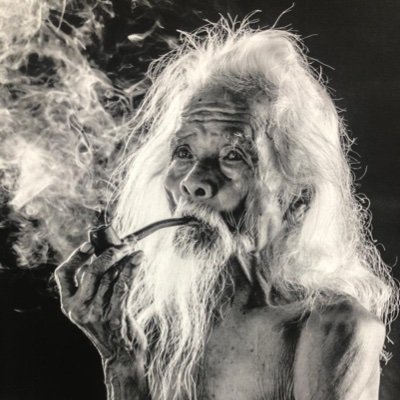
Japan, 1490.
A skinny old monk in tattered black robes staggers out of a Kyoto brothel at dawn, reeking of sake and sex, a blind woman half his age clinging to his arm.
The temple gates are still locked.
The “proper” monks are inside chanting sutras.
He just laughs, loud enough to wake the crows.
This is Ikkyū Sōjun.
They called him Crazy Cloud.
And he earned it.
Born a royal bastard (emperor’s son, no throne), he was dumped in a Zen monastery as a kid so the court wouldn’t have to look at him.
By twenty he was already too much: too sharp, too loud, too alive.
They kept kicking him out of temples.
He kept coming back with dirtier robes and a grin.
He broke every rule they had:
- Slept with courtesans while the abbots preached celibacy
- Drank rivers of sake while they counted breaths
- At seventy-seven fell stupidly, gloriously in love with a blind singer named Mori and wrote her poems so raw they still make monks blush five hundred years later
- When they finally handed him the fancy certificate that said “You Are Enlightened,” he used it to light his pipe
His most famous line, carved on half the sake cups in Kyoto:
“One night of love with a beautiful woman is worth more than a hundred thousand years of sitting zazen with a dead heart.”
He saw Buddha in the curve of a thigh, in the burn of cheap liquor, in the laughter of fishmongers at 3 a.m.
While the Zen bureaucracy turned enlightenment into paperwork, Ikkyū turned it back into wildfire.
He died at eighty-seven, still laughing, surrounded by lovers and drunk poets.
The temple priests still won’t mention his name in morning service.
The brothel girls kept his poems under their pillows for centuries.
Crazy Cloud never asked permission to be free.
He just was.
English