Nikki Belmonte retweetledi
Nikki Belmonte
4.1K posts

Nikki Belmonte
@ConstantBirder
Executive Director of the Georgia Native Plant Society 🌱 2 kids, 1M composting worms, love coffee, birding, & yard work. Easily distracted by plants. (She/her)
Roswell, GA Katılım Mart 2014
1.2K Takip Edilen754 Takipçiler
Nikki Belmonte retweetledi

Georgia leading the way in unique energy and habitat solutions! #pollinators are thriving in this #nativeplant habitat - see what I have to say in the article. #solarpower
…dger--enquirer-com.cdn.ampproject.org/c/s/amp.ledger…
English

A possible fifth force of nature: the wobbling.
bbc.com/news/science-e…
English
Nikki Belmonte retweetledi

Plant Native for Birds: Georgia Grows Native for Birds Month Returns for September 2023 #sponsored @GeorgiaAudubon buff.ly/3Qyvpui

English
Nikki Belmonte retweetledi

This month the #NAPPC Pollinator Communications Task Force interviewed Amanda Barth! She is the rare insect conservation project leader and a lead for Utah's Pollinator Pursuit initiative. Read the full interview at pollinator.org/nappc/pollinat….

English

@NicoSGonzalez I get a little emotional every time I watch those, even if the pitcher is on the Phils, or even the Yankees. #baseballmom
English
Nikki Belmonte retweetledi

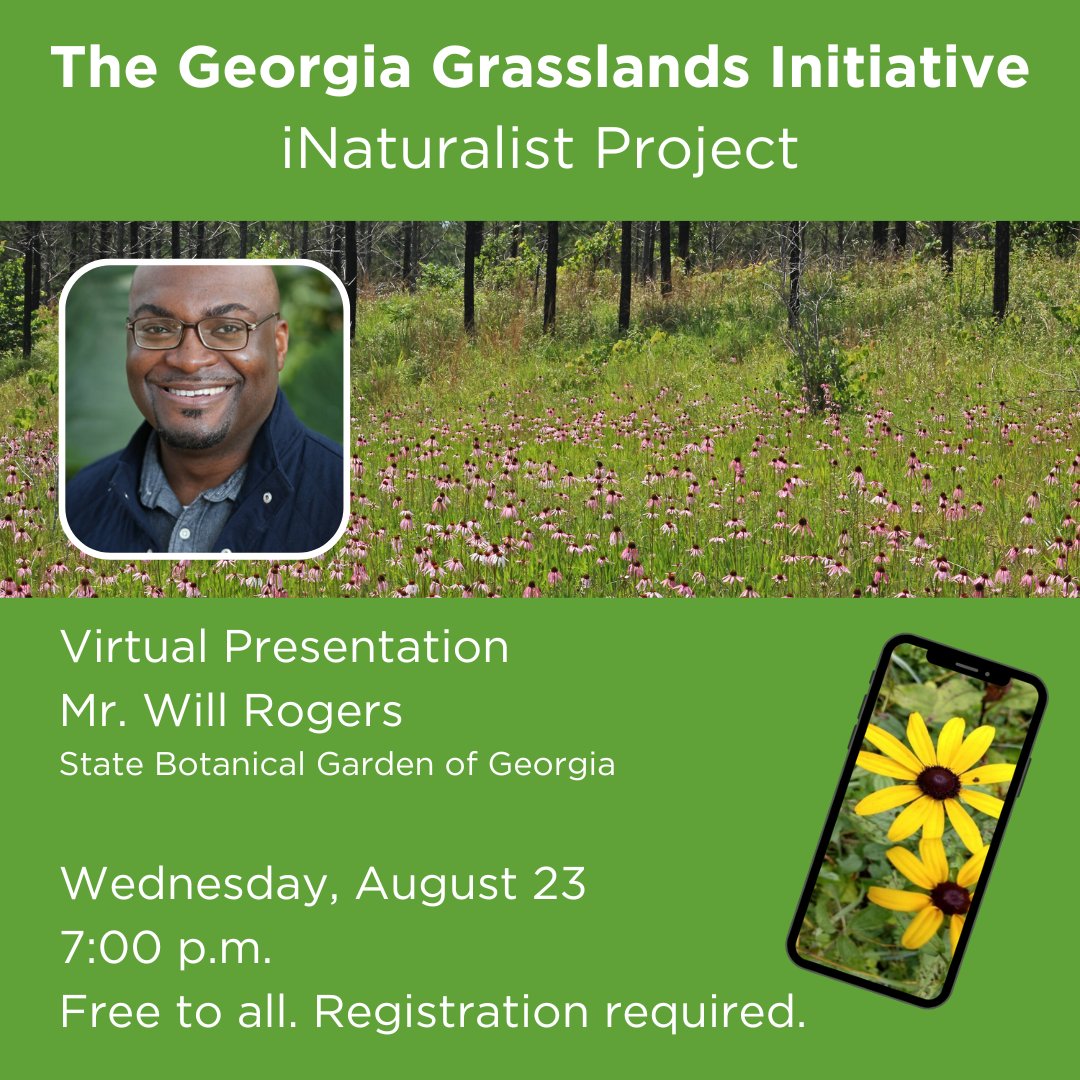
Georgia’s grasslands need our help. Mr. Rogers will describe this ongoing initiative and how to help document remnant roadside grassland habitats. Register at gnps.org/ggiinat/.
Mr. Will Rogers is a Conservation Research Professional @BotGardenGA. #nativeplants

English
Nikki Belmonte retweetledi

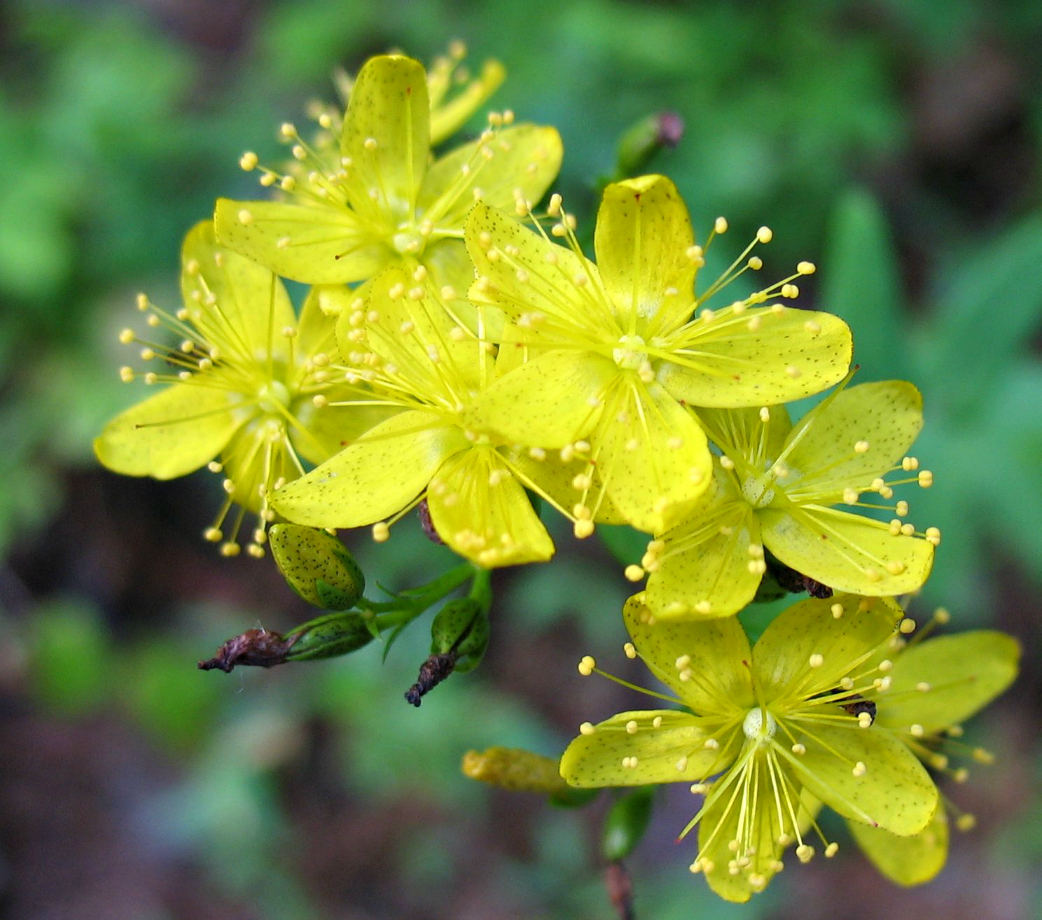
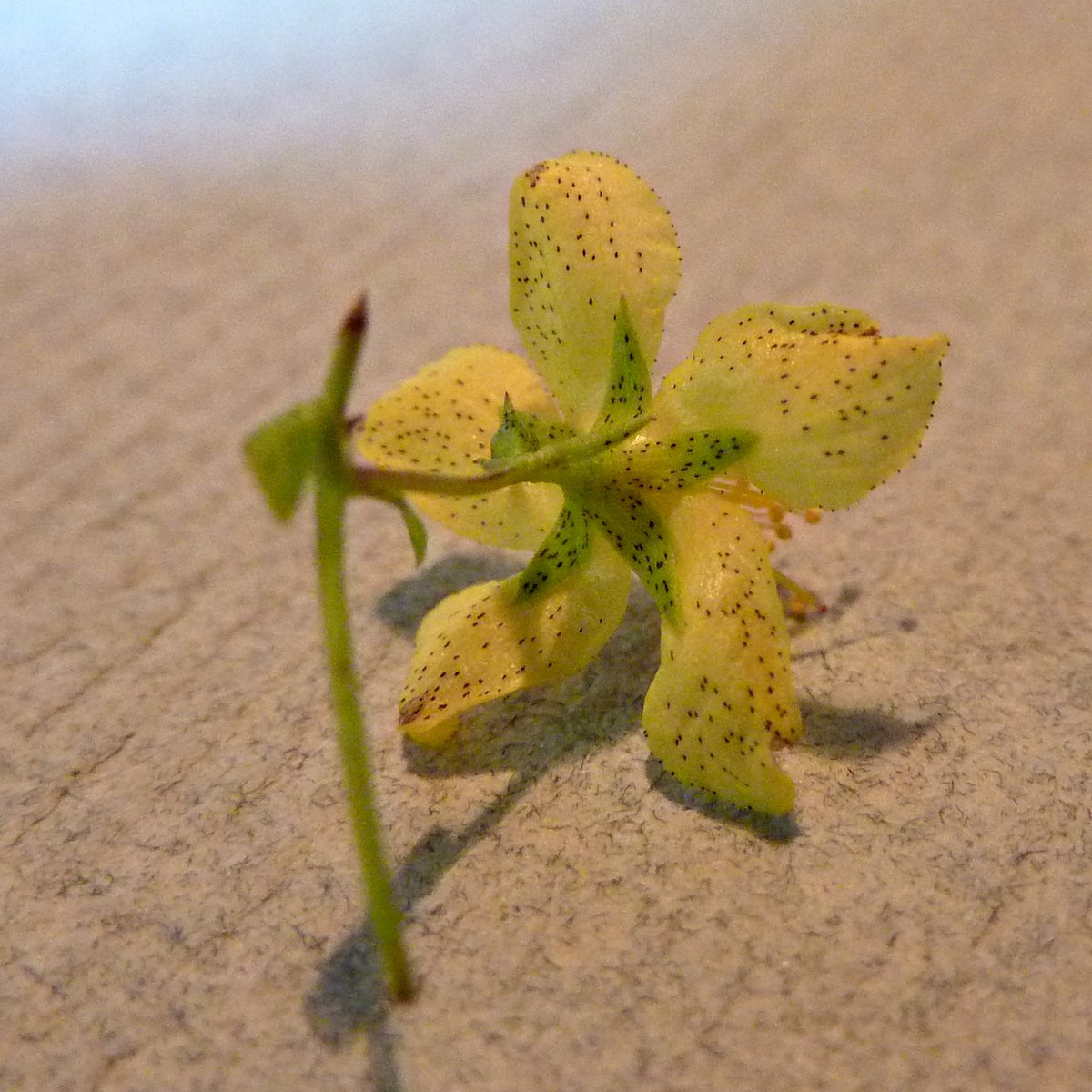
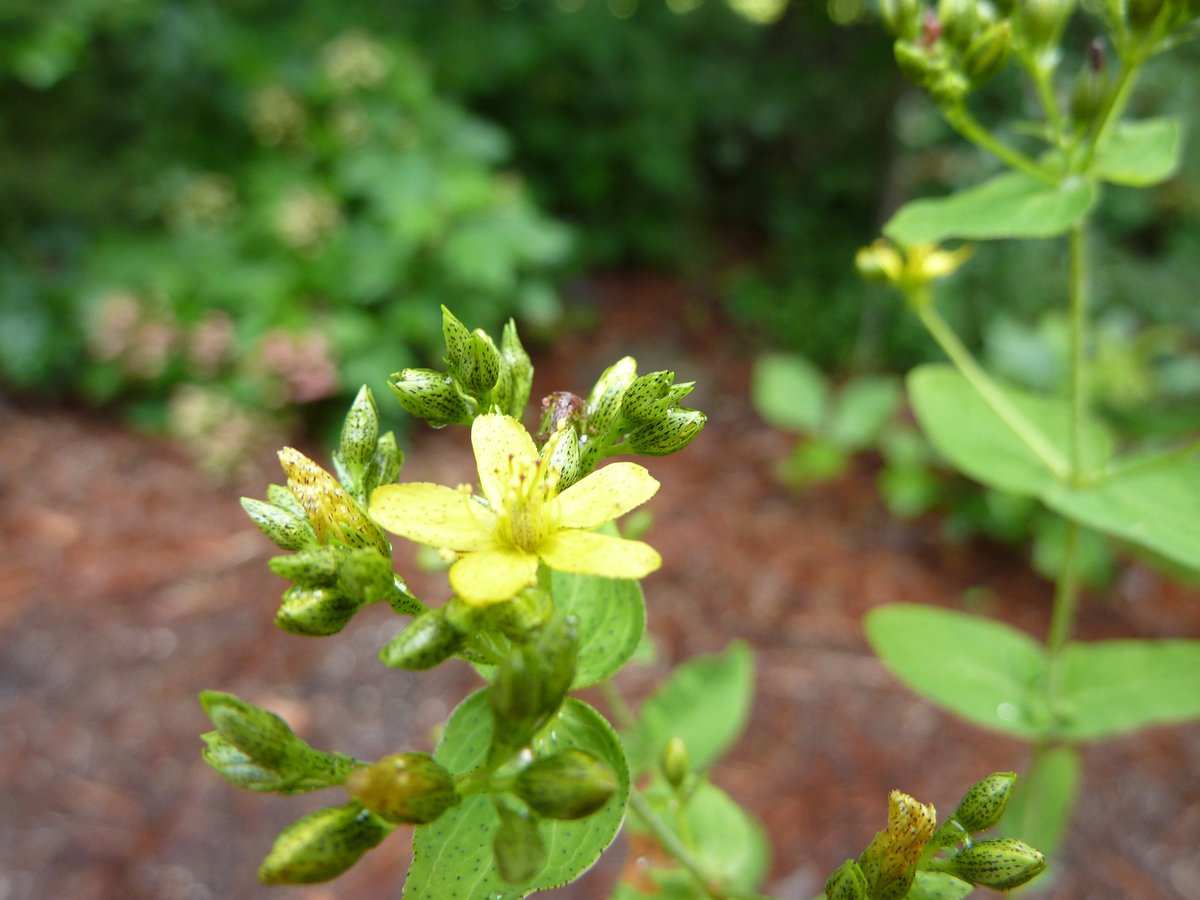
Blooming now! The short-statured spotted St. John’s wort (Hypericum punctatum), found from the very northern counties of Georgia to a few very southern ones. The flowers are only about ½ inch and the leaves, stems, sepals & petals are heavily black-dotted. #nativeplants


English
Nikki Belmonte retweetledi

Blooming now! Downy woodmint (Blephilia ciliata) is a perennial native plant, also known as downy pagoda plant. Like many plants in the mint (Lamiaceae) family, this is very attractive to bees and every tiny flower is checked when a bee stops by. #nativeplants #pollinatorplants

English
Nikki Belmonte retweetledi

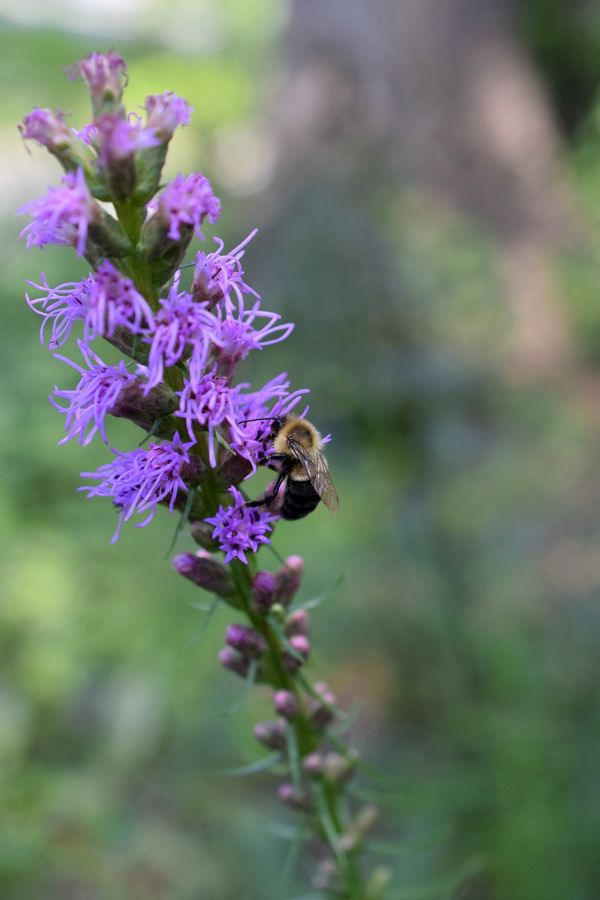
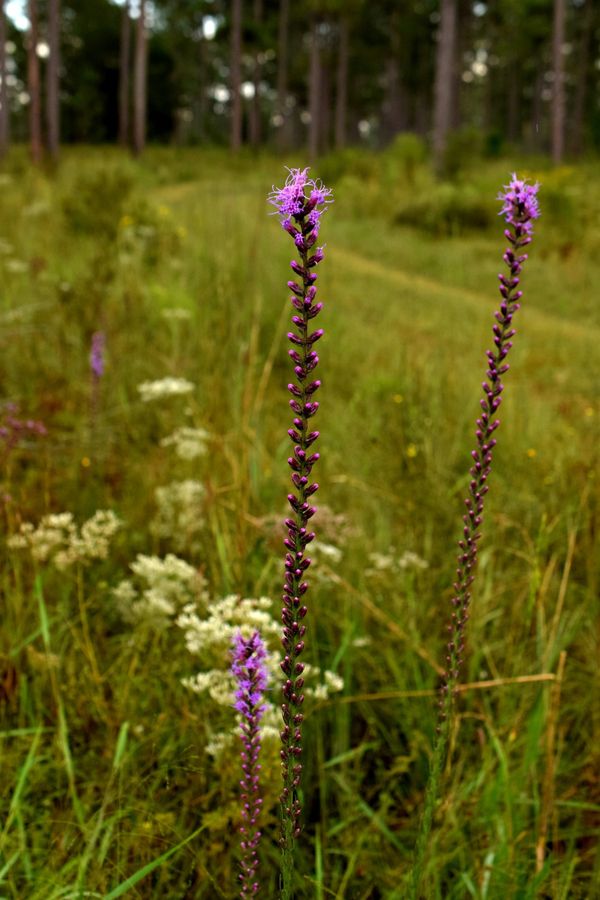
Blazing stars are a big part of the fall garden but this species, Liatris spicata, blooms in early summer. Summer or fall, Liatris is a butterfly magnet. Native from one end of the state to the other and widely sold (perhaps more than any other). #nativeplants #pollinatorplants


English

holy shit are you serious? RIP to one of the greats.
The Birdist@TheBirdist
If a certain woodland flycatcher successfully mated with a certain Pacific gull, you might end up with hybrid Pewee Heermann’s Gulls.
English
Nikki Belmonte retweetledi

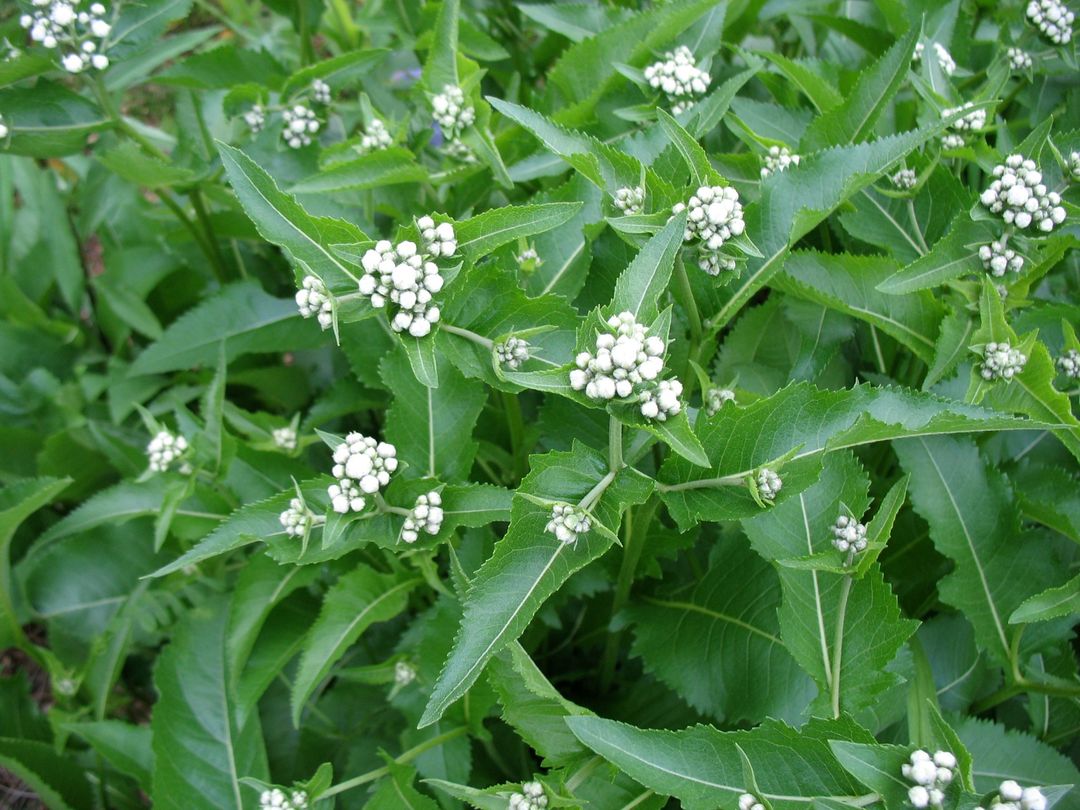
Blooming now! Wild quinine (Parthenium integrifolium) likes sunny areas and tolerates Fdry, rocky or clay soil due to its large root. lower stalks can be up to 3' tall, with long-lasting clustered white flowers. #nativeplantsofgeorgia #pollinatorplants plants.sc.egov.usda.gov/.../plan.../pd…

English
Nikki Belmonte retweetledi

Nikki Belmonte retweetledi

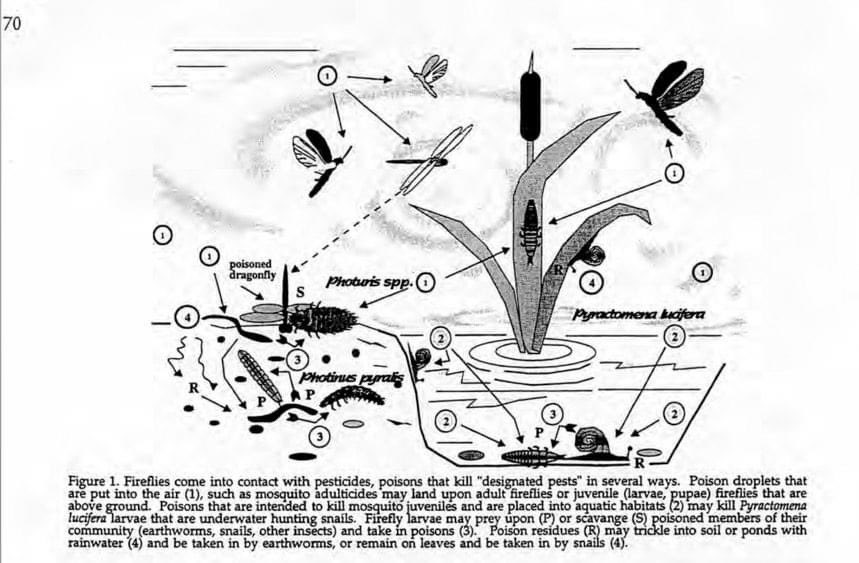
This illustration shows the many ways that fireflies can get exposed to #pesticides.
✍️by Dr. Jim Lloyd from his Fireflyers Companion (1998 Vol 4)

English
Nikki Belmonte retweetledi

Nikki Belmonte retweetledi

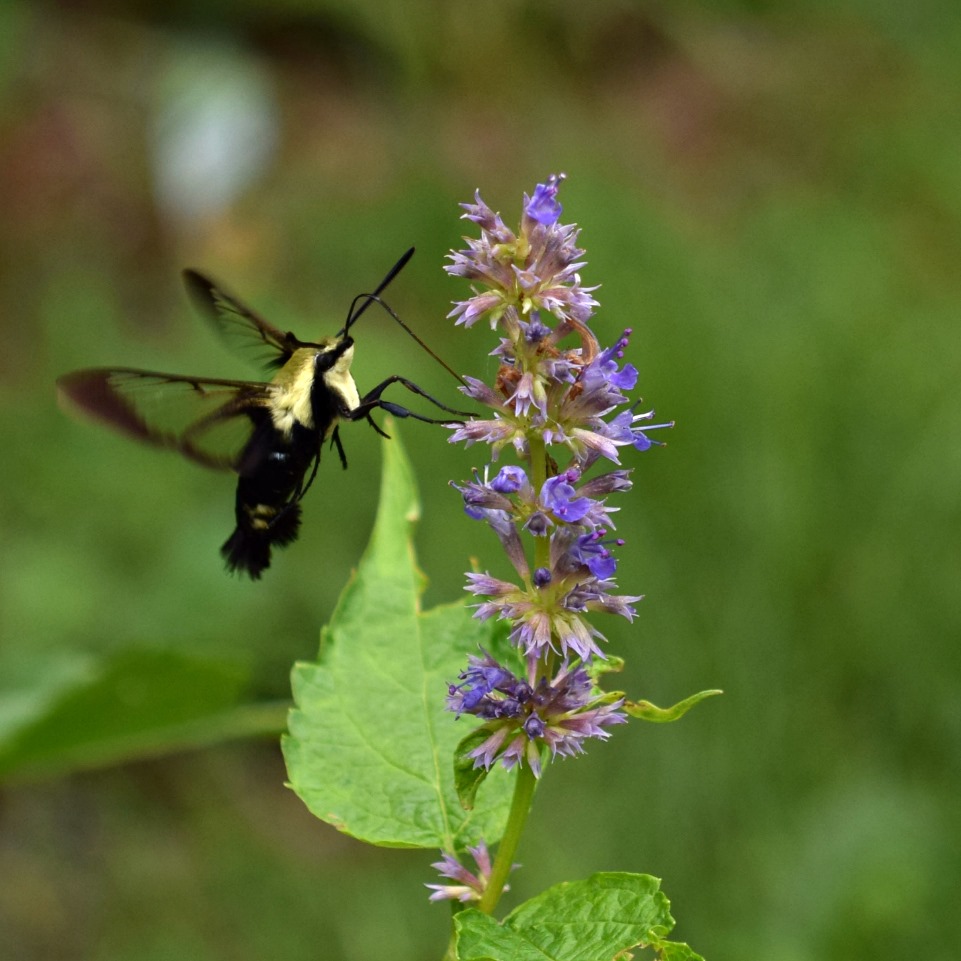
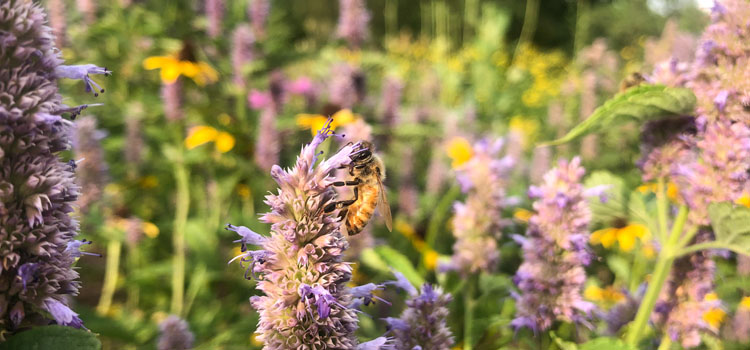
Wrapping up #nationalmothweek with one of the clearwing hummingbird moths. Host plants include snowberry (Symphoricarpos), honeysuckle (Lonicera), dogbane (Apocynum), and dwarf bush honeysuckle (Diervilla lonicera). The plant it is visiting is anise hyssop (Agastache foeniculum).

English
Nikki Belmonte retweetledi

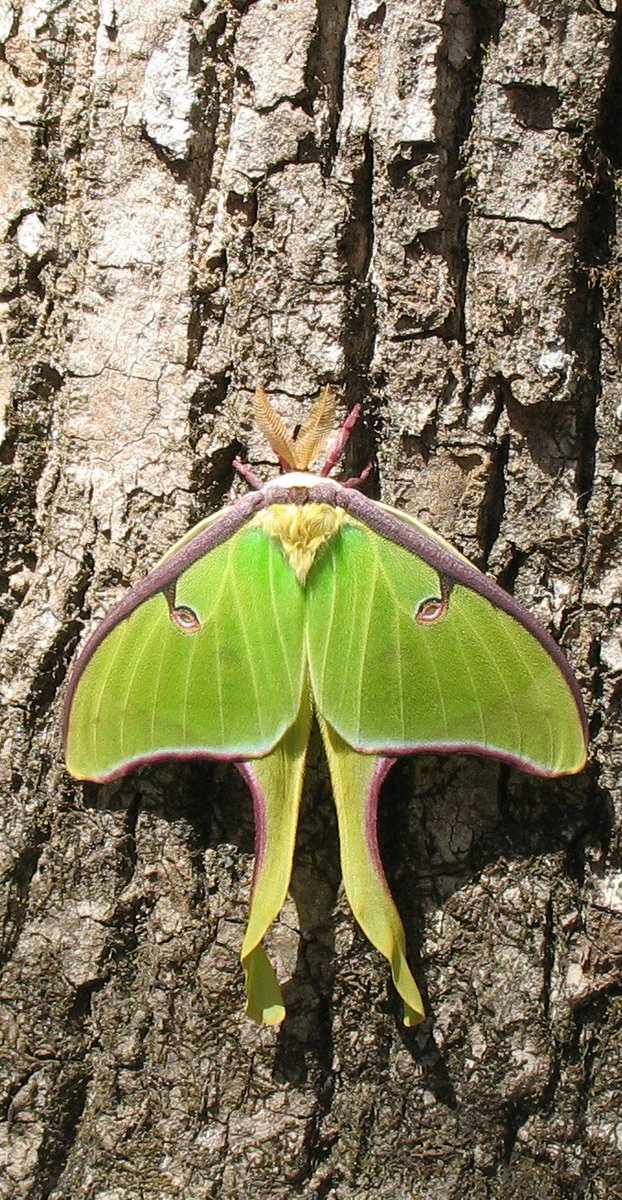
This stunning creature is the luna moth, naturally found in Georgia where it lays eggs on sweetgum, persimmon, hickory, walnut, and sumac. Fun fact: this is one moth that does not feed as an adult so you won’t see it on your flowers. #nationalmothweek #nativeplants


English
Nikki Belmonte retweetledi

New Minnesota law:
Cities must now allow managed natural landscaping to be installed and maintained on all parcels.
lmc.org/news-publicati…
English
Nikki Belmonte retweetledi

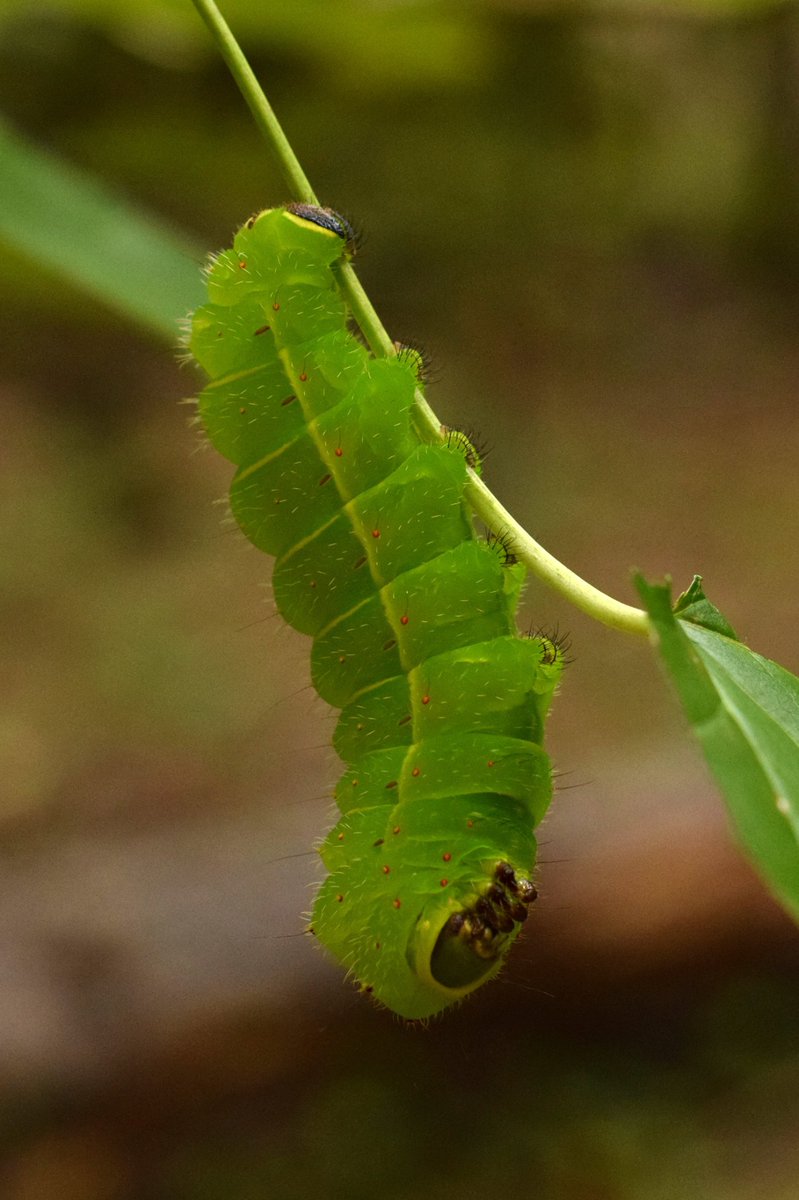
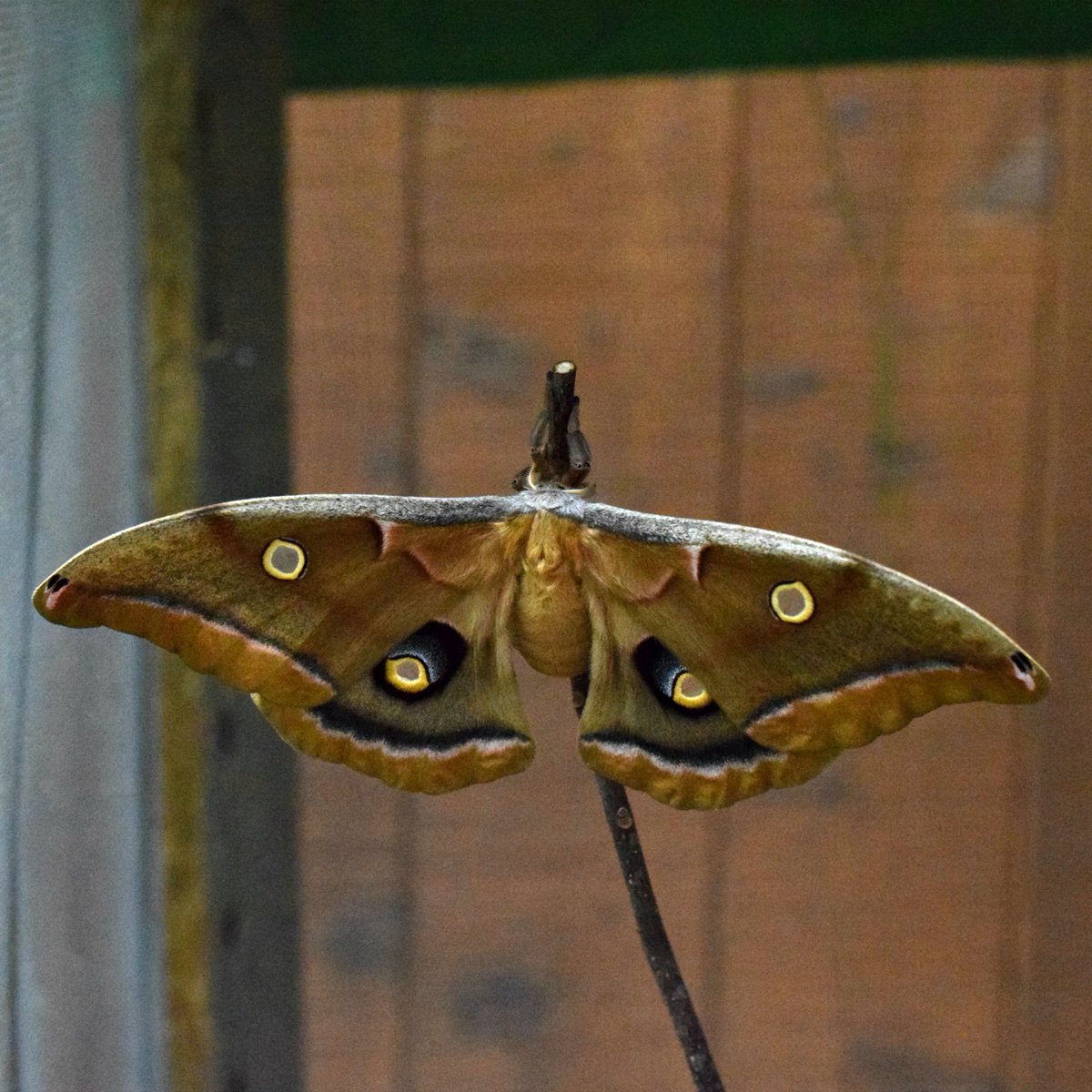
Say hello to the Polyphemus moth, one of our largest native moths with a 4-6" wing span. The female lays eggs on host trees like oak (Quercus), willow (Salix), maple (Acer), and birch (Betula). The large, green caterpillar looks similar to the luna moth. #nationalmothweek

English