Mario Cordero

593 posts

Mario Cordero

Mario Cordero

@CorderoMarioD

Father of one princess, scientist, inflammasomes, aging, 🥋 Taekwondo+Karate in my life

Sevilla, Spain Katılım Ekim 2022
230 Takip Edilen356 Takipçiler
AthenaBIO 🧬🪩
AthenaBIO 🧬🪩@athenabiorg·
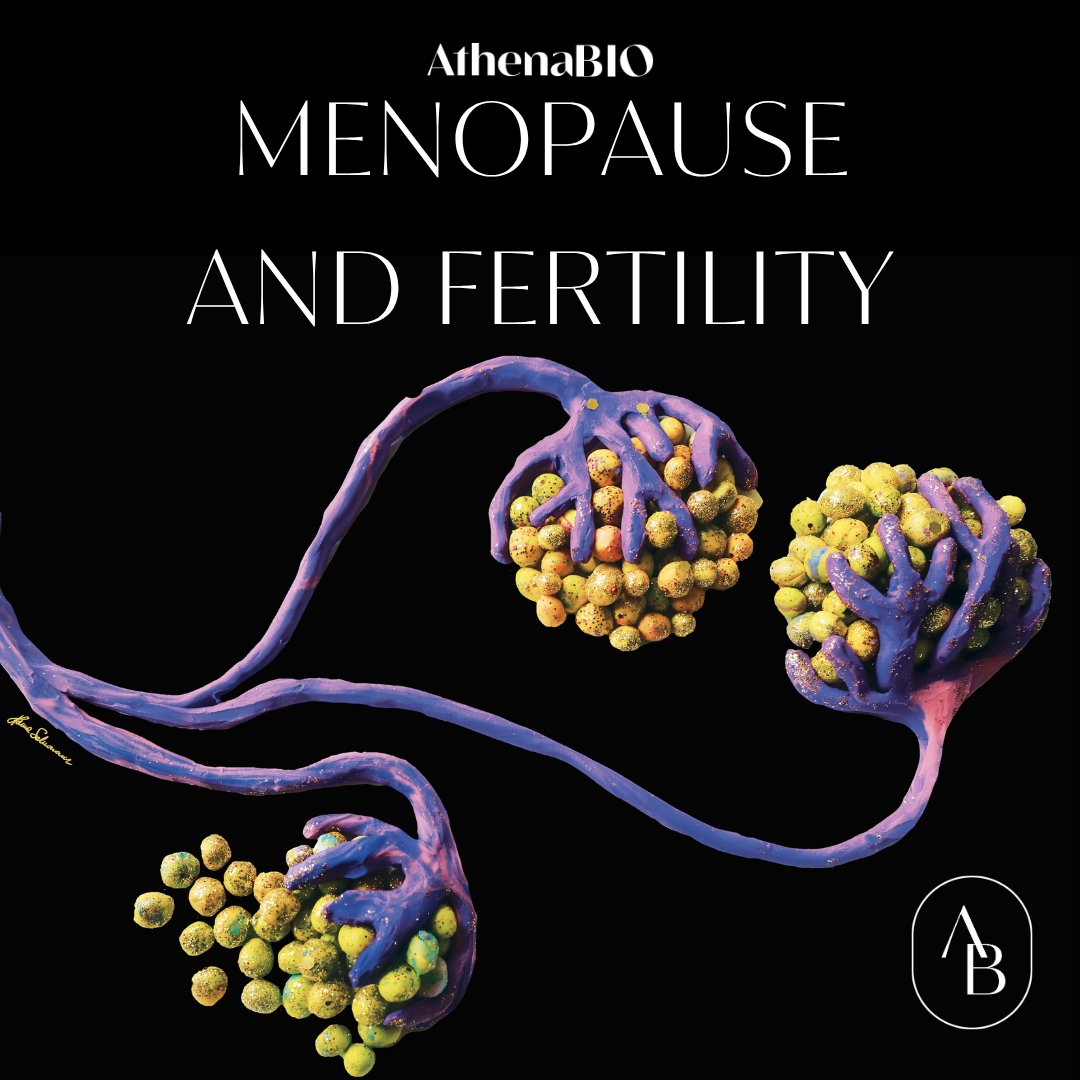
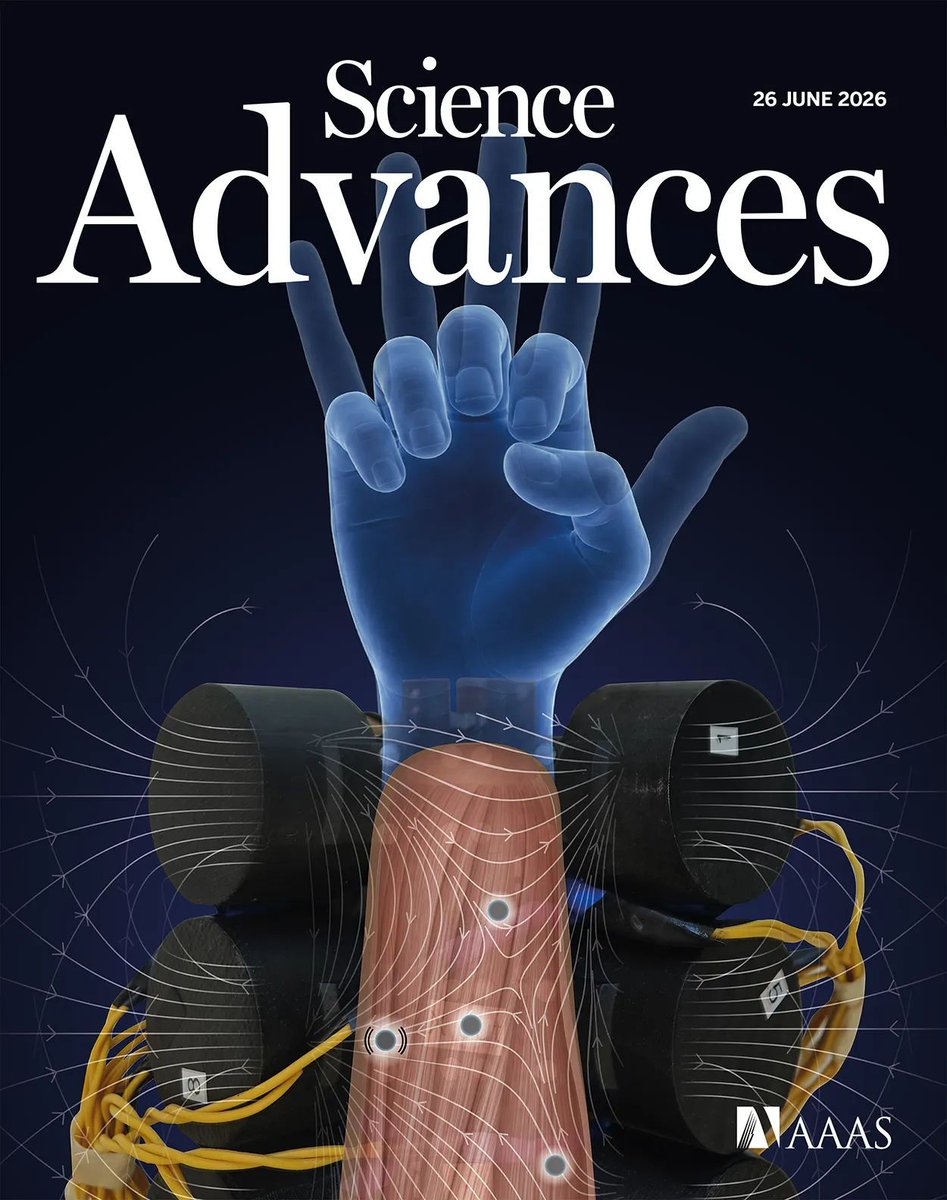
Dr. Cordero’s paper, published in @ScienceAdvances, showed that partially reducing NLRP3 (mimicking a drug, not a full knockout) backfires in mice, triggering a compensatory NLRP1 surge, accelerating inflammation, shortening lifespan, and in females, shrinking ovarian reserve. Blocking NLRP1 too reversed most of the damage, suggesting single-target anti-inflammatory drugs could harm ovarian health unless they hit both targets. 2/5
AthenaBIO 🧬🪩 tweet media
English
2
1
8
2.7K
AthenaBIO 🧬🪩
AthenaBIO 🧬🪩@athenabiorg·
Just this month alone, there were 3 amazing papers on ovarian science: ⭐️ Dual inhibitors for the inflammasomes in ovarian health out of the Dr. Mario Cordero Lab @CorderoMarioD at @pablodeolavide in @ScienceAdvances ⭐ The ovaries for immune activation out of the Dr. Francesca Duncan Lab @NUDuncanLab at @NorthwesternU in @MHR_ReprodSci ⭐️ The ovaries as a blueprint for longevity out of the Dr. Vittorio Sebastiano lab @SebastianoLab at @UCIrvine in @PLOSBiology Let’s deep dive 👇 🧵1/5
AthenaBIO 🧬🪩 tweet media
English
1
9
16
720
Mario Cordero retweetledi
Avi Roy
Avi Roy@agingroy·
For a decade, the anti-aging bet was to lower NLRP3, a protein that switches on inflammation and helps drive age-related disease. A new paper says lowering it partway made mice age faster. The logic was sound. Chronic inflammation rises with age and contributes to heart disease, Alzheimer's, diabetes, and frailty, and NLRP3 is a major source. Removing it entirely in mice makes them age more slowly. That result, from 2013, kicked off a race to drug NLRP3. But a drug doesn't delete NLRP3. It only lowers it. So @CorderoMarioD's team made mice with one working copy instead of two, which is closer to what a drug does. Those mice aged faster: shorter lives, more frailty, worse metabolism, and, in females, earlier ovarian failure. The mice compensated. Lowering NLRP3 caused a second inflammasome, NLRP1, to rise and form a hybrid complex that produced more inflammation, not less. Cutting both restored them. Those blockers are already in clinical trials in people. Roche, NodThera, Ventyx, and Novartis all have NLRP3 inhibitors in human trials for conditions including Parkinson's, obesity, and heart disease, and each one lowers the protein rather than deleting it, the exact move that backfired in these mice. If that carries over, a partial blocker could worsen the inflammation it targets unless it also hits NLRP1. Still, it's mice, it's genetics not a drug, and human NLRP1 biology differs. A flag, not a verdict. Thursday, 16th July, @LauraMinquini and I will cover it with the author @CorderoMarioD on @athenabiorg's Menopause and Fertility show. The same inflammation that ages the body also ages the ovary.
AthenaBIO 🧬🪩@athenabiorg

Dr. Cordero’s paper, published in @ScienceAdvances, showed that partially reducing NLRP3 (mimicking a drug, not a full knockout) backfires in mice, triggering a compensatory NLRP1 surge, accelerating inflammation, shortening lifespan, and in females, shrinking ovarian reserve. Blocking NLRP1 too reversed most of the damage, suggesting single-target anti-inflammatory drugs could harm ovarian health unless they hit both targets. 2/5

English
3
8
33
2.6K
Mario Cordero retweetledi
Avi Roy
Avi Roy@agingroy·
Sources & Notes: The paper: Muela-Zarzuela, Cordero et al., Science Advances, 26 June 2026. doi.org/10.1126/sciadv… The history. In 2000 Claudio Franceschi named "inflammaging," the slow, sterile inflammation that rises with age and feeds heart disease, dementia, diabetes and frailty. The NLRP3 inflammasome, a danger sensor inside immune cells, became the prime target. In 2013 Vishwa Dixit's lab (Youm et al., Cell Metabolism) deleted NLRP3 in mice and they aged better. doi.org/10.1016/j.cmet… That result launched a drug race. The new twist. A knockout removes NLRP3 entirely; a drug only turns it down. This paper tested the drug-like state, one gene copy, about half the protein. Those mice aged faster: median survival about 23 months vs 30 for controls, hair loss 62% vs 30%, spinal curvature 68% vs 9%, corneal clouding 51% vs 6%, plus worse metabolism and, in the females, lower AMH, higher FSH and fewer ovarian follicles. Knock down NLRP1 as well and lifespan returned to about 28 months. The drugs it flags, all partial NLRP3 blockers now in human trials: MCC950 (halted in phase 1 for liver injury), selnoflast (Roche, early Parkinson's), NT-0796 (NodThera, obesity), VTX2735 (Ventyx, recurrent pericarditis), DFV890 (Novartis). The caveats: it's mice; it's a gene deletion, not a drug, so "inhibitors backfire" is an inference the authors did not test directly; and humans carry one NLRP1 gene where mice carry several, so the compensation may not map cleanly. What does travel: the team showed NLRP1 and NLRP3 physically bind in human cells (THP-1), so the hybrid is not a mouse-only artifact.
English
1
2
6
347
Mario Cordero retweetledi
Avi Roy
Avi Roy@agingroy·
This Thursday, 16 July, on @BIOHBN. 2 PM ET, 8 PM CET. It's the Menopause and Fertility show, hosted by @LauraMinquini, who built @athenabiorg to fund women's health science that almost no one else will. I'm co-hosting. Three guests worth the hour: @CorderoMarioD, the scientist behind the paper above, on the drugs that could extend fertility and the ones that might backfire. @kutlukoktay, who pioneered ovarian tissue freezing, on preserving fertility itself, and why HRT alone isn't enough. @rivatez, whose essay "Against Maximum Stimulation" argues for gentler fertility medicine over max-dose egg freezing and IVF. The ovary is the first organ to age. This is the room working out what to do about it. RSVP on @BIOHBN luma.com/egeqxhbm
English
0
4
9
1.1K
Mario Cordero retweetledi
AthenaBIO 🧬🪩
AthenaBIO 🧬🪩@athenabiorg·
Women's fertility medicine has spent decades reacting to crisis rather than protecting health. Dr. Mario Cordero's @CorderoMarioD new Science Advances paper flips that: a small molecule to protect ovarian reserve before the damage starts.
AthenaBIO 🧬🪩 tweet media
English
4
13
27
1.2K
Mario Cordero retweetledi
AthenaBIO 🧬🪩
AthenaBIO 🧬🪩@athenabiorg·
Started as research to protect women's fertility. Ended up reshaping how anti-inflammatory drugs for aging should be designed. That's the reach of Dr. Mario Cordero's @CorderoMarioD new Science Advances paper 👇
English
6
5
23
773
Mario Cordero retweetledi
AthenaBIO 🧬🪩
AthenaBIO 🧬🪩@athenabiorg·
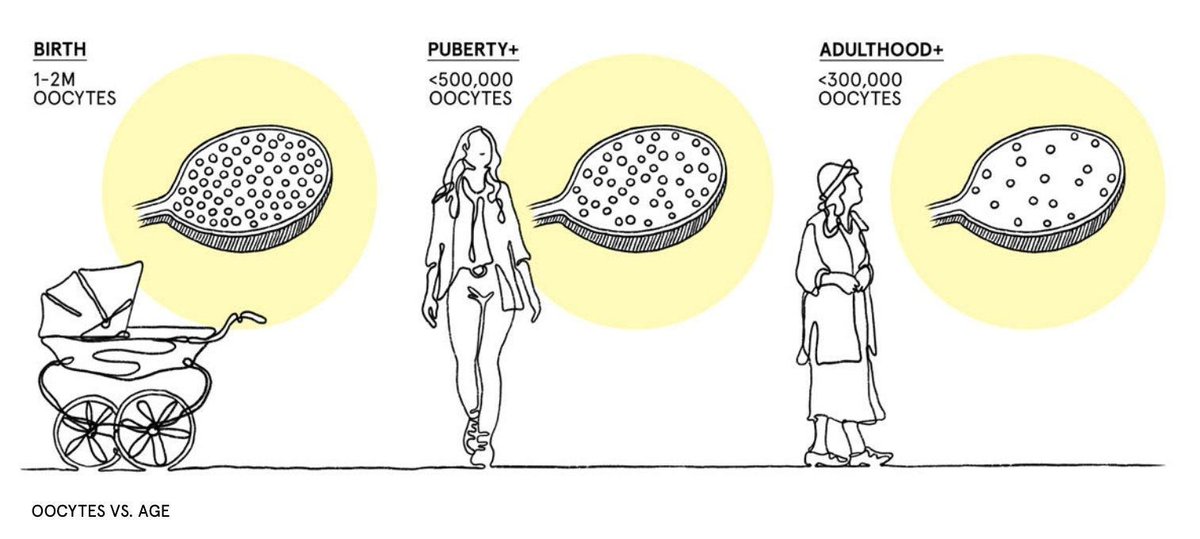
For most of the body, aging shows up slowly. For ovaries, the clock can run years ahead, and for women after chemo, decades ahead. Dr. Mario Cordero's @CorderoMarioD new Science Advances paper is working to protect ovarian reserve before that window closes 👇
AthenaBIO 🧬🪩 tweet media
English
4
11
37
1.2K
Mario Cordero retweetledi
AthenaBIO 🧬🪩
AthenaBIO 🧬🪩@athenabiorg·
An academic in a small Spanish lab, working on a target two IPO'd longevity biotechs are now circling. Dr. Mario Cordero @CorderoMarioD chose the harder path: developing it first for women facing menopause after cancer, even though faster applications sit in his pipeline. Learn more about the science worth backing 👇
English
2
6
16
885
Mario Cordero retweetledi
Laura Minquini
Laura Minquini@LauraMinquini·
I see a lot of people cosplay as underdogs on X while sitting on millions raised from Tier 1 funds. Want to meet someone who truly is climbing Mount Everest? Dr. Mario Cordero is looking at an hot target but in an area where more data is needed. The problem in drug development around sex specific targets is something we don’t talk about enough in biotech.
AthenaBIO 🧬🪩@athenabiorg

Knock out NLRP3 completely in mice → longer, healthier lives. So biotech poured money into inhibiting it. Problem: drugs don't knock targets out in humans, they dial them down. Dr. Mario Cordero @CorderoMarioD’s latest research modelled that, and it showed that partial inhibition actually accelerated aging because a backup protein, NLRP1, surged. The fix: create dual inhibitors that block both at once. More about his research in our latest newsletter 👇

English
1
7
20
1.9K
anaelle b. harel
anaelle b. harel@anaelleBHarel·
As always, @athenabiorg funding science with huge value across spaces. A testament to the power of research in ovarian health, whose implications often reach well beyond the ovaries themselves. Check out my deep dive below to find out what his latest paper means 👇
AthenaBIO 🧬🪩@athenabiorg

MAJOR NEWS IN OVARIAN HEALTH Dr. Mario Cordero's @CorderoMarioD just-published @ScienceAdvances paper, broken down. The surprise: partially inhibiting NLRP3 accelerates aging instead of slowing it. A second inflammasome, NLRP1, surges to compensate. The fix may be dual inhibitors, with big implications for treating Diminished Ovarian Reserve, a condition impacting millions of women. Science worth rooting for. Read the full breakdown 👇

English
2
5
8
857
Mario Cordero retweetledi
Concha Peiró
Concha Peiró@ConchaPeir·
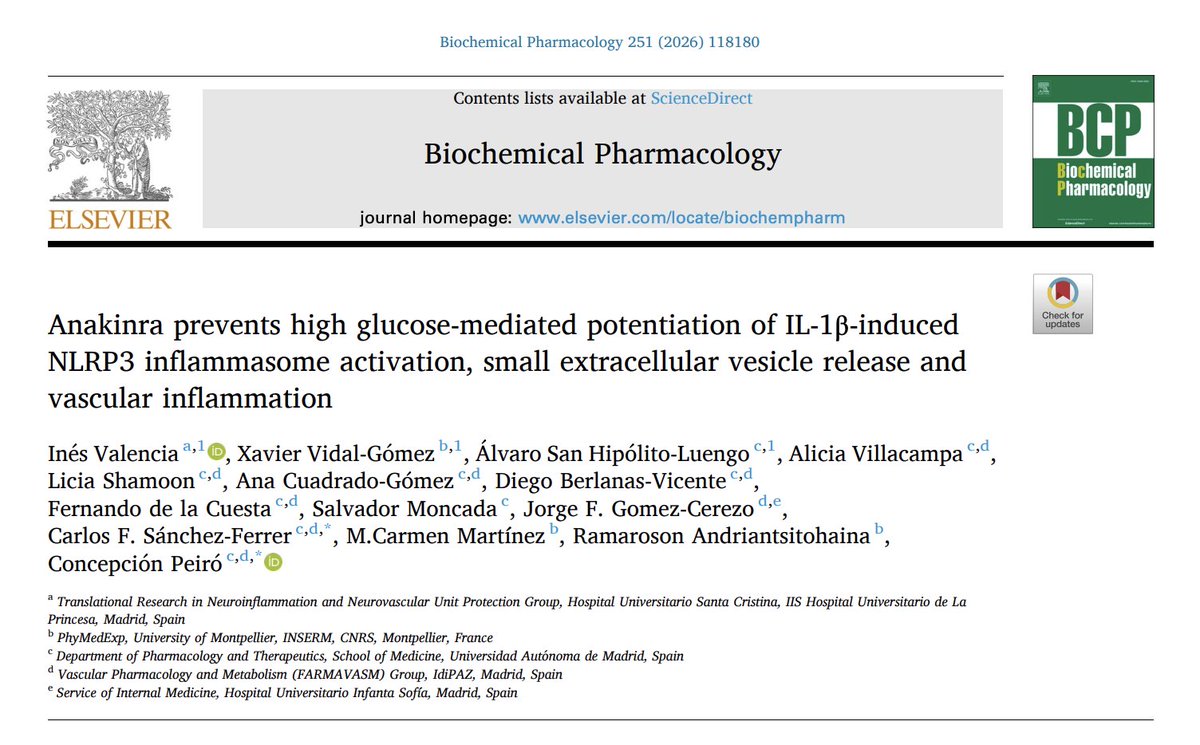
Just accepted paper! We show how high glucose and cytokines exacerbate innate immune responses in human vascular cells and favor the release of exosomes containing NLRP3 inflammasome components that promote inflammatory senescence in neighbouring cells sciencedirect.com/science/articl…
Concha Peiró tweet media
English
3
15
30
2K