Africa and South India share the same climate. Hot days, warm nights, high humidity, heavy seasonal rain. The difference is not the weather. It is the decision about what to build.
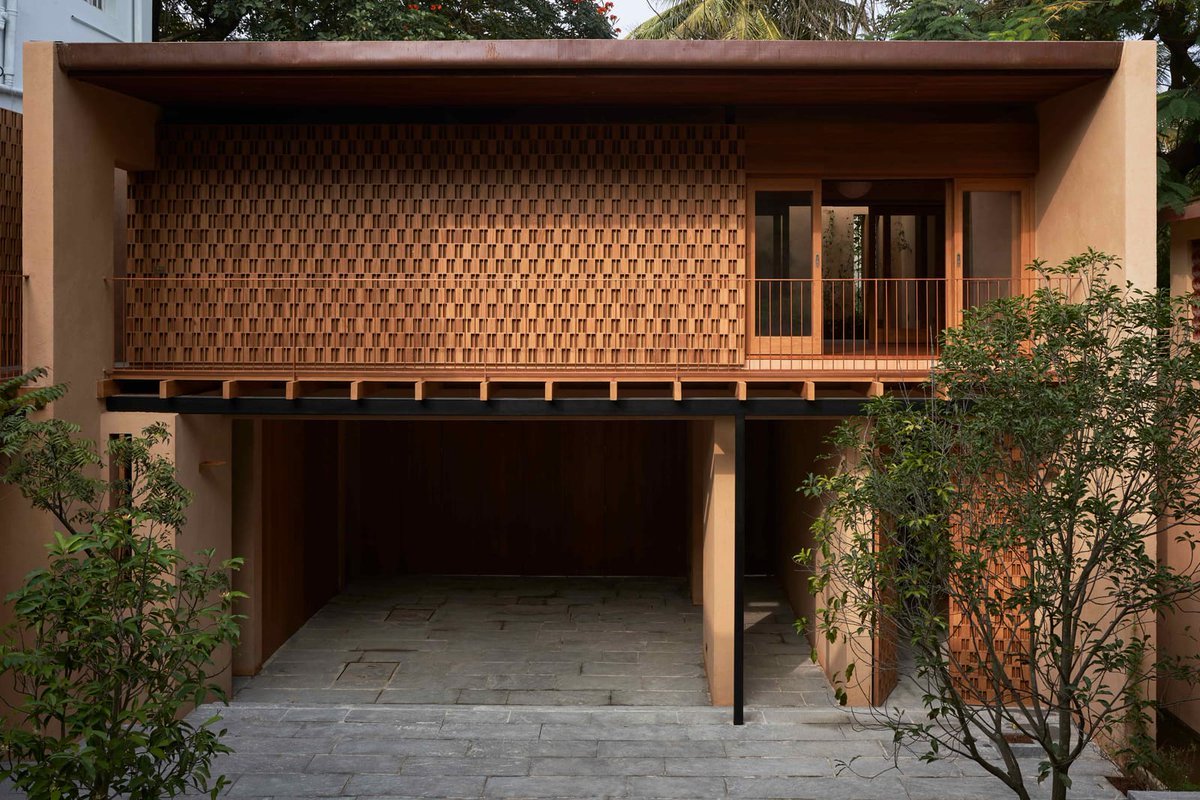
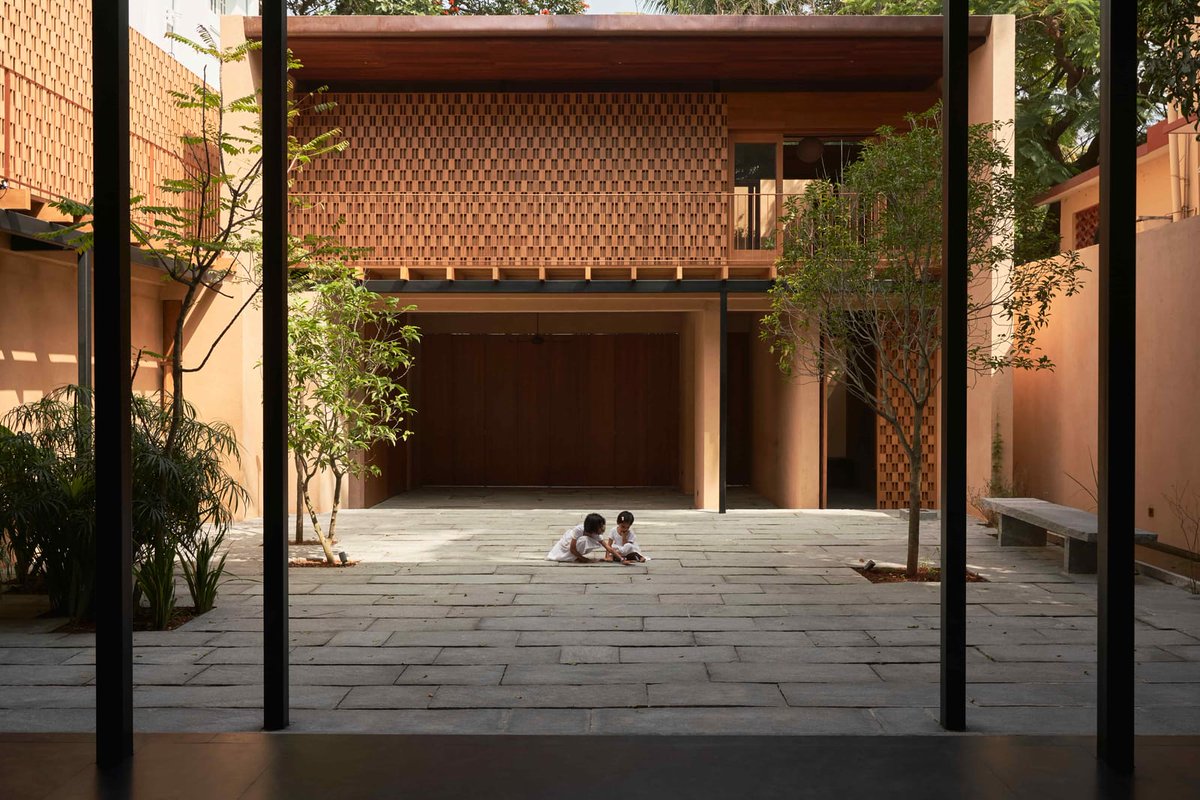
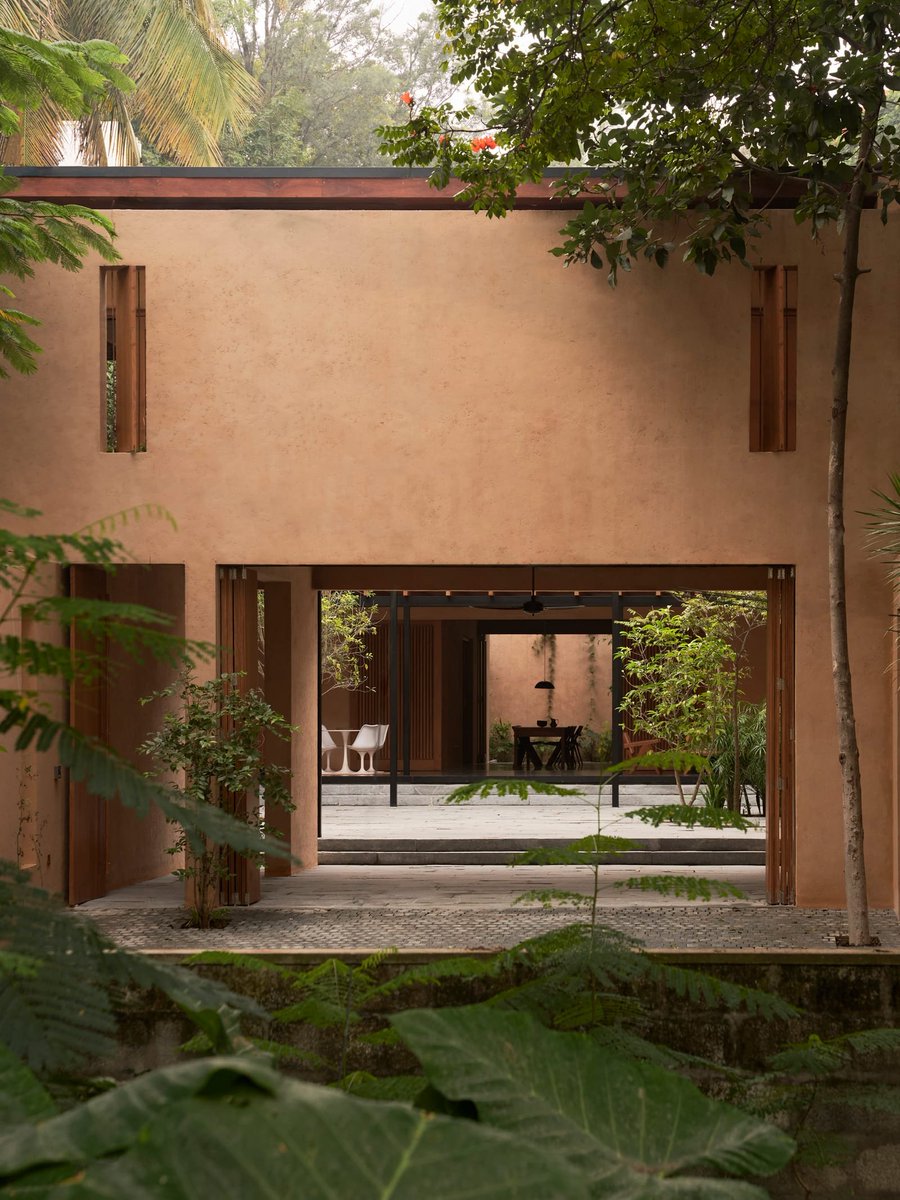
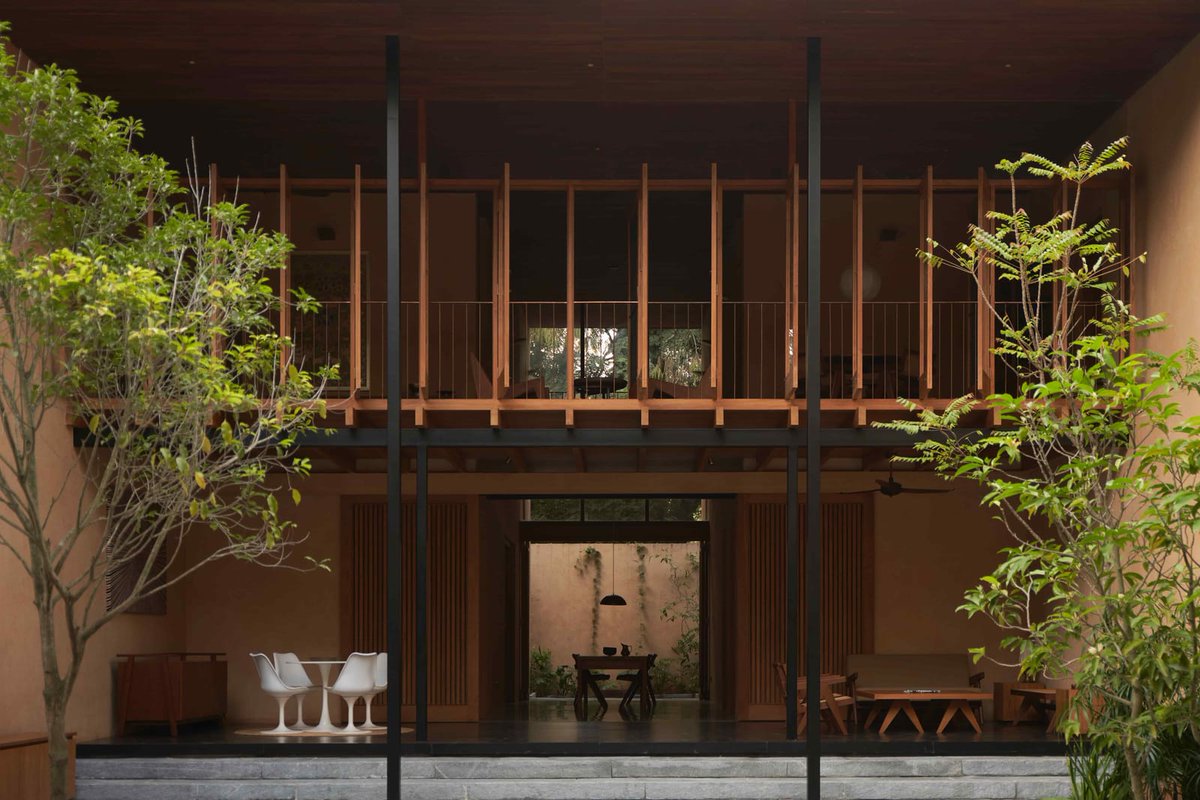
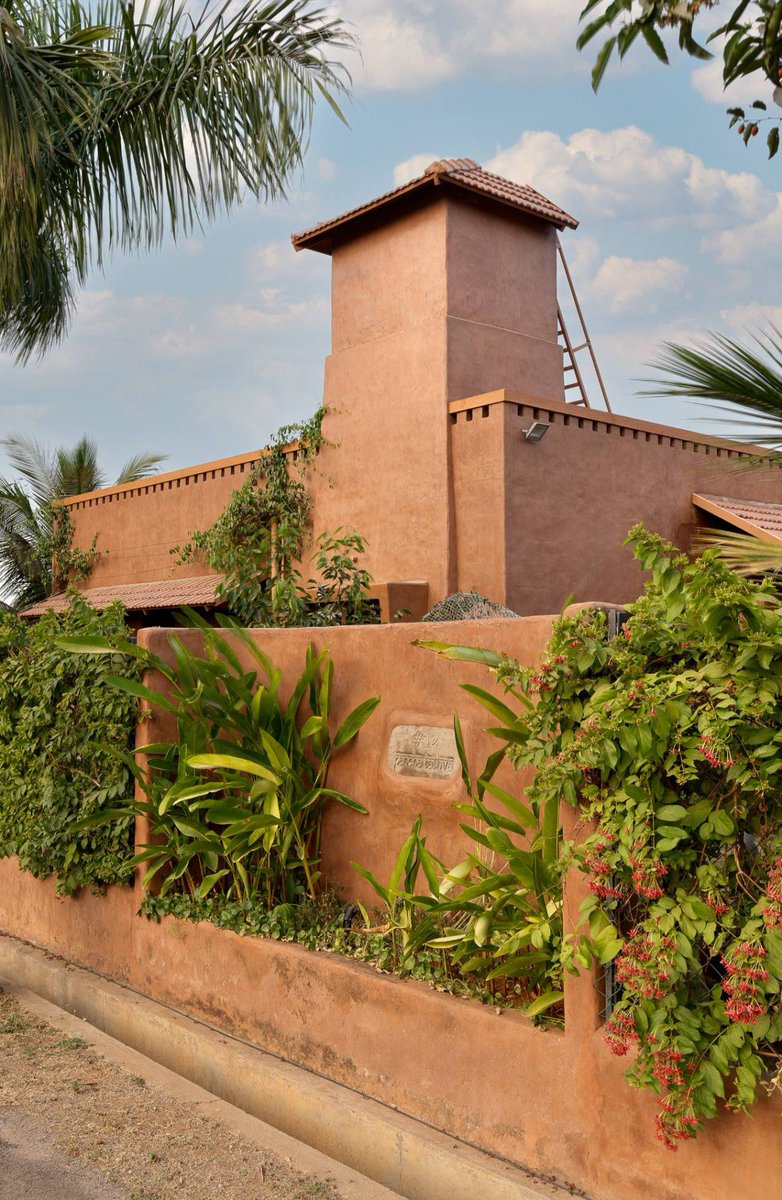
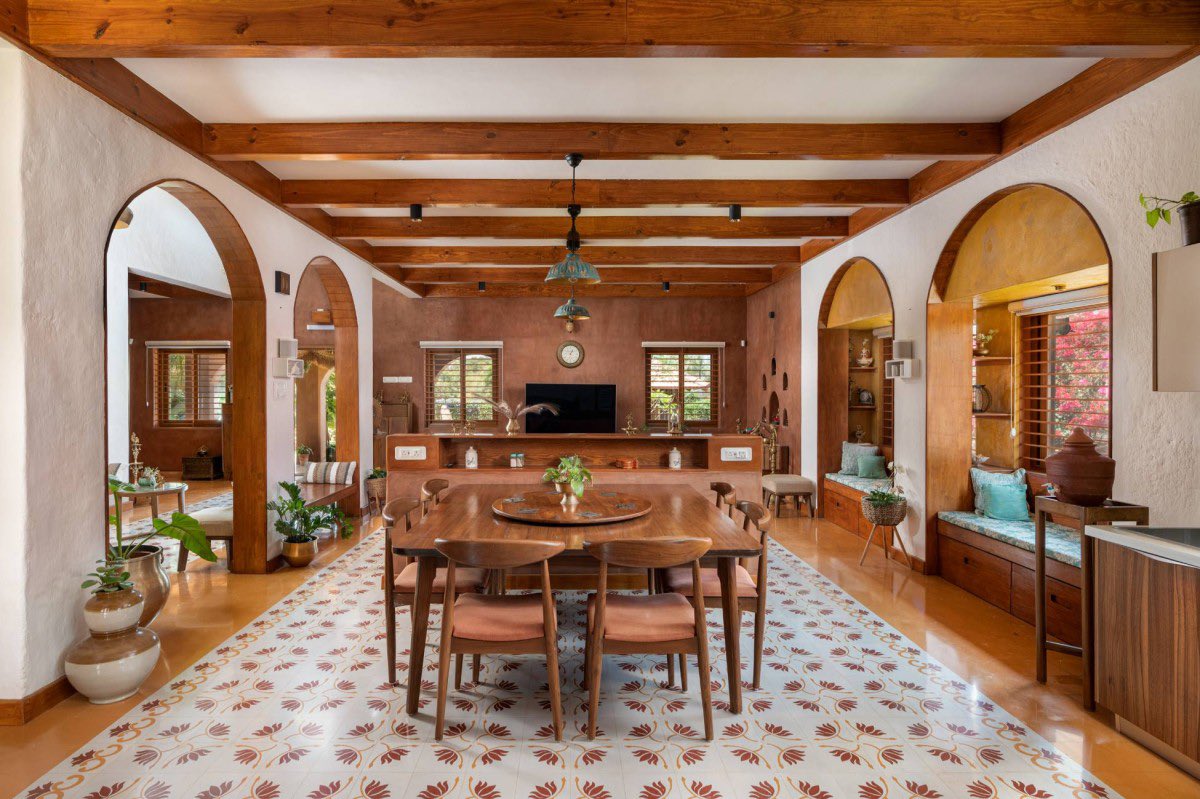
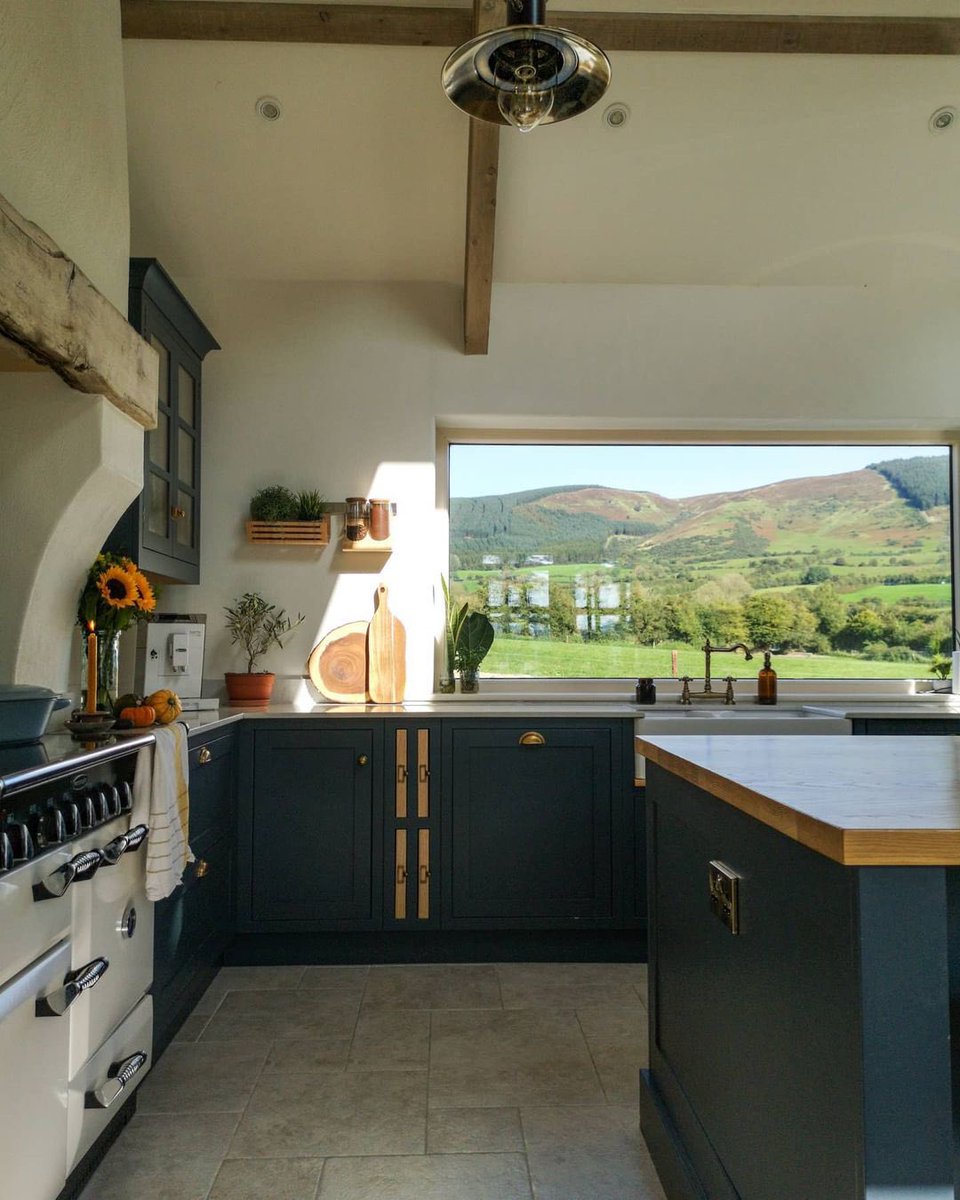
This is Residence Panchatattva. Hoskote, Bangalore, Karnataka, India. Architect:
Deepak Berthalome. Completed 2023.
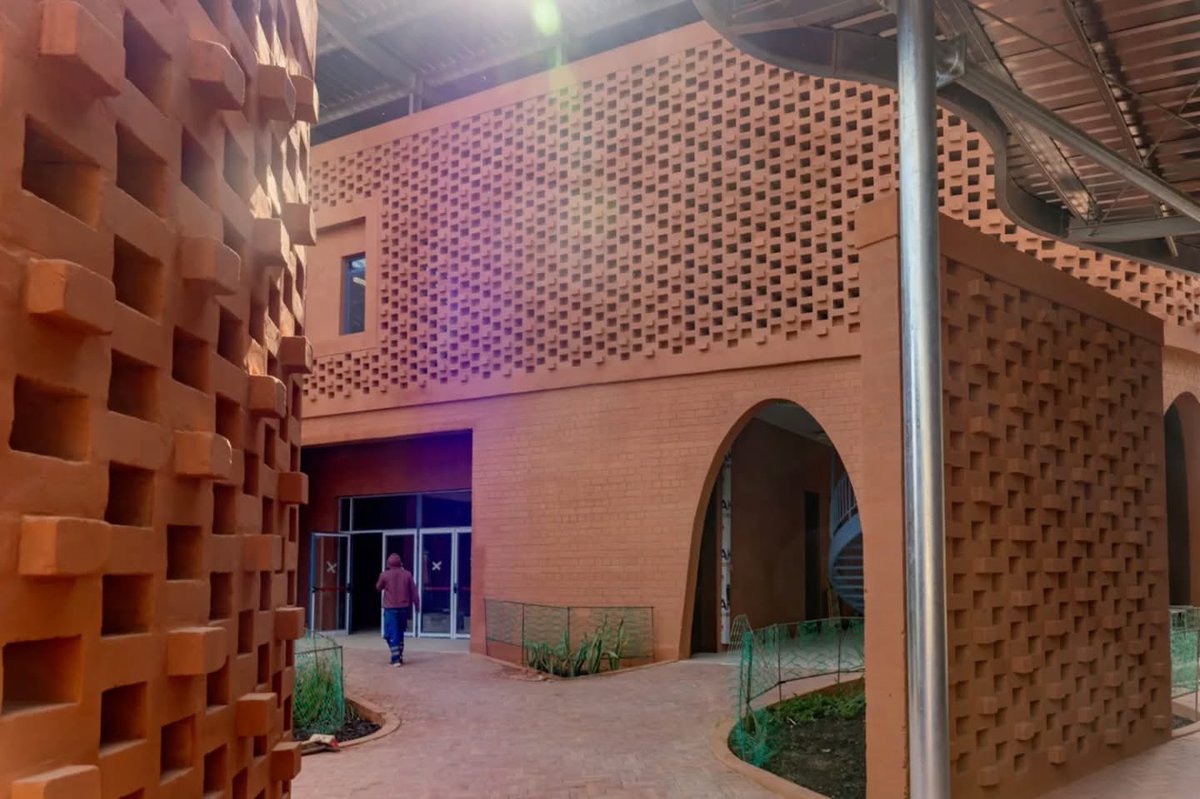
Mud concrete blocks hand-cast on site using soil from the same ground the house sits on, mixed with construction debris and cement. Mud plaster and lime plaster in natural shades for finish. 90% of materials made at site. No air conditioning, a traditional kund water body cools the air naturally as wind passes over it.
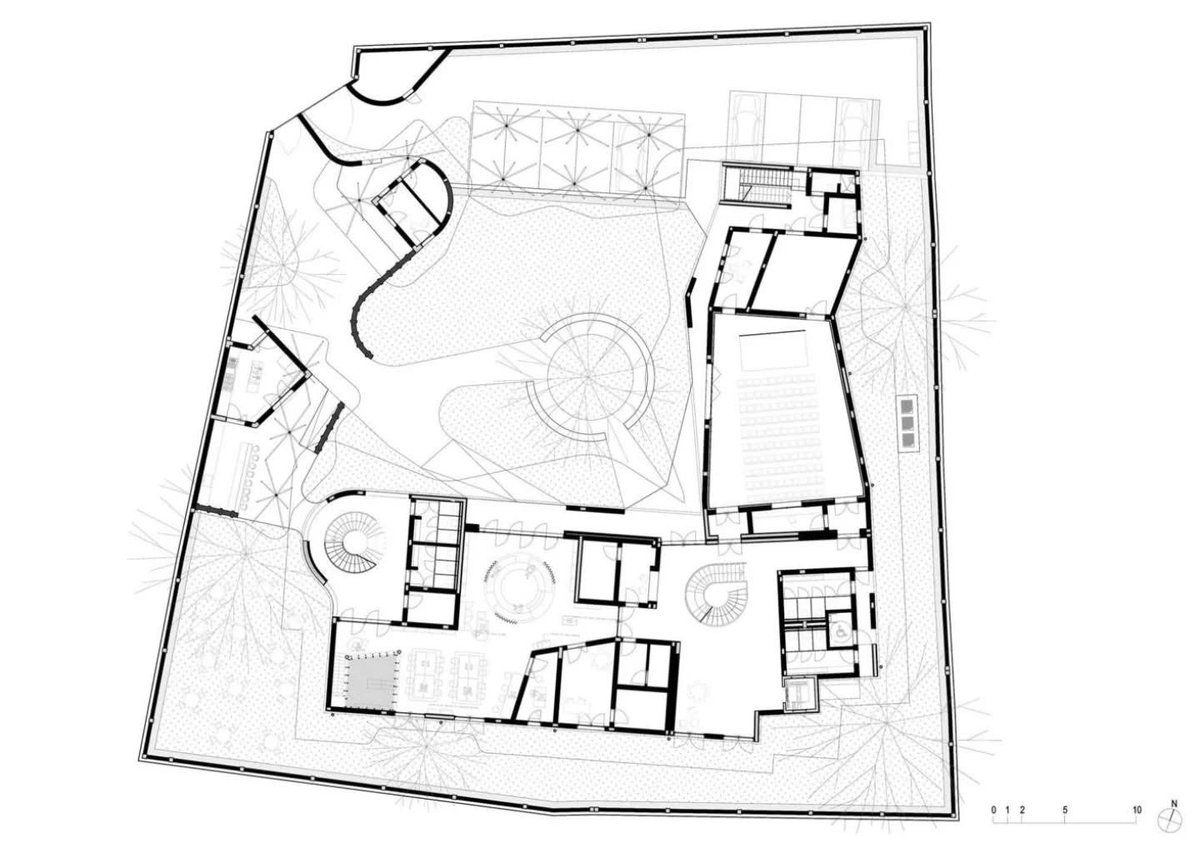
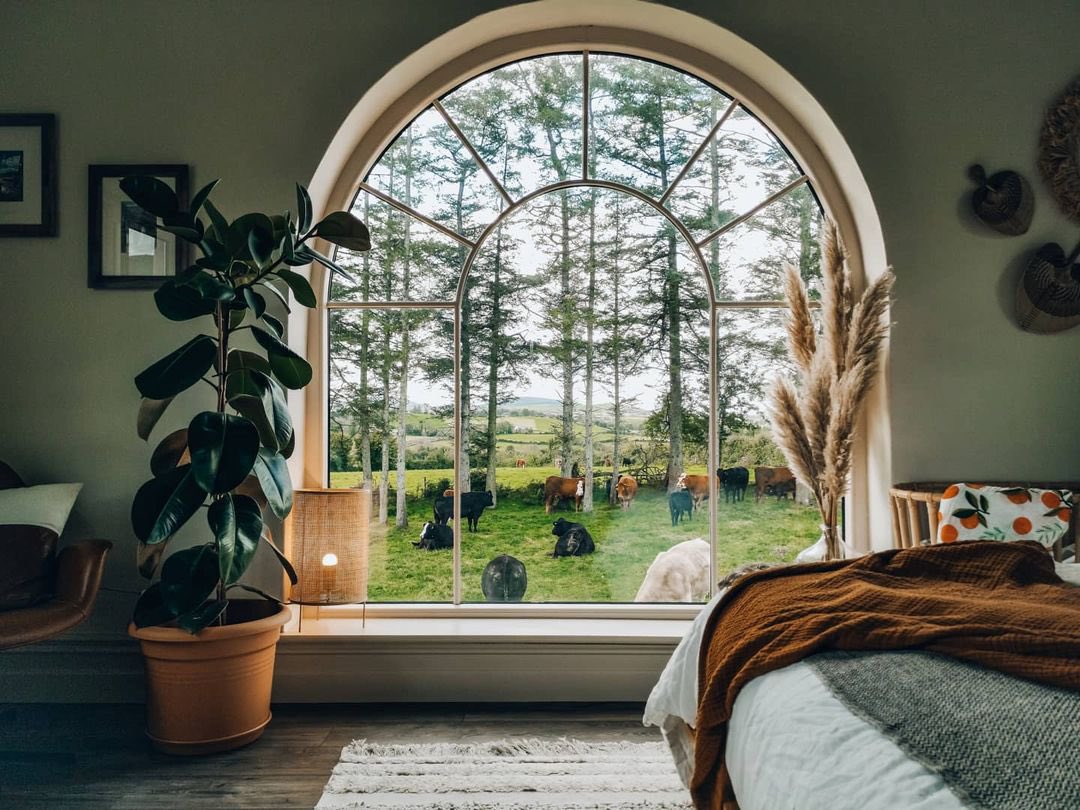
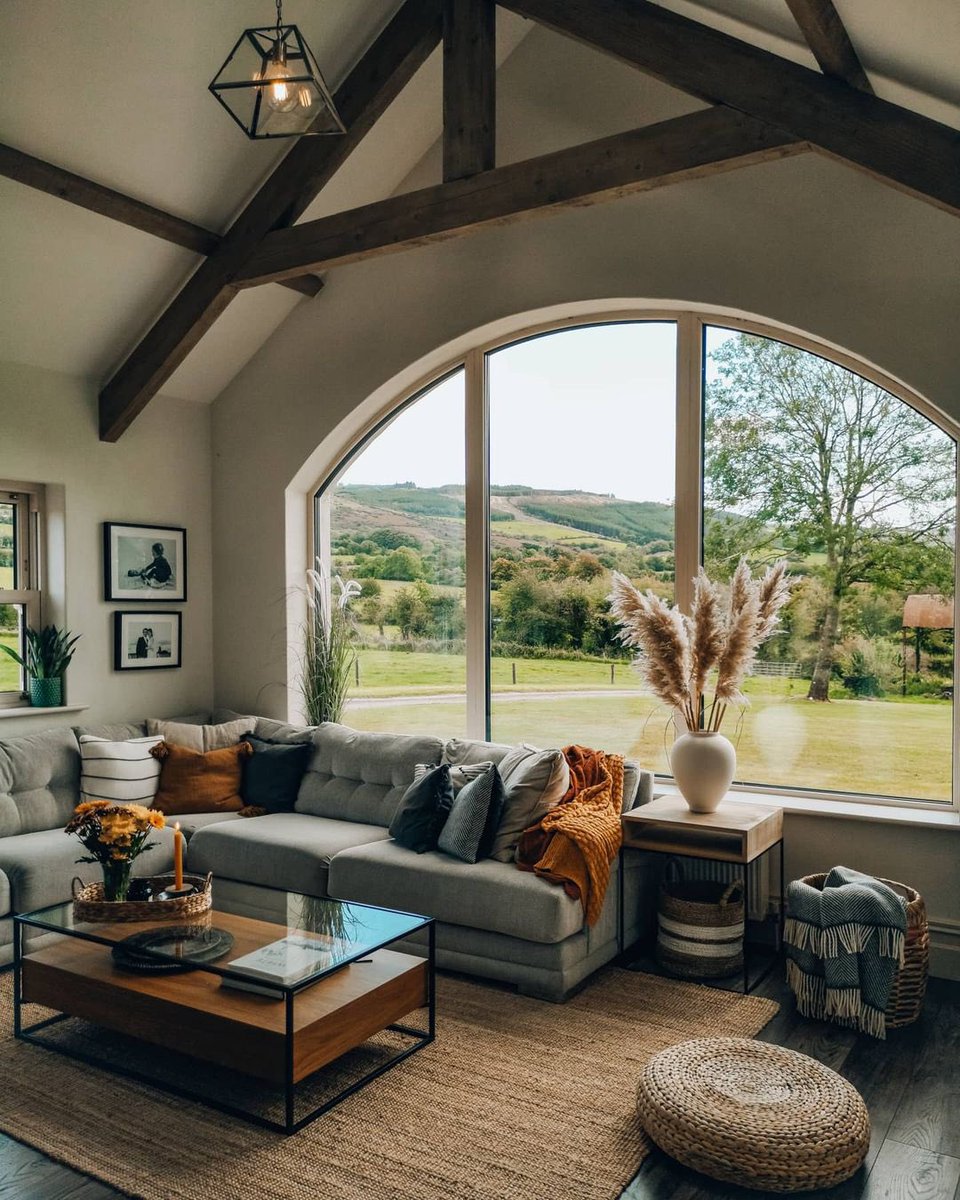
Two blocks separated by a central court. Deep verandahs. Clay tile roof. Arched openings that frame the garden. A house that looks exactly like where it is.
This is what Karnataka’s vernacular halli mane tradition looks like when a contemporary architect refuses to abandon it.
Most of Africa sits in the same tropical and subtropical belt as this house. We have the same soil, the same sun, the same rain. What we do not yet have is enough architects who build like they know it.
Architect: Deepak Berthalome Architects | Hoskote, Bangalore, India | 2023 | Photo: Anushree Bhatter
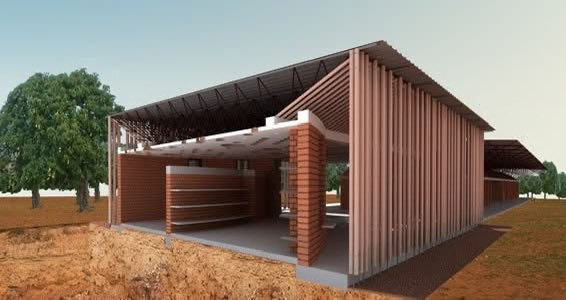
Francis Kéré is quietly changing how Africa builds.Not through manifestos. Through buildings that prove local materials, local hands, and local knowledge are enough and have always been enough.
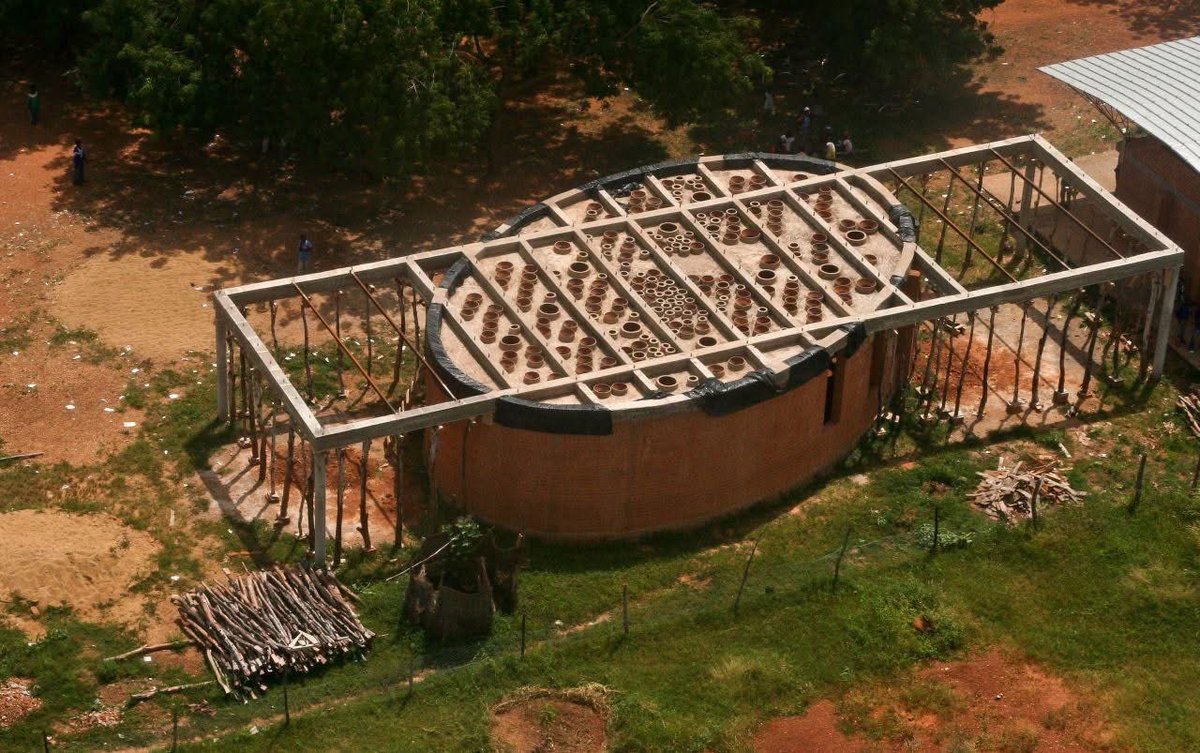
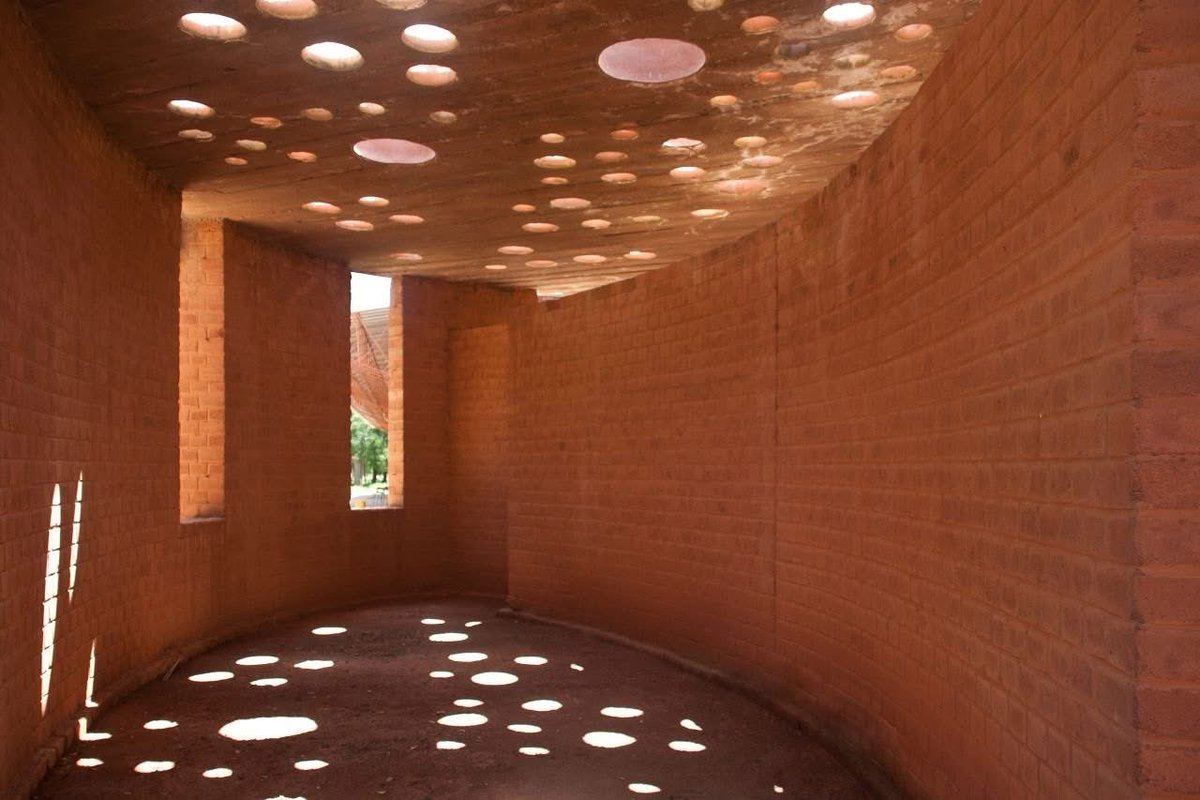
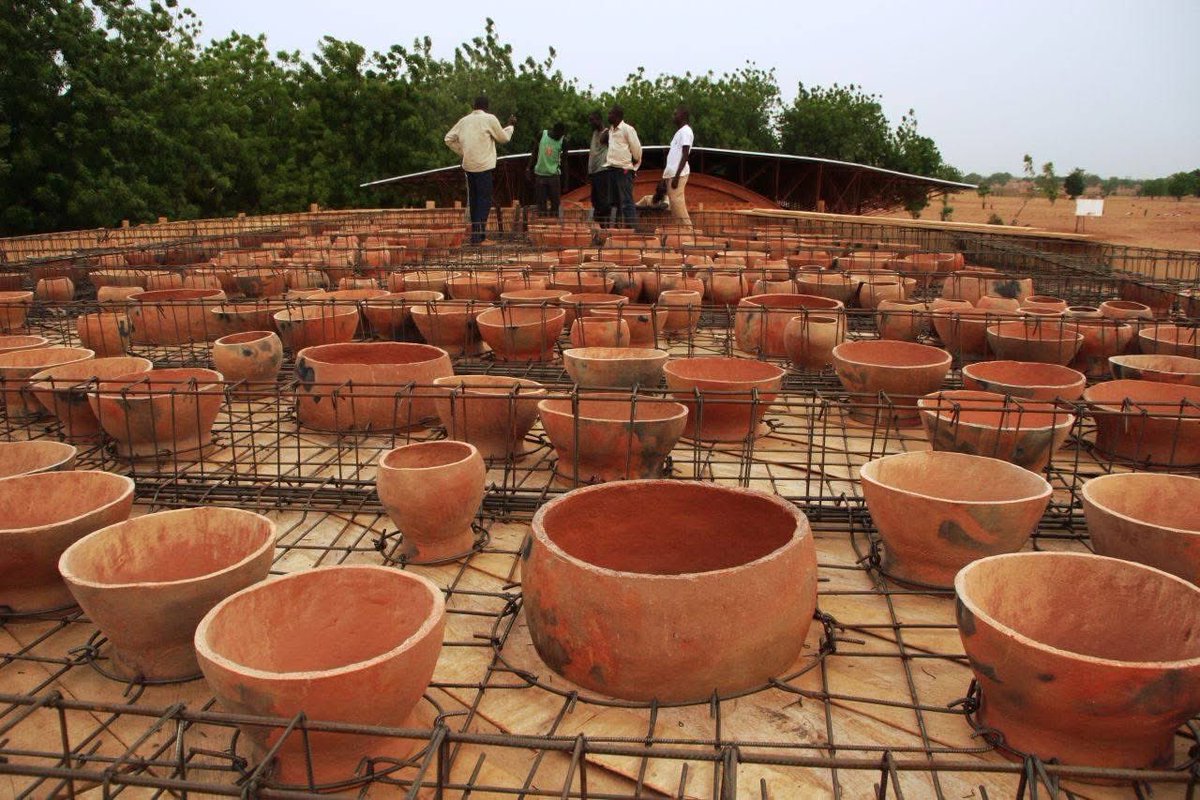
The Gando Library is one of his most precise arguments. The ceiling is locally crafted earthenware pots sawn in half, cast into a concrete slab. When removed, they left circular openings, sunlight falls through like constellations onto the floor below.
That same pattern ventilates the entire space. The hot roof pulls cool air in through the windows and out through the perforations. No electricity. No imported parts.
Every person he trained in Gando carried those techniques forward. The building taught the village. The village became the architect.
That is how you change a continent. One community at a time.
Architect: Diébédo Francis Kéré | Kéré Architecture
📍 Gando, Burkina Faso 🇧🇫
The client had one condition before the design even started. Keep the jackfruit tree.
So Wallmakers built around it. The compound wall curves around the tree and twists upward, seamlessly becoming the ferro-cement shell roof of the house. The tree sits inside a small Zen garden accessible from the kitchen.
The walls are compressed stabilised earth blocks and rammed earth locally made, naturally insulating. The grillwork on the large windows? Scrapyard pipes pieced together. Those same pipes weave through the rooms and become chandeliers that cast patterned shadows throughout the day.
Vinu Daniel, who leads Wallmakers, put it simply: “If a wall goes across a tree, the tree goes. We don’t want it to be like that.”
This is what it looks like when local materials meet real architectural thinking.
More photos in the comments
📍 Vengola, Kerala, India 🇮🇳
🏛 Wallmakers | Lead Architect: Vinu Daniel
📷 Anand Jaju, Syam Sreesylam
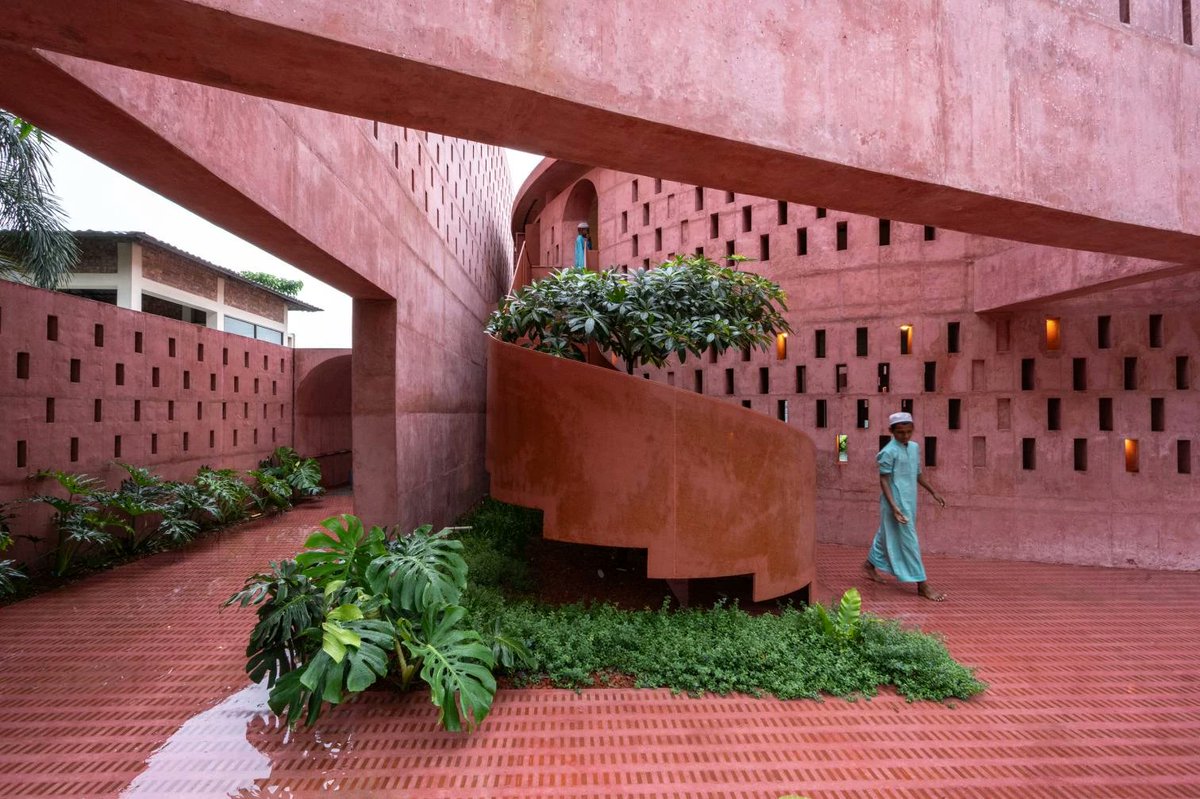
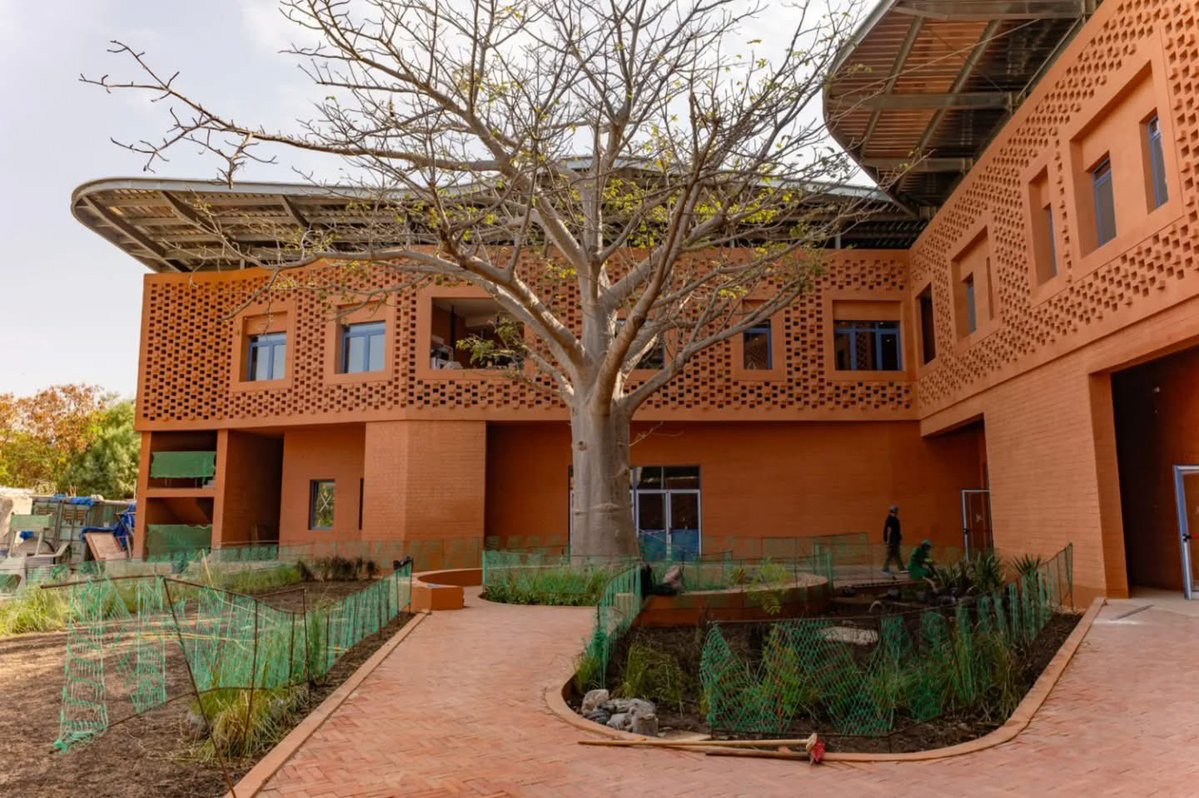
Germany asked a Burkinabé architect to build their cultural institute in Dakar. This incredible architect built it from laterite, the red rock that has been cut from Senegalese soil for centuries, hardening stronger with every day it breathes open air.
The Goethe-Institut Dakar by Kéré Architecture just opened this week, the first purpose-built Goethe-Institut on the African continent. It sits next to the former home of Léopold Sédar Senghor, organised around a central baobab tree, with perforated laterite walls that regulate the interior climate without air conditioning.
A German institution. An African architect. African material. Built with local artisans.
This is what cultural exchange looks like when it’s done with integrity.
📍 Dakar, Senegal 🇸🇳
🏛 Kéré Architecture
Collaborators: Worofila