CLASSE (Cornell Lab for Accelerator Sciences & Ed)

261 posts

CLASSE (Cornell Lab for Accelerator Sciences & Ed) banner
CLASSE (Cornell Lab for Accelerator Sciences & Ed)

CLASSE (Cornell Lab for Accelerator Sciences & Ed)

@CornellCLASSE

Cornell Laboratory for Accelerator ScienceS & Education (CLASSE) studies beams and accelerators, photon science, particle physics, and the early universe.

Cornell University, Ithaca, NY Katılım Mayıs 2016
152 Takip Edilen244 Takipçiler
CLASSE (Cornell Lab for Accelerator Sciences & Ed) retweetledi
Cornell Research & Innovation
Astronomers at @Cornell are using a new instrument to study the earliest galaxies by capturing the combined light of millions of distant galaxies at once. The breakthrough could reshape how scientists study cosmic history and star formation. Read more: bit.ly/3Ru7lv5
Cornell Research & Innovation tweet media
English
1
6
24
1.3K
CLASSE (Cornell Lab for Accelerator Sciences & Ed) retweetledi
Cornell University
Cornell University@Cornell·
It was a head-spinning discovery. In 2018, researchers in Japan claimed to find concrete evidence of an elusive particle, a Majorana fermion, in a quantum spin liquid called ruthenium trichloride. Majoranas are highly sought-after by quantum materials scientists because when a pair are localized, or trapped, they can securely encode information and form a stable qubit – the building block of quantum computing. Some researchers heralded the finding and used it to launch their own studies, while others believed the breakthrough – which was made by measuring what’s called the thermal Hall effect – was actually a mirage caused by defects in the material sample. Now, Cornell researchers have waded into the debate, and their findings show both camps were wrong. By measuring the movement of soundwaves rather than the flow of heat, the team discovered the thermal Hall effect was caused by rotating lattice vibrations called chiral phonons. “It’s not that this is the magic material with Majorana fermions that’s going to build a quantum computer,” said Brad Ramshaw, associate professor of physics in @CornellCAS who led the Cornell team. “But it’s also not this story of basically fancy dirt, where the samples have impurities that are bouncing the heat one way instead of another. It’s a new intrinsic effect that nobody had ever seen before.” More at news.cornell.edu/stories/2026/0….
Cornell University tweet media
English
3
15
65
4.5K
CLASSE (Cornell Lab for Accelerator Sciences & Ed) retweetledi
Cornell Research & Innovation
Cornell Research & Innovation@CornellRsrch·
Including contributions from research staff at @CornellCLASSE, new detector improvements at CMS have potential to revolutionize our understanding of dark matter and its influence on our universe.
Fermilab@Fermilab

The CMS experiment at CERN is building a new detector that will unravel the chaotic particle collisions at the Large Hadron Collider, helping scientists identify particles based on their speeds. news.fnal.gov/2026/03/new-ul…

English
0
2
2
126
CLASSE (Cornell Lab for Accelerator Sciences & Ed) retweetledi
Cornell Research & Innovation
Cornell Research & Innovation@CornellRsrch·
High school seniors stepped into the cleanroom at the @Cornell NanoScale Science and Technology Facility to build real microchips. Programs like ATLAS are preparing students for new semiconductor jobs as Micron Technology expands in New York. Read more: bit.ly/3MfJtcF
Cornell Research & Innovation tweet mediaCornell Research & Innovation tweet mediaCornell Research & Innovation tweet mediaCornell Research & Innovation tweet media
English
1
5
18
1.7K
CLASSE (Cornell Lab for Accelerator Sciences & Ed) retweetledi
Cornell Research & Innovation
Cornell Research & Innovation@CornellRsrch·
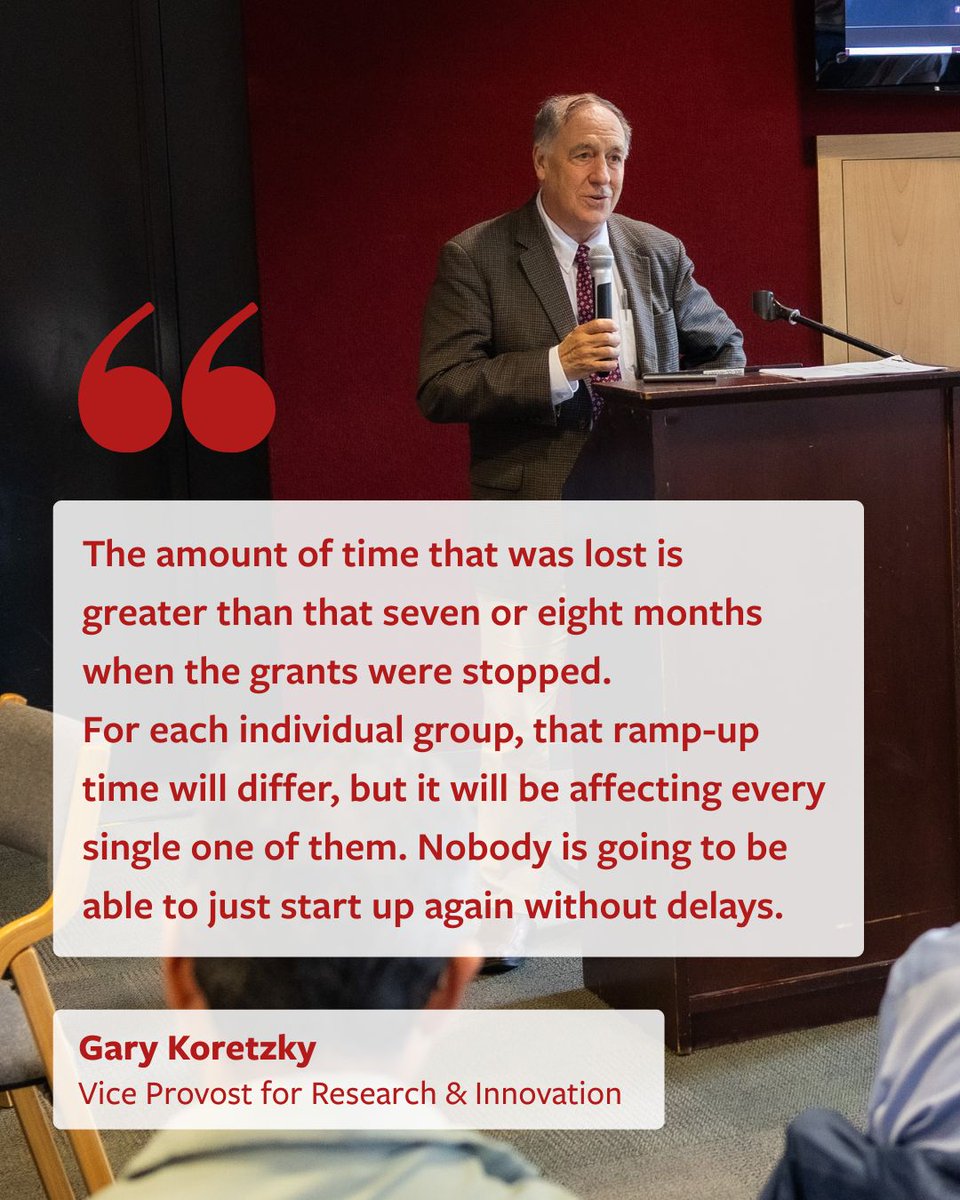
We are pleased to announce Dr. Gary Koretzky ’78 as @Cornell Vice Provost for Research. He oversees more than 30 multidisciplinary research facilities spanning the physical, social and biological sciences. Read more: bit.ly/4py2If1
Cornell Research & Innovation tweet media
English
1
7
17
1.6K
CLASSE (Cornell Lab for Accelerator Sciences & Ed) retweetledi
CornellArts&Sciences
CornellArts&Sciences@CornellCAS·
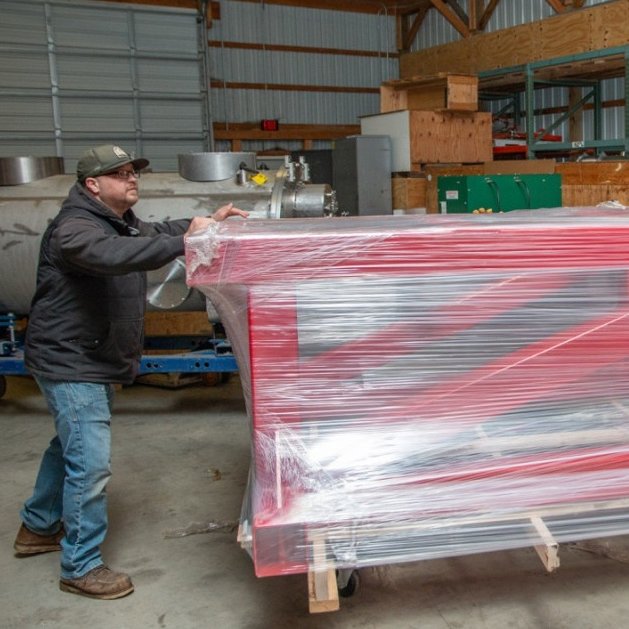
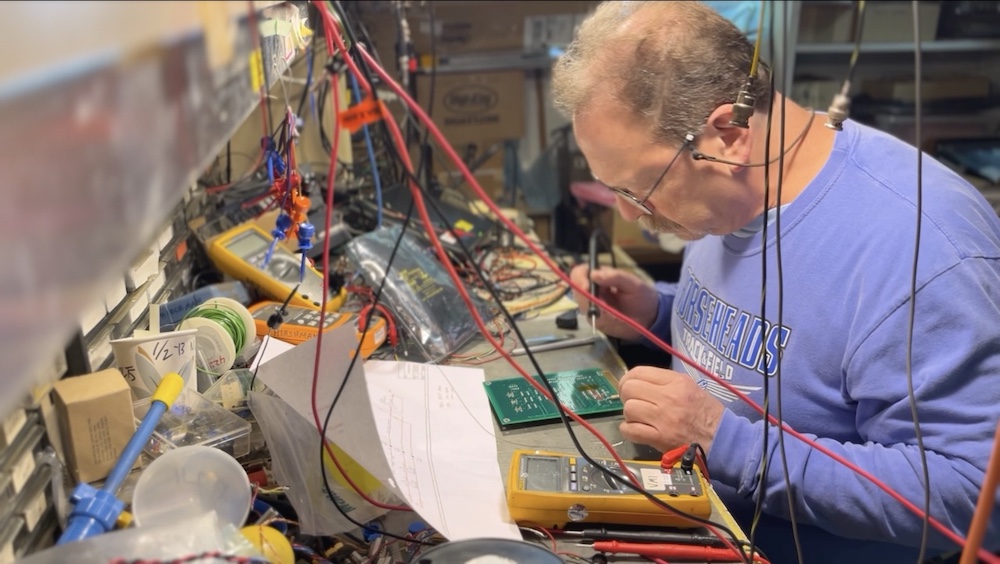
Engineers, machinists, riggers, electricians, support staff: It's taken expert work by a dedicated network at @CornellCLASSE to get the Fred Young Submillimeter Telescope ready for first light in 2026. Meet some of the people behind the telescope. as.cornell.edu/news/people-be…
CornellArts&Sciences tweet mediaCornellArts&Sciences tweet mediaCornellArts&Sciences tweet media
English
1
6
13
1.4K
CLASSE (Cornell Lab for Accelerator Sciences & Ed) retweetledi
Cornell Research & Innovation
Cornell Research & Innovation@CornellRsrch·
Happy Holidays from Cornell Research & Innovation! This year brought real challenges, and our research community met them with perseverance and generosity toward one another. We’re deeply thankful for your work and hope the holidays bring moments of rest, joy, and connection.
Cornell Research & Innovation tweet media
English
1
7
21
2K
CLASSE (Cornell Lab for Accelerator Sciences & Ed) retweetledi
Cornell Research & Innovation
Cornell Research & Innovation@CornellRsrch·
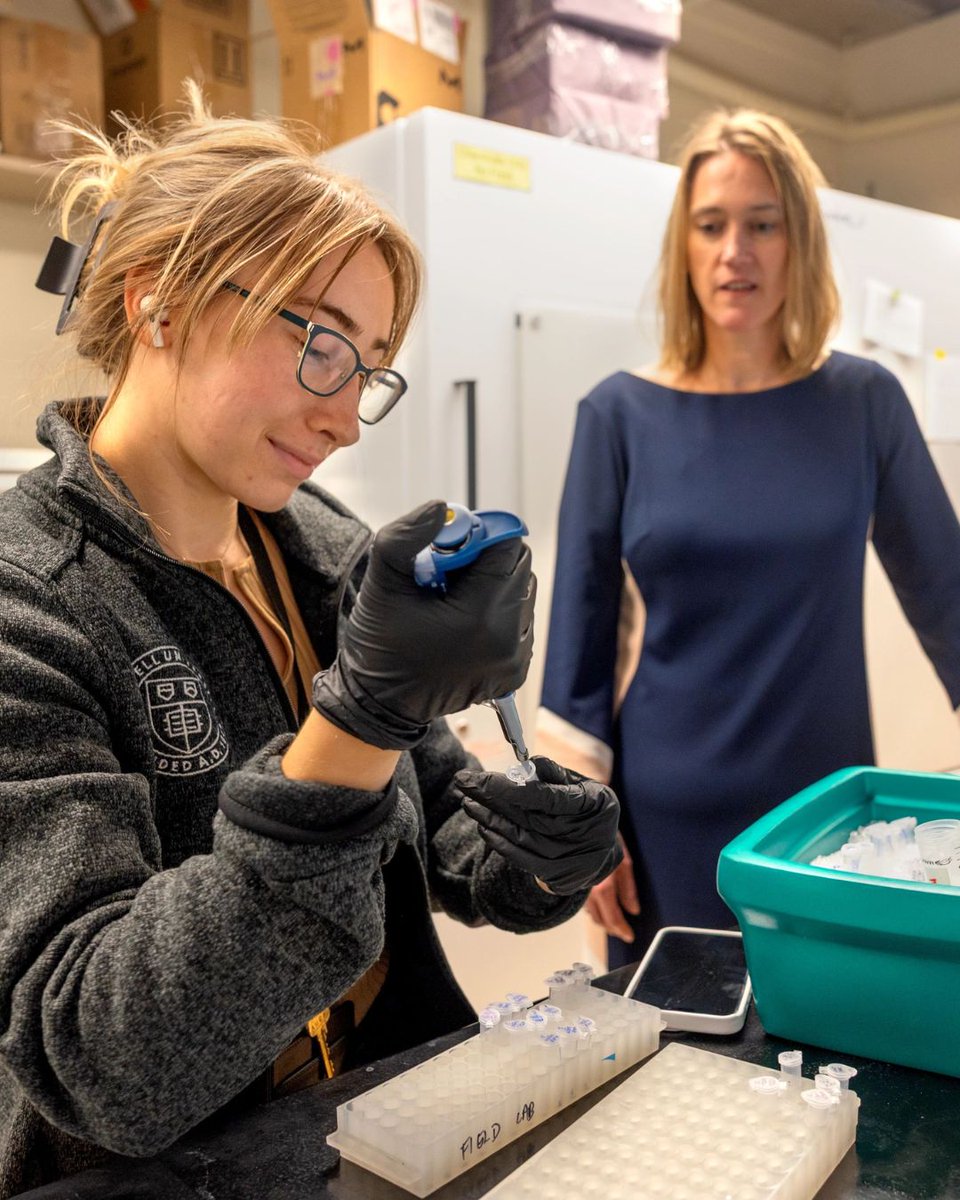
Federal funding has resumed for several @Cornell projects, including a pediatric heart pump, tick-borne disease diagnostics and military nutrition research. Teams are working to recover lost time so innovations can reach communities sooner. Read more: bit.ly/3MwetVu
Cornell Research & Innovation tweet mediaCornell Research & Innovation tweet mediaCornell Research & Innovation tweet media
English
1
4
8
470
CLASSE (Cornell Lab for Accelerator Sciences & Ed) retweetledi
Cornell Research & Innovation
Cornell Research & Innovation@CornellRsrch·
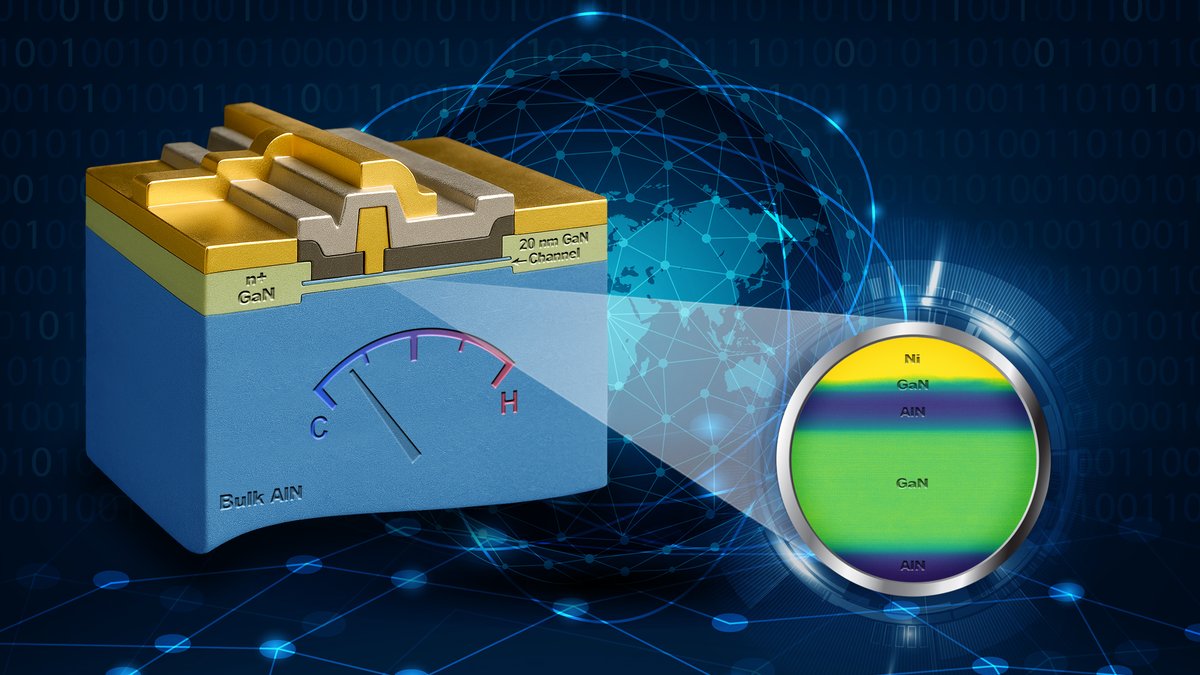
@Cornell researchers built a new aluminum nitride transistor that could boost 5G, 6G and radar performance while reducing reliance on gallium, a material mostly produced abroad. Using far less gallium strengthens U.S. supply security Read more: bit.ly/4azAxZ9
Cornell Research & Innovation tweet media
English
1
7
14
1.5K
CLASSE (Cornell Lab for Accelerator Sciences & Ed) retweetledi
Cornell Research & Innovation
Cornell Research & Innovation@CornellRsrch·
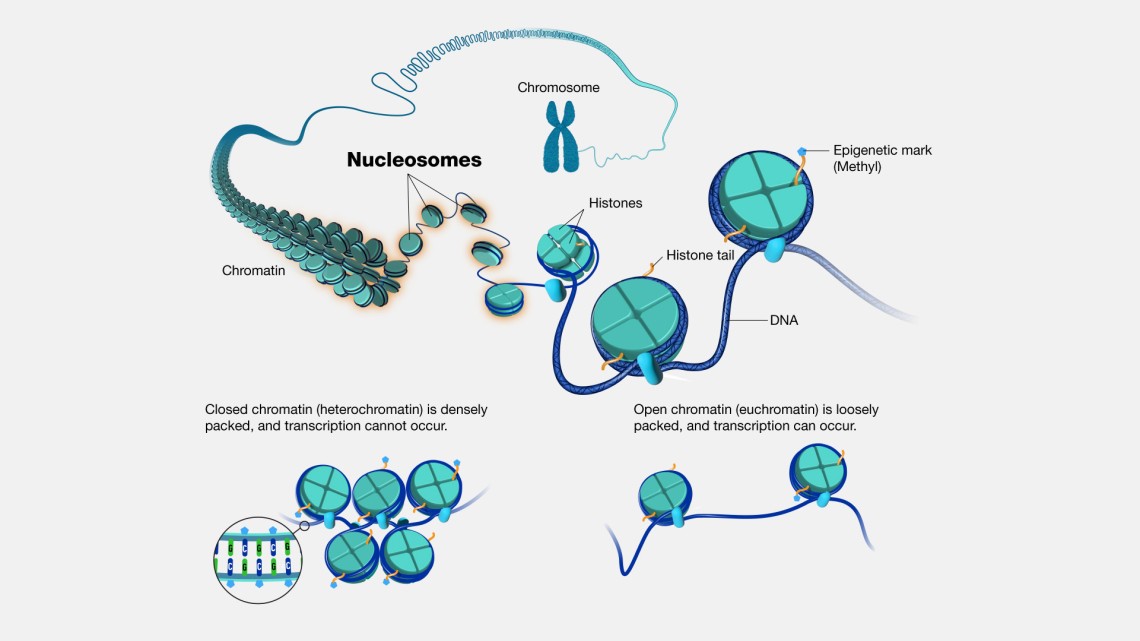
Using X-rays at @CHESS_user, Dr. Kushol Gupta @GuptaPenn and @PennMedicine scientists found that DNA’s building blocks can unfold under high pressure and spring back when pressure eases, offering new clues into genome stability and disease. Read more: bit.ly/48TkDbo
Cornell Research & Innovation tweet media
English
1
4
7
412
CLASSE (Cornell Lab for Accelerator Sciences & Ed) retweetledi
Cornell Research & Innovation
Cornell Research & Innovation@CornellRsrch·
20 tons. 48 hours. Micron precision. @CHESS_user just installed a new vacuum end station for the High Magnetic Field Beamline, paving the way for breakthroughs in quantum materials + superconductivity. X-rays are back online, and users return this week. @NSF @NIH @Cornell
English
1
3
7
323
CLASSE (Cornell Lab for Accelerator Sciences & Ed) retweetledi
Cornell University
Cornell University@Cornell·
The Fred Young Submillimeter Telescope (FYST), located in Chile’s Parque Astronómico Atacama, will advance our understanding of cosmology and astrophysics, addressing fundamental questions about the universe. FYST will detail star and galaxy formation from the earliest days of “cosmic dawn” through “cosmic noon,” when most of today’s stars were formed, providing insight on cosmic inflation and gravitational waves from the very first moments of the Big Bang, as well as offering clues about dark matter and dark energy. Named after Cornell alum Fred Young ’64, M.Eng. ’66, MBA ’66, the telescope is a Cornell-led project of CCAT Observatory, which is operated by a partnership of Cornell University, a consortium of German astronomical institutes (led by the University of Cologne), and a consortium of Canadian universities (led by the University of Waterloo) under an agreement with the University of Chile and under the auspices of Chile’s Ministry of Foreign Affairs.
English
0
9
15
2.1K
CLASSE (Cornell Lab for Accelerator Sciences & Ed) retweetledi
Cornell University
Cornell University@Cornell·
Since its founding in 1977, the Cornell NanoScale Science and Technology Facility has enabled scientists and engineers from academia and industry to conduct groundbreaking micro- and nanoscale research. In September, a five-year $7.5 million grant through the NSF-supported National Nanotechnology Coordinated Infrastructure (NNCI) network ended. The future of this funding remains unclear. Read more at news.cornell.edu/stories/2025/0….
English
0
6
22
2.2K