
Cornell CALS

21.1K posts

Cornell CALS banner
Cornell CALS

Cornell CALS

@CornellCALS

Life. Changing. We are the College of Agriculture and Life Sciences. We tackle the complex challenges of our time through purpose-driven science. #CornellCALS

Ithaca, NY Katılım Mart 2010
1.3K Takip Edilen18.8K Takipçiler
Cornell CALS
Cornell CALS@CornellCALS·
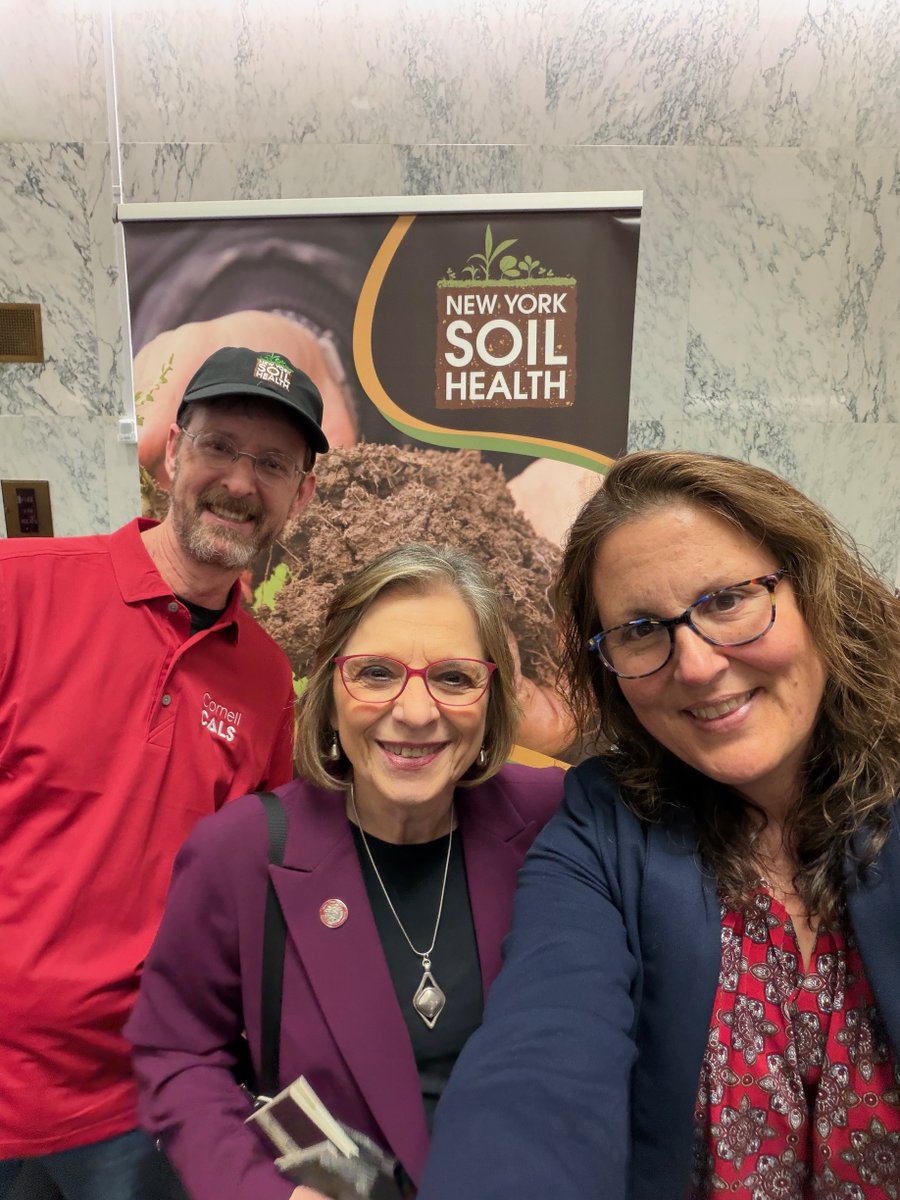
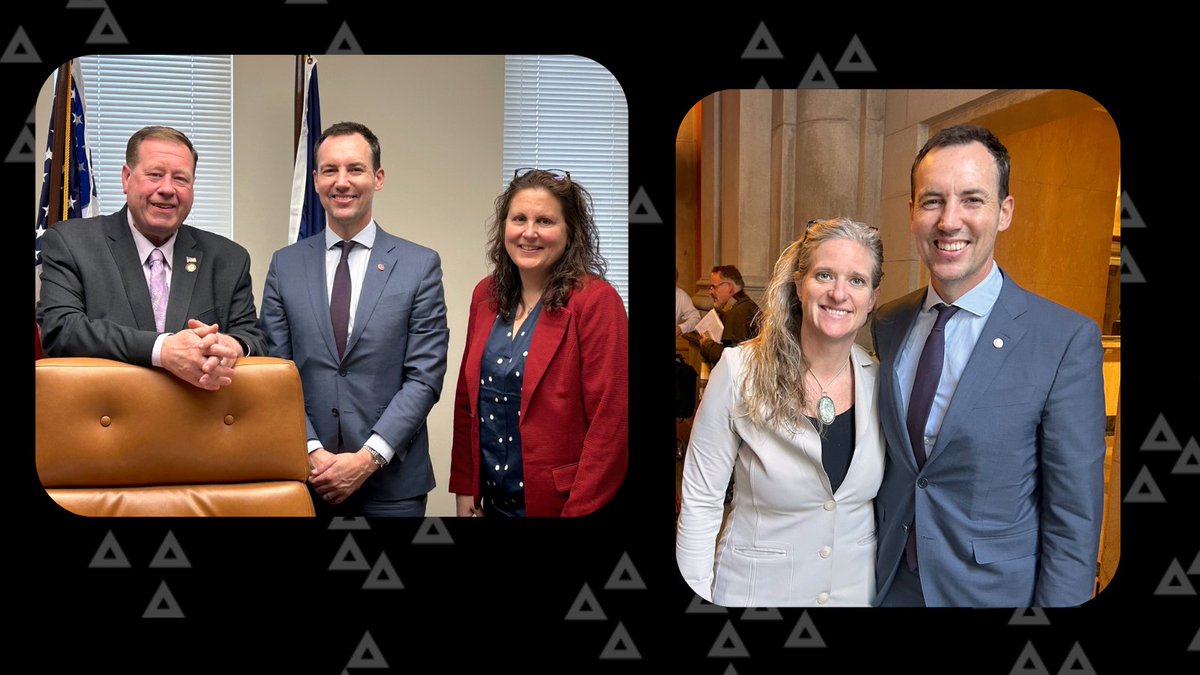
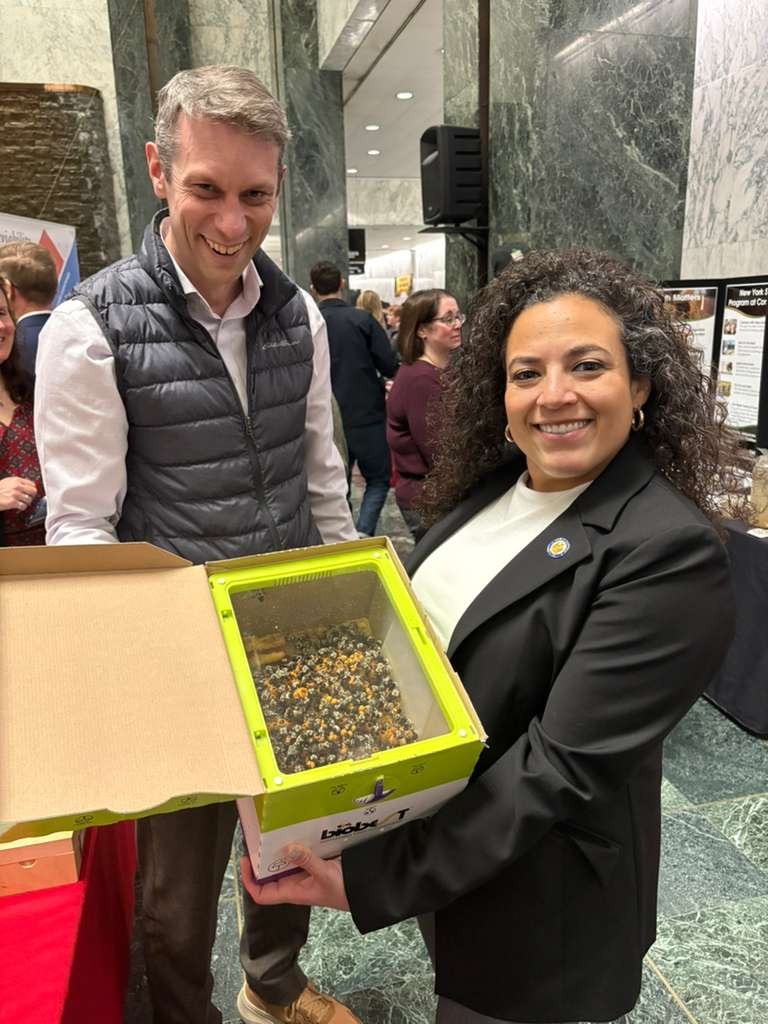
CALS was proud to showcase support for rural communities across NY at the Rural Resources Fair in Albany yesterday. From soil health to pollinator research, our work was on display. Thanks to @senfernandez34, Assemblywoman @DonnaLupardo and all who stopped by.
Cornell CALS tweet mediaCornell CALS tweet mediaCornell CALS tweet media
English
0
0
4
194
Cornell CALS
Cornell CALS@CornellCALS·
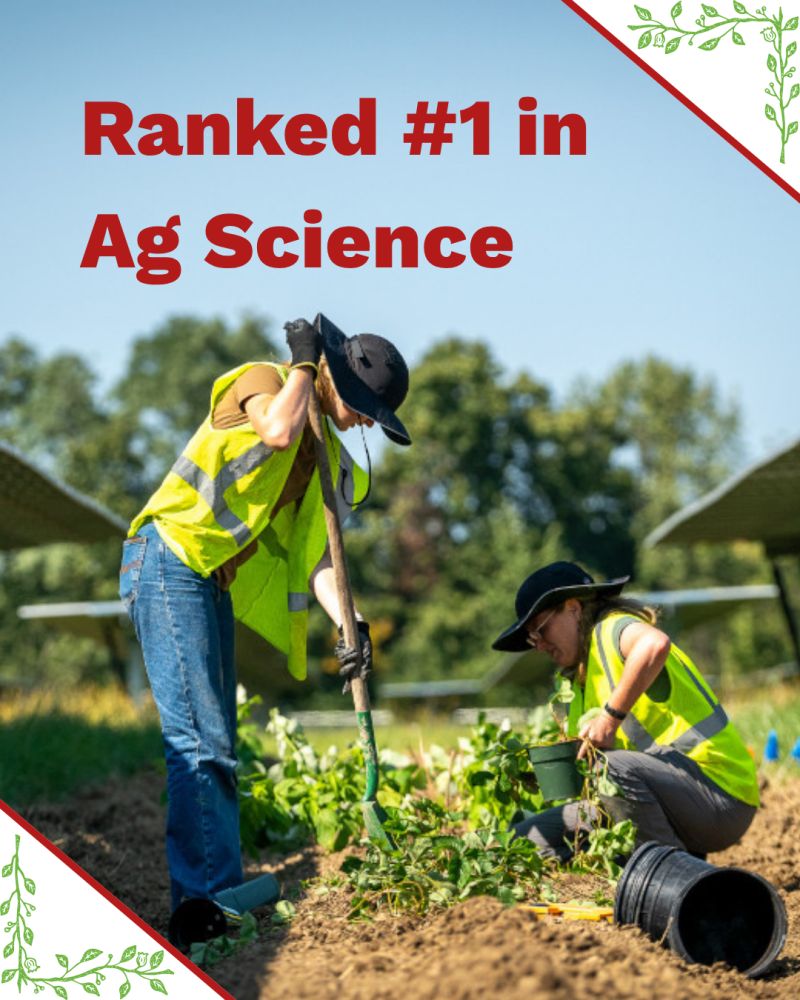
Happy National Ag Day from CALS, ranked among the top ag programs globally with multiple number one U.S. placements across major rankings. We are grateful for the CALS community and the many farm and food producers across New York and beyond who push us to the top in ag!
Cornell CALS tweet media
English
0
3
9
248
Cornell CALS
Cornell CALS@CornellCALS·
Thank you @RepRileyNY for introducing the NSF Plant Biology Act to support critical food systems research. At CALS, NSF funding drives fundamental plant and microbial biology science that benefits food and agriculture producers. congress.gov/bill/119th-con…
Cornell CALS tweet media
English
0
3
9
3.2K
Cornell CALS retweetledi
Cornell Atkinson Center for Sustainability
Farmers today face growing risks—from climate change & extreme weather to volatile markets & rising costs. Meeting these challenges requires stronger connections between research, finance & the ag sector. Learn how we work w/ partners to make an impact: news.cornell.edu/stories/2026/0…
English
1
4
6
1.2K
Cornell CALS retweetledi
Cornell AgriTech
Cornell AgriTech@CornellAgriTech·
Monarch butterflies are disappearing, but new @Cornell research offers hope. Scientists studied 28 native wildflower species and found ways to boost seed germination, helping restore critical habitat for monarchs and other pollinators. 🦋🌼 🔗 cals.cornell.edu/news/2026/02/r…
English
0
3
8
1.4K
Cornell CALS
Cornell CALS@CornellCALS·
New York Attorney General Letitia James has directed $1.1 million to support the new Cornell College of Agriculture and Life Sciences New York Soil Health Climate Smart Agriculture Fund, aimed at working with farmers to promote healthy soils. news.cornell.edu/stories/2026/0…
English
0
1
6
307
Cornell CALS retweetledi
Cornell University
Cornell University@Cornell·
‘Unprecedented’ emissions maps will hone mitigation 🗺️ To lower agricultural emissions, policymakers and communities first need to pinpoint the sources. Not just by country but crop by crop, field by field. In other words, they need maps. Detailed maps. In a study published Feb. 13 in Nature Climate Change, researchers have synthesized data from multiple ground sources and models to map global cropland emissions at high resolution – down to about 10 kilometers – while breaking down emissions by crop and source and identifying regions for more precise mitigation. “This is an absolute global synthesis of all the information you need, by country, by production system, for calculating greenhouse gas emissions – it’s been a significant undertaking,” said senior author Mario Herrero, the Nancy and Peter Meinig Family Investigator in the Life Sciences and professor of global development in @CornellCALS. “This enormous update will now be used by all sorts of groups for targeting and understanding much better the emissions sources and developing precision mitigation strategies to address them.” The study was funded by @AtkinsonCenter and the Land & Carbon Lab, a collaboration led by World Resources Institute and Bezos Earth Fund.
Cornell University tweet media
English
1
15
42
3.7K
Cornell CALS retweetledi
Cornell University
Cornell University@Cornell·
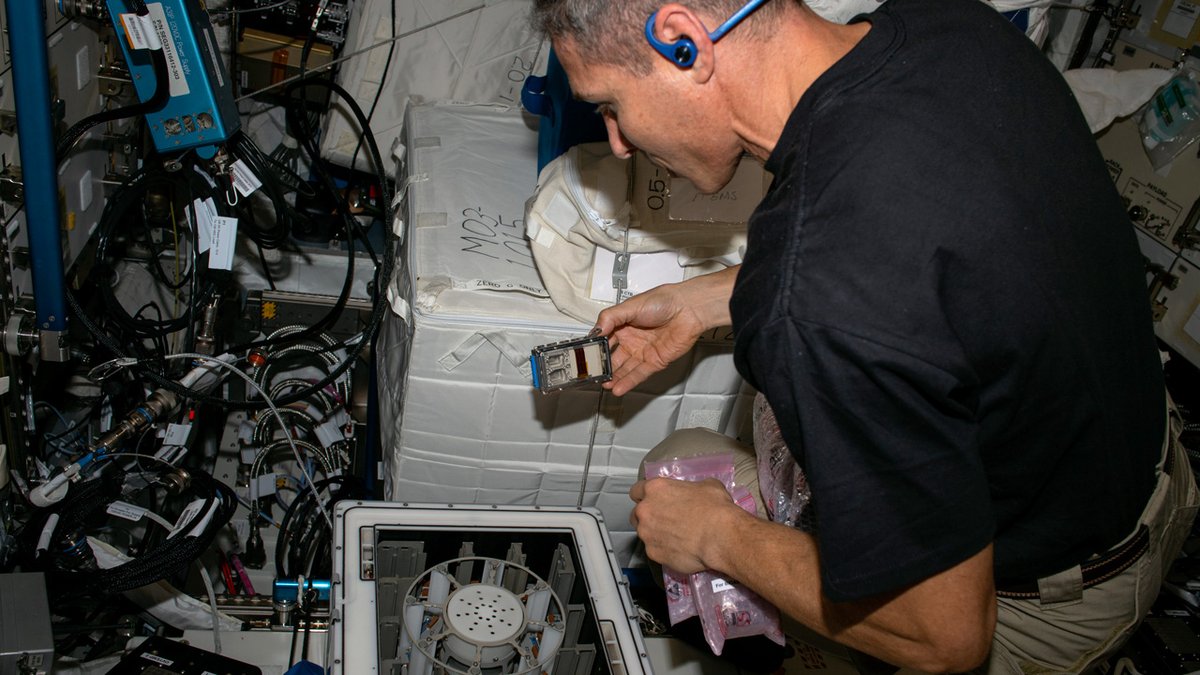
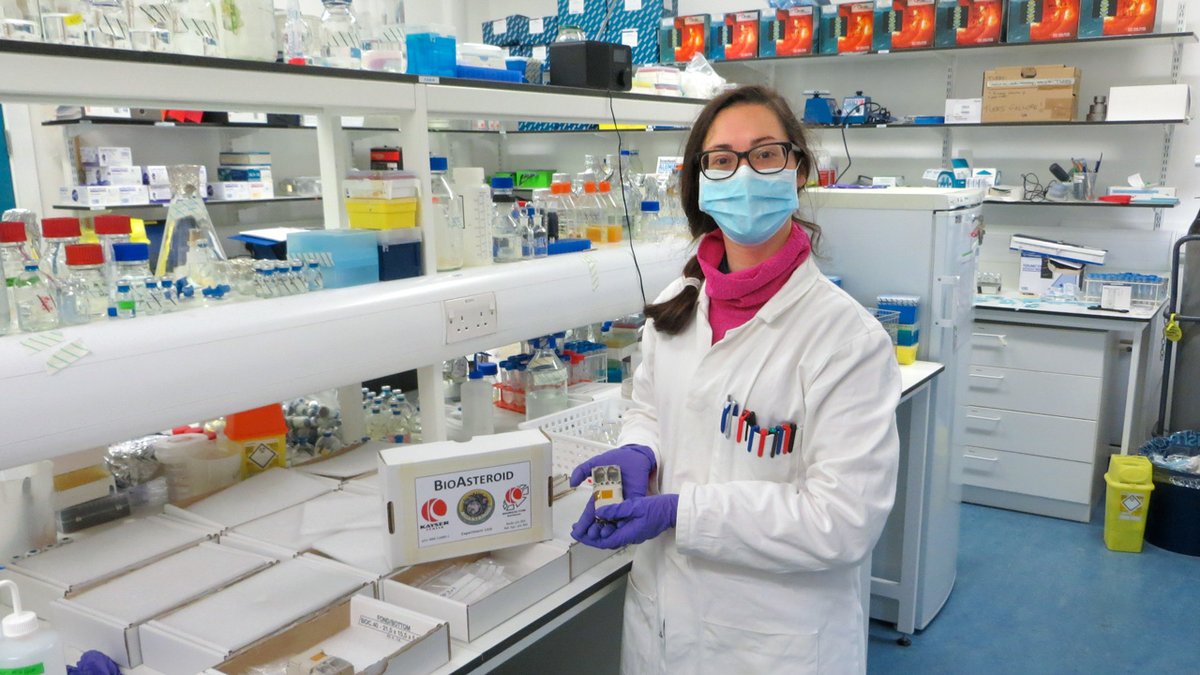
If humankind is to explore deep space, one small passenger should not be left behind: microbes. In fact, it would be impossible to leave them behind, since they live on and in our bodies, surfaces and food. Learning how they react to space conditions is critical, but they could also be invaluable fellows in our endeavor to explore space. Microorganisms such as bacteria and fungi can harvest crucial minerals from rocks and could provide a sustainable alternative to transporting much-needed resources from Earth. Researchers from @CornellCALS and the University of Edinburgh collaborated to study how those microbes extract platinum group elements from a meteorite in microgravity, with an experiment conducted aboard the International Space Station. They found that “biomining” fungi are particularly adept at extracting the valuable metal palladium, while removing the fungus resulted in a negative effect on nonbiological leaching in microgravity. Read more at news.cornell.edu/stories/2026/0….
Cornell University tweet mediaCornell University tweet media
English
1
8
38
2.1K
Cornell CALS
Cornell CALS@CornellCALS·
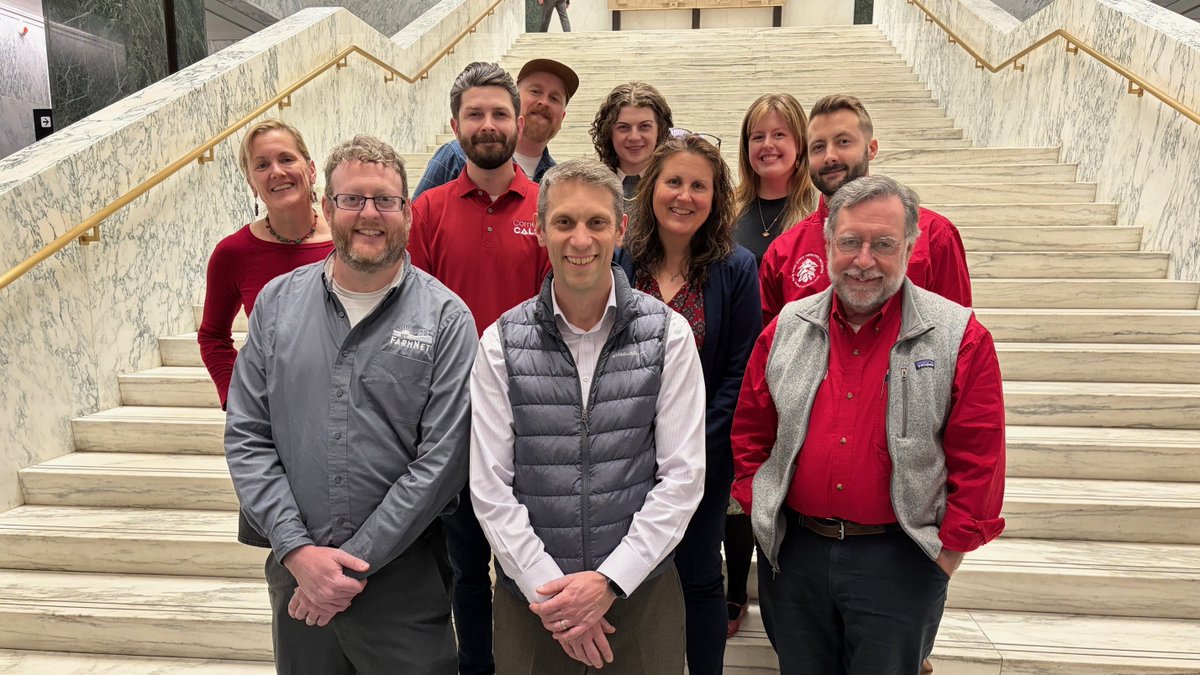
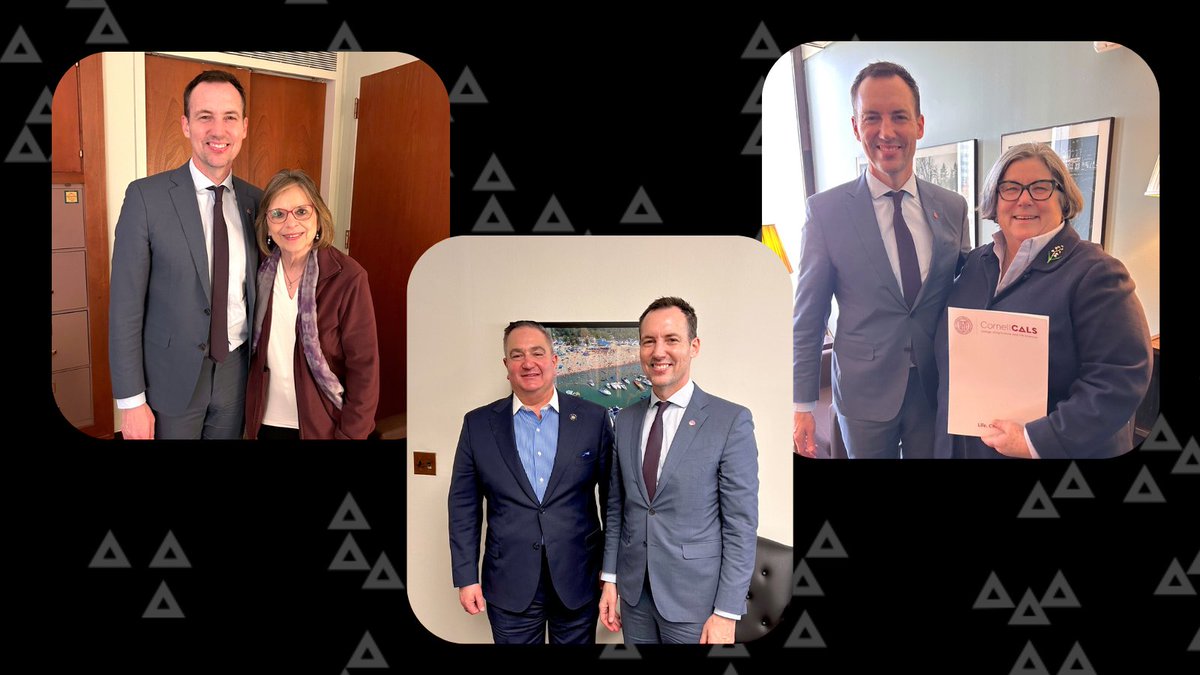
CALS had a great day in Albany engaging with state leaders on our land-grant mission, discussing strengthening student access, future-focused opps for rural to urban communities, and needed investment in farm research infrastructure serving NYS from Long Island to Western NY.
Cornell CALS tweet mediaCornell CALS tweet mediaCornell CALS tweet media
English
1
0
5
1.8K
Cornell CALS retweetledi
Cornell University
Cornell University@Cornell·
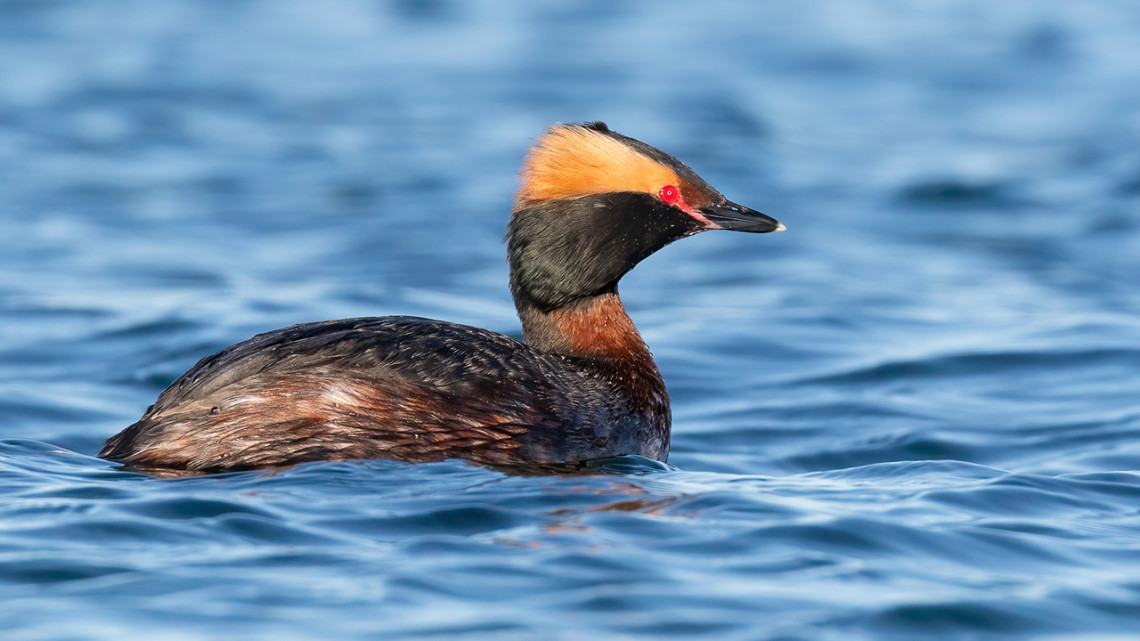
Solar panels on bodies of water in the northeastern U.S. might generate renewable energy but could also carry risks for birds, especially water birds. Now, a new study funded by the Cornell Lab of Ornithology and the @AtkinsonCenter provides a data-informed approach to siting floating solar that could protect water birds and others, without sacrificing the potential for energy generation. “Based on our findings, it could be possible to reduce risk to birds via ecologically informed siting, and that might not instill a reduction in energy production,” said Steven Grodsky, assistant professor of natural resources and the environment in @CornellCALS. “This study is the best available science to understand potential interactions, and it can point us towards areas of synergy or conflict, areas where we might want to focus for field studies or conservation.” More at news.cornell.edu/stories/2026/0….
Cornell University tweet media
English
1
6
23
1.9K
Cornell CALS retweetledi