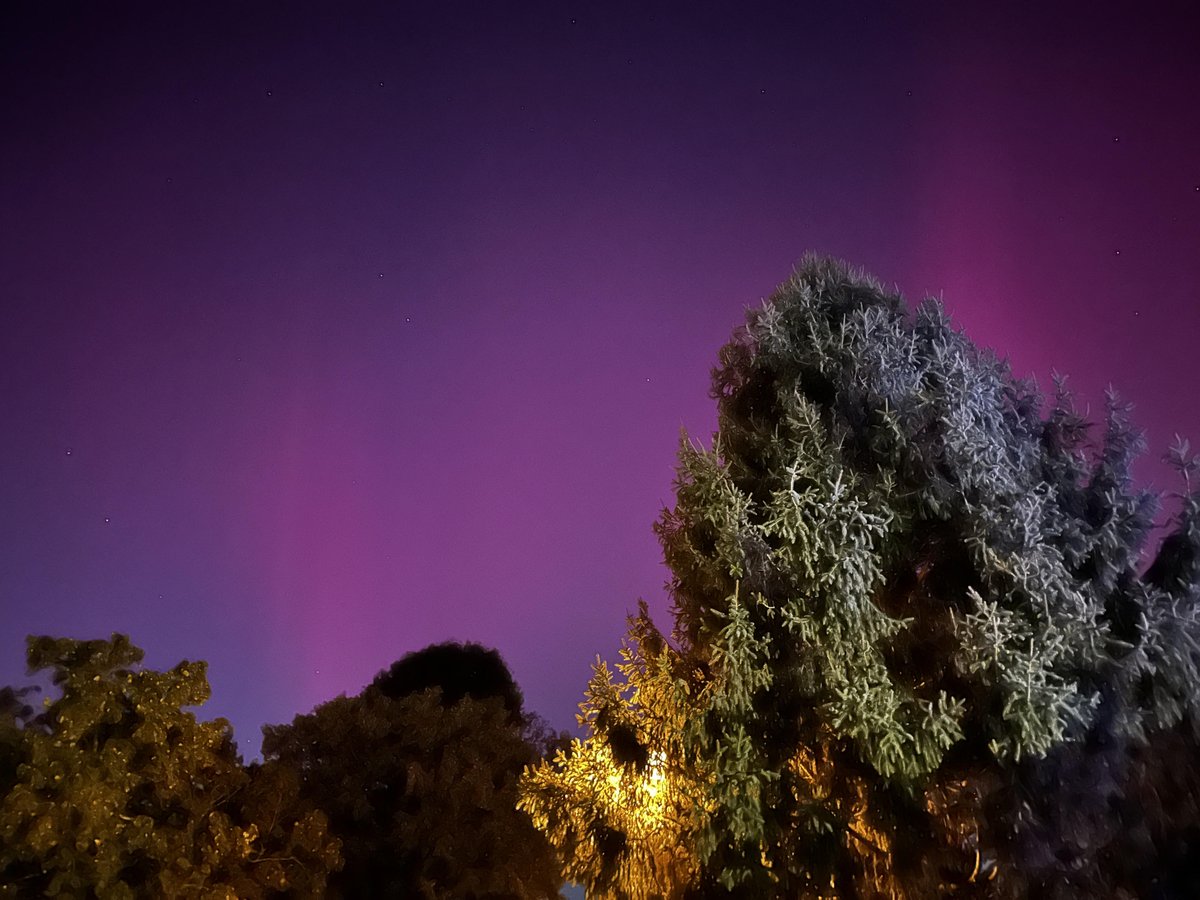
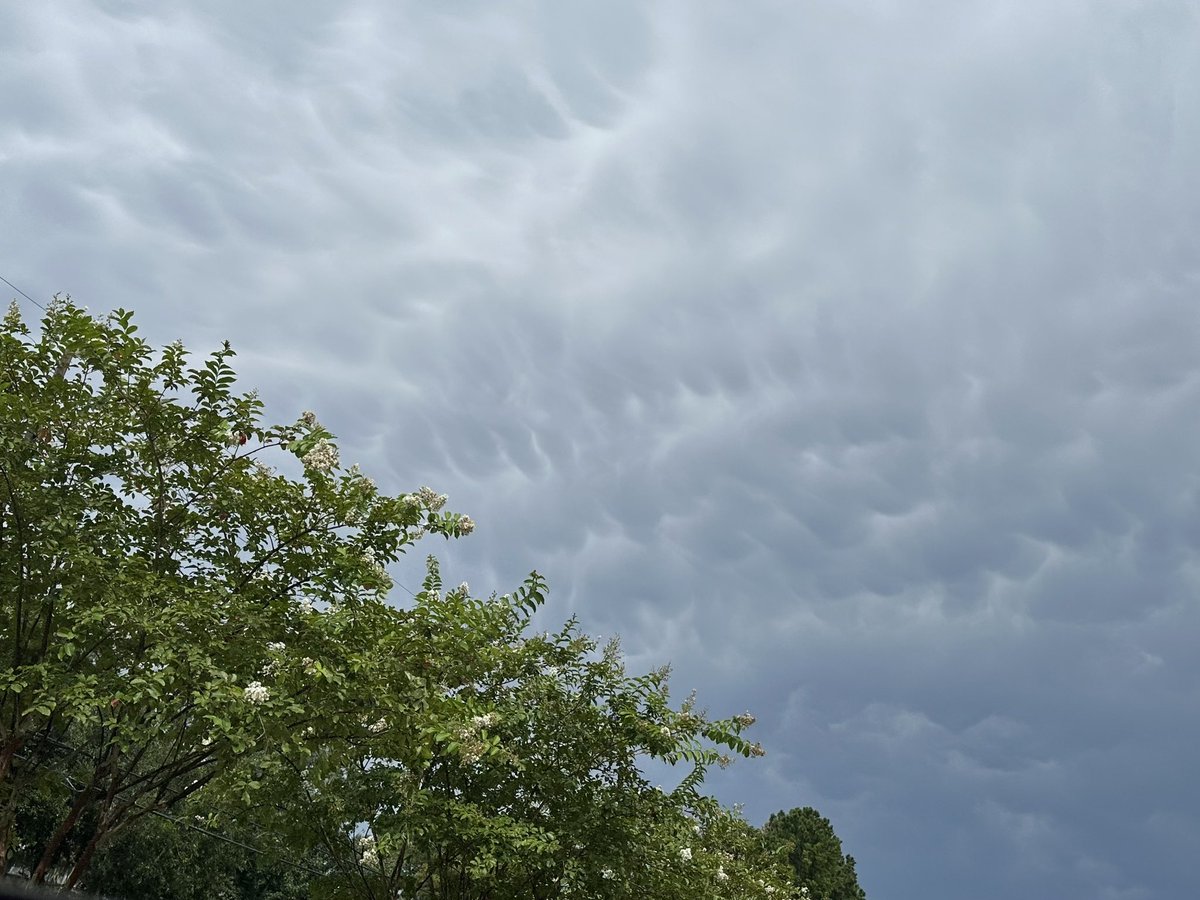
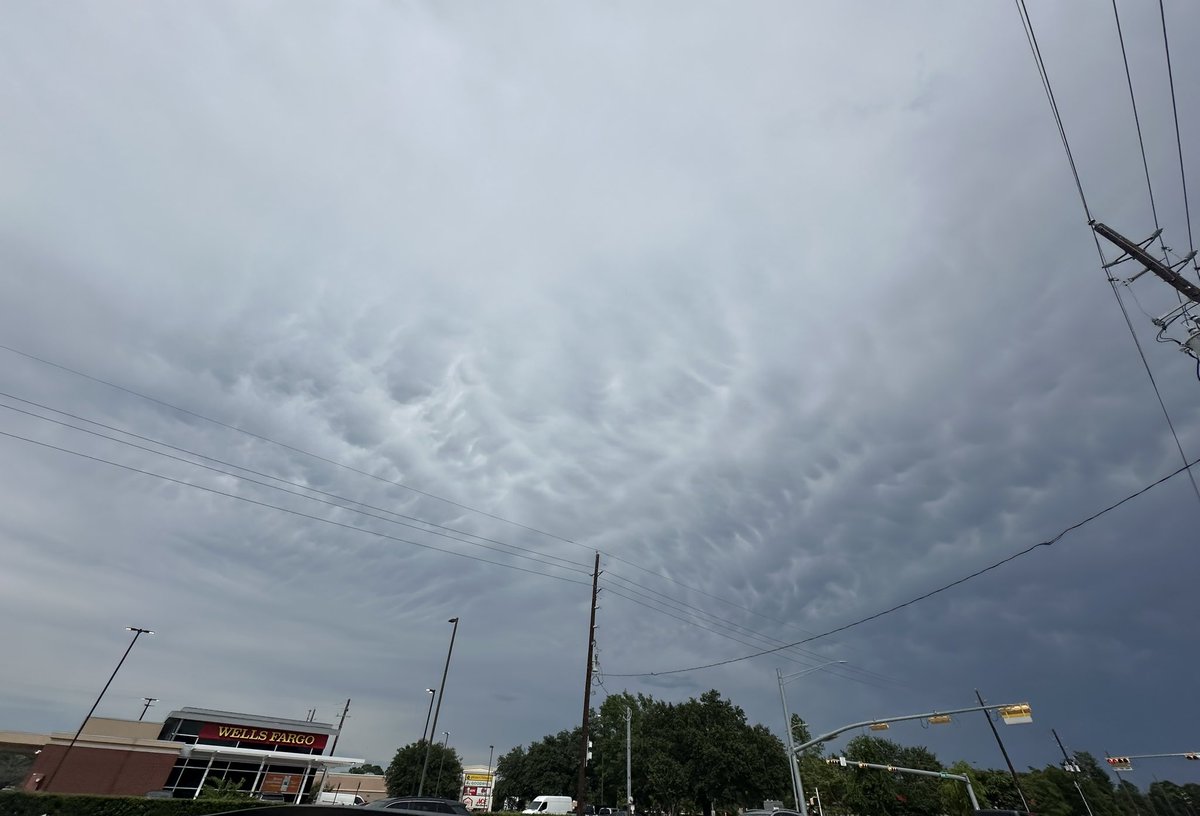
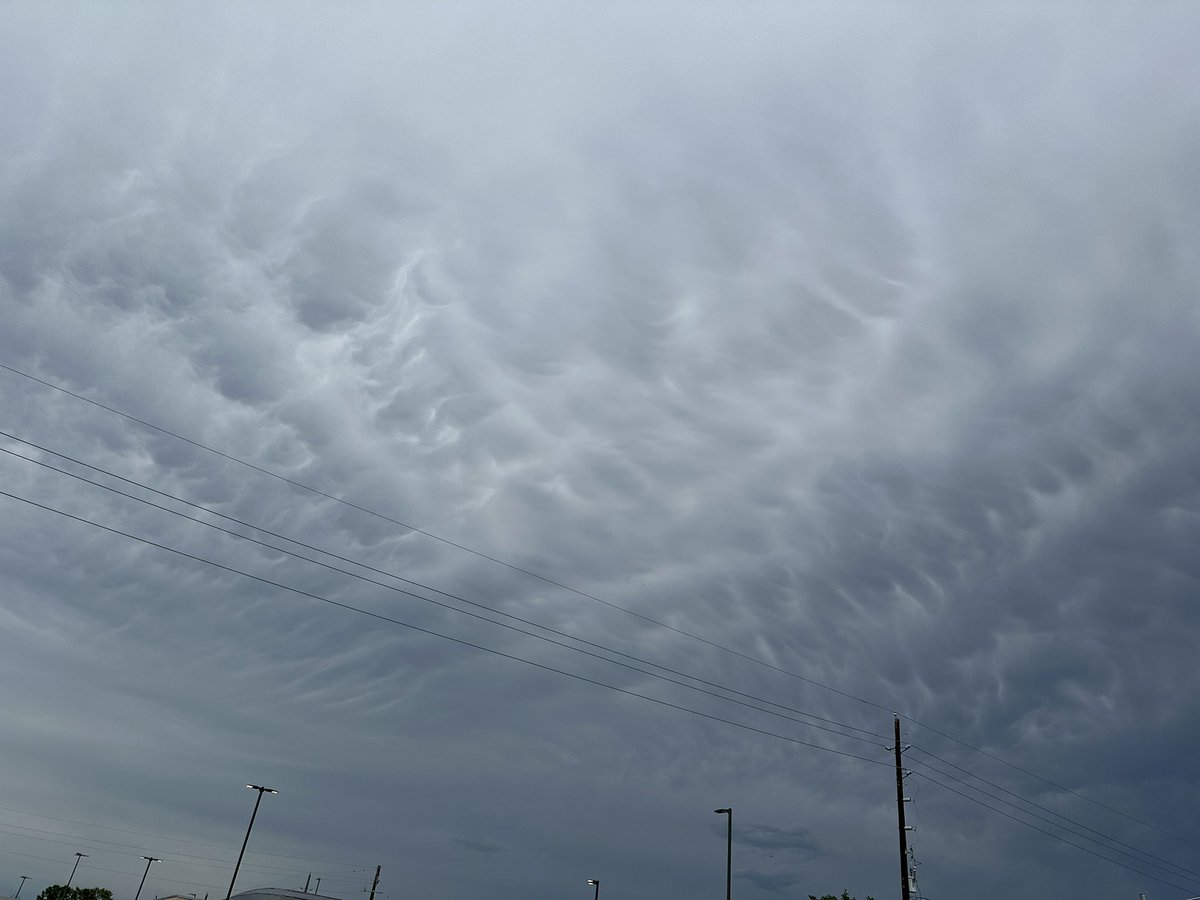
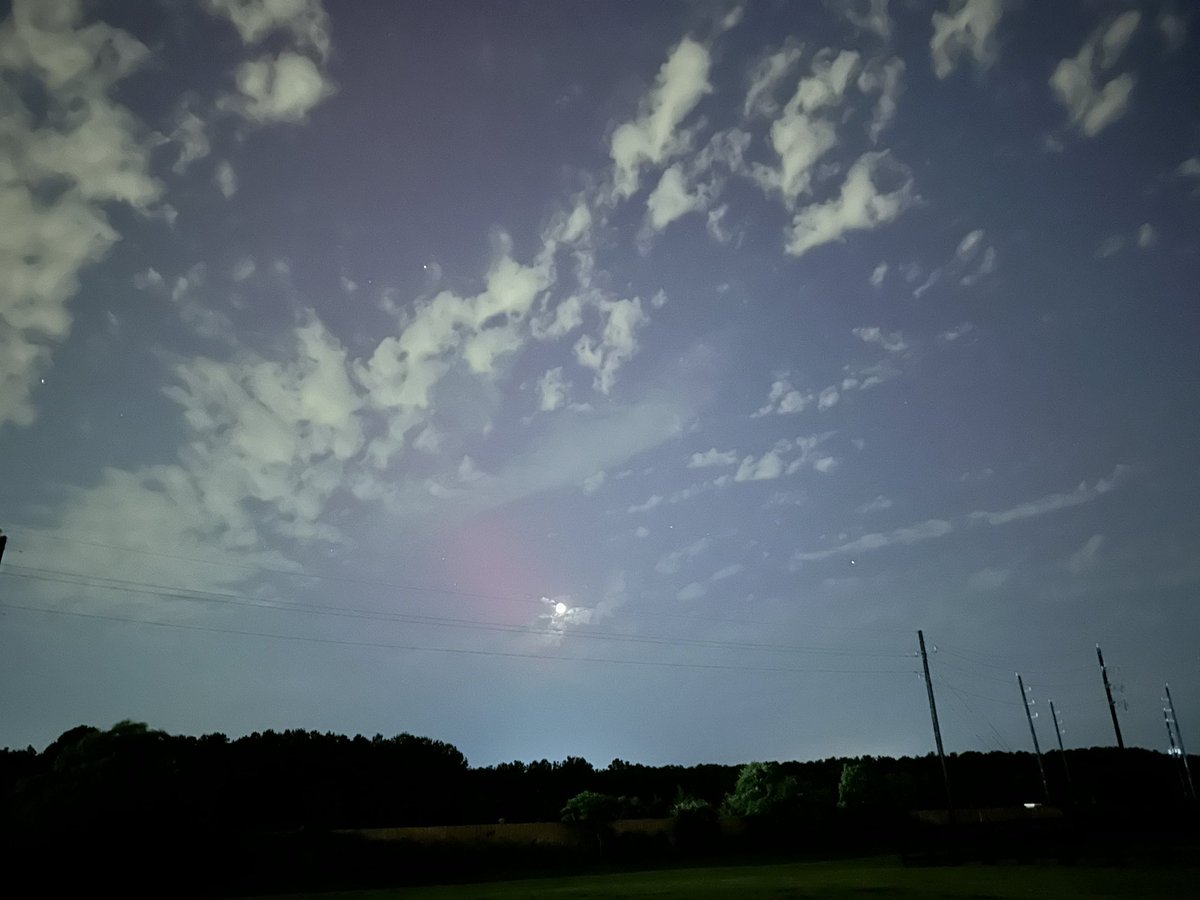
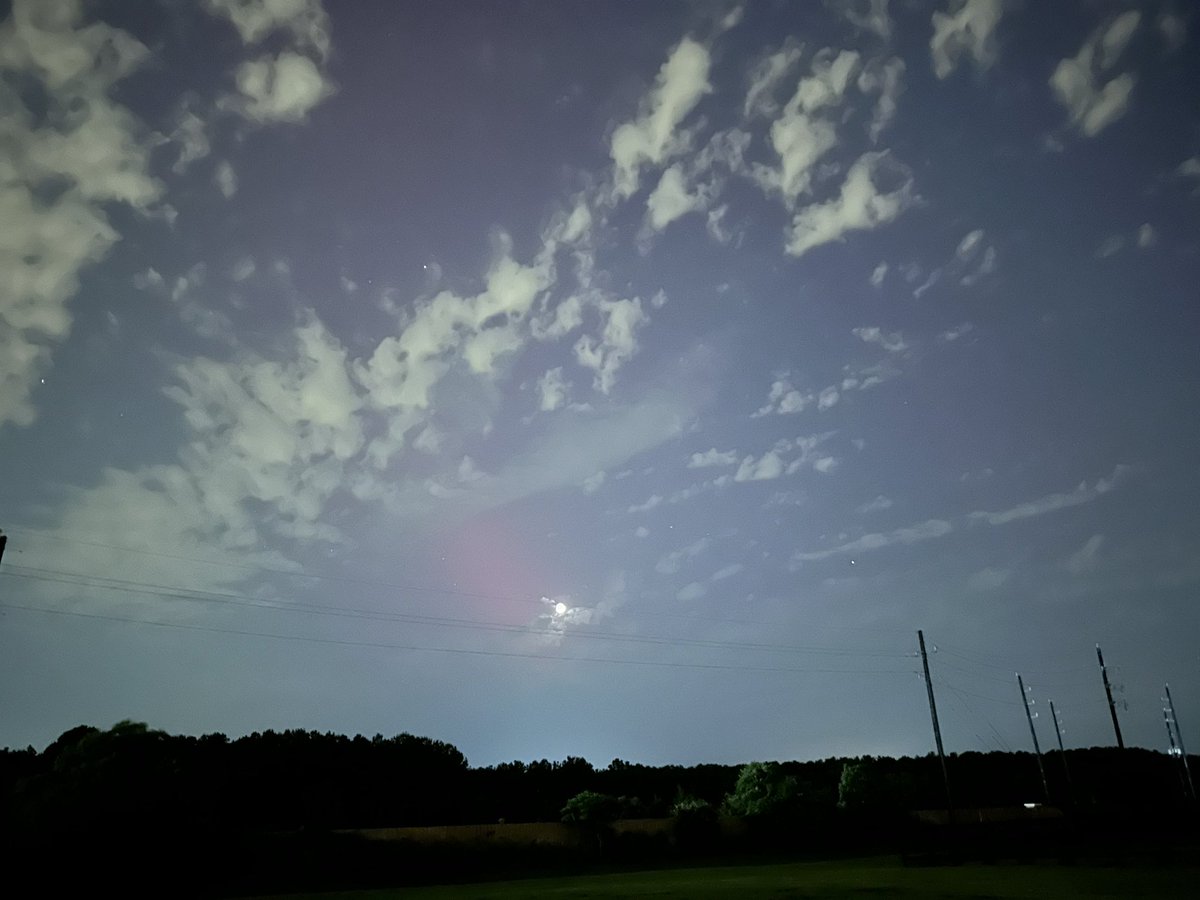
Did you see the auroras?
Another map case study is being done! Post in the comments a picture you’d like to use, a location AND A TIMESTAMP.
Congratulations everyone!
TONIGHT: In some lighter news to share, a G4 geomagnetic storm is impacting Earth starting NOW. Almost as visible as the massive solar storm earlier in the year. From 10PM to 4AM in your local time zone, aurora and northern lights visible with a camera in the yellow, and visible, to possibly HIGHLY visible and vibrant in the red shaded areas!
Go outside, ideally away from central portions of Houston and look north after dark tonight, and bring your phone and take pictures! You may be able to see the northern lights! We have links to tips for using your phone camera: spacecityweather.com/tonight-may-of…
We’re back, baby!
Our Voyager 1 spacecraft is conducting normal science operations for the first time since November 2023. All four instruments – which study plasma waves, magnetic fields, and particles – are returning usable science data.
go.nasa.gov/3RofgY7
Aurora chasing MEGA THREAD! How to catch the aurora tonight. In case you haven't heard, this is the strongest geomagnetic storm we have seen in over 20 years. Auroras are currently being seen in places as far south as India, Portugal, and the Bahamas.
If you live in Canada, the contiguous United States, or even northern Mexico, you have a chance of seeing aurora tonight. All U.S. states are in play. Here's how to do it.
1. Since we know the geomagnetic storm is strong NOW, aurora will be visible RIGHT AFTER SUNSET! Get in position early and look to the north/northeast when it gets dark.
2. Find a dark place away from city lights with a clear view of the northern horizon. Usually, you only need to get 30 minutes from the outskirts of your city. Find a bortle <5 sky on this chart: lightpollutionmap.info
3. Find a clear place. Aurora occurs above clouds. You need to find a place to watch the aurora without clouds. High clouds/wispy cirrus might be okay, but the clearer, the better. I use windy.com to monitor cloud coverage.
4. Make a report of what you are seeing! Tag me or other space weather enthusiasts. Go to aurorasaurus.org and make a report with a photo if you can! This helps science and will help researchers piece together this historic aurora event!
5. Stay safe! Bring a friend. Bring water, food, warm clothes, a flashlight/headlamp, and tell people where you are going. Often times, aurora chasing leads you to places you haven't been before. Download offline maps (Google Maps can do this) so you don't get lost.
6. Observe proper aurora chaser "etiquette." Try to turn off your high beams when passing roadside pullouts. Do not blast loud music or talk loudly when you are around strangers looking at the lights. It's an emotional experience for many people, so if you can't hold it in, that's fine, but just be respectful! If you can, use red lights instead of white lights. This will preserve your night vision and the night vision of those around you.
7. Know what you are seeing. Is it aurora? Take a test shot with your phone and try and find some color. Many of the shots you see on social media reporting auroras from low latitudes were taken with a cell phone. That's all you need... cell phones can pick up colors where our eyes can't. The aurora often looks like a pale green/pink glow to the north. Cameras reveal their full glory.
8. Have fun!
Don't miss out on the CFISD Prom Boutique—it's open every Tuesday and Thursday through May 16, behind Andre' Elementary in the portable. CFISD seniors can score some amazing prom outfits for free. Want all the details? Check out this video to catch the #CFISDspirit! @CFISDAndre