
Give Crieff A Chance
1.1K posts

Give Crieff A Chance
@CrieffTownClock
Supporters & promoters of Crieff's Town Clock the Heart o' the High Street & Tick o' the Town for the benefit of all residents of and the visitors to Crieff
Crieff, Scotland Katılım Mart 2016
294 Takip Edilen228 Takipçiler
Give Crieff A Chance retweetledi
The Scotswoman Who Started The War That Killed A King!
There's a statue of a stool in Edinburgh's St Giles that started a war that would kill a King.
In 1637, King Charles I wanted Scotland to follow the Anglican faith, where he could be in charge just like in England.
English
Give Crieff A Chance retweetledi

Give Crieff A Chance retweetledi

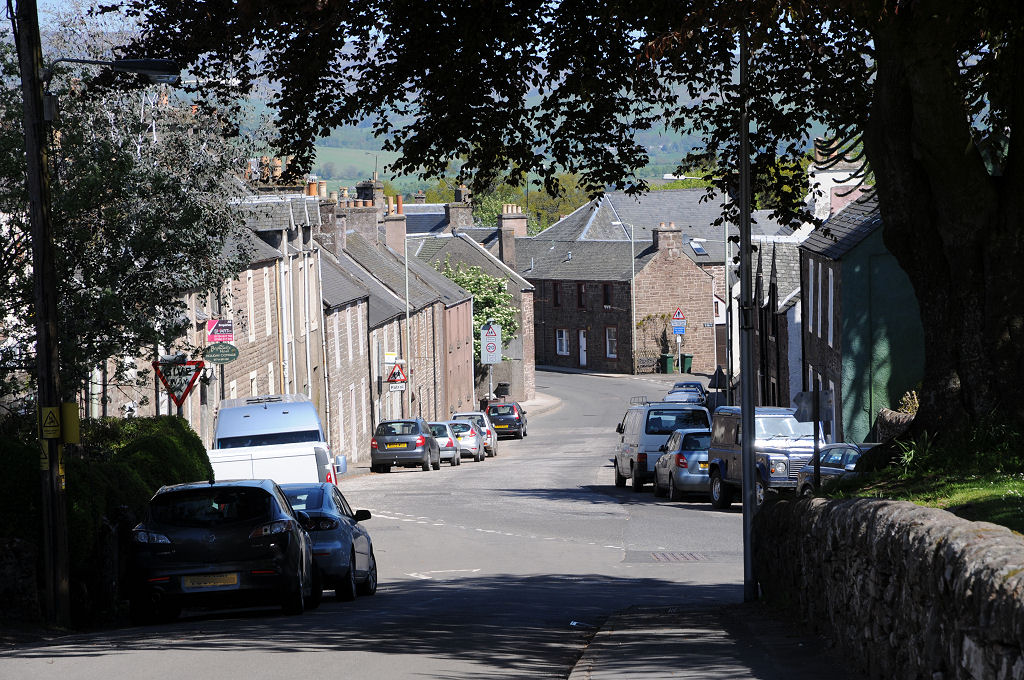
The village of Muthill, three miles south of Crieff in Perthshire. It was founded by Céli Dé or Culdee monks who established a community here in the 1100s. More pics and info: undiscoveredscotland.co.uk/muthill/muthil…
English
Give Crieff A Chance retweetledi

United in grief ❤️
Crans-Montana and the entire skiing community paid tribute “to all the victims, to those who assist, help, and provide care” forming a heart with their skis
A beautiful message at a moment of unparalleled tragedy for this mountain community in Switzerland
English
Give Crieff A Chance retweetledi

Give Crieff A Chance retweetledi

Give Crieff A Chance retweetledi
Give Crieff A Chance retweetledi
Give Crieff A Chance retweetledi

That's much better and what a gorgeous 🎄
Merry #Christmas & A Happy New Year. 🎅
Peace & Love Fae #Crieff 🕊️ 😍


English
Give Crieff A Chance retweetledi



Give Crieff A Chance retweetledi
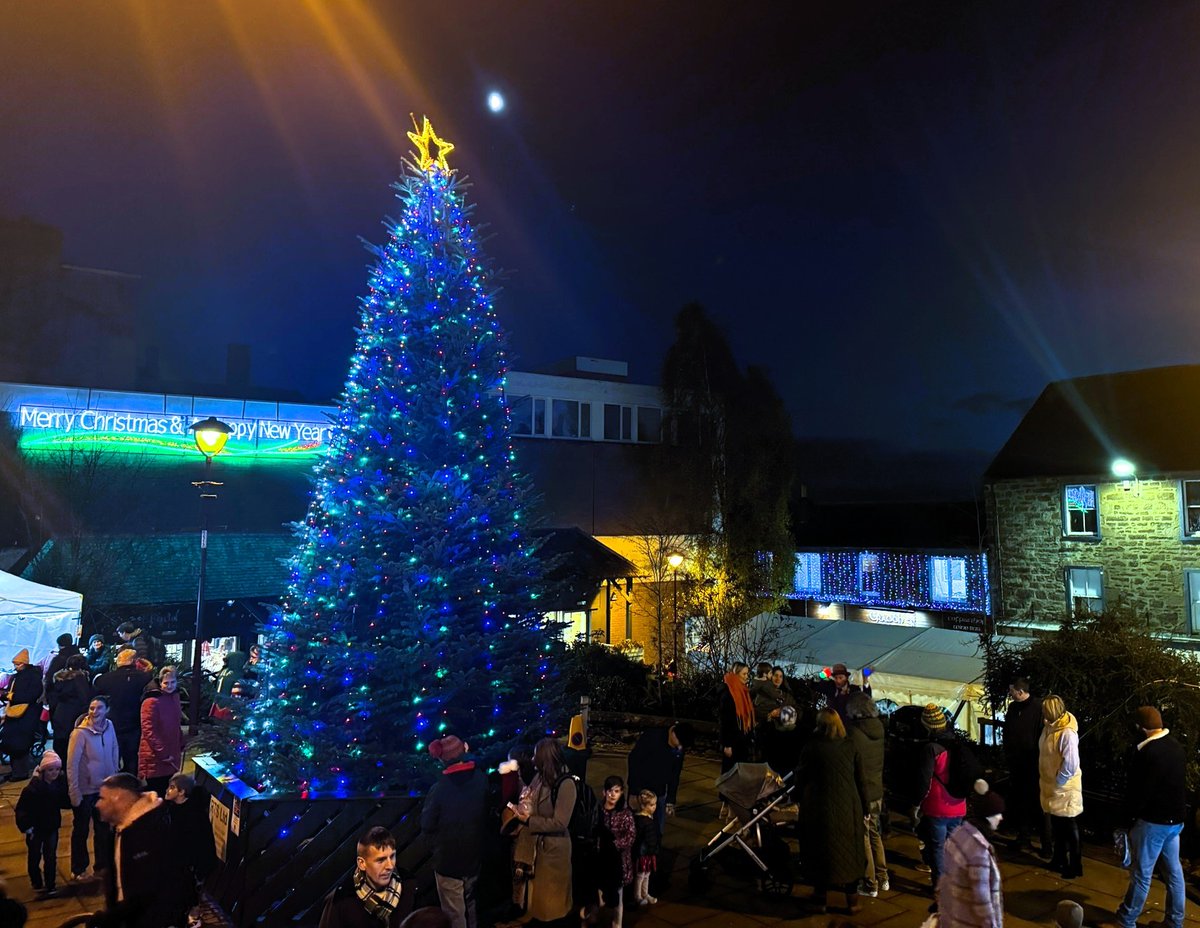
Not long now till the big #Crieff Switch-ON! Thank you to all our volunteers, sponsors, entertainers and everyone who attends our annual event. 🫡
If anyone can #Volunteer a few hours to our group here and there, we'd love to hear from you ♥️🙏


English
Give Crieff A Chance retweetledi

We're at the Morrison’s Academy annual Christmas Fayre today! Come and see us from 1pm-4pm at Morrison’s Academy, Crieff.
We'll be bringing with us our unique Scottish gifts and accessories, perfect for Christmas.
More details here ➡️ hubs.li/Q03W1vgh0

English
Enjoy yourselves @Crieff_at_Xmas Light switch on this afternoon!
Lots to do at James Square, up the High Street to @CrieffMuseum & further up to Santa’s Post Office in the Star Gardens.
Have a wonderful Christmas time
GIF
English
Scotland is behind you @ScotlandNT all the way!
It’s a long way to the top if ye wanna score goals! @acdc
Clown Down Under 🤡@clowndownunder
374 bagpipers set a world record in Melbourne, performing the iconic AC/DC anthem ‘It’s a Long Way to the Top’
English
@Crieff_at_Xmas @RTSForestry Beautiful trees. Norway spruce?
10/10 for effort & ethos 👍🍻
English
Give Crieff A Chance retweetledi
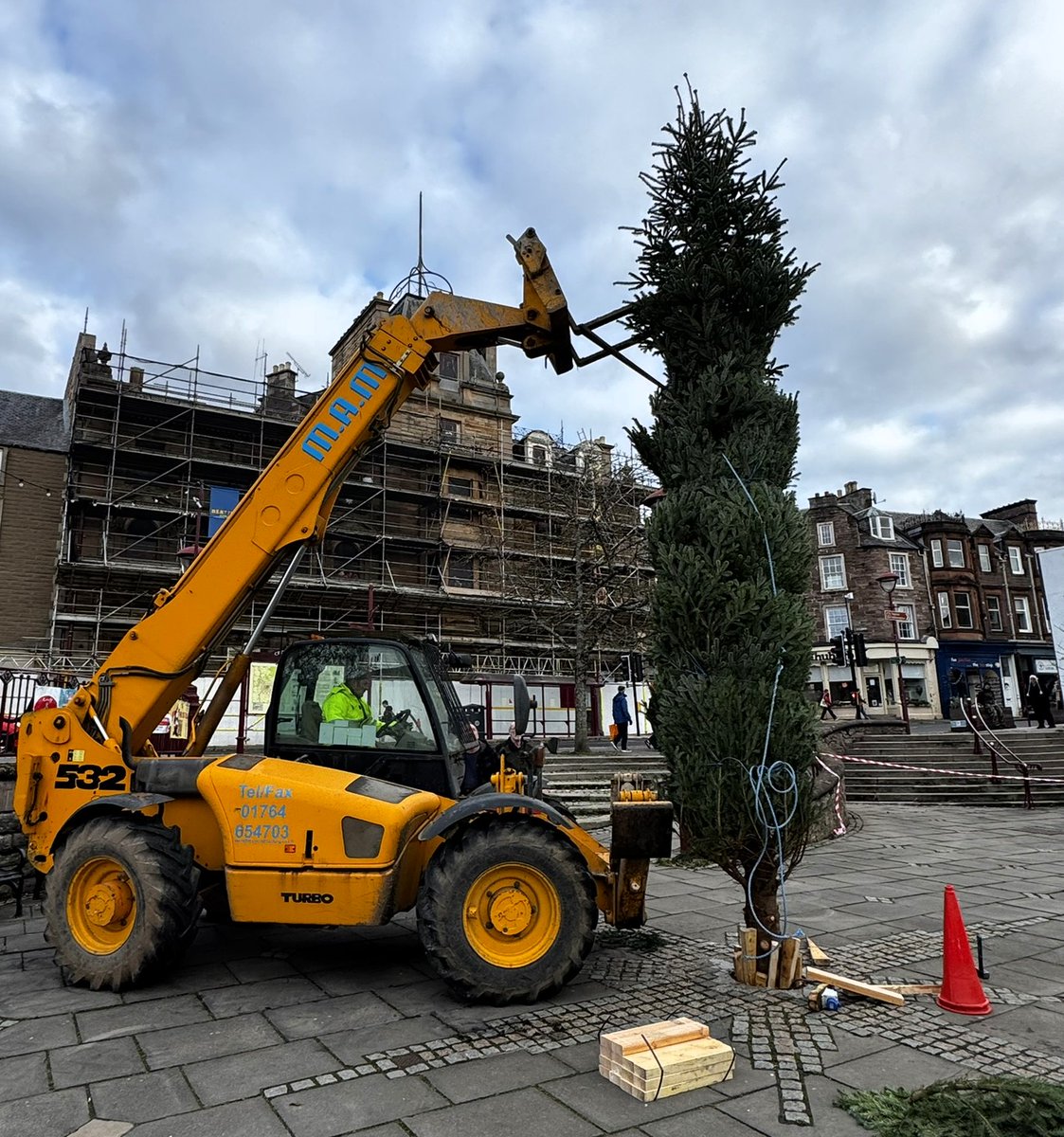
Today we were out volunteering to make #Crieff a brighter place to work, rest & play. 🎄Tree operations today along with our valued partners and sponsors @RTSForestry & #MAM Contracting, Count Accountants Crieff. Please rate our trees out of 10. Lights etc. to follow tomorrow. 🙏


English
Give Crieff A Chance retweetledi

Join me in Crieff for 2 events next week
Creative writing workshop on Thursday 20 November
The launch of my new novel, Barvick Falls on Sunday 23 November
robmcinroy.co.uk for more info
#WritingCommunity #HistoricalFiction #CrimeFiction #BookTwitter

English
Give Crieff A Chance retweetledi

15 years ago I petitioned the Scottish Parliament to have the Saltire flown permanently at Edinburgh Castle, which is legally owned by Scottish Ministers.
The Saltire is the oldest continuously flown national flag in the world.
Despite pushback from @HistEnvScot we got there!


English