
Crusadasaurus retweetledi
Crusadasaurus
353 posts


Crusadasaurus
@Crusadasaurus
America First 🇺🇲. Anti-Communist. Noticer. Stat Reader. Ave Christus Rex 🗿✝️
Katılım Kasım 2025
79 Takip Edilen11 Takipçiler


After being on the fence for a while on the subject, I've come to realize we clearly don't take the war on drugs seriously enough. This type of behavior should never be seen in a civilized society. It's not funny, it's debaucherous and disgusting.
Stoner Barbie@stonersvilla
English
Crusadasaurus retweetledi


Crusadasaurus retweetledi


Crusadasaurus retweetledi


English

English

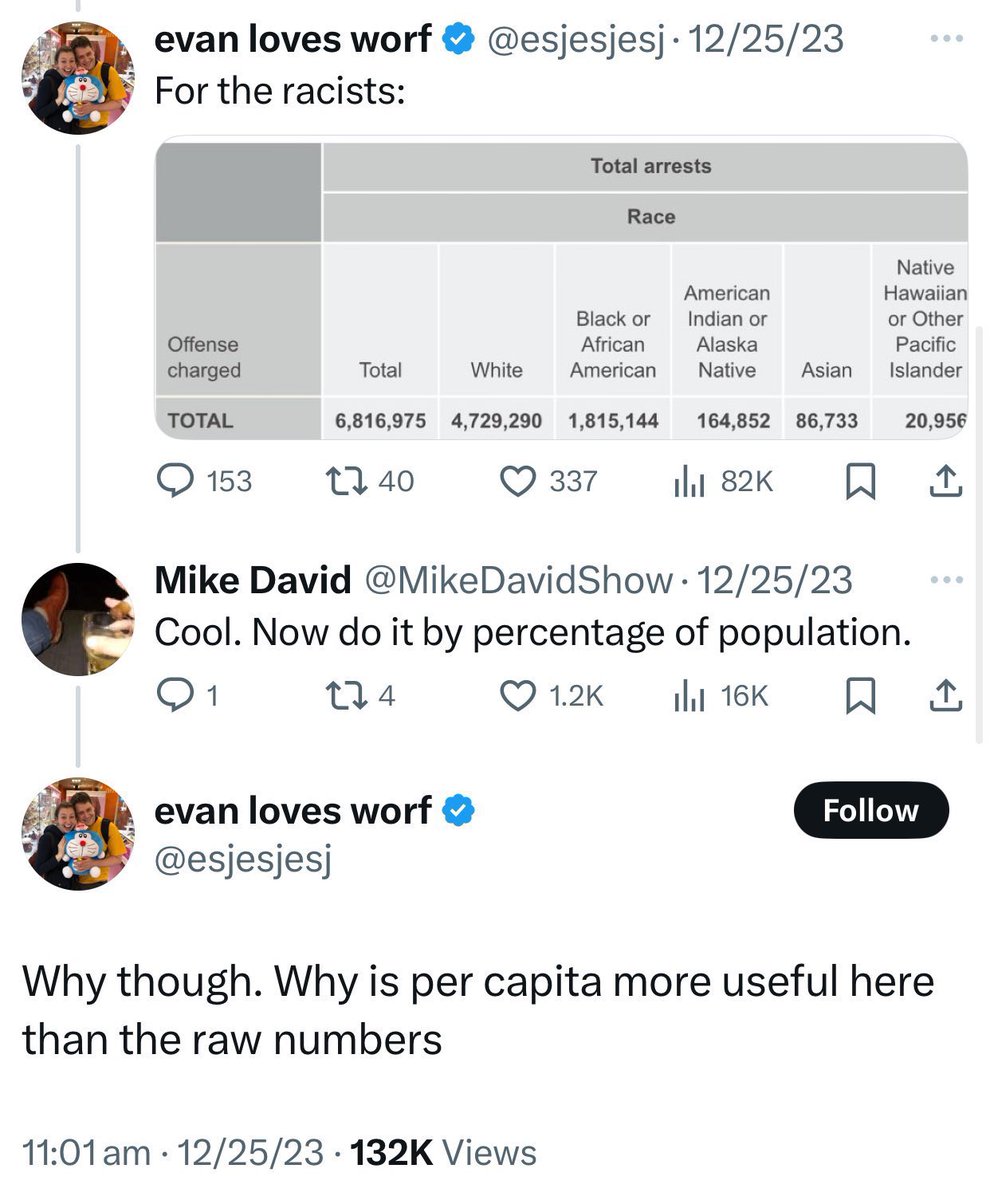
@YTeehunter @OJ0345700545177 @GarbageHuman24 "The second class citizen who whites created" the fact I have to quote something you said 2 tweets ago speaks volumes
English
English
@YTeehunter @OJ0345700545177 @GarbageHuman24 "IT'S THE WHITE MAN'S FAULT!" Incapable of taking accountability. Sky blue, grass green.
English
@OJ0345700545177 @GarbageHuman24 Yes. Whites lead most crimes over all but let’s uses rates to see who’s more likely to commit crimes the second class citizen who whites created 😂😂😂😂
English
@goat_ralsei @neosineosi @NoContextBrits Maximum edgelord? Nah, I'm calling you retarded because you're being retarded. But if you're not willing to read the article to help that, I got nothing for you.
English

@Crusadasaurus @neosineosi @NoContextBrits "He got it professionally cleaned" 🤣🤣🤣🤣 A yes the massive stain is just cleanliness
"Read the article before deciding to be retarded."
Use you eyes before trying to go maximum edgelord.
English

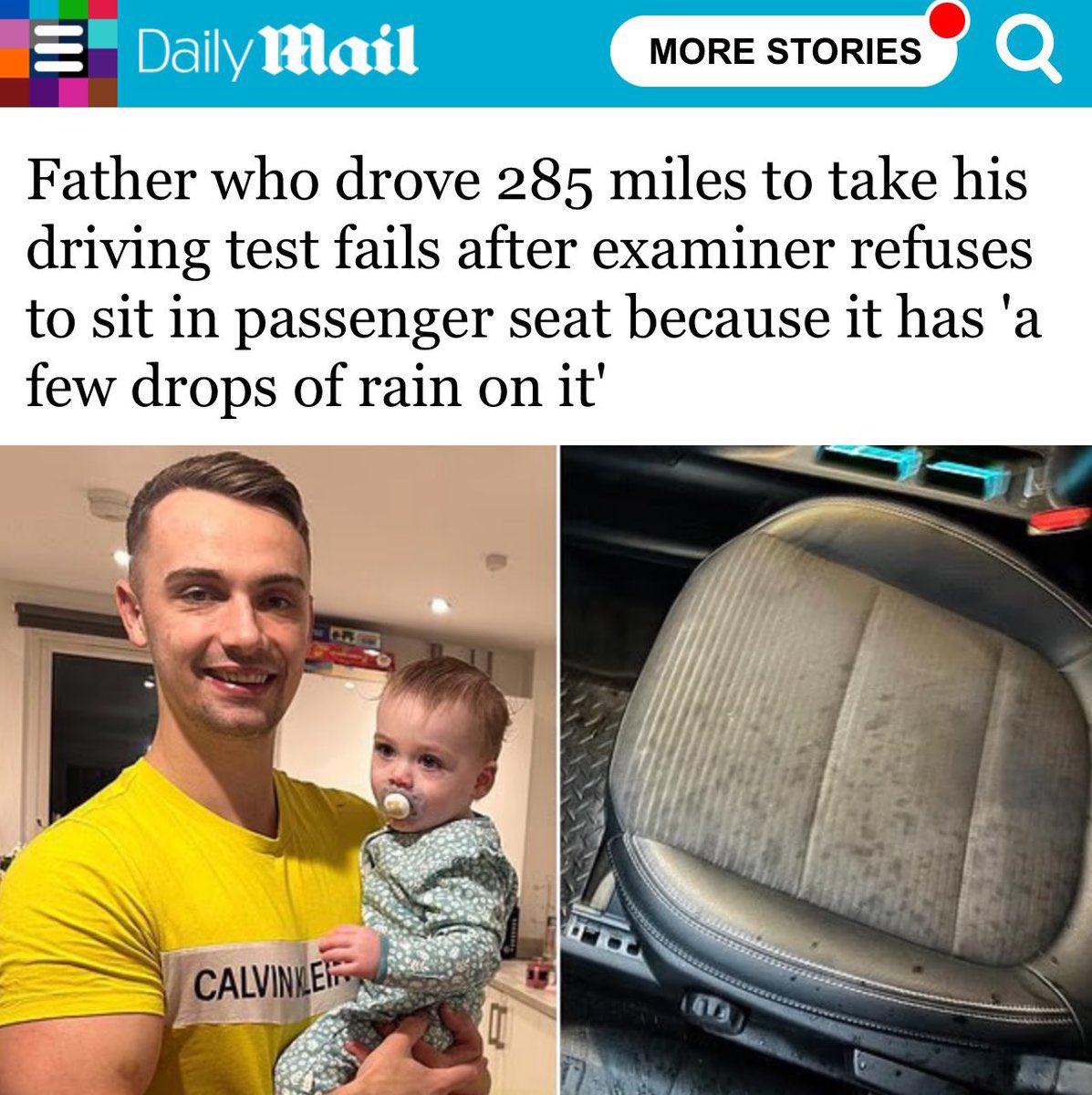
@VexLillith @NoContextBrits Article says he got someone to drive him to the testing location. Bad wording for the title
English

@NoContextBrits Father who drove 285 miles to take his driving test why is he even driving in the first place if he doesn't even have a license
GIF
English
@goat_ralsei @neosineosi @NoContextBrits 1.) It's rain drops. He got it professionally cleaned before he went to the test.
2.) Dude has 3 kids and is trying to get a test set up almost 300 miles from home. That's a hard task.
Read the article before deciding to be retarded.
English
@neosineosi @NoContextBrits Engagement farming and rage bait.
Bonus points for "migrant" and "POC"
Remember, it's The Daily Mail, not an actual newspaper.
Also, that seat looks nasty as fuck. I can smell the mould already.
English
@GarbageHuman24 "Tale as old as time, song as old as rhyme"
English

Crusadasaurus retweetledi

Grâce à X on se rend compte que la gauche c'est de la merde partout où qu'on soit ptdr
ちゃんほた🌸@hotahotasa45082
日本の左派 情けない姿を晒してます
Français
The Japanese are greater allies to the US than Israel ever was.
くるしま@kurushima2
サムライの魂と言っているが刀匠はすっかり絶滅危惧種化し刀は博物館でしか見かけないものになってしまったが、アメリカ人はいまだにちゃんとガンスミスがあちこちにいて魂たる銃を持ってるから偉い 銃規制はホモ 日本の警察もホモ
English
Color me shocked the same group that flies communist flags at their rallies and riots, the same flag used to represent a political ideology built from the minds of bloodthirsty jews, aren't actually anti-zionist.
Commie Gibberish of the Day@CommieGibberish
Yes the Leftists are Noticing “”Zionists”” and their forever wars. Yes, they would absolutely put you in a death camp (a real one, not a made-up WW2 Germany one) for being a “Nazi.” Yes, they follow the Jew agenda in EVERY way EXCEPT for the endless war stuff. They still want open borders for White countries, transed children, abortion, welfare expansion for Thirdworlders, etc. They STILL won’t name the Jew. They still support every White-Hate policy of international Jewry.
English

Isn’t solving Black and Thirdworld crime illegal there?
Daily Mail@DailyMail
Police 'failed to solve 92% of burglaries' in Britain last year, new figures show trib.al/ANrtpYI
English
Crusadasaurus retweetledi

Crusadasaurus retweetledi

“rapey brown men from backwards countries who spend all day watching porn with white women in it reallllllly want to fuck white women but the white women don’t seem to want to fuck them back”
cutting edge shit here, rolf. out of curiosity how many times did you strangle your hog while thinking about how you could “fix” this “problem”
English
>"Show a keen interest in forming relationships with local women"
Rape. They want to rape those women, not "have relationships with them". Stop pretending like the hordes want anything good to happen to the nations they're invading.
Rolf Degen@DegenRolf
Male refugees from Afghanistan and Syria in Germany show a keen interest in forming relationships with local women, but the local women show little interest in forming relationships with them. Germany, in particular, received over 1,4 million refugees between 2014 and 2016, predominantly from Muslim-majority countries such as Syria and Afghanistan. The majority of these arrivals consisted of young, single men within prime marriageable age brackets. This study examines partnership preferences of male refugees from Afghanistan and Syria who arrived in Germany between 2014 and 2016 and female residents of similar age. Overall, our results indicate a high level of openness among male refugees towards partnering with female members of the resident population, but a comparatively low level of openness among the latter towards partnering with recently arrived male refugees. This implies a substantial incongruence in partnership preferences among the two groups. Regarding the educational level of a potential partner, we found that all respondents prefer highly educated partners over those with lower levels of education. This suggests that, for refugees, securing a highly educated partner might serve as a means of upward social mobility and integration into higher-status networks in the host society. Furthermore, it is possible that highly educated women, due to their greater exposure to diverse social environments and potentially less discriminatory attitudes, are perceived as more open to intergroup partnerships, making them a more attractive choice for refugees seeking acceptance and social integration. On the other hand, the reluctance of resident women to accept partnerships with refugees is largely explained by their rejection of the ‘imported’ religious Islam. It is possible that resident women perceive the religious practices of newly arrived refugees as different from their own, reinforcing a social distance that limits intergroup partnerships. Moreover, this reluctance might not only reflect religious differences but also concerns about gender norms or perceived lifestyle incompatibilities.
English