Sabitlenmiş Tweet

CRYPTOfriedrice
7.8K posts


🎉 Happy birthday to the roundest, tuskiest, most verifiable protocol in the game. 🦭 None of this could have happened without the builders, developers, founders, partners, and community members who showed up, shipped, and believed in this verifiable data platform before the rest of the world caught on. Year one was just the beginning!


What is the ONE breakthrough making $SUI the ultimate L1? 🌊 The Co-Founder @kostascrypto said about "robotic" speed and a "super app". By processing transactions in parallel, Sui delivers infinite scalability and sub-second finality. 🚀 Forget bottlenecks - Sui is building the Super App future today! 🫡 A blockchain designed from the ground up for real-world interaction: fast, composable, and scalable. What do you think about it? 😍 #Sui #SuiCommunity #SuiNetwork

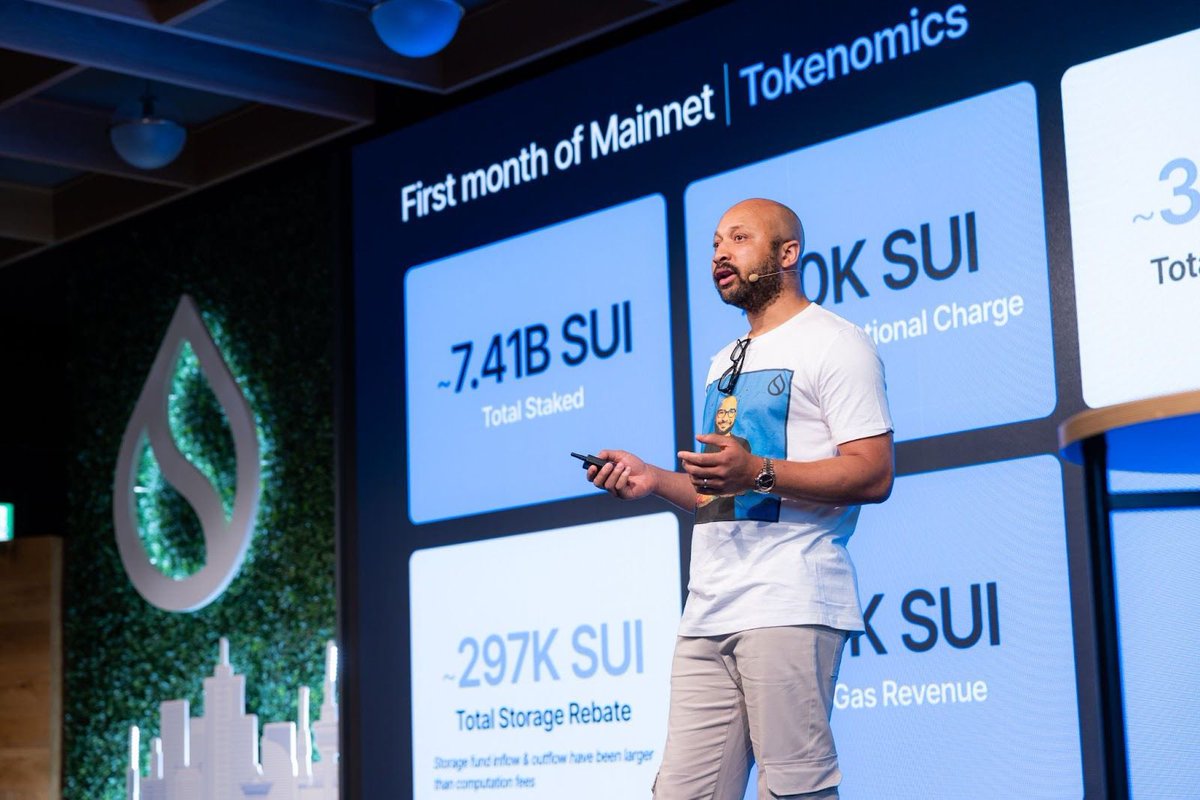



Most perps DEXs settle each cancel and each order as a separate transaction. On @AftermathFi, you can cancel every stale order and place an entire new grid in a single atomic transaction AKA PTB. Here's the architecture and why it matters for execution quality: @SuiNetwork's transaction model lets you compose multiple operations/events into one atomic tx. Why this matters mechanically: on other chains, refreshing 10 cancel txs + 10 place txs. Each pays gas independently. Worse, there's a window between your cancels landing and your new orders landing where you have zero orders on the book. So you're unquoted during the most critical part of a refresh. With atomic execution, old orders and new orders swap in the same "block". There is no intermediate state. If any operation in the batch fails, the entire transaction reverts, so you're always in a known state. No partial fills on stale prices before all your new quotes hit the book. Here's what's even better... It gets cheaper the more you do this. Sui's storage model charges a deposit when on-chain objects are created and refunds ~99% when they're deleted. Every order you cancel or that gets filled deletes an object and returns its storage deposit. So since you're constantly recycling orders, cancelling stale quotes and placing fresh ones, the rebates from your cancels directly offset the storage cost of your new orders within the same transaction: net_gas = computation_fee + new_storage - rebates_from_deletions. Same economics apply to takers. When an incoming order fills against your resting orders, those matched orders are deleted, generating rebates that reduce the taker's gas cost. More liquidity recycled on the book = cheaper transactions for everyone touching it. Now the part most people miss: composability across markets. Every transaction builder endpoint accepts a txKind field. Pass the output of one call as input to the next and each call adds operations to the same transaction. Instead of doing all the hard part yourself our API exposes this directly: cancel-and-place-orders batches N cancels and M new orders into a single transaction. POST /api/perpetuals/account/transactions/cancel-and-place-orders3/ One signature, one gas fee, one on-chain settlement.

$500 worth of $NS i staked 5 months ago just unlocked now for $82 Good tech.
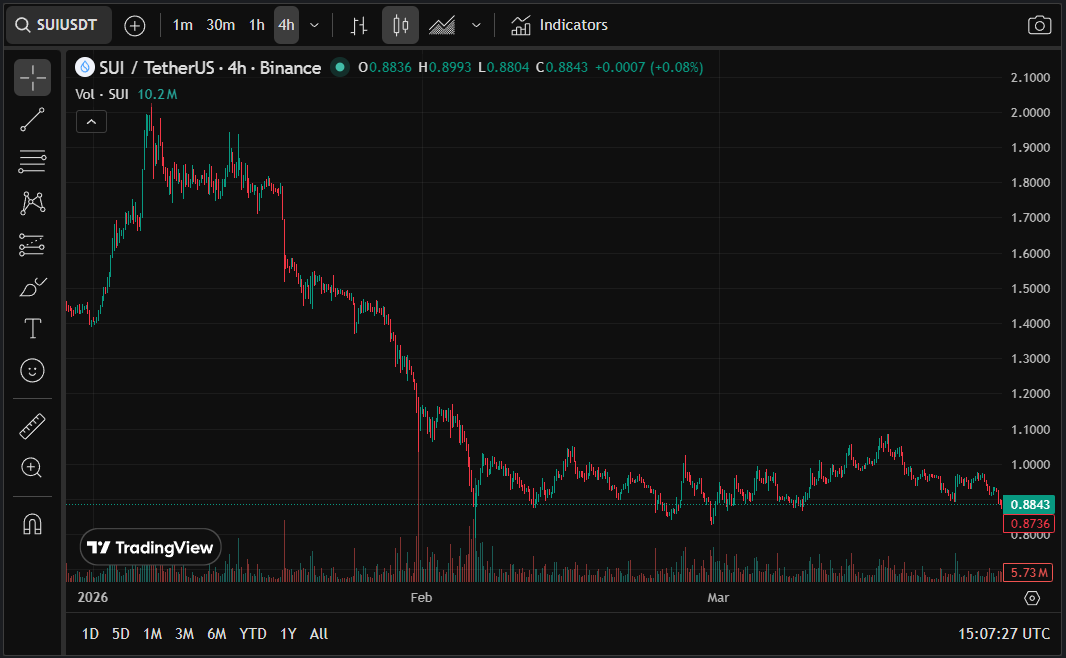
BREAKING 🚨 @chainalysis is thrilled to announce expanded support for SuiNetwork! With this integration, Chainalysis support now covers not only the native SUI token but also automatically includes fungible tokens deployed on Sui. As new tokens are minted daily, they are smoothly added to our platform. 😍