Curriculum Insight Project

24.8K posts

Curriculum Insight Project banner
Curriculum Insight Project

Curriculum Insight Project

@CurriculumIP

A collaborative effort to illuminate the K-12 curriculum landscape for educators & advocates. We get into the important weeds for popular and emerging programs.

Katılım Eylül 2018
524 Takip Edilen2.6K Takipçiler
Curriculum Insight Project retweetledi
Karen Vaites
Karen Vaites@karenvaites·
Lower Merion has emerged as the epicenter of Ed Tech backlash More than 600 parents have signed a petition seeking the right to opt out of devices. The district says they can’t. There are 8500 students in the district. One can guesstimate that 5-9% of students have a parent who signed the petition. That’s a significant parent movement. The media coverage has shifted from local to national.
The Associated Press@AP

Kids in Lower Merion school district in Pennsylvania get iPads starting in kindergarten, switch to Chromebooks in second grade and get their own MacBooks in eighth grade. Hundreds of parents signed a petition asking to preserve their ability to opt their children out of using digital devices during the school day. The school district has pushed back, saying it’s not feasible to let hundreds of students opt out of technology that is essential to the curriculum.

English
10
3
40
4.7K
Curriculum Insight Project retweetledi
Karen Vaites
Karen Vaites@karenvaites·
I think people would be shocked to realize how much districts have moved towards curriculum that a) includes zero whole books as kids reach "chapter book" grades, and b) relies on devices for core curricular activities. One example of many: Seattle and high-performing Lake Washington just adopted a curriculum (McGraw-Hill Emerge) that is heavily-digital, starting in Kindergarten: seattletimes.com/education-lab/… In any district using Into Reading, one of the most propular curricula in America (either #1 or 2 for market share), the materials are bloated and all over the map, so there is more district-level choice, but digital options starting in K. Schools could be crafting a digitally-delivered reading experience in the earliest grades. I have seen no published data on the actual usage patterns of such programs (digital vs paper), nor reporting, although Houghton Mifflin Harcourt certainly knows. It's a problem hiding in plain sight.
English
1
4
16
684
Curriculum Insight Project retweetledi
Sean Morrisey
Sean Morrisey@smorrisey·
I was fortunate to observe Dawn teach a lesson from the Word Mapping Project curriculum earlier this year. After about three minutes I started getting goosebumps. I began writing furiously as it was exactly what I envisioned a Word Mapping lesson should look like. Teachers, even brilliant ones, shouldn't have to be both the composer and conductor of a curriculum. This is an example of a brilliant teacher bringing curriculum to life.
Dawn Paz@dawnpaz1

Today’s Word Mapping Project nugget from grade 4. We learned the morpheme “man” means hand. One of the words we discussed was manual - done by hand or a book that puts guidance in your hands. Students immediately applied it to two areas of study. The Erie Canal was made with…

English
3
2
35
3.7K
Curriculum Insight Project retweetledi
Abby Boruff
Abby Boruff@AbbyTeachesDSM·
@smorrisey First grade is necessary. Most kinder screeners don’t have connected text components and the data from kinder doesn’t transfer. I can’t tell you how many students were proficient in K and nowhere near proficient in fall of first.
English
6
1
11
1.7K
Curriculum Insight Project retweetledi
Sean Morrisey
Sean Morrisey@smorrisey·
Unpopular opinion: We would get better reading outcomes by skipping fall benchmark assessments for first graders and up. Here me out. Most school districts get benchmark testing all wrong. The assessment team and the reading interventionists are one and the same. So students don't receive intervention until all the fall benchmark testing gets completed. Then the testing/intervention team spend days pouring over the data and setting up groups. In many schools intervention begins way too late (5 weeks or more after the school year starts). Why not just start on day #2 of the school year, seriously. Spring to Fall data doesn't generally change much. Please don't come after me about regression. Yes, some students may regress more than others, but I wonder how many schools and districts actually analyze spring to fall data by rank ordering students based on need. I've done this and generally nothing changes. There is so much opportunity cost to delaying intervention. Just look at spring data. If you want to look at yearly growth look at spring to spring data. This is as good or even better measure than fall to spring data.
English
21
11
108
11.1K
Curriculum Insight Project retweetledi
Laura Patranella
Laura Patranella@laurapatranella·
🔥 "clicks-as-curriculum" 🔥 Nothing is more stressful than having your students on required minutes when they could be with you.
Kelley Ranch@kelley_ranch

@tylerkingkade @leoniehaimson Finally. FINALLY the clicks-as-curriculum is getting the criticism it deserves. We teachers MUST be able to monitor our own students’ learning, deficiencies, errors, self-corrections, etc. These data mgmt. systems produce pretty reports—but at what cost, esp. to TEACHING?

English
0
4
9
753
Curriculum Insight Project retweetledi
Hilary M
Hilary M@hilarym99·
Option 1: get a class full of 2nd graders to read clearly into a microphone at the same time, what sounds like an actual nightmare, for thousands of dollars Option 2: pull kids to do 1 minute timed fluency read on paper. Free
Tyler Kingkade@tylerkingkade

i-Ready is testing a new #edtech tool -- an AI engine will listen to young children read to the computer, and then analyze their voice to figure out what they're struggling to read or pronounce. I saw a demo at the ASU+GSV conference. A week later, the school board of one of its largest customers -- LAUSD -- ordered an audit of i-Ready. The VP of the board said, "I have yet to hear a positive comment about i-Ready."

English
1
1
8
536
Curriculum Insight Project retweetledi
Tyler Kingkade
Tyler Kingkade@tylerkingkade·
NEW: Have you heard of i-Ready? It's in a THIRD of school districts. The company behind it makes $800m/yr revenue. Kids are often required to use it for 90 min/week, or more, and they hate it. It doesn't count toward grades. Teachers can't see a student's answers. Schools are paying millions for it hoping to improve their state test scores, but critics say there's no proof it works. My latest @NBCNews story digs into the controversy around one of the most commonly-used software products in education today
Tyler Kingkade tweet media
English
97
184
788
150.5K
Curriculum Insight Project retweetledi
SoL in the Wild
SoL in the Wild@SoLInTheWild·
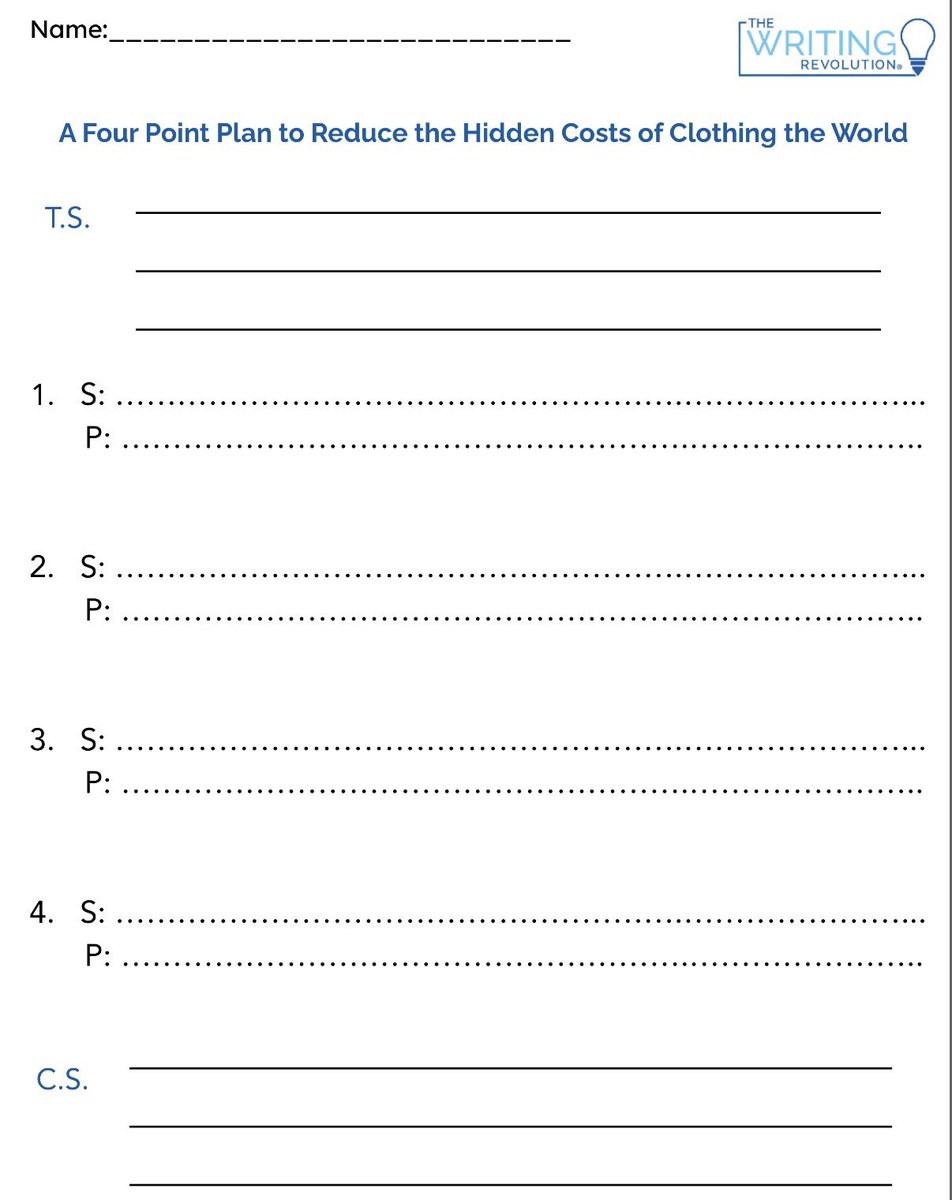
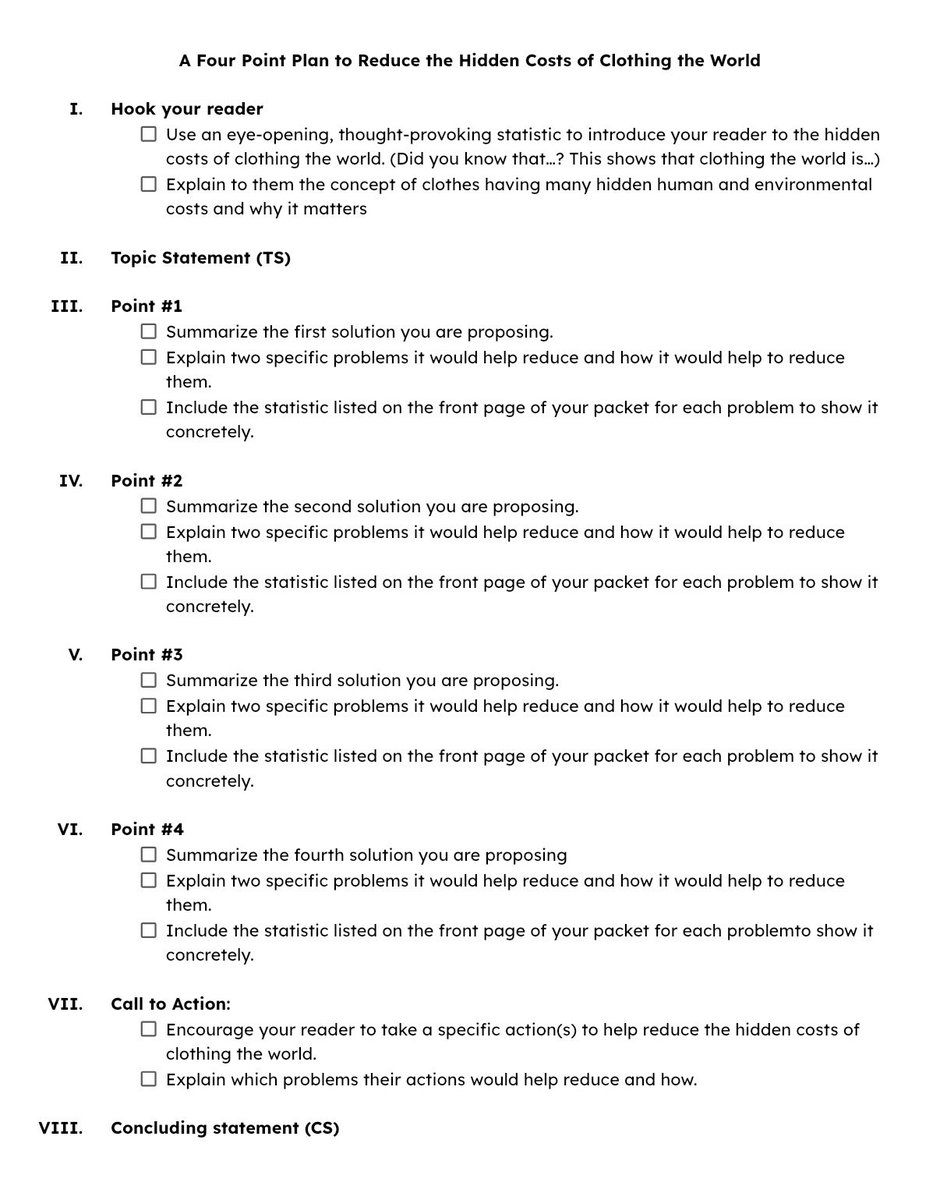
This time of year, it’s common for students to ask why we are still doing meaningful learning and real work. A student mentioned today that they weren’t doing much in their other classes and wondered why we were still so heavily invested in mine. I wanted to quickly nip that in the bud before any more dissent developed, so I spoke briefly but firmly with all my classes about how they only get one chance to take 7th grade World Studies. In years past, I probably would have shifted into cruise control, making life theoretically easier for both myself and my students but not anymore. Here’s why. The idea of wasting a day, a lesson, or a learning opportunity because summer, a break, or the weekend is approaching only works to their detriment. They will never get this year back, not in this class, not at this grade level, and not in this content area. They will likely never again have the opportunity to learn about issues like food waste or deforestation from an expert in a structured setting where I can explicitly build their knowledge in long-term memory. There’s no way I’m going to let that opportunity be wasted. They can’t afford to waste this time. Here’s what we’re starting tomorrow as we bring our case study on the hidden costs of clothing our world to a close. The pedal is all the way to the floor.
SoL in the Wild tweet mediaSoL in the Wild tweet media
English
7
6
107
6K
Curriculum Insight Project retweetledi
Karen Vaites
Karen Vaites@karenvaites·
I am begging journalists to look more closely into what Louisiana actually did to achieve this status. Also, “they just followed Mississippi” is not an accurate statement.
LDOE@doelouisiana

Louisiana is leading the nation. The latest Education Scorecard shows Louisiana is No. 1 among states in reading growth, No. 2 in math growth, and the only state to surpass 2019 levels in both reading and math. Learn more: ow.ly/1XeJ50YZaxB #laed #lalege #lagov

English
9
16
122
30.2K
Curriculum Insight Project retweetledi
Abby Boruff
Abby Boruff@AbbyTeachesDSM·
I saw a post on FB today saying Tier 1 should just be responsive lessons to individual student needs and y’all—I’m apparently waking up in 2011. Bc what in the Fountas and Pinnell Classroom is going on here? I am reaching my fill on grifts that will send us backwards 15 years.
GIF
English
4
3
40
3.2K
Curriculum Insight Project retweetledi
Sean Morrisey
Sean Morrisey@smorrisey·
Fall/spring spelling scores on students that took both assessments in my 5th grade classroom. The spelling assessment was the Test of Written Spelling - 5th Edition. Scores are percentiles fall/spring. It is never to late to make a difference. Curriculum matters.
Sean Morrisey tweet media
English
9
10
85
12.6K
Curriculum Insight Project retweetledi
margaret mckeown
margaret mckeown@margaretmckeow2·
Phonics instruction should not be uber-time-consuming. It should be systematic, fast-moving and elicit lots of responses. It should include meaning, as in - if word is BIG, after kids sound it, ask “what’s something that’s big?” -to remind them what the whole enterprise is about
Karen Vaites@karenvaites

This week's must-read: In EdWeek, @Elizheubeck covers important studies on the limits of phonics instruction and the relative importance of oral language and vocabulary development. 'Students performed better on standardized assessments when teachers routinely taught new vocabulary and encouraged more than one-word responses during comprehension lessons. “Certainly, there are teachers who are letting the other pieces of the literacy block crowd out the comprehension instruction,” Troyer said. That doesn’t bode well for students, according to the researchers. More time spent on phonics was associated with lower DIBELS scores, whereas more time spent on comprehension was linked with higher scores on the standardized tests designed to evaluate literacy skills in K-8 students.'

English
2
9
37
3.5K
Curriculum Insight Project retweetledi
Brian Poncy
Brian Poncy@brian_poncy·
A school sent me NWEA MAP math data who have been using Facts on Fire this year. 6 min/day using a combo of taped problems & timed retrieval practice. Its amazing what teachers can accomplish with their students when given empirically validated interventions & materials.
Brian Poncy tweet media
English
6
16
127
12.6K