Sabitlenmiş Tweet
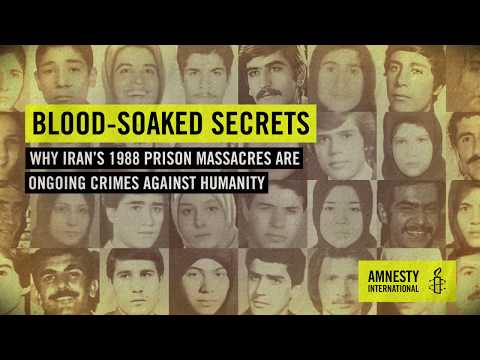
Blood-Soaked Secrets: Why #Iran’s 1988 prison massacres are ongoing crime... youtu.be/XKtI9tAIR5E via @YouTube
YouTube
English
Free Iran 2026/1405
98.6K posts
@CvvdIran
- REAL EYES REALIZE REAL LIES - Member of Dutch Group FOFI



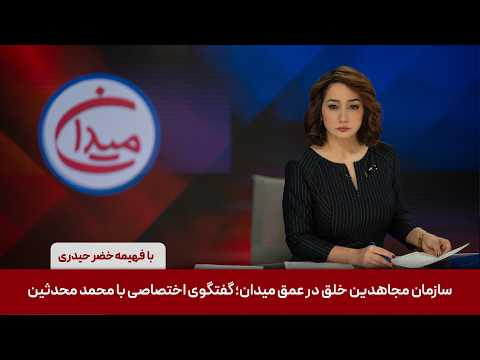
عمق میدان؛ اولین گفتگوی اختصاصی یک رهبر بلندپایهی سازمان مجاهدین خلق در نزدیک به ۴ دههی گذشته. امشب در میدان، در اولین قسمت از سلسله گفتوگوهای «عمق میدان» یک تابوی بزرگ در سپهر سیاسی ایران را شکستیم؛ یک گام دیگر برای این که صدای همه باشیم. این اولین بار در نزدیک به چهار دههی گذشته است که یک مقام بلندپایهی سازمان مجاهدین خلق ایران در یک رسانه (به جز رسانههای خودِ مجاهدین) حاضر میشود و پای یک گفتوگوی چالشی اختصاصی مینشیند و به پرسشها و سؤظنها دربارهی این سازمان پاسخ میدهد. محمد محدثین بالاترین مقام شورای ملی مقاومت ایران و سازمان مجاهدین خلق در سیاست خارجی، سیاستگذاریها و امور بین المللیِ این سازمان پس از مریم رجوی است. youtu.be/Dxx5AS1rOE8?si… via @YouTube


I am pleased to have arrived in Stockholm. Tomorrow I will address members of Parliament with a simple message for Sweden and Europe: act in support of the people of Iran and our struggle for freedom and true peace. Stand on the right side of history. aftonbladet.se/nyheter/a/L436…

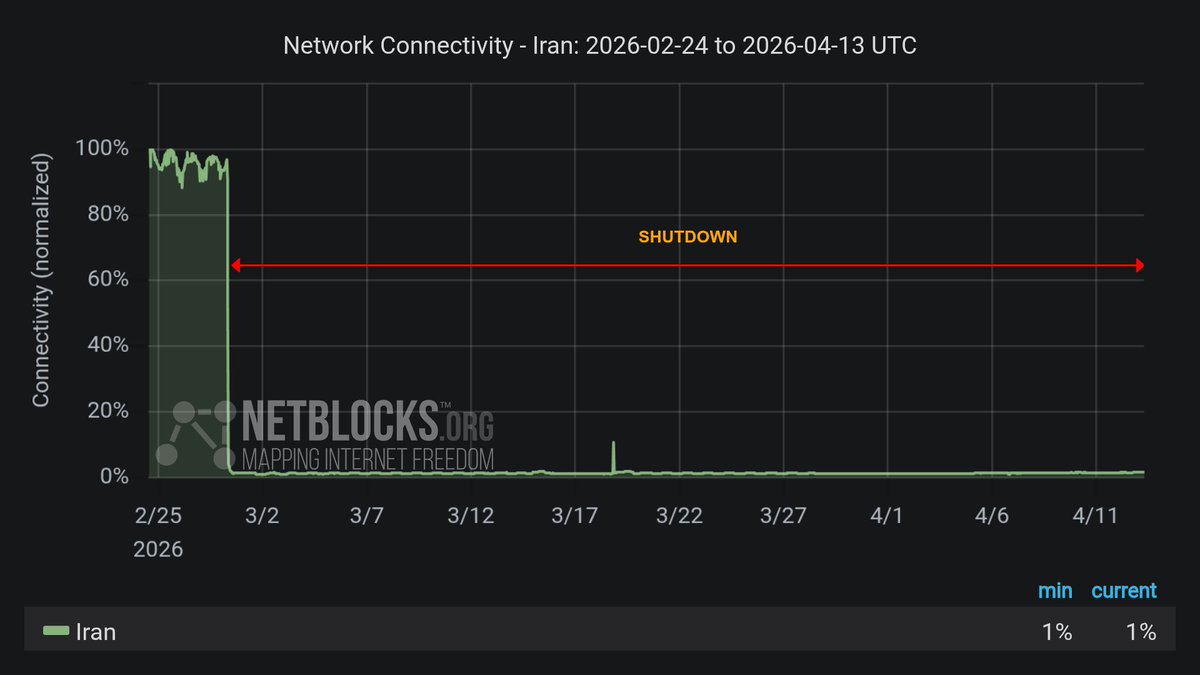
دوستان، ما در حال کار روی یک چارچوب حقوقی هستیم تا قطع اینترنت میلیونها نفر در ایران بهعنوان جنایت علیه بشریت از نوع «تعذیب» (persecution) به رسمیت شناخته شود. پس از آن تلاش خواهیم کرد از طریق سازوکارهای محدودی که وجود دارد، جمهوری اسلامی را پاسخگو کنیم. ما بهتر از هر کسی میدانیم که حقوق بینالملل و سازوکارهای اجرایی آن، بهویژه در مورد حکومتی مانند جمهوری اسلامی، کارایی بسیار محدودی دارند؛ اما نمیتوانیم بیش از این دست روی دست بگذاریم و از تنها چیزی که بلد هستیم و در استفاده از آن مهارت داریم، یعنی حقوق بینالملل، در جهت منافع مردم ایران استفاده نکنیم. با این حال، هنوز یک بخش مهم از این پازل حقوقی حل نشده باقی مانده است که بدون آن، جنایت علیه بشریت خواندن قطع دسترسی مردم به اینترنت از نظر حقوق بین الملل ممکن نیست: اثبات تبعیضآمیز بودن محروم کردن مردم از حق دسترسی به اینترنت و وجود سیاستی رسمی که این تبعیض را علیه بخش مشخصی از جمعیت ایران اعمال میکند. برای اثبات چنین امری، ابتدا باید پاسخ دقیق و مستند به این پرسشها را داشت: دقیقاً ۱) چه گروههایی از افراد و ۲) کدام نهادها، سازمانها یا شرکتها به اینترنت آزاد دسترسی دارند؟ به بیان دیگر، معیار دسترسی به اینترنت آزاد چیست و تبعیض میان مردم در ایران، در خصوص دسترسی داشتن و یا نداشتن به اینترنت با چه معیار یا معیارهایی اعمال میشود؟ برای مثال، آیا همه افرادی که شبها در خیابان تجمع میکنند و شعار "حیدر حیدر" میدهند، سیم کارت سفید دارند، یا این امکان صرفاً در اختیار برخی افراد ردهبالا در بسیج، سپاه و سایر نهادهاست؟ آیا یکی از معیارها شغل افراد است یا نزدیکی شان به حاکمیت یا هر دو؟ آیا اینترنت آزاد تنها از طریق سیم کارتها توزیع می شود و یا داخل نهادها و شرکتها و موسسات خاصی وصل است و همه کسانی که در آن نهاد یا موسسه کار میکنند صرفنظر از نزدیکی یا دوری به جمهوری اسلامی به آن دسترسی دارند؟ و... هر یک از شما که پاسخ کامل یا بخشی از این پرسشها را میدانید و مایل هستید در مسیر پاسخگو کردن جمهوری اسلامی در سطح بینالمللی برای قطع اینترنت به مردم کمک کنید، ممنون میشوم از طریق دایرکت پیام بدهید. ریتوییت هم موجب مزید امتنان است تا هر چه بیشتر افرادی که جزییات سیاستهای مربوط به اعطای اینترنت آزاد را میدانند، این را ببینند و اگر دوست داشتند به این ابتکار حقوقی کمک کنند.
Dus Iran - dat de eigen bevolking terroriseert en vermoord als het opstaat voor vrijheid - is genomineerd voor een VN-commissie die beleid vormt over mensen- en vrouwenrechten, terrorismepreventie, en NL steunt deze nominatie? Kan iemand dit uitleggen?




Outrage at UN: Democracies Enable Iran, China, Cuba to Oversee Human Rights Bodies GENEVA, April 10, 2026 — UN Watch, the independent Geneva-based non-governmental organization that monitors the United Nations, today called on Canada, France, Spain, Norway, the Netherlands, Australia, the UK, and other democracies to explain why they joined in the election of serial abusers of human rights to key UN bodies that oversee human rights. [Links here: unwatch.org/outrage-at-un-…] On Wednesday, the UN’s 54-nation Economic and Social Council nominated the Islamic Republic of Iran to the UN’s Committee for Program and Coordination, which meets next month to shape policy on women's rights, human rights, disarmament, and terrorism prevention. ECOSOC’s nomination is effectively decisive, as the UN General Assembly customarily rubber-stamps such nominations without a vote. In addition, ECOSOC by acclamation elected China, Cuba, Nicaragua, Saudi Arabia, and Sudan to the influential Committee on NGOs, which oversees the work, accreditation and UN access of thousands of human rights and civil society groups that enjoy consulative status at the world body. The United States was the only ECOSOC member to object, saying that Iran, Cuba and Nicaragua were “unfit.” UN Watch today called on all democratic ECOSOC member states — Canada, France, Spain, Norway, the Netherlands, Australia, the UK, Finland, Switzerland, Austria, and Finland — to explain why they joined in the election of serial abusers of human rights to key UN bodies that oversee human rights. “Appointing China, Cuba, and Saudi Arabia to oversee the work of human rights activists is like putting Al Capone in charge of fighting organized crime,” said Hillel Neuer, executive director of UN Watch. “It’s truly indefensible, and puts lives at risk.” “As an organization accredited with special NGO consultative status at the United Nations, and which regularly gives a platform to dissidents from China, Cuba, Sudan, Saudi Arabia and Nicaragua, we are gravely concerned that brutal dictatorships were elected to oversee our work and credentials — and it is scandalous that Western democracies put them there.” “This means dictatorships will have a majority on the committee in order to deny United Nations accreditation to independent organizations that call out their human rights violations, and to accredit more fake front groups created by the regimes,” Neuer said. “It harms the ability of pro-democracy dissidents to protect the most vulnerable victims and to advocate for human rights inside the United Nations.” “By their cynical actions at the UN, major Western states have betrayed their own human rights principles, severely undermining the ruled-based international order that they claim to support.” “We note that Western states did take action in recent years to stop Russia from getting elected to similar ECOSOC bodies, and we deeply regret that they failed to do the same now to stop the election of serial violators such as Iran, China, China, Cuba, Nicaragua, Saudi Arabia, and Sudan,” said Neuer. Activists Issued Warning Before ECOSOC Election Ahead of the election, 70 civil society and human rights groups warned that countries with poor records were at risk of being elected. The group International Service for Human Rights gave a failing grade to China, Cuba, Sudan, Saudi Arabia, Nicaragua and others. Yet their warning was ignored. Key Documents and Sources • Video showing ECOSOC’s nomination without objection of the Islamic Republic of Iran to the UN’s Committee for Program and Coordination: webtv.un.org/en/asset/k12/k… • UN document listing election by acclamation of China, Cuba, Nicaragua, Saudi Arabia, and Sudan to the Committee on NGOs: press.un.org/en/2026/ecosoc… • UN website showing that ECOSOC members currently include Canada, France, Spain, Norway, the Netherlands, Australia, the UK, Finland, Switzerland, Austria, and Finland: ecosoc.un.org/en/about-us/me… • U.S. statement dissociating itself from ECOSOC decisions, the only one of 54 ECOSOC members to do so: usun.usmission.gov/explanation-of… About UN Watch United Nations Watch is a non-governmental organization based in Geneva whose mission is to monitor the performance of the United Nations by the yardstick of its own Charter. UN Watch holds the UN accountable to its founding principles by exposing hypocrisy, bias, and abuses. For more information, visit unwatch.org.