Sabitlenmiş Tweet
--THREAD
Decided to make a thread with posting various excerpts from studies.
English
Deus Armenicus 🦅
8.6K posts

@DArmenicus
🇦🇲Armenian Conquistador֎ 🇦🇲Inhabitant of The Land of Haya֎ ֎ Araratian Sage ֎ Philosopher from Ararat/Part-Time Shitposter

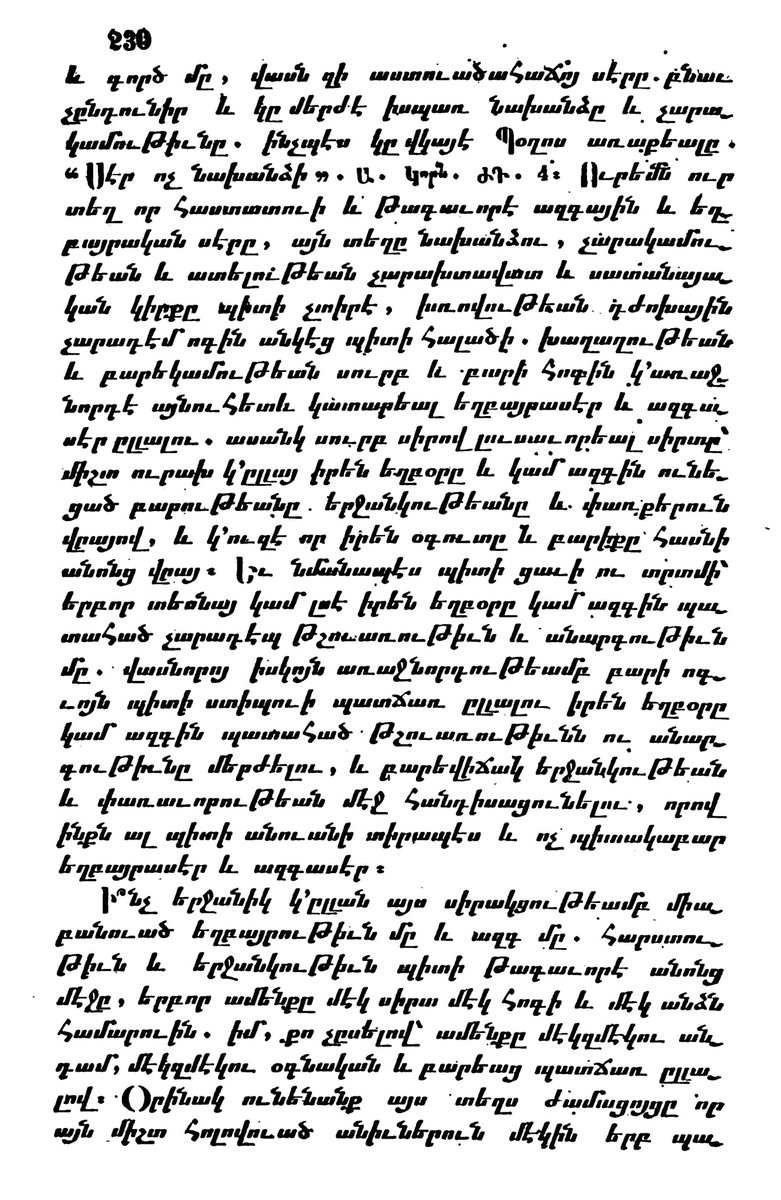


«And you, O Sons of Armenia, who art thou heirs of our ancient Patriarchal house: Abide in your ancestral house, do not forsake it, love Masis [Ararat], its Ark and Saint Gregory the Catholicos. Cultivate the garden planted by the hand of Noah — the Plain of Ararat — do not [forsake/abandon] forever the Patriarchal house and family. For thou art the dear sons of Masis [Ararat] — Masis is your own ancestral house. Let not your House be forsaken, Let not the [lineage/family] of Noah perish. May the blessed sons of Japheth prosper, may the prayers and the smoke of sacrifice from the grave of the righteous Patriarch rise up to heaven; May heaven be reconciled. May the seven-colored rainbow arch over the land of Paradise, and May the primeval sons of Paradise rejoice that God is with us, that with His mighty right hand He blesses and preserves the House of Noah and his estranged family.» - The Family of Paradise, by HH Mkrtich Khrimian, the Catholicos of All Armenians, 1876.



Armenians are Christians. Does this racist, fat piece of shit not know that or does he not care because he'd kill Christians just as soon as Muslims if they got in the way of his agenda?

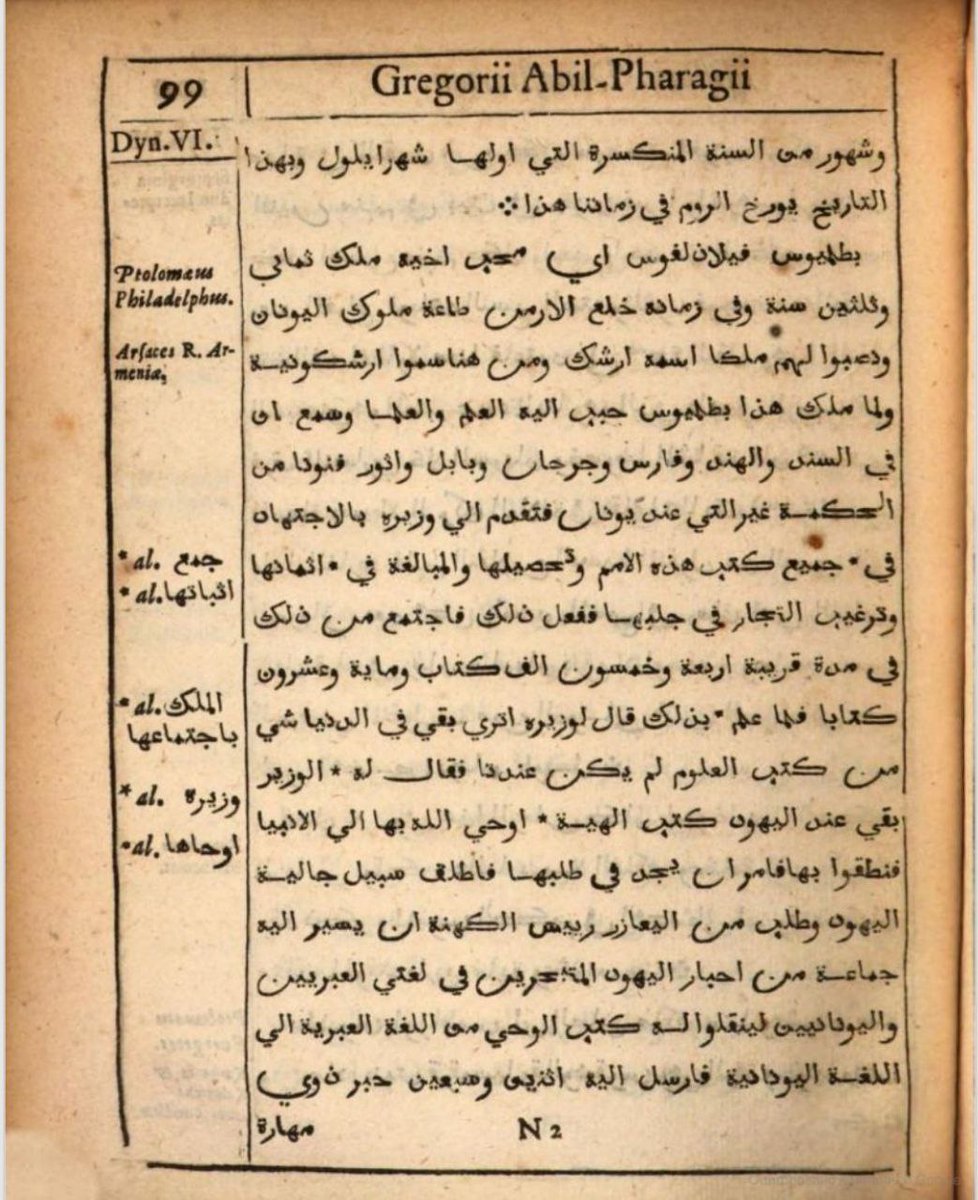


Armenians are not Iranic, but Armenia was Christianized by an Iranian guy (Gregory the Illuminator) under an Iranian dynasty (Arsacids)


On the Armenian Origins of Parthia Part 8 The Ancient Arabic name for Ararat is Pharsa/Farsa (Pharda, d/dal with a point over is read as S), i.e. Persia >Introductio in chaldaicam linguam, Syriacam atque Armenicam, by Theseus Ambrosius, 1539 (Trans. by Virgil Strohmeyer, 1998)
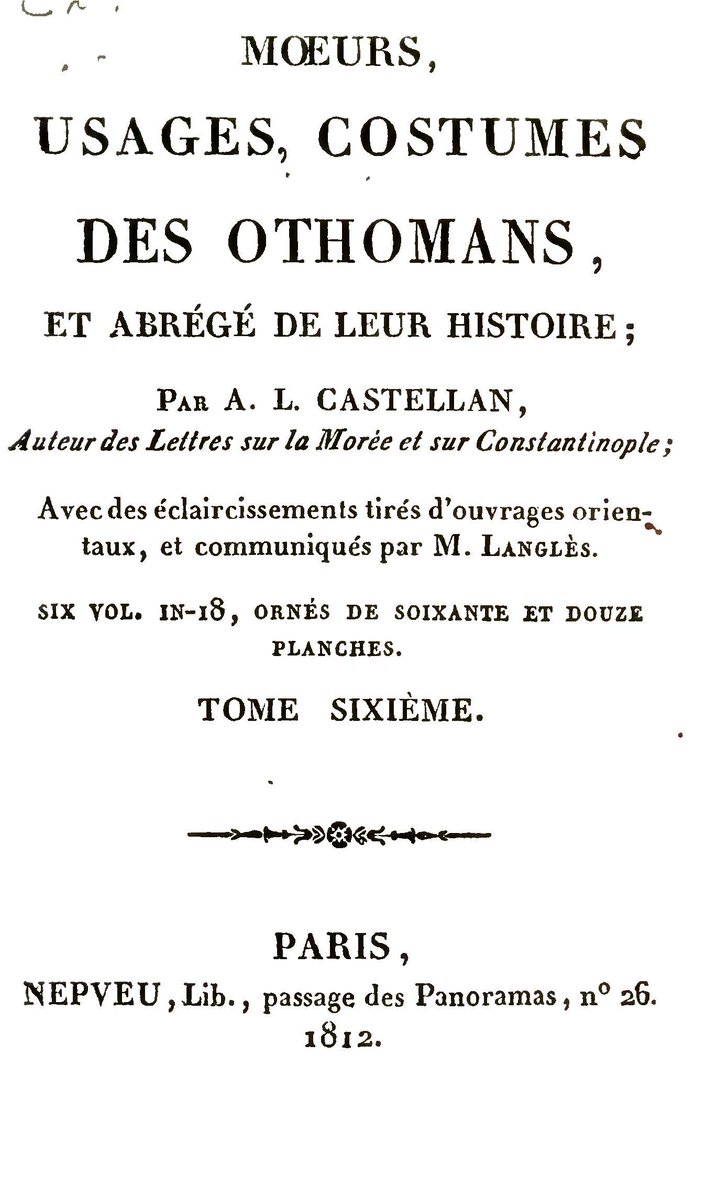
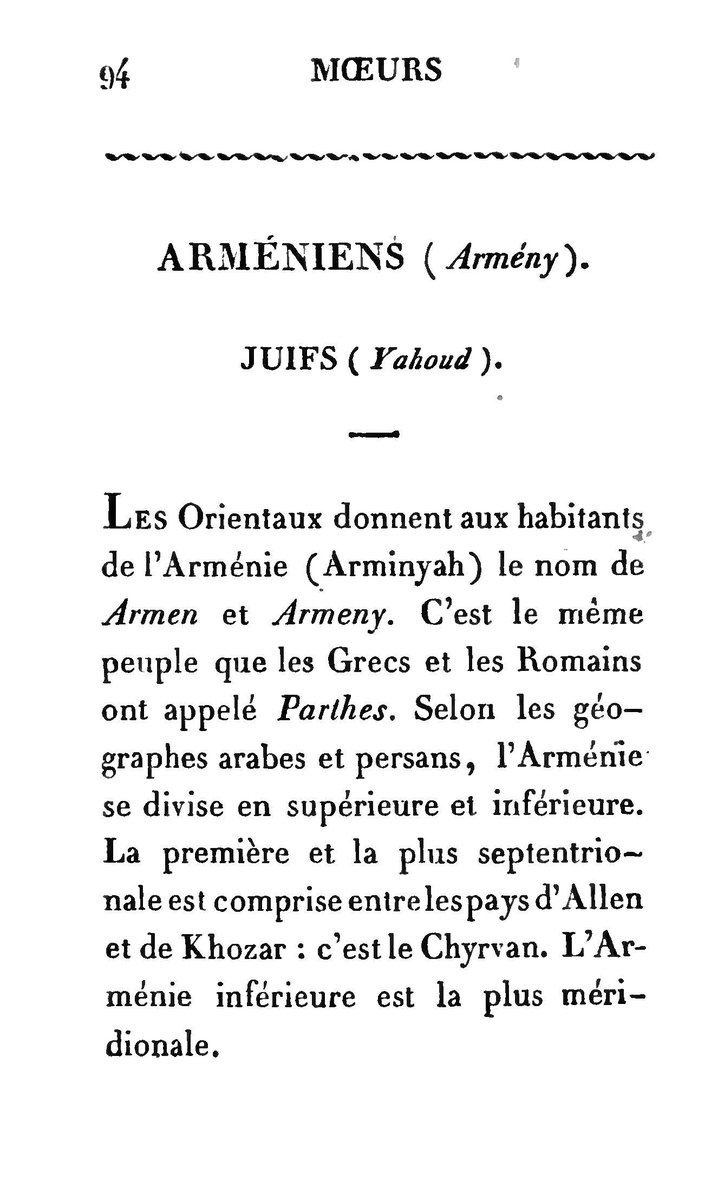

«ARSACIDS (according to Epiphanes). After the death of Alexander the Macedonian, the Haykazunq [Armenians] grew strong, ruling over many nations and peoples. Among them arose Arshak the Brave, a descendant of the Japhethites, notable for his great victories and fierce battles, and with the great army of Askanazians [Armenians] he confronted and defeated the tyrant king of Antioch, Antiochus, and slew him with his sword. He took possession of the great cities of Antioch and Babylon, along with all their lands, islands in the seas, and ruled them all according to the will of the Most High God, who made him king over all nations and peoples. After his death, his sons continued his reign for many years. However, just as Christ, the Supreme King, governs in His own incomprehensible greatness, the kings of Armenia, Persia, and the entire East once again saw their power diminished, while the Macedonians once again regained their strength, and although the Haykazunq [Armenians], the Persians, and the Eastern peoples became subordinate, they nevertheless remained loyal [to Arsacids]. In that time, among the descendants of the valiant Arshak, there was born a mighty child, bearing the same name as his ancestor, Arshak. Henceforth, having read from the ancient chronicles about these [matters/concerns] and the [sins/transgressions], which required atonement, he was immediately strengthened [inspired], having been encouraged to set out openly against the Macedonians, defying [rebelling against] their King. Afterwards he ordered his generals to gather all cavalry and infantry in one place. Departing from his ancestral land, he [established himself in/colonized] the regions of the Medes, Persians, Kushans, Syrians, and Elymaeans, uniting them all under his leadership, having been strengthened by the assistance of the Most High. The wise ones, who witnessed his grace and virtue, decided to call him Arshak the Parthev [Parthian] and God gave him a son, who was named Tigran. He [Arshak] was given the epithet Parthev [Parthian] which our ancestors interpret as Parathev, meaning spreading wings on all sides [Note: a metaphor for a freedom fighter]. After the death of his father, Arshak Parthev, the king of Armenia, his son Tigran Parthev Arsacid took the throne. And after many years had passed, he gathered a great army, as he had under his control six subordinate kingdoms, which were conquered by his father as was previously mentioned: those of the Medes, of the Persians, of the Kushanians, of the Syrians, of the Elymaeans, and his own native domain, which was all of Armenia. And, having advanced fiercely with great victory, mounted on a gold-plated chariot drawn by white horses draped in gold-embroidered coverings, he [Tigran] appeared as a fearsome and awe-inspiring sight. He quickly advanced towards the great Babylon and all its realm, which was under the rule of King Arshavir, slaying him and his forces. He ordered the construction of two cities, Urhay [Arhay] and Amid, in the lot of Shem, the son of Noah, and the elder brother of Japheth, who was the ancient patriarch and the forefather of the Haykazeants [Armenians].» - Hayapatum, Vol. 1, by Leontius Alishan, Venice, 1901.


«ARSACIDS (according to Epiphanes). After the death of Alexander the Macedonian, the Haykazunq [Armenians] grew strong, ruling over many nations and peoples. Among them arose Arshak the Brave, a descendant of the Japhethites, notable for his great victories and fierce battles, and with the great army of Askanazians [Armenians] he confronted and defeated the tyrant king of Antioch, Antiochus, and slew him with his sword. He took possession of the great cities of Antioch and Babylon, along with all their lands, islands in the seas, and ruled them all according to the will of the Most High God, who made him king over all nations and peoples. After his death, his sons continued his reign for many years. However, just as Christ, the Supreme King, governs in His own incomprehensible greatness, the kings of Armenia, Persia, and the entire East once again saw their power diminished, while the Macedonians once again regained their strength, and although the Haykazunq [Armenians], the Persians, and the Eastern peoples became subordinate, they nevertheless remained loyal [to Arsacids]. In that time, among the descendants of the valiant Arshak, there was born a mighty child, bearing the same name as his ancestor, Arshak. Henceforth, having read from the ancient chronicles about these [matters/concerns] and the [sins/transgressions], which required atonement, he was immediately strengthened [inspired], having been encouraged to set out openly against the Macedonians, defying [rebelling against] their King. Afterwards he ordered his generals to gather all cavalry and infantry in one place. Departing from his ancestral land, he [established himself in/colonized] the regions of the Medes, Persians, Kushans, Syrians, and Elymaeans, uniting them all under his leadership, having been strengthened by the assistance of the Most High. The wise ones, who witnessed his grace and virtue, decided to call him Arshak the Parthev [Parthian] and God gave him a son, who was named Tigran. He [Arshak] was given the epithet Parthev [Parthian] which our ancestors interpret as Parathev, meaning spreading wings on all sides [Note: a metaphor for a freedom fighter]. After the death of his father, Arshak Parthev, the king of Armenia, his son Tigran Parthev Arsacid took the throne. And after many years had passed, he gathered a great army, as he had under his control six subordinate kingdoms, which were conquered by his father as was previously mentioned: those of the Medes, of the Persians, of the Kushanians, of the Syrians, of the Elymaeans, and his own native domain, which was all of Armenia. And, having advanced fiercely with great victory, mounted on a gold-plated chariot drawn by white horses draped in gold-embroidered coverings, he [Tigran] appeared as a fearsome and awe-inspiring sight. He quickly advanced towards the great Babylon and all its realm, which was under the rule of King Arshavir, slaying him and his forces. He ordered the construction of two cities, Urhay [Arhay] and Amid, in the lot of Shem, the son of Noah, and the elder brother of Japheth, who was the ancient patriarch and the forefather of the Haykazeants [Armenians].» - Hayapatum, Vol. 1, by Leontius Alishan, Venice, 1901.

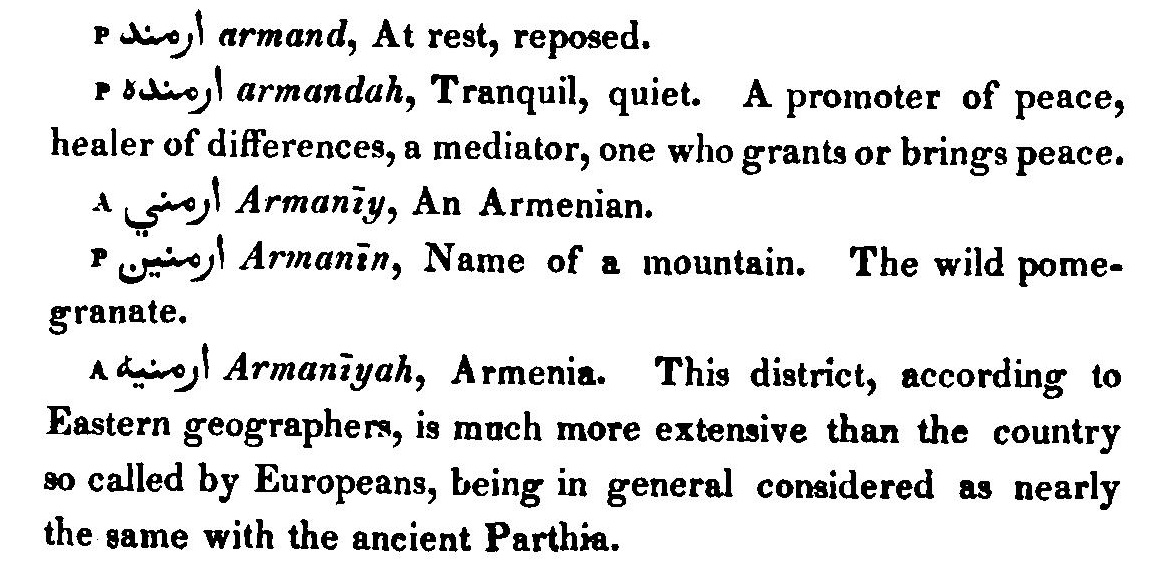
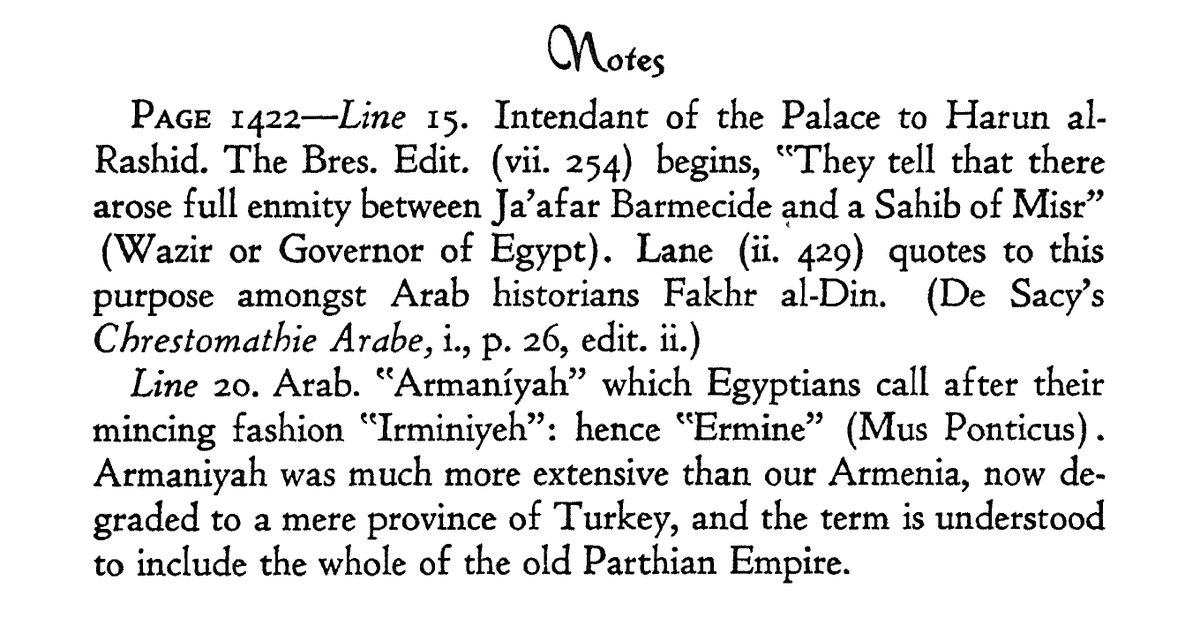

Additionally the Italian edition of the Muslim Annals i.e. Annali Musulmani, Vol. 3: Dal 661 AL 750 Dell'Era Volgare (From 661 to 750 of The Common Era), by Giovanni Battista Rampoldi (it.wikipedia.org/wiki/Giovanni_……), note further on "Parthia proper" being the province of Ararat.

@melikofararat One can't return to Ararat without leaders. Elections determine leaders... one way or another!


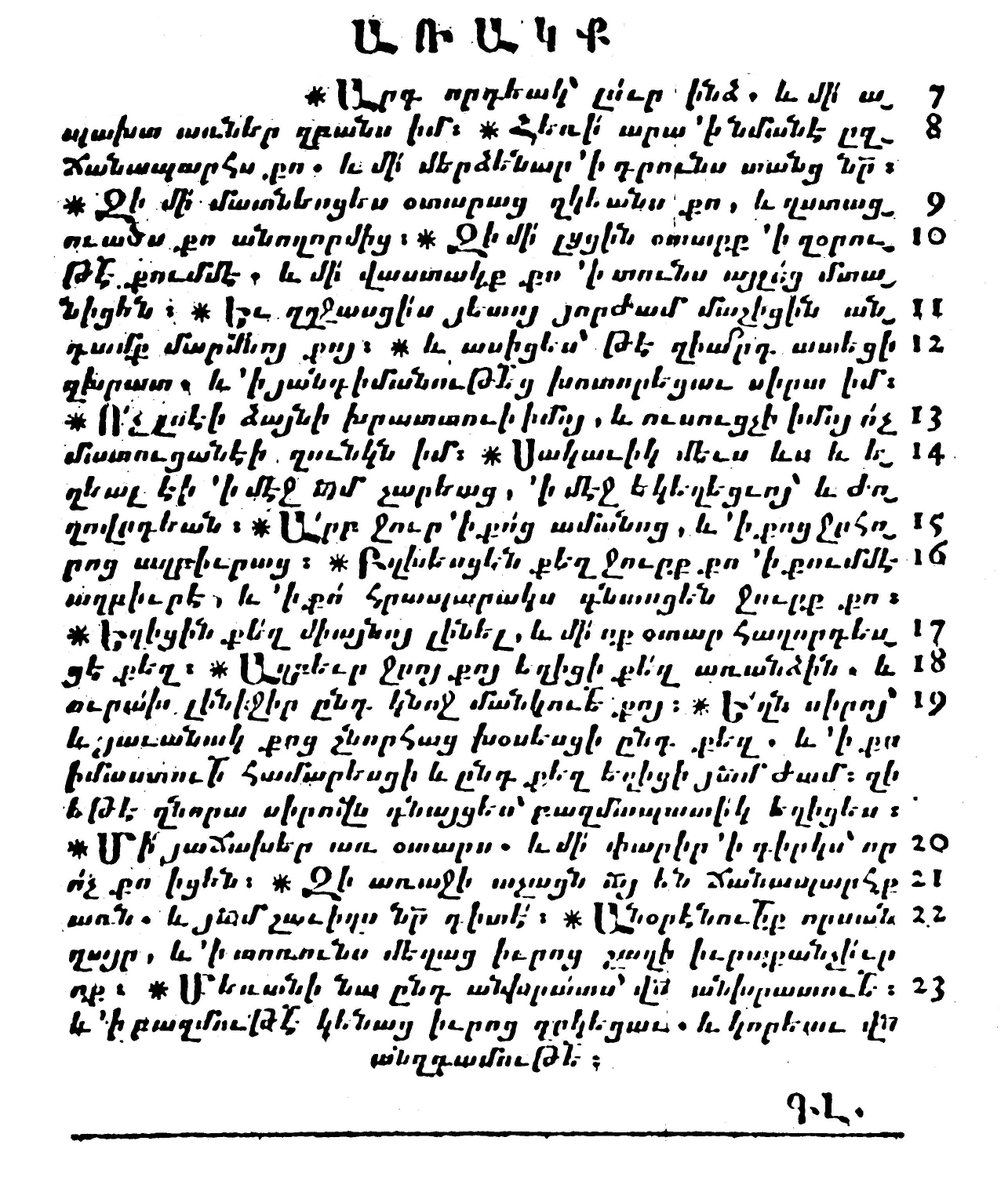
«Do not [forsake/abandon] your relative(s) and the kinsmen of your father's house [fatherland], Nor miserably enter your brother's house. Better is a [close/nearby] kinsman than a brother dwelling in a distant land.» (Proverbs 27:10, tr. from 5th c. AD Classical Armenian)


@DArmenicus 500,000 Muslim civilians were killed there. By Armenian gangs and the Russian army.
Ermeni çetelerin Türkleri canlı canlı yaktıkları soykırım fırınları: