

DIE
170 posts








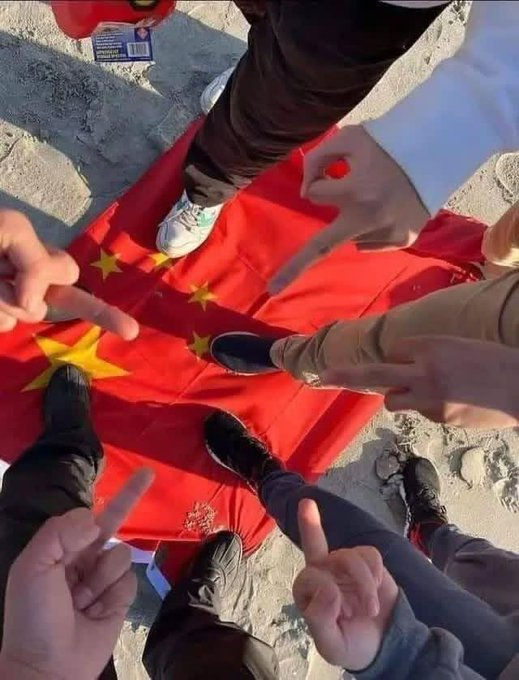

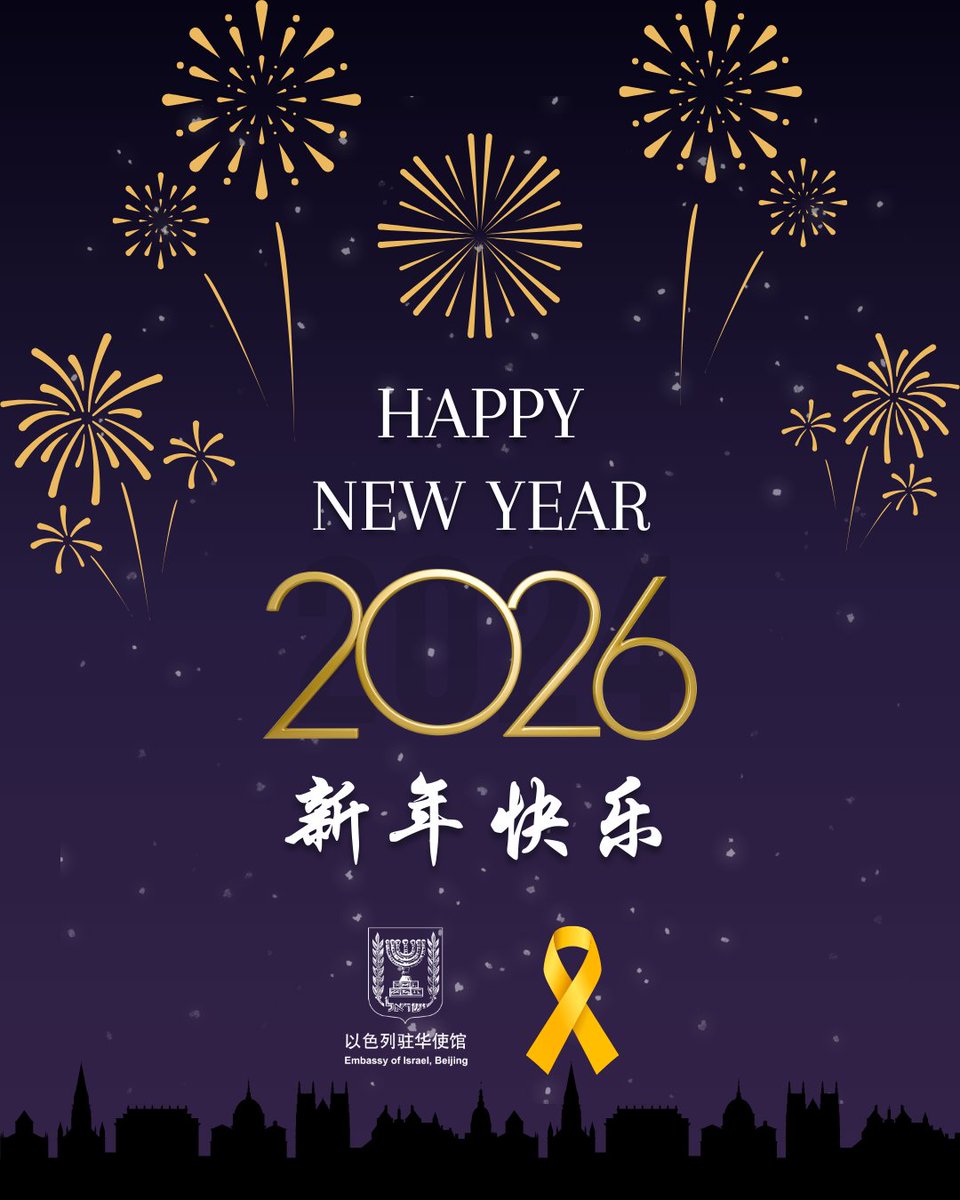

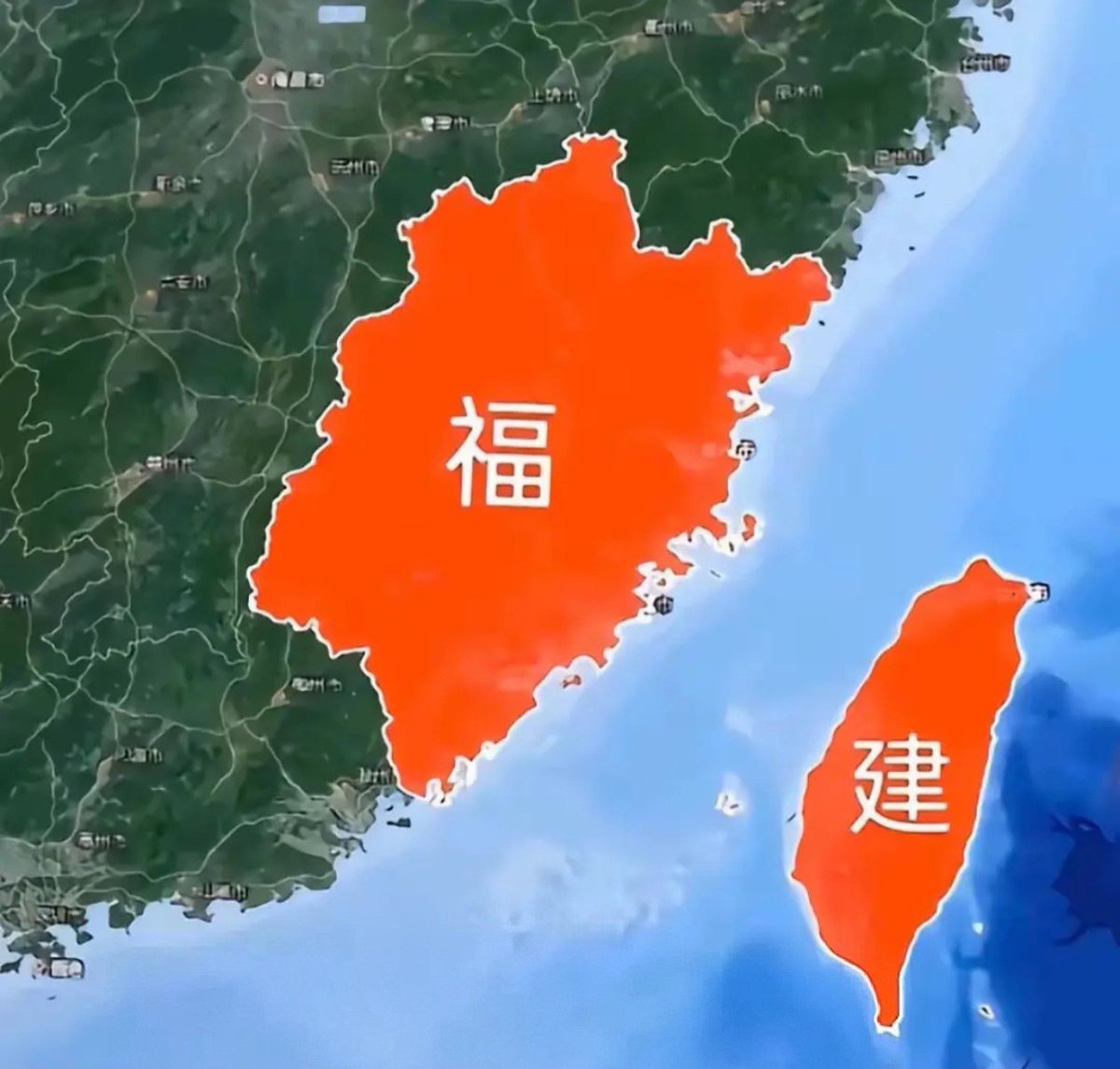



日本という国は、何千年も前から国民みんなで作ってきたもので、その象徴の一つとして日の丸🇯🇵があります。日章旗に✕をつけるのは国の尊厳を壊すことで、国民ひとりひとりの顔に✕を付けるのと同じです。
日本語

奈良以外で
「中国人観光客のマナーが悪くて注意しても聞かない」
なんて観光地は、全国でも全く聞かない
へずまりゅうが、訴えてこない中国人観光客を狙い打ちにして
そういうデマ流している。
全ては、このようなチンピラどう喝を正当化してインプ稼ぎをするため
Sonota@yuandundun
「中国人ガー」はネットのイメージ。へずまみたいなバカが中国人だけを狙い撃ちにするのは家族連れや若い旅行者が多く、大人しくて反撃してこないから。白人や黒人には怖いから絶対に絡まない。
日本語

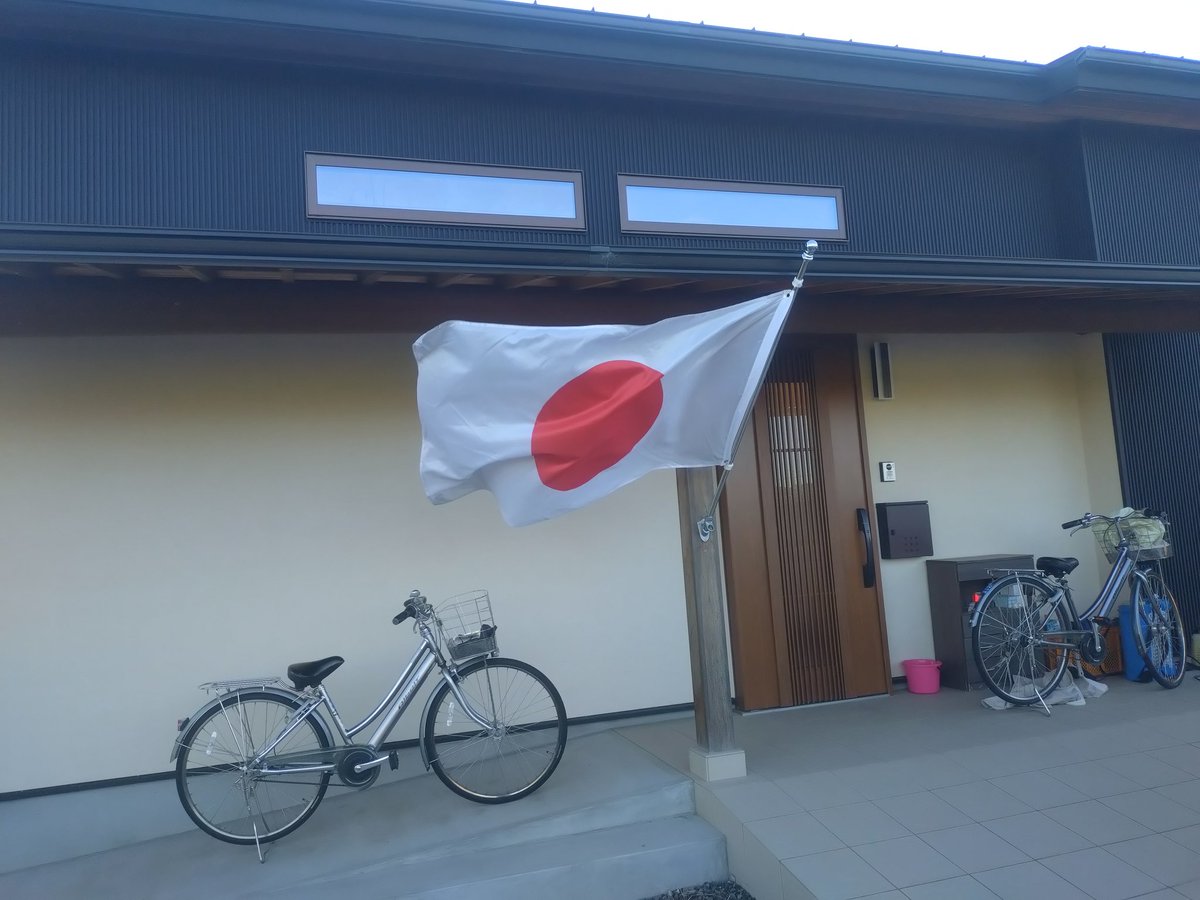

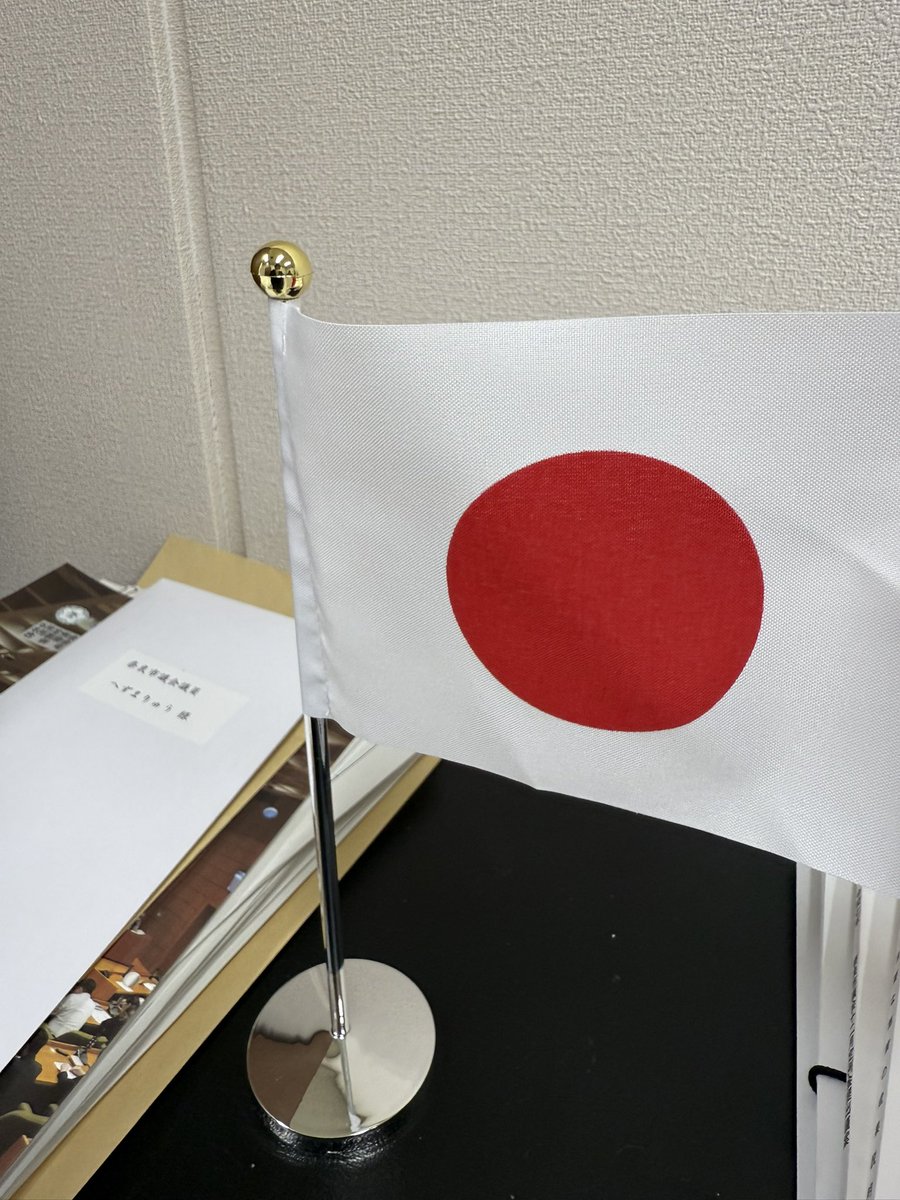

@commiepommie Don’t understand why people do not want to acknowledge history. Escaping from guilt? History is to be learnt and prevent future happenings. If you cannot accept history you will not be able to accept the future.
English

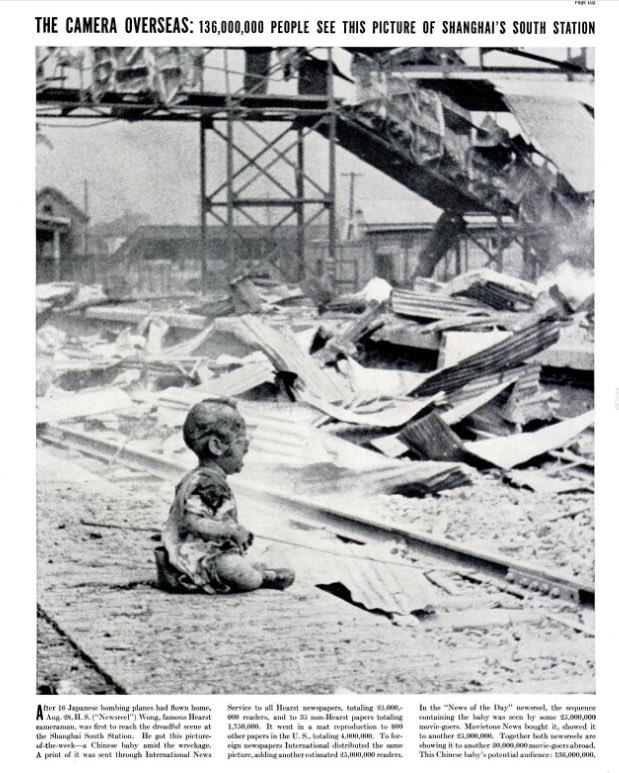
This is a well-known fake photo.
The baby was intentionally placed on the tracks at Shanghai South Railway Station.
No bodies were found nearby, and the smoke was deliberately staged.
#CCP #ChinaLie
x.com/i/status/20000…
James Wood 武杰士@commiepommie
🇨🇳🇯🇵 China’s Quiet Nanjing Memorial Was a Strategic Choice: Not a Sign of Weakness China marked the 88th anniversary of the Nanjing Massacre this weekend with a noticeably low-key ceremony. - No major speeches - No fiery rhetoric - And notably, Xi Jinping did not attend Given the current diplomatic crisis with Japan over Taiwan, that wasn’t an accident. 👉 Here’s what’s really going on: China’s relationship with Japan is once again under strain after PM Sanae Takaichi suggested that a hypothetical Chinese operation against Taiwan could justify Japanese military involvement. In Beijing, that crossed a red line, not just strategically, but historically. The Nanjing Massacre is one of the deepest scars in modern Chinese memory. China officially places the death toll at 300,000, while even the post-war Allied tribunal put the figure at 142,000. But Nanjing was only one chapter. Across Japan’s occupation of China from 1931 to 1945, historians widely cite a total death toll of around 15–20 million Chinese, killed through massacres, bombing, starvation, forced labour and biological warfare. This wasn’t a single atrocity, it was a systemic trauma that touched nearly every region and generation. So when Japan’s leadership talks about military action around Taiwan, while parts of its political class continue to downplay or deny wartime crimes, Beijing hears something very different from “deterrence”. Against that backdrop, China could easily have turned the memorial into a full-blown nationalist spectacle. It didn’t. 👉 Instead: - The ceremony lasted less than 30 minutes - Doves were released - The language used was restrained - Xi stayed away - No direct mention of Takaichi by name That restraint is the story. Shi Taifeng’s remarks deliberately avoided escalation. He referenced history, but framed it in universal terms: opposition to militarism, defence of the post-war order and collective responsibility for peace. It was pointed, but controlled. This matters because Beijing is doing two things at once. First, it is reminding Japan that history is not abstract. When losses reach the scale of tens of millions, remembrance isn’t optional, it becomes part of national identity. That is why China will never forget, regardless of how much time passes. Second, it is denying Tokyo the escalation it may want. A louder, angrier memorial would have fed nationalist narratives on both sides. Beijing chose discipline instead. Even the PLA Eastern Theatre Command’s imagery, harsh, symbolic and unmistakable, reinforces the same point: the memory remains, but it is being managed, not unleashed. The memorial wasn’t quiet because China is weak. It was quiet because Beijing is playing the long game. History, strategy and restraint, deployed together.
English

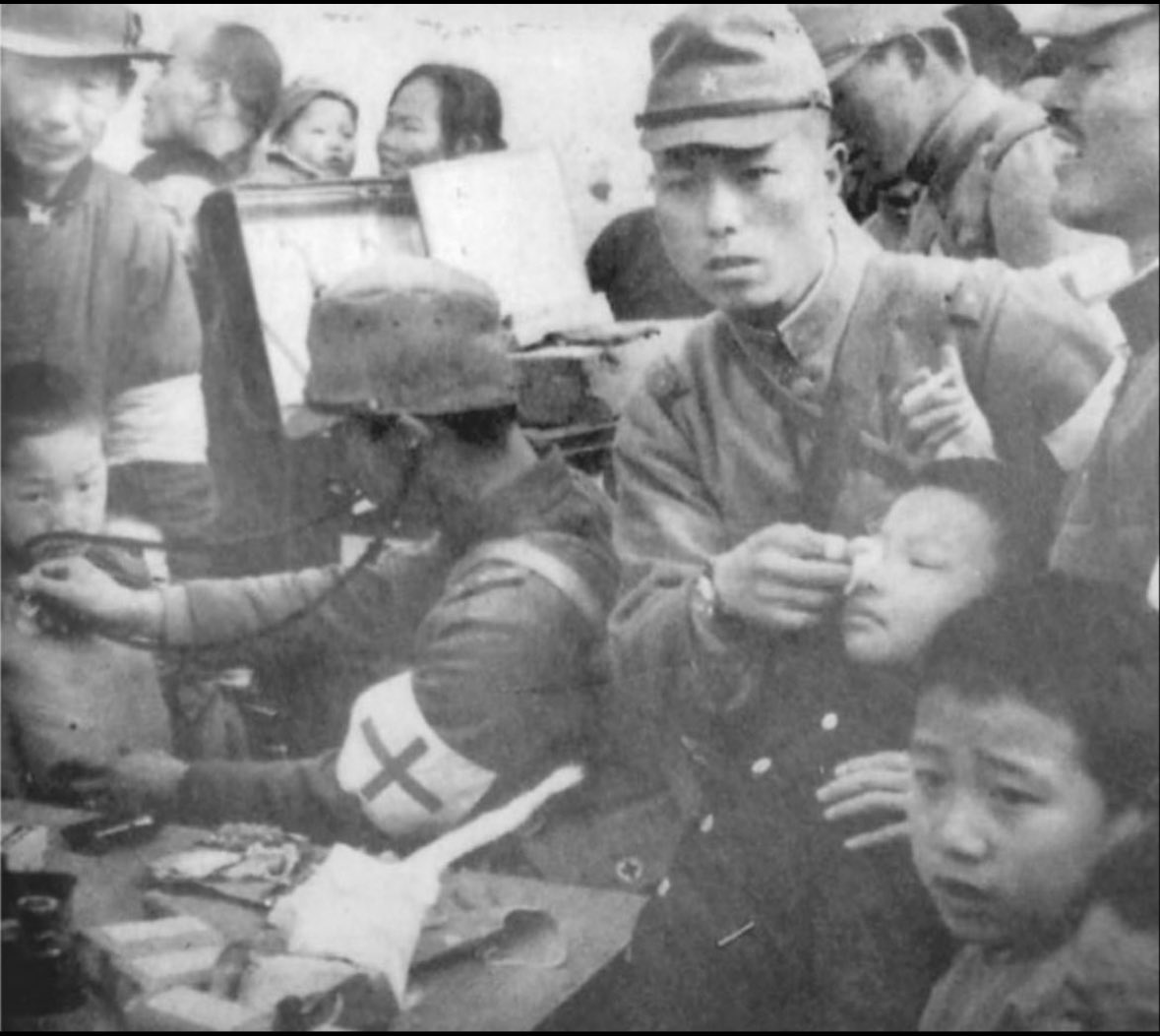
「日本兵が南京で医療支援をしていた」?
いいえ、彼らは銃剣、ガソリン、そして銃弾を与えていました。
南京大虐殺は「反日教育」ではありません。
これは写真、日記、そして日本兵自身の証言を含む証言によって裏付けられた、記録された歴史です。
• 6週間で30万人の民間人と捕虜が殺害されました。
• 広範囲にわたる強姦、身体の切断、生き埋め、斬首。これらは中国人の生存者だけでなく、
西洋の宣教師、外交官、そしてあなた自身の兵士の日記によっても記録されています。
出典をお探しですか?
• ドイツ人ナチスであり、その目撃者でもあるジョン・ラーベはこう書いています。
「これ以上続けることはできません。この残酷さは、私がこれまで見てきた戦争の中でも、類を見ないものです。」
• 極東国際軍事裁判は、数千ページに及ぶ写真、証言、そして文書による証拠を用いて、日本の将軍たちを戦争犯罪で有罪とした。
• 日本の退役軍人たちは、何が起こったのかを認めた。
東史朗の自白を読んでみろ。それとも、彼も嘘つき呼ばわりするのか?
南京で従軍した日本人ジャーナリスト、東史朗でさえ、こう自白している。
「我々は人々を生き埋めにした。捕虜の首をはねて遊んだのだ。」
これはプロパガンダではない。
これは自白だ。
残虐行為を記憶することは「反日」ではない。
それは忘れることに反対することだ。
真実を恐れる者だけが、記憶を「憎悪」と呼ぶ。
憎悪は毎年鳴らされる警鐘ではない。
憎悪とは、子宮に突き刺された銃剣であり、
鉱山の奴隷であり、
麻酔なしの人体実験であった。
古い写真を投稿したいなら、
政府が80年間も隠してきた写真を投稿してください。
• 剣で突き刺された妊婦
• 死体で赤く染まった揚子江
• 生存者が掘り出した集団墓地
では、もう一度教えてください。
あれは「医療」だったのでしょうか?
日本語

歴史を捏造して反日教育を行うのはやめろ。
日本軍は南京で必死に治療をしていました。
この姿が虐殺でしょうか?
日本のために戦った者への冒涜です。
今すぐこの投稿を削除して謝罪しろ
金輪際、日本に対して「相互互恵関係」なんて言葉を使うな!
中華人民共和国駐日本国大使館@ChnEmbassy_jp
2025年12月13日は、12回目の南京大虐殺犠牲者国家追悼日である。
日本語

@KAZintiraymiADK @tankanchan 本当に香港人なら自分みたいに接触元も香港だったはずさ、これはただのクソ中国人だ
日本語


日本に住み、同胞に日本語を教えている中国人
8/15の終戦の日に「今日は日本が負けた、とても楽しい日です!」と笑顔で投稿
さらに「日本鬼子」と差別発言し、拍手。日本語を教える者が「日本が負けた楽しい日」という悪意ある言葉を選んで投稿
日本に住んでも中国人はこれ
日本語

【拡散希望】
奈良公園の鹿さんに暴力を振るう中国人はまだいます。ただ中国人観光客が減ったのと自分のパトロールで被害が減少しています。引き続きフォロー拡散で応援よろしくお願いします。
へずまりゅう@hezuruy
今年一番酷かった中国人はこいつだ。 自分はこれからも奈良を守ります。
日本語


完全に中国による宣戦布告。中国は日本と戦争したいようです。
レーダー照射は攻撃をする前段階であり、明らかに一線を越えています。
自衛隊員はギリギリまで踏ん張って危険を顧みず命懸けで頑張っています。国民及び政治家は中国が敵国である事を認識しましょう。
news.yahoo.co.jp/pickup/6561560
日本語