Dr xenephon

151 posts

Dr xenephon

Dr xenephon

@DXenephon

Katılım Mart 2025
41 Takip Edilen0 Takipçiler
Dr xenephon retweetledi
Dr. Vikram Sampath, FRHistS
Dr. Vikram Sampath, FRHistS@vikramsampath·
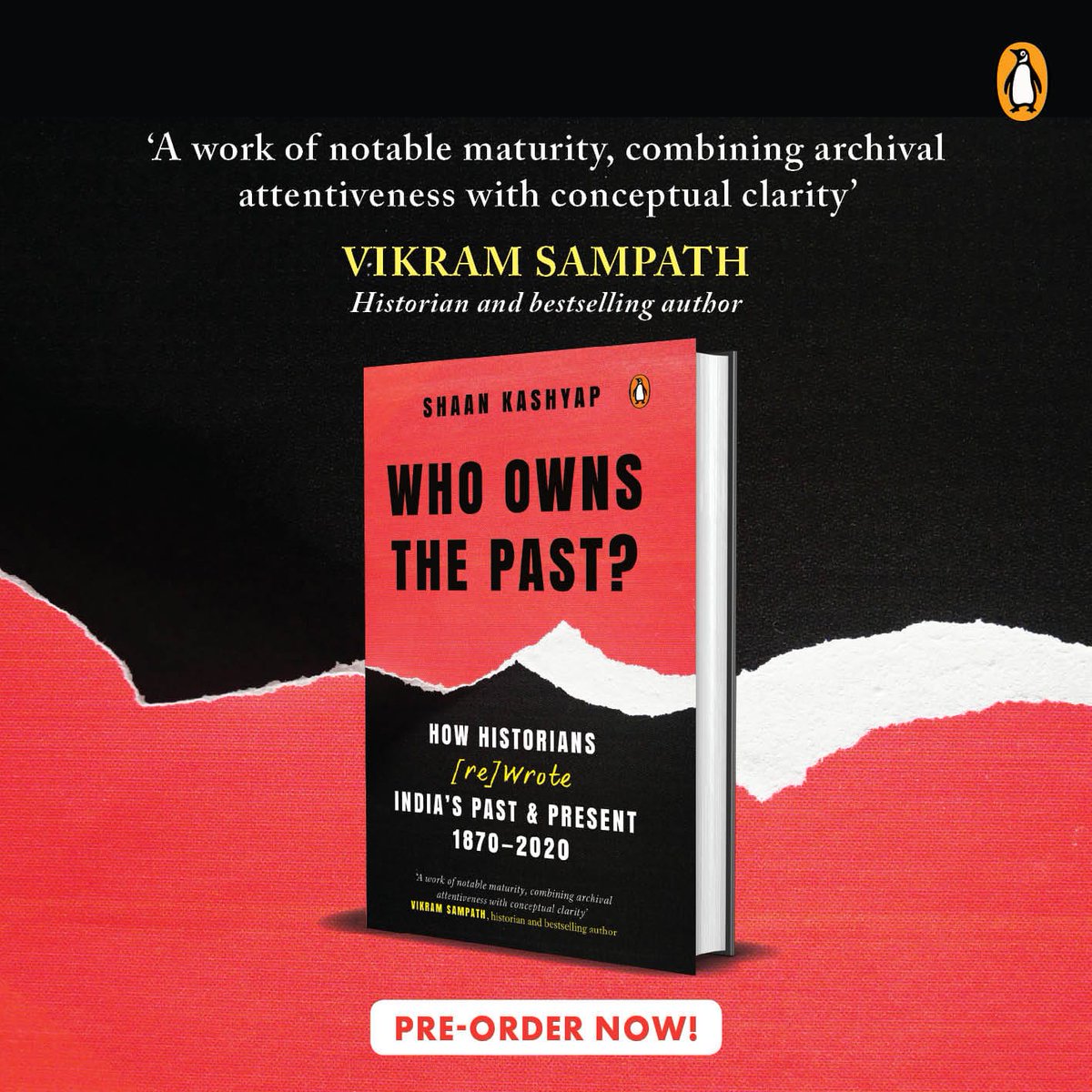
The 2nd book from @fihcr_info Sir Jadunath Sarkar Fellowship's Batch 1 is out now from @PenguinIndia. "Who Owns the Past" by Shaan Kashyap is a deeply researched account of how India’s history has been written, rewritten, contested & politicized from the colonial era to the age of social media, with the accompanying power struggles that define the present where history is a live battle everyday. Please order & read this important & timely book on link 👇 amzn.in/d/0aTOYuOV @premanka
Dr. Vikram Sampath, FRHistS tweet media
English
5
105
332
9.9K
Dr xenephon retweetledi
Stuff of Bardic Legends
GIF
Dr. Vikram Sampath, FRHistS@vikramsampath

The 2nd book from @fihcr_info Sir Jadunath Sarkar Fellowship's Batch 1 is out now from @PenguinIndia. "Who Owns the Past" by Shaan Kashyap is a deeply researched account of how India’s history has been written, rewritten, contested & politicized from the colonial era to the age of social media, with the accompanying power struggles that define the present where history is a live battle everyday. Please order & read this important & timely book on link 👇 amzn.in/d/0aTOYuOV @premanka

ZXX
0
0
13
408
Dr xenephon retweetledi
Kalinga Arya
Kalinga Arya@KalingaArya·
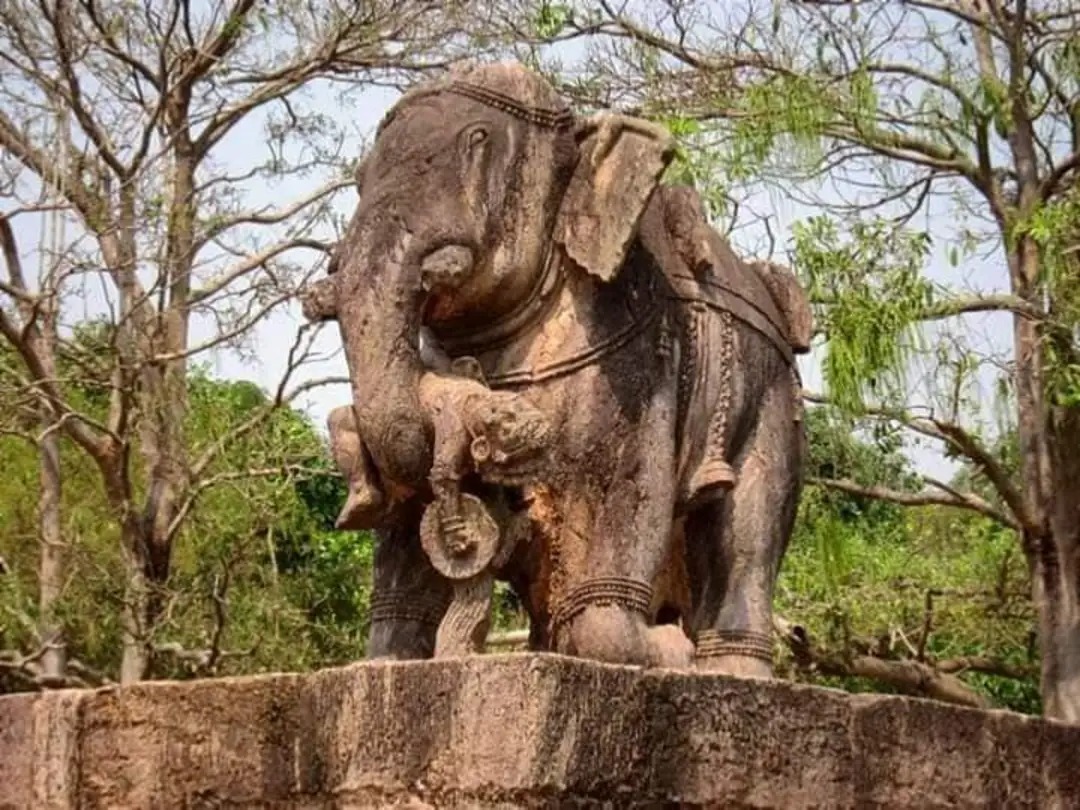
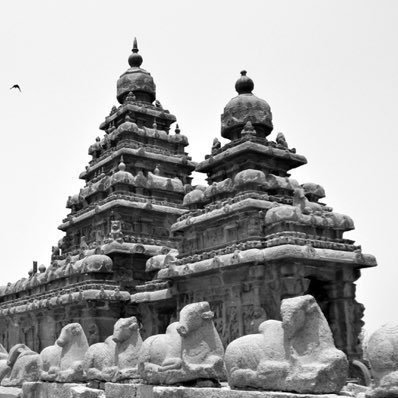
At Konark, stone still remembers a queen among elephants — Sudehi, the beloved companion of Ganga emperor Langula Narasimhadeva I. Legends say that during the brutal wars against the Turko-Afghan invaders, the wounded king collapsed on the battlefield. As chaos consumed the field, Sudehi charged through the carnage, lifted her unconscious master in her trunk, and carried him to safety. The king survived, returned to war, and crushed the enemy forces. Immortalized in the sacred walls of Konark, this sculpture stands not merely as art, but as a timeless tribute to loyalty, courage, and the bond between a king and his elephant. Exact historicity of the incident is difficult to say but this is a popular legend here. Odisha is the land of elephants so the kings had the epithet Gajapati. Narasimha Deva I was the first king to use this title.
Kalinga Arya tweet mediaKalinga Arya tweet media
English
1
97
374
4.8K
Dr xenephon retweetledi
LeoDaVinciWave
LeoDaVinciWave@LeoDaVinciWave·
A pair of flintlock pistols with ivory Turk-head handles, made in Maastricht/Paris. Historical craftsmanship at another level.
LeoDaVinciWave tweet media
English
3
53
356
6.8K
Dr xenephon retweetledi
Yadu
Yadu@Yaduvam·
Stone horse of Samudragupta, emperor of the Gupta empire, 365-375 CE.
Yadu tweet media
English
12
128
1.4K
15.3K
Dr xenephon
Dr xenephon@DXenephon·
@eltitokasti @LydiaJ007 it would be really funny if there was dialouge pointing that out, npc , yes its in the west yes its called empire of the dawn also before you ask i dont know why its above my paygrade
English
0
0
1
9
Dr xenephon retweetledi
Lydia
Lydia@LydiaJ007·
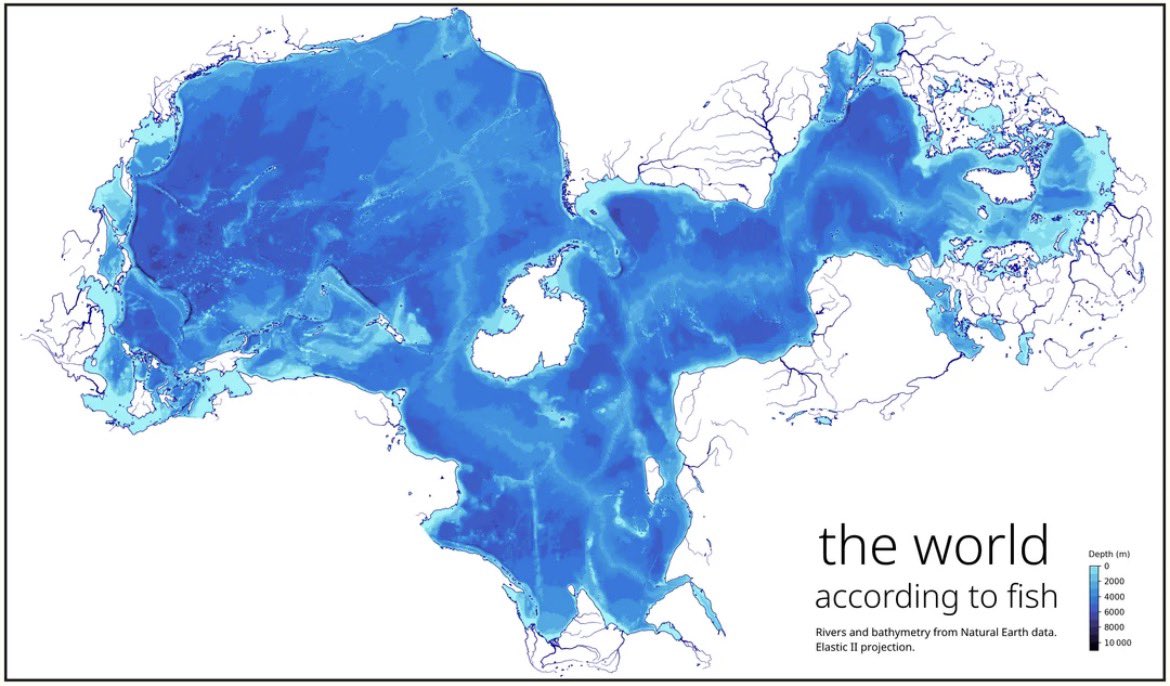
This map is so interesting to me, imagine an infinite plane of desert punctuated by oases like this once every million kilometres
Lydia tweet media
English
29
197
7.5K
222.9K
Dr xenephon
Dr xenephon@DXenephon·
@LydiaJ007 dang why didnt i think of that it would make more sense
English
1
0
3
560
Lydia
Lydia@LydiaJ007·
@DXenephon Antarctica should be the sunken continent which suddenly rises back up
English
1
0
35
3.9K
Dr xenephon retweetledi
tosparkee
tosparkee@tosparkee·
@tskrishnan Sir. looks like guesswork than direct reference to King Ganapatideva.
English
2
1
4
248
Dr xenephon retweetledi
𑀓𑀺𑀭𑀼𑀱𑁆𑀡𑀷𑁆 🇮🇳
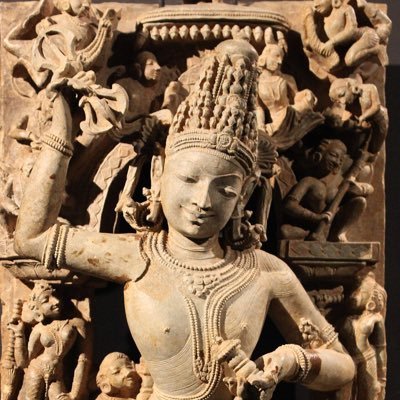
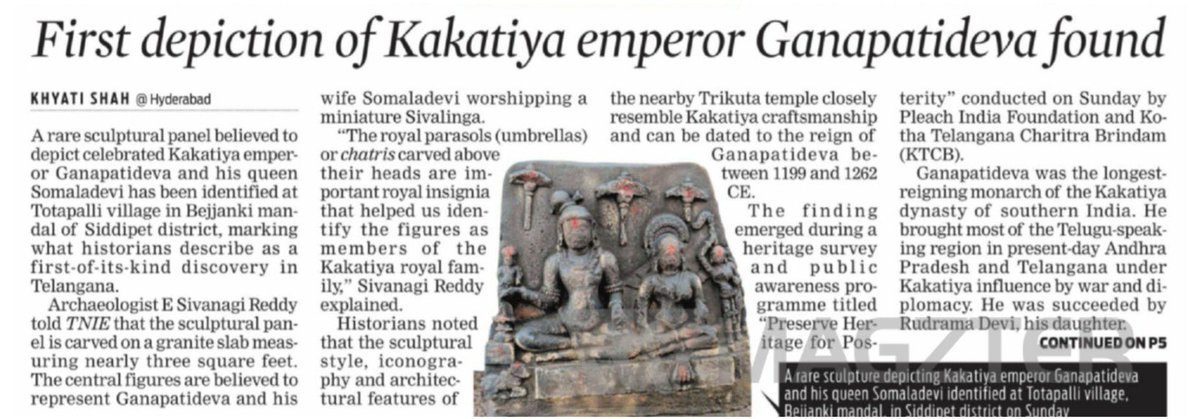
In an important discovery, a sculptural panel depicting the Kakatiya emperor Ganapatideva and his queen has been found. Ganapatideva was one of the greatest monarchs of the Kakatiya dynasty, under whom the kingdom reached the height of its political power, prosperity, and cultural glory.
𑀓𑀺𑀭𑀼𑀱𑁆𑀡𑀷𑁆 🇮🇳 tweet media
English
1
75
212
7.6K
Dr xenephon retweetledi
Marcell Fóti 🪨
Marcell Fóti 🪨@FoMaHun·
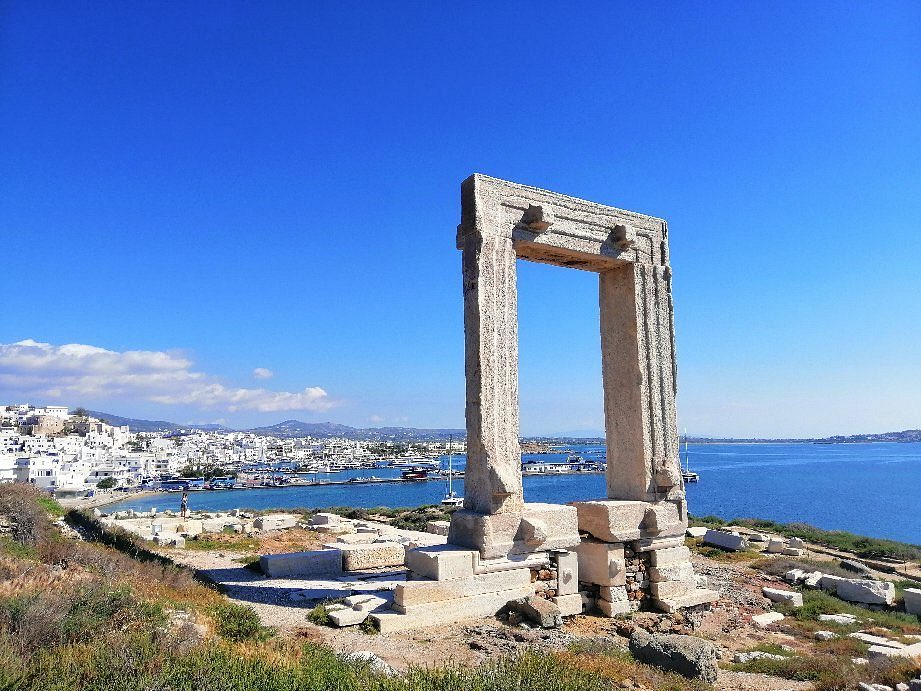
Chemistry lesson for every kind of archaeologist: real, pseudo, and armchair archaeologists. Part One Lye made from wood ash — basically water slowly filtered through and dripped off from wood ash — primarily contains potash (K₂CO₃). Every ancient civilization could produce this. We even have evidence: soap making. Quicklime (CaO) is produced by heating limestone (CaCO₃) in fire. Under heat, the CO₂ simply gets released and escapes into the atmosphere and burnt or quick lime is formed. Add some water and you’ll end up with slakec lime (Ca(OH)2) Ancient civilizations could produce this too, and we also have evidence they used it: lime-burning pits, leather tanning, and so on. If you mix these two, ion exchange gives you limestone (CaCO₃) molecules suspended in a potassium hydroxide (KOH) solution. K2CO3 + Ca(OH)2 = CaCO3 + 2KOH Yes, you should bookmark this, good idea! If you let it settle, you get a crude limestone paste. Not slaked lime, but actual limestone particles — the same kind that settles on the ocean floor together with dead shells. (Yes, limestone particles continuously settle on the seafloor, formed not from dead animals themselves, but from calcium ions and carbon dioxide from the air. This is what acts as the binding material that cements the shells together. The shells themselves, of course, are not sticky.) If you compress this goo, you get real limestone, with its strength depending on the amount of pressure applied. If you don’t apply pressure and simply let it dry, it will crumble back into powder. If you apply several tons of pressure, the result is a very hard stone. And our ancestors knew this too. It’s no coincidence they didn’t try molding it into bricks — strong bonding requires pressure. A 1–2 meter thick layer of this sludge already creates enough self-weight to harden the lower section. And once you place the next stone block on top, there’s no question that the necessary pressure will be there. Of course, one more thing is needed: a hole in the mold so that the water squeezed out of the paste can escape. And there you have it — nub is ready. The nubs are naturally located on the lower parts of the stones. If they aren’t there, then the stone was rotated into this position— like this limestone lintel here. Naxos Portara, Greece 🇬🇷
Marcell Fóti 🪨 tweet media
English
39
91
828
32.8K
Dr xenephon retweetledi
Marley’s Ghost
Marley’s Ghost@SkullPiler·
The Auguste Victoria in the Nærøyfjord, 1900 Themistokles von Eckenbrecher Oil on canvas, 162 × 222 cm Staatliches Museum Schwerin, Germany
Marley’s Ghost tweet media
Suomi
1
20
115
3.8K
Dr xenephon retweetledi
Tarbuj Syngh
Tarbuj Syngh@gajak06·
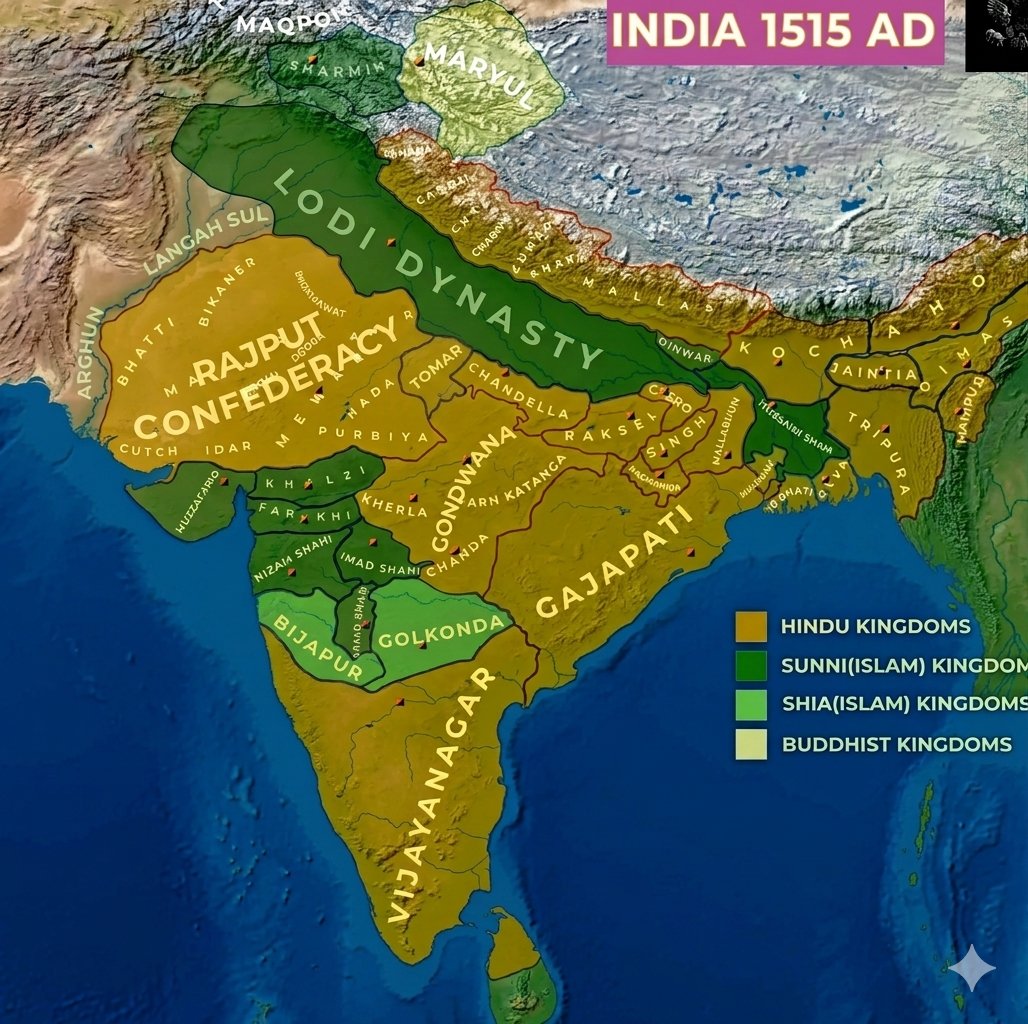
Hindu reconquesta led by Rajputz, Gajapati and Vijaynagar was going great until a canon guy from samarkand ruined it all
Tarbuj Syngh tweet media
English
34
99
760
111.4K
Dr xenephon retweetledi
Mayhem
Mayhem@MaYhemm____·
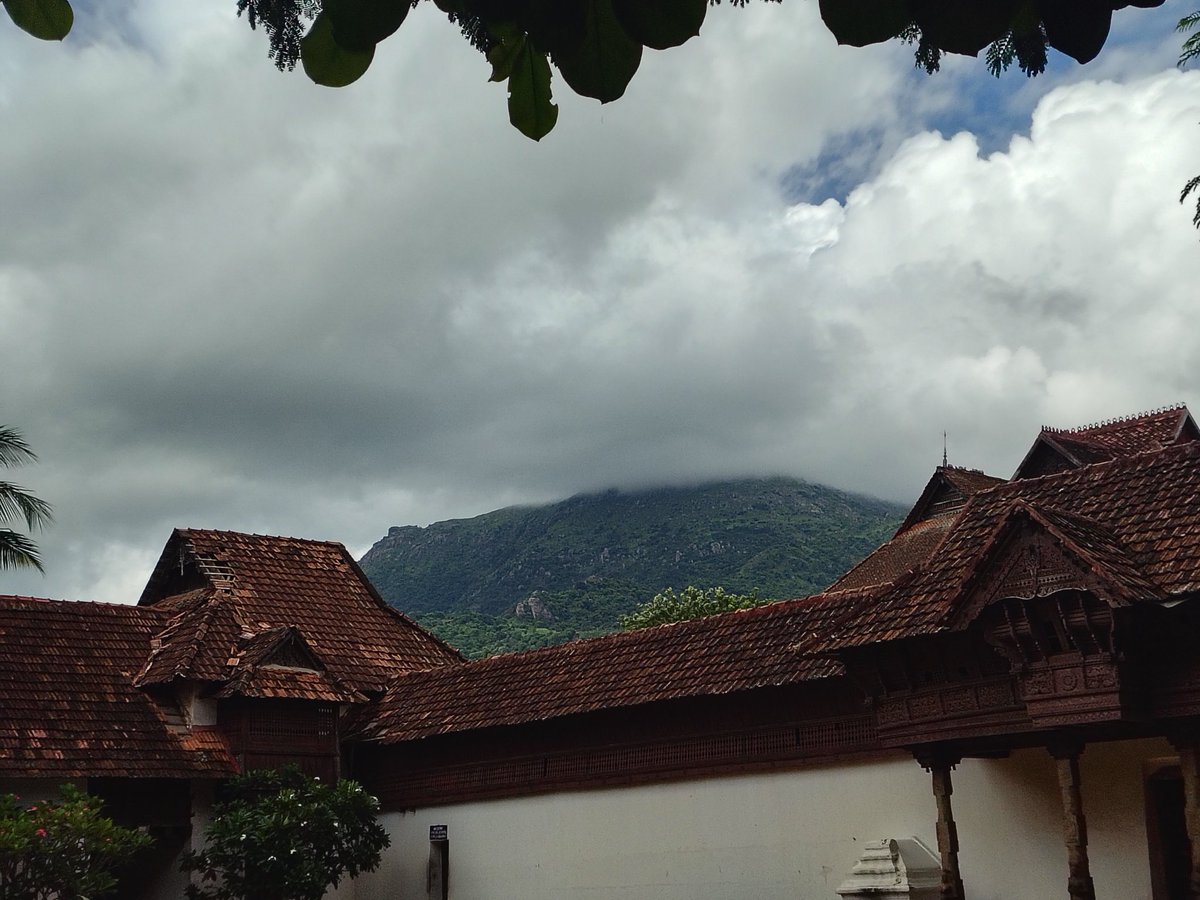
Some clicks from a recent visit to the iconic Padmanabhapuram Palace, nestled in the Western Ghats and the former seat of the Kingdom of Travancore kings. Construction began in 1601, widely regarded as the world’s largest wooden palace..
Mayhem tweet mediaMayhem tweet mediaMayhem tweet mediaMayhem tweet media
English
16
127
843
20.9K
Dr xenephon retweetledi
நா. கணேசன் (Dr. N. Ganesan)
Today is International Turtle Day. (1) as the base of tiered lamps both in stone and in bronze, there is a turtle in Keralam temples. (2) In the arts on the Churning of the Ocean (MBh), Meru mountain is placed as the churn rod (mattu in Tamil) on the tortoise. For example, Angkor Wat huge panel's turtle is attached. (3) French has tortu for both turtle and tortoise. From the city of Susa (ANE), there is 4000+ years old ceramic bowl with a painting of a turtle at the Louvre, Paris. Same thing in Dravidian also, original name is Yaamai. Yamuna, river name comes from Yaamai. Look at sculptures of Yamuna devi, this will become clear and compare with Ganga devi vahana also. Happy International Turtle Day!
நா. கணேசன் (Dr. N. Ganesan) tweet media
English
0
1
2
49