
Daniel Garzon-Chavez retweetledi
Daniel Garzon-Chavez
509 posts

Daniel Garzon-Chavez
@DanielGarzonCH
MD. MPH&TM Ph.D in microbiology
Quito, Ecuador Katılım Ocak 2021
894 Takip Edilen236 Takipçiler

Daniel Garzon-Chavez retweetledi

Introducing Tahoe-x1 (Tx1) by @tahoe_ai. A 3-billion-parameter, single-cell foundation model that learns unified representations of genes, cells, and drugs, achieving state-of-the-art performance across cancer-relevant cell biology benchmarks, open-sourced on @huggingface. 🧵
English
Daniel Garzon-Chavez retweetledi

NotebookLM just ended manual AI paper reading.
They’ve released a new version for arXiv papers and it’s insane.
It doesn’t just summarize papers.
- It studies thousands of related sources
- Connects the research for you
- Explains everything back in audio like a real mentor
And yes… it’s completely free.
English
Daniel Garzon-Chavez retweetledi
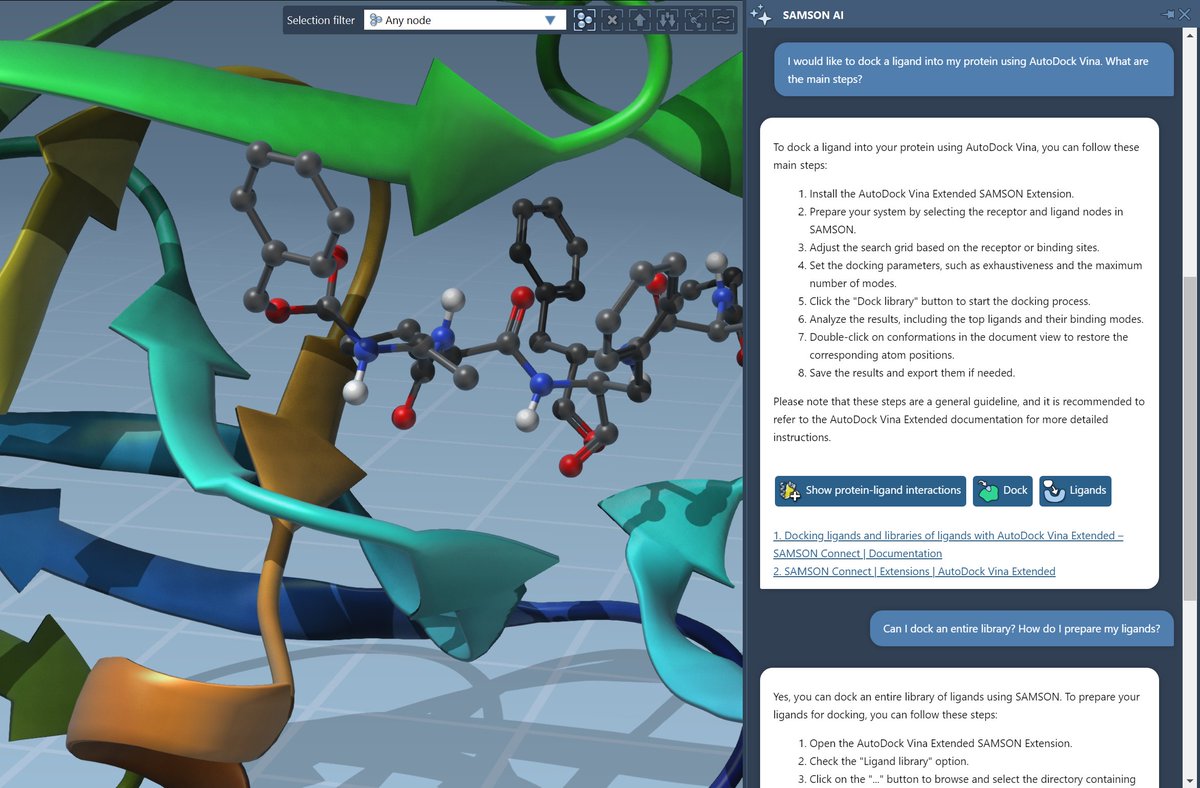
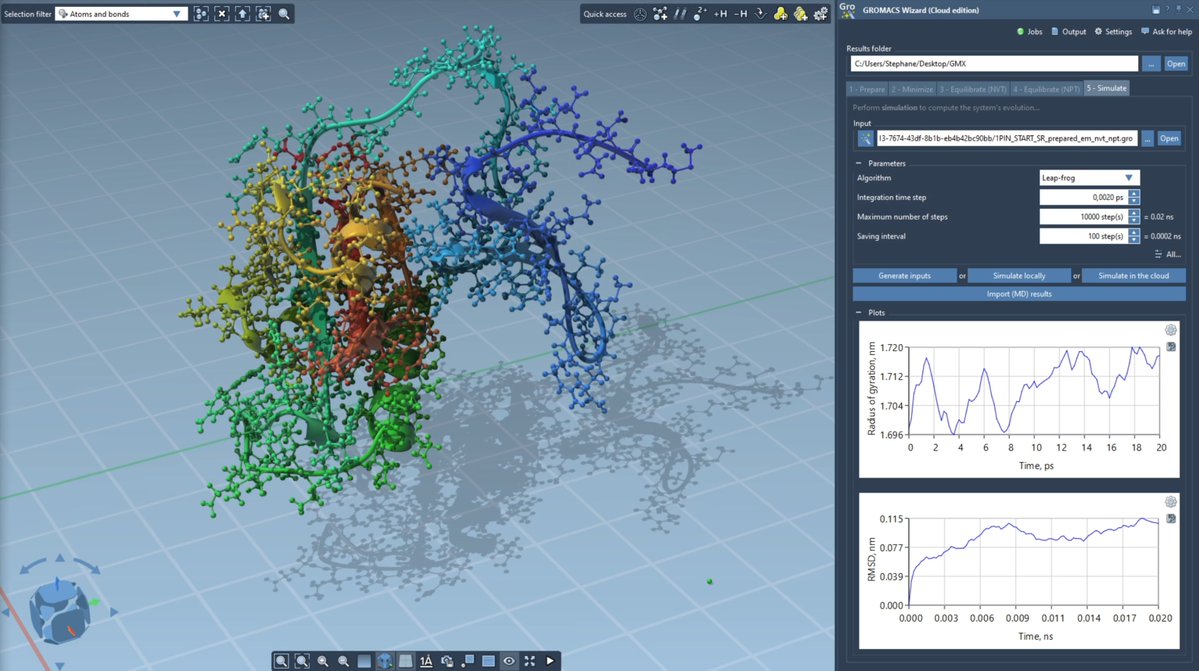
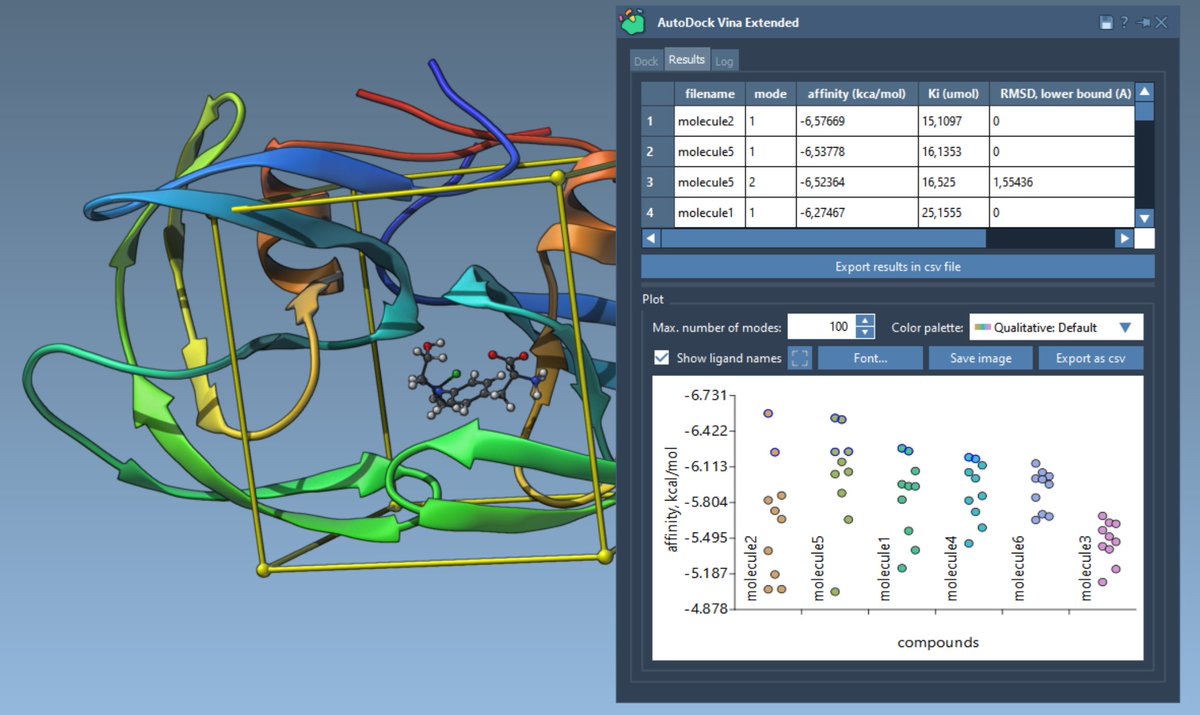
🎉🎉🎉 Today, we have a huge announcement to make: SAMSON is now free for non-commercial use! This includes all extensions for docking, simulating, animating, scripting, and much, much more.
Precisely, we are making the entire SAMSON molecular design platform - SAMSON + every SAMSON Extension on SAMSON Connect - free for non-commercial use.
This means you can now use SAMSON at no cost in academic and nonprofit settings for:
- Education (teachers, students, classrooms)
- Academic & publicly funded research
- Personal projects (no revenue, no paid consulting)
If this is your case, you can activate your free non-commercial license yourself when you sign up at samson-connect.net.
This will grant you a free Expert plan and make all SAMSON Extensions free to add on SAMSON Connect. (as you may know, most features run locally, but some optional calculations run in the cloud, such as structure prediction and cloud simulations - these require computing credits).
When your work involves paid services, consulting, product development, or commercial R&D, just visit the Pricing page and select one of the commercial plans. You can later revert to non-commercial use.
If you are unsure whether you are eligible to a free non-commercial license, please just contact us and we'll work it out with you.
Of course, feel free to share the news with your friends, students, and colleagues (and everyone else 😊).
#SAMSON #Community

English
Daniel Garzon-Chavez retweetledi
SMART v10: three decades of the protein domain annotation resource. #ProteinDomain #ProteinAnnotation #NAR_journal
academic.oup.com/nar/advance-ar…

English
Daniel Garzon-Chavez retweetledi

¿Conoces "eBIMIC", nuestra aplicación web del Boletín de Información Microbiológica (versión electrónica)?
- Introduce unas pocas variables de tu paciente y
- Obtén el tratamiento empírico (o semidirigido) más eficaz.
👉 PRUEBALA EN: microbiologyhcuv.shinyapps.io/ebimic/


Español
mdpi.com/2075-1729/15/1… New paper, hepatocellular carcinoma in Ecuador. We did a description of survival outcomes. A colaboration with @EnriqCarrera @johanacsa16 @USFQ_Ecuador @PUCE_Ecuador
English
Daniel Garzon-Chavez retweetledi

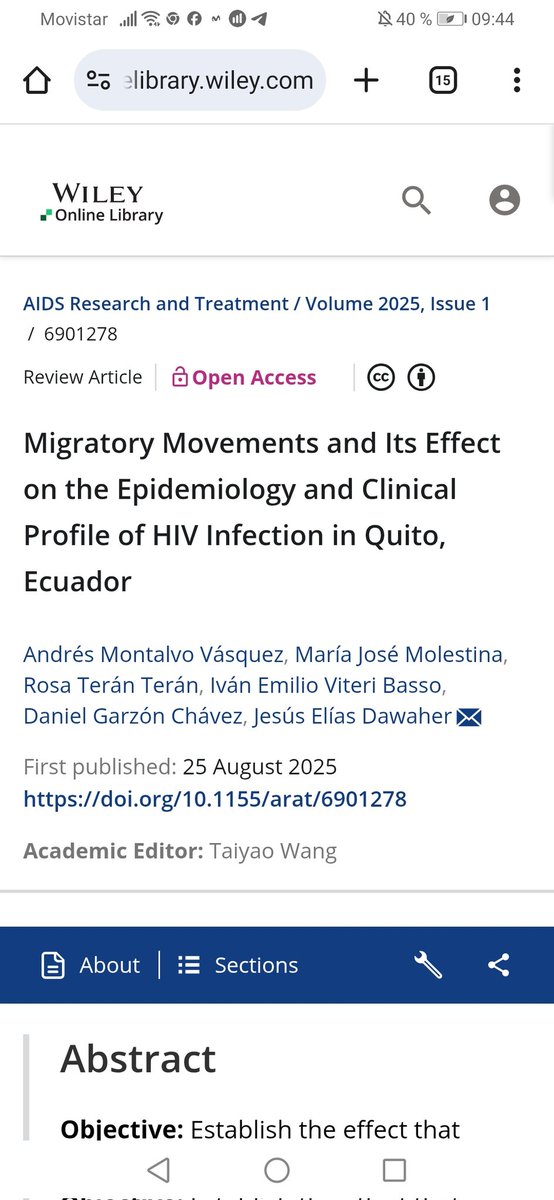
onlinelibrary.wiley.com/share/GJBPVE5H… New paper, New paper, a multidisciplinar work with friends of @PUCE_Ecuador and @USFQ_Ecuador
English
Daniel Garzon-Chavez retweetledi

A genome is not a one-dimensional object. It is dynamic and quickly-changing, not only in TIME but also in SPACE.
A new paper, published in Nature, reports the 3D structure of the E. coli genome. The whole thing was mapped with a resolution of 10 base pairs; enough to clearly delineate which parts of the genome are physically close to each other in the cell.
The researcgers grew E. coli under normal conditions, stressed the cells in various ways, and built mutant strains missing certain DNA-binding proteins. They made a 3D map in each circumstance and also combined these maps with other measurements, including transcription maps, protein-binding maps, and super-resolution microscopy.
There is a lot of stuff in this paper, and I really think you should read it if interested. But I just want to talk about one piece of this paper, because it really stood out and surprised me.
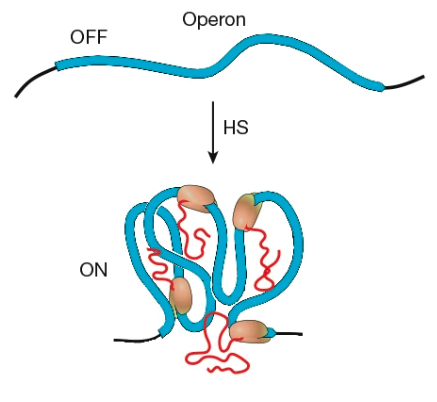
It concerns a weird structure in the genome called an "operon-sized chromosomal interaction domain," or OPCID.
These OPCIDs show up wherever genes are being actively transcribed, or converted from DNA --> RNA. As the genes in an operon are being transcribed, the DNA sequence physically FOLDS UP in 3D space so that the start (promoter) and end (terminator) of the operon come close together. When transcription ends, these structures disappear.
At first, I was confused about these OPCIDs. Why would a cell want to bring the start and end of an operon together? Wouldn't that, like, block RNA polymerase from binding and its job?
Nope. The structures are "loose" enough that RNA polymerases can still get in and transcribe the DNA. But the big benefit here, the researchers think, is that this 3D structure keeps proteins from diffusing away in the cell. So after a polymerase finishes transcribing the operon, it can very quickly loop back to the start (because the promoter is right next to the terminator!) and get started on the next round of transcription. This would make gene expression far more efficient, especially when cells need to express those genes at a high level.
Besides OPCIDs, the authors also found other structures (called chromosomal hairpins and clusters of hairpins) that show up where genes are not being actively transcribed. If you destroy these hairpin structures using a drug called netropsin, genes that were silent actually switch on (sometimes by more than 100-fold) and start forming OPCIDs!
Anyway, I really love this paper. Check it out.

English
Daniel Garzon-Chavez retweetledi

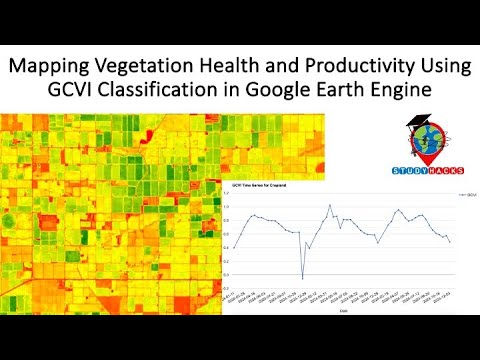
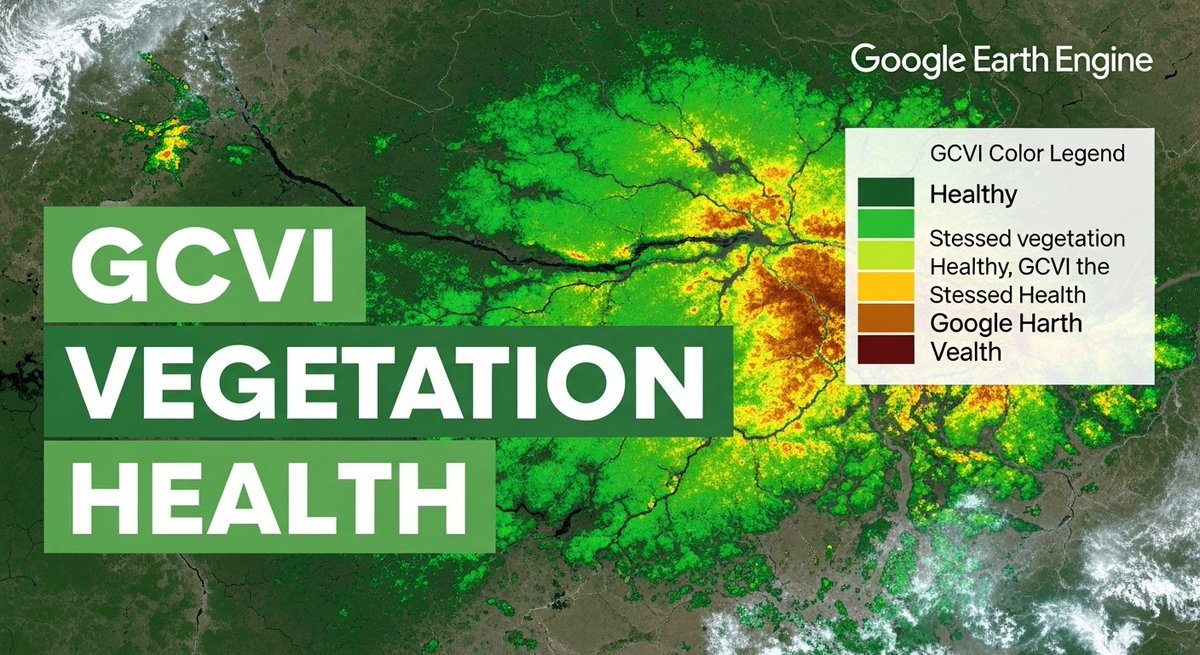
Monitoring Vegetation Health and Productivity Using GCVI Classification in Google Earth Engine
Link: youtu.be/4TG3ZoYTKpo?si…
Reg Info:
studyhacksgeospatial.com/google-earth-e…
#GCVI #GoogleEarthEngine #VegetationMonitoring #CropHealth #AgricultureMonitoring #RemoteSensing
YouTube
English
Daniel Garzon-Chavez retweetledi
Climate Data Analysis using Google Earth Engine & Python | Remote Sensing Tutorial.
Tutorial link: youtu.be/TJyyhX2J35U
Registration link:
studyhacksgeospatial.com/google-earth-e…
#googleearthengine #gee #ClimateActionNow
YouTube

English
Daniel Garzon-Chavez retweetledi

El Centro de Investigaciones en Geografía Ambiental UNAM tiene un libro sobre Geoprocesamiento con Phyton 🌐
En el manual introductorio para el procesamiento de imágenes satelitales.
Descárgalo libremente 📥publicaciones.ciga.unam.mx/index.php/ec/c…

Español
Daniel Garzon-Chavez retweetledi

My dear friends, I have a great story to share. After a night of hard work, one of my agents working on real-time monitoring of publications related to targets of interest informed me of a high-profile publication on TNIK. And when I clicked on the link, I almost fell out of my chair - it was a detailed commentary on rentosertib explaining the program in detail by one of the heroes of the generative AI revolution in biomedicine and someone who (and who's team) I deeply respect, @marinkazitnik ! 🙏🙏
I usually celebrate with a hackathon on novel target discovery, and tomorrow we will be spending half a day with our AI platforms to come up with a perfect target for the next big program 😊
Please check out the commentary and read the two papers documenting the history of discovery and development in the comments.
hashtag#GreatDay hashtag#ResearchPaper hashtag#AI

English
Daniel Garzon-Chavez retweetledi

GeneRanger is a web-server application that provides access to processed data about the expression of human genes and proteins across human cell types, tissues, and cell lines from several atlases. generanger.maayanlab.cloud/en/gene/A1CF?d…

English
Daniel Garzon-Chavez retweetledi

🚨🚨New paper out!!!
Come for the first large-scale analysis of plasmid copy number across species,
stay for one of the most intriguing results of my lab: universal scaling laws in plasmid biology! 📈🧬
👉nature.com/articles/s4146…
English
Daniel Garzon-Chavez retweetledi

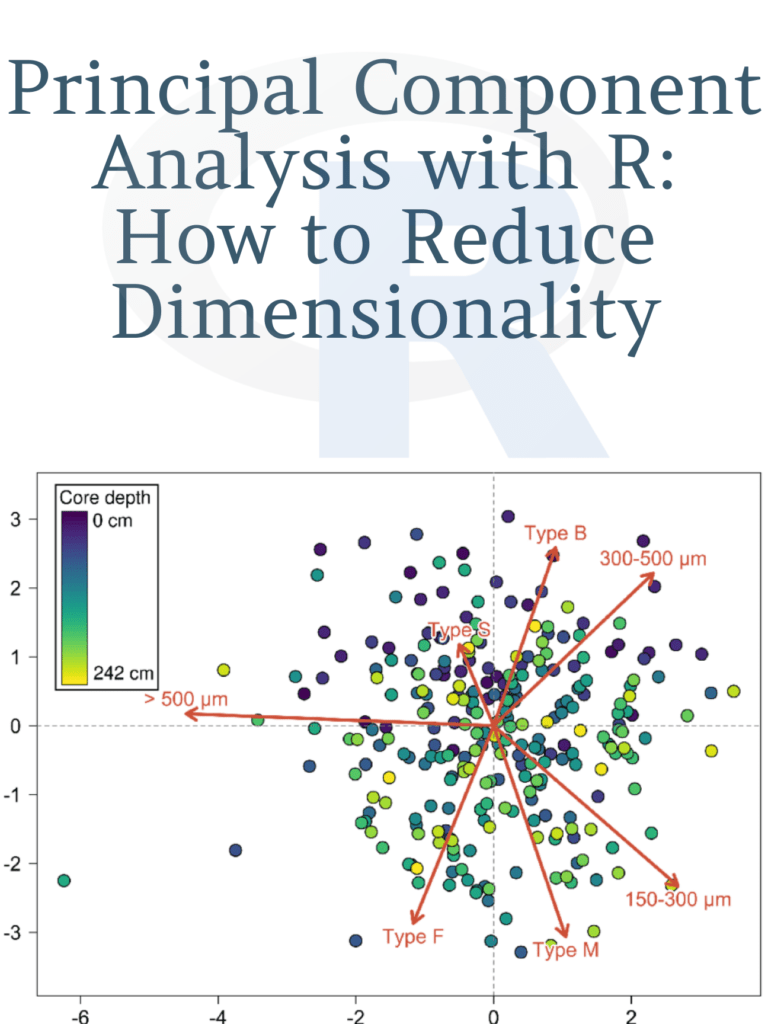
As a student of data analysis, we understand that Principal Component Analysis (PCA) is a powerful tool that helps reduce the dimensionality of large datasets while retaining the most relevant information. pyoflife.com/principal-comp…
#DataScience #rstats #statistics #MachineLearning
English
Daniel Garzon-Chavez retweetledi

🚨 new paper alert!
science.org/doi/10.1126/sc…
During my PhD, one of the most frustrating challenges was trying to interpret genes labeled as “hypothetical proteins.” 1/n
English
Daniel Garzon-Chavez retweetledi

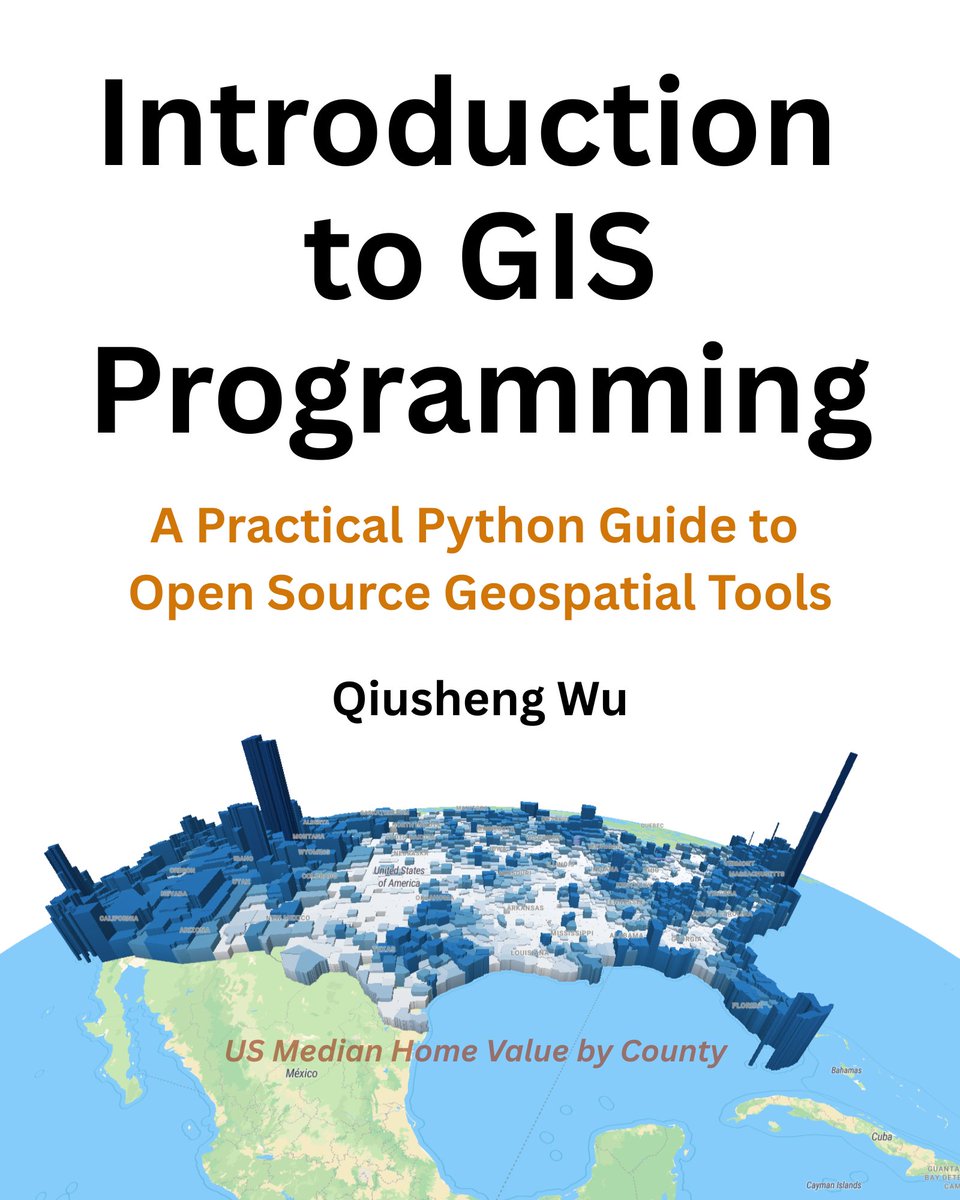
🚀 I am thrilled to share the final Table of Contents for my upcoming book, Introduction to GIS Programming: A Practical Python Guide to Open Source Geospatial Tools! Currently wrapping up the last chapter on Distributed Computing with Apache Sedona. Aiming for a release before in two weeks. Stay tuned!
📚 Book website: gispro.gishub.org
📝 Table of Contents: gispro.gishub.org/book-toc.pdf
🔗 GitHub: github.com/giswqs/intro-g…
#Geospatial #OpenSource #Jupyter #Mapping
English
Daniel Garzon-Chavez retweetledi

I’m hiring multiple PhD students and one postdoc at NTU Singapore, starting in Spring or Fall 2026, to push the frontiers of robot planning, learning, and embodied AI.
Details are available here: yoonchangsung.com/opportunity
Thank you for your support in sharing this opportunity!
#PhDOpportunity #Robotics #NTUsg
English