Darnell Clayton

94.3K posts

Darnell Clayton banner
Darnell Clayton

Darnell Clayton

@Darnell

A carbon vessel interested in all things celestial. A human being with spiritual meaning. A political soul seeking libertarian goals.

🇺🇸🇮🇱🇳🇬🇸🇱🇸🇬🇯🇵🇱🇷 Katılım Mayıs 2007
2.8K Takip Edilen2.3K Takipçiler
Sabitlenmiş Tweet
Darnell Clayton
Darnell Clayton@Darnell·
If anyone is interested in owning these domains: 👉🏾 Lunar.one 👉🏾 Colony.one 👉🏾 Threads.lat 👉🏾 Threads.africa Let me know by contacting me here via private message or email: darnell@darnellclayton.com Note: The latter two I prefer if @threads by @meta owns for obvious reasons (too many spammers & scammers out nowadays). The previous two however there are no restrictions or preferences for ownership.
English
0
0
1
544
Darnell Clayton retweetledi
Noa Tishby
Noa Tishby@noatishby·
An Iranian missile just struck Jerusalem’s Old City near the Western Wall, Al-Aqsa Mosque, and the Church of the Holy Sepulchre, some of the holiest sites to Jews, Muslims, and Christians.
English
2.6K
2.5K
6.7K
1.7M
Darnell Clayton
Darnell Clayton@Darnell·
Wisdom. @Israel 🇮🇱 is a progressive democracy who supports human rights, freedom of faith, promote science & technology, embrace the rule of law, are business friendly & have a variety delicious foods. Israel 🇮🇱 is also surrounded by hostile, authoritarian regimes who are adversarial towards human rights (especially for women), are selective about which faiths they tolerate, only embrace weaponized or exploitive technology, rule of law is theocratic or based on favoritism, semi-business friendly, & unsurprisingly also boast a variety of delicious foods. To put it in @startrek terms, one side acts like the Bejorins & the other side acts like Klingons.
English
5
0
16
512
Eli Afriat 🇮🇱
Eli Afriat 🇮🇱@EliAfriatISR·
If you are not from Israel or Jewish, please tell me what made you support Israel? How can there be so many haters of Israel? How can reality be so illogical?
English
1.1K
129
1.3K
45.6K
Darnell Clayton retweetledi
Israel Defense Forces
⭕️In response to yesterday’s events in which Druze civilians were attacked, the IDF struck a command center and weapons in military compounds belonging to the Syrian regime in southern Syria. The IDF will not tolerate harm towards the Druze population in Syria and will continue to operate to defend them. The IDF continues to monitor developments in southern Syria and will operate in accordance with directives from the political echelon.
English
269
778
4.7K
367K
Darnell Clayton retweetledi
Ricardo
Ricardo@Ric_RTP·
Jensen Huang just called out every CEO who’s been firing people “because of AI.” Jim Cramer asked him why companies are laying people off if AI is supposed to make everyone MORE productive. Jensen's answer: "For companies with imagination, you will do more with more. For companies where the leadership is just out of ideas, they have nothing else to do. They have no reason to imagine greater than they are. When they have more capability, they don't do more." Read that again. The man who built the most important tech company on Earth just told you that if your CEO is using AI to cut headcount, it means one thing: They have no imagination. They have no vision for what comes next. They got handed the most powerful tool in human history and their FIRST instinct was to fire people. This is the CEO of NVIDIA. The company whose chips power every AI system on the planet. If anyone on Earth has the right to say "AI replaces workers," it's Jensen Huang. And he said the OPPOSITE. He said every carpenter could become an architect. Every plumber could become an architect. AI elevates capability. It doesn't eliminate it. But here's where it gets really interesting... During the same interview, Jensen revealed something nobody's talking about: He said AI startups like OpenAI and Anthropic are seeing their revenues increase by one to two billion dollars a WEEK. And he wishes these companies were public so the world could see what he sees. One to two billion per week. That's a $50 to $100 BILLION annualized run rate. For companies that most people think are burning cash and making nothing. The entire Wall Street narrative that "AI companies aren't profitable" might be completely wrong. Jensen sees their numbers. He sees their compute orders. He sees their growth. And he's saying the revenue is real. So if the money IS real, why are other companies firing people? Because they're not building AI products. They're not creating new revenue streams. They're not using AI to expand into new markets. They're using AI as an EXCUSE to cut costs because they ran out of ideas 3 years ago and need something to tell the board. Jensen's company added $500 billion in new orders in 5 months. He expects $1 trillion in cumulative revenue through 2027 from just two product lines. That number doesn't include the new chips, systems, or partnerships announced this week. And he's not cutting people. He's hiring. Because when you have imagination, more capability means MORE opportunity. Not less headcount. Meanwhile Salesforce cut thousands. Meta cut thousands. Amazon cut thousands. All blaming "AI efficiency." Jensen's response: You're out of imagination. He also said something that stuck with me. Cramer asked if he ever thought he'd build a $10 to $20 trillion company while waiting tables at Denny's. His answer: "I was just trying to make it through the shift." Biggest tip he ever got? Two, three dollars. Now he's building tech that increased computing demand by one million times in two years. He announced OpenClaw, which he says is as big as ChatGPT. And he's got 21 months of new business that isn't even counted in the trillion dollar figure yet. When asked how long he plans to keep working? "I'm hoping to die on the job. And I'm not hoping to die anytime soon." This is a man who believes every single thing he's building. And his message to every CEO using AI to justify layoffs is simple... You're not innovating. You're surrendering. The technology wasn't built to shrink companies. It was built to make them limitless. If your leadership can't see that, the problem isn't AI. It's THEM.
English
466
1.6K
7.7K
1.3M
Darnell Clayton retweetledi
Jack Prandelli
Jack Prandelli@jackprandelli·
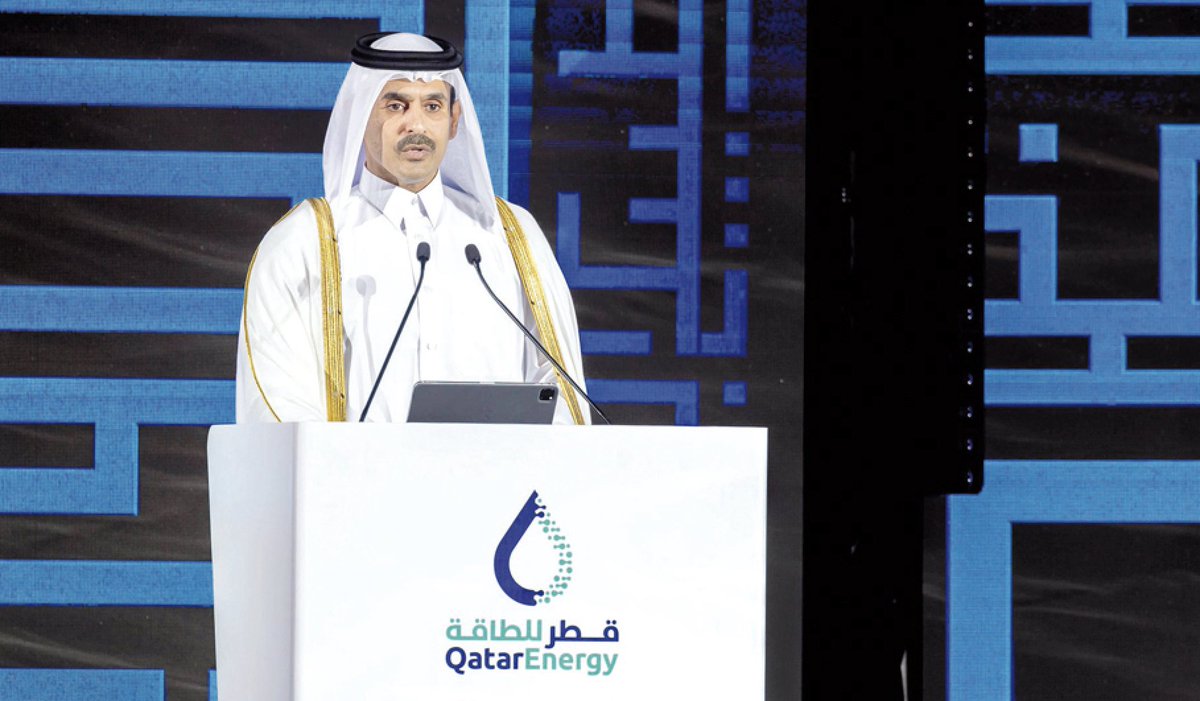
🚨BREAKING: Qatar just declared force majeure on LNG contracts to Italy, Belgium, South Korea, and China. For up to 5 years. Here's what the CEO just told In an exclusive interview with Reuters, Qatar's Energy Minister and CEO of QatarEnergy just confirmed the damage from Iran's attack on Ras Laffan. It's worse than anyone thought. → 2 out of 14 LNG trains damaged → 1 of 2 gas-to-liquids (GTL) facilities damaged → 12.8 million tonnes per year of LNG offline for 3-5 years → 17% of Qatar's total LNG export capacity gone → $20 billion annual revenue loss → $26 billion in damaged facilities (the CEO said they "should not be attacked") QatarEnergy may declare force majeure on long term LNG supply contracts to: → Italy → Belgium → South Korea → China For up to 5 years. Additional exports declining: → Condensates: Down 24% → LPG: Down 13% → Naphtha: Down 6% → Sulphur: Down 6% → Helium: Down 14% The damaged trains: → Train S4 and S6: 30% owned by ExxonMobil, rest by QatarEnergy Production cannot restart until hostilities cease. What this means? 12.8 million tonnes per year = 17% of Qatar's LNG capacity. 17% of its capacity just disappeared for 3-5 years. Italy, Belgium, South Korea, China: These countries had long-term contracts with Qatar. Force majeure means those contracts are suspended. They now have to compete in spot markets for replacement cargoes. Against each other. And against every other buyer scrambling for LNG. $20 billion per year in lost revenue for Qatar. $26 billion in facilities damaged. The only country with capacity to absorb Qatari volumes at scale is the United States. I wrote a full breakdown on how this shift benefits US LNG producers and which stocks are positioned to win from Qatar's structural supply loss👇 open.substack.com/pub/themerchan… #Iran #Qatar #LNG
Jack Prandelli tweet media
English
147
1.9K
4K
548.6K
Darnell Clayton retweetledi
British Embassy Washington
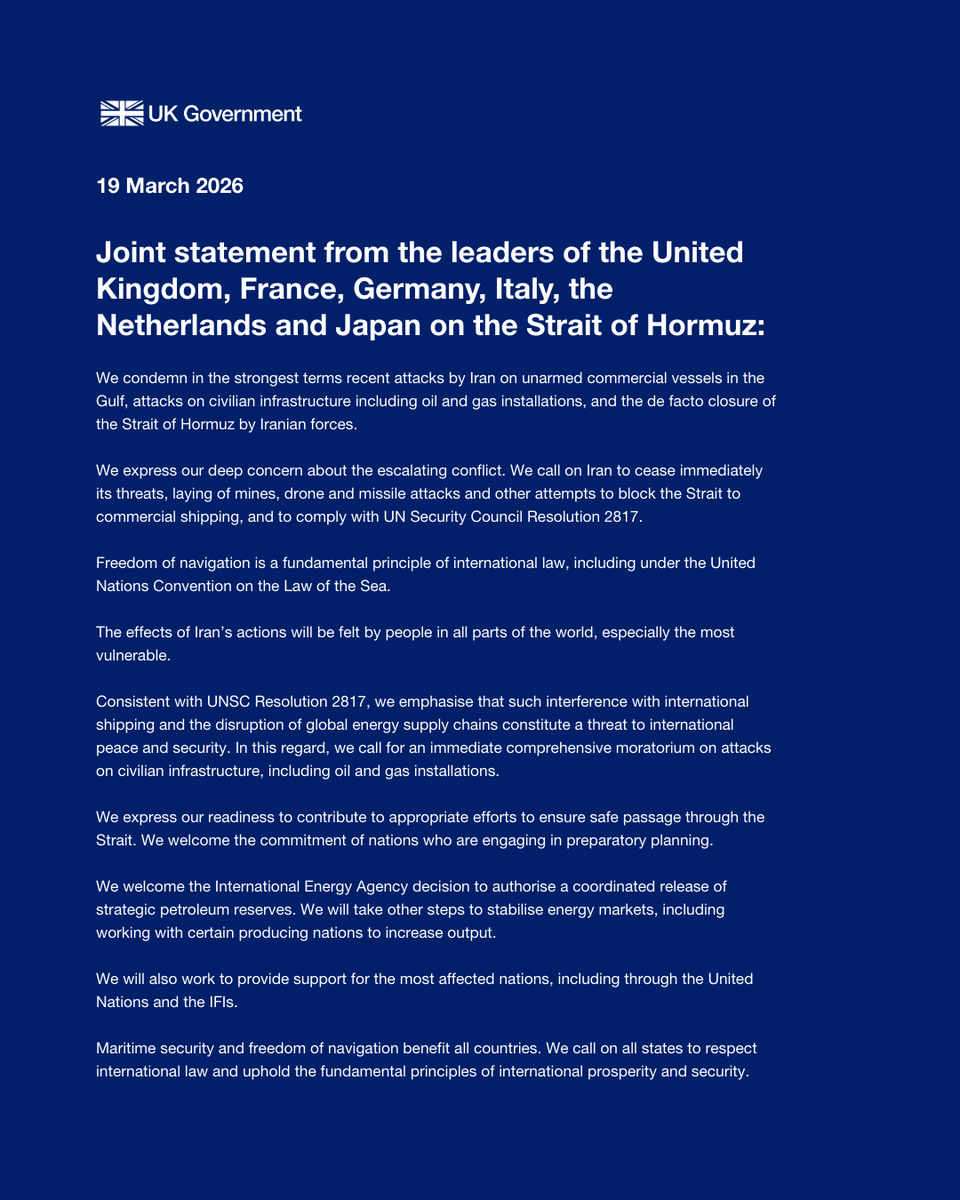
NEW: The UK alongside France, Germany, Italy, the Netherlands and Japan expresses readiness to contribute to appropriate efforts to ensure safe passage through the Strait of Hormuz 👇 gov.uk/government/new…
British Embassy Washington tweet media
English
887
1.1K
2.5K
622.7K
Darnell Clayton retweetledi
kanav
kanav@kanavtwt·
Someone built a Google translate for Linkedin 😭
kanav tweet media
English
650
10.3K
91.2K
2.8M
Darnell Clayton retweetledi
Shanaka Anslem Perera ⚡
The UAE just reported zero gas production at Shah and Habshan. Not reduced. Not curtailed. Zero. Drone strikes and missile debris shut down the ultra-sour gas processing facilities that produce roughly 20 percent of the UAE’s national gas supply. Qatar’s Ras Laffan suffered extensive missile damage with production halted. Saudi Arabia cut output 20 percent across Eastern Province refineries. Kuwait and Bahrain declared partial force majeure. Iraq’s southern fields dropped roughly 70 percent. Five Gulf states. Simultaneous shutdowns. The energy story is obvious. The fertiliser story is the one nobody is telling. Ultra-sour gas contains hydrogen sulfide. Processing it recovers elemental sulfur as a byproduct. Over 80 percent of the world’s 84 million tonnes of annual sulfur production comes from this desulfurisation process. Shah and Habshan are among the most sulfur-rich gas fields on Earth. Ras Laffan processes some of the highest H2S-content gas in the Gulf. The facilities that just went dark are not just gas plants. They are the global sulfur supply chain. Sulfur becomes sulfuric acid. Sulfuric acid reacts with phosphate rock to produce phosphoric acid. Phosphoric acid becomes DAP, MAP, TSP, and SSP, the four phosphate fertilisers that deliver the phosphorus every plant requires alongside nitrogen and potassium. Fifty to sixty percent of all sulfuric acid produced globally goes into fertiliser manufacturing. Without sulfur there is no phosphoric acid. Without phosphoric acid there is no phosphate fertiliser. Without phosphate fertiliser, nitrogen alone cannot grow a crop. The world has been watching the nitrogen crisis. Urea at $610. Corn acres falling. Soybeans rising. The Haber-Bosch chokepoint. But nitrogen is only one of the three macronutrients. Phosphorus is the second. And the phosphorus supply chain just lost its foundational input because the gas fields that produce sulfur as a byproduct are the same fields that Iran hit this morning. Alternative sources exist. Pyrite roasting. Smelter acid from copper and zinc processing. Volcanic deposits. Recycled sulfur from refineries. Together they represent 15 to 25 percent of global supply. Pyrite roasting requires new mining and processing capacity with a lead time of three to five years. Smelter acid is a byproduct tied to metal markets and cannot be scaled on demand. Volcanic sulfur is geographically limited. Recycled sulfur from refining is already maximised. Fifteen to 25 percent cannot replace 80 percent. Not in weeks. Not in months. Not before the planting season that is closing right now across the Northern Hemisphere. The nitrogen trap was the first biological chokepoint. The sulfur trap is the second. Both trace to the same Gulf geography. Both are governed by the same strait. Both operate on the same biological clock that does not negotiate with sealed packets or presidential directives. Nitrogen decides whether the crop grows. Phosphorus decides whether it fruits. Both molecules are now compromised simultaneously. The farmer who switched to soybeans because nitrogen was too expensive may discover that even soybeans need phosphorus, and phosphorus needs sulfuric acid, and sulfuric acid needs sulfur, and sulfur needs the gas fields that are producing zero tonnes today. The war hit uranium first. Then oil. Then nitrogen. Then water. Then plastic. Then medicine. Now sulfur. Seven layers. Each one deeper. Each one closer to the chemistry that keeps human beings alive. open.substack.com/pub/shanakaans…
Shanaka Anslem Perera ⚡ tweet media
Shanaka Anslem Perera ⚡@shanaka86

Abu Dhabi intercepted the missiles. The debris shut down the gas fields anyway. Habshan gas processing facilities and the Bab field were both taken offline today as a precautionary measure after falling debris from successful missile interceptions struck the sites. Abu Dhabi authorities confirmed it. No injuries. Both facilities shut down. The public was told to rely only on official sources. The air defense system worked exactly as designed. The warheads were destroyed before impact. And two of the UAE’s most important gas production facilities went dark because the wreckage from a successful interception is still wreckage. This is the paradox that no interception rate can solve. Gulf air defenses intercept 90 to 96 percent of incoming projectiles. Those rates are extraordinary. They save lives. They prevent direct detonation on target. What they do not prevent is debris. A missile destroyed at altitude does not vanish. It fragments. The fragments fall. They fall on the same geography the missile was aimed at. And when that geography contains gas processing infrastructure with pressurised systems, heat exchangers, and pipeline junctions, falling metal at terminal velocity is sufficient to trigger a precautionary shutdown regardless of whether the warhead detonated. Ras Laffan was hit directly today. Riyadh was hit directly today. Habshan and Bab were hit by the defence that worked. Three countries. Four facilities. Two by Iranian missiles. Two by the wreckage of intercepted Iranian missiles. The result is the same: offline. Iran does not need to penetrate the air defense shield. It needs to overwhelm the geography underneath it. Every missile that is intercepted over an energy facility still deposits debris on that facility. The interception prevents the warhead from functioning. It does not prevent the airframe, the motor casing, the guidance section, and the fuel residue from falling on infrastructure that was designed to process gas, not absorb ballistic fragments. The mathematics of this are devastating for the Gulf’s energy posture. Three hundred fourteen ballistic missiles and 1,672 drones launched at the UAE since February 28. At 90 to 96 percent interception, roughly 280 to 300 of those missiles were destroyed over UAE territory. Each one produced debris. Each debris field covered a footprint measured in hundreds of metres. Across nineteen days, the cumulative debris footprint covers a significant fraction of the UAE’s coastal energy infrastructure corridor. Even perfect interception rates produce imperfect debris patterns over the geography they are defending. Shekarchi threatened to burn Gulf energy facilities to ashes. He may not need to. The interception debris is doing it for him. Not through fire. Through precautionary shutdowns triggered by falling metal from the missiles his forces launched and the defenses that successfully destroyed them. The Fed just raised PCE to 2.7 percent and flagged Middle East developments as uncertain. Trump just directed no more strikes on Iranian energy. The IRGC just published satellite targeting images of five Gulf facilities. And Abu Dhabi just shut down two gas fields because the defense that saved lives could not save production. The interception rate is 96 percent. The shutdown rate from debris is 100 percent when the debris lands on a gas plant. And the urea at $610 does not distinguish between a warhead that detonates and one that falls in pieces. open.substack.com/pub/shanakaans…

English
37
351
798
244.3K
Darnell Clayton retweetledi
Ricardo
Ricardo@Ric_RTP·
Microsoft is about to sue its own golden child. $14 billion invested. Exclusive cloud rights. The most important AI partnership in history. And Sam Altman just went behind their back with a $50 billion Amazon deal. Here's why they're betraying each other: When Microsoft first invested in OpenAI in 2019, they locked in ONE rule above everything else... ALL access to OpenAI's models must go through Microsoft's Azure cloud. No exceptions. That deal made Azure the backbone of the AI revolution. Every company using ChatGPT's API was paying Microsoft for the privilege. It was the smartest infrastructure play of the decade. Then last month, OpenAI quietly signed a deal with Amazon. $50 billion. AWS becomes the exclusive third-party cloud provider for Frontier, OpenAI's new enterprise AI agent platform. $138 billion committed to Amazon cloud services. Microsoft found out and got really angry.... A person familiar with Microsoft's position told the Financial Times today: "We know our contract. We will sue them if they breach it. If Amazon and OpenAI want to take a bet on the creativity of their contractual lawyers, I would back us, not them." That's basically a declaration of war. And here's where it gets crazy: OpenAI and Amazon are trying to build a technical workaround. A system called the "Stateful Runtime Environment" that runs on Amazon's Bedrock platform. Their argument is that the system "only" handles memory and context for AI agents using enterprise data on AWS. It doesn't technically "invoke" OpenAI's core models through Amazon. Microsoft's response: Bullshit. The workaround violates the spirit of the deal even if it technically dances around the letter. Amazon knows they're on thin ice too. An internal memo leaked showing Amazon told employees exactly what language they can and can't use. They can say Frontier is "powered by OpenAI" or "enabled by OpenAI." But they CANNOT say customers can "access" or "invoke" OpenAI models on AWS. When you're coaching employees on which verbs to avoid, you know you're in trouble. But here's the thing everyone seems to forget: OpenAI is planning an IPO this year. They just closed a $110 billion funding round last month. So if Microsoft sues, the IPO timeline is DEAD. You can't go public while your biggest partner and investor is suing you for breach of contract. Elon Musk is already suing OpenAI separately for abandoning its nonprofit mission. Two active lawsuits from two of the most powerful people in tech. Against one company trying to IPO. Good luck with that S-1 filing. But WHY did Altman do this? Microsoft gave OpenAI everything. Capital. Infrastructure. Distribution. Enterprise customers. And Altman's response was to secretly build an escape route through Amazon... Because he saw what was coming: Microsoft launched Copilot. Their own AI product. Competing directly with ChatGPT. Microsoft started building their own models. Hiring their own AI researchers. Reducing dependency on OpenAI. So Altman did the same thing back. Found another cloud provider. Started building leverage. Both sides were preparing for divorce while still living in the same house. So the $50 billion Amazon deal was just an insurance policy against the day Microsoft decides it doesn't need OpenAI anymore. And Microsoft caught him packing his bags. What happens next: The companies are still talking. Trying to resolve this before Frontier launches. But Microsoft has made their position clear. Litigation is on the table. If this goes to court, it sets a precedent for every AI partnership in the industry. Every cloud deal. Every exclusive licensing agreement. The entire AI infrastructure map gets redrawn. Sam Altman built OpenAI on Microsoft's money, Microsoft's cloud, and Microsoft's trust. Then he signed a $50 billion deal with their biggest competitor. In any other industry they'd call that what it is.
English
83
219
854
207.5K
Darnell Clayton retweetledi
Siaxares 🇮🇷
Siaxares 🇮🇷@siaxares·
I am posting from inside Iran, bypassing several layers of blockage to post this. The Iranian people want this regime gone and are willing to pay the price, because the price of the regime staying in power is higher. That is all. That's the tweet.
English
873
7K
26.6K
1.9M
Darnell Clayton retweetledi
Official Layoff
Official Layoff@LayoffAI·
Andrew Yang is calling it "The Fuckening." That's his actual word for it. And honestly it fits. A CEO of a publicly traded tech company told him directly: "We're firing 15% now. Another 20% in two years. Another 20% after that." There are 70 million white collar workers in this country. Yang projects 20 to 50% of those jobs gone within a few years. The low end of that is 14 million people. The entire 2008 crisis wiped out 8.7 million. The difference this time is the jobs don't come back. A recession ends and companies rehire. This time the work still gets done. It just gets done by software. The position itself stops existing. Nothing expands margins like replacing a $379K employee with a $200/month subscription. We track it all at layoffhedge.com. 58 companies. 254,000 people. And climbing. Yang is writing about what's coming. We're counting what's already here.
Andrew Yang🧢⬆️🇺🇸@AndrewYang

The Fuckening of white-collar workers has arrived. blog.andrewyang.com/p/the-end-of-t…

English
163
767
4.9K
884.8K
Darnell Clayton retweetledi
Visegrád 24
Visegrád 24@visegrad24·
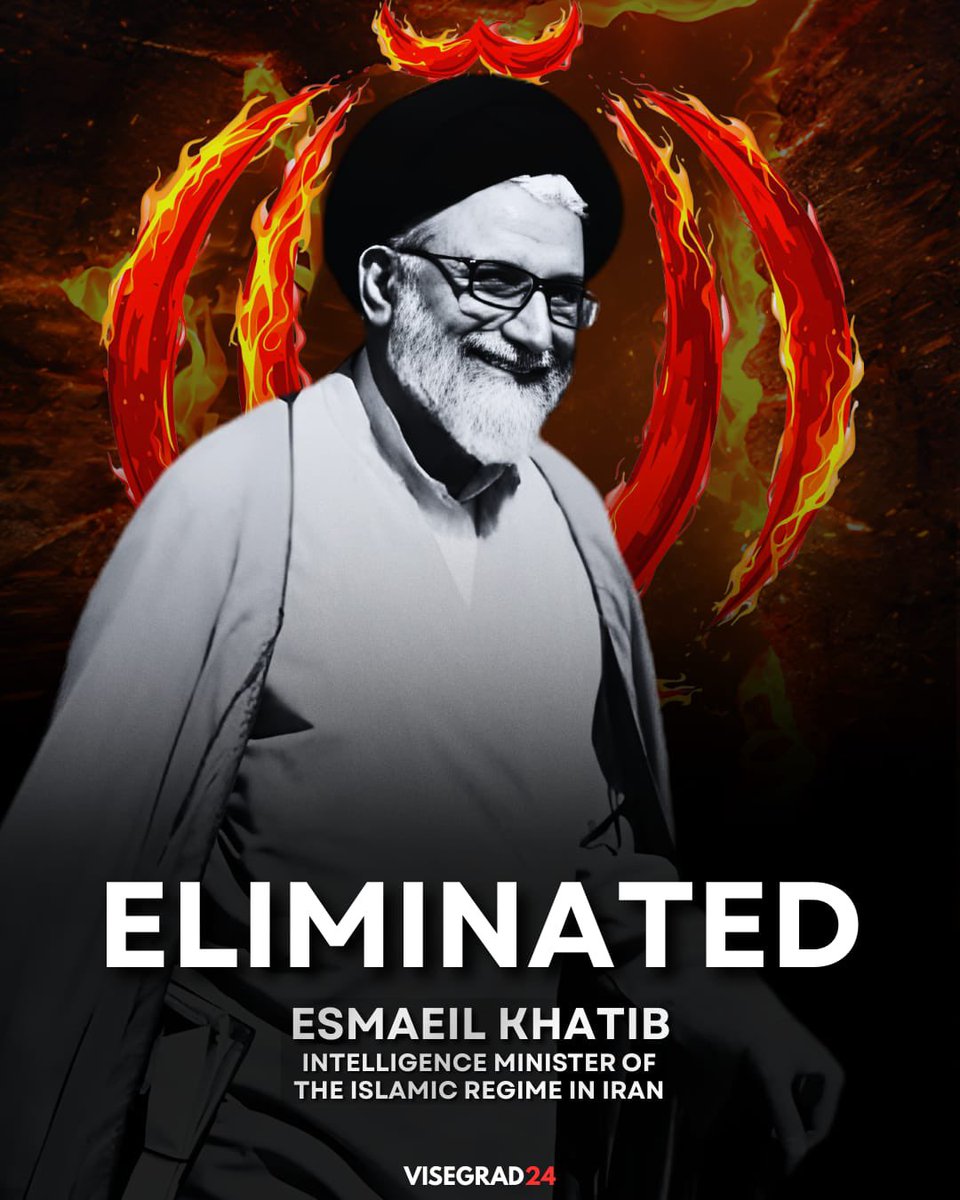
Esmail Khatib, the Islamist Regime’s Minister of Intelligence, Has Been ELIMINATED. The elimination of Khatib is a major earthquake for the Islamic Republic, because Khatib was the chief architect of the crackdown on the Iranian people. He was the central nervous system of the regime's "Iron Fist" policy, responsible for crushing dissent and coordinating the hunt for opposition leaders. This high-level assassination of a senior Islamist Regime figure has several implications: - it reinforces the idea that there is a systemic compromise of the elite and the presence of "moles" within the inner sanctum which will inevitably lead to a wave of paranoia amongst senior officials. - this creates a command vacuum, because Khatib was the bridge between the clerical leadership and the Basij forces, making it more difficult to oppress the Iranian people - it demonstrates yet again that the “omniscient” Islamist security state is not as “omniscient” as it portrays itself to be. - it is a strong signal to the Iranian people that their oppressors can be defeated and that even "untouchable" senior officials are actually deeply vulnerable.
Visegrád 24 tweet media
English
74
787
3.6K
71.8K
Darnell Clayton retweetledi
Kosher
Kosher@koshercockney·
WOW! INCREDIBLE. Earlier Iranians were celebrating the Chaharshanbe Suri in the streets when Islamic Regime thugs turned up to attack the crowds BUT shortly after it turns out ISRAELI drones turned up straight after and the IRGC thugs were forced to flee allowing Iranians to back Netanyahu even said “Celebrate, happy news, we are watching from above” earlier! He kept his promise! (See thread) Listen to them cheering! This is amazing! H/t @etelaf10
English
59
1.6K
7K
513.1K
Darnell Clayton
Darnell Clayton@Darnell·
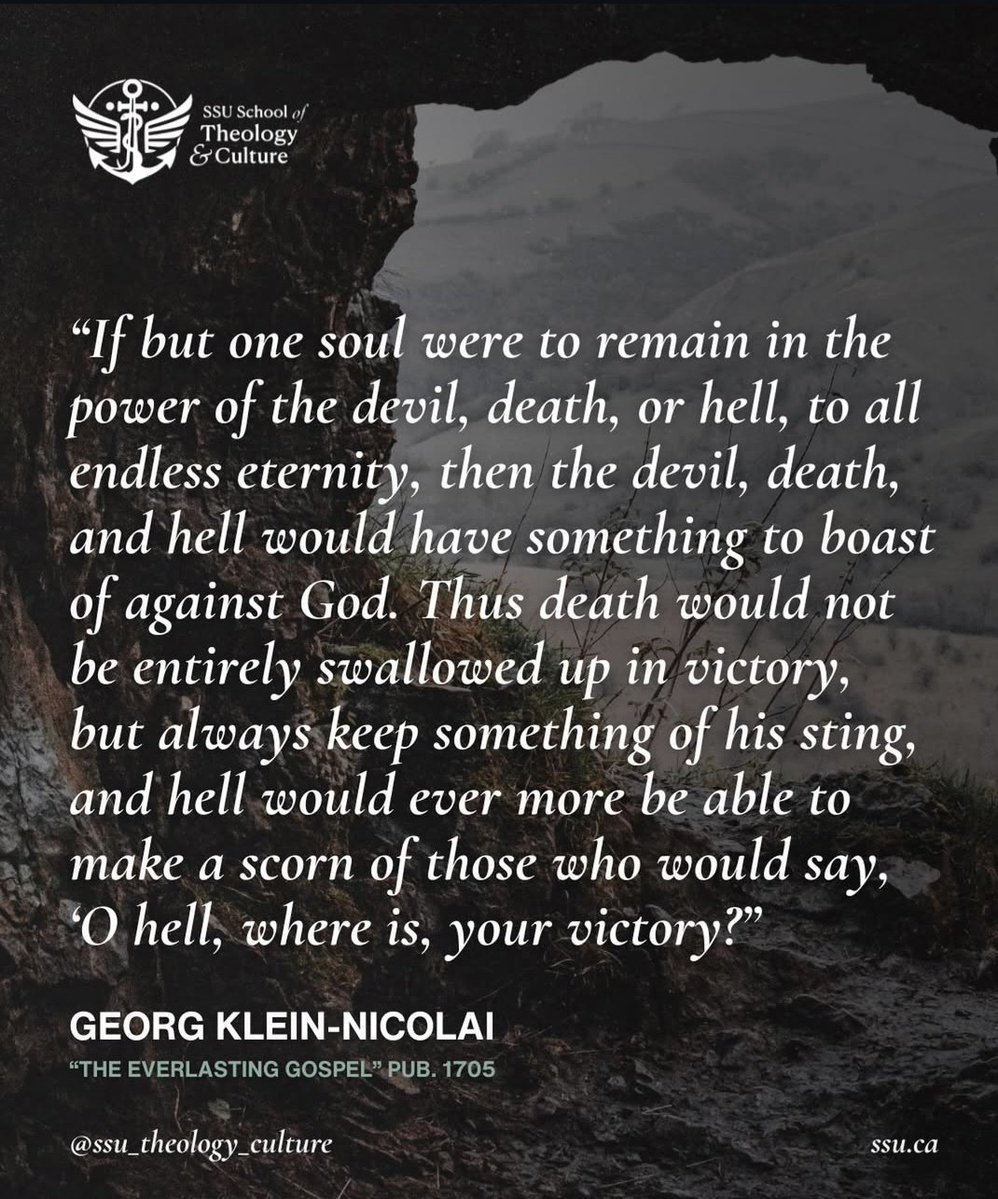
“And fear not them which kill the body, but are not able to kill the soul: but rather fear him which is able to destroy both soul and body in hell.” (Matthew 10:28) ~ Jesus Christ, The Word Of God, King of Kings “And if thine eye offend thee, pluck it out: it is better for thee to enter into the kingdom of God with one eye, than having two eyes to be cast into hell fire:” (Mark 9:47) ~ Jesus Christ, The Word Of God, King of Kings “3 For what if some did not believe? shall their unbelief make the faith of God without effect? 4 God forbid: yea, let God be true, but every man a liar; as it is written, That thou mightest be justified in thy sayings, and mightest overcome when thou art judged.” ~ Apostle Paul (Romans 3:3-4)
English
0
0
0
13
Talk Church
Talk Church@churchtalkative·
Is it possible to be very active in church and still not truly know God?
English
112
23
173
12.3K
Darnell Clayton retweetledi
Shanaka Anslem Perera ⚡
The war just reached the grocery aisle. Not through wheat or rice or fertiliser. Through plastic. The Middle East is the world’s largest exporter of polyethylene. Approximately 84% of regional PE capacity depends on the Strait of Hormuz for export access. The Strait is running at 0.5 million barrels per day against a pre-war 19.5 million. The naphtha feedstock that Asian petrochemical plants require to crack ethylene and produce the polyethylene that wraps, bottles, trays, and films every packaged food item on every supermarket shelf on Earth is not arriving. The force majeures began on Day 4 and have not stopped. Indonesia’s Chandra Asri declared force majeure on 3 March citing feedstock disruption. South Korea’s Yeochun NCC followed on 4 March, cutting cracker rates to approximately 66%. Singapore’s PCS declared on 5 March. CNOOC-Shell Huizhou is planning shutdown of its 1.2 million tonne cracker in southern China. Four countries. Four declarations. Each one a petrochemical plant telling its customers that the molecules required to produce plastic packaging are no longer available in sufficient quantity because a waterway 8,000 kilometres away has been mined by a regime that says the war will last “as long as it takes.” US polyethylene spot prices surged 10 cents per pound in the first week. Indian PE prices jumped approximately 15,000 to 20,000 rupees per tonne. These are not energy prices. These are packaging input prices. Polyethylene, polypropylene, and PET resin account for the majority of disposable food packaging manufacturing costs. Every plastic bottle of water, every wrapped loaf of bread, every sealed tray of meat, every film-covered vegetable pack is now repricing through a channel that has nothing to do with agricultural commodity markets and everything to do with a naphtha tanker that cannot transit Hormuz. This is the third domino. The first was energy: oil from 19.5 million to 0.5 million barrels per day. The second was fertiliser: nitrogen feedstock dependent on the same natural gas the same strait carries. The third is packaging: the plastic that wraps the food that the fertiliser grew that the energy harvested. Each domino hits the same consumer from a different direction. Energy raises transport costs. Fertiliser raises farm costs. Packaging raises the cost of getting the food from the farm to the shelf. The consumer pays all three. The contrarians note US and Algerian producers can ramp, recycling offsets virgin resin, and Asian inventories buffer. They are correct individually and wrong on the timeline. Naphtha rerouting takes weeks. Cracker restarts after force majeure take longer. Inventories at current consumption cover days, not months. And the 1.2 million tonne Huizhou cracker, when it shuts, will remove more PE capacity from Asia than most countries consume in a year. The grocery inflation central banks are watching is not coming from food. It is coming from the wrapper. The Fed meeting on 18 March will assess an environment in which energy, fertiliser, and packaging inputs are all repricing through the same chokepoint. The plastic bottle costs more. The bread bag costs more. The meat tray costs more. None of it appears in the agricultural commodity indices that traditional models use to forecast food inflation. The molecules that wrap the food are stuck on the wrong side of a strait that is open to ten countries and closed to the rest. The grocery bill is repricing from the outside in. Full deep dive analysis - open.substack.com/pub/shanakaans…
Shanaka Anslem Perera ⚡ tweet mediaShanaka Anslem Perera ⚡ tweet media
English
18
224
485
73.2K
Darnell Clayton
Darnell Clayton@Darnell·
@ziyaDanj 😂 225 x 2 = 450! But I understand the logic people had, as they divided 500 by two (they messed up here as it would be 250), then 50 by two.
English
0
0
0
13
D.l.D
D.l.D@ziyaDanj·
Me when I realize 550 ÷ 2 isn't 225
English
56
62
104
14.7K
Typical African
Typical African@Joe__Bassey·
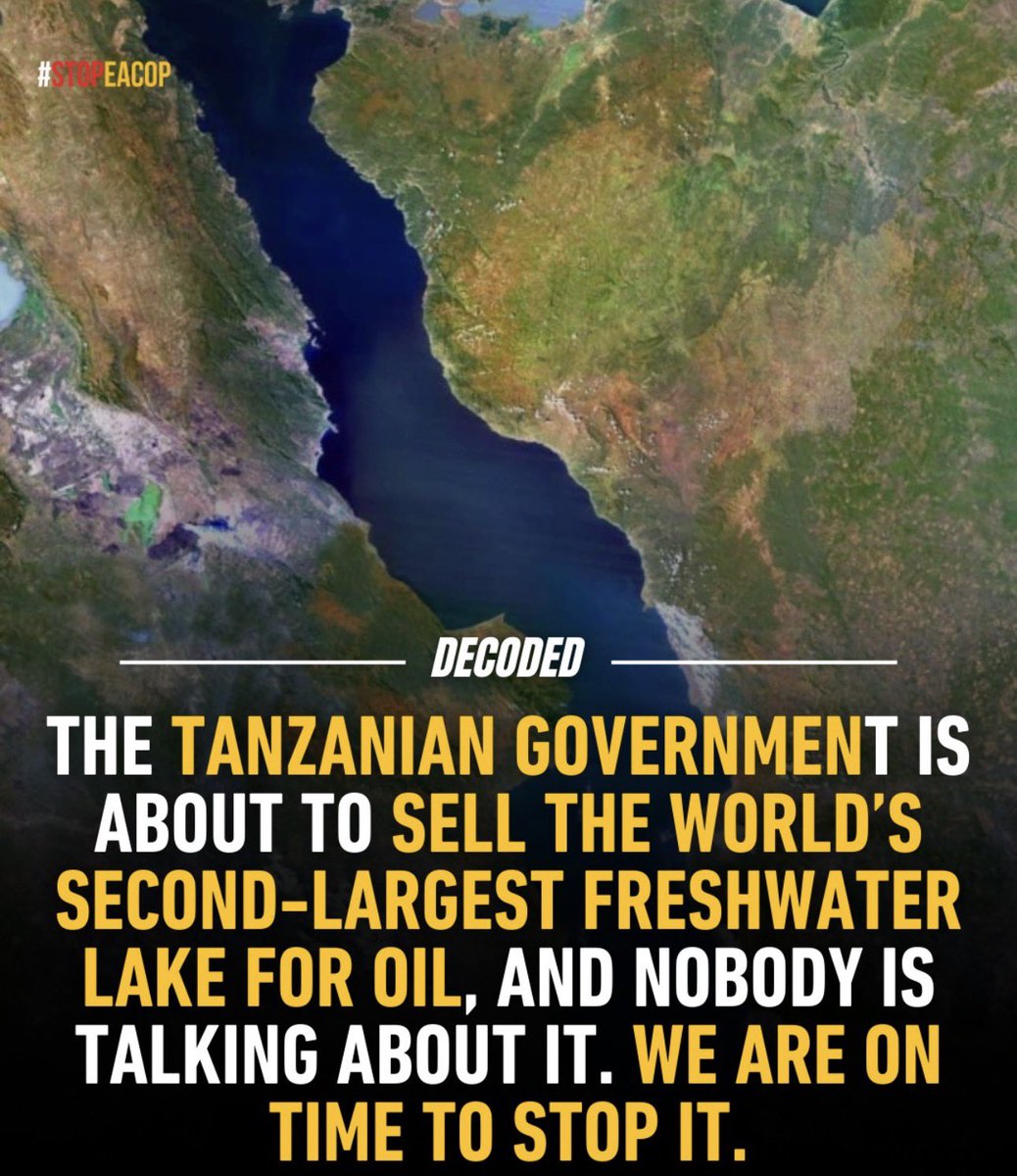
17% of the world's freshwater. 1,500 species. More than 10 million people depend on it every day for drinking water, food, and survival. Behind closed doors, the governments of the DRC 🇨🇩 and Tanzania 🇹🇿 quietly signed a deal to drill for oil in it. Lake Tanganyika is not just Africa's oldest and deepest lake; it is one of the most extraordinary and irreplaceable ecosystems on the planet, home to 600 species found nowhere else on Earth. It is being put on the table for fossil fuel extraction, with EACOP serving as the pipeline that would make it financially viable and physically possible. What makes this moment different from so many other environmental crises is that nothing has started yet. No licenses have been awarded, no wells have been drilled, and the lake is still completely intact. This project can still be stopped before a single drop of oil leaves the ground. But that window will not stay open forever. Governments are already moving, and oil companies are already watching. Swipe through to understand exactly what is at stake, then click the link in our bio or story to take action and tell the DRC and Tanzania that Lake Tanganyika is not an oil field. Credit: STOPEACOP
Typical African tweet media
English
162
4.2K
7.4K
181.5K
Darnell Clayton
Darnell Clayton@Darnell·
@Israel I wonder if Iran 🇮🇷 is intentionally trying to hit the religious sites in Jerusalem‽
English
1
0
9
729
Israel ישראל
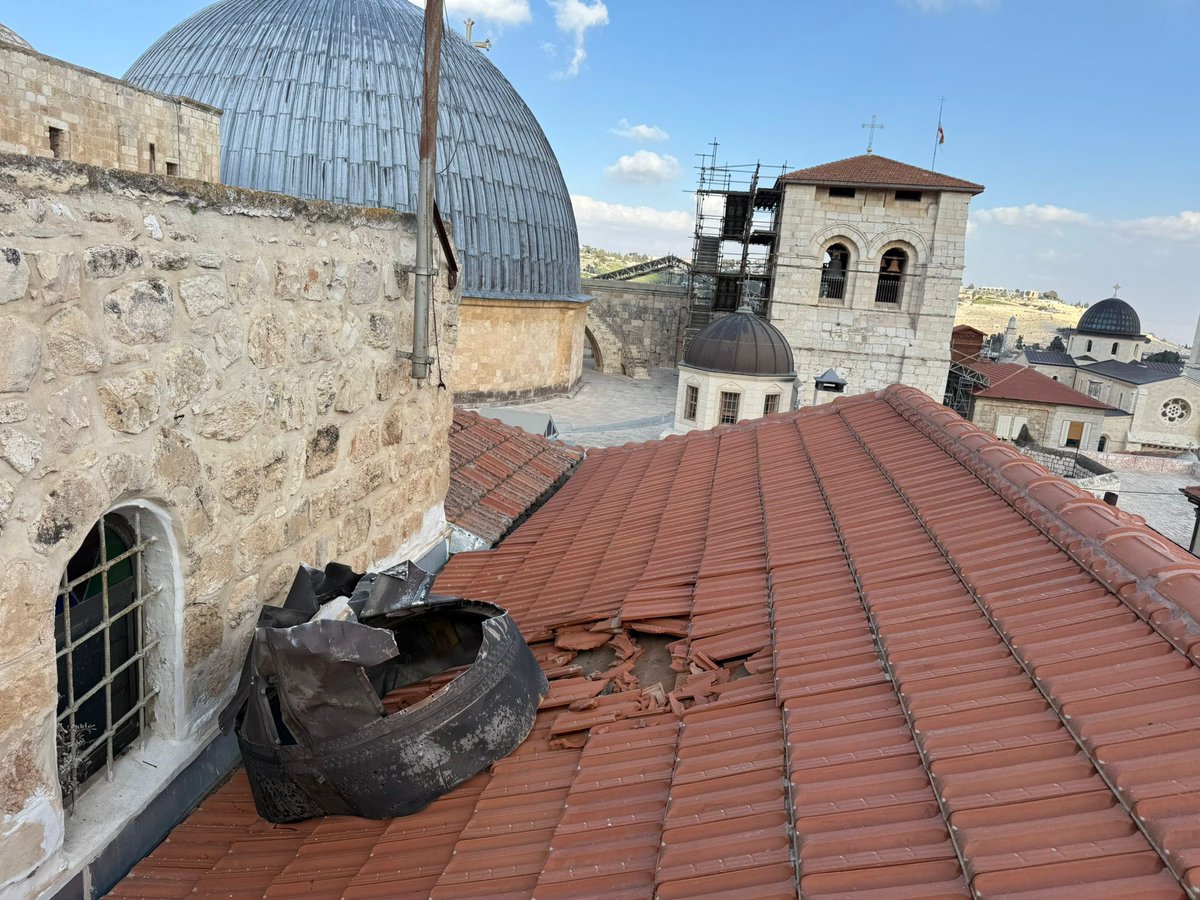
An Iranian missile exploded over Jerusalem’s Old City. Its fragments fell on the Church of the Holy Sepulchre, the Armenian Patriarchate, the Jewish Quarter and on the Temple Mount near the Al-Aqsa Mosque. The Iranian regime is firing missiles toward Jerusalem’s holy sites, endangering Jews, Muslims, and Christians alike. Israel, meanwhile, acts to protect worshippers of all faiths in its capital city.
Israel ישראל tweet media
English
3.3K
1.7K
6.8K
1.2M
Darnell Clayton
Darnell Clayton@Darnell·
@JoshuaBarzon Number 2. Number 1 will confuse people unfamiliar with it & they could mistake it for the Prescription symbol (Rx). Also, a few far right groups are using the “Px” symbol, so I would avoid using it for now. The cross is universally understood for Jesus Christ.
English
0
0
0
38
Josh Barzon
Josh Barzon@JoshuaBarzon·
Which logo design do you like best? I’m currently working on this brand identity for Anchor Church. Both draw from the imagery of Hebrews 6:19, centering on the truth that Christ is the anchor of our soul. Would love to know which one you like best and why!
Josh Barzon tweet media
English
654
5
233
69.3K