
Aiden Mummery retweetledi

🧠 How to Backtest (Properly)
1.Backtesting only works with structure.
If you don’t define criteria, you’re not testing , you’re guessing.
2.Start with the area.
High-probability setups only form in logical zones:
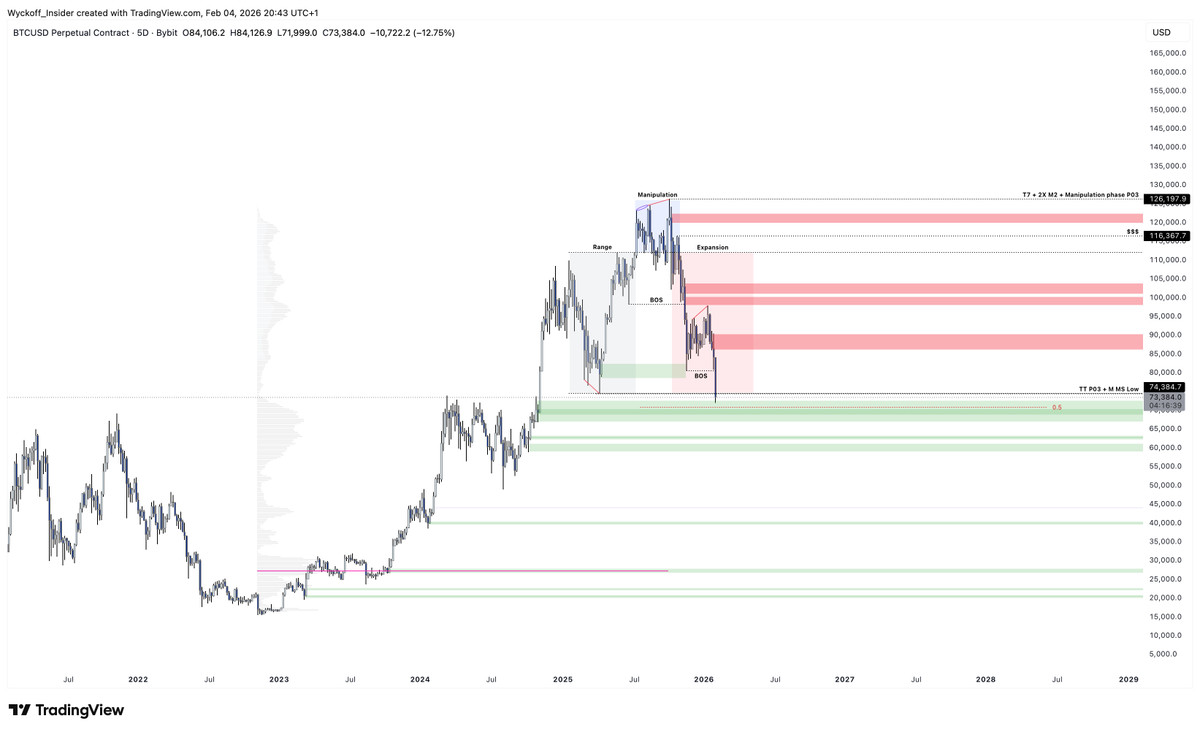
– Market Maker Demand / Supply
– Backed by Wyckoff structure
Strong displacement (bearish → bullish, imbalance, FVG) confirms true intent.
3.Strengthen the zone.
A zone gains validity when:
– It takes liquidity while forming
– It forms a chain (e.g., 4H demand → new 4H demand)
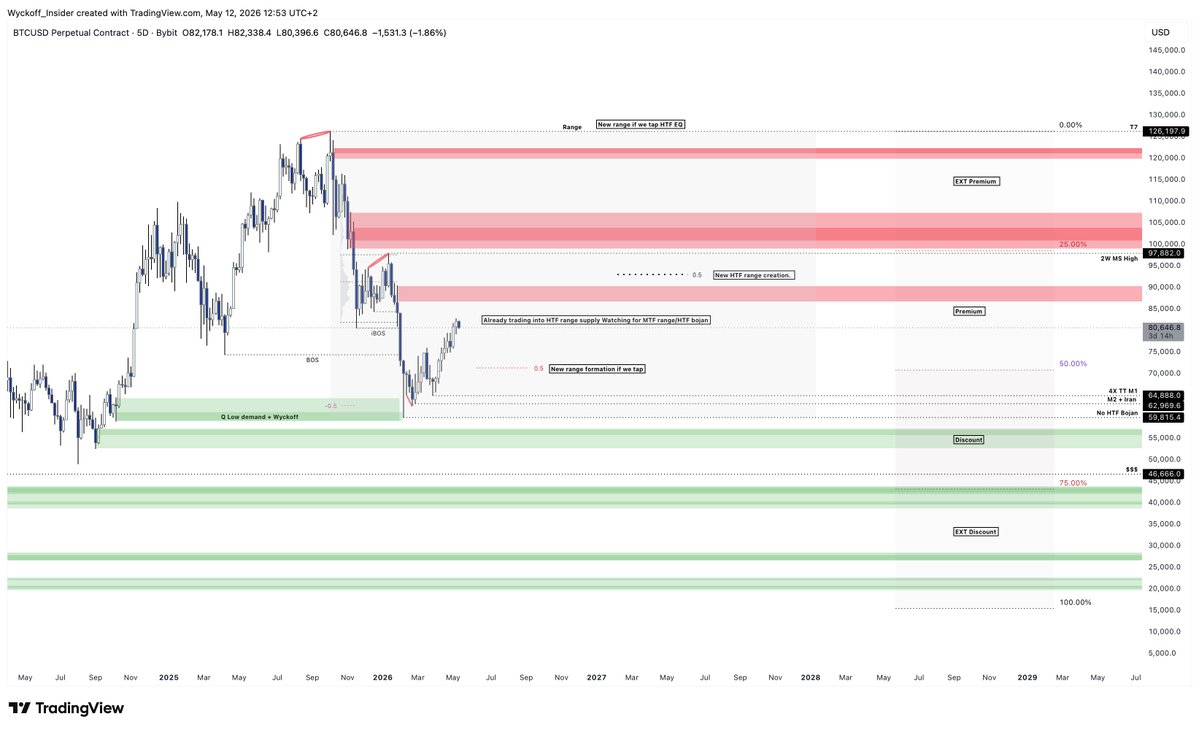
– It sits in extreme premium or discount of the higher-timeframe range
4.Timeframe alignment.
HTF range → extreme area → mid-TF range forms → Wyckoff inside the pocket.
This is where the cleanest trades come froms. Bojan into HTF range high/low.
5.Build your criteria list.
Use a point-based system:
– Return inside value area
– SD Flip / DS Flip
– USD dominance alignment
– TOTAL alignment
– SMT divergence (BTC takes low, ETH doesn’t + ETH breaks structure = high weight)
More criteria = higher probability.
6.Scalping structure.
Mid-week ranges + emotional Fibonacci retraces.
Deeper pullback = higher retail fear = better reaction.
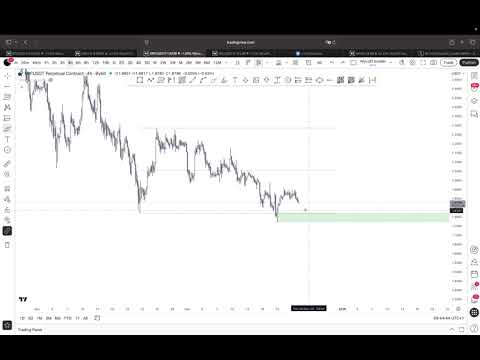
7.Backtesting routine.
Same hours every day.
Replay mode.
One bar at a time.
No cheating.
Only enter when your criteria are confirmed.
Log everything.
8.Transition to live conditions.
Two weeks trading without capital.
Then low-size.
Goal: ten trades in a row without breaking your rules.
That proves you have an edge and a repeatable system.
9.Psychology management.
Lose a trade? Stop for the day.
Identify why past overtrading happened.
Build rules to block that behavior.
Your emotional framework must evolve with your technical framework.
10.Build your own system.
Nobody can give you rules that fit your psychology.
Backtesting shows what works for you.
Structure + criteria + discipline = consistency.
Books that are actually useful:
• The Best Loser Wins, Tom Hougaard
Pure psychology under pressure. Practical. Brutal. Real.
• Alpha Trading, Laurent Bernut
Institutional mindset, risk math, execution hierarchy. Zero fluff.
• The Art & Science of Technical Analysis, Adam Grimes
Market structure, statistics, context. Deep and underrated.
• The PlayBook / One Good Trade, Mike Bellafiore (SMB Capital)
Real trading decisions, not theory. Great for building a system.
• Techniques of Tape Reading, Vadym Graifer
Old-school but timeless. Understanding intent through price.
• Pit Bull, Marty Schwartz
Not a manual, but one of the best books on discipline and identity.
Conclusion
Just start.
No one will do the work for you.
You’ll feel unproductive at first, like the hours don’t matter, but that’s how every real trader begins.
No starting = no data.
No data = no confidence.
No confidence = no results.
Nothing changes if nothing changes.
Sit down. Open the charts. Start backtesting.
English