David Drake

576 posts

David Drake

David Drake

@DavidDrakeCoach

United Kingdom Katılım Mart 2011
622 Takip Edilen1.6K Takipçiler
David Drake
David Drake@DavidDrakeCoach·
@sandcvacancies This is a great role in a developing programme. I'd be more than happy to have an informal conversation with anyone who may be interested.
English
0
0
3
489
David Drake retweetledi
Dickie Bush 🚢
Dickie Bush 🚢@dickiebush·
You are exactly where you deserve to be based on the sum total of your previous actions
English
91
32
323
20.4K
David Drake
David Drake@DavidDrakeCoach·
@Mr_Tennis_Coach Player feedback is a huge driver for me personally. They feel it, so are brilliant at helping shape representative activities.
English
1
0
2
196
Philip O'Callaghan 🎾
Philip O'Callaghan 🎾@Mr_Tennis_Coach·
Practice design tips for coaches: - Expect to adapt your initial design - Treat redesigning as problem-solving - Use feedback from players to refine activities.
English
2
6
30
2.9K
Michele Zanini
Michele Zanini@MicZanini·
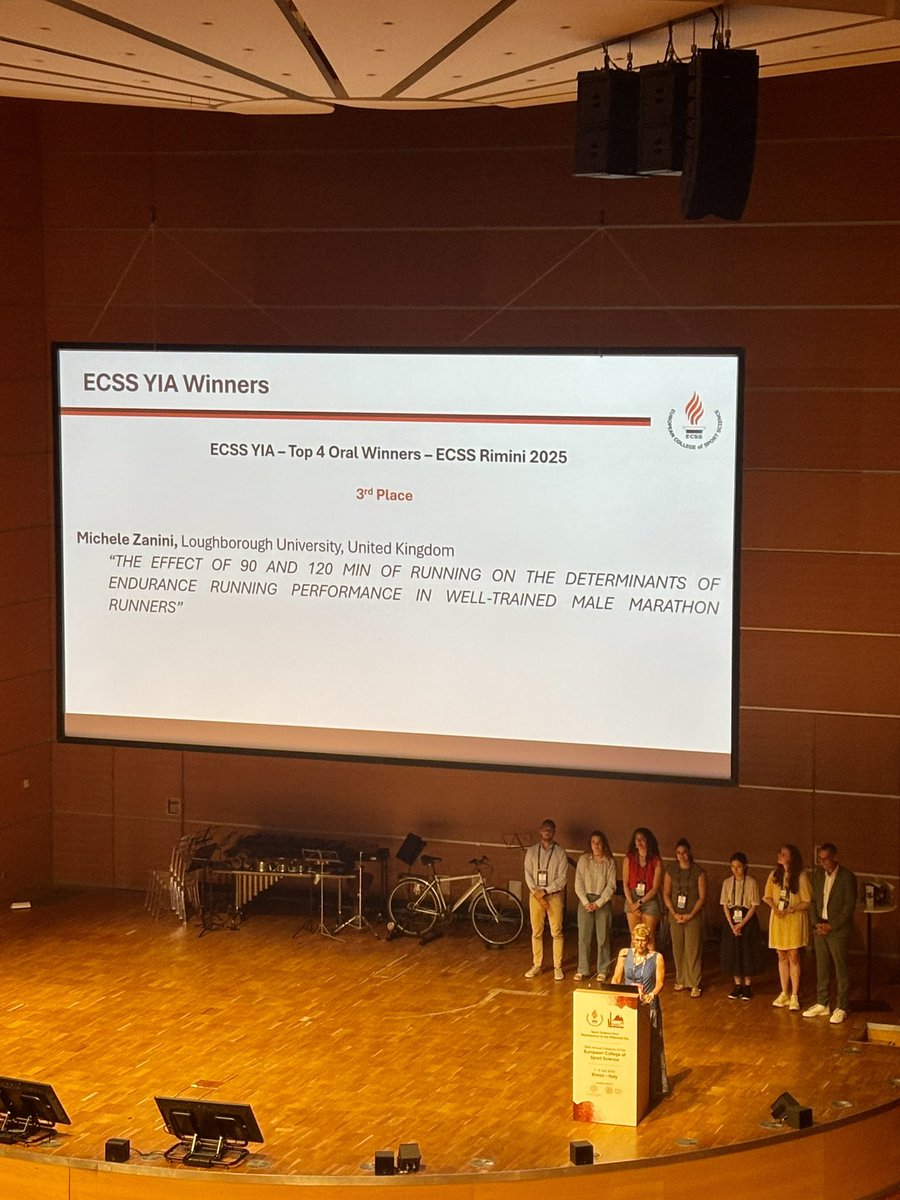
3rd place in the Young Investigator Award at @E_C_S_S presenting in front of 1500+ people “You are here because you are excellent, and the quality of your research is excellent” Among the kindest words I’ve ever been told. As a young scientist, they mean the world 🙏🏼 Ad maiora
Michele Zanini tweet mediaMichele Zanini tweet mediaMichele Zanini tweet media
English
2
1
29
4.7K
David Drake retweetledi
Setanta College
Setanta College@SetantaCollege·
On Wednesday, July 9th at 10am, Setanta's David Drake will be joined by Jordan Cassidy to discuss 'Skill Acquisition as a Foundation for Effective Practice Design'. Register 👉 loom.ly/4CP8RvQ @DavidDrakeCoach @jcassidy_sport
Setanta College tweet media
English
0
2
5
1.8K
David Drake retweetledi
Setanta College
Setanta College@SetantaCollege·
For our first webinar of 2025, Setanta's David Drake will be joined by Evan Talty, @iGaelic Coach, to discuss 'Using Performance Analysis to Inform Coaching Practices'. 📆 Thursday, 16th January 🕖 7pm (Irish Time) Register 👇 loom.ly/gAuA8gg @DavidDrakeCoach
Setanta College tweet media
English
0
4
10
6.5K
David Drake
David Drake@DavidDrakeCoach·
@ShakeyWaits Yes Rob. Great to hear what you’re thinking for 25! Love the journal club idea. Keep us posted.
English
0
0
0
219
Michele Zanini
Michele Zanini@MicZanini·
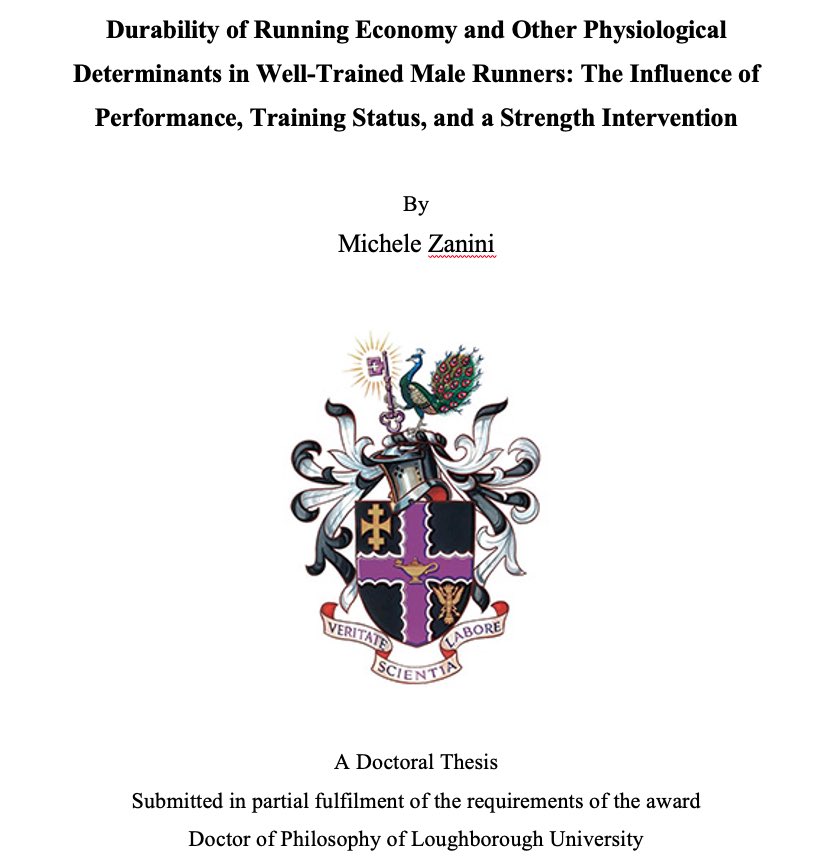
I just handed in my PhD thesis. The end of a 1496 days journey. Grateful to all those that made this work possible. …. 🔜 PhD viva….
Michele Zanini tweet media
English
20
3
202
12.6K
Dan Howells
Dan Howells@HowellsDan·
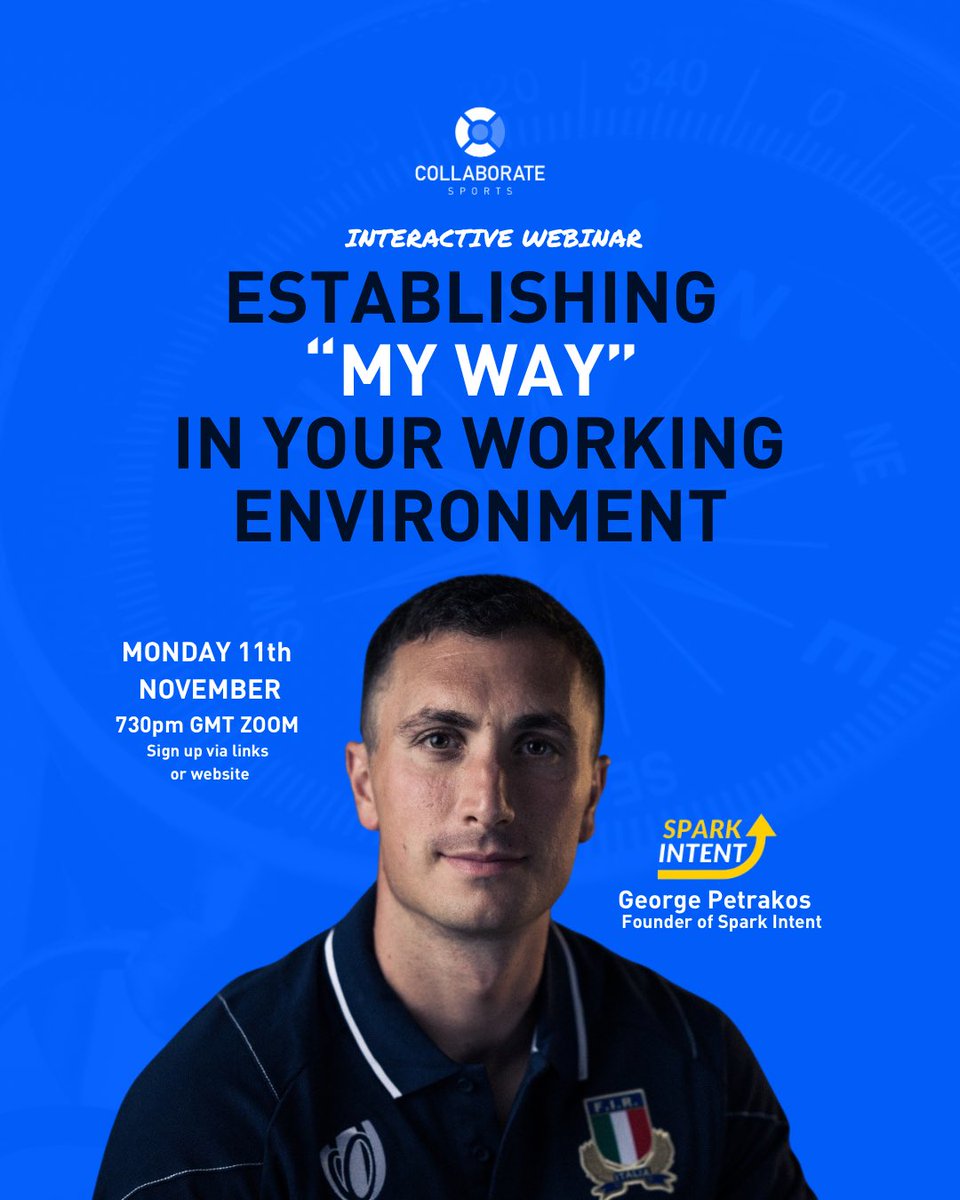
Having a reason for choosing to coach, communicate, challenge, or design sessions in the way you do, is so important to be an effective practitioner @Petrakos_G truly considers the specifics behind why he does what he does. Come and hear how you can do the same Link in 🧵 👇
Dan Howells tweet media
English
2
1
2
2K
David Drake
David Drake@DavidDrakeCoach·
@lahti_johan Hi Johan - have done some interesting work in this area. Happy to connect on it.
English
1
0
1
218
Johan Lahti, PhD
Johan Lahti, PhD@lahti_johan·
Taekwando S&C q: What performance (+ mayeb mobility) tests would you use to monitor regurarly? CMJ, RSI 10/5, IMPT quite classic (+ basic ROM tests), but anything else come to mind? Would you do a 5 m sprint to test speed properties?
English
1
1
0
1.1K
Sportsmith
Sportsmith@SportsmithHQ·
"Self-reflection is an underleveraged skill. Writing provides clarity and a historical record of practice, thoughts, and philosophies. What seems obvious today can be insightful tomorrow" @EamonnFlanagan sportsmith.co/articles/how-c…
English
1
1
6
1.9K
Dan Howells
Dan Howells@HowellsDan·
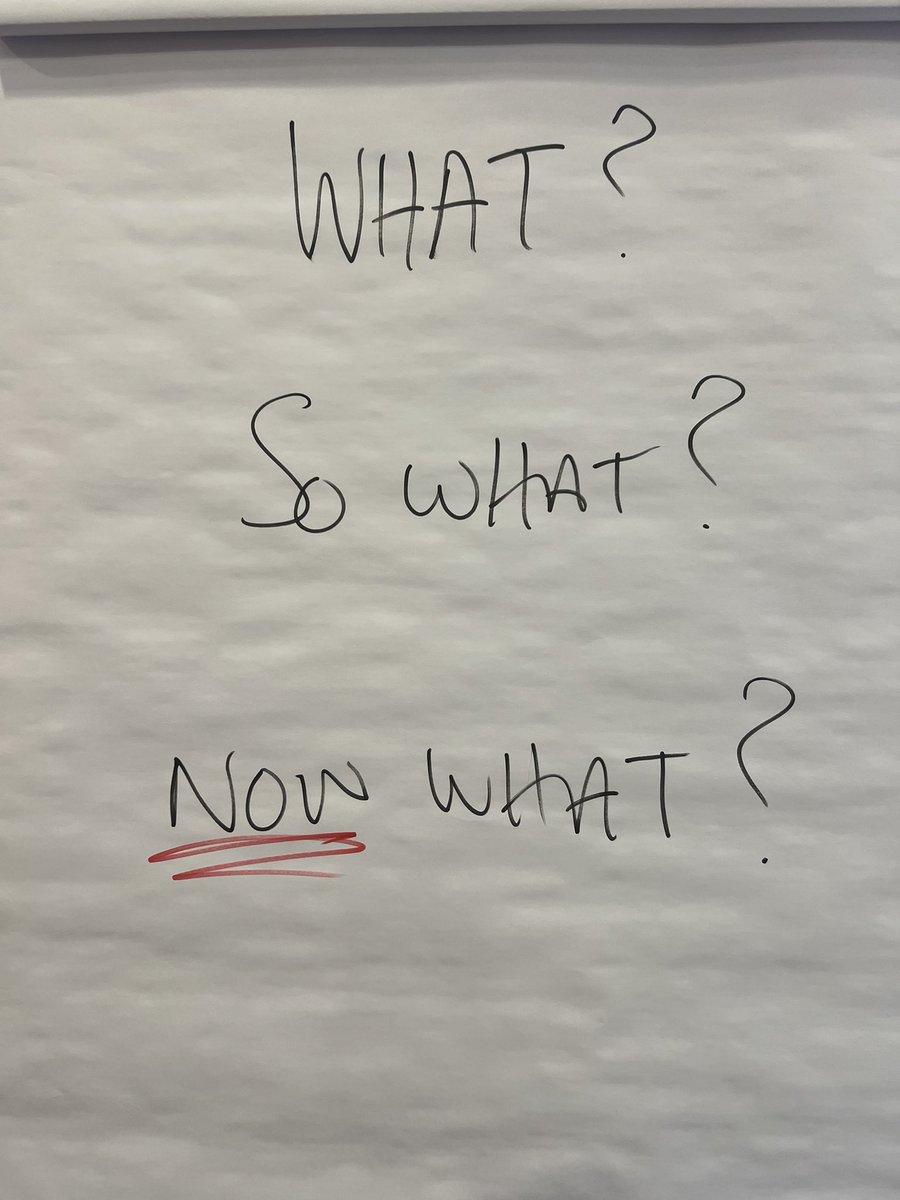
Do you truly reflect? Its the basis of growth and development Awareness comes from multiple perspectives and people Use them.
Dan Howells tweet media
English
1
0
1
777
David Drake retweetledi
Setanta College
Setanta College@SetantaCollege·
Are you a @gaelicplayers member interested in studying in the area of sports science and human performance? Our educational partnership continues - options available from MSc scholarships to discounted access to our range of undergrad programmes. More: setantacollege.com
Setanta College tweet media
English
0
3
4
1.4K
David Drake
David Drake@DavidDrakeCoach·
@Alan_Couzens Thanks for the share Alan Can you tell us what points in the test you take lactate and why? Cheers dude
English
0
0
0
600
Alan Couzens
Alan Couzens@Alan_Couzens·
"So how can we tell if it's our aerobic system or anaerobic system that is getting stronger?" We test. When we take lactate during a VO2max test, we can see "what's going on under the hood" An athlete can get to a higher max by... 1/ Holding their baseline lactate for longer durations and shifting the whole curve to the right (IDEAL!) 2/ Leaning the second half of the curve to the right so the gradient of the rise isn't as great (2nd best) 3/ *Increasing* their maximal lactate at the end of the test allowing them to eek out more of their latent aerobic power (less ideal) All roads get to the same result, but some roads are more sustainable than others. So, when you say xyz training improves VO2max. Make sure you know *how* it improves VO2max.
Alan Couzens@Alan_Couzens

On "VO2max intervals" to improve VO2max... Medium duration intervals at a high intensity are often cited as a way to improve VO2max e.g. 5 x 5 min @ 90-100% MaxHR w/5 min recovery. And, indeed, when carried out over short periods of time (4-12 weeks) significant improvements in VO2max are often seen. However, most of these improvements that come from this "sharpening" training are in the *anaerobic*, not the *aerobic* system. Let me explain... Everyone has a limit in the O2 debt that they can accumulate from the anaerobic "bank" during a maximal effort. This can range anywhere from 10-20L, or 1-2L/min over a maximal 10 minute test. A greater credit score with the anaerobic bank will allow the athlete to go a little deeper into the red before going bust. However, the aerobic system has a much higher capacity to generate energy. For a fit athlete, over a 10 minute maximal test, they could power 50L or more from the aerobic system (5L/min)! Because, when a test starts, it is the anaerobic system that kicks in first, the longer that the athlete can "hang in there", the more of the aerobic system they can eek out. For very well trained athletes, with a very strong aerobic system, this ability to eek out the full extent of the aerobic system can be quite limited by their anaerobic capacity (as shown in the chart) for an athlete with a VO2max of 4.5L/min (well trained) It is common for very well trained athletes to have low lactate levels - much lower than sedentary, untrained, people - their aerobic system becomes so strong that it overpowers their anaerobic system. They simply don't have the anaerobic capacity to eek out the full extent of their aerobic capacity. For most of us, however, this isn't an issue - our anaerobic system is stronger, by default, than our aerobic system. When not well trained, say, a VO2max of less than 4L/min, the anaerobic system is rarely limiting (as shown in the chart, it only takes an anaerobic capacity of 1L/min over a 10 minute test - 10L to get there!) &, so VO2max intervals aren't as useful/indicated. In summary.... Our default state is anaerobic strong/aerobic weak It takes quite a lot of aerobic training before this balance starts to shift in the other direction When athletes see an improvement in VO2max after high intensity training, it is *anaerobic* improvement that allows them to fully exploit the work they have already put into their aerobic system, i.e. their aerobic *base* You can only sharpen the base you've built.
English
5
10
115
48.3K