๐๐š๐ฌ๐ญ - ๐๐ซ๐ข๐ง๐œ๐ž ๐จ๐Ÿ ๐“๐ฐ๐ข๐ฅ๐ข๐ ๐กt ๐Ÿ‘‘๐ŸŒ„

69.2K posts

๐๐š๐ฌ๐ญ - ๐๐ซ๐ข๐ง๐œ๐ž ๐จ๐Ÿ ๐“๐ฐ๐ข๐ฅ๐ข๐ ๐กt ๐Ÿ‘‘๐ŸŒ„ banner
๐๐š๐ฌ๐ญ - ๐๐ซ๐ข๐ง๐œ๐ž ๐จ๐Ÿ ๐“๐ฐ๐ข๐ฅ๐ข๐ ๐กt ๐Ÿ‘‘๐ŸŒ„

๐๐š๐ฌ๐ญ - ๐๐ซ๐ข๐ง๐œ๐ž ๐จ๐Ÿ ๐“๐ฐ๐ข๐ฅ๐ข๐ ๐กt ๐Ÿ‘‘๐ŸŒ„

@DblockWWT

๐Ÿ‡ Observing the irrationalities that determine human thought: history, custom, and passion. Trying to apprehend all the darkness that come before.

Katฤฑlฤฑm Mart 2012
709 Takip Edilen540 Takipรงiler
SabitlenmiลŸ Tweet
๐๐š๐ฌ๐ญ - ๐๐ซ๐ข๐ง๐œ๐ž ๐จ๐Ÿ ๐“๐ฐ๐ข๐ฅ๐ข๐ ๐กt ๐Ÿ‘‘๐ŸŒ„ retweetledi
Zephyr
Zephyr@zephyr_z9ยท
Memory went from 9.3% of BOM to 25.6% of BOM
Aaron@Aaronwei3n

Sheesh. $NVDA VR200 Bom Analysis from MS.

English
27
135
1.4K
207.4K
Jack Montgomery
Jack Montgomery@JackBMontgomeryยท
@DailyMail Not mentioning this little detail until paragraph ten is wild. Should be the headline!
Jack Montgomery tweet media
English
96
887
11.1K
220.3K
Daily Mail
Daily Mail@DailyMailยท
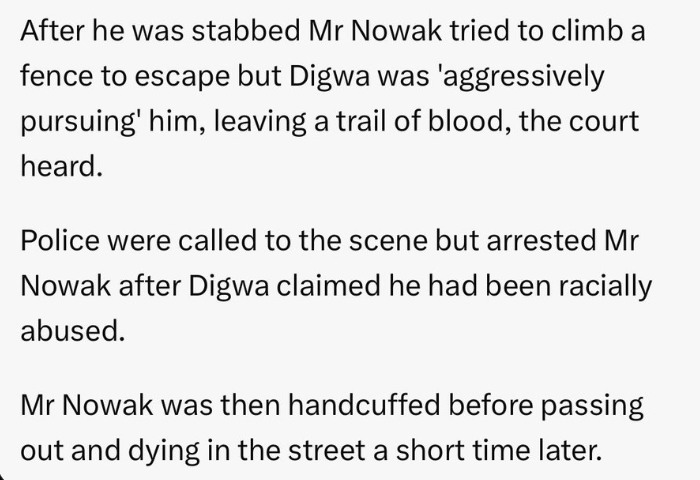
Sikh man stabbed 18-year-old university student to death with an eight-inch ceremonial knife after claiming he'd been racially abused, court hears trib.al/nJF0bKp
English
1.5K
1.9K
11.6K
11.1M
Daveโšก๏ธ
Daveโšก๏ธ@dave_midgaardยท
@wholemars This year is election year in Sweden. Please pray that the socialists does not win. ๐Ÿ™
English
1
0
22
347
Whole Mars Catalog
Whole Mars Catalog@wholemarsยท
Letโ€™s go Sweden! ๐Ÿ‡ธ๐Ÿ‡ช
Whole Mars Catalog tweet media
English
24
16
459
17.3K
Elon Musk
Elon Musk@elonmuskยท
Grok Imagine tutorial made with Grok Imagine. These is all AI-generated!
English
5.4K
8.3K
65.5K
50.7M
Tesla Robotaxi
Tesla Robotaxi@robotaxiยท
Robotaxi now rolling out in Dallas & Houston ๐Ÿค 
English
1.1K
2.7K
16K
26.3M
Ming
Ming@tslamingยท
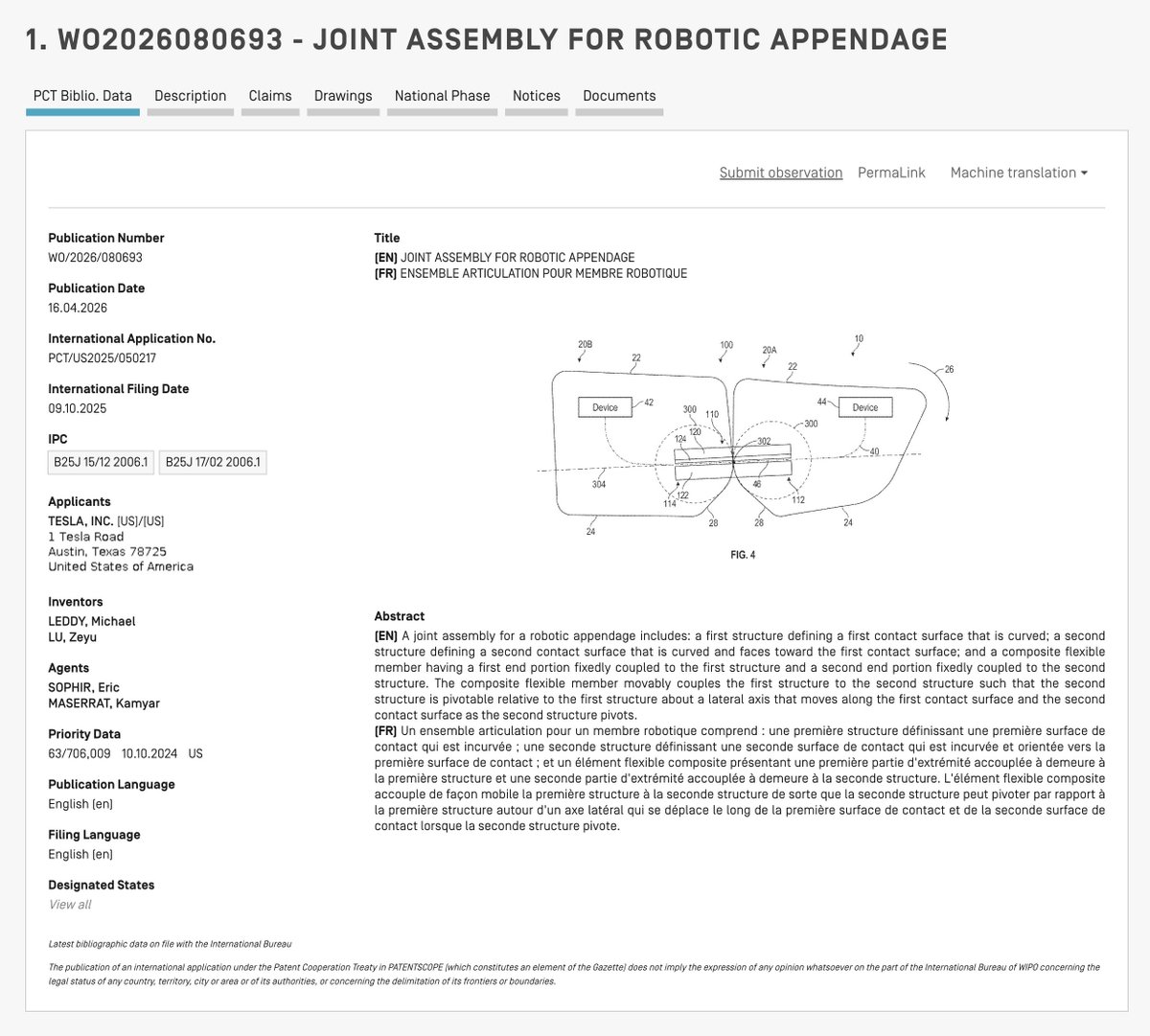
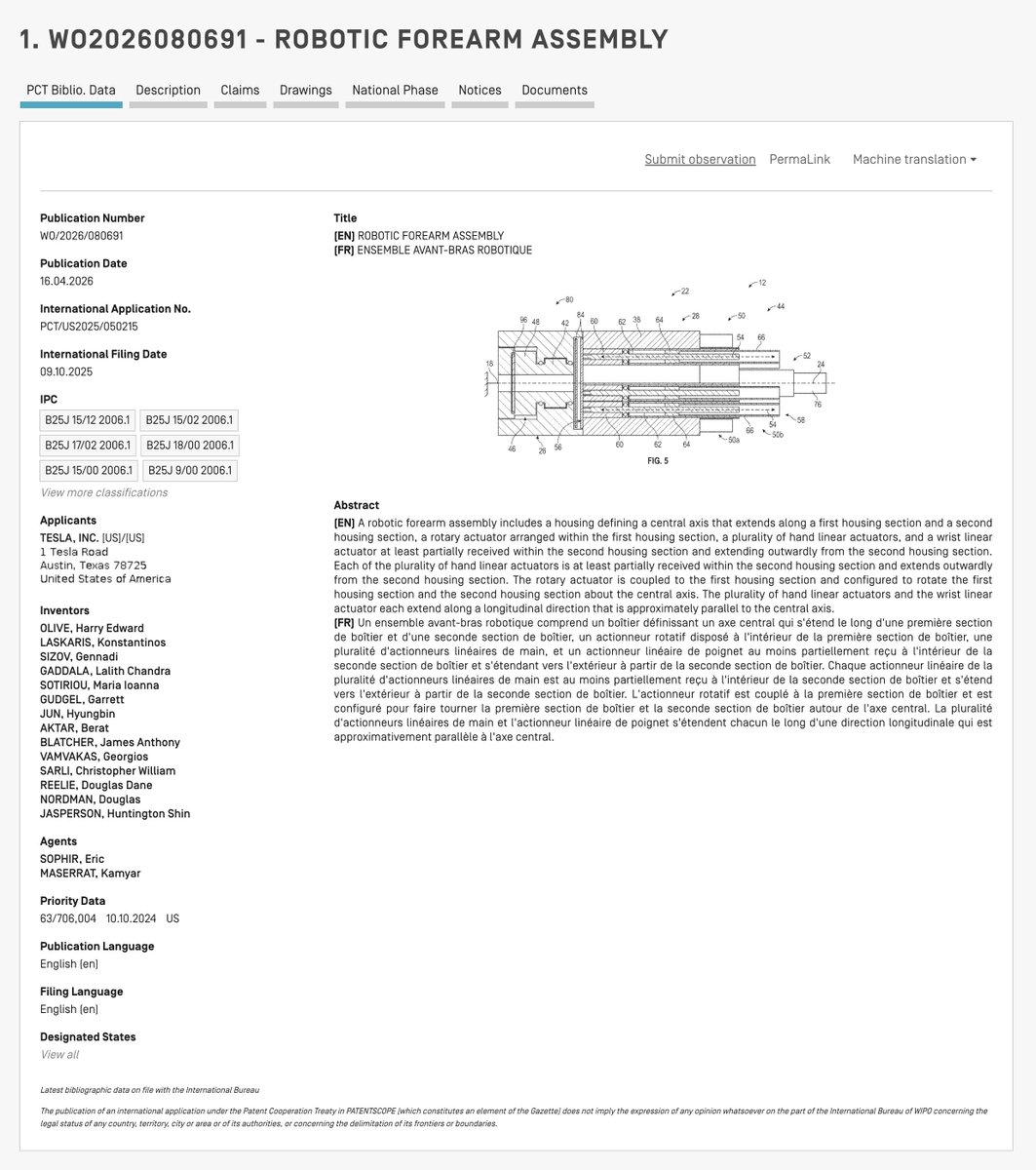
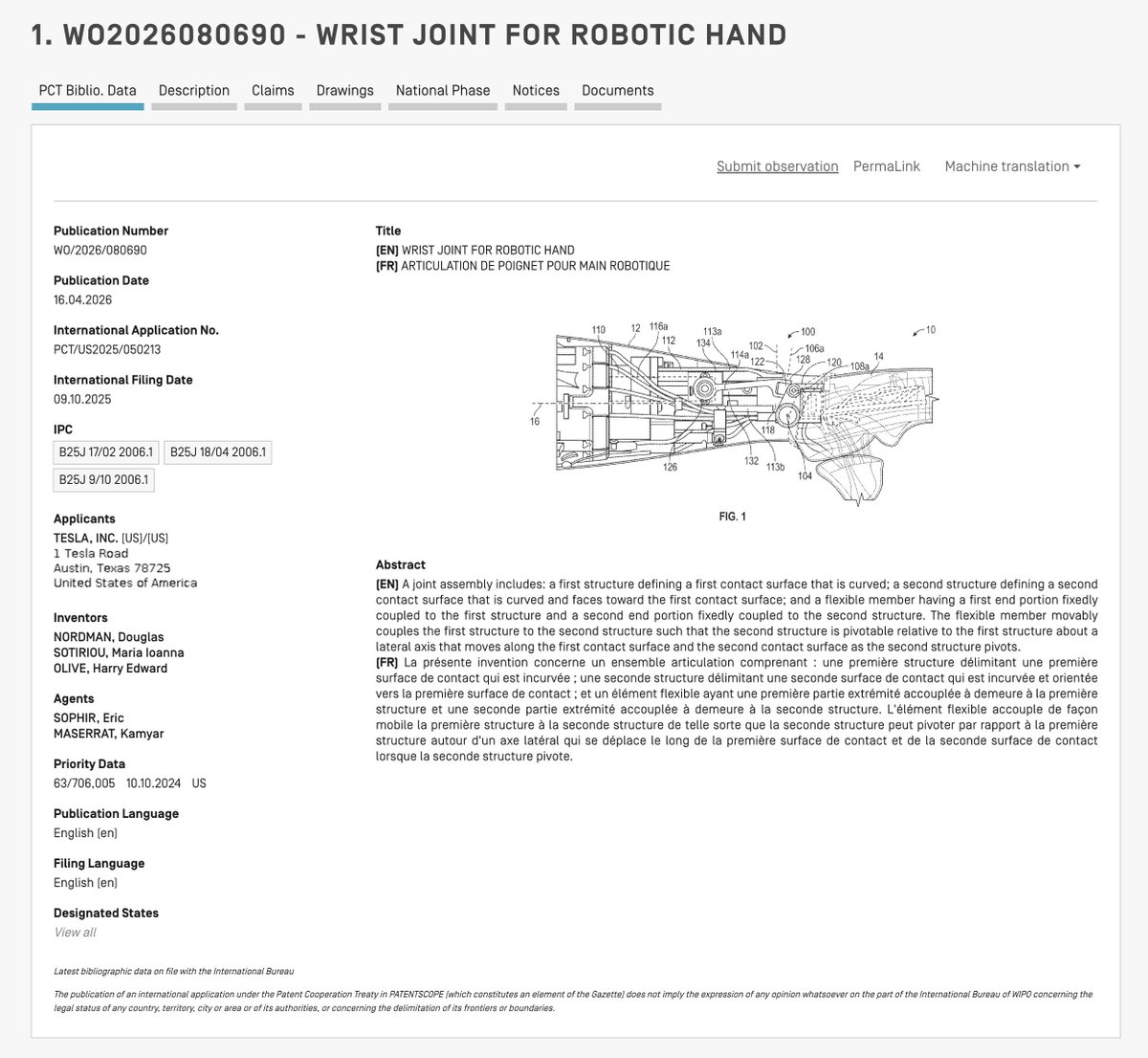
BREAKING ๐Ÿšจ TESLA HAS FINALLY SOLVED THE HARDEST PROBLEM IN ROBOTICS: UNVEILING THE 25-MOTOR ECOSYSTEM BEHIND THE 22-DOF OPTIMUS HAND ๐Ÿ–๏ธ Nature spent millions of years perfecting the human hand. Recreating it is widely considered the hardest problem in robotics, but Tesla engineers decided to tackle it in just a few years. They quickly ran into a massive physics problem. If you put all the motors needed for true human dexterity directly inside a robotic palm, the hand becomes a heavy, unusable club. To give Optimus a revolutionary 22 degree of freedom hand, one that can delicately crack an egg while still having the grip strength to swing a sledgehammer, Tesla had to rethink robotic anatomy from the ground up. They did this by turning the robot forearm into a high density engine room, housing a 25 motor ecosystem that allows the hand itself to remain incredibly light and nimble like a biological puppet. We finally have a clear look at how they pulled off this packaging miracle. A newly published quartet of patents from April 16, 2026, rips the synthetic skin off the Optimus arm to reveal the integrated mechanics inside. Tucked within filings WO 2026/080690, WO 2026/080691, WO 2026/080693, and WO 2026/080701 are the secrets to the staggering motor array, a hollowed out wrist joint, and flexible artificial ligaments that prove Tesla has successfully translated human biology into a mass manufacturable machine. To understand how they pulled this off, we have to look at the big picture. โš–๏ธ The problem: Packaging complex actuation into a human sized arm Building a robotic hand with human level dexterity requires dozens of actuators and a massive network of control cables. The core problem is that putting motors directly inside the hand makes it far too heavy and bulky to perform normal human tasks. Moving all those motors into the forearm solves the weight issue but creates a domino effect of new engineering nightmares. You have to figure out how to fit dozens of motors into a small cylinder, how to route all their cables through a moving wrist joint without pinching them, and how to build fingers that can handle the tension without snapping. ๐Ÿ’ก Tesla's solution: An integrated biomechanical ecosystem Tesla solved this by treating the entire lower arm as a single interconnected biomechanical system. Rather than designing the hand, wrist, and forearm in isolation, these four patents show a unified architecture where every component is specifically designed to support the others. The best place to see this unified design in action is right at the fingertips. Before you can pull a finger, you have to build a joint that will not break under pressure. 1โƒฃ Patent 080693: Solving the problem of fragile robotic joints The problem here is that traditional robotic pin joints are rigid and snap easily under impact. Furthermore, routing electrical wires through moving joints causes the wires to bend and eventually break from metal fatigue. The solution is an artificial ligament system that mimics human anatomy. Tesla created composite flexible members using elastomeric layers, which are essentially high tech rubber pads, that sandwich a high strength core. The patents specify using materials like liquid crystal polymer fabrics, such as Vectran, or superelastic metals like Nitinol. Nitinol is a unique metal alloy that can bend drastically and snap back to its original shape without taking damage. These materials achieve tensile strengths over 895 megapascals. This means a thin strip could withstand a massive pulling force equivalent to holding the weight of several cars. These ligaments allow the finger bones to roll smoothly against each other while preventing them from twisting or pulling apart. The artificial ligaments are not a one size fits all solution. The patent specifies that these flexible members get physically thicker the closer they are to the palm. Because the base of the finger experiences exponentially more force than the fingertip, the base ligaments are beefed up to prevent tearing. Furthermore, extreme versions of these joints do not just use three layers. They use a massive seven layer sandwich of alternating rubber and metal to guarantee they never snap under heavy loads. To protect the internal wiring, Tesla routed the electrical harness straight through the neutral bending plane of the ligament. If you bend a thick paperback book, the pages on the outside stretch and the pages on the inside bunch up, but the exact middle layer experiences zero change in length. By embedding the data cables right in this neutral zone, the wires experience zero stretching or compressing during movement. Furthermore, the outer elastomeric layers are tuned to a specific hardness under Shore 60A. This is a measurement of rubbery stiffness roughly equivalent to a sturdy shoe sole. This specific density allows the rubber to act as passive springs that naturally bias the fingers back to an open, extended position when tension is released. Having designed an indestructible finger joint, the engineers had to connect these fingers to a power source. This led them straight to the next major bottleneck, which was the wrist. 2โƒฃ Patent 080690: Solving the problem of crowded wrist pathways The problem with moving all the finger motors to the forearm is that you now have over twenty cables that need to cross the wrist joint into the hand. Traditional robotic wrists use central pivots or dense gearboxes that completely block this pathway. The solution is a brilliantly engineered cantilevered wrist joint. Tesla built a universal joint that hangs from the top and bottom of the forearm bracket in a cantilevered arrangement. This means it is supported entirely at the outer edges, much like a diving board or a balcony projecting from a building. By using two dedicated linear actuators guided by precision sliders on a central track, they created a massive hollow void right down the center. To save even more space, the connecting links use uniquely curved shapes. These metal links act like boomerangs. They intentionally bow sharply outward away from the center of the arm, and then swoop drastically back inward to attach to the hand. This highly specific geometric curve is what allows the wrist to bend to extreme human angles without the metal links colliding with the central forearm bracket. They even carved a specific notch directly into the hand structure. This allows the metal forearm bracket to recess into the palm so the wrist can bend further backward. This layout guarantees the dense bundle of finger tendons can pass safely into the palm no matter how the wrist moves. With a safe, hollow highway established through the wrist, the team could finally focus on the powerhouse of the arm. They had to figure out where the actual pulling force was going to come from. 3โƒฃ Patent 080691: Solving the problem of actuator density The problem is the sheer lack of physical space. To get twenty two degrees of freedom in the hand plus wrist movement, you need a massive number of motors. In robotics, a degree of freedom simply means an independent direction a joint can move. A human sized forearm is simply too small to house traditional robotic actuator setups without severe overheating and magnetic interference. The solution is an extreme high density cylindrical packaging layout. Tesla split the forearm housing into sections, placing a rotary motor for wrist roll in the back to twist the wrist like turning a doorknob. In the front section, they packed exactly twenty five linear actuators. Unlike standard motors that just spin in a circle, linear actuators push and pull in a straight line like pistons. Twenty three of these are tiny twelve millimeter motors for the fingers, and two are twenty millimeter motors for the wrist. They placed these actuators in a staggered, circumferential pattern, forming a tight circle parallel to the arm bone. By nesting them in inner and outer rings, Tesla maximized space efficiency while allowing enough airflow for cooling. They solved the cable tangling issue with an axially staggered layout. Much like the pipes on a church organ, the twenty five linear actuators terminate at completely different lengths. By staggering exactly where each motor ends, Tesla ensured the physical cable attachment points do not crowd each other in the tight cylindrical space. They even packed the printed circuit boards and inverters internally. This makes the forearm a completely standalone, plug and play unit that only requires external power. The muscles were successfully packed in the forearm, the highway through the wrist was clear, and the finger bones were ready to move. The final piece of the engineering puzzle was connecting it all together into a working puppet. 4โƒฃ Patent 080701: Solving the problem of complex finger control The problem is figuring out how to translate the pulling force from the forearm motors into delicate, independent movements for each finger phalanx, which is the technical term for the individual bone segments in a finger. Attempting to do this without filling the hand with bulky mechanical linkages is incredibly difficult. The solution is a highly refined tendon driven network controlling twenty five distinct degrees of freedom. Tensile members run from the forearm, through the hollow wrist, and anchor to specific finger bones. While a thumb that swings inward is standard, the Optimus hand features a fully opposable pinky with its own dedicated opposition joint and motor. This allows the entire hand to dynamically cup inward, which is essential for gripping spherical objects like baseballs or doorknobs. Tesla uses active pull for flexion, meaning the motors tug the cables to close the fingers or squeeze them together. Additionally, while closing a finger uses one cable and opening it uses a passive spring, spreading the fingers side to side requires active control. Tesla solved this by using two opposing cables per finger, allowing them to splay outward with absolute precision. To prevent over extension, they built physical hyperextension hard stops directly into the artificial bones. These act like door hinges that physically block the finger from bending too far backward and snapping. Finally, to give the hand a sense of touch, Tesla embedded tactile and position sensors throughout the phalanges. They routed their delicate cables safely alongside the flexing axes to prevent strain. These four systems do not just work in isolation. They form a complete loop of motion that brings the robot to life. ๐Ÿš€ How this patent suite contributes to Tesla's Optimus program Individually, each of these patents represents a clever mechanical workaround. Together, they form the exact engineering blueprint for the highly anticipated Optimus V3. Right now, this integrated tendon driven architecture is the secret behind Optimus V3 making a massive leap to a 22 degree of freedom hand. This effectively doubles the 11 degrees of freedom seen in the Gen 2 prototypes. By routing the cables efficiently through the wrist's neutral axis, they avoid twitchy cable crosstalk, ensuring that pulling one tendon does not accidentally tug on a neighbor. This exact hardware allows V3 to execute over 3,000 discrete tasks, seamlessly transitioning from delicate household chores, like folding laundry or handling eggs, to heavy industrial assembly using Tesla's advanced AI5 chips. Looking to the future, this unified design is the cornerstone of Tesla's ultimate goal for Optimus V4, V5, and beyond: unprecedented mass production. Actuators and sensors dominate the build cost of any humanoid. By removing fragile, expensive gearboxes from the hand itself and relying on centralized forearm linear actuators with passive spring returns, Tesla has engineered a system that minimizes part counts and is vastly cheaper to assemble. As Tesla pushes to scale production at their Fremont factory, their eyes are set on a long term target of a $20,000 build cost and a million units per year. Future iterations like V4 and V5 will likely lean even harder into this integrated tendon approach, further optimizing the artificial ligaments and reducing supply chain complexity. This patent suite proves they are not just building a cool lab prototype. They are building an economic weapon, a mass manufacturable robotic worker designed to fundamentally replace human physical labor and completely redefine Tesla's future beyond cars.
Ming tweet mediaMing tweet mediaMing tweet mediaMing tweet media
English
35
225
1.4K
65.7K
Roland Pircher
Roland Pircher@pilolyยท
As expected the Netherlands will present their results on Tesla's FSD in the next meeting of the Technical Committee - Motor vehicles (TCMV) on 5 May. ๐Ÿ‡ช๐Ÿ‡บ The vote will take place at the end of June. If at least 50% of EU countries vote in favour of FSD, it will be approved automatically in all 27 EU countries.
Roland Pircher tweet media
English
74
256
2K
112.2K
Fredrik Kรคrrholm
Fredrik Kรคrrholm@FredrikKarrholmยท
Fler รคn hรคlften av alla vรฅldsbrott begรฅs av fรคrre รคn en procent av befolkningen. Personer aktiva i kriminella nรคtverk utgรถr knappt tvรฅ promille. Att merparten av dessa individer inte lรฅngvarigt fรคngslats har inneburit bรฅde orรคttvisa fรถr brottsoffer och en allmรคn samhรคllsfara. ร–ver 8000 fรถrbrytare รคr lagfรถrda tio gรฅnger eller fler. Vรฅldtรคktsmรคn, kvinnomisshandlare, gรคngkriminella och andra vรฅldsverkare av diverse slag har dรถmts till milda straff, om och om igen. Straffrรคtten har avsiktligt utformats fรถr att utdรถmda straff ska pressas mot straffminimum. Vi har haft svรคngdรถrrar pรฅ Kumla, samtidigt som lagen fungerat som en hinderbana fรถr domstolarna att รถverhuvudtaget utdรถma ett fรคngelsestraff. De fรถrmildrande och straffreducerande omstรคndigheterna har varit mรฅnga. Och som lรถk pรฅ laxen har mรคngdrabatten varit exceptionellt generรถs. I รถver ett decennium har jag opinionsbildat fรถr en reformerad straffrรคtt. Jag รคr dรคrfรถr oerhรถrt tacksam รถver att fรฅ vara delaktig i att nu genomfรถra รคndrade regler fรถr straffmรคtning, som avgรถr vilka straff som domstolarna utdรถmer. Med veckans beslut har lagfรถrslagen antagit skarpa former. Presumtionen mot fรคngelse tas bort, hela straffskalorna ska anvรคndas och maxstraff ska utdรถmas. Mรคngdrabatten avskaffas och varje brott ska rรคknas. Vi tar รคven bort flera straffreducerande omstรคndigheter. En gรคrningsman ska inte fรฅ lindrigare straff fรถr att han sjรคlv rรฅkade skada sig nรคr brottet begicks, fรถr att han รคr gammal, fรถr att han riskerar att fรถrlora jobbet eller fรถr att det gรฅtt lรฅng tid sedan brottet. 50 straffskalor skรคrps, serievรฅldtรคktsmรคn ska fรฅ livstid och gรคngkriminella dubbla straff. Fรถrtidsfrigivningen efter tvรฅ tredjedelar avskaffas och den som fyllt 18 รฅr ska fullt dรถmas som vuxen. Dessutom ska brott som leder till fรคngelse medfรถra utvisning fรถr utlรคnningar. Sammantaget kommer detta att gรถra Sverige vรคsentligt mer sรคkert och rรคttvist. Lagrรฅdet anser att det har gรฅtt fรถr fort, men jag vill tvรคrtom hรคvda att vi gjort ett noggrant arbete med omfattande utredningar. De vรคljare som rรถstat fรถr fรถrรคndring har knappast heller haft fรถr รถgonen att reformerna ska drรถja lรคngre รคn en mandatperiod. Vi รคr dock รคnnu inte helt i mรฅl. Fรถr det fรถrsta kommer riksdagen att bemyndiga regeringen att besluta nรคr flera centrala lagรคndringar ska trรคda i kraft, vilket รคr en nรถdvรคndig flexibilitet eftersom Kriminalvรฅrden fรถrst mรฅste bygga klart fler fรคngelser. Dessvรคrre kan lagรคndringarna dรคrmed enkelt stoppas om Miljรถpartiet och Vรคnsterpartiet ingรฅr i en ny regering efter valet. Fรถr det andra behรถver vi i justitieutskottet sรคkerstรคlla att lagรคndringarna leder till verklig fรถrรคndring. Riksdagen har fรถrr fรถrsรถkt hรถja straffnivรฅer, men utan รถnskad effekt. Nu ska vi lyckas. Utskottets betรคnkande bรถr ta direkt avstรฅnd frรฅn tidigare fรถrarbetsuttalanden som ligger till grund fรถr domstolarnas dรถmande, och vi behรถver noggrant fรถlja upp att lagรคndringarnas syften uppnรฅs. Fรถr det tredje krรคvs ytterligare lagรคndringar. Vi drรคnerar nu grunden och genomfรถr ett stambyte. Men totalrenoveringen รคr รคnnu inte klar, exempelvis behรถver vi mรถjliggรถra sรฅ att medborgarskap kan รฅterkallas och gรถra det straffbart att delta i kriminella nรคtverk. Allt hรคnger pรฅ om vi i september behรฅller riksdagsmajoriteten. /// Figur frรฅn Falk, ร–., Wallinius, M., Lundstrรถm, S., Frisell, T., Anckarsรคter, H., & Kerekes, N. (2014). The 1% of the population accountable for 63% of all violent crime convictions. Social psychiatry and psychiatric epidemiology, 49(4), 559-571.
Fredrik Kรคrrholm tweet media
Svenska
44
198
1.3K
22.3K
Elvis Will Vexillary ๐Ÿ”‹
Elvis Will Vexillary ๐Ÿ”‹@EWVexillaryยท
Tesla Model Y -gecelerin yargฤฑcฤฑ- aksesuar takฤฑntฤฑsฤฑ 2
Tรผrkรงe
62
86
1.9K
251.4K
Sawyer Merritt
Sawyer Merritt@SawyerMerrittยท
Tesla FSD V14.3 first drive impressions: โ€ข Highway follow distance is more comfortable โ€ข Quicker take off from stop signs after coming to a complete stop โ€ข Highway lane change hesitation from previous versions seems gone for me โ€ข The navigation routes it takes are still sometimes confusing โ€ข It understood detour signs correctly on its way to a Supercharger, but got confused after with how to navigate to the Supercharger. It eventually figured it out. โ€ข For the most part, FSD does seem to be choosing parking spots closer to the designation, which is good, but I'm not noticing a big change in parking behavior overall. โ€ข Blinker activates later than previous version of FSD, a nice improvement โ€ขย Speed profiles seem mostly the same Overall, I'm not noticing huge changes vs 14.2.2.5 in my first couple of drives, so I need more time with it. V14.3 does need some smoothening out, but I expect that with a bigger dot release like this. V14.3 feels like it's setting the stage for something larger to come, and that further reasoning capabilities will be added in future FSD updates.
English
171
242
3.6K
275.6K
๐๐š๐ฌ๐ญ - ๐๐ซ๐ข๐ง๐œ๐ž ๐จ๐Ÿ ๐“๐ฐ๐ข๐ฅ๐ข๐ ๐กt ๐Ÿ‘‘๐ŸŒ„ retweetledi
Andreas
Andreas@Jymdisยท
Fรถr att fortsรคtta pรฅ inlรคgget om galna priset pรฅ Tesla. Det hรคr รคr galet ocksรฅ. Billigaste Volvon kostar 430 000 sek. Du fรฅr en Model y (eller Model 3) fรถr 449 000 kr. Den ena tankar du med el fรถr 1-2 kr milen, den andra med dinosaurjuice fรถr 10-15 kr milen.
Alexander Kristensen@LinkN01

The cheapest new combustion engine Volvo you can buy in Sweden is priced at a "recommended" price of 430 000 SEK ($43K). And the cheapest new Tesla you can buy is priced at 449 990 SEK ($45K) excluding the EV tax credit. But yeah, keep on telling us EV's are too expensive

Svenska
57
6
110
65.1K