DiPaolo Lab

360 posts

DiPaolo Lab banner
DiPaolo Lab

DiPaolo Lab

@DipaoloLab

Studying immunology, inflammation, autoimmunity, gastritis and gastric carcinogenesis @SLU_Official.

St. Louis, MO Katılım Ekim 2019
255 Takip Edilen310 Takipçiler
DiPaolo Lab
DiPaolo Lab@DipaoloLab·
@bryan_johnson We have expertise in AIG and engineering immune regulation/tolerance and are following this journey!
English
0
0
0
258
Bryan Johnson
Bryan Johnson@bryan_johnson·
My plan to cure autoimmune gastritis To our knowledge, no one has ever done this to try and cure an autoimmune disease. Context: In May, I got diagnosed with autoimmune gastritis (AIG). We found it by taking a tissue biopsy of my stomach. My immune cells are confused, causing my stomach to eat itself. AIG stops your body from absorbing nutrients like iron and B12, and can eventually lead to cancer. It likely started decades ago when I was diagnosed with hypothyroidism when 21 years old. The thyroid and stomach are closely linked in your immune system. I feel fortunate that I've been taking such good care of my body for the past five years as my condition would otherwise be much more severe. Millions of people are affected by this disease and are undiagnosed. Standard of care tells you that you can’t do anything about it. That’s old fashioned. Here is how we are going to try and cure it: Step 0: find and diagnose the disease ✅ AIG is rarely caught early because symptoms are subtle. Early warnings are low iron and B12, but when hemoglobin and hematocrit look normal, doctors routinely miss it because there are no obvious signs of anemia. A standard colonoscopy won't find it either, because it only checks the lower digestive tract, not the stomach. It was only through a highly targeted stomach biopsy that we found it. Even biopsies can miss it if they don't sample the exact right spots. Most people with AIG go undiagnosed. Step 1: Map my immune system ✅ Last Thursday, I had a blood draw to isolate and decode 1 million of my immune cells. Think of your immune cells as trillions of soldiers. Each carries a unique key designed to unlock and destroy a specific threat, like a virus or bacteria. A standard blood test allows you to see how many soldiers you have, but not their keys. Sequencing one million individual immune cells allows us to read the exact pattern of the teeth on every single key. This is important for my autoimmune gastritis (AIG) because a specific platoon of rogue soldiers has developed keys that unlock an attack on my stomach lining. Right now, we don’t know who they are. This test will inform us of which soldiers have gone rogue and are attacking me from within. Once we know the soldier and key, we know what therapy path to pursue to shut them down. Step 2: Catch the rogue soldiers I will be getting a second biopsy from my stomach because we need to collect live tissue. We are currently planning out the logistics of getting the sample from my stomach to the lab. We need these live cells because the initial blood tests showed the antibodies, which prove that an attack is happening, but doesn’t show us the actual rogue soldier doing the damage which is a T-cell. The live sample will allow us to match the immune system mapping we did to the live T-cells. Step 3: Build an early warning system To keep an eye on the disease as we work towards a therapy, we’re building an early warning system. I'll have my blood drawn every two weeks and we’ll pair that information with wearable data to look for flare ups. This is important because the attack happens without producing symptoms that I can easily feel. Step 4: Create a “Bryan in a dish” testing model, a miniature of my immune system At the same time, we are taking a massive sample of my immune cells and deep freezing them (cryopreservation) for two reasons: a) we’ll create a living lab: using these cells to replicate my immune environment in a lab dish. This allows us to test experimental drugs and therapies on my actual live cells before putting them into my body. b) it creates a back up plan for me by preserving the raw cellular material needed for targeted rejuvenation therapies in the future. Step 5: Build precision guided therapies to end the attack Once we know who the rogue soldiers are, we will engineer a therapy designed uniquely for them. The trick is only turning off the rogue soldiers while leaving all the other healthy ones functioning as they are. For safety checks, we’ll do two test runs: 1) we’ll run the therapy through a computer model that has my biology to evaluate how my molecules interact. 2) We will take my actual cells that we froze in Step 4 and watch them interact for real. If both are successful, we’ll pursue one of four therapies: a) fix the mistake my cells are making, restoring my immune system's natural off switches b) teach the rogue cells to tolerate my stomach instead of attacking it c) design smart molecules that physically plug into the rogue cells and turn them off d) build soldiers who will track down and eliminate the rogue soldiers causing the damage
English
1.2K
192
5.3K
1.5M
DiPaolo Lab
DiPaolo Lab@DipaoloLab·
@bryan_johnson Following to keep updated, my lab studies autoimmune gastritis extensively, it would be interesting to chat.
English
0
0
0
65
Bryan Johnson
Bryan Johnson@bryan_johnson·
Massive blood draw today: > decoding 1 million immune cells > identifying the rogue clones attacking my stomach > causing the autoimmune gastritis This is incredible technology. Think of your immune cells as trillions of soldiers. Each carries a unique key designed to unlock and destroy a specific threat, like a virus or bacteria. A standard blood test allows you to see how many soldiers you have, but not their keys. Sequencing 1 million individual immune cells allows us to read the exact pattern of the teeth on every single key. This is important for my autoimmune gastritis (AIG) because a specific platoon of rogue soldiers has developed keys that unlock an attack on my stomach lining. Right now, we don’t know who they are. This test will inform us of which soldiers have gone rogue and are attacking me from within. Once we know soldier and key, we know what therapy path to pursue to shut them down. Other makers in this blood draw: Ferritin, Soluble Transferrin Receptor, Iron and TIBC, Transferrin Saturation, Erythropoietin (EPO), Reticulocyte Count, CBC With Differential/Platelet, Phosphorus, Comprehensive Metabolic Panel (14), Antiparietal Cell Antibody, Intrinsic Factor Abs, Gastrin, Chromogranin A, Celiac Ab tTG IgA w/Rflx, IL-2 Receptor Alpha, T- and B-Lymphocyte/Nat Killer, Complement C3, Complement C4, Tumor Necrosis Factor-Alpha, Interleukin-6, HLA DRB1/3/4/5/DQB1, Cardiometabolic Report, Total Glutathione, Selenium, Coenzyme Q10, Oxidized LDL, Essential Fatty Acid Profile, Lp-PLA2 Activity, Myeloperoxidase (MPO), Vitamin D 25-Hydroxy, Magnesium, Copper, Zinc, Vitamin B12, Methylmalonic Acid, Folate, Hemoglobin A1c, GlycA, Fructosamine, C-Reactive Protein Cardiac, NT-proBNP, Lipid Panel, Apolipoprotein A-1, Apolipoprotein B, NMR LipoProfile, Lipoprotein (a), p-tau217, S-100B Protein, Neurofilament Light Chain, Glial Fibrillary Acid Protein
Bryan Johnson tweet media
English
407
43
1.4K
588.1K
DiPaolo Lab retweetledi
Cue Biopharma
Cue Biopharma@CueBiopharma·
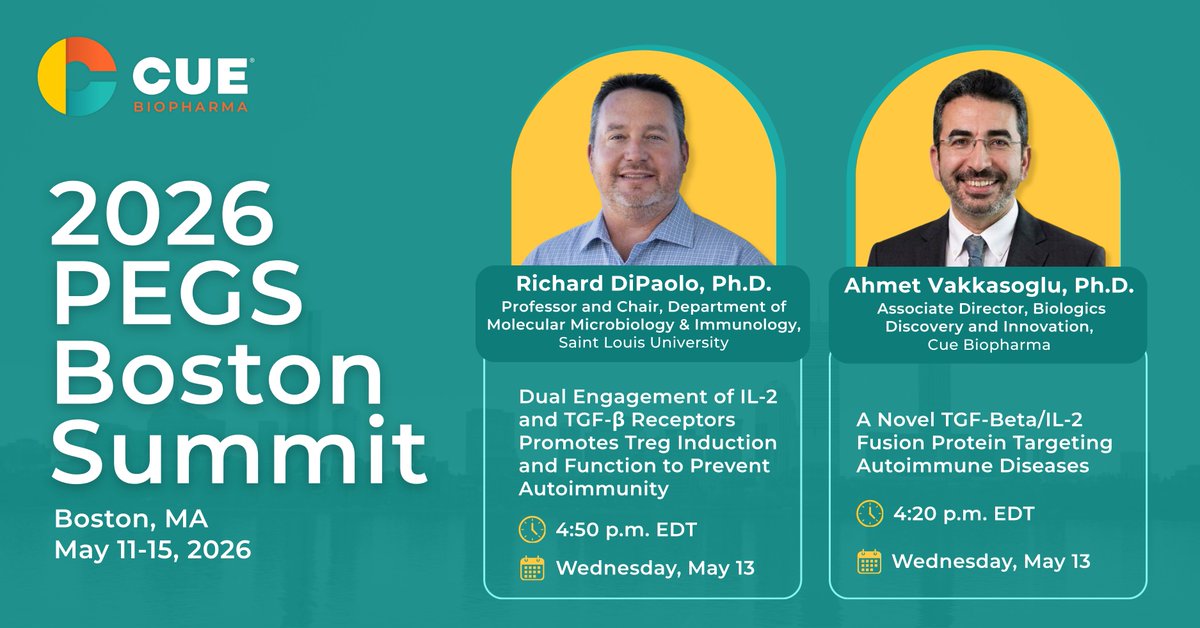
Next week at @PEGSboston, Ahmet Vakkasoglu & Richard DiPaolo will present preclinical data on our TGF-β/IL-2 fusion protein CUE-401, supporting its ability to expand existing T regs and induce new Tregs in #autoimmune & #inflammatory diseases. Join us: pegsummit.com
Cue Biopharma tweet media
English
1
2
5
570
DiPaolo Lab
DiPaolo Lab@DipaoloLab·
Big week for the DiPaolo Lab, Nick, now Dr. Nicholas Jackson defended his thesis, @challen_p gave an outstanding talk at @DDWMeeting and Lily McMorrow @SLUMDPhD present a great poster! Proud mentor here.
English
0
0
2
178
CHOI LAB
CHOI LAB@The_Choi_Lab·
I’m happy to share that I’ve been appointed to a new role as VICC Gastrointestinal Cancer Research Program Fellow at VUMC!
English
1
0
2
162
DiPaolo Lab
DiPaolo Lab@DipaoloLab·
Excited for Nicholas Jackson as he graduates soon as Dr. Nicholas Jackson (PhD)! Led standout IL‑2/TGF‑β immunology work with @CueBiopharma. Excellent scientist & communicator—now seeking post‑PhD opportunities. Preprint: biorxiv.org/content/10.648…
English
0
0
6
510
DiPaolo Lab
DiPaolo Lab@DipaoloLab·
Take a look at this article from our group/collaborators @CueBiopharma describing an exciting new strategy to restore immune tolerance— CUE-401 co-delivers attenuated IL-2 and TGF-β3 to selectively activate Tregs and suppress autoimmunity biorxiv.org/content/10.648…
English
1
1
5
1.8K
DiPaolo Lab retweetledi
Cue Biopharma
Cue Biopharma@CueBiopharma·
This month, we’re spotlighting Dr. Rich DiPaolo, Prof. & Chair of Molecular Microbiology & Immunology at St. Louis University, and prominent immunologist, as he shares promising preclinical data on CUE-401, our lead #autoimmune candidate. Get to know Dr. DiPaolo #OnCUE.
English
2
2
6
500
DiPaolo Lab
DiPaolo Lab@DipaoloLab·
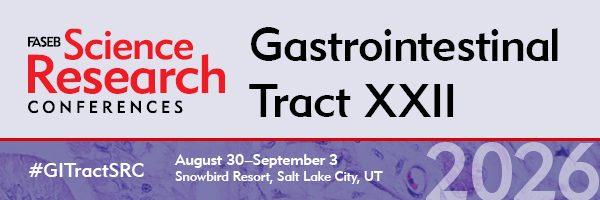
Registration is open for this great meeting! GI Tract XXII: “Molecular and Cellular Advances Towards Discovery and Treatment” conference, to be held in Snowbird/Salt Lake City, UT, August 30–September 4, 2026. Abstract Submission Deadline: June 7, 2026 events.faseb.org/event/728860a1…
DiPaolo Lab tweet media
English
0
0
5
1.6K
DiPaolo Lab
DiPaolo Lab@DipaoloLab·
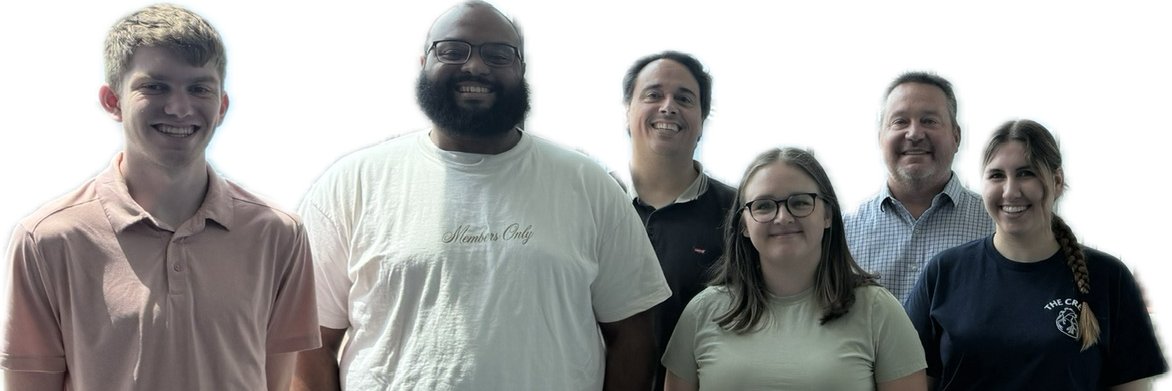
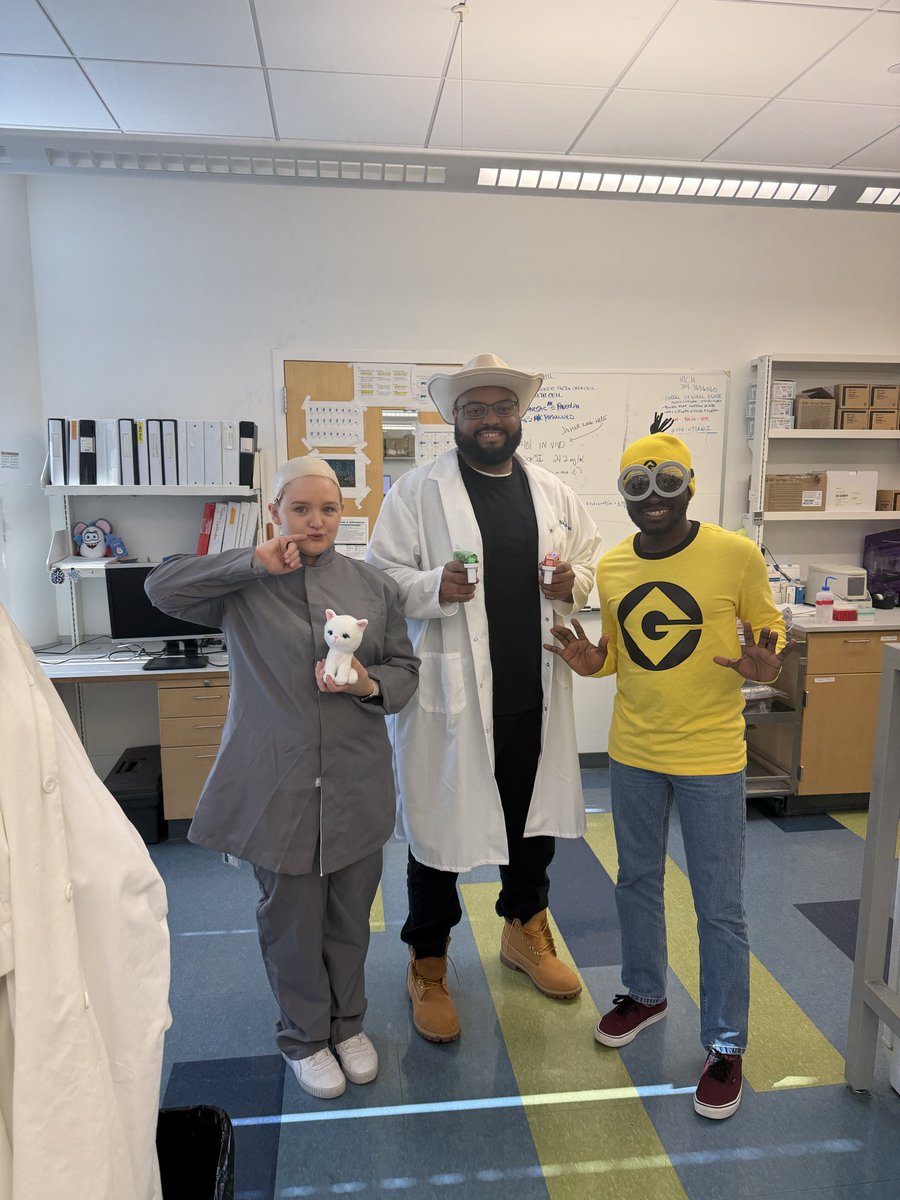
Students went all out for Halloween!
DiPaolo Lab tweet mediaDiPaolo Lab tweet media
English
0
0
1
187
DiPaolo Lab
DiPaolo Lab@DipaoloLab·
Nice comment on a recent article article by @millsjc67 and Jeffrey W Brown, called cathartocytosis, where stomach (chief) cells “vomit” out their contents to quickly shrink and repair damaged tissue. the-scientist.com/stomach-cells-…
English
0
1
2
232
DiPaolo Lab retweetledi
The Nobel Prize
The Nobel Prize@NobelPrize·
BREAKING NEWS The 2025 #NobelPrize in Physiology or Medicine has been awarded to Mary E. Brunkow, Fred Ramsdell and Shimon Sakaguchi “for their discoveries concerning peripheral immune tolerance.”
The Nobel Prize tweet media
English
455
11.7K
28.4K
4.3M
DiPaolo Lab retweetledi
NIH
NIH@NIH·
BREAKING NEWS❗ NIH establishes nation's first dedicated organoid development center to reduce reliance on animal modeling. bit.ly/4pBYT9T
NIH tweet media
English
20
119
442
58.6K