DiscoverMedNews

967 posts

DiscoverMedNews banner
DiscoverMedNews

DiscoverMedNews

@DiscMedNews

News and major stories from evidence-based medical research and published peer-reviewed medical studies.

Katılım Mart 2023
40 Takip Edilen300 Takipçiler
DiscoverMedNews
DiscoverMedNews@DiscMedNews·
@ZdenekVrozina Yes, superoxide dismutase, a marker of oxidative stress responsible for destroying free superoxide radicals was persistently upregulated two years after the acute infection.
English
0
0
2
38
Zdenek Vrozina
Zdenek Vrozina@ZdenekVrozina·
@DiscMedNews And some oxidative stress related proteins remained persistently altered as well.
English
3
0
1
46
Zdenek Vrozina
Zdenek Vrozina@ZdenekVrozina·
A new Scientific Reports study adds an important nuance to the long COVID conversation. The biggest difference was not between people with PCC and without PCC, but between uninfected people and everyone who had recovered from SARS2🧵
thetranscendedman@atranscendedman

Université de Sherbrooke, 150 people, blood tests found a distinct post COVID protein pattern 3 months after mild infection. Long COVID cases also showed more oxidative stress and signs of DNA damage. nature.com/articles/s4159…

English
3
44
139
15.9K
DiscoverMedNews
DiscoverMedNews@DiscMedNews·
@ZdenekVrozina _Yes, some neuron-related signaling pathways, such as the generation and differentiation of neurons and neuron projection development had a slow recovery rate after one year and were persistently suppressed over two years after the SARS-CoV-2 infection.
English
0
0
0
8
Zdenek Vrozina
Zdenek Vrozina@ZdenekVrozina·
@DiscMedNews Neuron related signaling recovered more slowly and remained suppressed even after 2 years.
English
2
0
1
43
DiscoverMedNews
DiscoverMedNews@DiscMedNews·
@ZdenekVrozina Importantly, tropomyosin chain proteins involved in cardiomyopathy signaling pathways did not recover at the six-month follow-up and remained significantly upregulated in COVID-19 survivors.
English
1
0
1
44
DiscoverMedNews
DiscoverMedNews@DiscMedNews·
@ZdenekVrozina In this paper, in COVID-19 survivors, most immune response pathways, such as complement and coagulation cascade, and cholesterol metabolism, were comparable to those of the healthy controls before the two-year follow-up.
English
1
0
0
46
Walter M Chesnut
Walter M Chesnut@Parsifaler·
Spike Protein (mRNA) Myocarditis Shows Evidence of Persistent Fibrosis: Further Understanding Sudden Cardiac Deaths: Dangers of Reexposures Myocarditis induced by the Spike Protein has been shown to induce mid to epicardial lateral wall fibrosis – an arrhythmogenic zone.
Walter M Chesnut tweet media
English
7
64
140
13K
DiscoverMedNews
DiscoverMedNews@DiscMedNews·
@ZdenekVrozina 7 antigenic sites of the SARSCoV2 S protein RBD show molecular similarity with 54 antigenic determinants of 15 pathogenic bacteria, parasites, and viruses, including the enterotoxin A from Staphylococcus aureus, and M protein from Streptococcus pyogenes. discovermednews.com/molecular-simi…
English
1
0
1
121
Zdenek Vrozina
Zdenek Vrozina@ZdenekVrozina·
The real headline here is simple - this preprint study set immunity debt against SARS-CoV-2 as rival explanations for rising invasive strep - and only one of them held up in the data🧵
English
11
59
202
9.8K
DiscoverMedNews
DiscoverMedNews@DiscMedNews·
@Yash25571056 Phosphorylated tau Thr181 and Thr217, and hyperphosphorylated tau AT8+ (all associated with Alzheimer’s disease) were unexpectedly up-regulated in the hippocampus and medial entorhinal cortex of people who died within 4-13 months of acute COVID-19. discovermednews.com/alzheimers-dis…
English
0
2
5
104
Hiroshi Yasuda (保田浩志)
Hiroshi Yasuda (保田浩志)@Yash25571056·
FYI, "In ICU-Cv (those with ICU admission due to COVID-19), ERC (entorhinal cortex) volume was significantly reduced compared to HC (healthy controls).. ERC, a key gateway for neocortical input to the hippocampus, is particularly susceptible in the early stages of AD (Alzheimer's disease), contributing to deficits in episodic memory and spatial navigation.. This finding (selective atrophy of the ERC in ICU-Cv patients) suggests that severe COVID-19 may lead to targeted neurodegeneration through mechanisms distinct from AD but potentially overlapping in terms of hypoperfusion, inflammation, and metabolic stress." Remember this. 'Long-Term Effects of Severe COVID-19 on the Hippocampus: A 7T MRI Comparison with Alzheimer’s Disease' alz-journals.onlinelibrary.wiley.com/doi/pdf/10.100…
English
4
14
49
1.5K
DiscoverMedNews
DiscoverMedNews@DiscMedNews·
@vipintukur Something different: Azithromycin is in vitro superior to other macrolides in the respiratory epithelial barrier enhancement, phospholipid retention, vesicle build-up, and its effect on gene sets related to keratinocyte differentiation. discovermednews.com/azithromycin-i…
English
0
0
0
59
Vipin M. Vashishtha
Vipin M. Vashishtha@vipintukur·
A study of hospitalized COVID-19 patients found that azithromycin quickly alters the respiratory microbiome and increases antibiotic resistance genes, with effects lasting over a week. ➡️ Importantly, it did not provide clear anti-inflammatory benefits. ➡️ These findings suggest that routine use of azithromycin in viral infections may promote antimicrobial resistance without significant clinical advantage. nature.com/articles/s4156…
Vipin M. Vashishtha tweet media
English
3
25
78
5.1K
DiscoverMedNews
DiscoverMedNews@DiscMedNews·
@vipintukur Individuals with post-COVID vaccination syndrome were found to have a specific immunological profile, serological evidence of recent Epstein-Barr virus reactivation, and circulating SARS-CoV-2 S1 protein up to 700 days after vaccination. discovermednews.com/immunological-…
English
0
0
0
95
Vipin M. Vashishtha
Vipin M. Vashishtha@vipintukur·
Post-COVID syndrome may involve problems with blood clotting and reactivation of latent Epstein–Barr virus (EBV). ➡️ Researchers identified circulating blood microaggregates that could impair capillary blood flow and found increased immune responses to EBV in affected patients. ➡️ Retrospective observations suggest that some patients improved with antithrombotic therapy and antiviral treatment targeting EBV, indicating potential therapeutic avenues. nature.com/articles/s4159…
Vipin M. Vashishtha tweet media
English
16
100
312
10K
DiscoverMedNews
DiscoverMedNews@DiscMedNews·
@ZdenekVrozina Individuals with post-COVID vaccination syndrome were found to have a specific immunological profile, serological evidence of recent Epstein-Barr virus reactivation, and circulating SARS-CoV-2 S1 protein up to 700 days after vaccination discovermednews.com/immunological-…
English
0
0
0
50
Zdenek Vrozina
Zdenek Vrozina@ZdenekVrozina·
A new long COVID paper suggests that, in a subset of patients, the picture may involve circulating microaggregates, impaired capillary flow, and - EBV-related immune activation🧵
English
8
25
145
5.4K
DiscoverMedNews
DiscoverMedNews@DiscMedNews·
@vipintukur Correlation between increased [11C]PBR28 PET/MR brain binding (as an indicator of neuroinflammation) and parameters of vascular health could partially reflect variations in vascular anatomy and perivascular immune infiltration in postacute COVID-19. discovermednews.com/brain-pet-sign…
English
0
0
1
97
Vipin M. Vashishtha
Vipin M. Vashishtha@vipintukur·
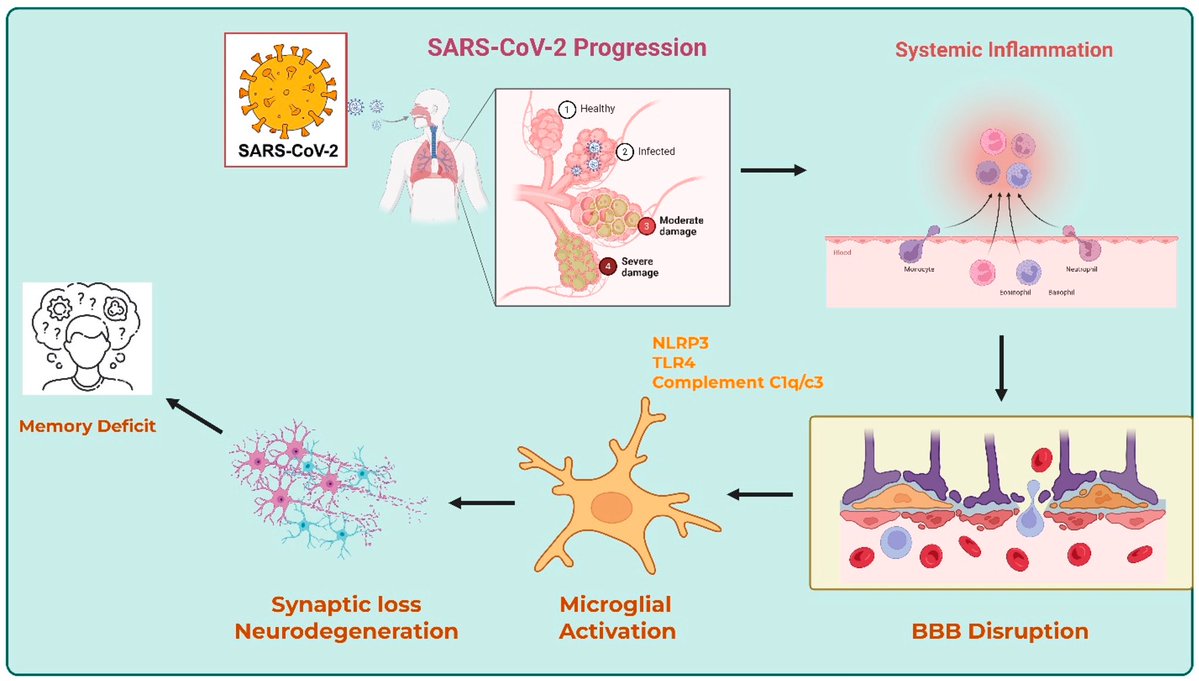
A NEW review examines how COVID-19 may affect memory and cognitive function. ➡️ Evidence suggests that inflammation in the brain, activation of immune cells called microglia, and possible vascular injury can disrupt normal brain signaling. ➡️ These changes may contribute to symptoms such as brain fog and memory problems seen in some people after COVID-19. ➡️ Further research is needed to better understand these mechanisms and develop effective treatments. mdpi.com/2571-6980/7/1/…
Vipin M. Vashishtha tweet media
English
4
46
121
2.7K
Walter M Chesnut
Walter M Chesnut@Parsifaler·
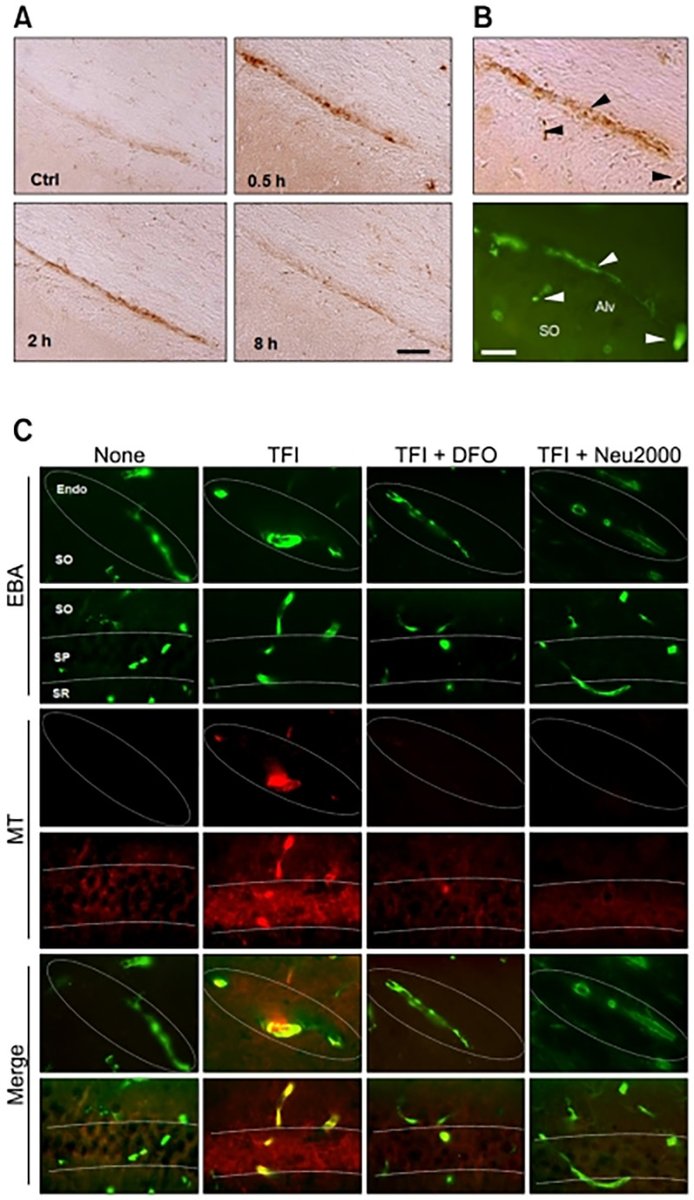
The Spike Protein, Ferritin and Long COVID: Additional Damage to the Microvasculature The Spike Protein appears to induce massive release of iron from Ferritin, damaging the microvasculature much like after mini strokes.
Walter M Chesnut tweet media
English
20
84
237
11.6K
DiscoverMedNews
DiscoverMedNews@DiscMedNews·
@Parsifaler Long COVID patients who developed ME/CFS based on all 3 internationally standardized criteria, had elevated serum ferritin levels, identifying serum ferritin as a possible biomarker for detecting the transition to ME/CFS, especially in female patients. discovermednews.com/ferritin-in-lo…
English
0
3
12
621
Zdenek Vrozina
Zdenek Vrozina@ZdenekVrozina·
Rather than framing long COVID as a simple state of persistent systemic inflammation, this new study points toward a model of chronically dysregulated immunity in which NK-cell dysfunction may occupy a central mechanistic role🧵
Harry Spoelstra@HarrySpoelstra

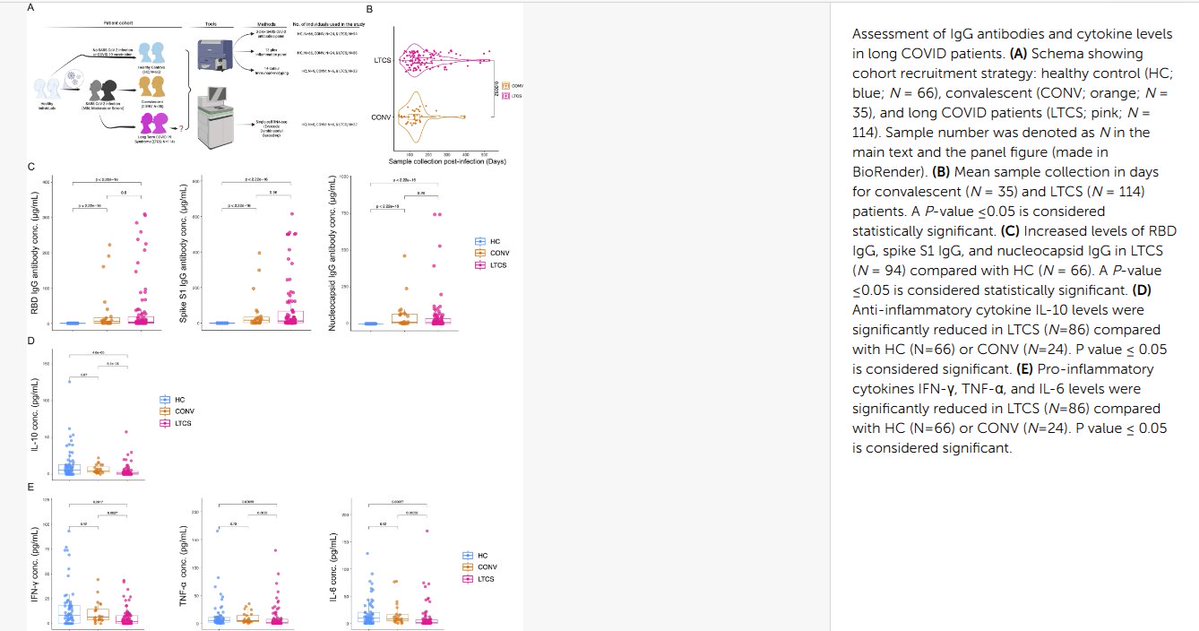
Dysregulated NK-cell gene expression defines the enduring symptoms of long COVID-19 🚨Long COVID's crippling fatigue, lost smell & brain fog now traced to profoundly exhausted & depleted NK cells, maybe unlocking a precise immune target for real treatments at last. A further IMPORTANT confirmation! #LEONARDI_EFFECT ➡️This German study on long-term COVID-19 syndrome (LTCS, or long COVID) identifies immune dysregulation, centred on natural killer (NK) cells, as a driver of persistent symptoms like fatigue, pulmonary issues, and cognitive impairment in 2%–8% of SARS-CoV-2 survivors. ➡️IMPORTANT FINDINGS: 1. LC patients show sustained high anti-SARS-CoV-2 IgG titers (S1/RBD/N proteins) up to 500 days post-infection, similar to convalescents, but with markedly reduced systemic cytokines (e.g, IFN-γ, TNF-α, IL-6, IL-10, IL-8), signalling immune suppression rather than hyperinflammation, 2. Flow cytometry reveals depletion of CD56+ CD16+ NK cells and CD56+ CD3+ NKT cells in LTCS compared to healthy controls and convalescents, alongside altered T-cell activation states, 3. Single-cell RNA sequencing confirms NK cell loss and profound transcriptional changes (455 differentially expressed genes: 115 upregulated like PDCD4 and CXCR4, 340 downregulated like TGFBR3 and MBNL1), 4. Single-cell RNA-seq reveals NK-cell exhaustion and impaired neuronal/sensory pathways and links immune dysfunction to hallmark symptoms such as fatigue, loss of smell, and cognitive impairment, 5. Enriched NK pathways include circadian rhythm regulation and translational programs. 6. Suppressed ones involve olfactory perception, neurotransmitter/GABA signalling, and sensory smell, linking to neuroimmune dysfunction. 7. Functional validation shows impaired NK cell inflammation (reduced TNF-α), mirroring chronic viral exhaustion and contributing to symptoms via a neuroimmune axis, 8. Vaccination and reinfection are not discussed as factors influencing NK-cell dysregulation or long COVID persistence, 9. Some valid limitations mentioned. ‼️This groundbreaking study reveals that dysregulated, exhausted natural killer (NK) cells, with profound depletion, transcriptional rewiring, and impaired function, directly drive the debilitating, persistent symptoms of long COVID, linking immune exhaustion to neuro-sensory and fatigue pathways! ‼️So, according to this study, dysregulated NK cells fundamentally underpin long COVID's enduring pathology, calling for urgent NK-targeted interventions to avoid lifelong suffering for millions. #LongCOVID #NKcells #Immunology #AVOIDSARS2 frontiersin.org/journals/immun… FYI: @fitterhappierAJ

English
11
87
279
17.1K
Harry Spoelstra
Harry Spoelstra@HarrySpoelstra·
Dysregulated NK-cell gene expression defines the enduring symptoms of long COVID-19 🚨Long COVID's crippling fatigue, lost smell & brain fog now traced to profoundly exhausted & depleted NK cells, maybe unlocking a precise immune target for real treatments at last. A further IMPORTANT confirmation! #LEONARDI_EFFECT ➡️This German study on long-term COVID-19 syndrome (LTCS, or long COVID) identifies immune dysregulation, centred on natural killer (NK) cells, as a driver of persistent symptoms like fatigue, pulmonary issues, and cognitive impairment in 2%–8% of SARS-CoV-2 survivors. ➡️IMPORTANT FINDINGS: 1. LC patients show sustained high anti-SARS-CoV-2 IgG titers (S1/RBD/N proteins) up to 500 days post-infection, similar to convalescents, but with markedly reduced systemic cytokines (e.g, IFN-γ, TNF-α, IL-6, IL-10, IL-8), signalling immune suppression rather than hyperinflammation, 2. Flow cytometry reveals depletion of CD56+ CD16+ NK cells and CD56+ CD3+ NKT cells in LTCS compared to healthy controls and convalescents, alongside altered T-cell activation states, 3. Single-cell RNA sequencing confirms NK cell loss and profound transcriptional changes (455 differentially expressed genes: 115 upregulated like PDCD4 and CXCR4, 340 downregulated like TGFBR3 and MBNL1), 4. Single-cell RNA-seq reveals NK-cell exhaustion and impaired neuronal/sensory pathways and links immune dysfunction to hallmark symptoms such as fatigue, loss of smell, and cognitive impairment, 5. Enriched NK pathways include circadian rhythm regulation and translational programs. 6. Suppressed ones involve olfactory perception, neurotransmitter/GABA signalling, and sensory smell, linking to neuroimmune dysfunction. 7. Functional validation shows impaired NK cell inflammation (reduced TNF-α), mirroring chronic viral exhaustion and contributing to symptoms via a neuroimmune axis, 8. Vaccination and reinfection are not discussed as factors influencing NK-cell dysregulation or long COVID persistence, 9. Some valid limitations mentioned. ‼️This groundbreaking study reveals that dysregulated, exhausted natural killer (NK) cells, with profound depletion, transcriptional rewiring, and impaired function, directly drive the debilitating, persistent symptoms of long COVID, linking immune exhaustion to neuro-sensory and fatigue pathways! ‼️So, according to this study, dysregulated NK cells fundamentally underpin long COVID's enduring pathology, calling for urgent NK-targeted interventions to avoid lifelong suffering for millions. #LongCOVID #NKcells #Immunology #AVOIDSARS2 frontiersin.org/journals/immun… FYI: @fitterhappierAJ
Harry Spoelstra tweet media
English
8
121
312
19.2K
Zdenek Vrozina
Zdenek Vrozina@ZdenekVrozina·
This new Nature Communications study is the most comprehensive look we’ve ever had at SARS-CoV-2 inside the human fetus. And the message is straightforward. Vertical transmission is real, and the virus can reach multiple fetal organs - even early in pregnancy🧵
English
15
180
468
20.7K
DiscoverMedNews
DiscoverMedNews@DiscMedNews·
@vipintukur From 2024: Sensory trigeminal neurons with axonal projections to the oronasal epithelium and brainstem, or superior cervical ganglia neurons with synaptic connections to the salivary glands and brainstem could serve as alternative route for CNS invasion. discovermednews.com/susceptibility…
English
0
1
4
75
Vipin M. Vashishtha
Vipin M. Vashishtha@vipintukur·
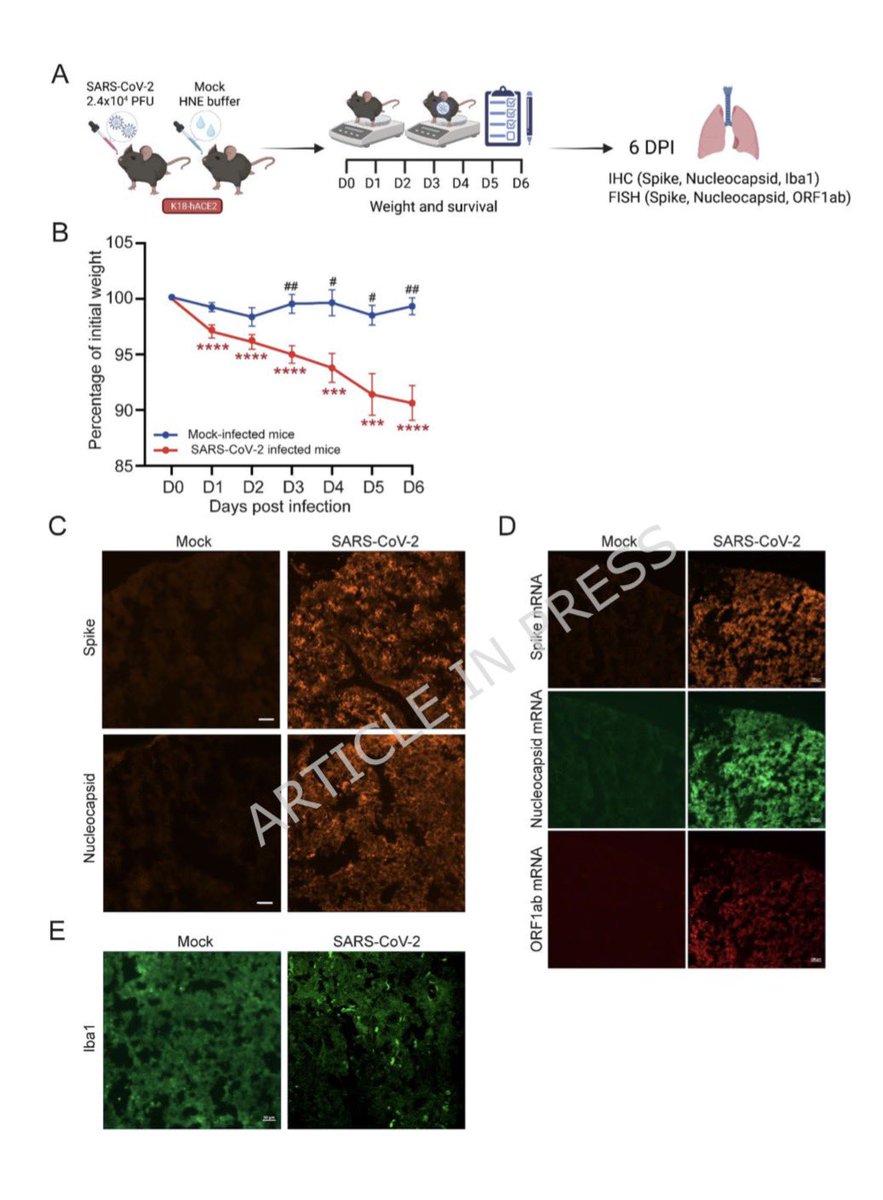
A recent study suggests that SARS-CoV-2 may affect the trigeminal nerve and brainstem, which are involved in facial sensation and pain. ➡️ The virus and related inflammation were found in nerve cells in animal studies, which may increase nerve sensitivity. ➡️ These changes could help explain symptoms such as headache, migraine, and facial pain seen in some COVID-19 patients. link.springer.com/article/10.118…
Vipin M. Vashishtha tweet media
English
5
33
105
3.4K