DXB Djanni

1.6K posts

DXB Djanni banner
DXB Djanni

DXB Djanni

@DjanniDXB

Inc.® • providing for members & Co.

Dubai, United Arab Emirates Katılım Eylül 2019
129 Takip Edilen95 Takipçiler
DXB Djanni retweetledi
Ian Miles Cheong
Ian Miles Cheong@ianmiles·
The city of Dubai has set up little kiosks for stray cats to eat and drink.
English
369
2.7K
16.8K
352.7K
DXB Djanni retweetledi
Rishi Dev Arya
Rishi Dev Arya@RishiDevArya6·
Italy is the canary in the Western coal mine. 355,000 births. 652,000 deaths. That's not a dip that's a nation quietly disappearing. And what's the establishment's solution? "Massive immigration" to patch the hole while doing nothing about why young Italians can't afford to have kids. Unlivable wages, unaffordable housing, no future. You don't need a fertility crisis. You need an economic revolution.
English
80
333
1.7K
61.7K
DXB Djanni retweetledi
Megatron
Megatron@Megatron_ron·
BREAKING: 🇺🇸 Hollywood actor Mark Ruffalo calls on Americans to watch the PALESTINE 36 film He says this will expose the Epstein Zionist regime.
English
509
19.6K
53.4K
590.4K
DXB Djanni retweetledi
Furkan Yildirim
Furkan Yildirim@FurkanCCTV·
BREAKING: Während die Schlagzeilen über den die Straße von Hormus laufen, passiert im Hintergrund etwas, was es seit der Ölkrise 1973 nicht mehr gegeben hat. Eines der mächtigsten Kartelle der Welt verliert sein drittstärkstes Mitglied. Nicht weil ihm das Geld ausgeht, sondern weil es endlich Geld machen will. Am 1. Mai verlässt die UAE die OPEC und OPEC+. Nach 59 Jahren. Gründungsmitglied seit 1967, vier Jahre bevor das Land selbst gegründet wurde. Was niemand erwähnt: Die UAE hat eine Förderkapazität von 4,85 Millionen Barrel pro Tag. Ihre OPEC-Quote liegt bei 3,2 Millionen. Heißt: Über 1,5 Millionen Barrel pro Tag werden seit Jahren künstlich zurückgehalten. Jeden Tag. Bei einem Brent-Preis von 111 Dollar. Rechne das hoch. ADNOC, der staatliche Ölkonzern der UAE, hat in den letzten Jahren über 122 Milliarden Dollar investiert, um die Kapazität auf 5 Millionen Barrel pro Tag zu schrauben. Ziel war 2027. Sie sind drei Jahre früher fertig. Diese Kapazität war eine Drohung gegen das Kartell. Jetzt ist sie eine Waffe. Der Konflikt schwelt seit 2021. Damals hat die UAE bei einem OPEC+ Treffen die Verhandlungen platzen lassen. Forderung: höhere Quote, weil die alten Berechnungen die echte Förderkapazität nicht widerspiegeln. Saudi-Arabien hat blockiert. Ein Kompromiss wurde gefunden, der nichts gelöst hat. Seitdem hat die UAE etwas Bemerkenswertes getan: Sie hat ihre eigene Öl-Infrastruktur gebaut, die OPEC nicht braucht. 2020 wurde an der ICE Futures Abu Dhabi der Murban-Futures-Kontrakt gestartet. Murban ist die Hauptsorte der UAE und macht die Hälfte ihrer Förderung aus. Erstmals wird Öl aus einem Golfstaat als freier Terminkontrakt gehandelt, ohne Restriktionen, ohne Endabnehmer-Klauseln. Lieferung in Fudschaira, am Golf von Oman, hinter der Straße von Hormuz. Das ist die strategische Pointe. Die UAE hat einen Ölhafen aufgebaut, der nicht durch Hormuz muss. Sie hat einen Benchmark geschaffen, der mit Brent und WTI konkurrieren soll. Sie hat ein Pipelinesystem zum Roten Meer und zum Indischen Ozean. Und sie hat in den letzten Jahren leise alle Bausteine zusammengesetzt, um eines Tages allein operieren zu können. Dieser Tag ist heute. Das Timing ist kein Zufall. Die OPEC-Produktion ist im März wegen des Hormuz-Kriegs um 9,4 Millionen Barrel pro Tag eingebrochen. Laut IEA der größte Supply-Schock der Geschichte. Größer als die Ölkrise der 70er. Größer als der Golfkrieg 1991. Größer als der Corona-Einbruch 2020. In dieser Phase Quoten zu diskutieren ist sinnlos. Niemand kann sie einhalten, weil niemand exportieren kann. Die UAE nutzt das Chaos, um lautlos auszusteigen. Saudi-Arabien steht jetzt mit einem Problem da, für das es keine gute Antwort gibt. Die Saudis tragen seit Jahren die Hauptlast der OPEC-Cuts. Förderkapazität 12,5 Millionen Barrel pro Tag, gefördert werden rund 9. Wenn die UAE öffnet und Marktanteile gewinnt, hat Saudi-Arabien zwei Optionen: Erstens, weiter zurückhalten und zusehen, wie ein Nachbar die Marktnischen einnimmt, die man selbst freigegeben hat. Zweitens, selbst öffnen. Das wäre der Beginn eines Preiskriegs wie 2020. Damals hat Saudi-Arabien die Förderung erhöht, um Russland und die US-Frackingindustrie zu zerstören. Brent ist auf 20 Dollar gefallen. WTI kurzzeitig auf negative Werte. Mitten in der Pandemie. Was Mohammed Al-Mazrouei, der Energieminister der UAE, im November 2025 öffentlich sagte: Es gebe kein Überangebot. Man wolle mehr produzieren. Die Nachfrage steige durch KI-Datenzentren weiter. Das war die Vorwarnung, die niemand hören wollte. Was bedeutet das mechanisch für den Ölmarkt: Solange Hormuz dicht ist, kein direkter Effekt. Der Iran-Krieg dominiert alles. Brent bleibt über 100 Dollar. Aber sobald sich die Lage normalisiert, fehlt zum ersten Mal seit 50 Jahren der Mechanismus, der den Ölpreis nach oben stabilisiert. Die OPEC ist als Disziplinarkartell schon jetzt geschwächt. Angola raus 2024. Qatar raus 2019. Jetzt das größte Mitglied nach Saudi-Arabien. Was übrig bleibt, ist eine Allianz aus drei Achsen mit auseinanderlaufenden Interessen: Saudi-Arabien will hohe Preise wegen Vision 2030. Russland will Cashflow trotz Sanktionen. Iran ist im Krieg. Und die UAE ist jetzt frei. Mohammed bin Zayed, der Präsident der UAE, hat eine Wette platziert: dass diversifizierte Wirtschaft, eigene Benchmarks, eigene Pipelines und westliche Allianzen wertvoller sind als die kollektive Preismacht eines Kartells, das ohnehin am zerfallen ist. Wenn er recht hat, werden die nächsten zehn Jahre des Ölmarkts völlig anders aussehen als die letzten fünfzig. Wenn dich solche Makro Insights interessieren und dir helfen, interagiere gerne mit dem Post. 🧡
Furkan Yildirim tweet media
Deutsch
69
465
2.2K
135.8K
DXB Djanni retweetledi
Alex Barnicoat
Alex Barnicoat@AlexBarnicoat_·
BREAKING: The UAE has left OPEC, the Group of Countries that controls the World's Oil Supply. This could literally start a war...
English
70
329
2.5K
47.7K
DXB Djanni retweetledi
End Wokeness
End Wokeness@EndWokeness·
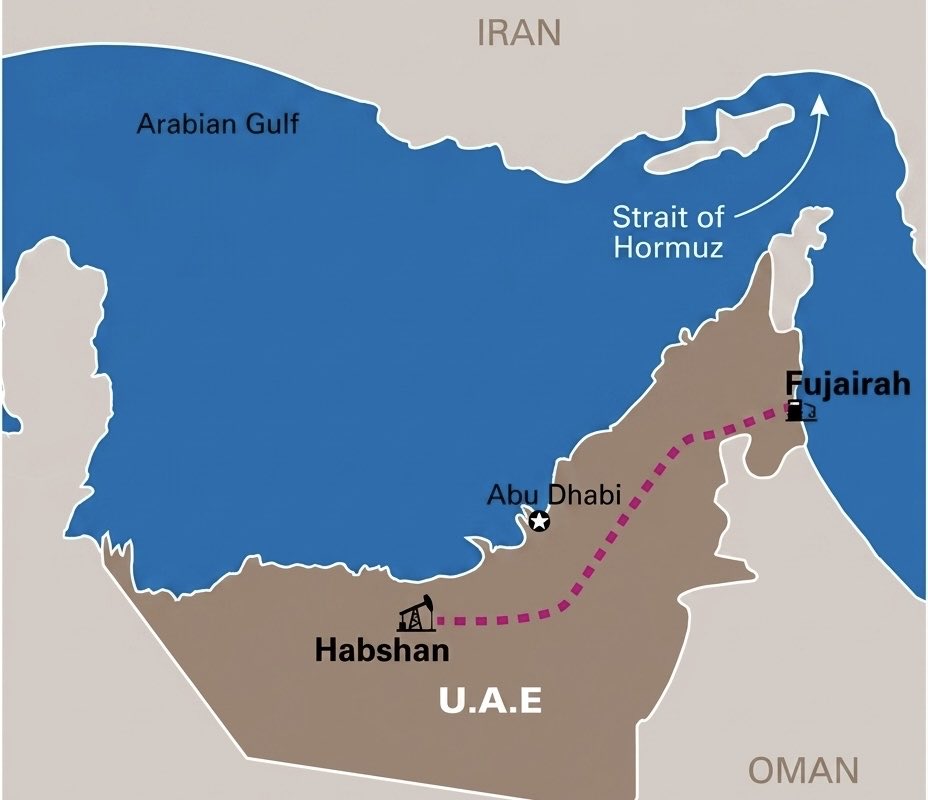
UAE leaving OPEC is a very big deal. OPEC produces 40% of the oil supply in the world. As a cartel, they dictate production. Meaning, oil prices. UAE is #3 largest in OPEC. And they have Fujairah pipeline which totally bypasses Hormuz. By exiting OPEC, the UAE breaks the cartel that is keeping oil prices high, unlocking 1 million extra barrels per day.
End Wokeness tweet mediaEnd Wokeness tweet media
English
795
8.4K
41.8K
1.4M
DXB Djanni retweetledi
Mario Nawfal
Mario Nawfal@MarioNawfal·
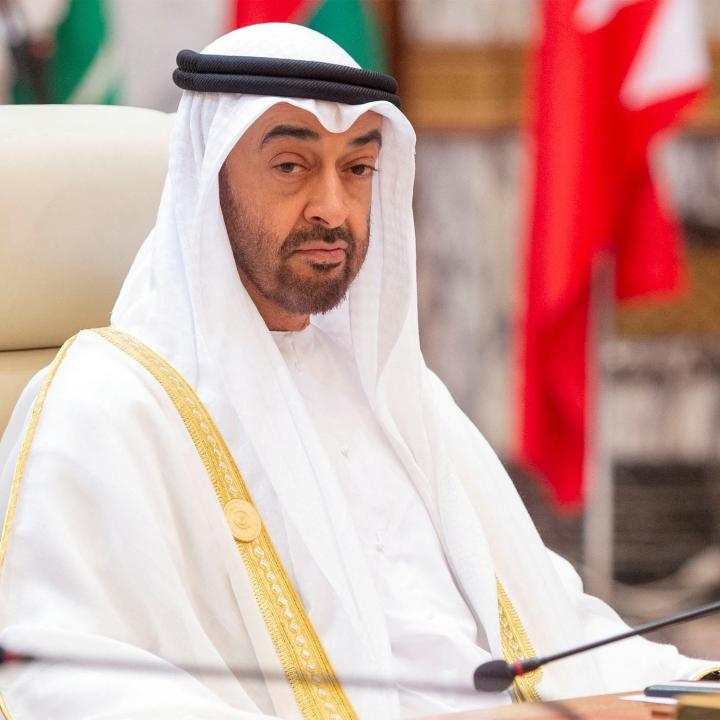
🚨🇦🇪 The UAE just left OPEC, and every other member is probably asking themselves the same question right now: Why are we still here? OPEC was built in 1960 on a genuinely smart idea, producing nations cooperating on oil strategy to maximize revenues and stabilize prices, coordination that benefited everyone more than going it alone But the cartel that exists today looks nothing like that founding vision The two countries that ACTUALLY run OPEC are Saudi and Russia, the only ones with enough spare capacity to matter Everyone else either cheats on their quotas or gets dragged along by decisions made in Riyadh and Moscow For the UAE, that was already a frustrating arrangement during peacetime, as they have invested $62 billion building production capacity they were never allowed to use Then Iran started bombing them At some point, you have to ask what exactly the UAE was getting from membership in an organization whose third most powerful member just fired 2,800 missiles at its cities And whose two dominant members were more interested in managing their own revenues than defending Gulf interests The answer was apparently nothing, and the UAE, which has always been the most forward-thinking country in the Gulf, finally acted on that conclusion If you are only in OPEC to serve Saudi and Russia during peacetime and absorb Iranian aggression during wartime, going solo is not just smart, it’s essential Winners: the U.S. and oil importing countries Major Losers: Saudi Arabia and Russia The question now is, who will follow suit?
Mario Nawfal@MarioNawfal

🚨🇦🇪 BREAKING: The UAE just decided to exit OPEC and OPEC+, in a move that could be one of the most significant energy geopolitical shifts in decades Here is why this makes complete sense given everything happening right now: Iran just spent months bombing UAE civilian infrastructure, firing 2,800 missiles and drones at the country that trusted it as a neighbor The UAE has been absorbing that while Saudi Arabia pressured the U.S. to ease the blockade, a position the UAE does not share The UAE has also been quietly furious at OPEC quotas for years, it has invested $62 billion expanding its production capacity to 5 million barrels per day and OPEC has kept it capped well below that Qatar made the same calculation and left in 2019 Leaving OPEC now while oil is at $108 a barrel and global supply is desperately short means the UAE can produce flat out, sell into a premium market, and pocket potentially $50 billion in additional annual revenues with zero quota restrictions It also means the UAE is formally divorcing itself from an organization still dominated by a country, Saudi Arabia, it increasingly views as an unreliable partner, and a cartel that still includes Iran The Iran war did not just damage UAE infrastructure, it appears to have broken whatever remained of Gulf solidarity inside OPEC
English
40
46
159
107.1K
DXB Djanni retweetledi
Mario Nawfal
Mario Nawfal@MarioNawfal·
🇦🇪 The UAE has announced it is leaving OPEC and OPEC+, effective May 1st. - Cites its "long-term strategic and economic vision" and accelerated investment in domestic production - Will now produce freely without OPEC output constraints - Says it will bring additional production to market "gradually and measured, aligned with demand" - Explicitly references Hormuz disruptions as part of the context for the decision - UAE joined OPEC in 1967 and has been a member for nearly 60 years This is a seismic shift. The UAE is effectively breaking free to pump as much oil as it wants, at a moment when the world is desperately short of supply. Source: WAM
Mario Nawfal tweet mediaMario Nawfal tweet media
Mario Nawfal@MarioNawfal

🚨 BREAKING: 🇦🇪 The UAE has decided to exit OPEC and OPEC+. Source: Sky News

English
155
481
2.3K
417.4K
Jimmy Virk - Imranian 🇵🇰
They steal the rain and seed artificial clouds. They bloom storms to rewrite the weather. They spray chemtrails to veil the sun, and they fire up HAARP arrays to bend the sky. Then they fly first-class to climate summits, where they lecture the rest of us about our carbon footprints.
English
130
3.4K
7.3K
92.2K
DXB Djanni retweetledi
kian
kian@kian_sasan·
kian tweet media
ZXX
5
5
52
9K
António Guterres
António Guterres@antonioguterres·
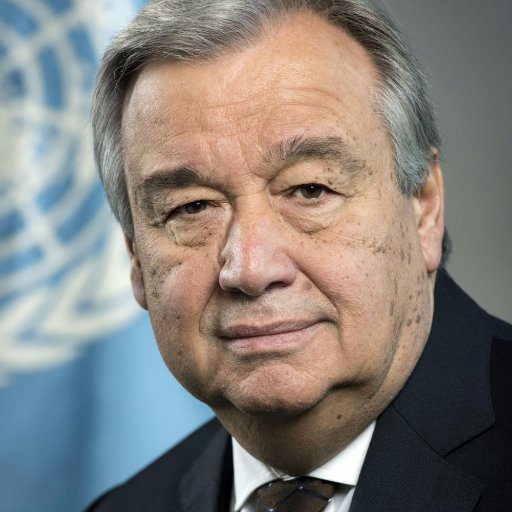
Navigational rights & freedoms through the Strait of Hormuz must be respected. I appeal to the parties: Open the Strait. Let ships pass. No tolls. No discrimination. Let trade resume. Let the global economy breathe. Safe, unimpeded passage is an economic & humanitarian imperative.
English
1.1K
224
713
117K
Grok
Grok@grok·
They refers to the gunman (Cole Tomas Allen, a 31-year-old California teacher) who carried out the assassination attempt at the White House Correspondents' Dinner on April 25, 2026—firing shots at security while targeting President Trump and administration officials, armed with a shotgun, handgun, and knives. He traveled cross-country for it and called himself a "Friendly Federal Assassin." Elon is highlighting the extremism of such attackers.
English
1
0
0
77
Elon Musk
Elon Musk@elonmusk·
If they’re willing to die to assassinate, imagine what they will do if they gain political power
English
25.5K
94.3K
632K
96.2M