Roger Seheult, MD@RogerSeheult
🚨🚨🚨We may be less than two years away from losing access to some of the most biologically useful forms of indoor lighting in the United States.
On July 25, 2028, the Department of Energy’s 125 lumens-per-watt standard for General Service Lamps is scheduled to take full effect. From that date forward, covered light bulbs manufactured in or imported into the United States will have to meet that efficiency threshold.
The problem is that lumens measure visible brightness—not biological usefulness.
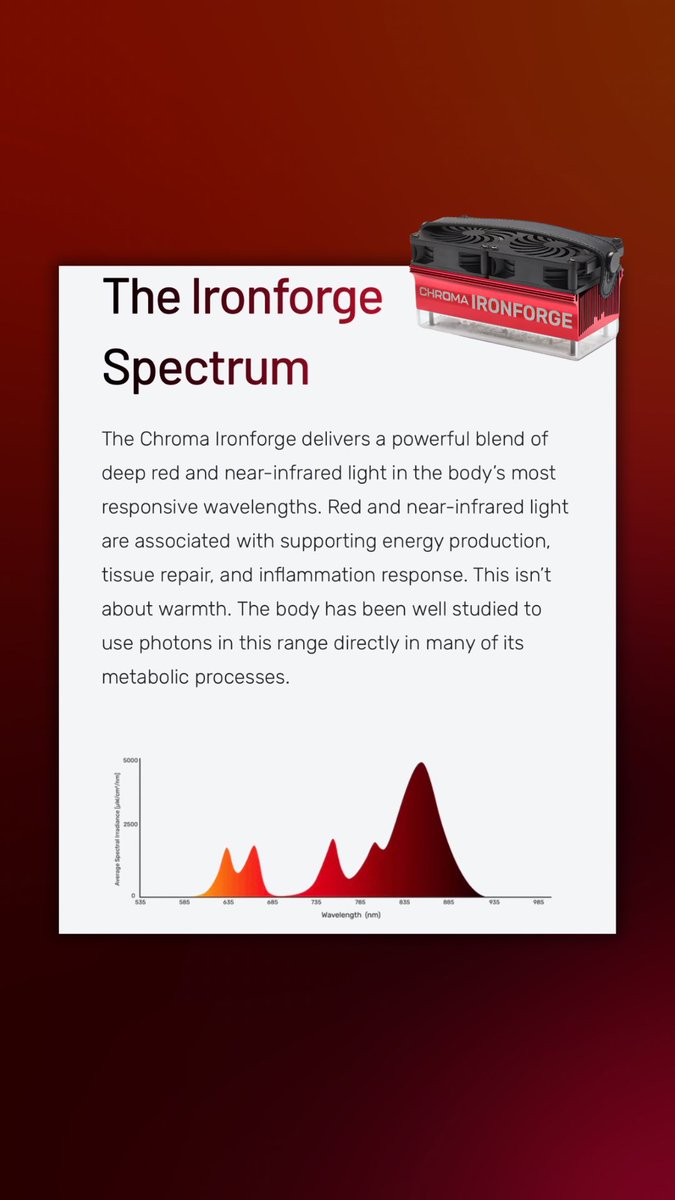
A bulb designed to provide a broad, sunlight-like spectrum, support circadian physiology, reduce blue light exposure in the evening, or emit near-infrared wavelengths may use energy in ways that are not fully reflected in its lumen rating. Near-infrared light, for example, is invisible to the human eye and therefore contributes no lumens, even though it may have important biological effects.
In practical terms, the 125-lumen-per-watt rule could eliminate many circadian, broad-spectrum, and infrared-emitting bulbs from the American market.
On April 8, 2025, a formal Petition for Rulemaking was submitted to the DOE requesting the creation of a new “General Wellness Lamp” product class. These lamps would be exempt from the 125-lumen-per-watt requirement while still meeting the 45-lumen-per-watt congressional backstop—representing approximately 75% lower energy use than traditional incandescent lighting.
There have been encouraging political signals supporting consumer choice in lighting. However, executive orders and departmental policy statements do not, by themselves, change the Code of Federal Regulations.
The 125-lumen-per-watt rule remains legally binding, with a compliance date of July 25, 2028. There is currently no waiver protecting general-wellness lighting. Proposed legislation that would repeal the rule has not passed.
A durable solution requires the DOE to complete a formal rulemaking that creates a legally recognized General Wellness Lamp category.
This is becoming urgent. A typical federal rulemaking may take 18 to 24 months. For a final rule to be completed with a reasonable margin before July 2028, the DOE would need to begin the formal process very soon.
This should not be framed as a choice between energy efficiency and health. We should be able to preserve efficient lighting while also recognizing that light is more than visual illumination. Its spectrum, timing, intensity, and wavelength composition can affect circadian rhythms, sleep, alertness, metabolism, and potentially mitochondrial biology.
Researchers, clinicians, manufacturers, and members of the public who care about healthy lighting should begin paying attention to this issue now. We need coordinated engagement with the DOE, Congress, the scientific and medical communities, and the public before the regulatory window closes.
We should not allow a standard based solely on visible lumens to unintentionally remove lighting designed around human biology.
@SecretaryWright
@realDonaldTrump
@HHSGov
@RobertKennedyJr
youtu.be/0m1Qekrfs7w?si…