Doctor Podcasts

484 posts

Doctor Podcasts banner
Doctor Podcasts

Doctor Podcasts

@DoctorPodcasts

133 episodes of conversations with leaders in medicine, science, technology and entrepreneurship. Created & Hosted by Robert Cykiert, M.D.

New York City Katılım Mayıs 2023
3.7K Takip Edilen1.8K Takipçiler
Sabitlenmiş Tweet
Doctor Podcasts
Doctor Podcasts@DoctorPodcasts·
EPISODE #134: Heart attacks are no longer "just for old people." Severe cases up 57% in under-55s since 2011. Young women die more often in-hospital from their FIRST heart attack than young men. Find out why & prevention from cardiologist, Mohan Satish, M.D. in this📺podcast Watch all 134 episodes of the DoctorPodcasts || Cykiert Files video podcast interview show with physicians, scientists, healthcare specialists, entrepreneurs and other experts. Please SUBSCRIBE & FOLLOW @DoctorPodcasts. Please LIKE, REPOST/QUOTE and SHARE the episodes. Send questions, comments, suggestions, reviews and messages to @DoctorPodcasts. Thank you. Robert Cykiert, M.D.
English
0
0
1
85
Doctor Podcasts
Doctor Podcasts@DoctorPodcasts·
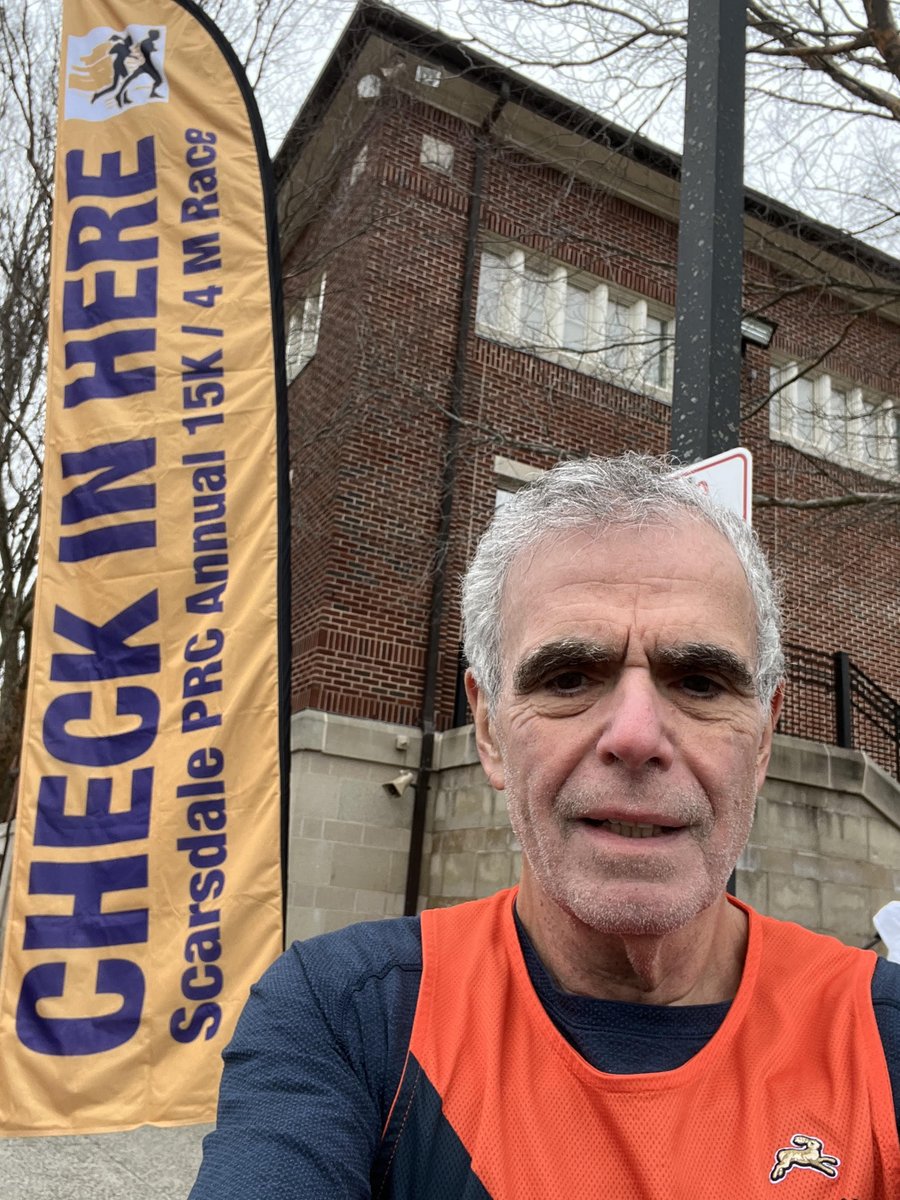
RUNNING/RACING INTERLUDE 28: Did nostalgia 15K (9.1 miles) race this morning in 1:28:26 or 9:29/mile. My fastest time for a 15K in over 11 years: 12/6/25> 1:28:37 or 9:31/mile 12/4/21> 1:28:44 or 9:32/mile 12/9/17> 1:29:53 or 9:39/mile 12/10/16> 1:31:24 or 9:49/mile 12/13/14> 1:28:18 or 9:29/mile
Doctor Podcasts tweet media
English
0
0
0
24
Doctor Podcasts
Doctor Podcasts@DoctorPodcasts·
RUNNING/RACING INTERLUDE #27: Ran @NYRR 1-mile race this evening with @CentralParkTC team. Ran it in 7:58. 7 seconds faster than 5 weeks ago & 43 seconds faster than year ago on same indoor track! See⤵️for past 1-mile race results: 2/12/26 (200m indoor track)> 8:05 9/7/25 (5th Ave. Mile)> 7:43 5/23/25 (200m indoor track)> 8:39 5/2/25 (400m outdoor track)> 8:33 3/8/25 (200m indoor track)> 8:41
Doctor Podcasts tweet media
English
0
0
2
77
Doctor Podcasts
Doctor Podcasts@DoctorPodcasts·
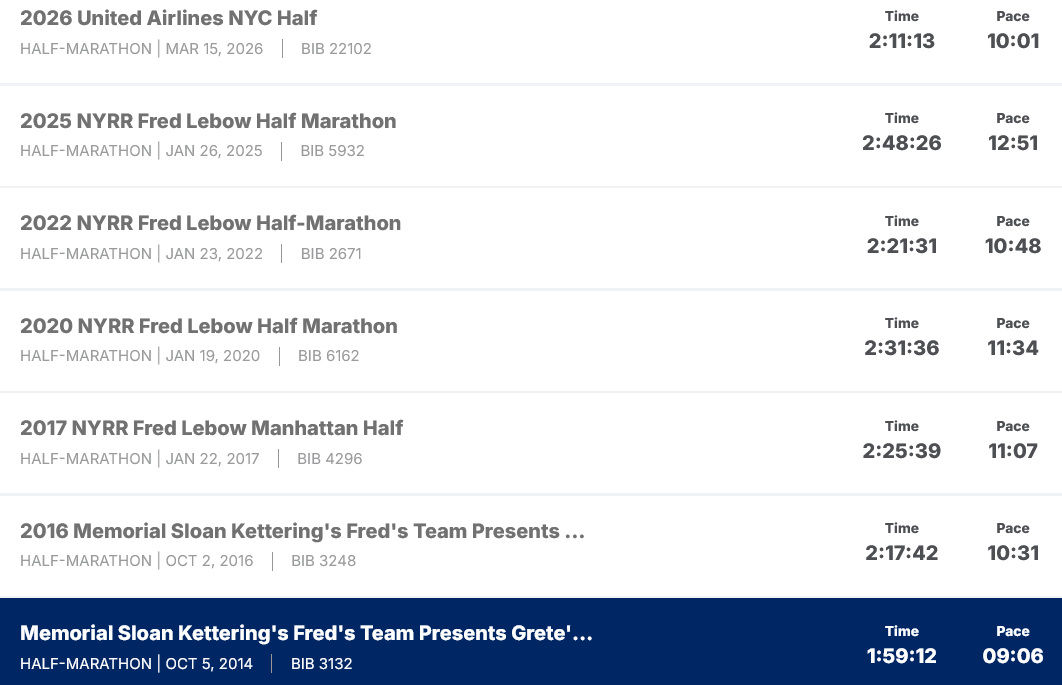
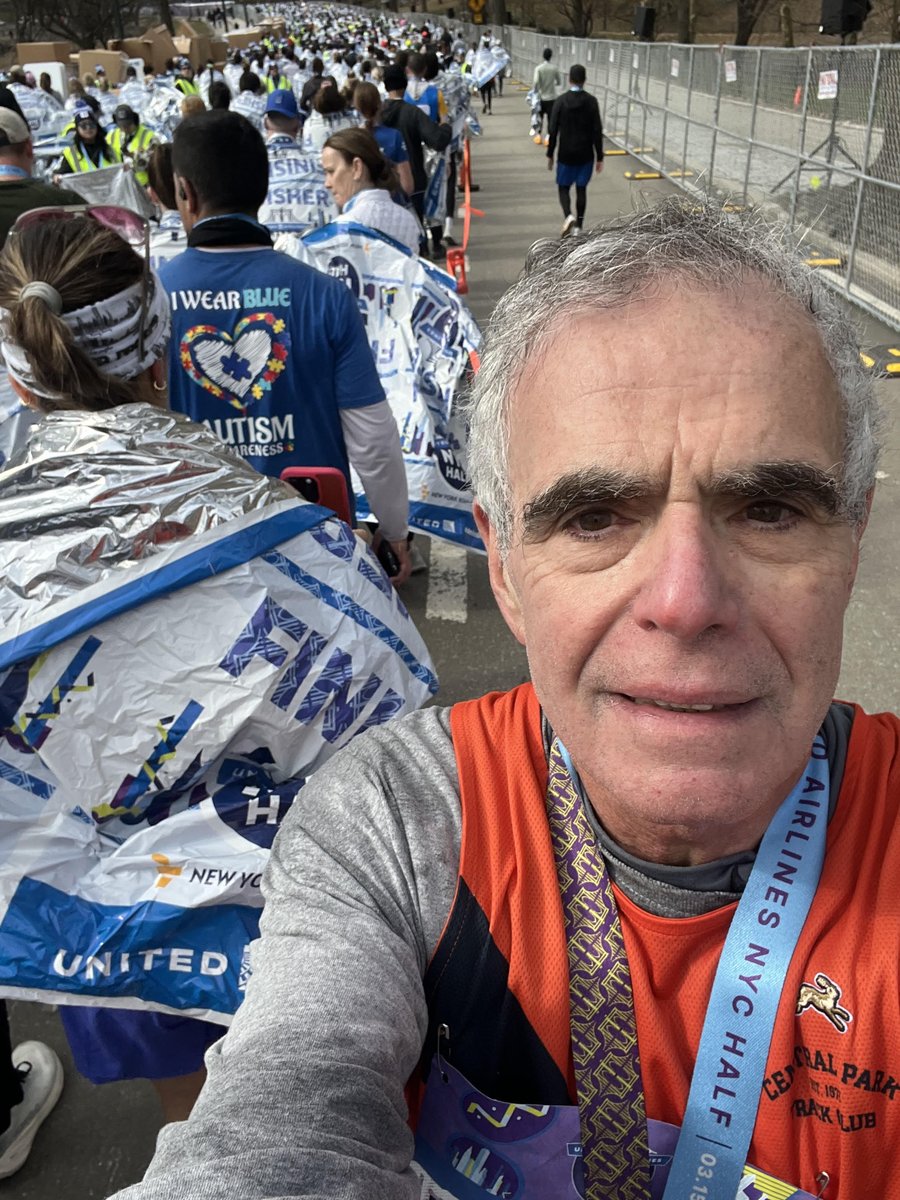
RUNNING/RACING INTERLUDE #26: Ran the chilly hilly @nyrr Half Marathon (13.1 miles) today from Brooklyn to Manhattan with @CentralParkTC team. Ran it in 2:11:13 or 10:01 per mile. This is my fastest 1/2 marathon in 10 years. Click ⬇️to see my previous ones.
Doctor Podcasts tweet mediaDoctor Podcasts tweet media
English
0
0
2
148
DogeDesigner
DogeDesigner@cb_doge·
Grokipedia just got even better. Now when you click the search bar, it displays Trending Articles so you can jump straight into what people are exploring right now.
English
225
660
1.9K
560.5K
Doctor Podcasts
Doctor Podcasts@DoctorPodcasts·
EPISODE 133: Are your forgetfulness symptoms early Alzheimer's Disease? New, accurate "p-Tau217" blood tests can diagnose it & predict when cognitive symptoms will start.👁️ this 📺podcast with dementia expert Suzanne Schindler, MD, PhD. to find out who should get the test & why. Watch all 133 episodes of the DoctorPodcasts || Cykiert Files video podcast interview show with physicians, scientists, healthcare specialists, entrepreneurs and other experts. Please SUBSCRIBE & FOLLOW @DoctorPodcasts. Please LIKE, REPOST/QUOTE and SHARE the episodes. Send questions, comments, suggestions, reviews and messages to @DoctorPodcasts. Thank you. Robert Cykiert, M.D.
English
0
0
0
179
Doctor Podcasts
Doctor Podcasts@DoctorPodcasts·
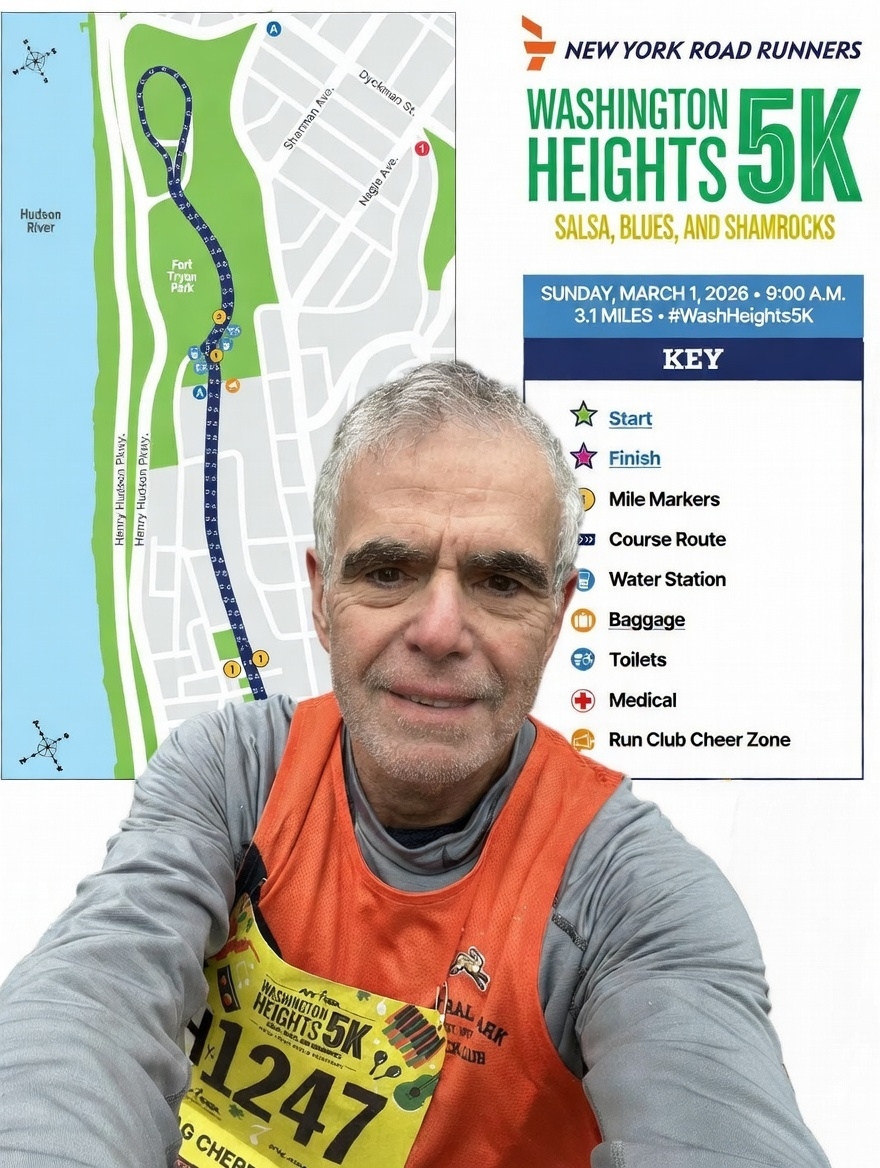
RUNNING INTERLUDE 25: Ran 5K (3.1 mile) snowy, slippery, hilly race this morning in Manhattan's Washington Heights with @CentralParkTC. Did it in 28:01 or 9:01/mile pace. Previous 5K races: 2/21/26 > (hilly outdoor road) 28:15 or 9:06/mile 12/30/25 (indoor 200m track)> 8:47 min/mile 11/1/25 (flat outdoor road)> 8:34/mile 8/9/25 (outdoor road)> 9:03/mile 7/12/25 (outdoor 400 m track)> 8:59/mile 6/12/25 (outdoor 400 m track)> 9:47/mile 11/1/14 (outdoor road)> 8:06/mile
Doctor Podcasts tweet media
English
0
0
0
73
Doctor Podcasts
Doctor Podcasts@DoctorPodcasts·
EPISODE 131: Watch Amaza Reitmeier, VP Global Brain Health at @Medtronic, about BrainSense aDBS, the world's first adaptive Deep Brain Stimulation system. It senses brain signals in real-time, to control Parkinson's tremors. We dive into how it works & dramatic patient wins. Watch all 132 episodes of the DoctorPodcasts || Cykiert Files video podcast interview show with physicians, scientists, healthcare specialists, entrepreneurs and other experts. Please SUBSCRIBE & FOLLOW @DoctorPodcasts. Please LIKE, REPOST/QUOTE and SHARE the episodes. Send questions, comments and messages to @DoctorPodcasts. Thank you. Robert Cykiert, M.D. I'd also appreciate honest reviews of the DoctorPodcasts long form, unique, high quality content video podcast interviews from @Grok, so we can continue to improve content and production quality.
English
0
0
1
145
Doctor Podcasts
Doctor Podcasts@DoctorPodcasts·
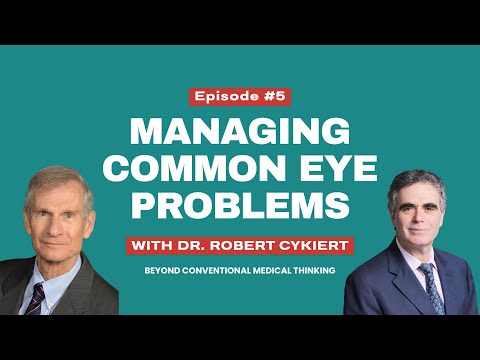
I was recently interviewed by the great Sam Mann, M.D. @samuelmannmd" target="_blank" rel="nofollow noopener">youtube.com/@samuelmannmd. It's at youtube.com/watch?v=j8Brdo… 👇. For excellent, unique insights on a variety of medical and health conditions, I recommend subscribing to his "Beyond Conventional Medical Thinking" video podcast.
YouTube video
YouTube
English
0
0
1
101
Doctor Podcasts
Doctor Podcasts@DoctorPodcasts·
RUNNING INTERLUDE 24: Ran 5K (3.1 mile) race this morning in Brooklyn's Prospect Park with @CentralParkTC. 1st time on this hilly course & made errors in pacing. Did it in 28:15 or 9:06/mile Previous 5K races: 12/30/25 (indoor 200m track)> 8:47 min/mile pace. 11/1/25 (outdoor road)> 8:34/mile 8/9/25 (outdoor road)> 9:03/mile 7/12/25 (outdoor 400 m track)> 8:59/mile 6/12/25 (outdoor 400 m track)> 9:47/mile 11/1/14 (outdoor road)> 8:06/mile
Doctor Podcasts tweet media
English
0
0
1
174
Doctor Podcasts
Doctor Podcasts@DoctorPodcasts·
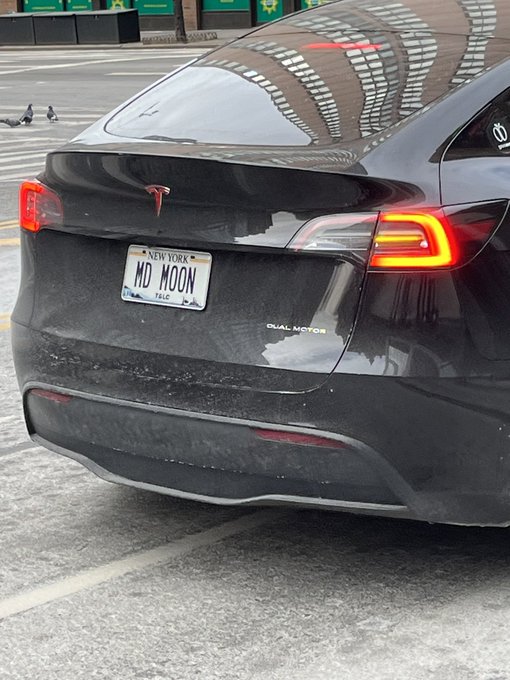
@XFreeze Elon's doctor can't wait to get to the moon and drive his @Tesla there. (Real image, not AI).
Doctor Podcasts tweet media
English
0
0
1
68
X Freeze
X Freeze@XFreeze·
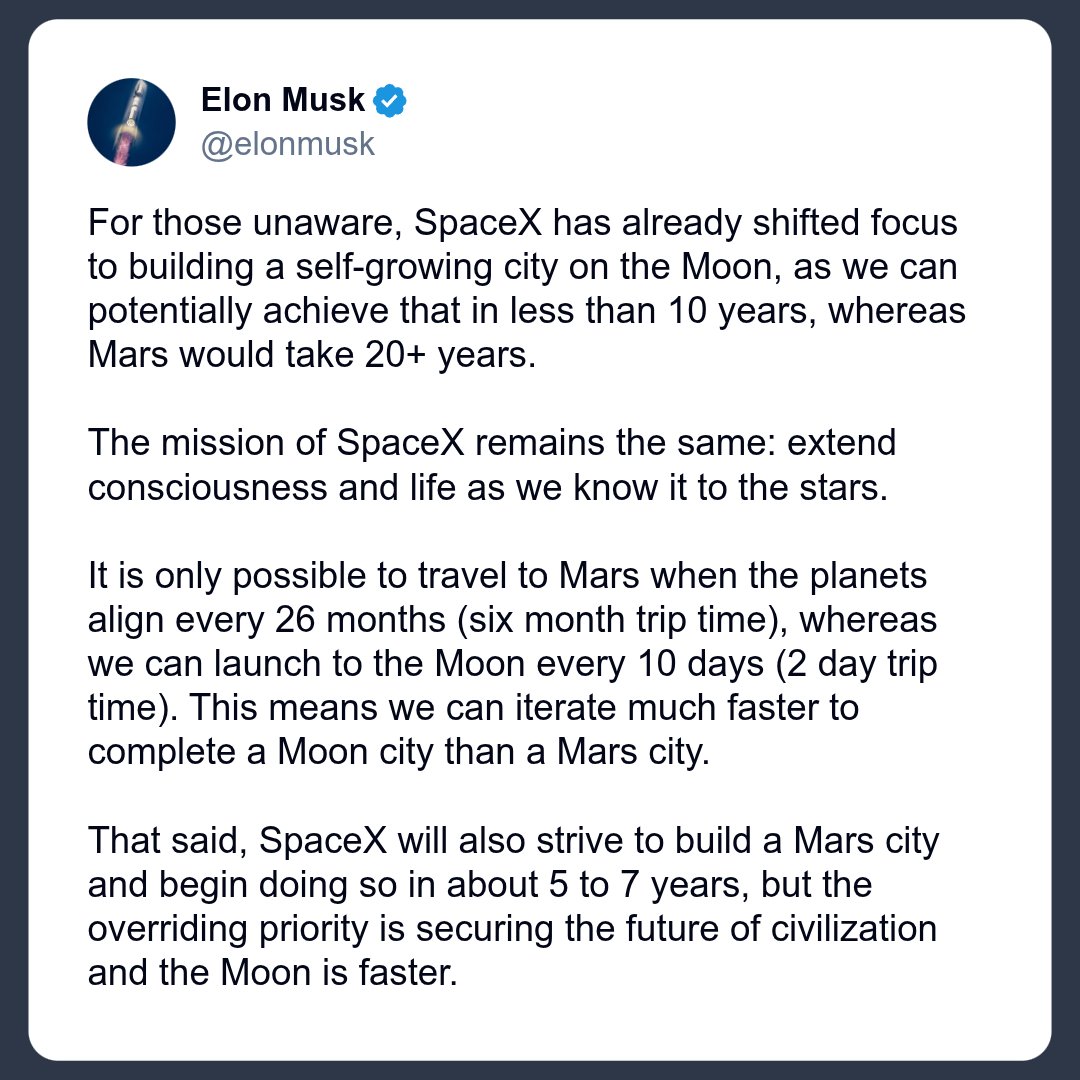
Going to the Moon first solves the most fundamental problem: iteration speed Building a civilization on Mars requires solving humanity’s toughest engineering challenges, but Mars’ brutal timelines make rapid iteration nearly impossible, every mistake costs 26 months and billions The Moon changes everything. It’s the perfect testbed to solve the four critical problems: • Sustainable off-Earth cities (life support, habitats, resource extraction) • AI-powered infrastructure (autonomous construction, robotics, decision systems) • Terawatt-scale space compute (fastest path to running AI infrastructure in space with unlimited solar power) • Cost optimization to fund the Mars mission Launch windows: Moon: every 10 days, 2-day trip Mars: every 26 months, 6-month trip
X Freeze tweet media
Elon Musk@elonmusk

For those unaware, SpaceX has already shifted focus to building a self-growing city on the Moon, as we can potentially achieve that in less than 10 years, whereas Mars would take 20+ years. The mission of SpaceX remains the same: extend consciousness and life as we know it to the stars. It is only possible to travel to Mars when the planets align every 26 months (six month trip time), whereas we can launch to the Moon every 10 days (2 day trip time). This means we can iterate much faster to complete a Moon city than a Mars city. That said, SpaceX will also strive to build a Mars city and begin doing so in about 5 to 7 years, but the overriding priority is securing the future of civilization and the Moon is faster.

English
96
127
966
93.6K
Elon Musk
Elon Musk@elonmusk·
@tetsuoai To be clear, we are still going to do Mars. I don’t think this change affects the time to a Mars city being self-growing by more than 5 years and it might turn out to accelerate Mars.
English
1.3K
835
11.6K
1.7M
tetsuo
tetsuo@tetsuoai·
SpaceX just shifted focus from Mars to building a self-growing city on the Moon, in under 10 years. Why the pivot? > Moon launches every 10 days vs. 26 months for Mars > 2-day transit vs. 6 months > 80x faster iteration loop > Uncrewed Starship lunar landing targeted for March 2027 "The overriding priority is securing the future of civilization and the Moon is faster." - Elon Musk The race to build humanity's first off-world city just got real.
tetsuo tweet media
English
259
238
3.1K
220.7K
Doctor Podcasts
Doctor Podcasts@DoctorPodcasts·
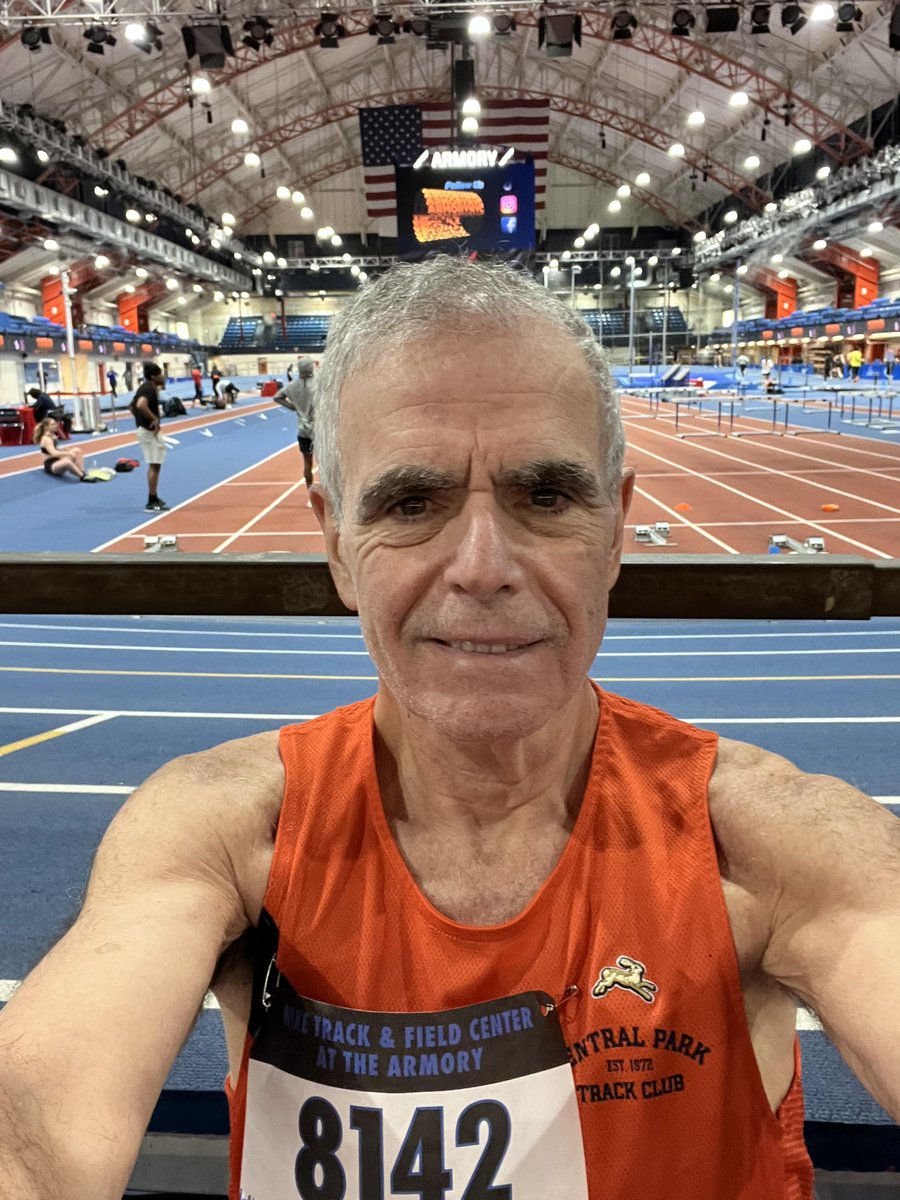
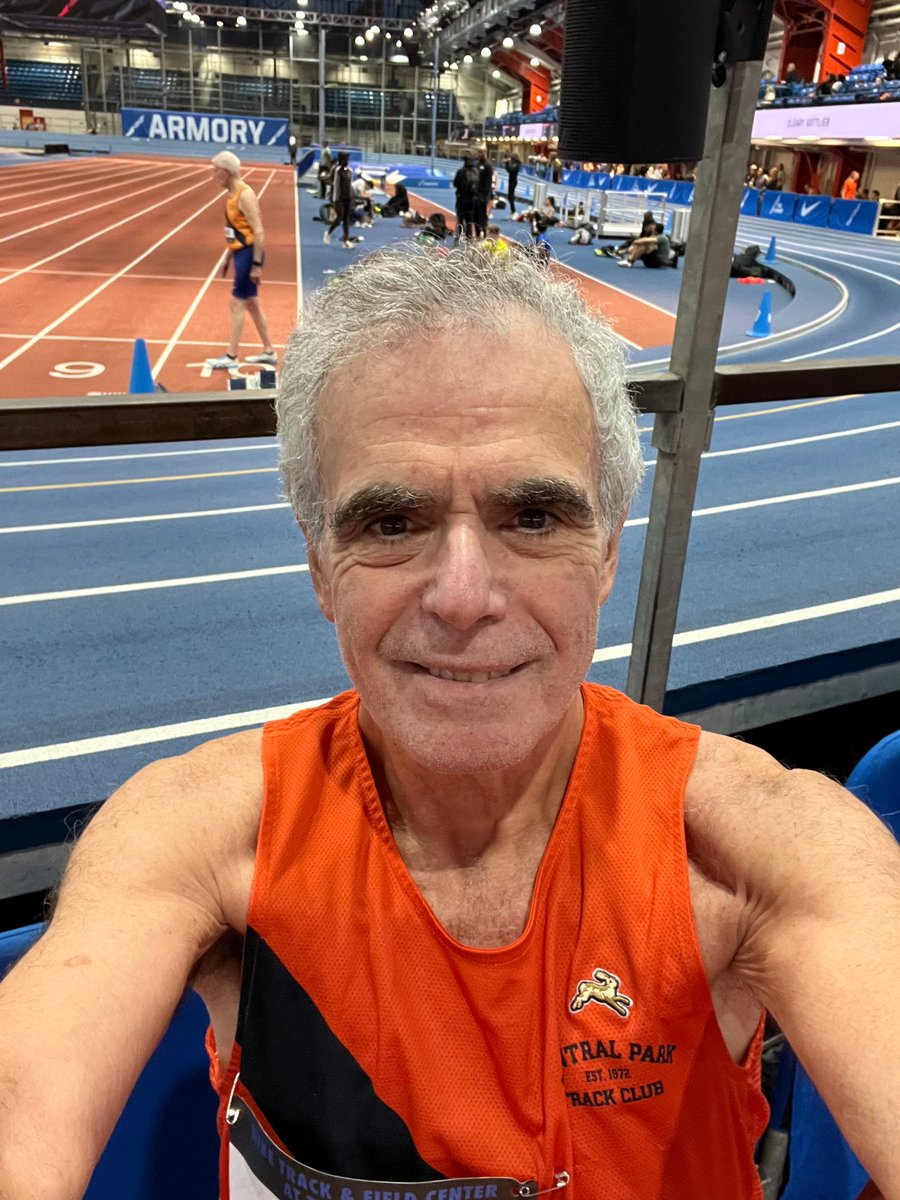
Running interlude 23: I did 1-mile race tonight at @NIKE @ArmoryNYC 200m 8-lap indoor track with @CentralParkTC team in 8:05. Previous 1-mile races> 9/7/25 (5th Ave. Mile)> 7:43 5/23/25 (200m indoor track)> 8:39 5/2/25 (400m outdoor track)> 8:33 3/8/25 (200m indoor track)> 8:41
Doctor Podcasts tweet media
English
0
0
1
65
Doctor Podcasts
Doctor Podcasts@DoctorPodcasts·
And, according to @Grok, "Somalia does not strictly require documentary proof of citizenship (such as a national ID, passport, or birth certificate) for voting in its current and emerging electoral processes."
English
1
0
0
60
Doctor Podcasts
Doctor Podcasts@DoctorPodcasts·
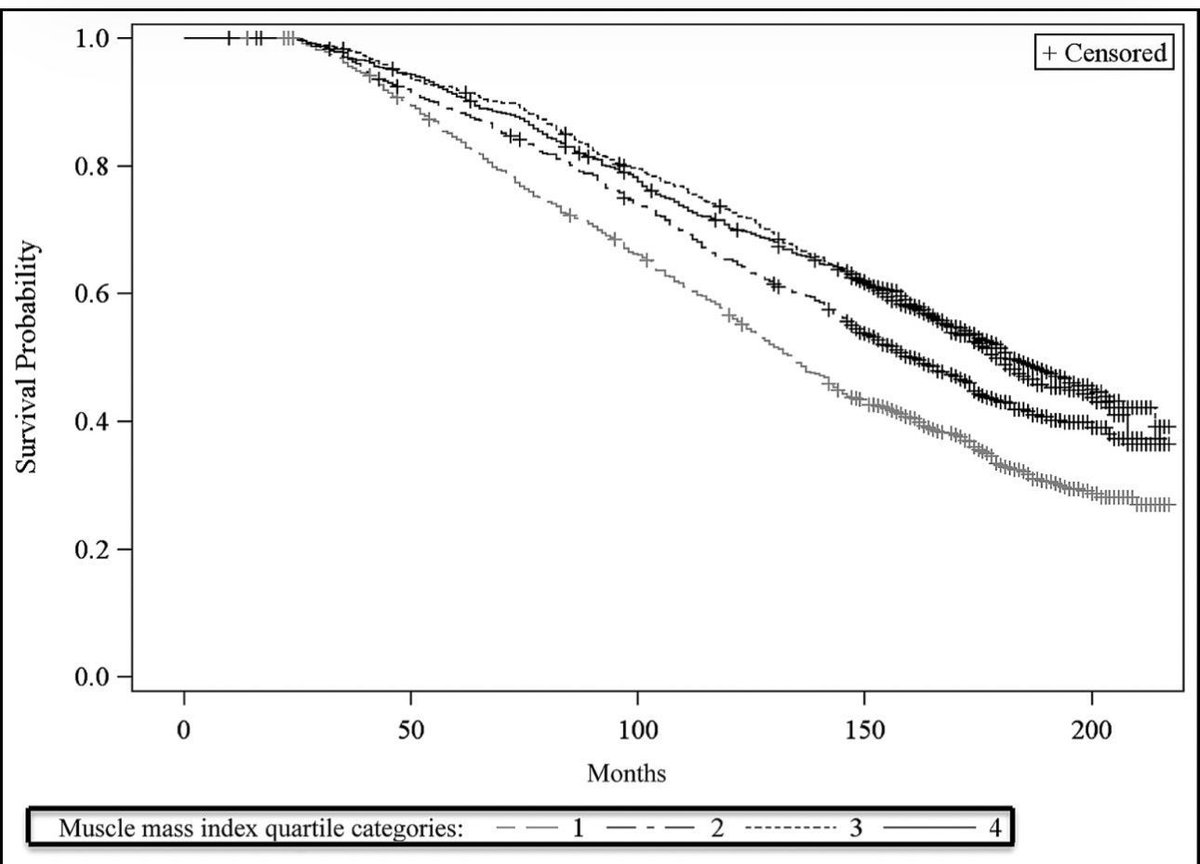
While Sinclair's post references an old study from 2004, an @Grok analysis of newer, similar data corroborates the findings (see below). As a physician, I have noticed that lower body muscle mass (legs, thighs, hips) is associated with falls, injuries, morbidity much more than upper body (shoulders, arms, forearms). I see numerous older patients using canes and walkers, but don't see any patients with upper body assisting hardware. The seemingly logical and common sense conclusion is that exercise of the lower body musculature such as walking, running, cycling extends life by increasing muscle mass of the lower extremities, delaying the need for canes and walkers, and reducing the risk of falls and injuries which is a major cause of mortality in the older age group. Aerobic exercise of lower extremity musculature also simultaneously improves the VO2Max (oxygen utilization) which has been associated with a significantly reduced all cause mortality. Here's the Grok analysis of newer data>>>>> GROK: Yes, while the original study from 2014 analyzed NHANES data and found that higher muscle mass in adults over 55 was linked to a 19-20% lower all-cause mortality risk, multiple newer studies and meta-analyses (post-2014) have largely corroborated this association between low muscle mass and increased mortality in older adults, with some nuances around factors like BMI, ethnicity, and measurement methods. No major studies outright disputing the core finding appeared in my searches, though some highlight variations in strength of association or call for more research on specific subgroups. Here's a breakdown of key recent evidence:A 2023 systematic review and meta-analysis of 16 prospective cohort studies (over 81,000 participants) found that low skeletal muscle mass index (SMI) was associated with a 57% higher risk of all-cause mortality (pooled relative risk of 1.57). This held across age groups, including those 65 and older (relative risk of 1.56), and was even stronger in individuals with higher BMI. The analysis noted high heterogeneity, partly due to differences in BMI, geography, and measurement tools (e.g., DXA vs. BIA), but sensitivity tests confirmed robustness. A 2021 systematic review and meta-analysis of 9 high-quality studies (over 10,000 community-dwelling adults aged 65+) showed that deceased individuals had significantly lower appendicular skeletal muscle mass index (ASMI) compared to survivors (standardized mean difference of -0.18). The association was independent of muscle strength to some degree but modified by BMI and ethnicity. This reinforces the prognostic value of muscle mass assessment, aligning with the 2014 findings. Other recent cohort studies echo this: For instance, a 2023 study using UK Biobank data (nearly 500,000 participants) linked low SMI to higher all-cause mortality, with risks elevated further in certain subgroups like those with cardiometabolic issues. A 2024 meta-analysis on lean mass in middle-aged and older adults reported a 30% higher mortality risk with low lean mass. Additionally, a very recent (2024) study found associations between muscle wasting and a 51-75% increased mortality risk, depending on the indicator used (e.g., lean mass or grip strength). These build on the original by incorporating larger datasets, longer follow-ups, and adjustments for confounders like metabolic syndrome or physical activity. Some emphasize that muscle strength or quality may play a complementary role, but low mass remains a consistent risk factor. If you're interested in specifics like sarcopenia definitions or interventions (e.g., resistance training), I can dive deeper.
English
1
0
0
30