

Mike Zabel
4.3K posts
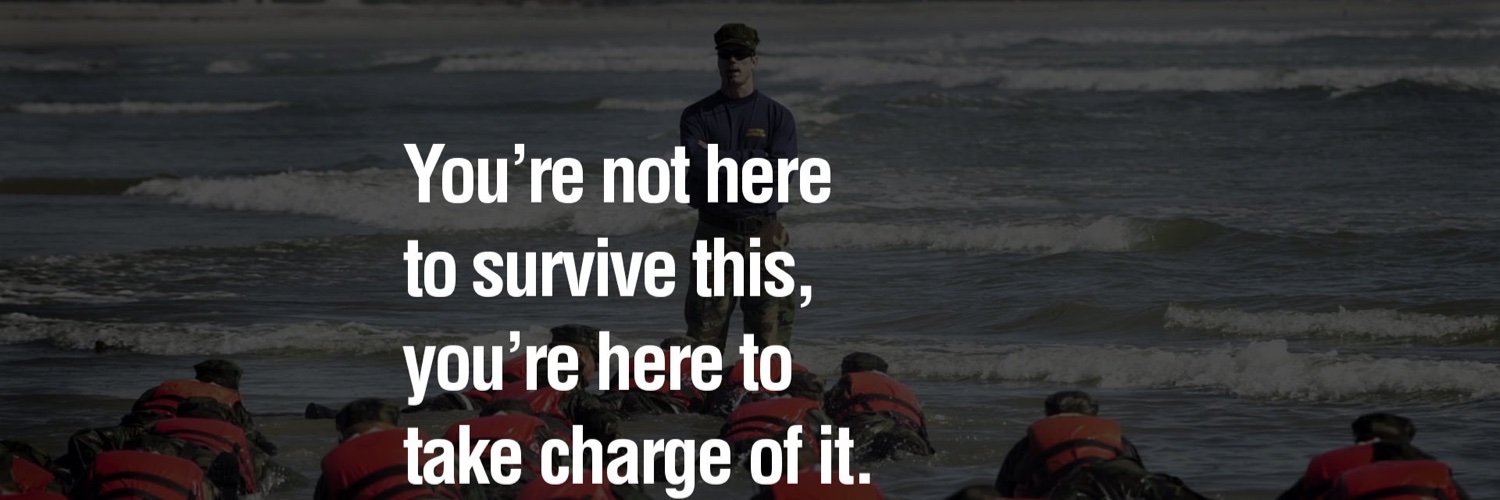

Does he have a book?
Louis vil LeGun@LouisvilleGun
Wait that SEAL who transitioned turned around and detransed? TIL
English

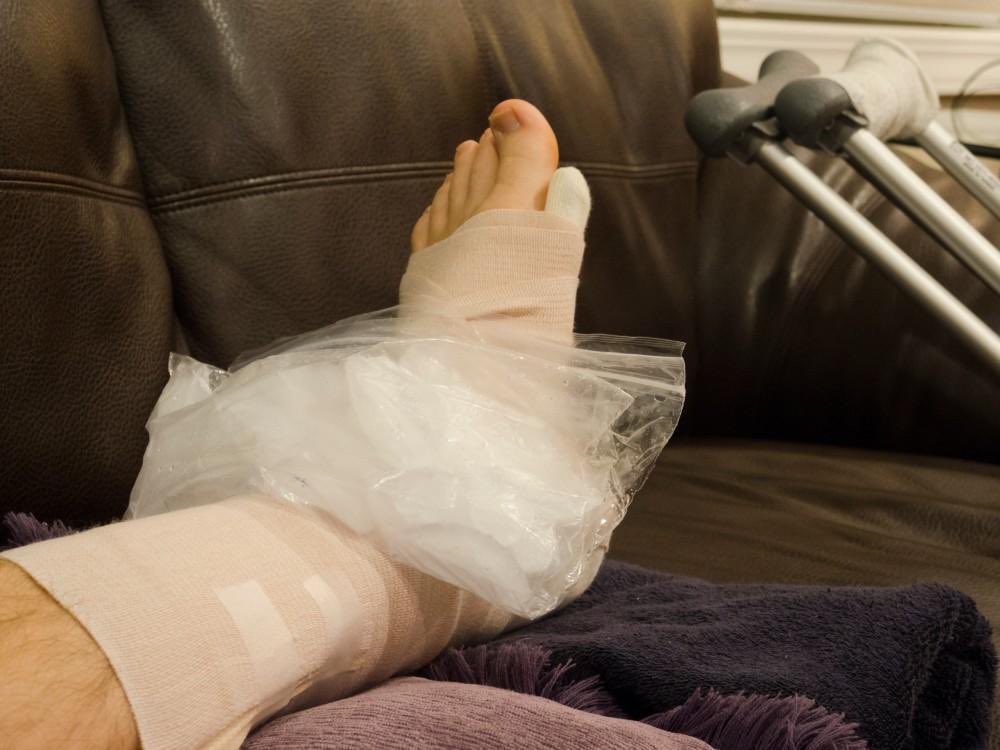
SWIM NEWS: Sprint Freestyler Kyle Sockwell has been placed on the Injured Reserve after sustaining a severe high ankle sprain while playing beach volleyball. His timeline for activation is unclear at this point, but we’re looking at 3-6 weeks minimum.
English
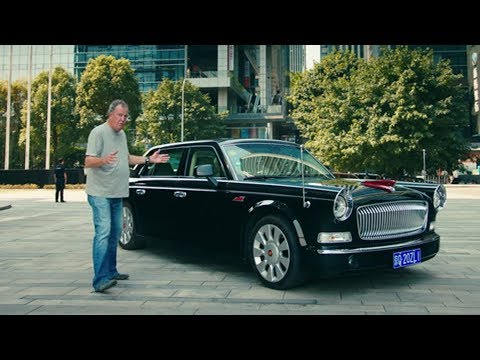
@cdrsalamander @iowahawkblog could be the Hongqi L5. Let's go to Clarkson for his review. youtu.be/yWUjTSbsksk?si…
YouTube
English
OK, a few things.
1. I need @iowahawkblog's review of this model, though a bit out of the usual #DavesCarIDService area of expertise.
2. ISYN, that car looks like something a comic book Batman villain would drive.
3. I would like to buy one, drop it off at one of LA's best custom shops to get it chopped and lowered (or whatever non-GenX people call that nowadays), and give to @natssauer at her baby shower.
RT@RT_com
SCO leaders arrive in style A lineup of black luxury cars on full display at the summit
English

Now introducing your 2025 World Aquatics Junior Championships U.S. captains 🫡
🔹 Lily King
🔹 Brinkleigh Hansen
🔹 Charlotte Crush
🔹 Gabe Nunziata
🔹 Aiden Hammer
🔹 Gavin Keogh

English

MA going down for poisoning the team 🤞
Braden Keith@Braden_Keith
Just received some additional details about Team USA/illness at the meet. From a second hand source, but a reliable one, and if any of it is true, then USA Swimming absolutely owes the public some pretty significant explanations.
English
Jamming creates a cone of RF leading right back to you
Roy🇨🇦@GrandpaRoy2
The Russians claim that this “Velez-10.DR” is a strike FPV with a radio homing system targeting the emitters of Ukrainian tactical EW jammers. A 4-element antenna array is apparently on the front of the cylinder.
English
Is it fair to say the U.S. men have a backstroke/breaststroke/butterfly problem?
English
@Babyhahn_ looks like most eldest daughters driving the family fun schedule at Disney
English



@theoceanblooms I thoroughly understand this. down under. Your head is always on a swivel looking for venomous snakes in the toilet and those killer spiders in every corner, you don't have time to look for anything that won't kill you.
English
@kylesockwell making someone a team captain that didn't make the pool team is a start. No shot against MA, this was a coaching abdication/non-decision.
English
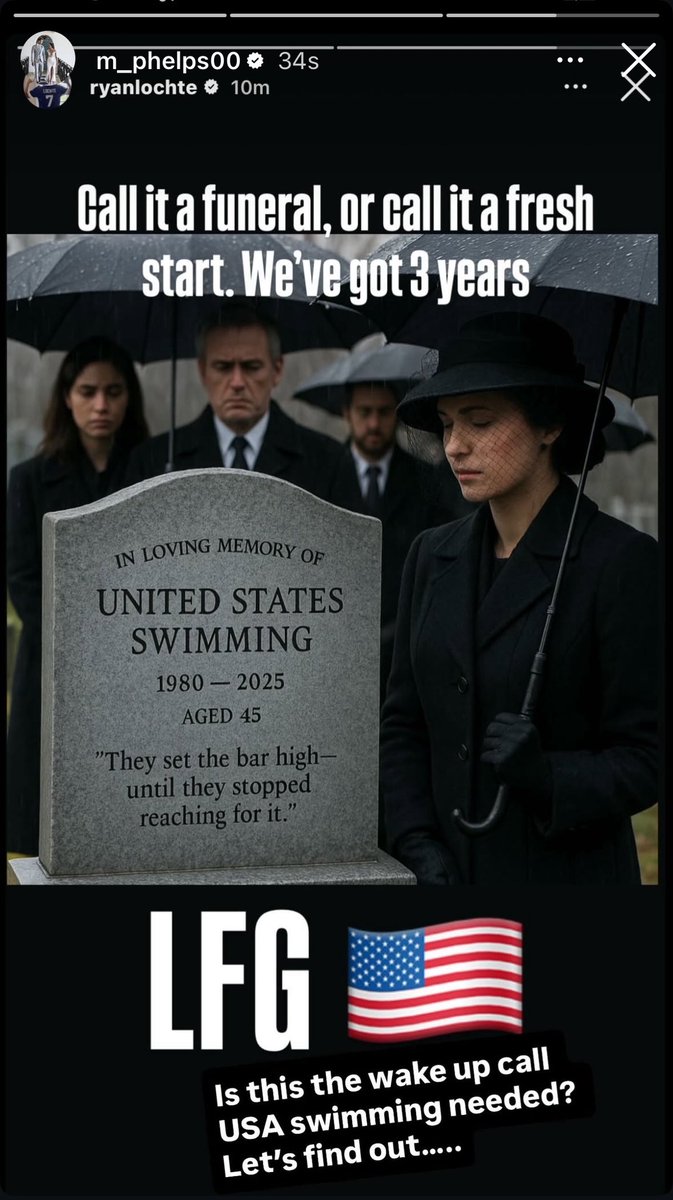
Michael Phelps and Ryan Lochte just took some public shots at USA Swimming on Instagram.
Agree with them or not, this is a pretty big deal. They’re fed up and not afraid to start letting people know.
English

MAJs talk strategy. Generals focus on tactics.
It’s funny because it’s true. Often (Resident ILE or not) field grades start to think they know so much more than the entire military.
And if one thing feeds their confirmation bias, step back.
English


This is a formal request for weird, badass, or mildly unhinged unit/mission patches. I’m building a collection (mentally). ⬇️
English
These are actually USAF ceremonial swords.
Dr. M.F. Khan@Dr_TheHistories
The Topkapi Palace Museum in Istanbul 🇹🇷 does indeed house a remarkable collection of massive swords, including some of Hungarian origin dating back to the 14th Century AD. It's widely noted that among these impressive blades, there is one particularly large Hungarian two-handed sword that measures around 270cm (approximately 8 feet 10 inches) in length. This immense size often sparks curiosity about how such a weapon could have been wielded in battle. However, as many experts and enthusiasts point out, these extraordinarily large swords were most likely ceremonial or parade swords, rather than functional combat weapons. Swords of such immense length and weight (with some weighing 14-15 kg) would be incredibly unwieldy and impractical for actual fighting, especially in the close-quarters combat typical of the medieval period. Instead, they were likely used for: Display of wealth and power: Such elaborate and oversized weapons would have been a clear symbol of the owner's status, wealth, and martial prowess, even if only for show. Ceremonial purposes: They might have been carried in parades, processions, or other formal events to impress observers. Demonstration of a smith's skill: Crafting such a large and well-balanced (for its size) sword would have been a significant achievement for a swordsmith. The presence of these Hungarian swords in the Topkapi Palace Museum is also a fascinating historical artifact in itself, reflecting the complex relationship and military engagements between the Hungarian Kingdom and the Ottoman Empire during the late medieval and early modern periods. Many such treasures would have entered the Ottoman collections as war trophies or diplomatic gifts. It's truly awe-inspiring to see these historical artifacts and imagine the contexts in which they were created and displayed. #drthehistories
English

I'm pretty stumped.
I've got an employee who will not answer a question I've asked her about a client issue. She comes back with the most ridiculous deflection and run-around.
She's spent the past 6 weeks not doing what she's assigned. Undermining the company.
I really don't see any recourse here other than the final solution. I can't seem to get through to this person.
It's sad and frustrating.
English

@kylesockwell Blink twice if you’re feeling in any danger. Runners are kinda cult like
English
I regret to inform you all that today, for the first time in my life, I was excited to do this thing called “running”
English

@EODHappyCaptain Two is one, one is none. Always have a backup machine!
English

Ok, people are saying I need a commercial coffee maker for the office. I have zero experience with this. What are your recommendations, realizing that I’m not trying to break the bank, but also need a steady flow of caffeine?
Happy Captain@EODHappyCaptain
Today, After almost 18 months in command, the coffee pot died. It served thousands of cups of coffee, often making 3-5 pots a day. It will be missed. Luckily, we have a secondary pot on standby.
English