Joseph Hongoh

993 posts

Joseph Hongoh banner
Joseph Hongoh

Joseph Hongoh

@DrHongoh

Political Science and International Relations. Conflict Resolution, Governance and Development

Brisbane, Queensland Katılım Ağustos 2010
583 Takip Edilen329 Takipçiler
Joseph Hongoh retweetledi
Kenya High Commission, Canberra
Kenya High Commission, Canberra@KHC_Canberra·
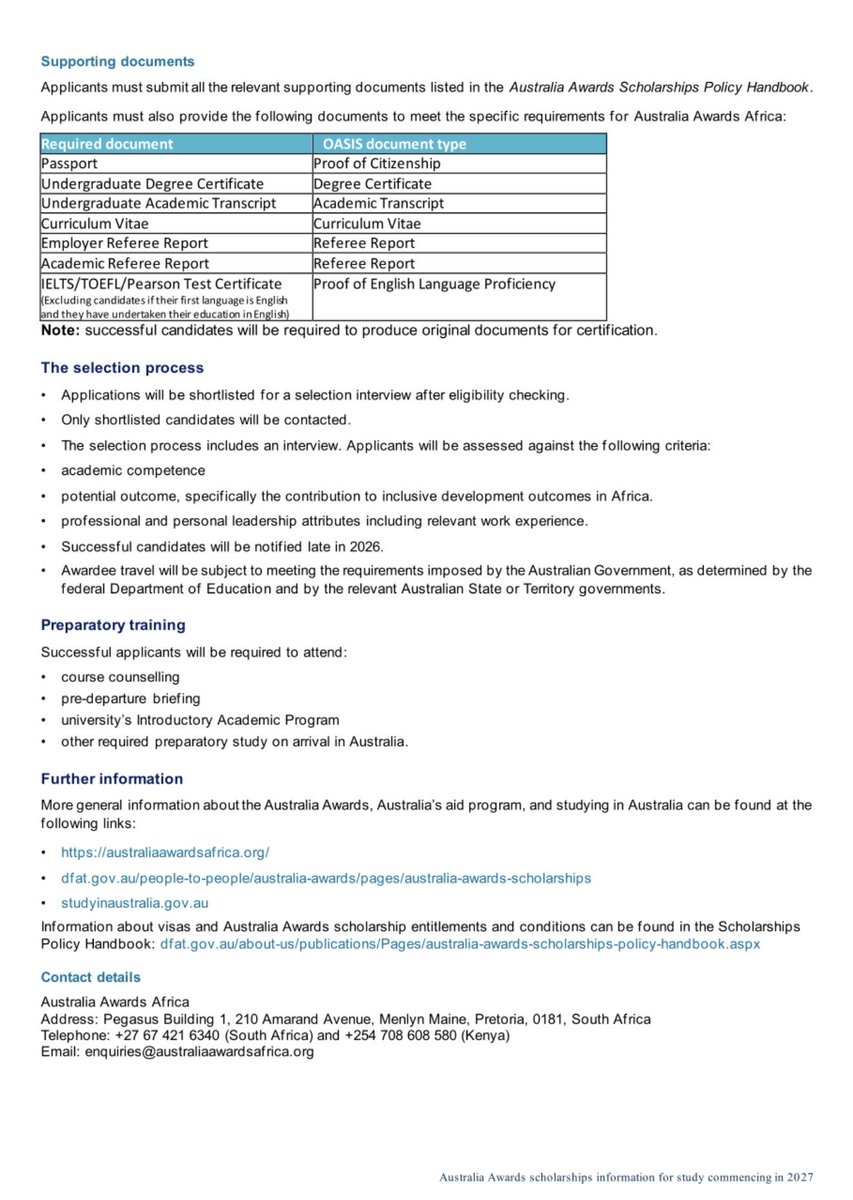
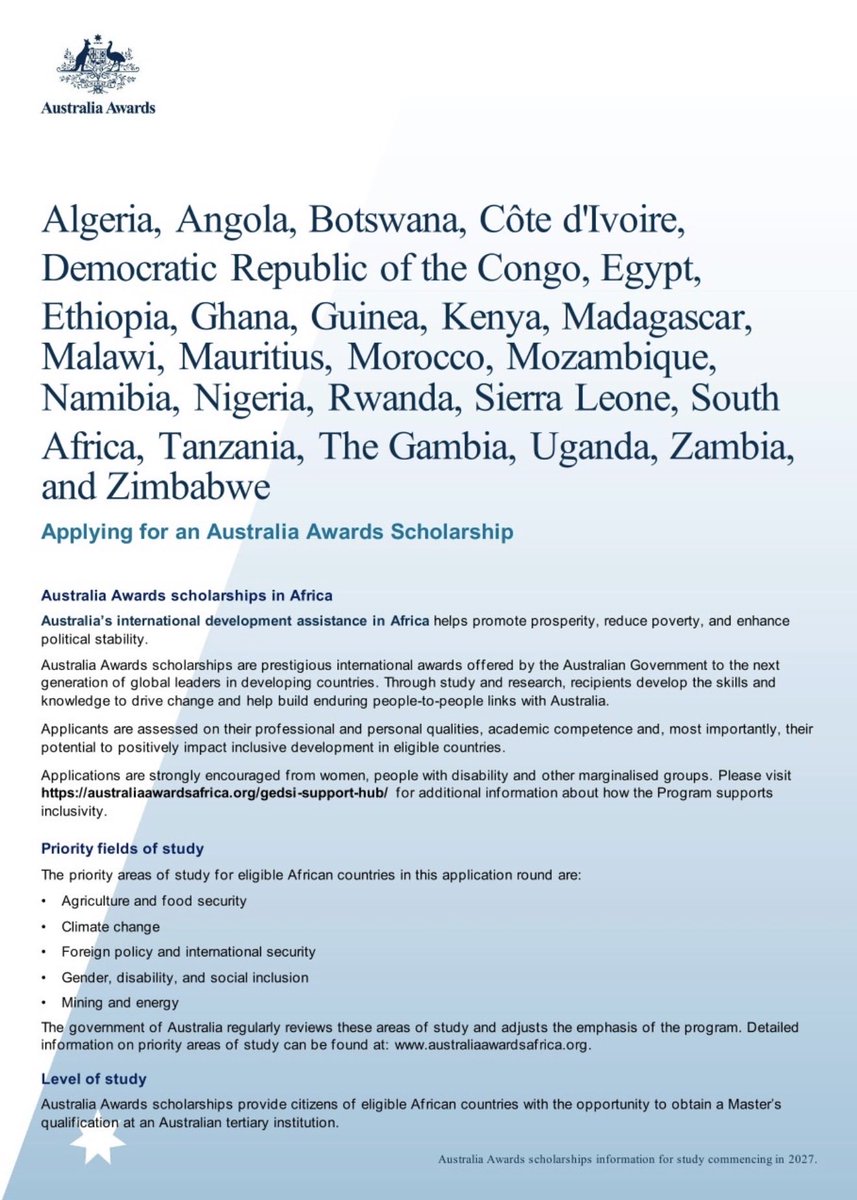
Master's Scholarships for African Applicants — Now Open for 2027!
Kenya High Commission, Canberra tweet mediaKenya High Commission, Canberra tweet mediaKenya High Commission, Canberra tweet media
English
0
2
4
199
Joseph Hongoh retweetledi
Charles Onyango-Obbo
Charles Onyango-Obbo@cobbo3·
Egypt, Ethiopia and the Dam: What If The Real Fight Is Over Soil, Not Water? Nearly everyone says Egypt and Ethiopia are fighting over water from the Grand Ethiopian Renaissance Dam (GERD), which Addis Ababa officially inaugurated on September 9 to great fanfare. That’s the polite version. The real story could be muddier — literally. The big picture people are insisting that what Egypt fears losing isn’t just water, but the soil that the Nile carried from the Ethiopian highlands for thousands of years, laying down a fresh carpet of rich earth across the Nile Valley and Delta. Pharaohs and peasants alike depended on that rhythm: the water came, the soil came, and the desert bloomed. The Nile has two parents. The White Nile rises from Lake Victoria, flowing out of Jinja, Uganda, drifting lazily through South Sudan, spreading wide and slow, as if unsure of its purpose. Along the way, it loses most of its soil in vast swamps like the Sudd. The Blue Nile, by contrast, is all energy and anger — tumbling down from Ethiopia’s steep highlands, gouging hillsides and scooping up an astonishing 120 million tonnes of fertile soil every year. Contrary to what most people think, the GERD built on this Blue Nile, almost 900Km away from the main trunk of the Nile at Khartoum that flows onward to Egypt (look carefully at the maps). But here’s the rub. More than 90% cent of the Nile’s total sediment comes from these Ethiopian Highlands — mainly through the Blue Nile and the Atbara rivers. The Blue Nile alone contributes about 70 to 75% of it. The White Nile, despite its fame, contributes less than 3%, because most of its sediment is trapped in wetlands. When the Blue Nile meets the White Nile at Khartoum, the river turns deep brown — Africa’s longest artery now thick with Ethiopia’s soil, flowing north to Egypt. That silt built Egypt. Before modern dams, the Nile carried roughly 120 to 160 million tonnes of sediment into Egypt each year. The annual floods dropped a new layer of rich earth across the Nile Valley and Delta. That was Egypt’s natural fertiliser, replenishing its land for free. The Nile didn’t just bring water; it brought life in liquid soil form. Then came the dams. The Aswan High Dam gave Egypt control of the floods, but it was also disastrous – it stopped almost all that silt. The river still flowed, but its magic was gone. The Delta began to shrink, and the coastline erode. Saltwater crept inland. Egyptian farmers had to replace nature’s gift with chemical fertilisers. Now Ethiopia’s GERD, the largest dam in Africa, stands on the Blue Nile ready to trap even more of that ancient cargo of soil. Studies suggest it could hold back over 90%!!! of the sediment that once flowed downstream. For Ethiopia, that’s good news — those same sediments have long been a curse, eroding farms and choking smaller dams. Now GERD promises to hold back both the floods and the mud, fuelling Ethiopian progress and protecting its highlands. Egypt’s unease, then, isn’t really about who gets more water. It’s about the vanishing soil — the slow fading of the river’s gift (Ethiopian soil erosion) that built its civilisation. The Nile that once gave Egypt life is now keeping Ethiopia’s soil at home. And for the first time in history, Egypt must face the desert without the brown gold that once floated faithfully down from the upstream highlands. Its natural subsidy has vanished.
Charles Onyango-Obbo tweet media
English
104
362
862
75.3K
Joseph Hongoh retweetledi
Kaiser Kuo
Kaiser Kuo@KaiserKuo·
3/ Here's a link to the interview with Nye, from May 2017, in which he lays out what the Kindleberger Trap is. You'll see the parallels — and the peril — right away. thechinaproject.com/podcast/joseph…
English
1
6
27
2.8K
Joseph Hongoh retweetledi
Kennedy Wandera
Kennedy Wandera@KennedyWandera_·
The Swahili commentary on #RDC🇨🇩 President Felix Tshisekedi's swearing in is something else. #DRCongo
English
78
230
621
98.1K
Joseph Hongoh retweetledi
Charlie Hunt
Charlie Hunt@CharlieKwame·
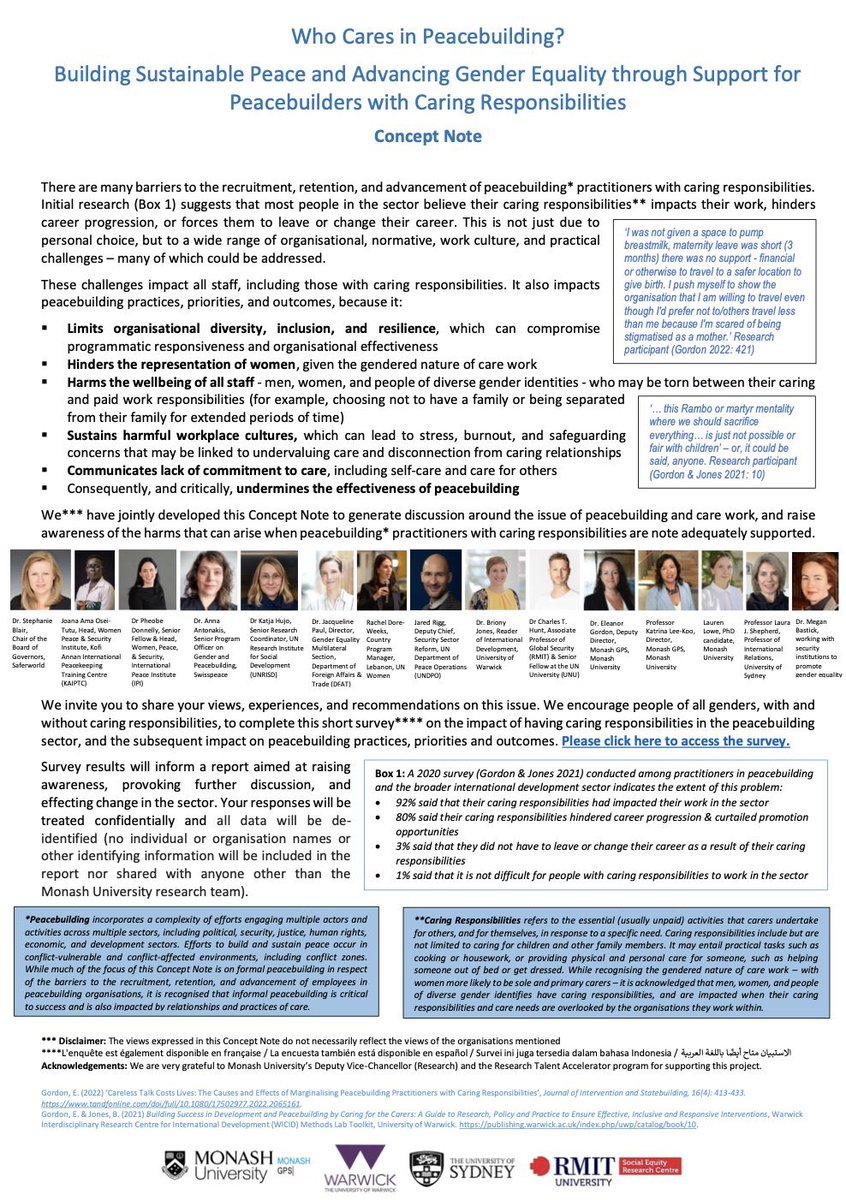
Are you a peacebuilder with caring responsibilities? Or someone with views on the topic? If so, please complete this survey to inform change in the sector monash.az1.qualtrics.com/jfe/form/SV_1z…
Charlie Hunt tweet media
Kilimanjaro, Tanzania 🇹🇿 English
1
9
11
1.5K
Joseph Hongoh
Joseph Hongoh@DrHongoh·
@NC_Renic I took “War and Peace” for a 2 hour Brisbane to Adelaide flight
English
0
0
0
148
Neil Renic
Neil Renic@NC_Renic·
Academics will spend a full work day reading half an article then take 3 books onboard a 2 hour flight
English
59
692
8.3K
667.9K
Joseph Hongoh retweetledi
UN Human Rights
UN Human Rights@UNHumanRights·
75 years on, the Universal Declaration of Human Rights remains more relevant than ever, influencing activists worldwide & serving as a human rights road map for their work. Learn more about the unifying force of this miraculous document that continues to inspire change: ow.ly/o5VO50QlTgZ
UN Human Rights tweet media
English
227
128
241
32.8K
Joseph Hongoh retweetledi
Michael Thrower Chowdhury
Michael Thrower Chowdhury@BevansAdvocate·
Just finished @BrankoMilan's Visions of Inequality, and here are some thoughts (will write a proper review later). 1) The work is terrific, easily one of this year's best. It's Milanovic at his best, blending stats, history and a strong understanding of ideology.
Michael Thrower Chowdhury tweet media
English
5
64
432
64.5K
Joseph Hongoh retweetledi
Rahul
Rahul@sairahul1·
10 insanely useful websites you needed but no one told you about (instant bookmark):
English
71
331
1.4K
599.8K
Joseph Hongoh retweetledi
Michael Thrower Chowdhury
Michael Thrower Chowdhury@BevansAdvocate·
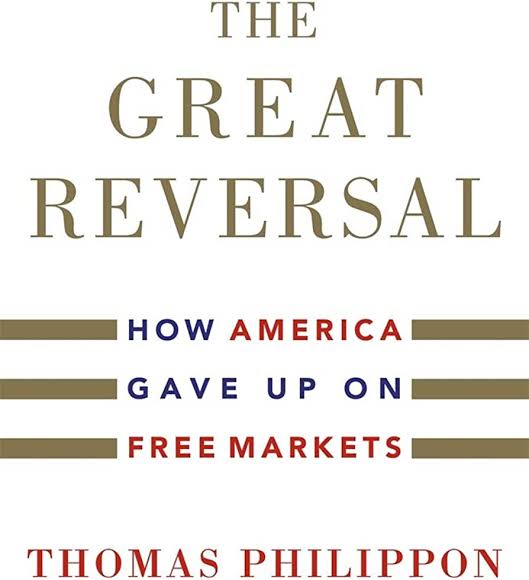
10 Great Books on Competition Econ 1) The Great Reversal - @ThomasPHI2 Fantastic place to start: very accessible, rigorous, and runs through a lot of competition principles. Argues that competition in the USA has declined relative to Europe, and how this can be changed.
Michael Thrower Chowdhury tweet media
English
2
128
639
125.1K
Joseph Hongoh retweetledi
Michael Thrower Chowdhury
Michael Thrower Chowdhury@BevansAdvocate·
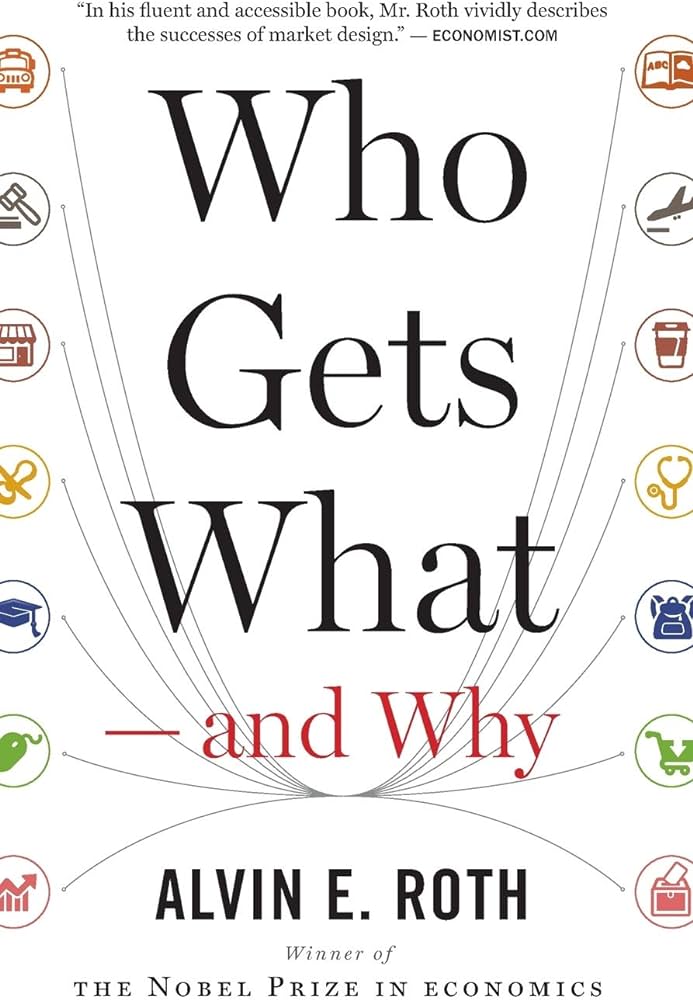
10 Favourite Economics Books (3) 1) Who Gets What and Why - Alvin E Roth Terrific introduction to matching theory, covering real world uses from university applications to coffee beans. Roth's research on kidney exchanges has saved many lives, definitely worth engaging with.
Michael Thrower Chowdhury tweet media
English
25
505
3.3K
609.4K
Joseph Hongoh retweetledi
Ros Atkins
Ros Atkins@BBCRosAtkins·
THREAD...on the 10 attributes that I am looking for in an explanation. And the 10 questions that help me try to deliver them each time that I’m communicating.
English
57
503
2.5K
1.6M
Joseph Hongoh retweetledi
Charles Onyango-Obbo
Charles Onyango-Obbo@cobbo3·
Congolese Juliane Lukambo, who spent 10 years as a refugee in Uganda graduates, graduates on top her class in the US – and has been granted about $240,000 worth of scholarships people.com/senior-spent-1…
English
5
75
332
19.5K
Abdulahi Adan
Abdulahi Adan@AbdulahiAdan10·
Kule Tiktok 🤣🤣🤣🤣zakayo ako na kazi ngumu sana
Filipino
38
304
720
95.2K
Joseph Hongoh retweetledi
Ros Atkins
Ros Atkins@BBCRosAtkins·
As both sides of the conflict in Sudan try and agree a humanitarian truce, this is an explainer we've made on what the conflict's roots and how it started. We hope it's helpful. (First published 28.4.23) bbc.co.uk/news/world-afr…
English
41
205
894
1.3M