Wasili Carrillo

15.5K posts

Wasili Carrillo banner
Wasili Carrillo

Wasili Carrillo

@DrWasili

MD @elam_chile, Urgenciologo @Usach, Intensivista @Uchile, MPH @uandresbello (c)

Viña del Mar, Chile Katılım Ocak 2015
3.3K Takip Edilen1.8K Takipçiler
Wasili Carrillo retweetledi
Dr. Chacón-Lozsán F .'.
Dr. Chacón-Lozsán F .'.@franciscojlk·
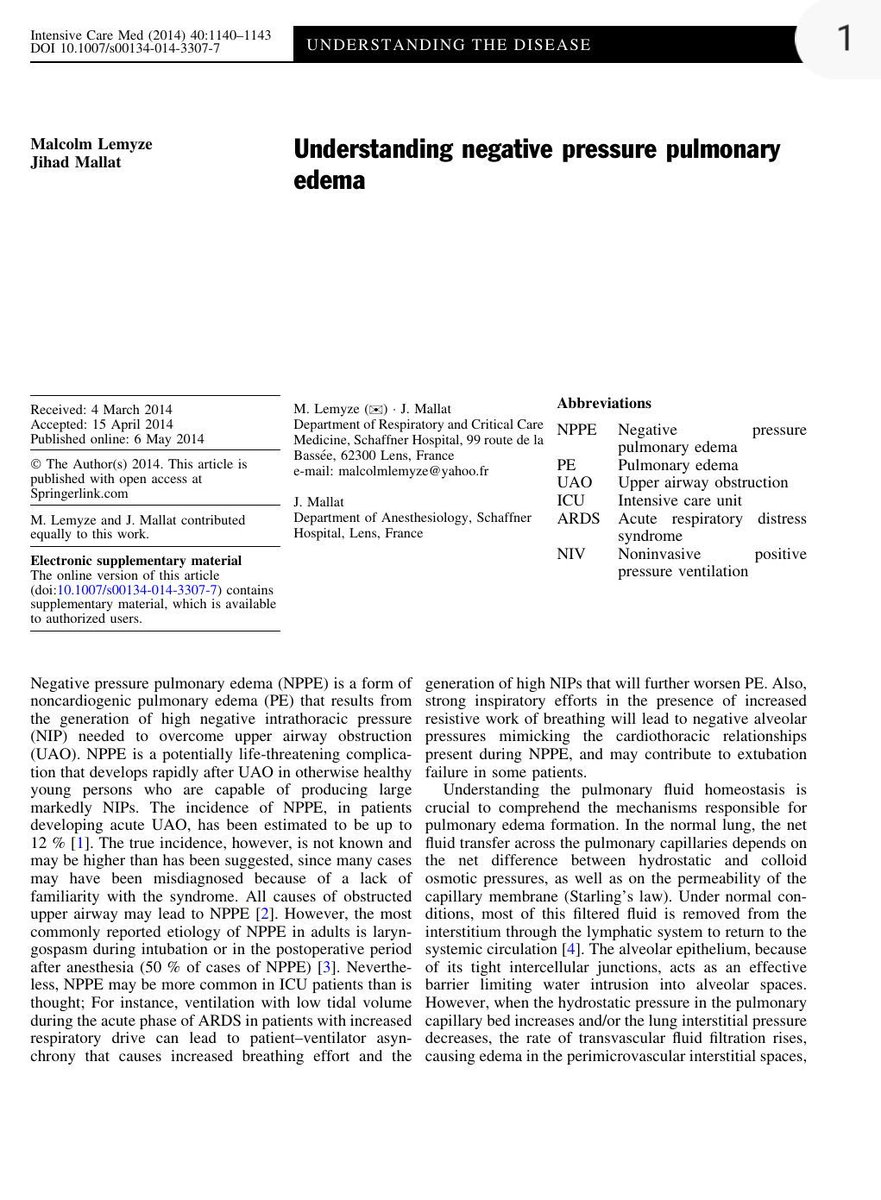
💨 When the patient is trying to breathe… and that’s exactly the problem Negative pressure pulmonary edema (NPPE) is one of those ICU conditions that is: ✔️ Dramatic ✔️ Underdiagnosed ✔️ Completely reversible, if recognized early ⚠️ The trigger is simple 👉 Upper airway obstruction • Laryngospasm (most common in adults) • Post-extubation obstruction • Biting the tube • Severe inspiratory effort against resistance 🧠 The paradox The patient is: ❌ Not hypoventilating ❌ Not fluid overloaded ❌ Not in cardiogenic failure 👉 They are breathing too hard ⚙️ What actually happens? From the physiology: Strong inspiratory efforts generate: ➡️ Extremely negative intrathoracic pressures ➡️ Up to -140 cmH₂O 📉 This creates a perfect storm ↑ Venous return → ↑ pulmonary blood volume ↓ interstitial pressure → fluid pulled into lungs ↑ LV afterload → ↓ ejection ↑ pulmonary capillary pressure 👉 Result: rapid pulmonary edema 🫁 Visualize it 🤔 Normal breathing: • Mild negative pressure • Balanced fluid exchange Obstructed inspiration: • Massive negative pressure • Huge transcapillary gradient • Alveolar flooding 🔥 Two mechanisms coexist 1️⃣ Hydrostatic edema 2️⃣ Capillary stress failure (permeability component) 👉 NPPE is likely multifactorial, not purely one or the other 💉 Clinical reality • Sudden hypoxemia • Pink frothy sputum • Bilateral infiltrates • Often young, otherwise healthy patients ⚡ Management is straightforward Priority: ✔️ Relieve obstruction ✔️ Oxygen ✔️ Apply PEEP or NIV Only severe cases: ➡️ Intubation 🚫 Common mistake ❌ Reflex diuretics There is no solid evidence of benefit, and they may worsen hypovolemia ⏱️ Good news 👉 Usually resolves in 12–48 hours if treated early 🧠 Final thought NPPE is not: ❌ A lung problem ❌ A fluid problem 👉 It is a pressure problem created by the patient And if you miss it: ➡️ You may treat it like ARDS or cardiogenic edema… and make it worse 📚 Lemyze M, Mallat J. (2014) Intensive Care Medicine doi.org/10.1007/s00134…
Dr. Chacón-Lozsán F .'. tweet media
English

2
23
93
3.7K
Wasili Carrillo retweetledi
Fede Gordo-Vidal
Fede Gordo-Vidal@ventilacionmeca·
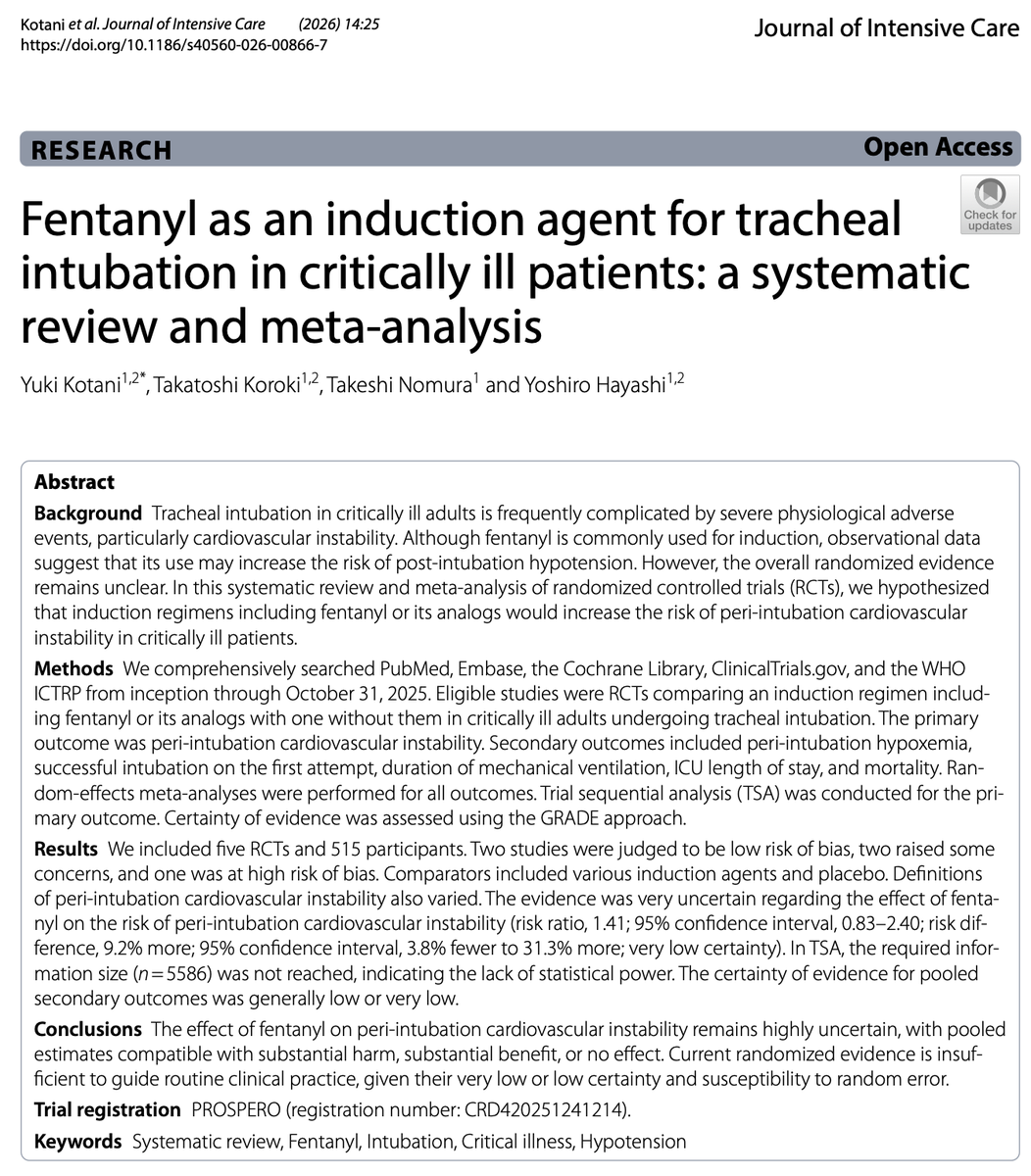
Left ventricular systolic function and mechanical ventilation weaning failure: An updated systematic review and meta-analysis with trial sequential analysis medintensiva.org//es-left-ventr…
English
0
4
5
494
Wasili Carrillo retweetledi
Dr. Chacón-Lozsán F .'.
Dr. Chacón-Lozsán F .'.@franciscojlk·
More about VAC in sepsis... 🤓 🫀 Why do some septic shock patients respond to treatment… and others don’t? We often blame: • “Refractory shock” • “Severe sepsis” • “Late presentation” But physiology tells a different story. ⚙️ The real problem: ventriculo-arterial decoupling Septic shock is not only vasodilation or myocardial depression. 👉 It is a failure of interaction between the heart and the arterial system This interaction is called: ➡️ Ventriculo-arterial coupling (VAC) And it defines: ✔️ Cardiac output ✔️ Arterial pressure ✔️ Perfusion efficiency 🧠 What can be often ignored in daily ICU practice You can have: ✔️ Normal cardiac output ✔️ Acceptable MAP ❗ And still have inefficient circulation Because: 👉 Energy transfer from the ventricle to the arterial system is impaired 📉 What happens in septic shock? • Decoupling is common • LV ejection becomes inefficient • Cardiovascular treatments become less effective 💉 Clinical paradox Same intervention. Different outcomes. Example with norepinephrine: 🔵 Patient A → Adequate contractility (Ees preserved) → ↑ arterial tone → VAC improves → ↑ CO 🔴 Patient B → Depressed contractility → ↑ arterial tone (afterload) → VAC worsens → ↓ stroke volume 🔥 This explains a lot of what we see • Why MAP increases but CO drops • Why some patients “fail” vasopressors • Why fluids work in some and not others • Why lactate persists despite “normal numbers” 🧬 Even more important VAC is: 👉 A determinant of treatment responsiveness, not just a descriptor of physiology 📊 Bedside implication We should stop asking only: ❌ “What is the MAP?” And start asking: ✅ “Is the system coupled?” ✅ “Are we improving efficiency or just pressure?” ⚡ Practical shift Instead of protocol-only resuscitation: ➡️ Move toward physiology-guided resuscitation Using: • Ea (arterial load) • Ees (contractility) • VAC (their interaction) 🧠 Final thought Septic shock is not just: ❌ A pressure problem ❌ A volume problem 👉 It is an interaction problem And until we treat it as such: ➡️ Some patients will continue to “not respond” 📚 Pinsky MR, Guarracino F. (2023) Intensive Care Medicine Experimental doi.org/10.1186/s40635…
Dr. Chacón-Lozsán F .'. tweet media
English
2
53
170
7.8K
Wasili Carrillo retweetledi
Critical Care Reviews
Critical Care Reviews@CritCareReviews·
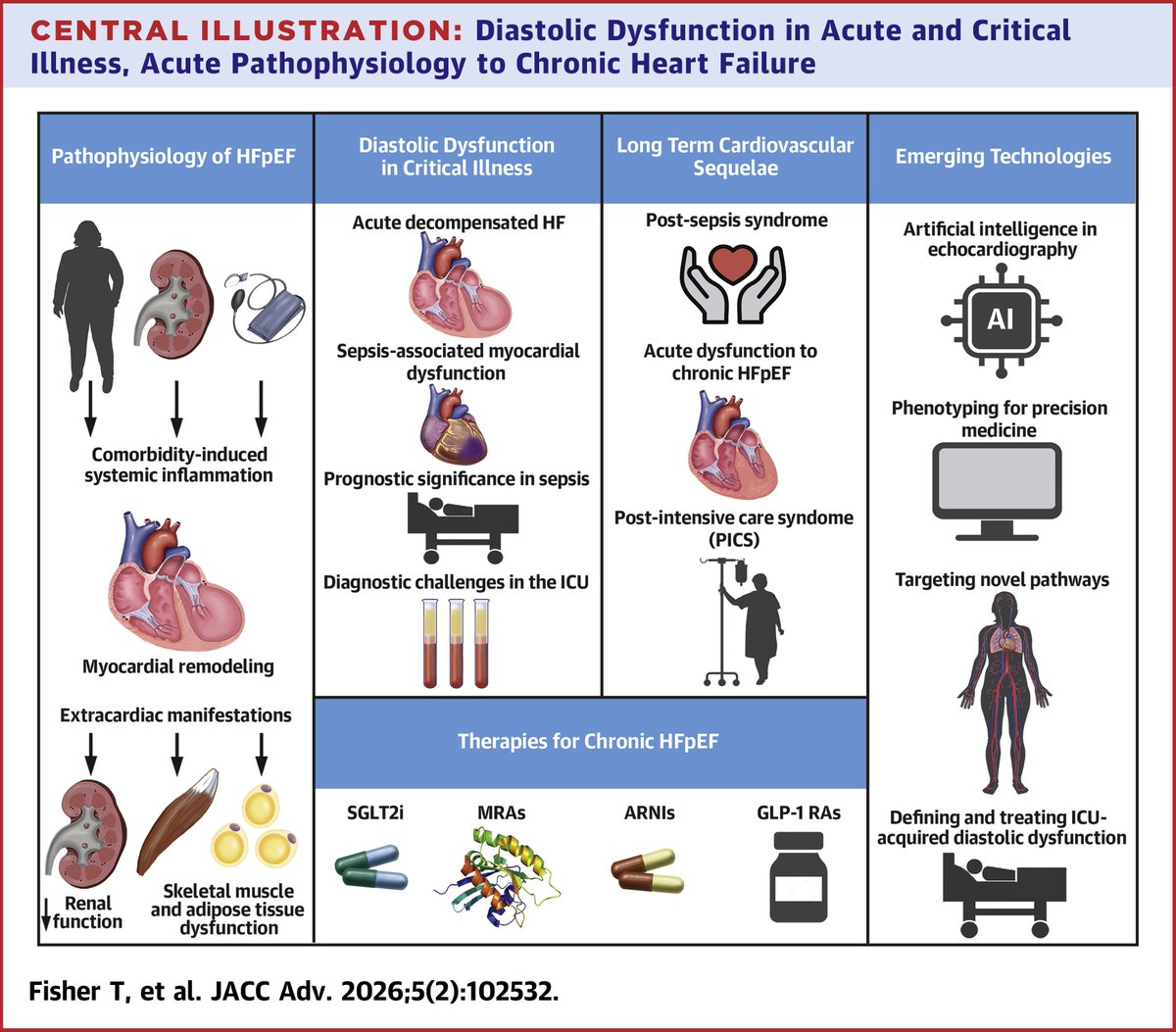
Today's Paper of the Day is: Diastolic dysfunction in acute & critical illness: acute pathophysiology to chronic heart failure criticalcarereviews.com/latest-evidenc… Join us to read 1 paper per day and stay up-to-date as we cover the spectrum of critical care across 2026
Critical Care Reviews tweet media
English
0
13
64
3.3K
Wasili Carrillo retweetledi
Critical Care Reviews
Critical Care Reviews@CritCareReviews·
TIGRIS Trial ➡️ Polymyxin B haemoadsorption in endotoxic septic shock ➡️ Strong physiological rationale ➡️ Long-standing concept ➡️ But does it actually improve outcomes? ➡️ We spoke to Chief Investigator John Kellum CCR Podcast criticalcarereviews.com/2026/tigris-tr…
Critical Care Reviews tweet media
English
0
8
40
2.8K
Wasili Carrillo retweetledi
Dr. Chacón-Lozsán F .'.
Dr. Chacón-Lozsán F .'.@franciscojlk·
🫀⚠️ Post-resuscitation vasoplegic shock: are we targeting the right physiology? After ROSC, we often focus on blood pressure. But the problem is much more complex. 🧠 What is really happening? Post-resuscitation shock is not a single entity: 👉 Myocardial dysfunction 👉 Vasoplegia 👉 Relative hypovolemia ➡️ And their contribution changes over time in the same patient 📌 Current standard ✔️ MAP target: ≥ 60-65 mmHg ❌ No strong evidence supporting higher targets (>70 mmHg) 👉 Higher MAP may improve myocardial injury and cerebral oxygenation 👉 But no clear outcome benefit 💉 Vasopressor reality • Norepinephrine = first-line • Epinephrine → ↑ mortality, arrhythmias (observational data) • Dopamine → ↑ arrhythmias ➡️ Catecholamines are necessary… but not harmless 🔥 The hidden problem: vasoplegia Driven by: • Ischemia-reperfusion injury • Cytokine surge • Nitric oxide overproduction • Vasopressin deficiency ➡️ Leading to loss of vascular tone and responsiveness ⚖️ Are we overusing catecholamines? High adrenergic load may cause: • Myocardial injury • Arrhythmias • Immune dysregulation • Receptor desensitization ➡️ This is why catecholamine-sparing strategies are emerging 🧩 What about vasopressin? ✔️ Physiological rationale exists ✔️ May reduce catecholamine exposure ❌ No strong evidence for routine use post-ROSC ❌ Possible ischemic risks 📊 Key concept: hemodynamic phenotype Not all patients are the same: • Early phase → low CO + high SVR • Later phase → high CO + low SVR ➡️ Same MAP ≠ same perfusion 👉 This is where multimodal monitoring becomes essential 🚨 Critical insight Optimizing MAP alone: ❌ Does NOT guarantee microcirculatory perfusion ❌ Does NOT ensure organ protection 🔥 Take-home message Post-resuscitation shock is: 👉 Dynamic 👉 Heterogeneous 👉 Frequently oversimplified And: ➡️ Vasopressor therapy should be individualized, not protocolized 📚 Jendoubi A. et al. (2026) Critical Care doi.org/10.1186/s13054…
Dr. Chacón-Lozsán F .'. tweet media
English
1
60
161
6.4K
Wasili Carrillo retweetledi
Dr.Marlon Villanueva™ 🩺 𝕏
🫁⚠️ 𝐄𝐝𝐞𝐦𝐚 𝐩𝐮𝐥𝐦𝐨𝐧𝐚𝐫 𝐲 𝐦𝐮𝐞𝐫𝐭𝐞 𝐬𝐮́𝐛𝐢𝐭𝐚: 𝐥𝐨 𝐪𝐮𝐞 𝐝𝐞𝐛𝐞𝐬 𝐫𝐞𝐜𝐨𝐧𝐨𝐜𝐞𝐫 𝐞𝐧 𝐬𝐞𝐠𝐮𝐧𝐝𝐨𝐬 ⬇️⬇️⬇️⬇️ 🚨 ¿𝐏𝐮𝐞𝐝𝐞 𝐜𝐚𝐮𝐬𝐚𝐫 𝐦𝐮𝐞𝐫𝐭𝐞 𝐬𝐮́𝐛𝐢𝐭𝐚? 👉 𝐒𝐈́ 💥 𝐌𝐞𝐜𝐚𝐧𝐢𝐬𝐦𝐨 𝐜𝐥𝐚𝐯𝐞 💧 Líquido en alvéolos 🚫 Intercambio gaseoso ↓ 🩸 Hipoxemia severa 👉 🫀 Paro cardiaco ⚡ 𝐂𝐮𝐚𝐝𝐫𝐨 𝐜𝐥𝐢́𝐧𝐢𝐜𝐨 𝐜𝐫𝐢́𝐭𝐢𝐜𝐨 😮‍💨 Disnea intensa súbita 🔵 Hipoxia refractaria 🫁 Insuficiencia respiratoria 🔥 𝐄𝐭𝐢𝐨𝐥𝐨𝐠𝐢́𝐚𝐬 𝐟𝐫𝐞𝐜𝐮𝐞𝐧𝐭𝐞𝐬 ❤️ Insuficiencia cardiaca aguda 💔 IAM ☠️ Tóxicos / sobrecarga ⚡ Crisis hipertensiva 🧠 𝐅𝐢𝐬𝐢𝐨𝐩𝐚𝐭𝐨𝐥𝐨𝐠𝐢́𝐚 𝐞𝐧 𝟏 𝐥𝐢́𝐧𝐞𝐚 👉 ↑ presión capilar pulmonar → fuga alveolar → shunt → hipoxemia 🚑 𝐑𝐞𝐝 𝐟𝐥𝐚𝐠𝐬 𝐝𝐞 𝐦𝐮𝐞𝐫𝐭𝐞 𝐢𝐧𝐦𝐢𝐧𝐞𝐧𝐭𝐞 🛑 Saturación que no mejora 🫁 Fatiga respiratoria 🧠 Alteración del estado mental 📉 Inestabilidad hemodinámica 💉 𝐌𝐚𝐧𝐞𝐣𝐨 𝐢𝐧𝐦𝐞𝐝𝐢𝐚𝐭𝐨 🫁 O₂ / VNI (CPAP/BiPAP) 💊 Diuréticos (furosemida) 💉 Vasodilatadores (si HTA) 🫀 Tratar causa ‼️Si te sirve: ❤️ Me gusta | 🔁 Repost | ➕ Follow para más #MedED en #ClubCrit 😄🧠🫶 👇🏼👇🏼👇🏼👇🏼 📚📖#ClubCrit #EdemaPulmonar #SuddenDeath #icu #intensivecare #diagnosis #POCUS #VExUS #management #MedicinaBasadaEnEvidencia #Terapia #MedEd #Medicina #FOAMed #FOAMcc #CuidadoCrítico #MedX #EducaciónMédica #MedIntensiva #MedXCommunity #MedicinaCrítica #MedED #CritCare #ICUManagement #MustRead #LecturaRecomendada
Dr.Marlon Villanueva™ 🩺 𝕏 tweet media
Español
0
14
40
1.6K
Wasili Carrillo retweetledi
Dr.Marlon Villanueva™ 🩺 𝕏
🫀📊 𝐋𝐕𝐅𝐏 (𝐩𝐫𝐞𝐬𝐢𝐨́𝐧 𝐝𝐞 𝐥𝐥𝐞𝐧𝐚𝐝𝐨 𝐕𝐈) ⬇️⬇️⬇️⬇️ 🔵 𝐒𝐓𝐄𝐏 𝟏: 𝐯𝐚𝐫𝐢𝐚𝐛𝐥𝐞𝐬 𝐜𝐥𝐚𝐯𝐞 (𝐩𝐫𝐢𝐦𝐞𝐫𝐚 𝐥𝐢́𝐧𝐞𝐚) 📉 𝐞’ 𝐫𝐞𝐝𝐮𝐜𝐢𝐝𝐨 * Septal ≤6 / lateral ≤7 cm/s 👉 Disfunción diastólica 📈 𝐄/𝐞’ 𝐞𝐥𝐞𝐯𝐚𝐝𝐨 * Promedio ≥14 👉 ↑ presión de llenado 🫁 𝐏𝐀𝐒𝐏 / 𝐓𝐑 𝐞𝐥𝐞𝐯𝐚𝐝𝐨𝐬 * PASP ≥35 mmHg o TR ≥2.8 m/s 👉 Congestión pulmonar ✅ 𝐈𝐧𝐭𝐞𝐫𝐩𝐫𝐞𝐭𝐚𝐜𝐢𝐨́𝐧 * ✔️ Todas concordantes → diagnóstico inmediato * ⚠️ Discordantes → ir a STEP 2 🟡 𝐒𝐓𝐄𝐏 𝟐: 𝐯𝐚𝐫𝐢𝐚𝐛𝐥𝐞𝐬 𝐝𝐞 𝐬𝐨𝐩𝐨𝐫𝐭𝐞 🧠 𝐒𝐭𝐫𝐚𝐢𝐧 𝐚𝐮𝐫𝐢𝐜𝐮𝐥𝐚𝐫 𝐢𝐳𝐪 (𝐫𝐞𝐬𝐞𝐫𝐯𝐨𝐫𝐢𝐨) * ≤18% 📏 𝐕𝐨𝐥𝐮𝐦𝐞𝐧 𝐀𝐈 * 34 mL/m² ⏱️ 𝐈𝐕𝐑𝐓 * ≤70 ms 🫀 𝐅𝐥𝐮𝐣𝐨 𝐯𝐞𝐧𝐨𝐬𝐨 𝐩𝐮𝐥𝐦𝐨𝐧𝐚𝐫 𝐒/𝐃 * ≤0.67 🔥 𝐑𝐞𝐠𝐥𝐚 𝐩𝐫𝐚́𝐜𝐭𝐢𝐜𝐚 👉 ≥1 anormal en Step 2 → 𝐋𝐕𝐅𝐏 𝐞𝐥𝐞𝐯𝐚𝐝𝐚 📈 𝐈𝐦𝐩𝐚𝐜𝐭𝐨 𝐜𝐥𝐢́𝐧𝐢𝐜𝐨 * 🎯 ↓ casos indeterminados (~0.2%) * 📊 ↑ precisión diagnóstica (~86%) * 🫀 Mejor en HFpEF 🧠 𝐂𝐥𝐚𝐯𝐞𝐬 𝐜𝐥𝐢́𝐧𝐢𝐜𝐚𝐬 * 🔁 Prioriza variables reproducibles * ⚠️ No dependas de una sola medición * 🫀 Integra con clínica + eco global 🚨 𝐌𝐞𝐧𝐬𝐚𝐣𝐞 𝐟𝐢𝐧𝐚𝐥 👉 LVFP ≠ un número… es 𝐮𝐧 𝐩𝐚𝐭𝐫𝐨́𝐧 𝐟𝐢𝐬𝐢𝐨𝐥𝐨́𝐠𝐢𝐜𝐨 𝐢𝐧𝐭𝐞𝐠𝐫𝐚𝐝𝐨 👉 Este algoritmo reduce incertidumbre en escenarios complejos 💡 🧠𝙂𝙪𝙖𝙧𝙙𝙖 𝙚𝙨𝙩𝙚 𝙝𝙞𝙡𝙤 𝙥𝙖𝙧𝙖 𝙩𝙪 𝙜𝙪𝙖𝙧𝙙𝙞𝙖 🏥 ‼️Si te sirve: ❤️ Me gusta | 🔁 Repost | ➕ Follow para más #MedED en #ClubCrit 😄🧠🫶 👇🏼👇🏼👇🏼👇🏼 📚📖#ClubCrit #CardioX #icu #intensivecare #diagnosis #POCUS #VExUS #management #MedicinaBasadaEnEvidencia #Terapia #MedEd #Medicina #FOAMed #FOAMcc #CuidadoCrítico #MedX #EducaciónMédica #MedIntensiva #MedXCommunity #MedicinaCrítica #MedED #CritCare #ICUManagement #MustRead #LecturaRecomendada
Dr.Marlon Villanueva™ 🩺 𝕏 tweet media
Español
0
21
69
2.6K
Wasili Carrillo retweetledi
Critical Care Reviews
Critical Care Reviews@CritCareReviews·
Today's Paper of the Day is: Early Goal-Directed Hemostatic Therapy for Severe Acute Bleeding Management in the Intensive Care Unit Join us to read 1 paper per day and stay up-to-date as we cover the spectrum of critical care across 2026 Link in bio
Critical Care Reviews tweet media
English
0
13
75
3.6K
Wasili Carrillo retweetledi
Sayed S Rahman
Sayed S Rahman@SayedSRahman1·
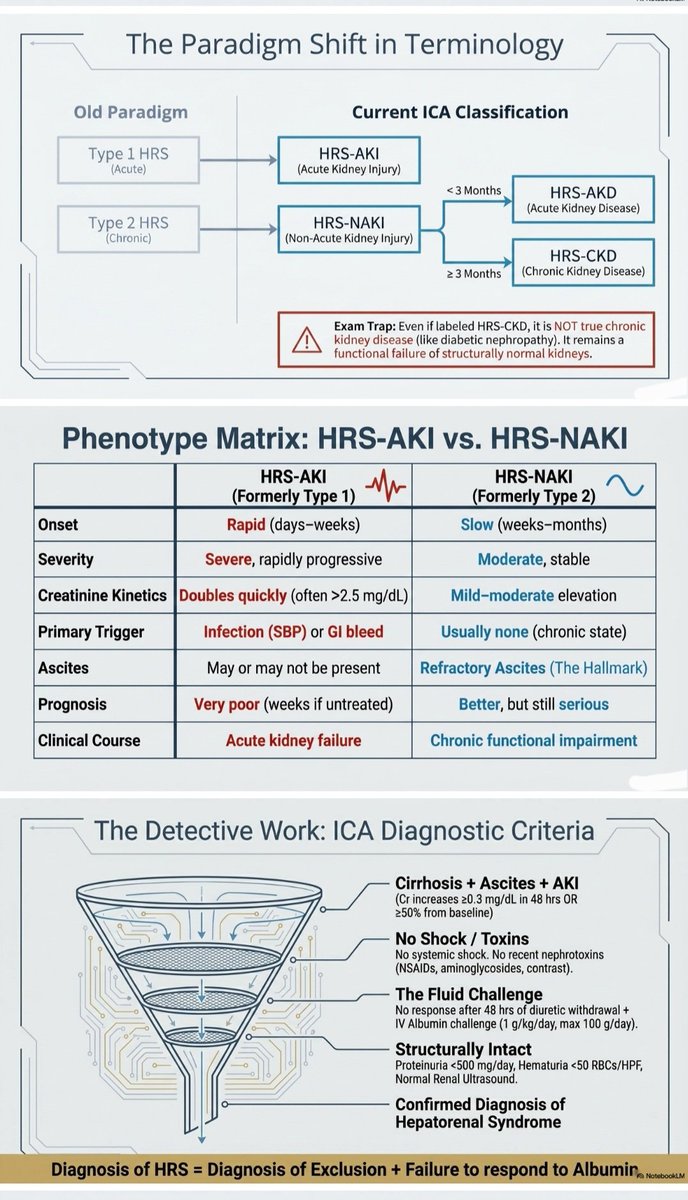
Hepatorenal syndrome : From Pathophysiology to Treatment . #ICA
Sayed S Rahman tweet mediaSayed S Rahman tweet mediaSayed S Rahman tweet mediaSayed S Rahman tweet media
English
2
28
92
3.4K
Wasili Carrillo retweetledi
TuMejorVersion
TuMejorVersion@xavixuan·
Cuando China se mete en algo, no se limita a entrar, sino que se hace con el control. Han fabricado un coche por 41.000 dólares, el precio de un Toyota. Alcanza los 100 km/h en 2 segundos. Se recarga en 5 minutos. También le quitarán a Europa el segmento de gama alta.
Español
383
1.5K
8.7K
866.7K
Wasili Carrillo retweetledi
Critical Care Reviews
Critical Care Reviews@CritCareReviews·
Today's Paper of the Day is: Diagnostic approach in acute hypoxemic respiratory failure criticalcarereviews.com/latest-evidenc… Join us to read 1 paper per day and stay up-to-date as we cover the spectrum of critical care across 2026
Critical Care Reviews tweet media
English
1
23
108
5.9K
Wasili Carrillo retweetledi
Dr. Jair Vargas
Dr. Jair Vargas@DrDeLaUCI·
LESIÓN RENAL AGUDA EN CIRROSIS ‼️ 📌LRA en cirrosis ( Criterios KDIGO) :   a) aumento de la creatinina sérica ≥0,3 mg/dl en 48 h o ≥50% del valor basal que se sabe o se presume que ocurrió en los 7 días anteriores y/o producción de orina ≤0,5 ml/kg durante ≥6 h
Dr. Jair Vargas tweet mediaDr. Jair Vargas tweet media
Español
1
70
235
8.1K