

Nagar
901 posts


Just know this how these mfs claim fake royal lineage. Ask source for their claims dog will give screenshot of Wikipedia from 19th century AD. No real stone inscriptions with ASI record number. Openly alot of people fake like this for royalty.
Nagar@Dreaded_e
@HarashaKrish @Ram_2468 @dr_ragu_ @Nairhistory Chimpanzee chinnaveedu product don't know that it's poonjar pandya lineage that was ended not pandalam . Show me where does it says pandalam pandya lineage was ended? Whatever your avarna poori grandmother says while getting pumped by nairs are not true . Where it says pandya end
English
Nagar retweetledi

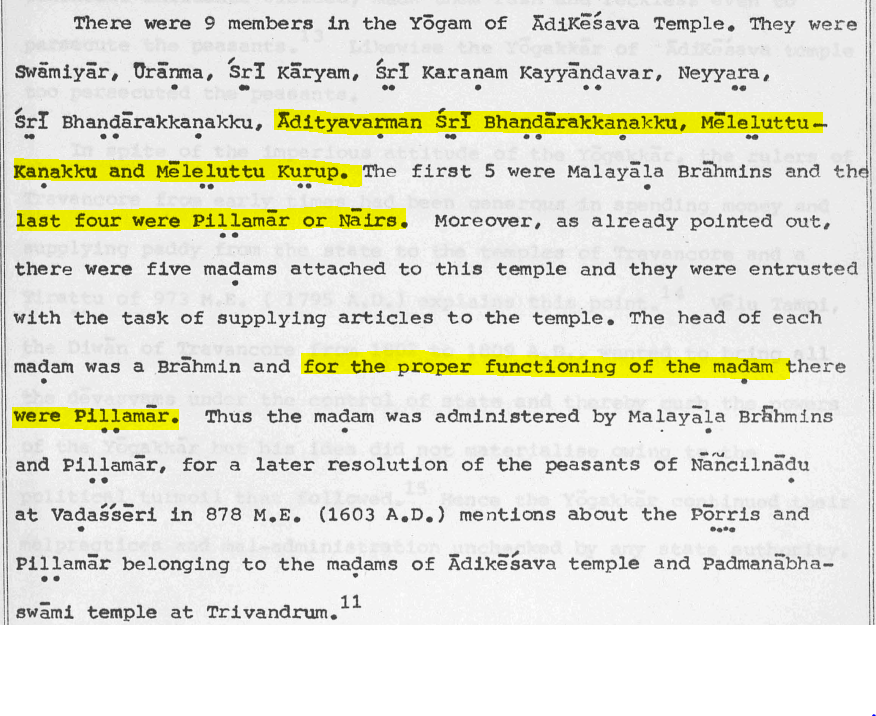
Nairs held the responsibility of managing temple administration. They were designated with various titles depending on the historical period. Thiruvattar Adikesava Temple a shrine for the Ay and later Venad kings—which was managed and administered by the Nair community.
English
@ajjuz @videhamgroup @Nairhistory Let this kalla asari guy live in delusion we don't need fry his brain even more as it's 90% already damaged by upsc exams.Let him live fooling chimp tamils because everyone in Kerala know pandavavichara kammalar history. Even asari themselves have made movie of it called venkalam
English

@videhamgroup @Dreaded_e Why don't you do Ashwamedha Yajna and defeat all the countries and kingdoms of the world oh Great son of Kashyapa ?? You are from the lineage that produced Kalari and Adi Shankara. Me, @Dreaded_e @Nairhistory will serve you once you defeat all the Kingdoms on earth.
English

@ajjuz @Dreaded_e കാശ്യപ്പ പ്രജപതി യുടെ കുട്ടികൾ തീർത്ത ഓളം ഒന്നും ഇനി ആരും ഒരിക്കലും ഉണ്ടാകാൻ പോകുന്നില്ല.
Abhijith kashyapa gotra, viswakarma🚩 vamsha@videhamgroup
Kashyapa പ്രജാ പതിയുടെ കുട്ടികൾ തീർത്ത ഓളം ഒന്നും ഇനി ആരും ഒരിക്കലും എവിടെയും ഉണ്ടാക്കാൻ പോകുന്നില്ല. Proud 🌞🚩🌞 @MandrakeMI6
മലയാളം
@SteveJu41312373 @ajjuz @Nairhistory What if anyone names castes , nature and ways are different that's why reservation are given depending on castes to uplift them from animalistic behaviour
English

@ajjuz @Nairhistory @Dreaded_e Jaathi peru vechu alkarde swabhavmum reethiyum alakunnae nee aano budhiyude karyam parayunathu oodra vaname😂
हिन्दी
90% of the Dravidoids claim these to be their ancestors. They want a normal Keralite to accept this st00pidity. People from my caste will never try and k!ll a snake. Why is that important? That's my ancestor, that is my history.
@Nairhistory @Dreaded_e
𝙈𝙊𝙑𝙄𝙀 𝙏𝙄𝙈𝙀 🍿@moviiettime
Tamil Audiance Failes to celebrate this Movie...
English
Dansk
@ajjuz @Nairhistory @Dreaded_e Nee nthu 🥥 venelum chyto nee ee jathi nthina konduvarunnae nee ela nair deyum vtl keri irikuano avr pampine kollila nnu ariyan😂
Eesti
Nagar retweetledi


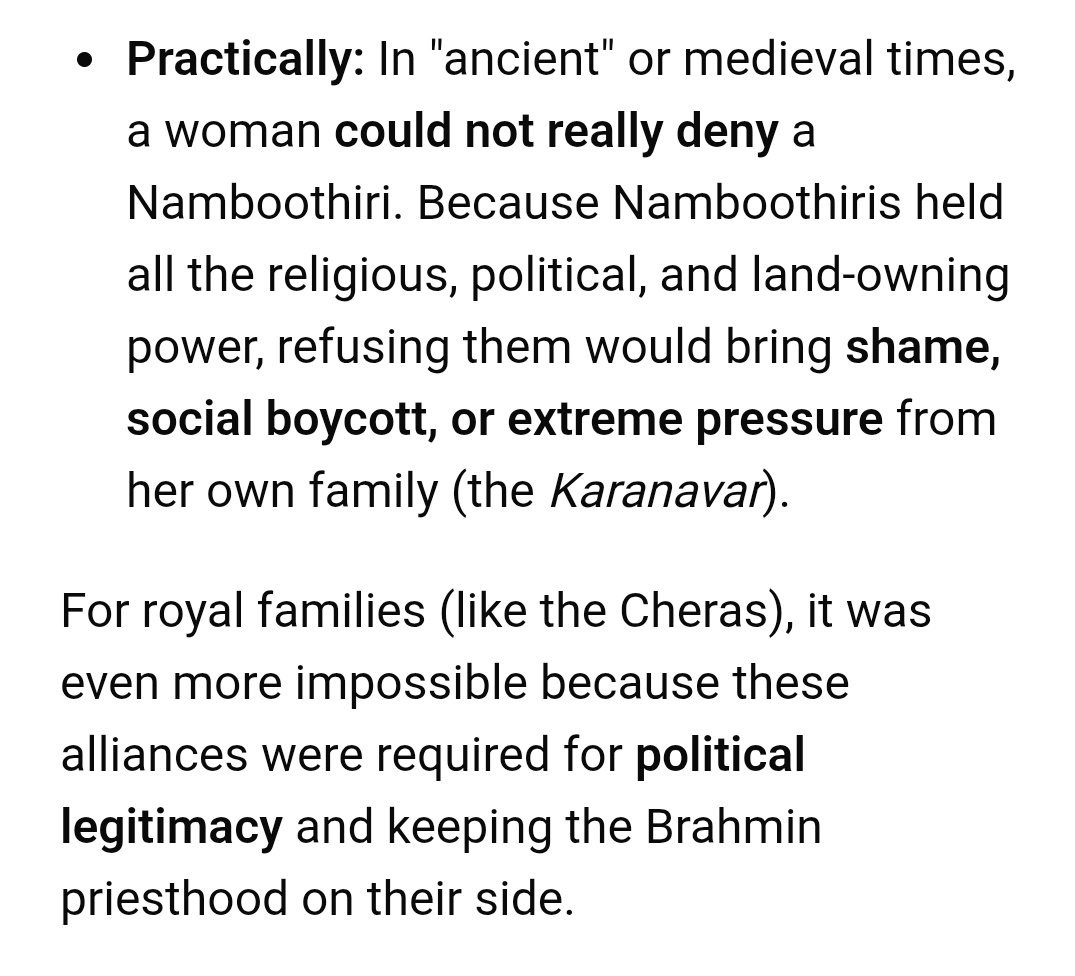
@Ram_2468 @HarashaKrish @dr_ragu_ @Nairhistory Chatgpt takes their statements from what's prevalent in internet which is filled with chimpanzee tamils crying altering customs due to inferiority complex. Give your chatgpt to give the record of it also Is this the chatgpt which said your chinnaveedu father is a velir? 😂😂
English

@Dreaded_e @HarashaKrish @dr_ragu_ @Nairhistory Read da dharawad son bastard. This namboodri bastard will come and fuck nair womens. Show me like this in tamilnadu?
Especially nair women can deny request of namboodri brhamins bastards. This is the reason namboodri brhamins bastards must be destroyed from kerala

English

I'm actually quite fed up of this Cholas did conquer Cheras part.
Were Cholas and Cheras fighting? Yes.
But one faction of Malayalis was under Cholas. This was Ancestor of Vellathiri Rajas aka Vellan Kumaran who was the commander of Cholas.
Dr.ragu siva@dr_ragu_
@Nairhistory Cholas did conquer cheras.. they wer called mummudi cholas. In front of tanjore temple a new gate called cheralanthagan vasal exists even today built to mark victory over cheras. It was all tamilakam though.
English
@HarashaKrish Everyone doesn't go around 6 pm wearing saree and clapping hands at 6 pm in Chennai railway station calling it self employed job like you aravani
GIF
English
@HarashaKrish Illiterate pandi chinnavidan we all saw who started talking about chera when I gave pandalam royal member,then you started calling him poonjar too. low iq c0nt is your thayi who gave birth to you that's why you can't type or read.Go and cry pandalam is fake now if you have father
English
@Dreaded_e Illiterate mallu karimbara you keep parroting same shit like a low IQ cunt. Not all of us are jobless like you, what you said is not proof. They're just claims of random people. Give inscription proof of pandalam being descendants of Madurai emperor Sundhara Pandian or STFU.
English
@HarashaKrish Namboothiri and embranthiris were our priests on vedic, e adikal were our priest on tantrik
Elayathu were priest on death and birth ritual. Vedic, tantrik and birth, death ritual of Kshtriya are done by Brahmins where's slavery there?Obc sc st delusion😂 brahmin oppressed us sar
English
@Dreaded_e 🥴 Atleast our ancestors were not namboodhiri slaves. No wonder swami Vivekanandha called youe nigga state as Lunatic asylum. Go cry somewhere da naga Thayoli. Or ill skin you alive and feed you to Chinese tourists.
GIF
English
@HarashaKrish If they are not pandi why do many tamil chimpanzes comes to visit them and makes your women ride their dick making chinnaveedu system running?And you also accepts ayyapan is not pandya or has anything to do with chimpanzee because ayyapan is from pandalam
youtu.be/HbCP2bcryDM?si…
YouTube
English
@Dreaded_e Like i said come talk when you have proof to prove pandalam are Madurai sundhara Pandian descendants. If they're not and you're just coping with Malayali locals claiming status it's your bubble to live with it. I may laugh at you at most cus it sounds pathetic. Anyways I got work
English
@HarashaKrish What's prood?learn to type chimpanzee and everything i have said has proofs,many chimpanzees from your own land comes to visit pandalam and ask for their greetings,. I have given inscription of muvendhar being kshtriya too and where's proof of sambandam not being marriage thayoli
English
@Dreaded_e No my job da punda. Cus prood of burden is the responsibility of the one proposing the claims not someone who denies it cus it's has no real historical proof. I have no intentions of insulting anyone but if you keep posting shit our Tamils I will call slurs on you as well.
English
@HarashaKrish It's chimpanzees like you who are claiming all saying they rode your black OBC thayi
English
@Dreaded_e Yeah it's moovendhar and velir but they're riding your mama's ass 🥴🐍🤫
English
@Ram_2468 @HarashaKrish @dr_ragu_ @Nairhistory You don't have to project your chinnaveedu system to a marriage, or show proof of what you said if you can't prove it you are a chinnavedan of nair and you are self projecting what nairs did with your mother and sister
English
@Dreaded_e @HarashaKrish @dr_ragu_ @Nairhistory Loosu punda namboodri bastards nothing to do with tamil pandiyas, cholas. Its chera who fall for nambbodhi bastards trap. First understand sambamdham.100s of namboodri bastards will come to dharawad home an sex with nair women. This is the reason brhamins bastards must be removed
English
@HarashaKrish Gif looks like what chera chola pandya and velir kings did to all chinnaveedu mothers of all chimpanzee tamils making them say we are chera chola pandya ay descendant saaar. I know you are cuck you don't have to state it again and post it
English
@Dreaded_e I'm a cuck saar🤣 see our Malayalis are also decendants of dead Tamil royals saar. Accept me as your king saar cus my namboodhiris appa married their princess saar. Ooombu da punda 🤡
GIF
English
@HarashaKrish Go and search about pandalam royals yourself. I don't have to baby feed sources to a chimpanzee chinnaveedan who have failed to prove his paternity multiple times resulting in saying chera daddy in morning, chola daddy in afternoon, pandya daddy at night. Velir daddy in Sunday
English
@Dreaded_e Then give proof of them being Sundbara Pandian lineage clown 🥴🤡🤣 you can't and that's why you're crying because they're also another fake ass Malayalis claiming to be royals like your namboodhiri babas
English
@HarashaKrish Chimpanzee's way of Coping is funny. When did i claimed pandalam as nair? Aren't Pandyas your father? So pandalam with namboothiri fathers are your fathere too. Go make post saying pandalam is malayali cuck not pandyas if you have one father, I'm giving you another chance thayoli
English
@Dreaded_e So you'll say anyone as your father if some Malayali claims as Pandian lineage ? 🥴 Oppressed tharavadu rape victim you got some mental issues. Let them prove as Madurai royal lineage or I'll call both you and them as Malayali cucks not Tamil Pandian imperials.
English
@HarashaKrish Nice coping 😂😂 you know pandalam are Pandyas but needs to cope. Isn't you who said you'll expose fake royals , changed decision like you change father's From chera chola pandya dynasties? Go and expose them, make post saying pandalam is cuck breed not pandya, we will see then😂
English
@Dreaded_e Day punda why should I care if they're fake means they're fake da punda 🤫🤣 aluvadha you posted one shit and even that is from 19th century AD which is fake lineage.
English