Sabitlenmiş Tweet
TorontoMoira
51.1K posts

TorontoMoira
@DunphyMoira
she/her I'm feeling rather funny and I don't know what I am. - a. a. milne
Toronto Katılım Ekim 2012
3.1K Takip Edilen857 Takipçiler
TorontoMoira retweetledi

TorontoMoira retweetledi

Lawsuit races to halt Wasaga Beach development as endangered species nears extinction in Ontario nationalobserver.com/2026/04/21/new… #onpoli #CNDpoli
English
TorontoMoira retweetledi

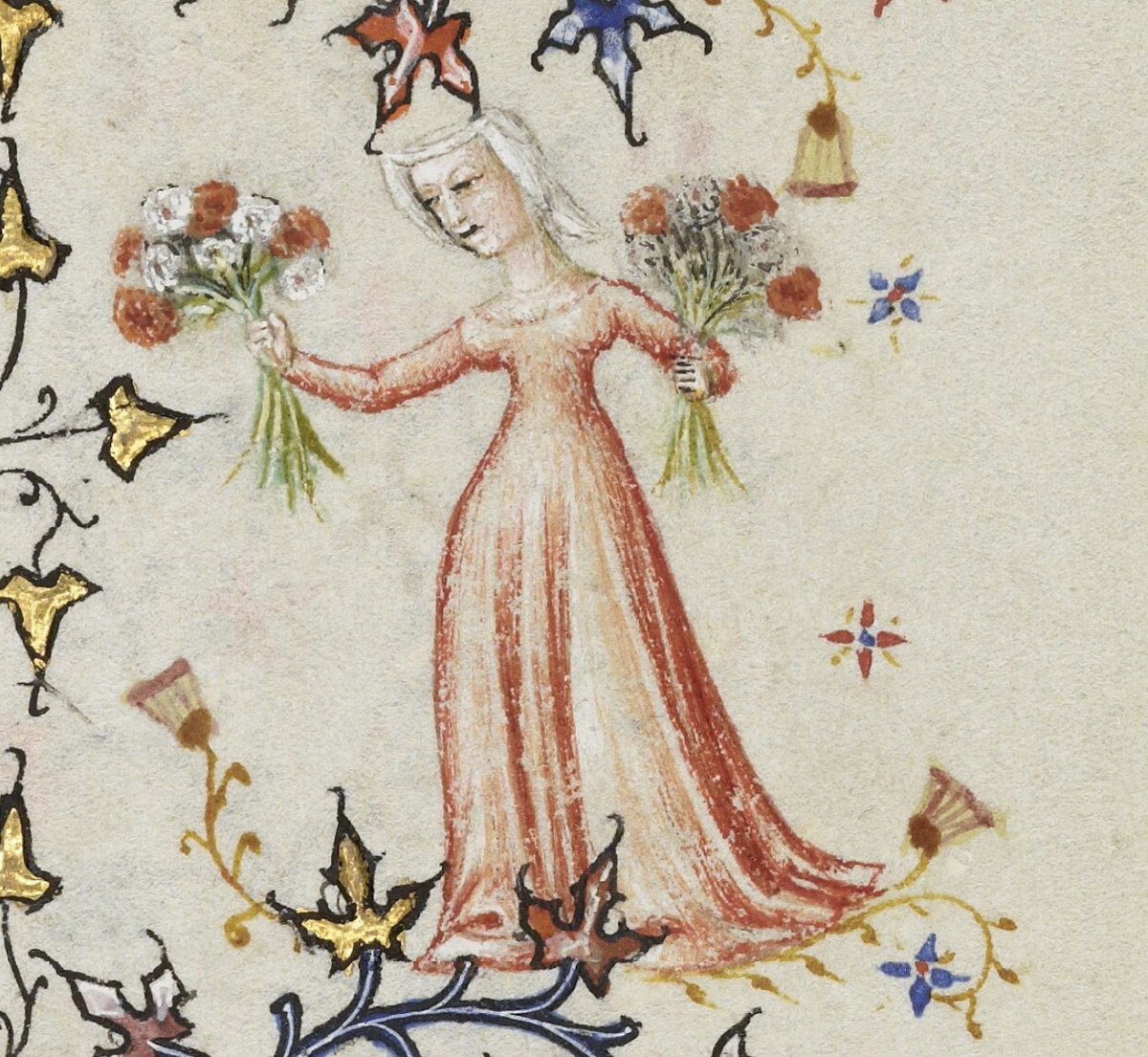
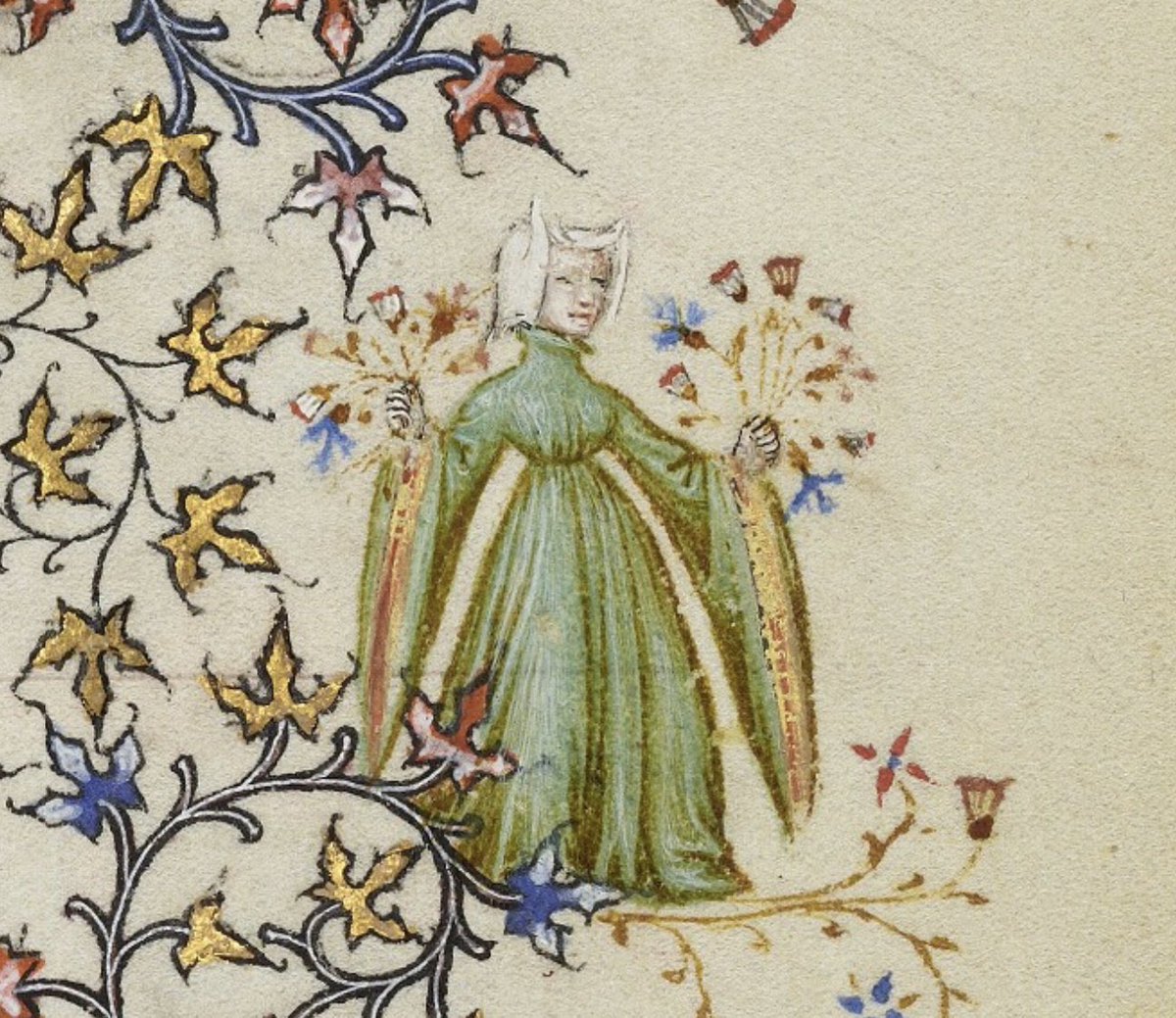
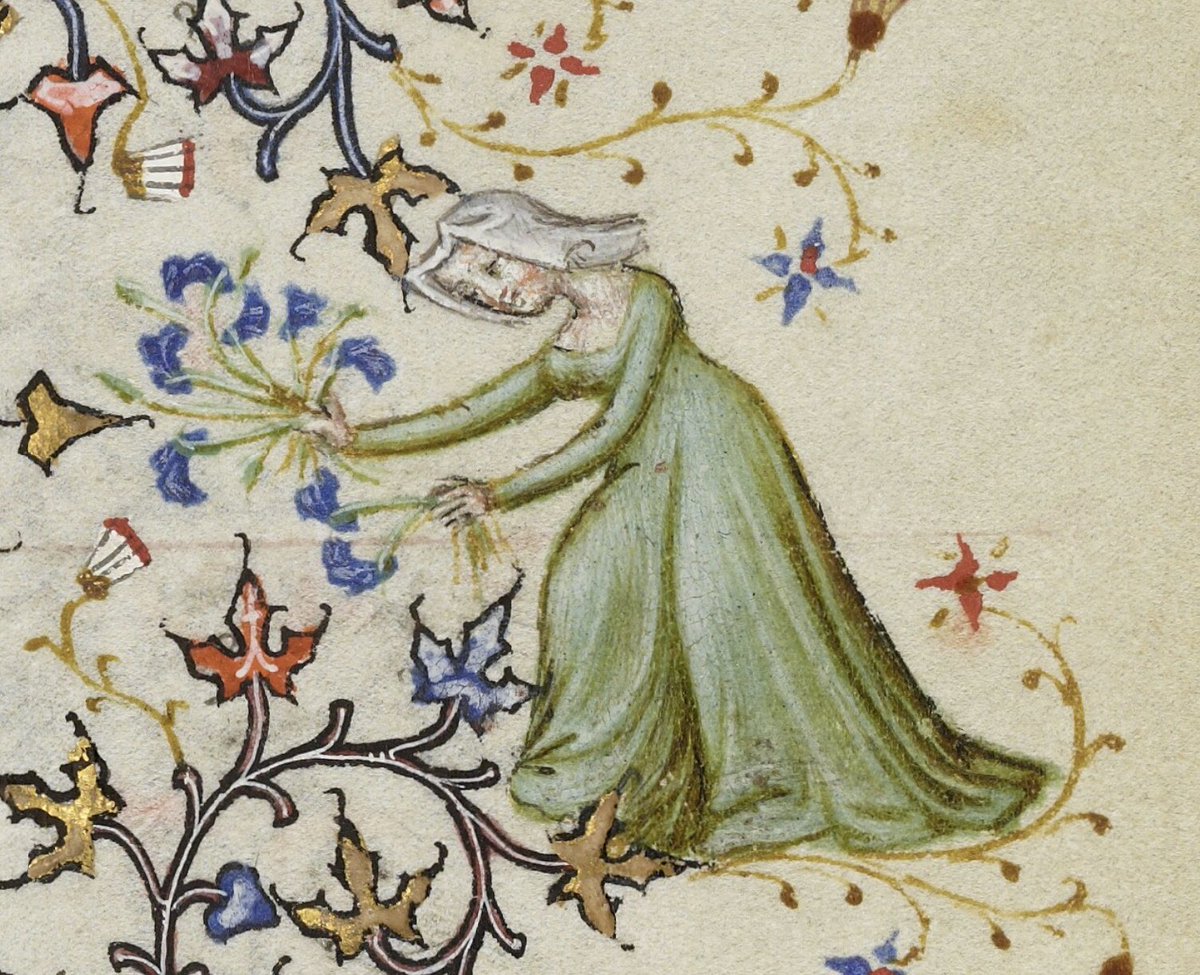
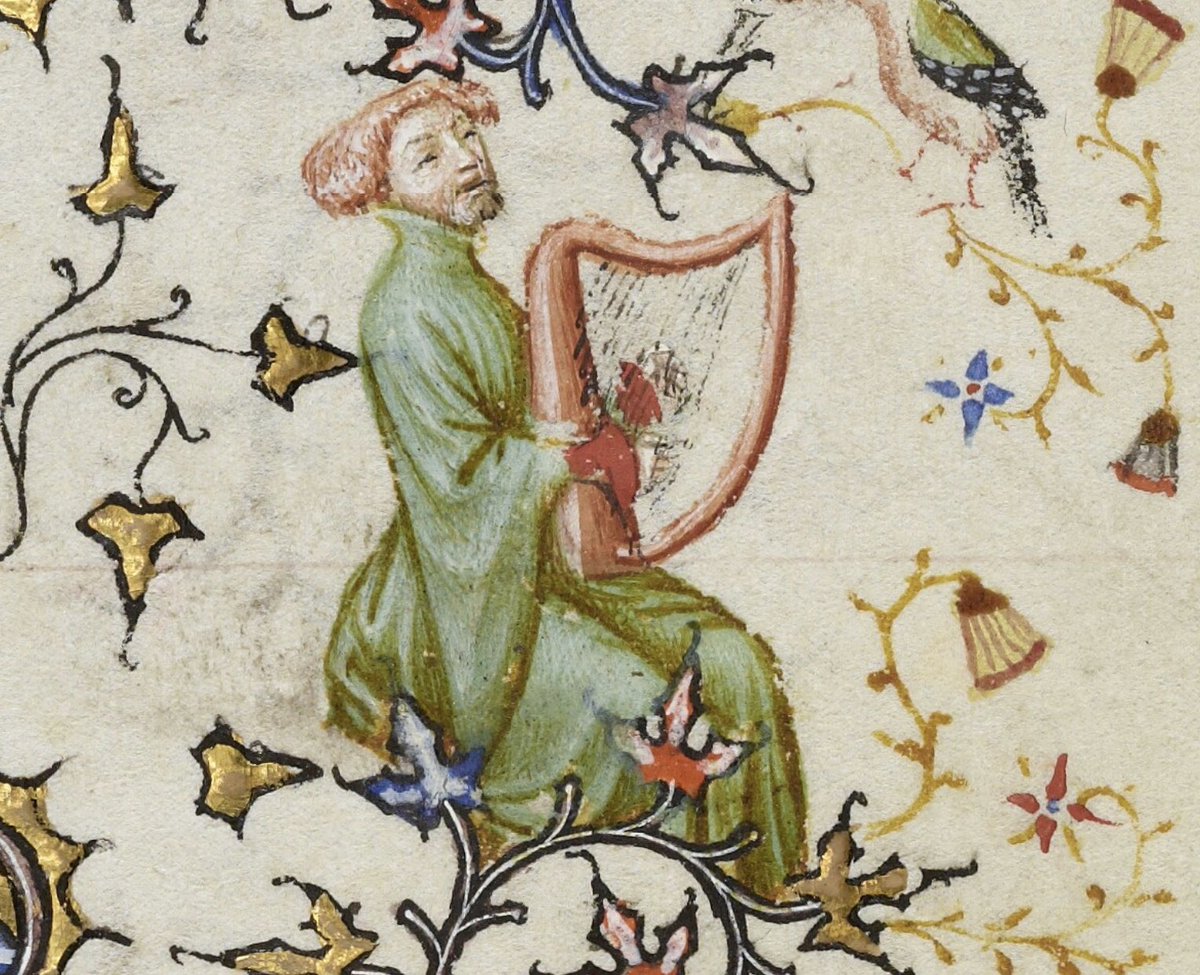
I will never do it but I love this.
monic@capuccino_icee
Such a simple way to make a page feel a bit more special ❤
English
TorontoMoira retweetledi

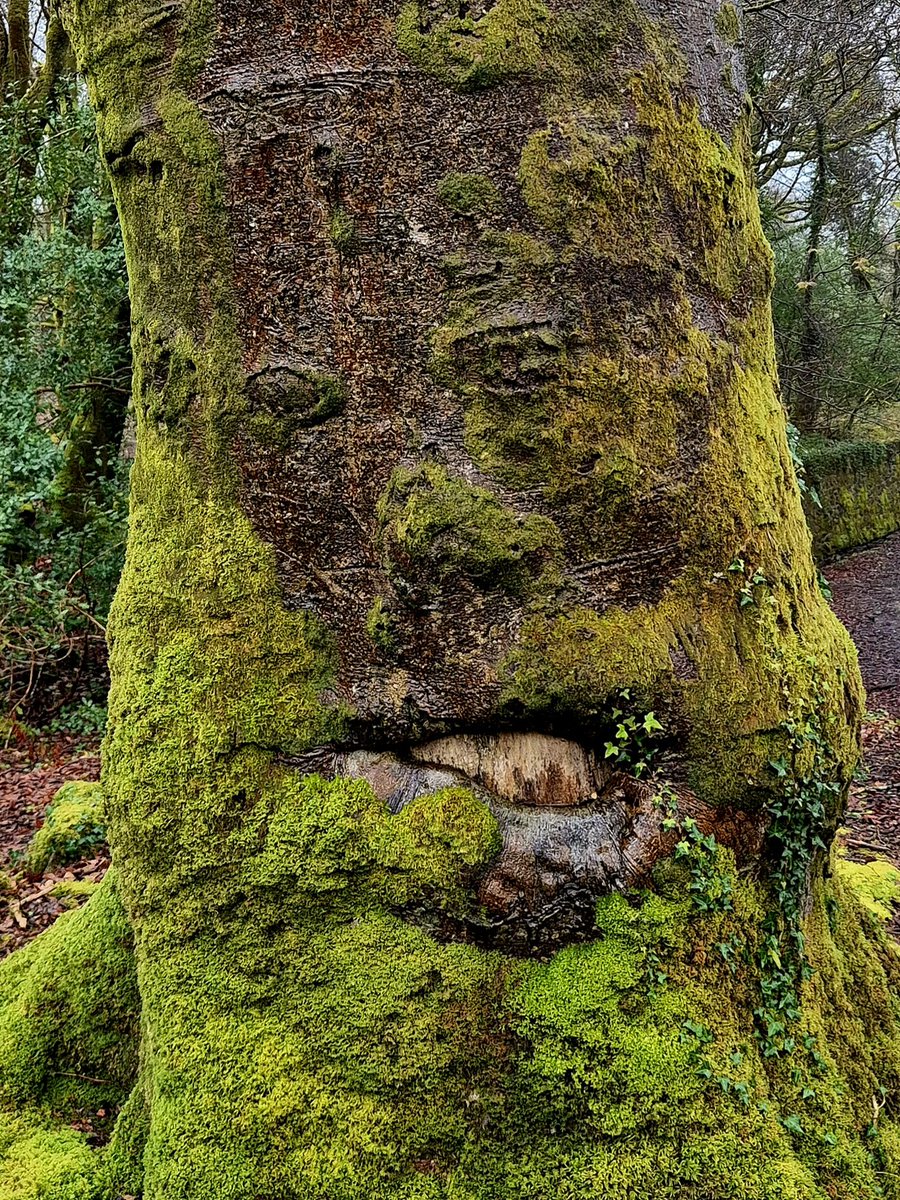
Spotted this "Old Man of the Forest" in Bearna woods yesterday. Looks like he's drooling Ivy 🤤
County Galway, Ireland.
Cormacscoast.com walking tours

English
TorontoMoira retweetledi

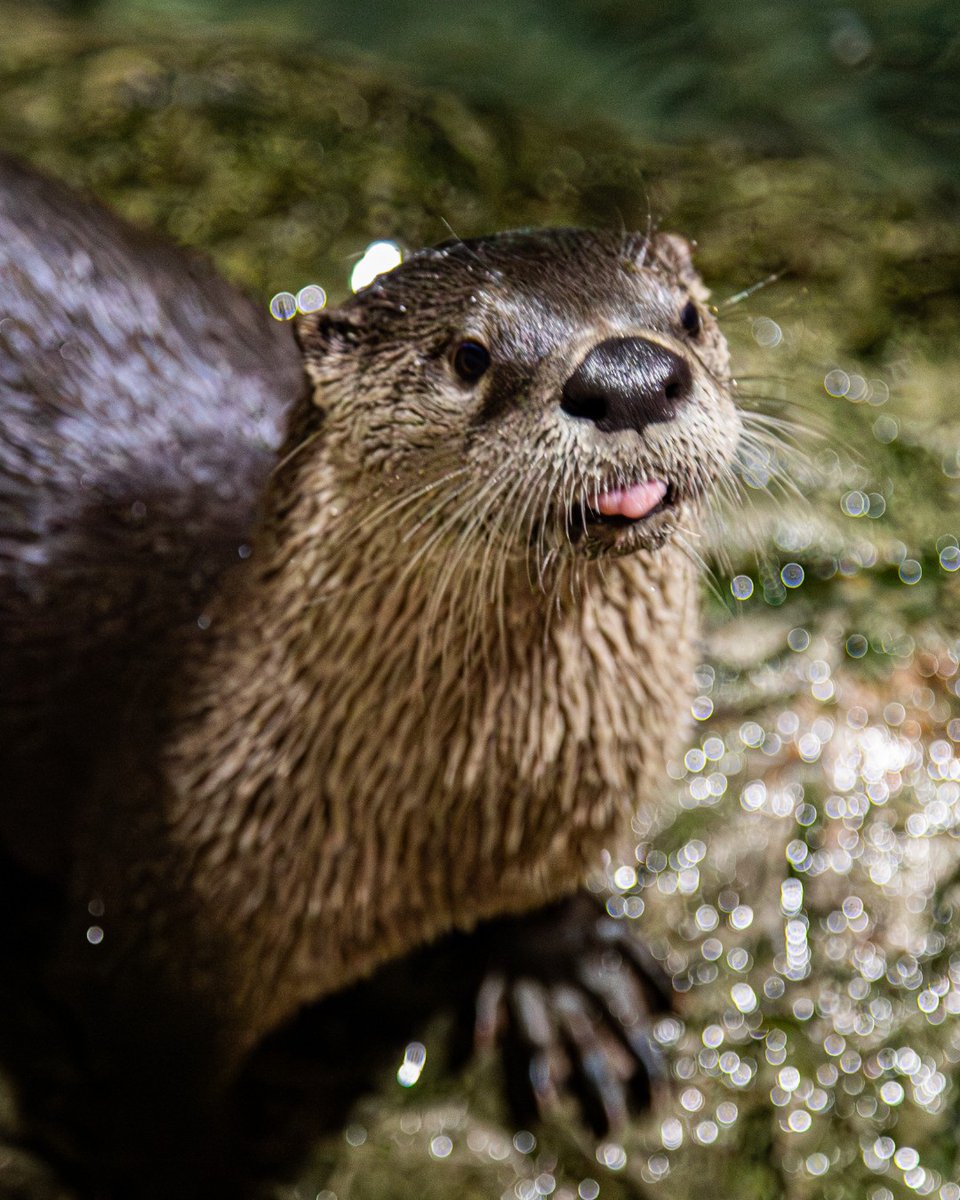
This past Saturday, North American river otter, Maybelle, delivered not one…not two…but THREE otter pups!
This is amazing news especially since these are the first river otters born at your Toronto Zoo in over 40 years! 🦦
Read more here ⬇️
bit.ly/4c8bb3R


English
TorontoMoira retweetledi

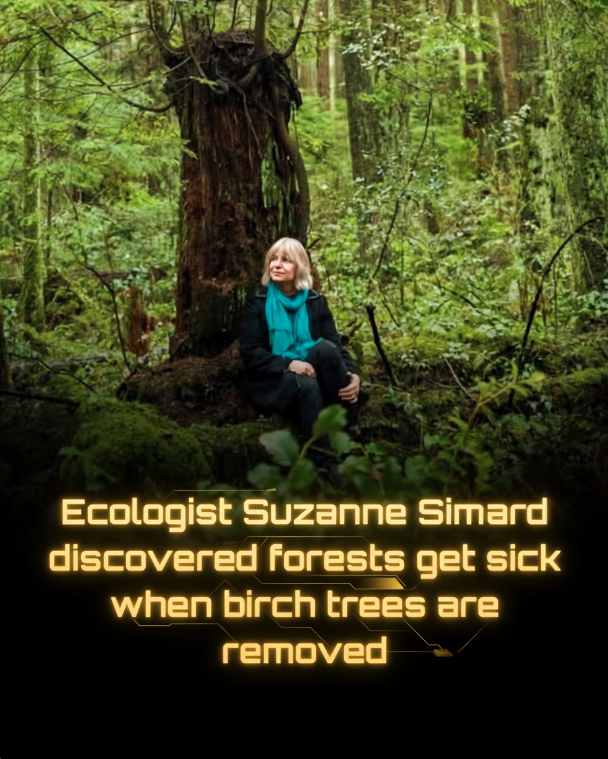
In the 1990s, Canadian ecologist Suzanne Simard made a groundbreaking discovery that challenged everything we thought we knew about how forests work. While studying managed forests in British Columbia, she noticed something puzzling: when birch trees were removed to promote the growth of valuable Douglas firs, the firs did not flourish as expected — they actually struggled and grew more slowly.
Determined to understand why, Simard traced the movement of nutrients using radioactive carbon isotopes. What she found was astonishing. Trees were actively sharing resources through vast underground fungal networks known as mycorrhizae. These delicate, thread-like fungi connect the roots of different trees across the forest floor, forming a complex web that allows the exchange of carbon, water, nutrients, and even chemical signals — sometimes between entirely different species.
She discovered that older, larger trees often serve as central "hubs" or "mother trees," supporting younger saplings by redistributing vital resources and helping the entire ecosystem remain resilient. When these key trees are removed, the underground network weakens, and the health of the remaining forest declines.
Simard’s research overturned the traditional Darwinian view of forests as battlegrounds of ruthless competition. Instead, she revealed a far more sophisticated reality: forests operate as highly cooperative systems where trees communicate, support one another, and even warn neighboring trees about threats like drought, disease, or insect attacks.
What appears to the human eye as a silent, still forest is, in truth, a vibrant, interconnected living network — built not on isolation and rivalry, but on deep connection and mutual aid.

English
TorontoMoira retweetledi

I guess this means we need to close it and build a new one by the lake.
Save OSC 🇨🇦@SaveOSC
The brand new Don Valley Station’s roof is leaking, on Eglinton Line 5. #ontario #toronto #onpoli #topoli
English
TorontoMoira retweetledi

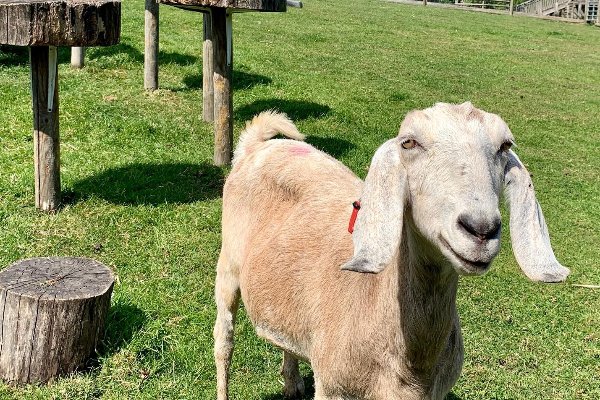
Keith the Apocalypse Bringer is a three-year-old Anglo-Nubian goat in a field in Devon.
Keith should not be underestimated.
Keith has been systematically dismantling the ecosystem since approximately 7am, when he ate a bramble. This is significant because bramble is an invasive scrub species that outcompetes wildflowers, reduces biodiversity, and creates dense monoculture thicket that nothing else can use.
Keith ate it. Keith does this every day. Keith does not charge for this service.
8:15am - Keith ate a thistle. Thistles are also considered invasive scrub in managed pasture. Goldfinches eat thistle seeds, but Keith's grazing will ensure the pasture remains open enough for the ground-nesting birds that can't use dense scrub. Keith has not attended a conservation workshop. Keith arrived at this conclusion by being a goat.
9:00am - Keith dismantled a section of hedge. This was less helpful. Keith does not have a perfect record.
10:30am - Keith escaped the field. He was in the road for eleven minutes. He ate a neighbour's rose. This is not being counted in Keith's environmental impact assessment.
11:00am - Keith was returned to the field. Keith regarded the farmer with the specific expression of an animal that does not recognise the concept of property.
12:00pm - Keith ate more bramble. His digestive system: four stomachs, a rumen full of specialised microorganisms, the ability to extract nutrition from lignified plant matter that would defeat any other animal on this field, is converting scrub vegetation into milk with a fat content of approximately 4.5%. The milk will become cheese. The cheese will be sold at the farm shop. The farm shop is four miles away. The cheese food miles are: four.
3:00pm - Keith produced manure. The manure will grow the grass. The grass will grow the bramble. The bramble will be eaten by Keith.
This system has no inputs.
It has been running since goats were domesticated approximately ten thousand years ago.
Keith is not aware he is saving the planet.
Keith is thinking about whether the fence on the north side has a weak point.
It does. Keith found it at 4:45pm.
Keith got out again.

English