Nick Adams

119 posts

Nick Adams banner
Nick Adams

Nick Adams

@ERTtherapy

Emotional Response Therapy (ERT). A psychotherapy for the treatment of trauma and distress. Interested in biological sciences.

Katılım Mart 2024
295 Takip Edilen9 Takipçiler
Nick Adams retweetledi
Martin Picard
Martin Picard@MitoPsychoBio·
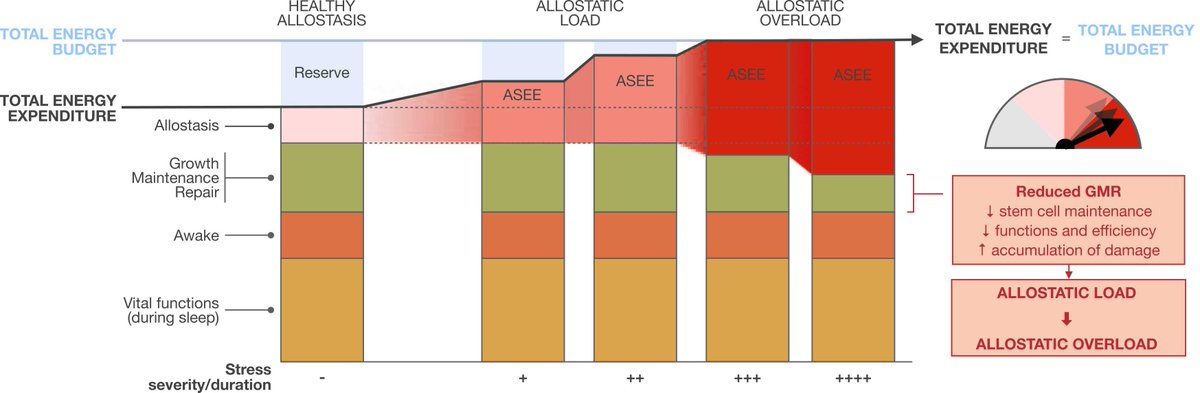
Chronic stress and serious mental illnesses age us quickly likely because of energy constraints. It costs energy to stress out: Faster heart rate, cortisol, neural activity, cellular stress response programs, sweating, etc. Nothing is free in biology. And negative states of mind activate costly stress response pathways that cost energy. Because we have a finite energy budget, that means that stress must steal energy from the things that sustain our health and keep us from aging too quickly. sciencedirect.com/science/articl…
Martin Picard tweet media
Neuropsychopharmacology@npp_journal

This review examines evidence that serious mental illnesses are associated with accelerated biological aging, highlighting the consequences of greater symptom severity, poorer treatment response, and increased medical comorbidity nature.com/articles/s4138…

English
14
108
608
59.2K
Nick Adams retweetledi
The Sapolsky
The Sapolsky@thesapolsky·
Exercise can improve memory and reverse cognitive decline — A recent study found that increases in a protein made by the liver during exercise called GPLD1 improved memory and reversed cognitive decline linked to aging and Alzheimer’s disease. Researchers noted that GPLD1 did not act directly on neurons, but instead it targeted the brain’s blood vessels, which play a key role in controlling what enters and leaves the brain. GPLD1 works by breaking down certain proteins that increase with age, and harm brain function and memory. DOI: 10.1016/j.cell.2026.01.024
English
0
1
1
51
Nick Adams retweetledi
Anish Moonka
Anish Moonka@anishmoonka·
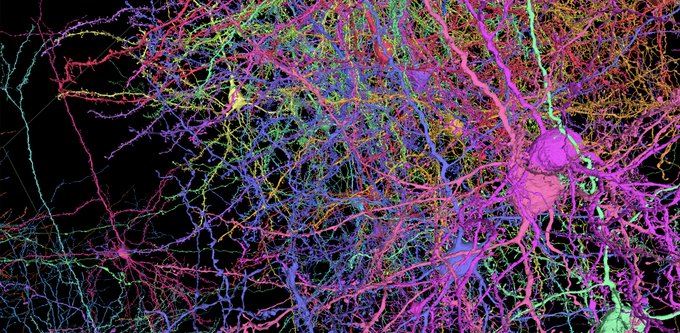
That one neuron connects to about 7,000 others. Your brain has 86 billion of them. Do the math and you get somewhere around 100 trillion connections inside your head. More connections than stars in 1,500 galaxies. And each connection point is way more complicated than anyone expected. A Stanford lab found that every single connection contains about 1,000 tiny switches that can store memories and process information at the same time. So your brain is running roughly 100 quadrillion switches right now, while you read this sentence. The wild part is the power bill. Your brain runs on 20 watts. That’s less energy than the light in your fridge. The world’s fastest supercomputer needs 20 million watts to do the same amount of raw calculation. A million times more power for the same output. We’re still nowhere close to understanding how any of this works. In October 2024, a team of hundreds of scientists finished mapping every single connection in a fruit fly’s brain. Took six years and heavy AI help. That fly brain had 140,000 neurons. Yours has 86 billion. Google and Harvard also mapped a piece of human brain last year, a speck smaller than a grain of rice. That speck alone contained 150 million connections and took 1,400 terabytes to store. The lead scientist said mapping a full human brain at that detail would produce as much data as the entire world generates in a year. A tiny worm had its 302 brain cells mapped back in 1986. Almost 40 years later, scientists still can’t fully explain how that worm’s brain keeps it alive. Your brain has 86 billion of those cells, each one wired to thousands of others, each wire packed with a thousand switches, all of it humming along on less power than a lightbulb.
Nicholas Fabiano, MD@NTFabiano

This is 1 of 86 billion neurons in your brain.

English
319
2.9K
12.5K
876.7K
Nick Adams retweetledi
Science Magazine
Science Magazine@ScienceMagazine·
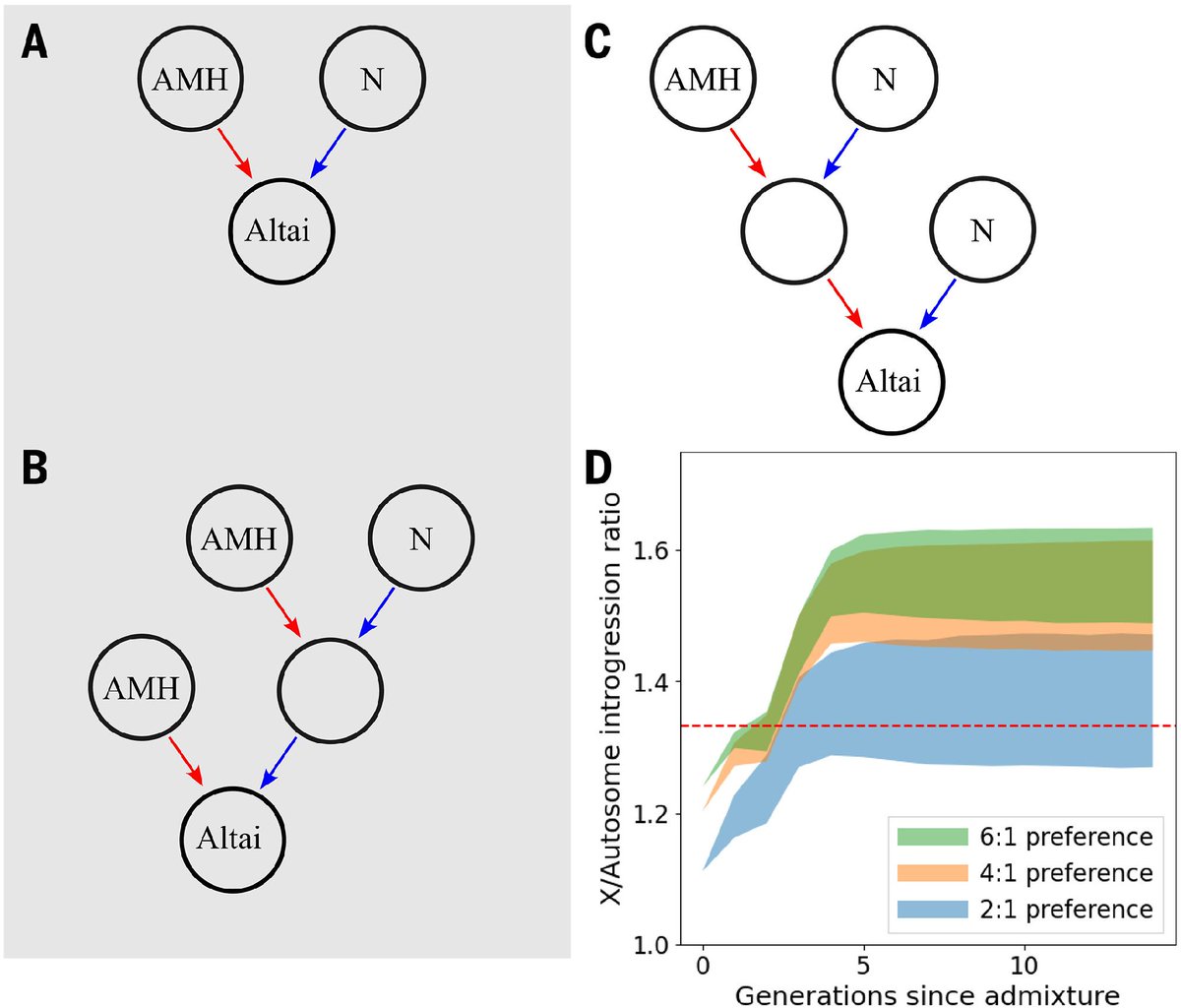
When Neanderthals and ancient modern humans interbred, the pairings were mostly between male Neanderthals and female humans, according to a new Science study. This finding helps explain why Neanderthal ancestry present in most humans is unevenly distributed. scim.ag/3OB9jIR
Science Magazine tweet media
English
14
34
157
21K
Nick Adams retweetledi
The Sapolsky
The Sapolsky@thesapolsky·
Chronic cognitive and emotional problems after brain infections may be caused by lasting changes to brain genes — Infections and autoimmune diseases of the brain can cause the immune system to attack neurons. Even after the infection is cleared, many patients continue to have long-term problems with memory, thinking, or mood. A recent study found that immune signals can reprogram neurons through epigenetic changes, leading to persistent synaptic dysfunction, and ultimately affecting communication between neurons. DOI: 10.1016/j.neuron.2025.11.006
English
0
1
1
51
Nick Adams
Nick Adams@ERTtherapy·
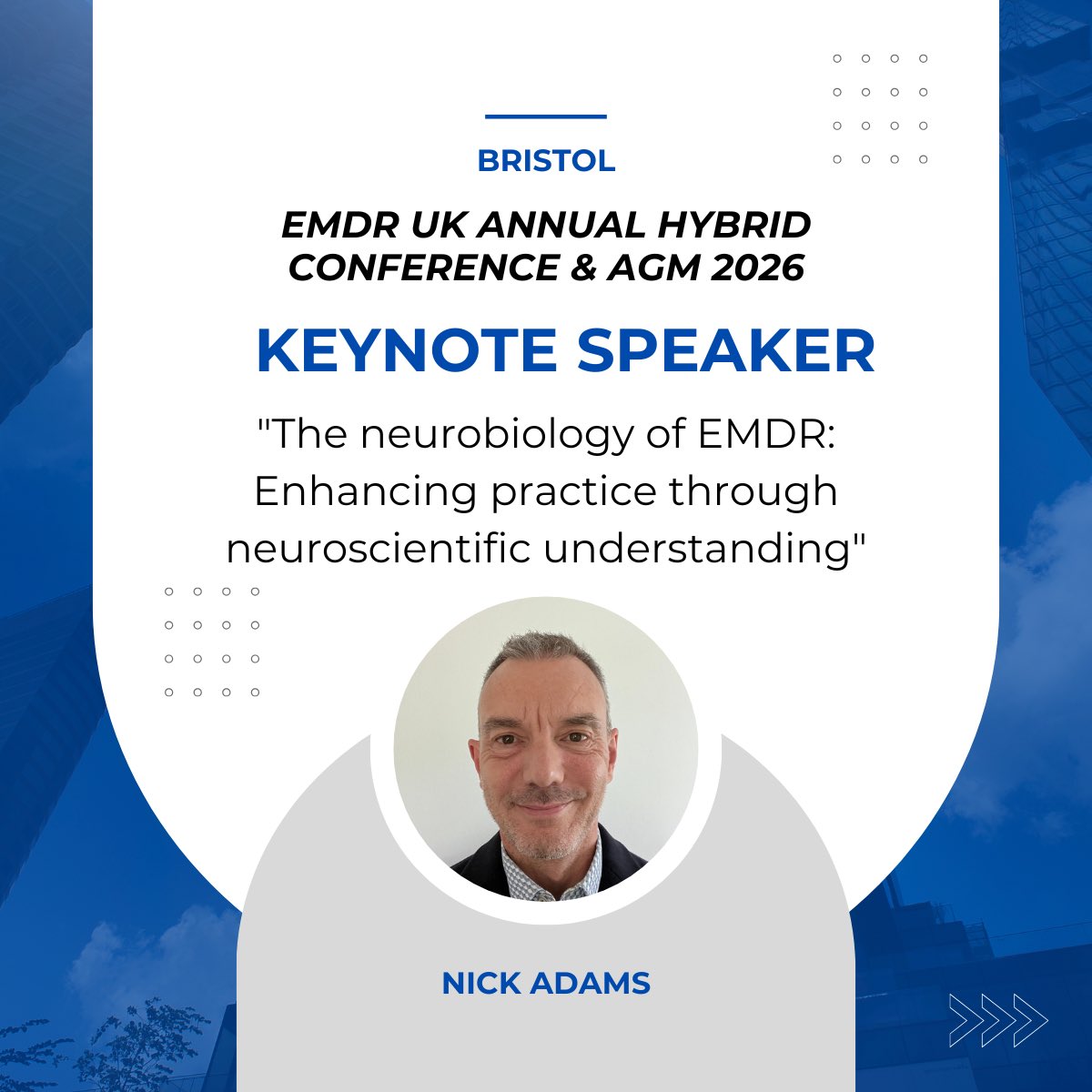
Looking forward to speaking at the EMDR conference in a few weeks time.
Nick Adams tweet media
English
1
0
1
22
Nick Adams retweetledi
Quanta Magazine
Quanta Magazine@QuantaMagazine·
As we age, the delicate equilibrium of our billions of neurons can teeter — sometimes with serious cognitive consequences. But new research into neuronal regulators is helping us better understand how to re-level things once the scale has been tipped. quantamagazine.org/how-the-brain-…
Quanta Magazine tweet media
English
2
37
176
10.3K
Nick Adams
Nick Adams@ERTtherapy·
Fascinating research
Shining Science@ShiningScience

🚨 New research reveals that birdwatching can literally rewire the human brain. For years, enthusiasts have touted the peaceful nature of birdwatching, but new neuroscientific evidence suggests the hobby offers far more than just relaxation. Researchers have discovered that expert birders possess significant structural differences in their brains compared to novices. These specialized neural pathways allow them to identify even unfamiliar species with remarkable speed and accuracy. Much like the cognitive shifts seen in polyglots or professional pianists, the act of birding appears to fine-tune the brain's visual and auditory processing centers, turning a casual interest into a powerful exercise in neuroplasticity. This discovery highlights the brain's incredible ability to adapt and specialize based on our environment and interests. By consistently distinguishing subtle variations in plumage, song, and flight patterns, birdwatchers effectively rewire their minds to perceive details that others might miss. The study suggests that such expertise is not an innate talent but rather a result of prolonged practice that reshapes the cortex. Whether you are a seasoned field guide or a backyard enthusiast, this research reinforces the idea that engaging deeply with the natural world is not just a pastime—it is a cognitive investment that sharpens the mind for a lifetime. source: University of Zurich. Birdwatching reshapes the brain in a similar way to learning a language or instrument. ScienceDaily.

English
0
0
0
11
Nick Adams retweetledi
The Sapolsky
The Sapolsky@thesapolsky·
Aging related brain changes can improve emotional regulation — Many older adults report better control over their emotions, even though some cognitive abilities decline with age. This pattern may seem surprising, but several neurobiological mechanisms help explain it. Emotional regulation depends heavily on interactions between the prefrontal cortex (PFC) and the amygdala. In many older adults, although overall brain volume declines, functional connectivity between the PFC and amygdala during emotion regulation tasks can remain stable or even become more efficient. The PFC exerts top-down inhibitory control over the amygdala, which can result in dampened amygdala reactivity to negative stimuli. DOI: 10.1038/s41386-026-02321-5
English
0
1
1
62
Nick Adams retweetledi
Science News
Science News@SciencNews·
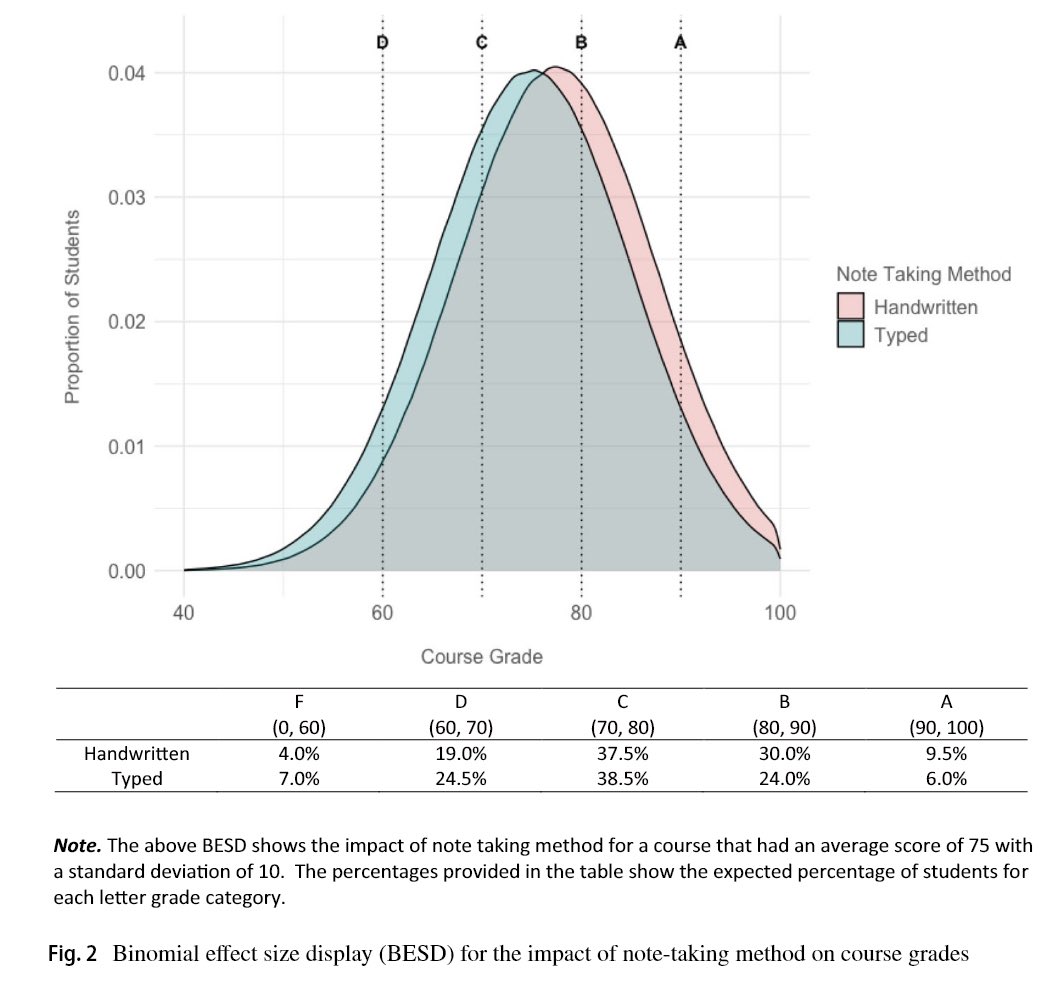
Handwritten notes are more useful for studying and committing to memory than typed notes, ultimately contributing to higher achievement for college students. link.springer.com/article/10.100…
Science News tweet media
English
19
438
1.4K
117.5K
Nick Adams retweetledi
William A. Wallace, Ph.D.
William A. Wallace, Ph.D.@WilliamWallace·
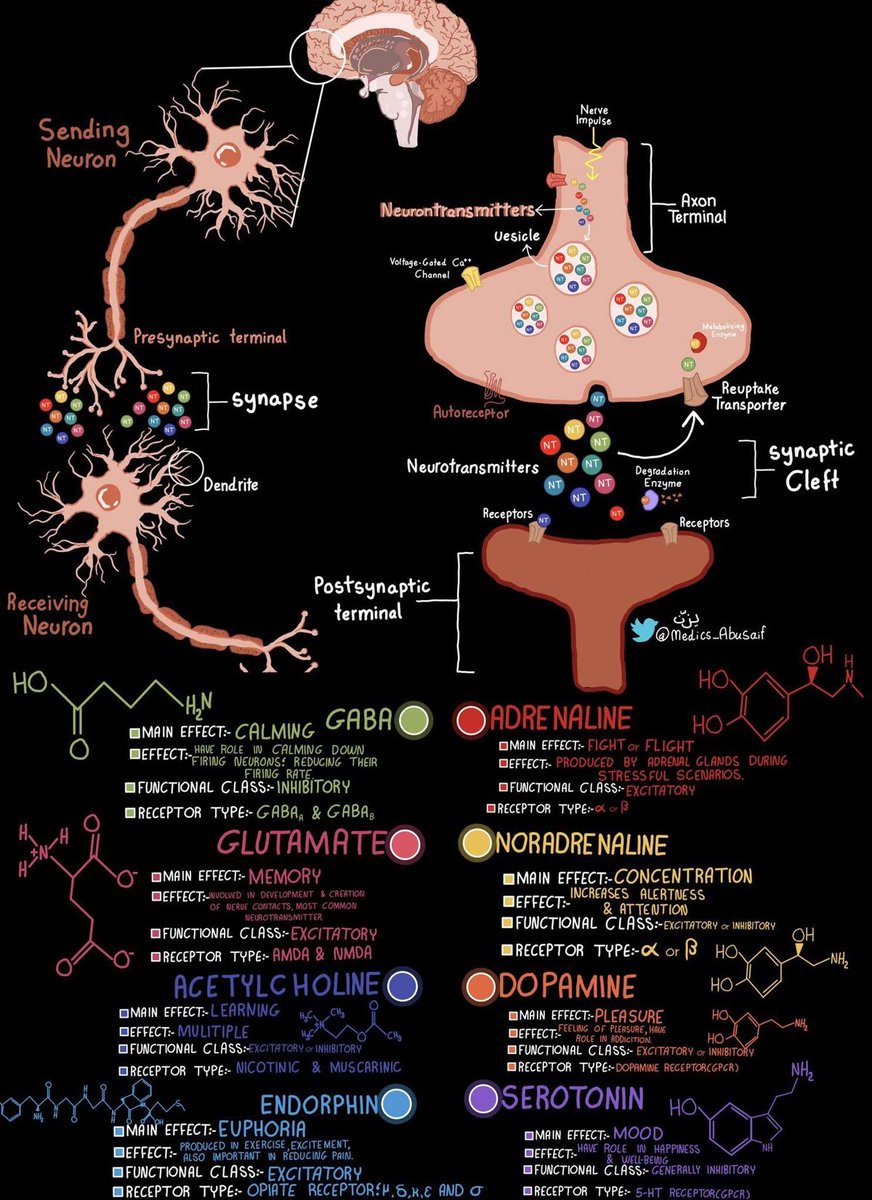
This is how neurons talk. And once you understand this, a lot of human behavior suddenly makes more sense. GABA Your brain’s main calming signal. Helps keep neurons from firing out of control. The reason relaxation is even possible. Glutamate The primary excitatory signal. Essential for learning, memory, and plasticity. Too little and you can’t think; too much becomes toxic. Acetylcholine Attention, learning, and muscle activation. This is the neurotransmitter that connects your brain to every voluntary movement your body makes. Dopamine Motivation, drive, reinforcement. It’s less about “pleasure” and more about assigning value to actions and outcomes. Serotonin Mood stability, appetite, sleep, emotional regulation. It’s involved in far more than most people realize. Noradrenaline Focus and alertness. Helps your brain tune out noise and lock onto what matters. Adrenaline The full-body alarm system—heart rate up, energy mobilized, senses sharpened. Classic fight-or-flight chemistry. Endorphins Your own built-in painkillers. Euphoria, relief, the “runner’s high.” All of these are being released, absorbed, broken down, or recycled in fractions of a second—constantly. When the balance shifts (because of sleep, stress, diet, trauma, exercise, or even a single thought), your internal experience shifts with it. Understanding this tiny space between neurons is as close as you can get to understanding why you feel the way you feel.
William A. Wallace, Ph.D. tweet media
English
40
663
2.6K
222.7K
Nick Adams retweetledi
Martin Picard
Martin Picard@MitoPsychoBio·
Biology exploring its environment. How much energy does it cost to be curious?
English
30
101
681
21K
Nick Adams retweetledi
William A. Wallace, Ph.D.
William A. Wallace, Ph.D.@WilliamWallace·
🔋 Mitochondria run their core power system using bacterial-style DNA. 🧬 But they need your nuclear DNA for support, repair, and growth. Think of it like a battery with its own mini-engine — it sparks on its own, but the car (your cell) builds and maintains it. Bottom line: Mitochondria are semi-independent — powered by ancient bacterial genes, guided by your human ones.
English
26
286
1.2K
109.7K
Nick Adams retweetledi
The Nobel Prize
The Nobel Prize@NobelPrize·
Physics laureate Saul Perlmutter speaks about truth and the importance of keeping an open mind. #NobelPrize
English
20
83
324
22.4K
Nick Adams retweetledi
allen institute
allen institute@AllenInstitute·
Glia derives from the greek word for glue, but they are so much than that. In this video by our #ElectronMicroscopy team, shows a pyramidal neuron (PyC) surrounded by 8 glia brain cells – 5 microglia (MG) and 3 oligodendrocyte progenitor cells (OPC). 🔗 microns-explorer.org
English
3
63
239
10.2K
Nick Adams retweetledi
New Scientist
New Scientist@newscientist·
Record-breaking ocean temperatures have caused widespread bleaching and death among warm-water corals, which could have far-reaching consequences #Echobox=1760525319" target="_blank" rel="nofollow noopener">newscientist.com/article/249958…
English
1
4
10
8.7K