Sabitlenmiş Tweet
Early Scotland
14.6K posts
Early Scotland
@EarlyScotland
Early Scottish history & archaeology. Picts, Romans, Vikings, carved stones & Pictish symbols. See my books at https://t.co/FPBdQyoZgY

UK Katılım Temmuz 2011
5.2K Takip Edilen8.6K Takipçiler
Early Scotland retweetledi

Another week another ARO! - ARO66 the investigation of two hut circles at Aultcraggie, Brora, Sutherland - reveals a glimpse into Bronze Age settlement patterns in Sutherland #archaeology #sutherland archaeologyreportsonline.com/reports/2026/A…

English
Early Scotland retweetledi

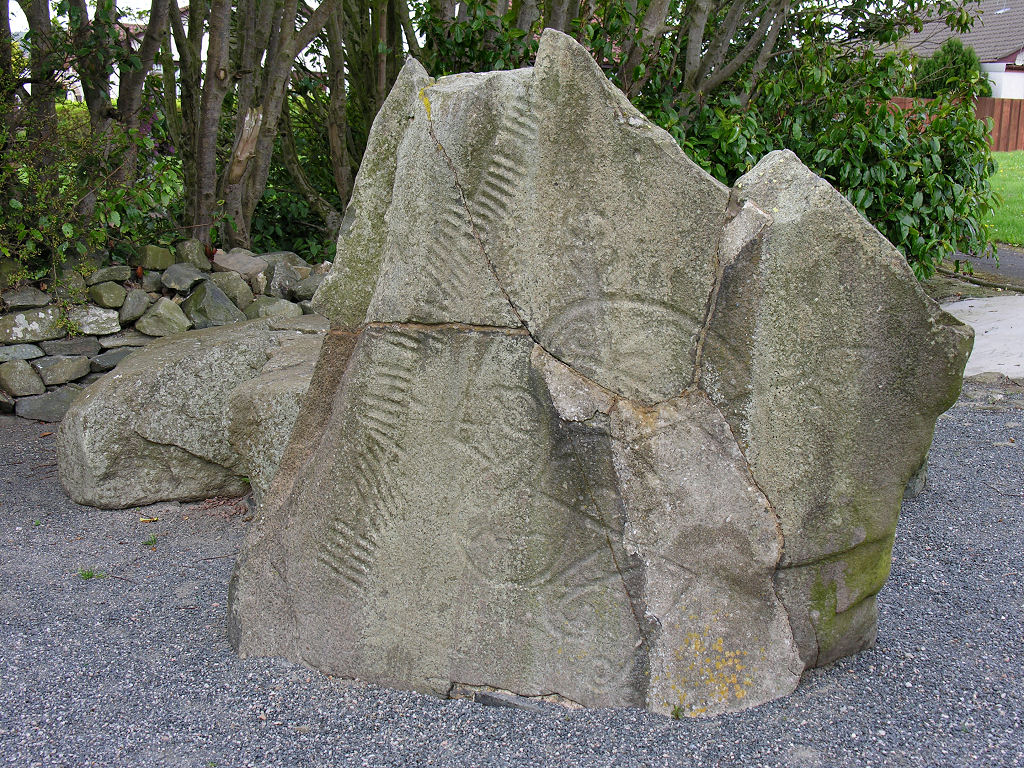
The Brandsbutt symbol stone in Inverurie, Aberdeenshire, which comes complete with Pictish symbols and an inscription in Ogham, a script sometimes referred to as the "Celtic Tree Alphabet". More pics and info: undiscoveredscotland.co.uk/inverurie/bran…

English
Early Scotland retweetledi

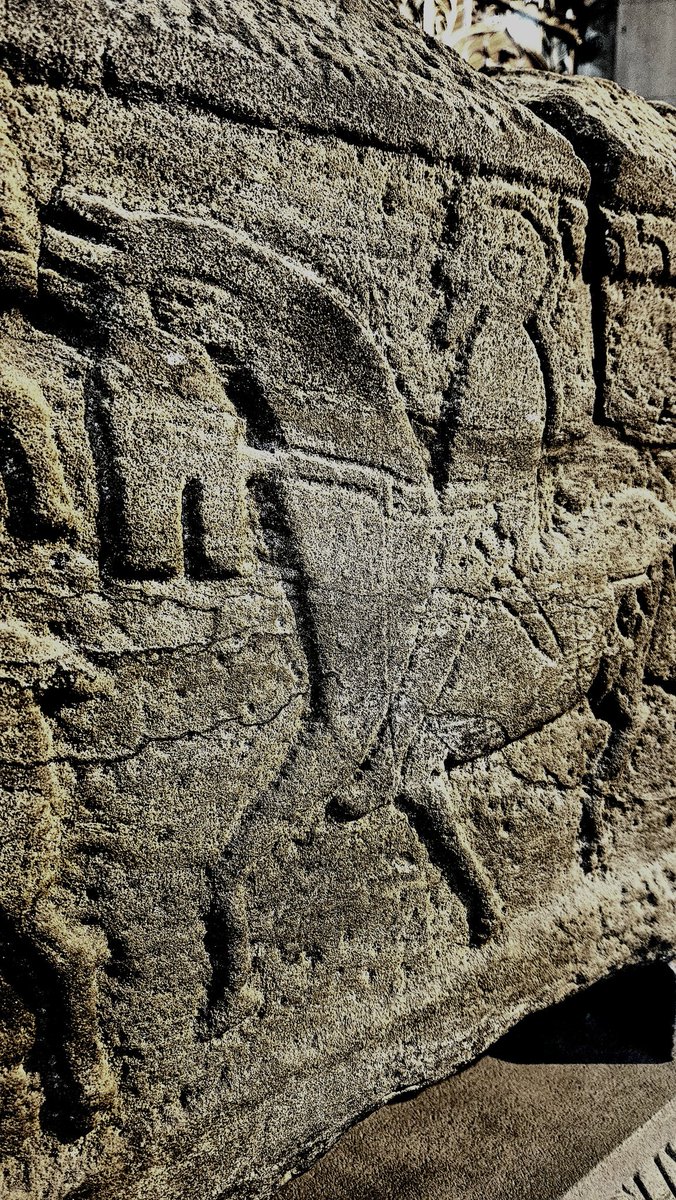
The @GovanStones Sarcophagus. We believe it's from the late C9th and was for St Constantine, a Pictish king killed by Vikings in 877. His sister's marriage into the royal family of the Strathclyde Britons is the most likely reason for his probable martyrium being in Govan.
My 📷

English
Early Scotland retweetledi

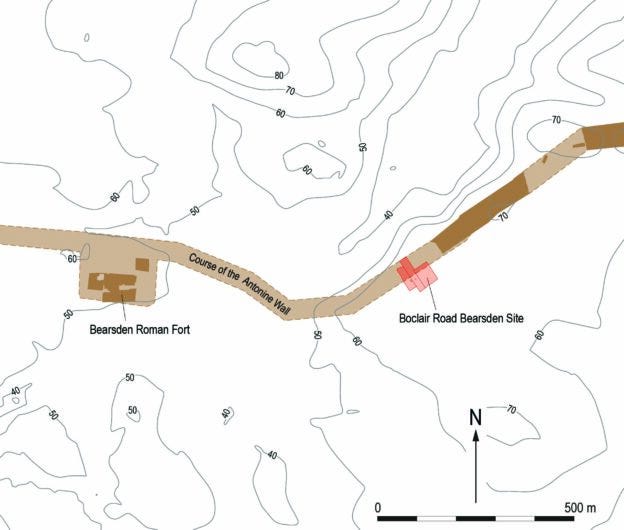
A fortlet belonging to the Antonine Wall, a Roman frontier system between the Firths of Clyde and Forth, has been found beneath residential gardens in Bearsden, Greater Glasgow.
📰 Read about it in the latest AWLOH! open.substack.com/pub/historyhit…


English
Early Scotland retweetledi

Lulach mac Gilla Comgáin, king of Alba and stepson of Macbeth, was slain by successor Máel Coluim (III) mac Donnchada at Essie in Strathbogie, Aberdeenshire, #OTD in 1058.

Română
Early Scotland retweetledi

Early Scotland retweetledi

The latest ARO (65) reveals how a hitherto unknown Antonine Wall Roman fortlet was discovered beneath the back gardens of Bearsden. #archaeology archaeologyreportsonline.com

English
Early Scotland retweetledi

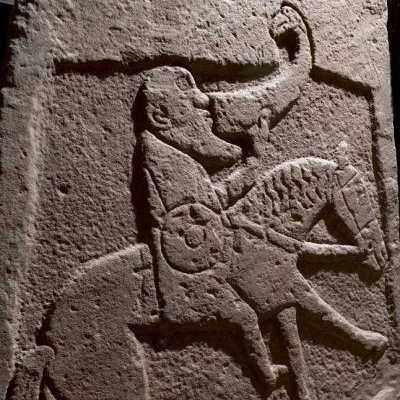
The discovery of an unusual Pictish stone was reported by The Courier #OTD in 1934. A mechanical excavator struck it during work near Bullion Farm, Invergowrie. The 10thC Bullion Stone is a whimsical portrait of a mounted warrior drinking from a horn. 📸National Museums Scotland

English
Early Scotland retweetledi

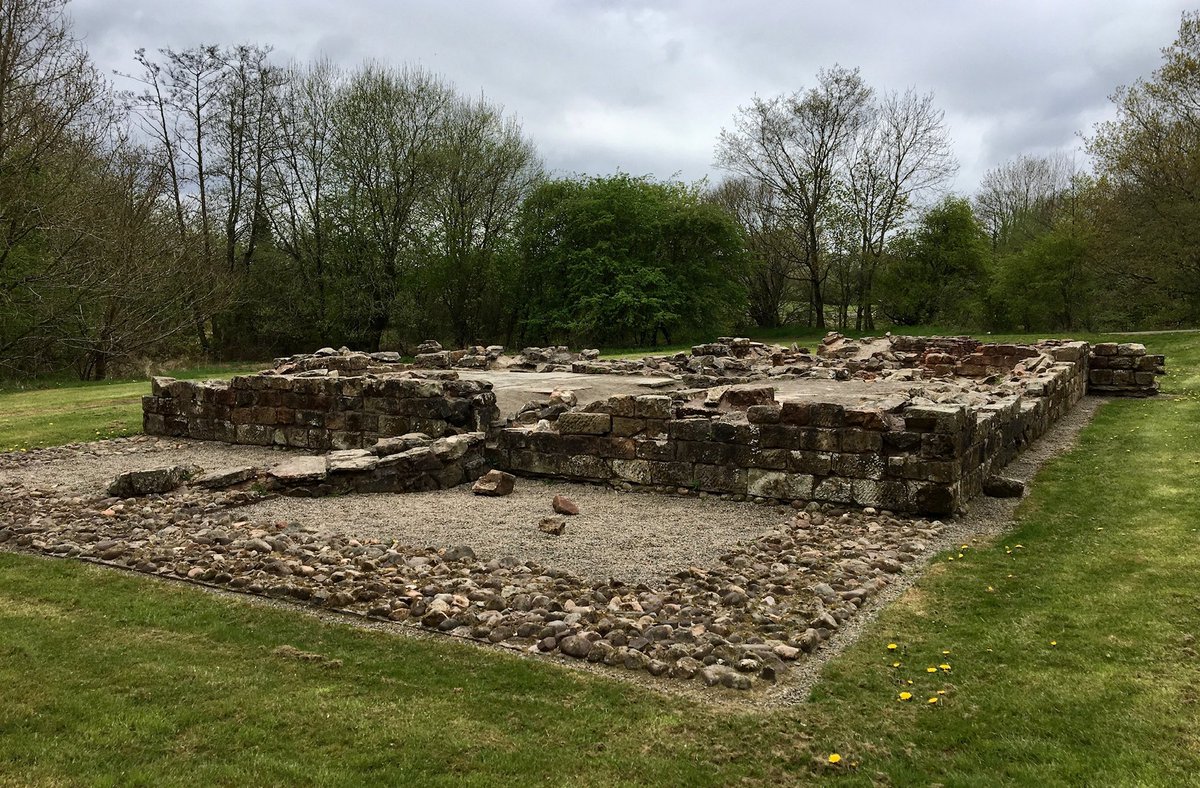
The remains of Bothwellhaugh Roman Bathhouse at Strathclyde Country Park in North Lanarkshire. The bathhouse served the nearby Roman fort and was in use from around 142 to 162 AD when the northern frontier was based on the Antonine Wall. 📸 My own. #RomanFortThursday

English
Early Scotland retweetledi

Myself and Dr Elisabeth Niklasson from our department will be talking at this conference at Perth Museum on Saturday - book your tickets now!
culturepk.org.uk/event/the-ston…
English
Early Scotland retweetledi

Only object in the world that mentions the Picts.
Alison Fisk@AlisonFisk
Roman anti-cheating gaming accessory! This Roman ‘turricula’ (dice tower) was used to ensure a fair roll of the dice! 🎲🎲🎲 Dice dropped into the top, tumbled over sloping internal levels, and appeared randomly below. From Froitzheim, Germany, AD 300-400 📷 LVR-Landesmuseum Bonn #Archaeology
English
Early Scotland retweetledi

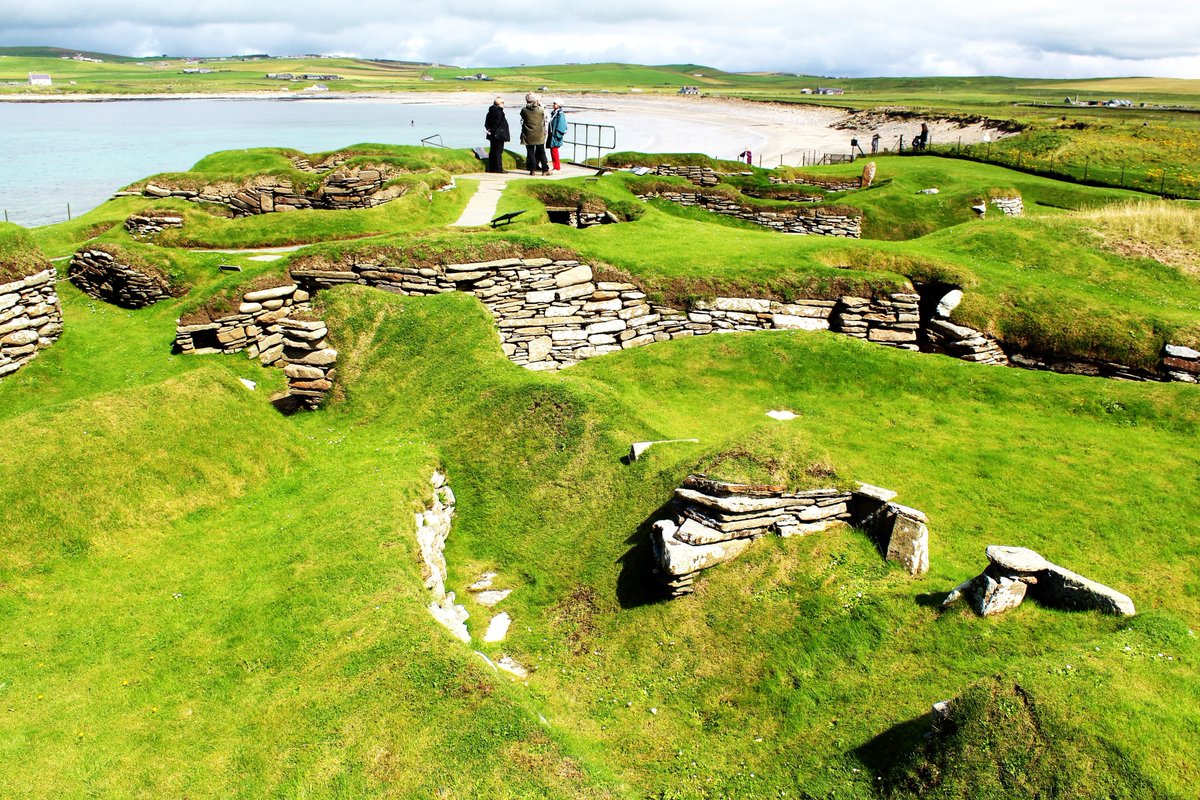
This evening, I am posting a refreshed blog page covering the northern #Scottish #archipelago of #Orkney which is famous for it's extensive #prehistoric archaeology:nigelsphotoblog.co.uk/2019/02/orkney…

English
Early Scotland retweetledi

The upgrade went through the Roman Marching camp Deers Den, built and used by General Agricola and also Emperor Septimius Severus. My excavations for Kintore of the same camp recovered more objects than any other in the Empire.
Scottish Roads Archive@ScotRoadArchive
The A96 dual carriageway upgrade between Aberdeen and Inverurie was completed in September 1998 with the opening of the Blackburn and Kintore Bypass! The main contractor on the project was Balfour Beatty. Who remembers the old road? #archives #scotland
English
Early Scotland retweetledi

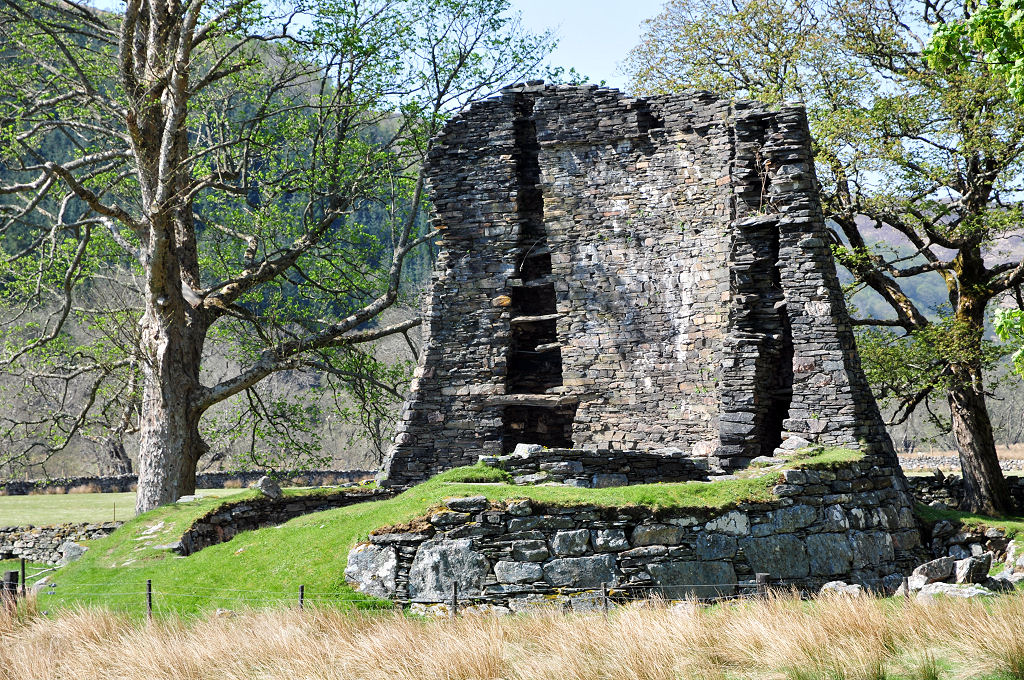
A view of Dun Telve Broch, south-east of Glenelg in Lochalsh. Over 18m in diameter and standing in part to over 10m in height, it is one of Scotland's best preserved brochs and one of a pair that are located within sight of one another. More pics and info: undiscoveredscotland.co.uk/glenelg/duntel…

English
Early Scotland retweetledi

An altar set up to the god Mars at Croy Hill fort on the Antonine Wall dating to the mid 2nd century AD now on display in Kelvin Hall, Glasgow #archaeology #Scotland #RIB2159

English