Solomon builds the temple, then falls because he marries hundreds of idolatrous wives.
Joshua and Zerubbabel rebuild the temple, but they stave off the Solomonic fall by putting away foreign wives.
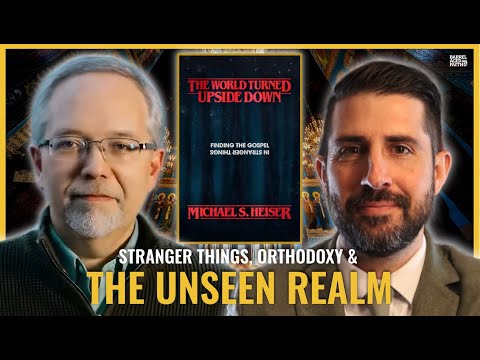
QUESTION: Which Christians have offered thoughtful, fair, biblical analysis of STRANGER THINGS? Thinking about doing a YouTube review and looking for a great guest to join me!
Nice surprise today — I didn’t know this was happening, but thanks to @abcnews for including The First Hymn project in its Christmas coverage.
Merry Christmas to all.
abc.net.au/news/2025-12-2…
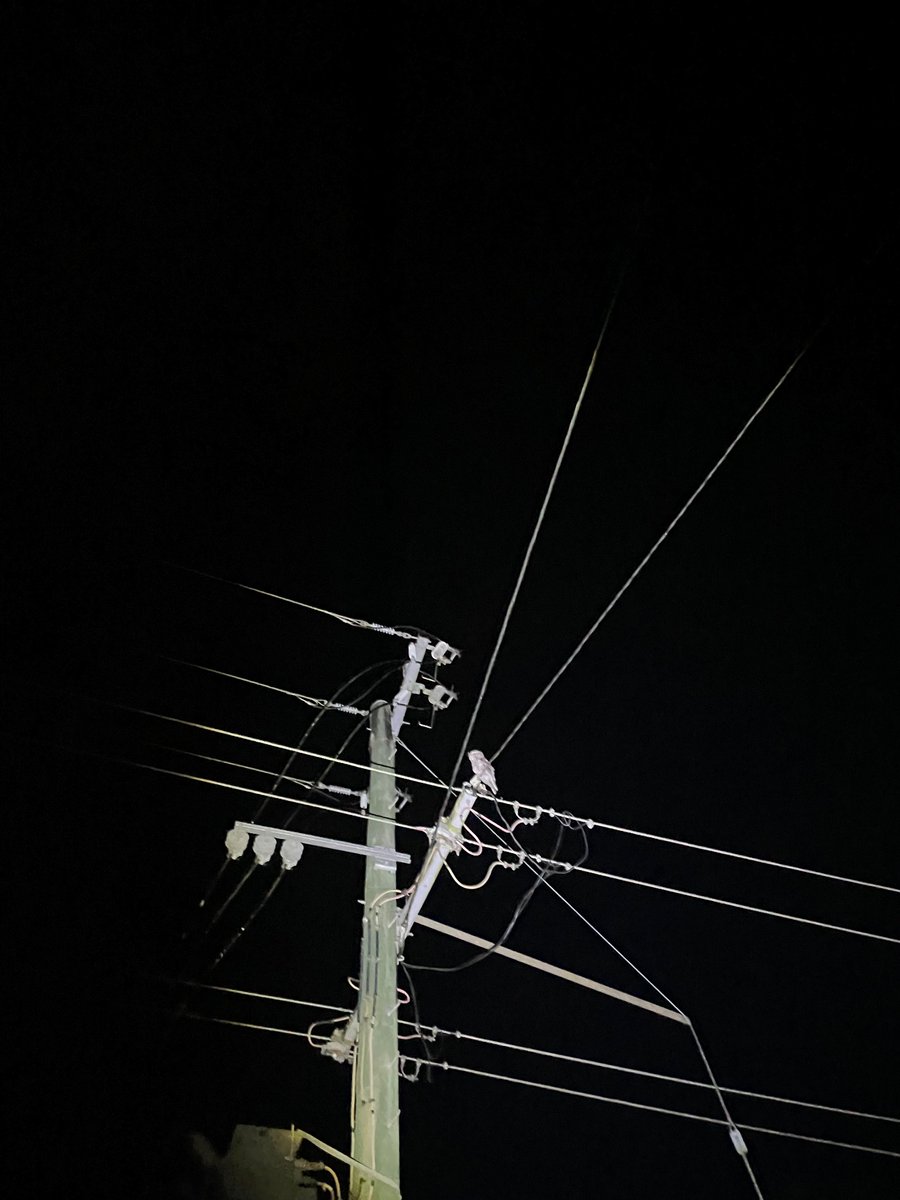
Spotted a trio of Tawny Frogmouths on my walk tonight. They were making these insane “whoosh” sounds (I guess to warn about me?)
Anyhow these two shots made me think of the #joji aesthetic.. hey @sushitrash, you’re welcome to snatch these. Perhaps “Last of a Dying Breed”?
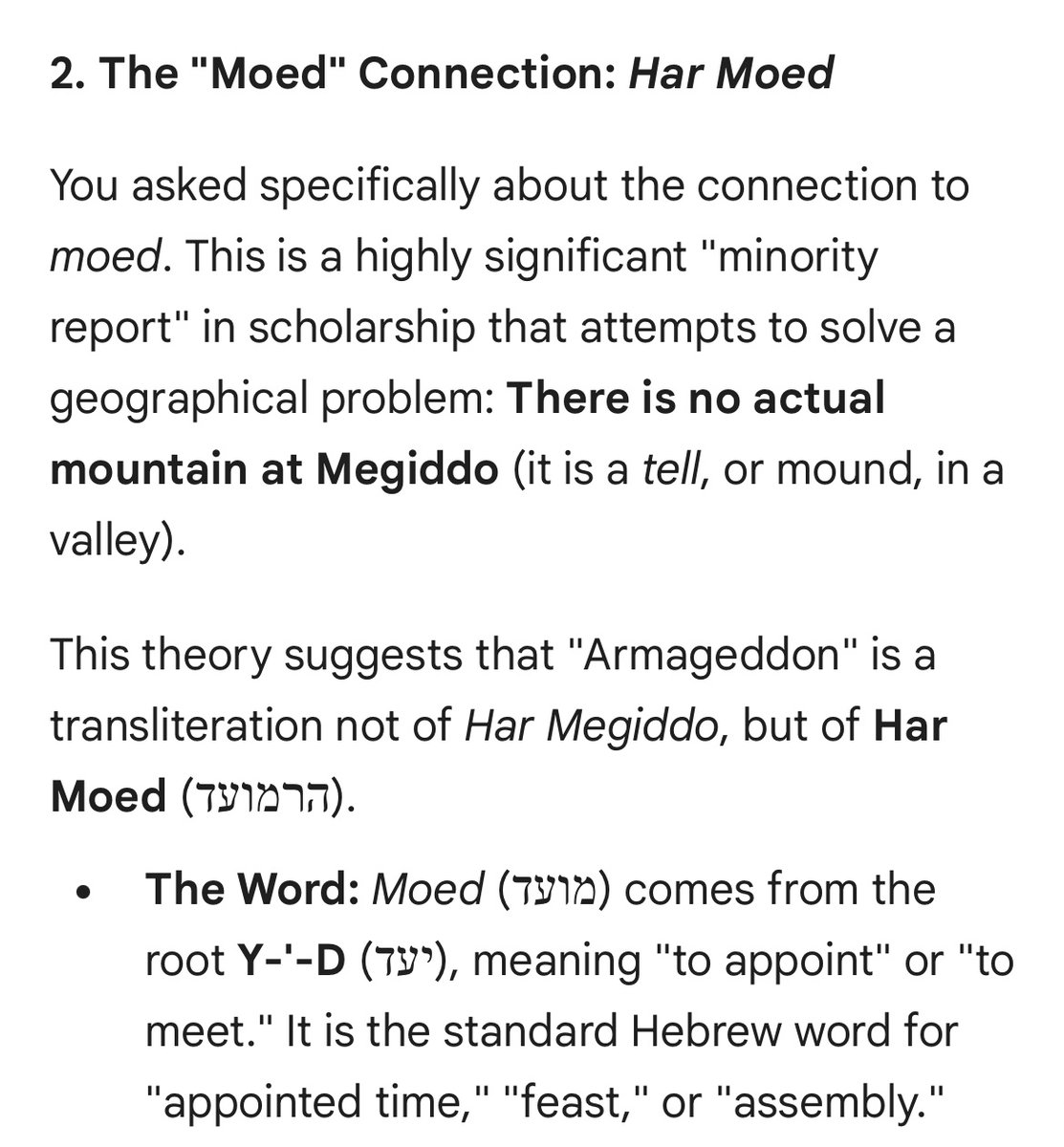
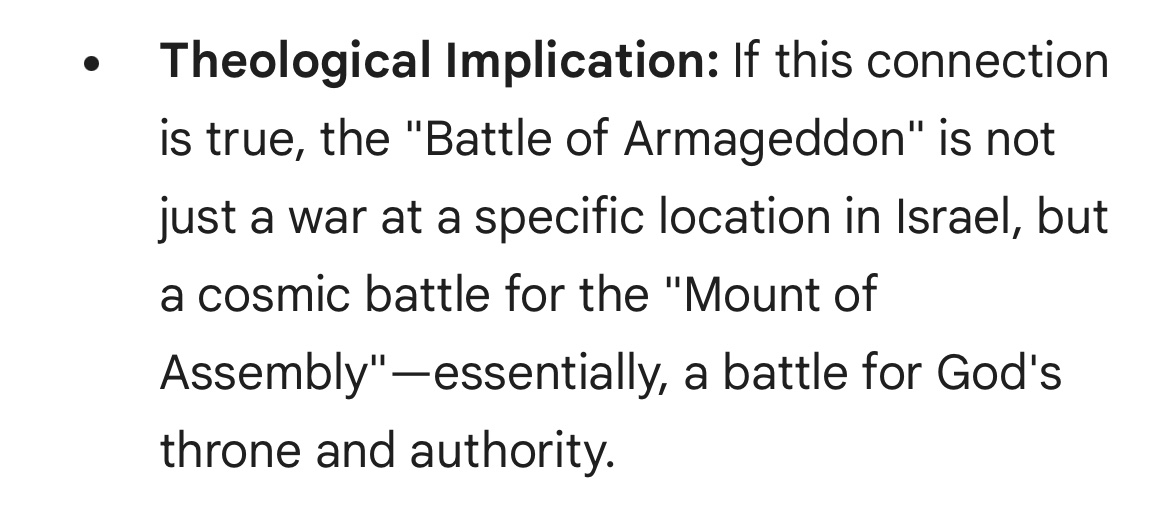
@PLeithart Lately I’ve been having an interesting back n forth with Gemini regarding the linguistic/theological connection between mo’ed and Armageddon..
The Heb word mo'ed initially refers to time: seasonal cycles, festival times. mo'edim are determined by lights in the firmament.
In Exod 27, it's used for the first time of a place: the 'ohel mo'ed, the tent of meeting.
That means the tabernacle is the place where Israel keeps festival times. Also means the tabernacle is an earthly heaven that marks time.
@PLeithart Interesting insight, thank you.
The number seven is related to oaths, repentance/turning back to God, and enthronement.
Double 7 is 14, which references King David via gematria. But since David was already mentioned, there is a possible connection with the word “beloved”.
Two women appears in Heb 11, Sarah and Rahab. Each is positioned to be a seventh:
*6 male names (Abel, Cain, Enoch, Noah, Abraham, Isaac, Jacob)
*Sarah
...
*Rahab
*6 male names (Gideon, Barak, Samson, Jephthah, David, Samuel)
Between them are six male names (Abraham, Isaac, Jacob, Esau, Joseph, Moses). Rahab is doubly a seventh: the seventh name in one part of the list, the first of seven at the end.
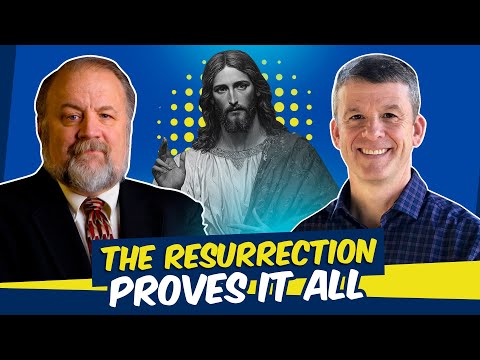
Nowing Jesus rose from the dead gives assurance that Christianity is true, even in the hardest circumstances.
Think about it: what truth would you most want to carry with you “in your back pocket,” ready to lean on when everything else shakes?
For me, it would be the resurrection.
Yes, of course, seeing Jesus appear in person would be the ultimate confirmation. But short of that, if I had to choose between evidence for the resurrection or evidence for any other miracle—whether the virgin birth or something else—the resurrection wins every time.
Because if Jesus rose, everything else falls into place.
📷 Watch my conversation with Dr. Gary Habermas on the Resurrection of Jesus.
Info: youtu.be/pKaNRH8Xyj4
.
.
.
#RisenJesus#Jesus#Christians#ReformedChristians#Catholics#Calvinists#Pentecostals#Charismatics
Anyone got recommendations for good (ie. reputable, theologically solid, well-written) resources which provide an overview of approaches/perspectives on the rapture (as background reading for my work on 1 Thess 4:13-18)? Bonus points if any of them come from or speak to a more global perspective.
Guys, please don’t make me regret posting this. I’m serious about only wanting quality resources that present an overview of the topic, not a passionate argument for one particular angle. Here’s an example of the kind of thing I’m after: thegospelcoalition.org/essay/the-rapt…
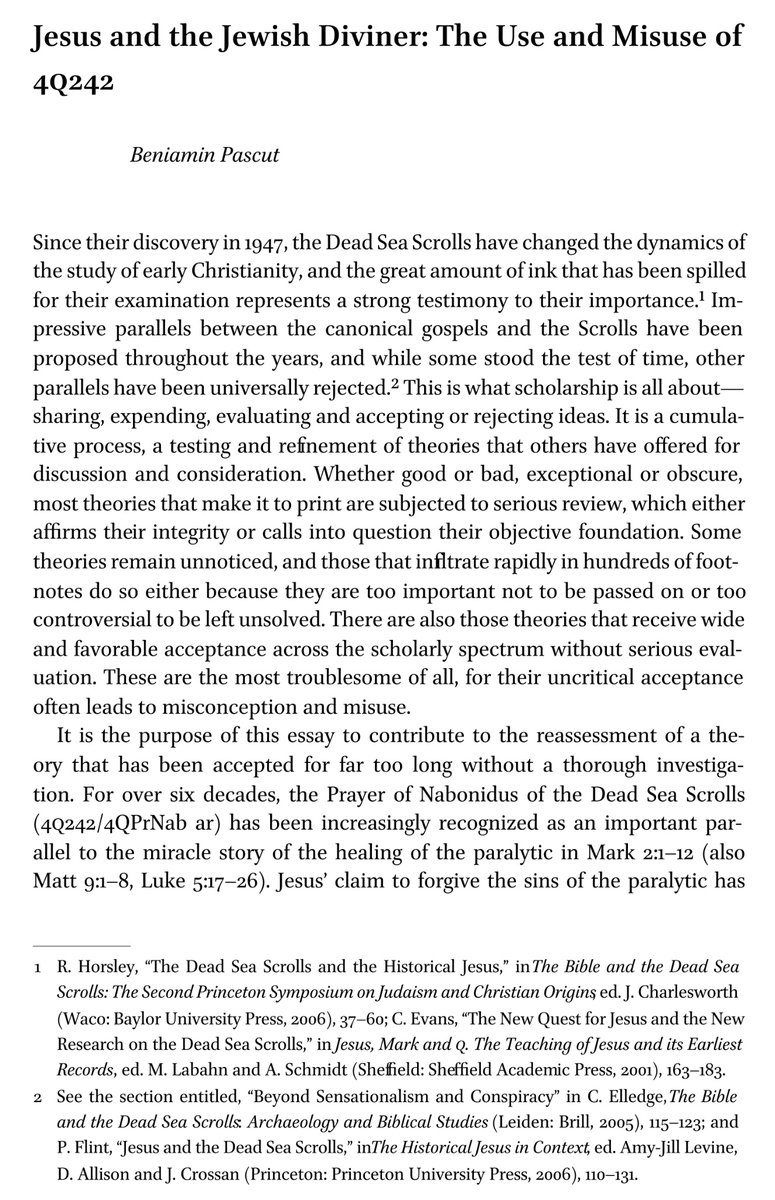
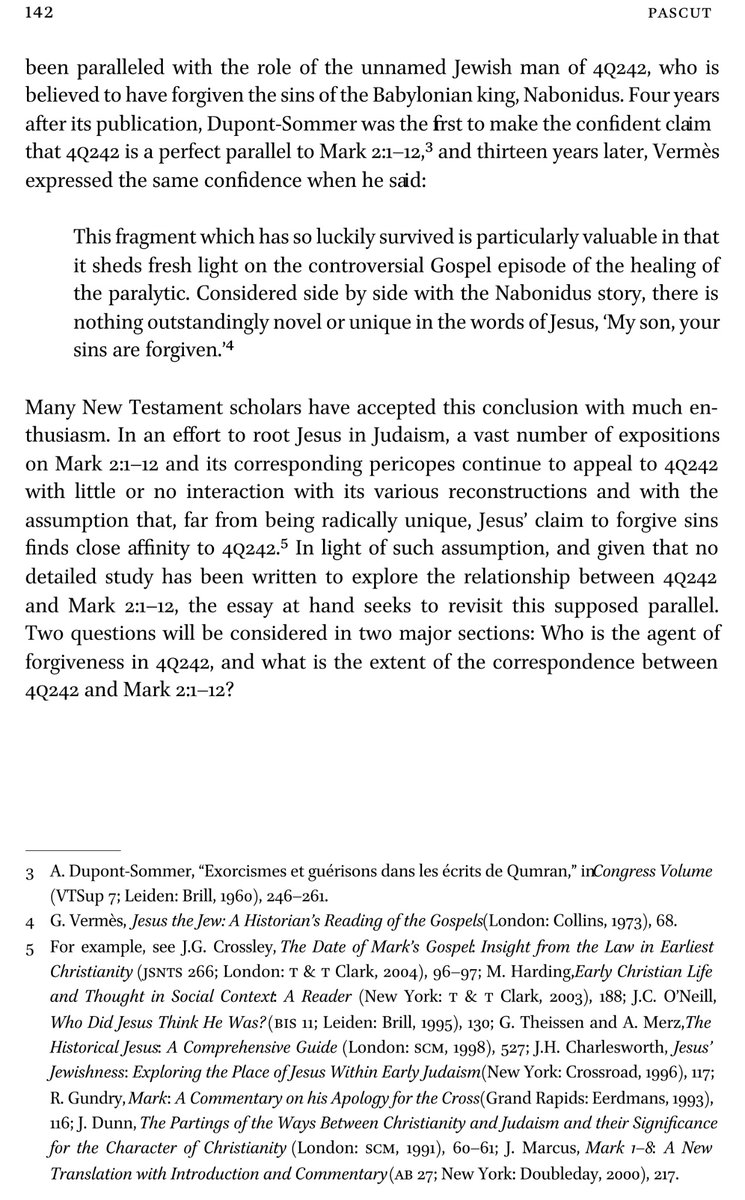
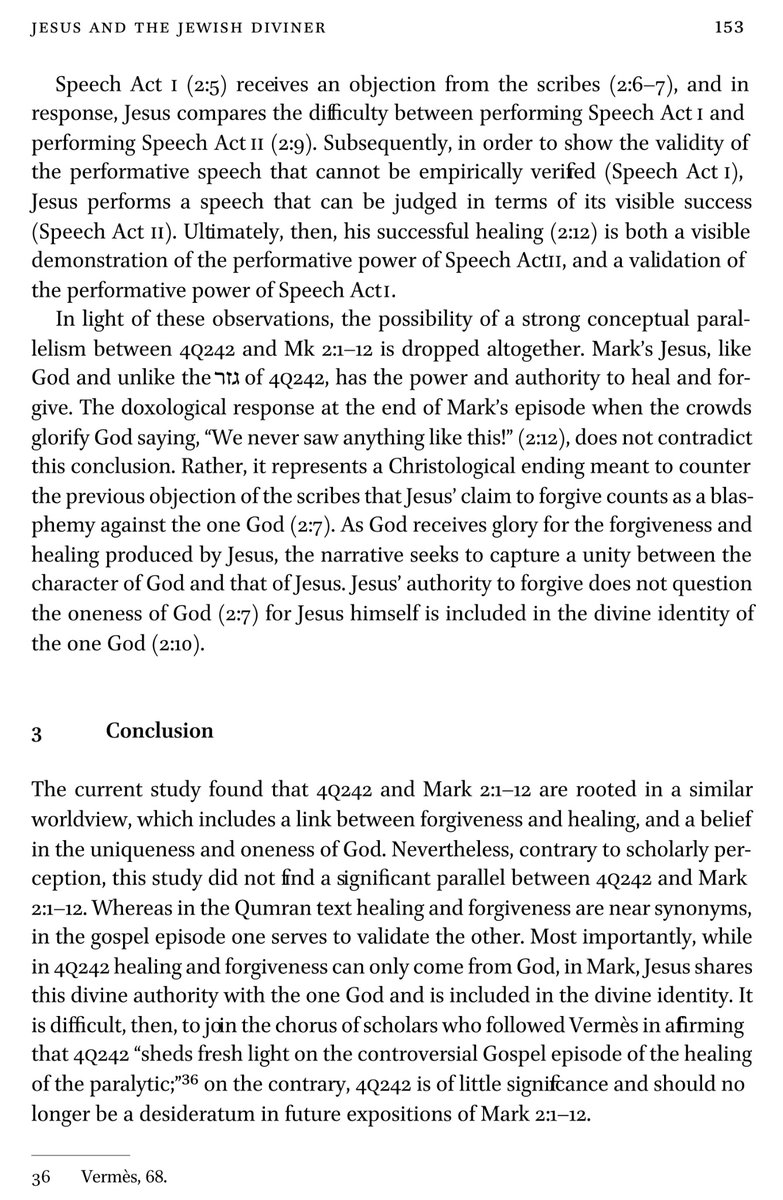
@InspiringPhilos@CosmicSkeptic Pascut, B., “Jesus and the Jewish Diviner. The Use and Misuse of 4Q242,” Authoritative Texts and Reception History. Aspects and Approaches (eds. D. Batovici – K. de Troyer) (Biblical Interpretation 151; Leiden: Brill 2017) 141–153.
Link to full essay: academia.edu/30331316/Jesus…
@InspiringPhilos@CosmicSkeptic I’m surprised that Ehrman didn’t invoke 4QPrNab (“The Prayer of Nabonidus”) in his refutation of Jesus’ divinity in this pericope.
But perhaps he’s up to speed on the demise of that particular attack vector.
Attached essay also debunks Dunn& Sanders’ priestly usurpation theory.
@gymgoomba@JoelBaden Hmm, excuse my bot-appearing account (I tend to only lurk these days).
Two possibilities are: אזרה ("I will scatter")
Lev 26:33
And וזרק ("dash, throw, sprinkle")
Lev 17:6
@JoelBaden Dr. Baden, I’ve been looking for these two Hebrew words within the holiness code “dro” possibly spelled דרו and “izrak”. Israel Knohl mentioned them from a paper by a linguist working at the Bible Lands. They can only be understood from Assyrian occupation. Any idea?