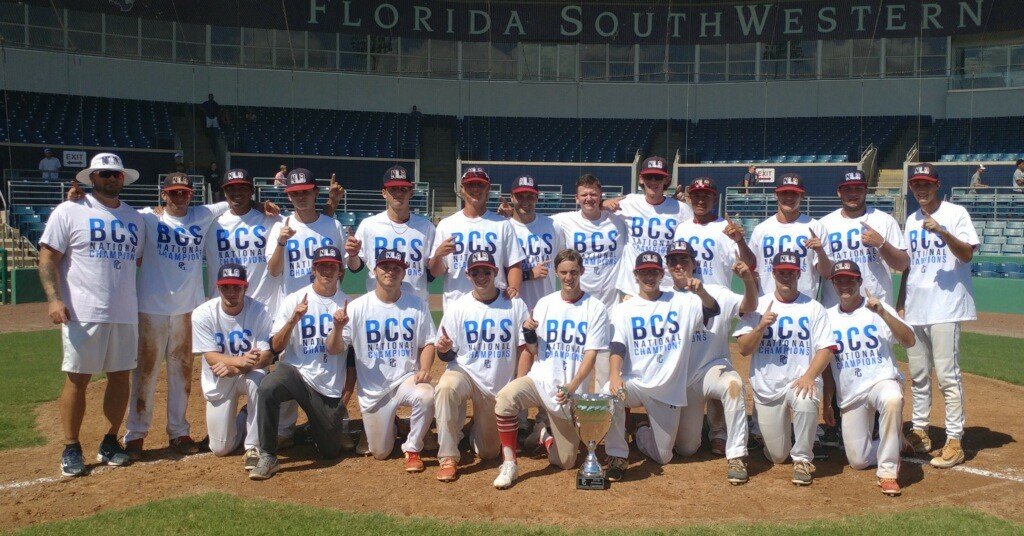
The State Champion Blair Oaks baseball team was honored on the field at Kauffman Stadium in Kansas City today! They also got to see a good @Royals victory, and Salvy’s franchise record tying 317th HR! @WeAreBlairOaks
“If I’m mad at a teammate because he’s being selfish, I’m not going to say well it’s my license to be selfish.”
True leadership is about holding the line together, especially when the pressure is on. 💯
Chemistry > Talent.
Every time.
The team player elevates everyone.
The superstar might destroy everything.
Which would you rather coach?
Which ARE you?
"When you become part of a team, you have to give up certain individual rights.
But, when you are a leader on a team, you have to give up even more."
A teammate helps carry the mission.
A leader helps carry the people.
I’m really crying cause this is the funniest and cutest thing I have seen all year! I can’t wait for this stage of life! Put your babies in sports!!!❤️🥰
A lot more kids could make it to the big leagues than most realize.
But they don't know how or aren't willing to put the puzzle pieces in place.
Most of the pieces require extraordinary sacrifice, work ethic and inconvenience.
Every kid that thinks they want to play in the big leagues and their parents should follow Jermaine Curtis.
Coach: “We’d love to offer you”
Recruit: “Thanks coach, that means a lot!”
Then the recruit hangs up and tells the whole family he got an offer.
Weeks later he tries to commit.
And the coach says the spot is gone.
Or that it was never a committable offer in the first place.
Now he is confused, hurt, and behind.
Here is what nobody told him.
You need to ask these 3 questions when you get an offer:
First: “Is this a committable offer?”
If the answer is no, you have interest, not an offer.
Good to know now instead of after you turn down other schools.
Second: “How long is the offer on the table?”
Offers have expiration dates.
Most recruits never find out until the spot is filled.
Third: “What are the next steps from here?”
This tells you if the coach is actually moving you forward or just keeping you warm.
Three questions.
And you go from guessing to knowing.
Do not let one excited moment cost you the truth about where you stand.
The Scouting Classroom #40
WHY SCOUTS LOVE BAD GAMES
Most people assume scouts enjoy watching great performances. Truthfully, some of the most valuable evaluations happen when things go wrong.
Anybody can evaluate success. The challenge has always been evaluating the response to failure.
Over twenty years in professional baseball, I learned that bad games often reveal more than good ones. A player can fool you on a night when everything is working. A couple of barrels, a home run, or seven shutout innings can send everybody home excited.
But baseball isn’t played on the best days.
Professional baseball is built on how players handle the other days. The days when the timing disappears. The days when velocity beats them. The days when they don’t have their best stuff. The days when confidence begins to leak.
That’s when the evaluation becomes interesting.
WHEN THE MASK COMES OFF
Failure has a way of exposing things success can hide. That’s when scouts begin paying attention to details that may not matter to the average fan, but can matter greatly over the course of a career.
• Body language.
• Competitiveness.
• Response to coaching.
• Emotional maturity.
• Ability to make adjustments.
• Accountability.
• Toughness.
• Leadership.
• Resilience.
Anybody can smile after going 4-for-4.
What happens after 0-for-4?
How does he carry himself after striking out with runners in scoring position? Does he point fingers or accept responsibility? Does he continue competing, or does he mentally leave the game?
Professional baseball guarantees failure. The best players in the world make outs seven times out of ten. Great pitchers get hit. All-Stars get booed. Future Hall of Famers experience slumps.
Nobody escapes it.
THE SECOND LOOK MATTERS
Some of the best reports I ever wrote came after bad performances. Not because the player played poorly, but because of how he responded.
A scout may leave disappointed after the first look and then come back weeks later to see if the player adjusted.
• Did he learn?
• Did he compete?
• Did he improve?
Those questions often separate prospects with similar tools, because tools may get two players to the same level, but character often determines which one keeps climbing.
SCOUTING THE PERSON
This is where experience matters.
Scouts aren’t simply evaluating swings, arms, and running times. They’re evaluating people. And people reveal themselves over time.
Sometimes the greatest compliment a scout can give isn’t, “He had a great game.”
Sometimes it’s: 👇
• Nothing bothered him
• He stayed present
• He never stopped competing
• He made adjustments
• The game sped up, but he didn’t
∙ Anybody can evaluate talent by itself…👇
The hard part has always been evaluating how talent responds when things stop going according to plan.
That’s why scouts don’t fear bad games.
Sometimes, they love them.
Because failure has a way of revealing things success never will.
And there is a difference!
#BehindTheRadarGun 🔎
"Injuries always get blamed on the number of pitches thrown. I think that's very insignificant compared to the methods by which the ball is being thrown."
Joe Maddon is BEGGING organizations to teach starters how to pitch deep into games.