
Ed McGinley
8.5K posts


Ed McGinley retweetledi

Diego Maradona spent four years at Argentinos Juniors, scoring 116 goals in 166 games before his 21st birthday. Spellbinding
English
Ed McGinley retweetledi

Ed McGinley retweetledi

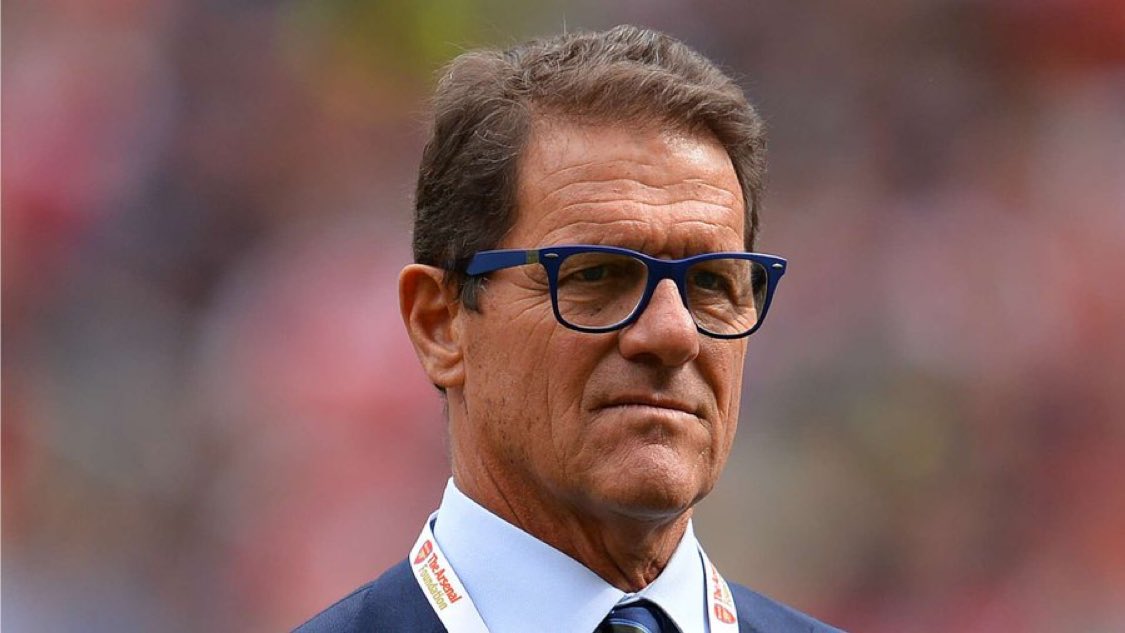
🎙️ | Capello: “The national team is a reflection of the Italian league. In our league, players either walk or jog, whereas in other countries they run and sprint. When you then go to play a match where you need to sprint, you’re not used to it and you struggle. Habit makes you think faster, gives you the technique to anticipate a pass, to handle the speed of the exchange and the control — all things that in Italy we do at a rhythm that’s not suited to the international level.
The biggest mistake lies in the youth academies, where 12-year-olds are already doing tactics. I always have a bit of fun during speeches when I ask: do you have kids who play football? Yes. Do they do tactical schemes? Yes, they answer proudly. Well, I’d sack the coach immediately. Even professionals struggle with tactics, and they expect them from kids! Let them have fun — teach them how to kick the ball. Do you know what the problem is? It’s easier to teach tactics than to teach technique. That’s where we’ve failed — we don’t have the right teachers. You need to understand each player’s flaws: we’re not all the same; height varies, one may have a big foot, another a small one. Coaching is about observing, understanding, and teaching.
I was lucky to have GB Fabbri as my coach at SPAL — he lived for technique. Liedholm, for warm-ups, made us spend 20 minutes juggling and passing. It may sound old-fashioned, but we still play with the ball, and you’ve got to know how to handle it.”
[@Gazzetta_it via @Guidolino8]
English
Ed McGinley retweetledi


Ed McGinley retweetledi

You have got to have fairly tranquil conditions to run 100 miles +/ week. You've also got to have unique conditions to throw hundreds of £ on shoes. It has become more of a sport of privilege and entitlement. I don't see hardly any kids from tough/poor backgrounds in running.
English

Ed McGinley retweetledi

Every training book eventually says the same thing:
Do more volume
This Norwegian Method stuff is good advice for a professional athlete - whose job is training 6 hours a day
It's the wrong advice for you - the everyday dad with young kids, a wife, and a demanding job
This guy's roadblock to volume is never an intensity problem
(If anything, he's not training hard enough)
His problem is different:
The 10 minute window between getting home and starting a workout that turns into 30 mins, a quick work call, and a skipped run because now the family needs dinner
The mental cost of switching from work mode to athlete mode to dad mode with no real transition system
The Norwegian Method unlocks performance for people who already have the time
You need something different:
You need to find 2 extra workouts a week
For the guy training 4-5 hours per week, that's a 20% bump in total training volume
Nothing else moves the needle faster
That doesn't come from precision on your lactate threshold
That comes from a daily system that makes training inevitable, so you can keep showing up day after day
In endurance, all roads lead to the same place:
Doing more volume
But the path to get there for the Pro Athlete and the Everyday Dad could not be more different
Coaching Distance@CoachDistance
Going to neglect my family for a couple of nights.
English
Ed McGinley retweetledi

Ed McGinley retweetledi

Ed McGinley retweetledi

Ed McGinley retweetledi

One second for every episode of The Sopranos.
English
Ed McGinley retweetledi

The Day Your Parents Stop Being Your Parents
Let me say this….Most people don’t realize this until it’s too late. Your parents are slowly becoming human. Not “Dad the provider” or “Mum the protector” but simply two people getting tired, getting older, and getting quieter with time.
The same people who once carried you like you were the most important thing in the world will one day start hiding their pain so they don’t become your burden.
There will be a day your father repeats the same story, because time is slowly taking things from him. There will be a day your mother calls you just to hear your voice, because loneliness has started sitting beside her.
And the painful part is this….. You will be busy……Busy building your life, chasing money, trying to become someone. Meanwhile, the people who made you someone are quietly fading into the background of your life.
We talk a lot about leaving home and becoming independent, but nobody tells you this truth. Independence should never mean emotional distance. Growing up should not mean growing away.
Call them now…..visit them also sit with them without rushing. Because one day, you won’t be managing your time around them anymore. You will be wishing for one more conversation you didn’t think mattered.
Just thought of telling you guys this
English
Ed McGinley retweetledi

Ed McGinley retweetledi

Happy Spring Equinox Eve 🇮🇪
Tomorrow Morning, March 20th, and for the following few days, the rising sun will shine through the entrance of Grianan Of Aileach in Donegal, literally cutting the monument in half.
A Spectacle Of Celestial Worship 🗿
English
Ed McGinley retweetledi

On this day, 25 years ago, The Sopranos episode "Employee of the Month" premiered.
This episode is a masterpiece in writing. This was one of the many moments where The Sopranos stopped being a TV show and became art.
English
Ed McGinley retweetledi

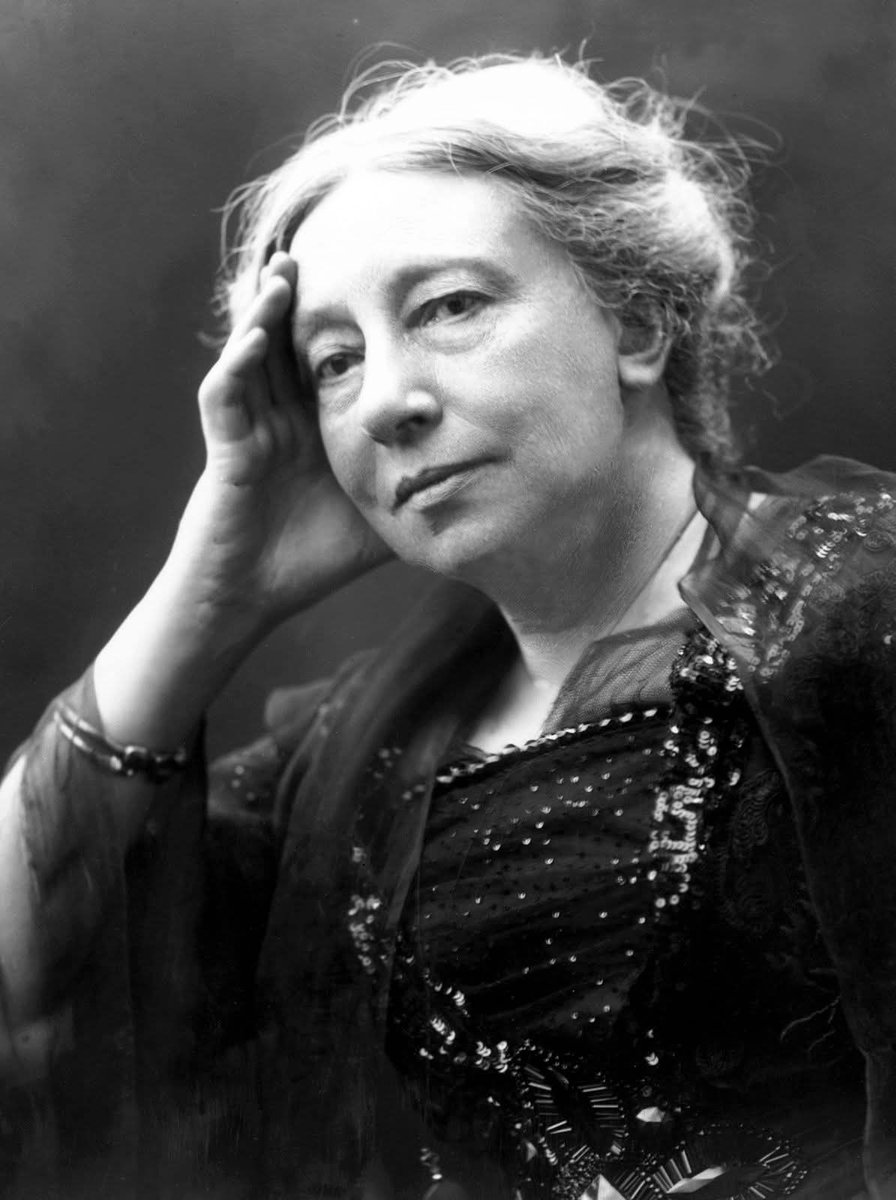
She wasn’t supposed to shape a nation’s cultural identity. She was supposed to host dinners....
Born into Anglo-Irish aristocracy, Isabella Augusta, Lady Gregory began life in the quiet authority of privilege—country estates, polite conversation, the expected rhythm of a woman who observed history rather than made it. But something in her refused to stay ornamental.
Widowed in her forties, she could have retreated into comfort. Instead, she stepped directly into the heart of Ireland’s cultural awakening.
At a time when Irish identity was being suppressed and reshaped under British rule, she turned toward the voices most ignored—rural storytellers, Gaelic speakers, local mythkeepers. She traveled, listened, and recorded. Not as an outsider collecting curiosities, but as someone determined to preserve a living, breathing culture before it disappeared.
Then she did something even more radical—she helped build a stage for it.
Alongside William Butler Yeats and Edward Martyn, she co-founded what would become the Abbey Theatre, giving Irish stories a permanent home. But she wasn’t just organizing behind the scenes. She wrote—dozens of plays rooted in folklore, humor, and the rhythms of everyday Irish life.
And when riots broke out over controversial productions, when audiences resisted seeing themselves reflected too honestly on stage, she didn’t step back. She stood firm, defending the idea that a nation needed to see its own truth—even when it was uncomfortable.
Lady Gregory didn’t just help launch a theatre. She helped define a cultural voice.
© Women In World History
#archaeohistories
English
Ed McGinley retweetledi

Three Decades later and Jonathan Edward’s long jump record remain unbroken. AMAZING!!
English
Ed McGinley retweetledi

30 years ago today…
The Prodigy unleashed this masterpiece…
x.com/thecharthits/s…
English
Ed McGinley retweetledi
