Eljamin Latour
9.3K posts
Eljamin Latour
@Eljamin16
Hi, my name is Eljamin Latour. I'm just a newcomer on Twitter.
Katılım Temmuz 2022
45 Takip Edilen61 Takipçiler

Sensei~! “Mo” sounds soft and comforting 🌸
I think of moe, monogatari, and mokuhyō!
What “mo” word do you know, sensei?

English

⳹✨ Japanese Quiz ✨⳼
Which word means "Friend"? 🤔
A:先生 sensei
B:先輩 senpai
C:友達 tomodachi
Reply with A, B, C, or "❓" if you're not sure!
✅ Correct → I'll like it!
❌ Incorrect or ❓ → I'll reply with the answer!
GIF
English

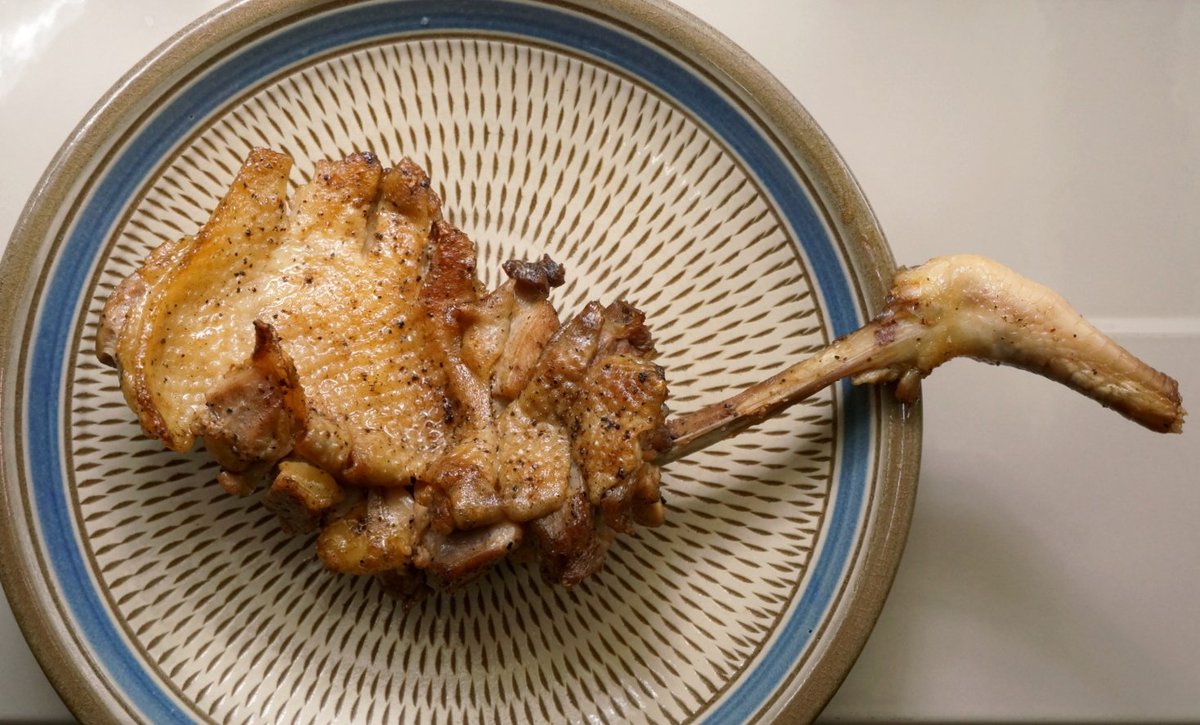



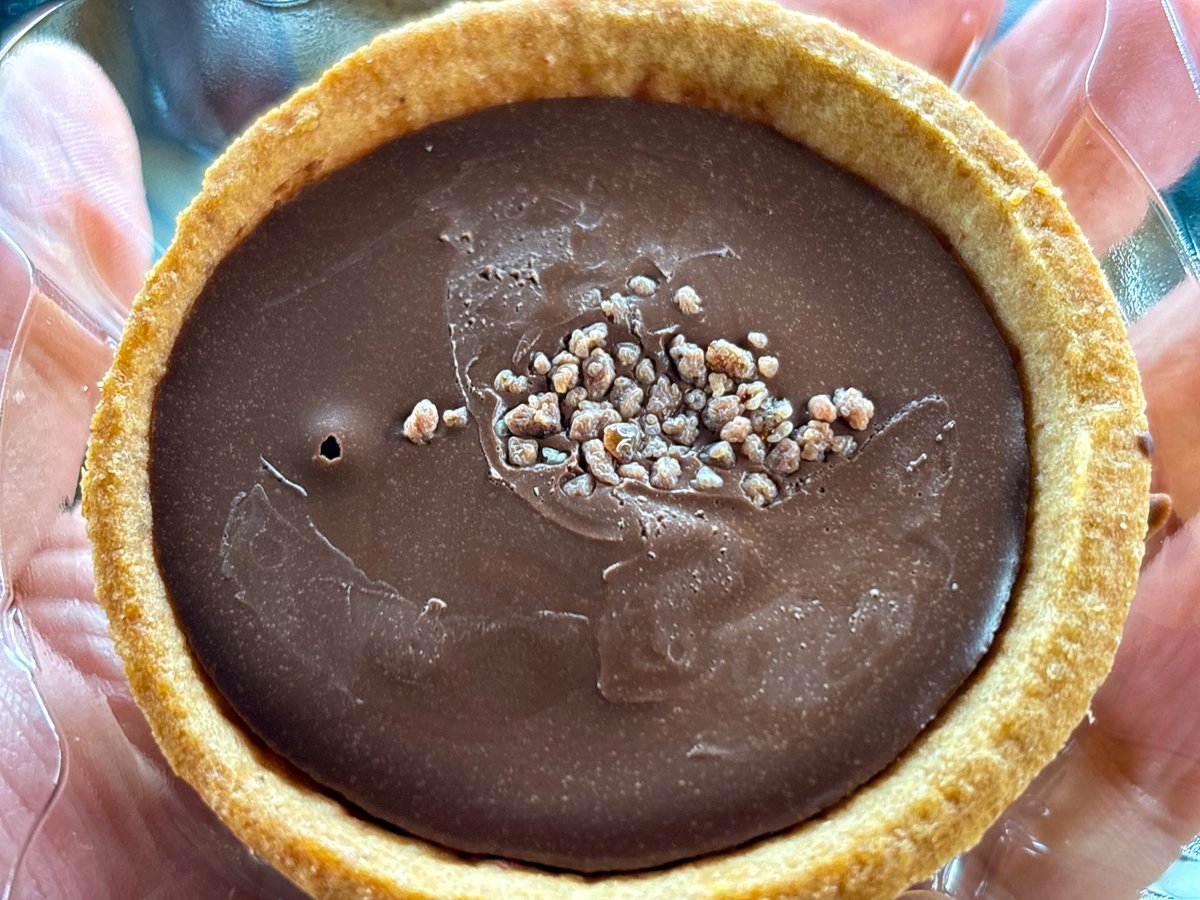

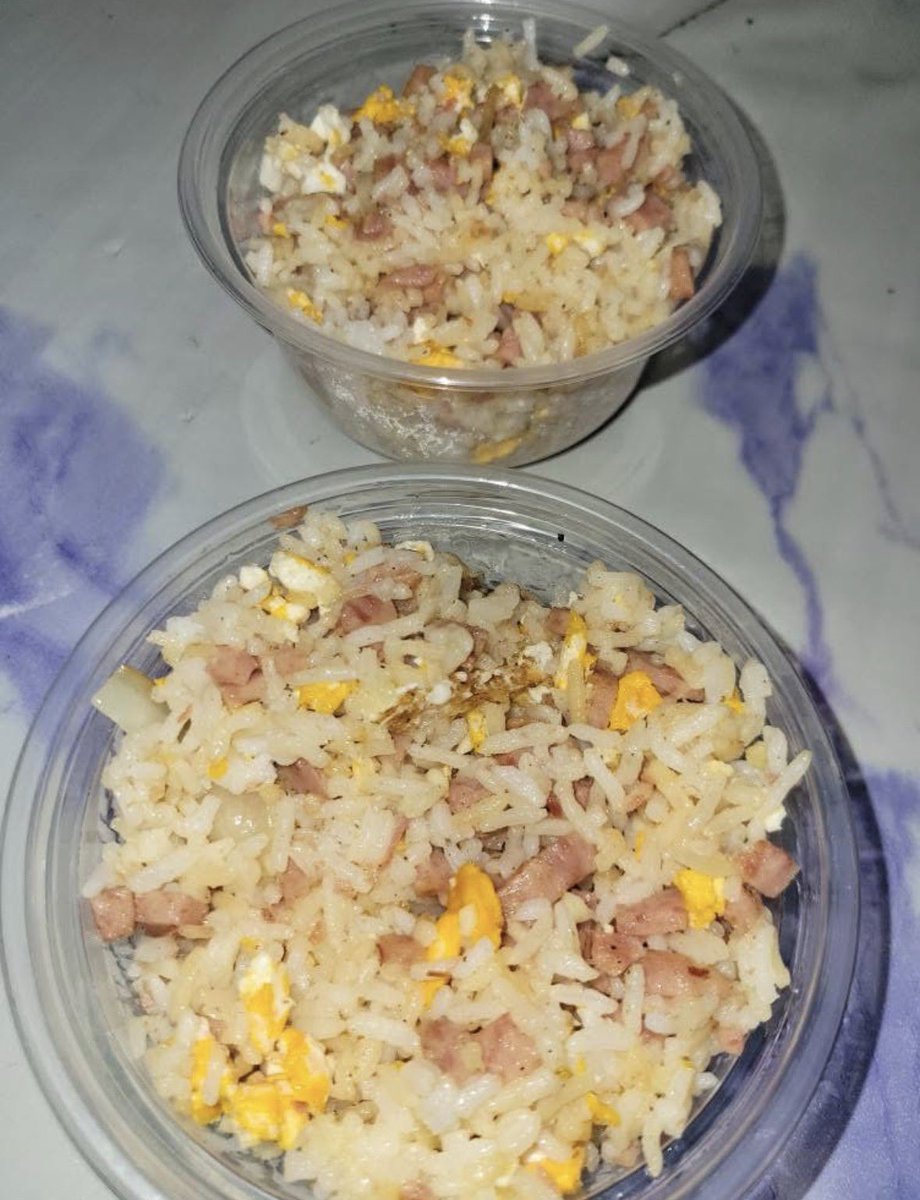


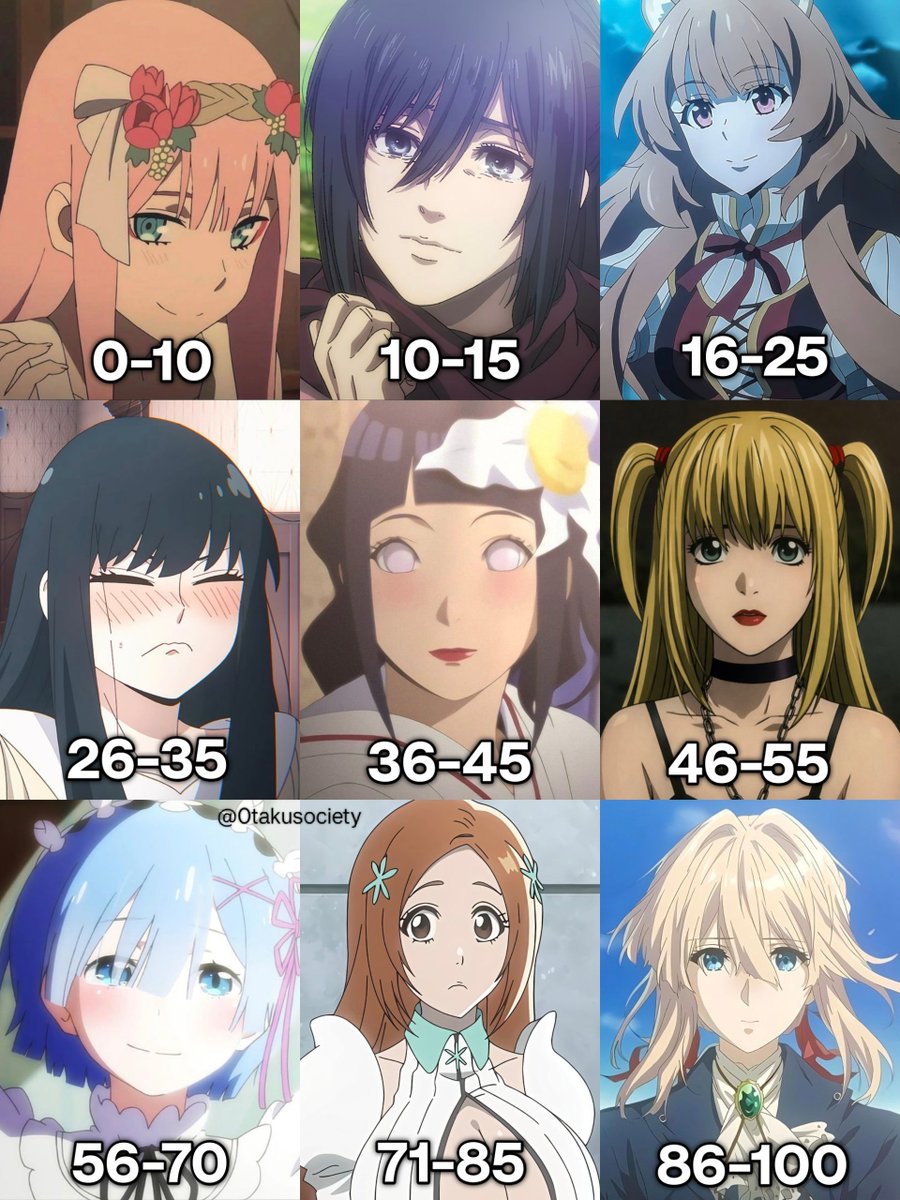
According to your phone's battery level, which wife did you get?
English
@Kuuhaku3993 It's the same way as how in Spanish, there can't be an s followed by any consonant, unless there's a vowel before it, like pronouncing Spain as "Espain". As for me, I have no issue pronouncing it because I pronounce what I see.
English

@bcarter_hobby @learning_yohei 漢("kan", Han) is a phono-semantic compound, 氵(water radical) represents the meaning and 𦰩(kan), U+26C29, represents the sound. While 字("ji", character) is also a phono-semantic compound, too, 宀(roof radical) represents the meaning, while 子(shi represents the sound.
English

@learning_yohei This works at first, but then...
「漢字」is 漢 a picture of the Han people? What about 字?...
...絶望 (what even is this picture?😆)
English
If you’re struggling to learn kanji, take a look at this.
Kanji are not just letters.
They are like a collection of pictures.
So try to imagine drawing a picture.
That’s the key to remembering kanji✍️😄

English
@compodulator @learning_yohei 姦(kan) also means "adultery", imagine a guy having fun with 3 women. lol
English

@learning_yohei You forgot the ♀️=女=woman, 🗣️📢=姦=noisy thing. 😂🤣
English
@moe_laboratory All this time I referred to my own back as just 背(se).
English

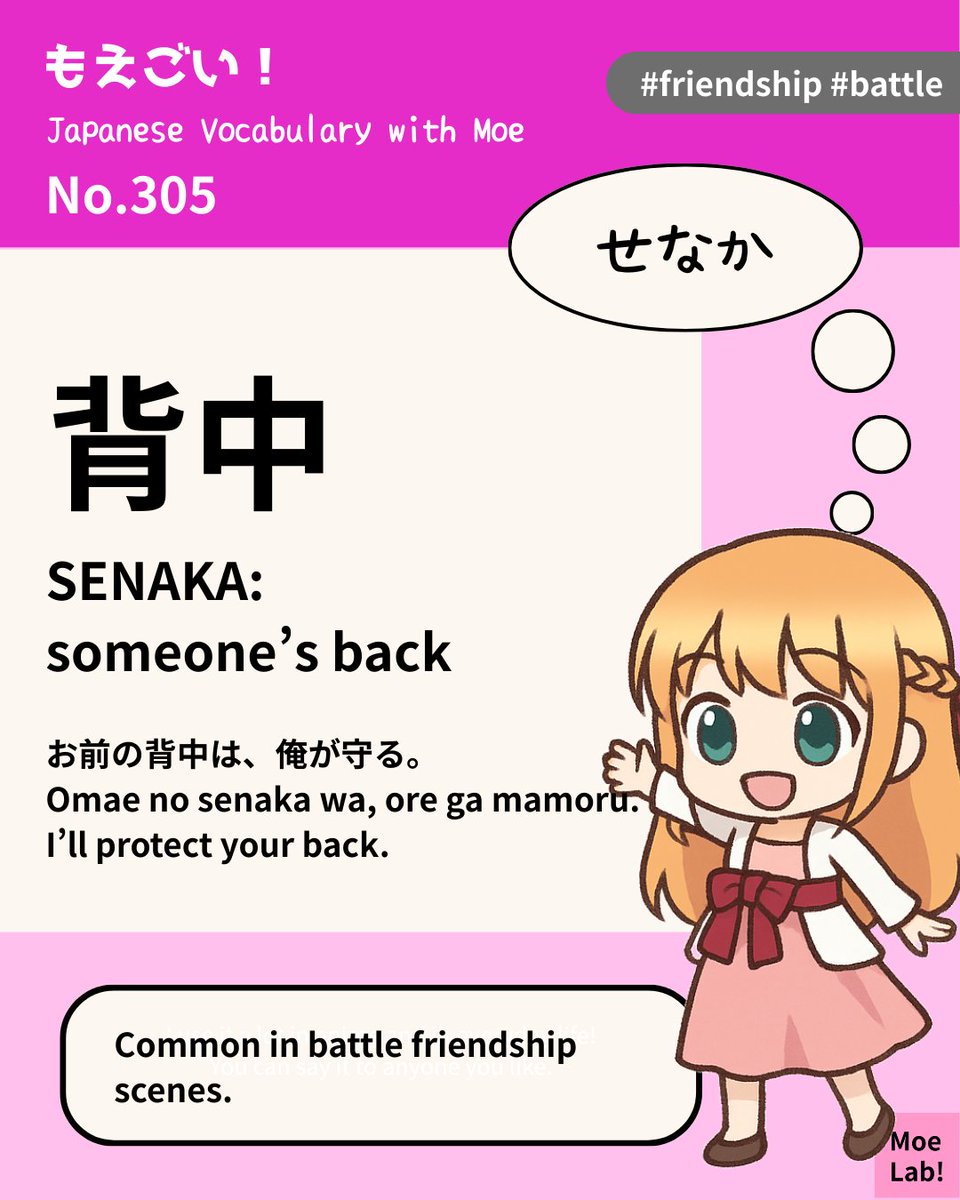
A back can say more than words.
Sometimes it’s the reason you keep moving forward.
English

@NakoMoonVT The Kanji is also a phono-semantic compound, 氵("sanzui", water radical) represents the meaning, while 每/毎("mai/bai", every) represents the sound, which became the onyomi 海(kai) as in 海賊("kaizoku", pirate).
English
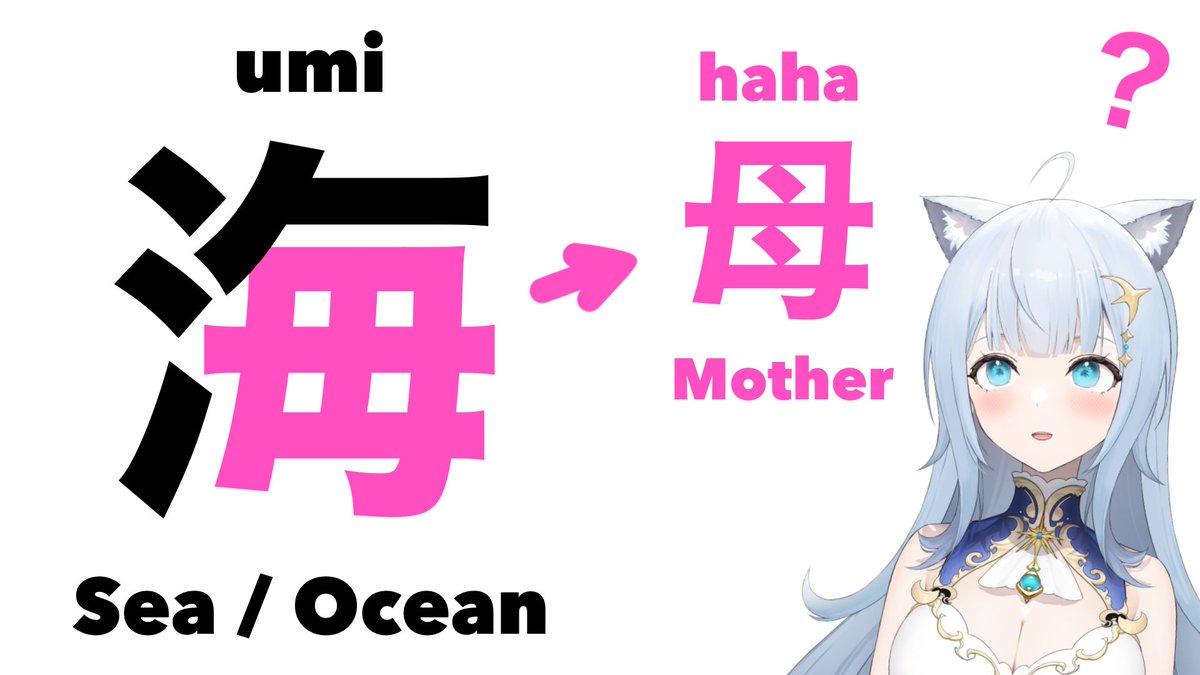
Why is "mother" (母) inside the Japanese kanji for "sea" (海)? 🌊🤱🇯🇵
I was curious about this too, so I looked it up!
海 is made of 氵 (water radical) and 毎 (every).
If you look closely, 毎 contains the character for mother (母)!
🔎 Here’s the origin:
In ancient times, 毎 depicted a mother wearing many hair ornaments.
Because these ornaments were layered together, the character came to mean "dense," "vast," or "so deep that it looks dark."
So, 海 represents water (氵) that is so deep and vast (毎) that you cannot see the bottom!
💡 Fun fact:
While many believe it’s because "the sea is the mother of life," the original etymological reason is to describe the sea's incredible depth and darkness. 🌸✨
arkitekd@agusAditya_
@NakoMoonVT Why there is 母 in 海
English
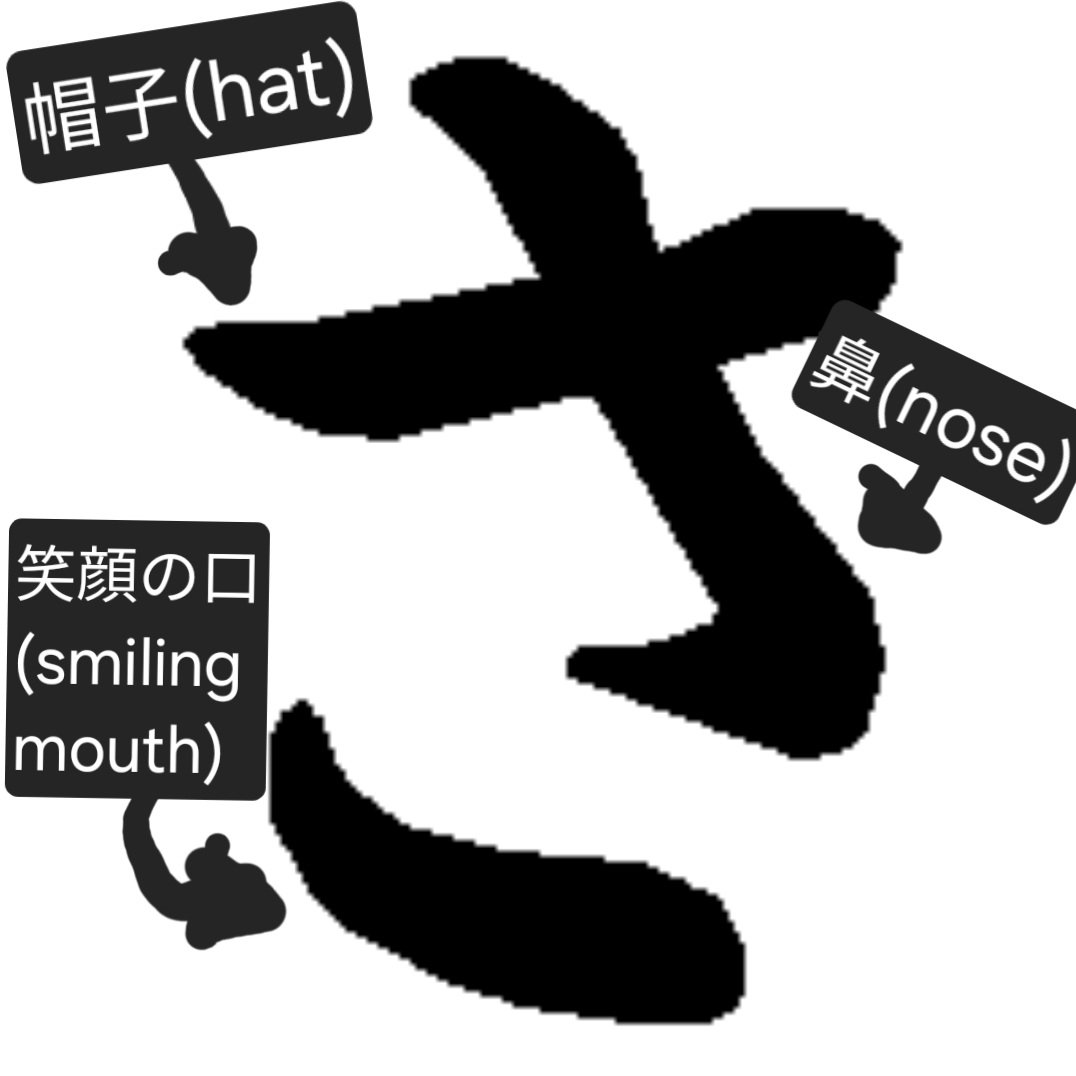
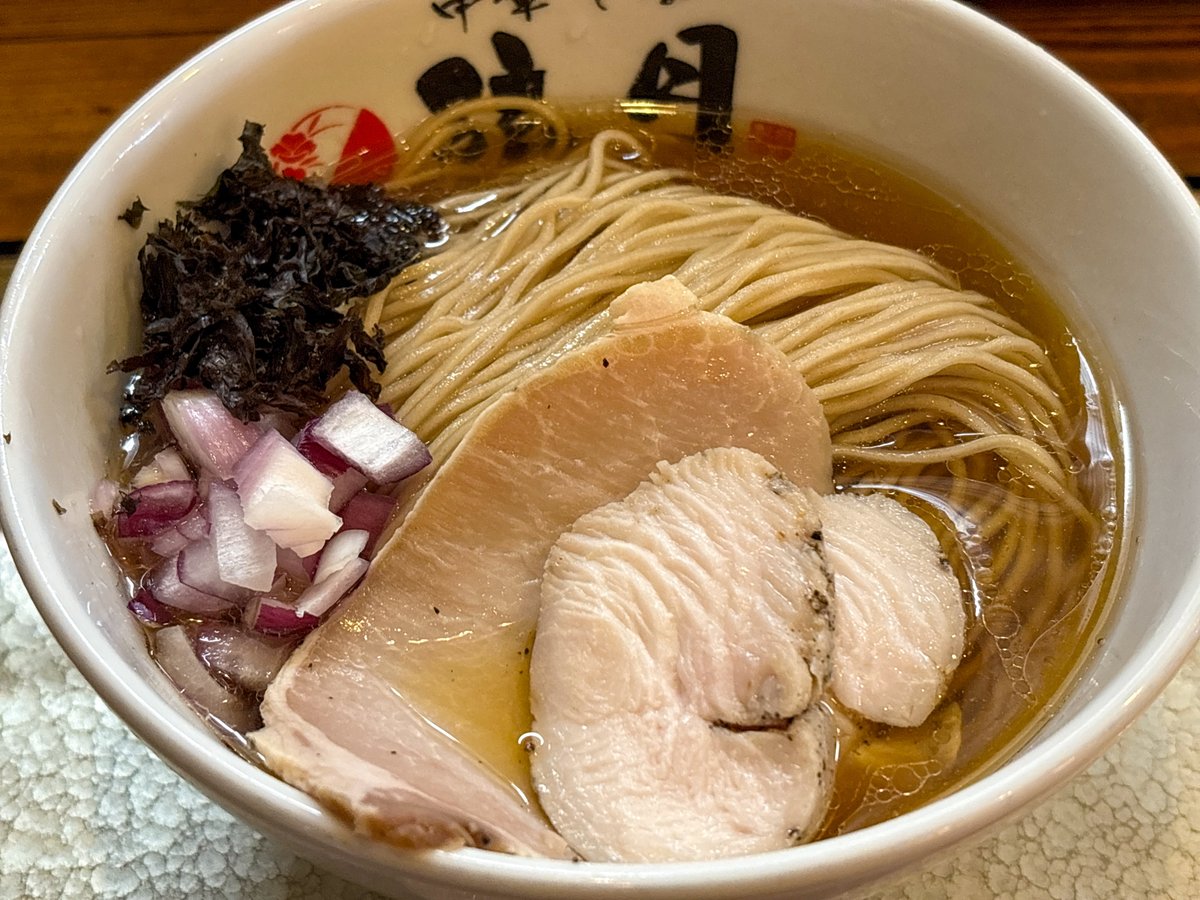
@learning_yohei Actually, Japanese is 20% grammar and 80% manners. w
English
This is the Japanese language system. It’s like the Matrix. Welcome to Japanese🇯🇵😎

English


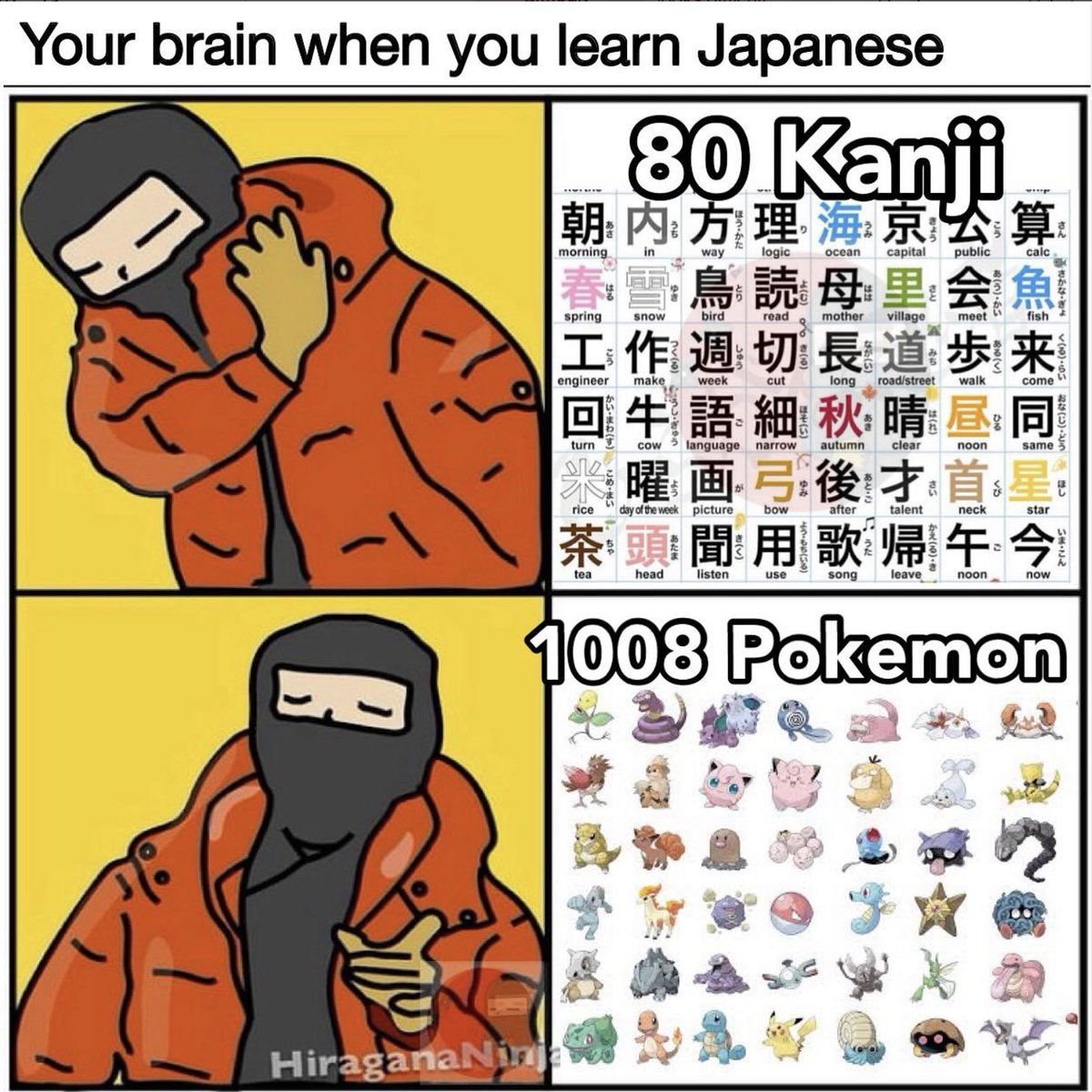
@PyschopathTakes @hiragananinja Yeah, I like learning radicals, it's like puzzle pieces that show you the full picture. Like: 艹(grass radical) + 化(change) = 花(flower).
English

@hiragananinja Trying to memorize eighty unrelated kanji instead of learning the radicals first... no wonder you're struggling.
English