HENRI PINEDA retweetledi
HENRI PINEDA
7.9K posts

HENRI PINEDA
@Endocrino_TV
super héroe
Providencia, Chile Katılım Aralık 2010
1.3K Takip Edilen557 Takipçiler
HENRI PINEDA retweetledi

@LeoneLandaetaG Así lo fue la plaza venezuela espeficicamente en la zona rental 2017🥺
Español
HENRI PINEDA retweetledi

Dapagliflozin was associated with a significant reduction in liver fat independent of weight loss.
onlinelibrary.wiley.com/doi/10.1002/ob…

English
HENRI PINEDA retweetledi

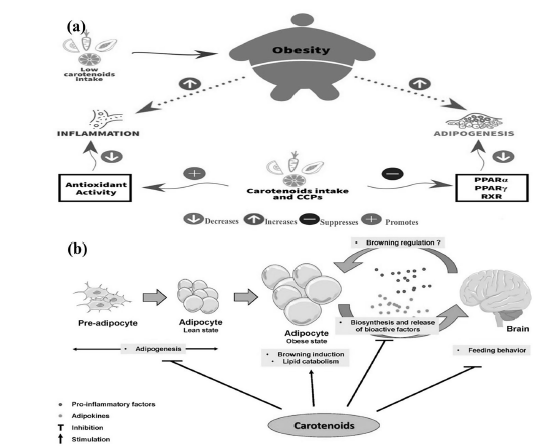
Vitamin A modulates obesity biology. Carotenoids reduce inflammation, influence adipogenesis and adipocyte “browning,” and affect brain‑regulated feeding behavior.
nature.com/articles/s4136…

English
HENRI PINEDA retweetledi

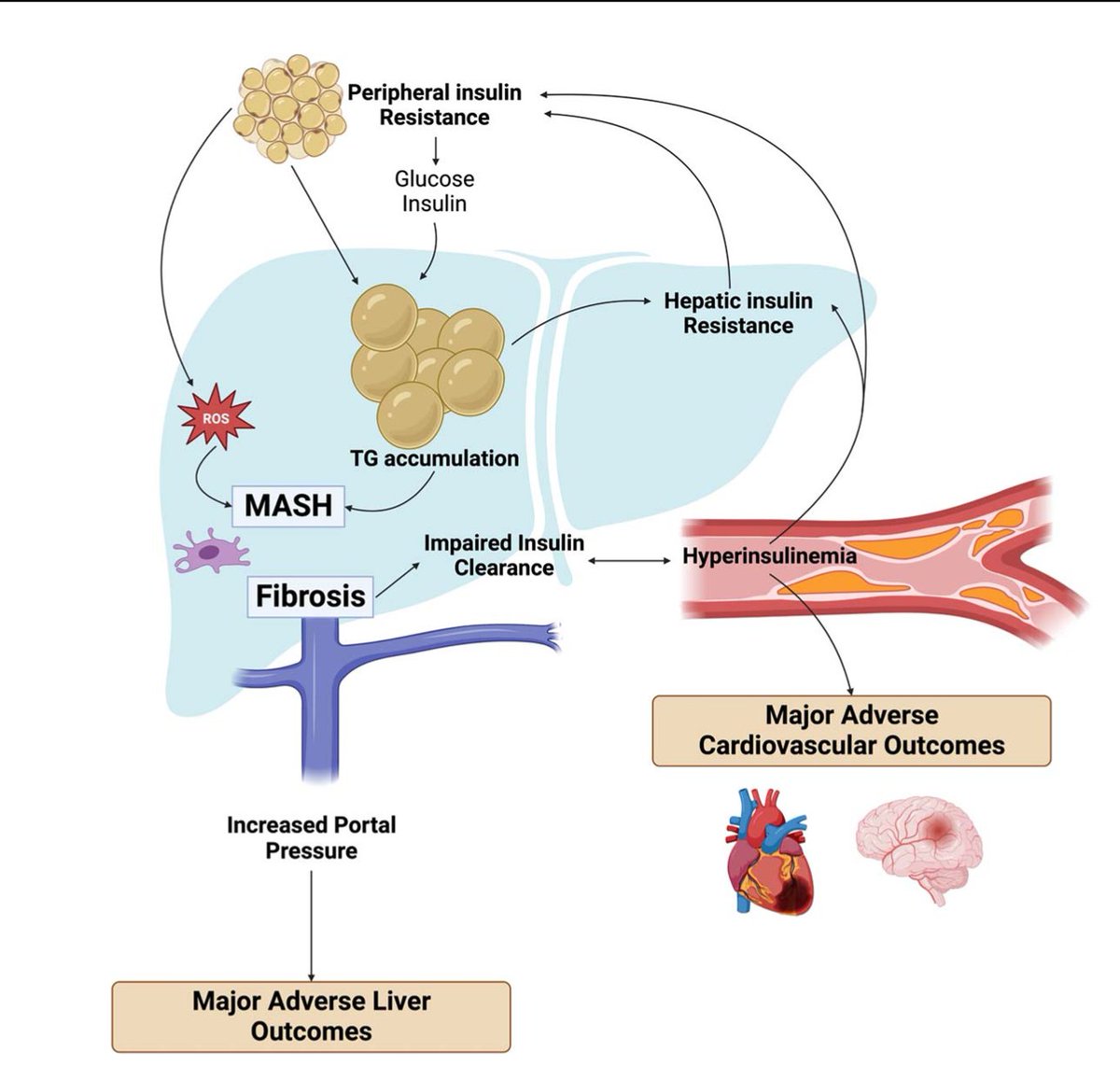
Liver fibrosis + hyperinsulinemia are central drivers of bad outcomes in MASLD/MASH. The MASLD pathway → liver fibrosis + impaired hepatic insulin clearance → worsening insulin resistance + hyperinsulinemia (an independent predictor of MACE). Liver fibrosis also ↑ portal pressure, predisposing to major adverse liver outcomes.
journals.lww.com/hep/fulltext/2…

English
HENRI PINEDA retweetledi

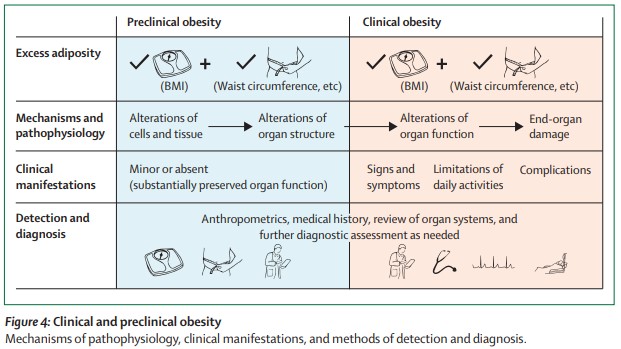
Our #MostRead article in 2025:
Definition and diagnostic criteria of #clinical #obesity thelancet.com/journals/landi…
#FREE to read with registration (also FREE)

English
HENRI PINEDA retweetledi

💊🫀 Lipidology in 2025: from “lower LDL” to precision prevention
This expert discussion in the Journal of Clinical Lipidology (2025) offers a rare, insider view on how lipid-lowering drugs are actually conceived, developed, and translated into practice—and where the field is heading next .
🧠 A mature field facing new challenges
LDL-C remains a causal driver of ASCVD, but lipidology has moved far beyond statin monotherapy. The discussion highlights a central tension: we have more effective drugs than ever, yet treatment inertia remains profound, with many high-risk patients still undertreated.
🔬 How new lipid drugs are born
Successful development now hinges on:
Genetic validation (Mendelian randomization) to de-risk targets
Surrogate endpoints with regulatory credibility (LDL-C remains king)
Cost-effectiveness, safety, and tolerability, often more important for uptake than maximal efficacy
PCSK9 inhibitors are used as a cautionary tale: biologically sound, outcome-proven—but initially underutilized due to pricing, complexity, and unrealistic expectations.
💊 What’s coming next?
The future is multi-target:
Lp(a) therapies are poised to reshape prevention 🧬
CETP inhibition (e.g. obicetrapib) aims for “LDL-lowering plus” effects, including Lp(a) reduction and metabolic benefits
Remnant cholesterol, ApoC3, and inflammation (IL-6, NLRP3) emerge as key residual-risk targets
Imaging endpoints (non-calcified plaque volume) may help de-risk and accelerate drug development
⏳ The most important message
Prevention must start earlier and longer. Modest LDL reductions in low-risk individuals may yield greater lifetime benefit than aggressive treatment late in disease.
🔮 Bottom line
We already have the tools to prevent ASCVD. The real challenge is using them earlier, smarter, and together—moving lipidology from reactive treatment to precision cardiovascular prevention 🚀

English
HENRI PINEDA retweetledi

Everyone with an interest in Lipoprotein (a) should follow this new (2025) Open Access Journal totally devoted to Lp(a) and entitled Advances in Lipoprotein(a) Research @Lipoproteina_ There are some great papers including this fantastic review sciexplor.com/articles/alr.2… @nationallipid @society_eas @ASPCardio @escardio @atherosociety @FamilyHeartFdn @fhpatienteurope @BNordestgaard @

English

@ElUniversal El deivi Venia Corriendo de sacarse el uniforme de escolta torturador 💀
Español

#EnVideo 📹 | Presidente Maduro: "¡Qué alegría encontrarnos con el Pueblo en las calles de Caracas! Una bella niña corrió a saludarnos al reconocerme a la distancia; es bonito recibir el cariño de los niños, con todo su ímpetu y alegría. ¡Ese es mi regalo de Navidad!".
#ElUniversal
Español
HENRI PINEDA retweetledi

👉Pharmacotherapy development and trends in lipidology: An expert discussion
☝️Key takeaways
1️⃣ ASCVD prevention remains lipid-centric: Lowering atherogenic lipoproteins—especially LDL-C—continues to be the cornerstone of cardiovascular risk reduction, but it is no longer enough on its own.
2️⃣ “Lower for longer” matters: Earlier intervention across the life course yields greater relative risk reduction than late treatment in advanced disease. Biology is stubborn; it remembers cumulative exposure.
3️⃣ Beyond LDL-C: Emerging targets include lipoprotein(a), remnant cholesterol, ApoC-III, and vascular inflammation—each addressing residual cardiovascular risk left behind by LDL-C lowering alone.
4️⃣ Lp(a) is moving center stage: High patient demand, strong genetic causality, and multiple therapies in development are likely to transform screening and management strategies.
5️⃣ Treatment inertia is the real enemy: Underutilization of proven therapies (e.g., statins, PCSK9 inhibitors) reflects gaps in goal-oriented care, cost concerns, and patient mistrust—safety and simplicity drive adherence more than marginal efficacy gains.
6️⃣ Oral, well-tolerated therapies are game-changers: Ease of use and safety may determine real-world impact more than mechanism novelty.
7️⃣ Imaging and surrogate endpoints: Non-calcified plaque and other imaging biomarkers may help de-risk development and accelerate access—outcomes trials alone are becoming unsustainably large and slow.
8️⃣ Cardiometabolic convergence: Lipid management, obesity treatment, diabetes prevention, and inflammation control are synergistic—not competing—strategies.
9️⃣ The future vision: Aggressive LDL-C lowering plus early, comprehensive control of lipids, inflammation, and metabolic risk—started before disease declares itself. Old-school prevention, backed by modern tools.
🔓Open Access lipidjournal.com/article/S1933-…
@LipidJournal
@nationallipid
@CBallantyneMD
@society_eas

English
HENRI PINEDA retweetledi

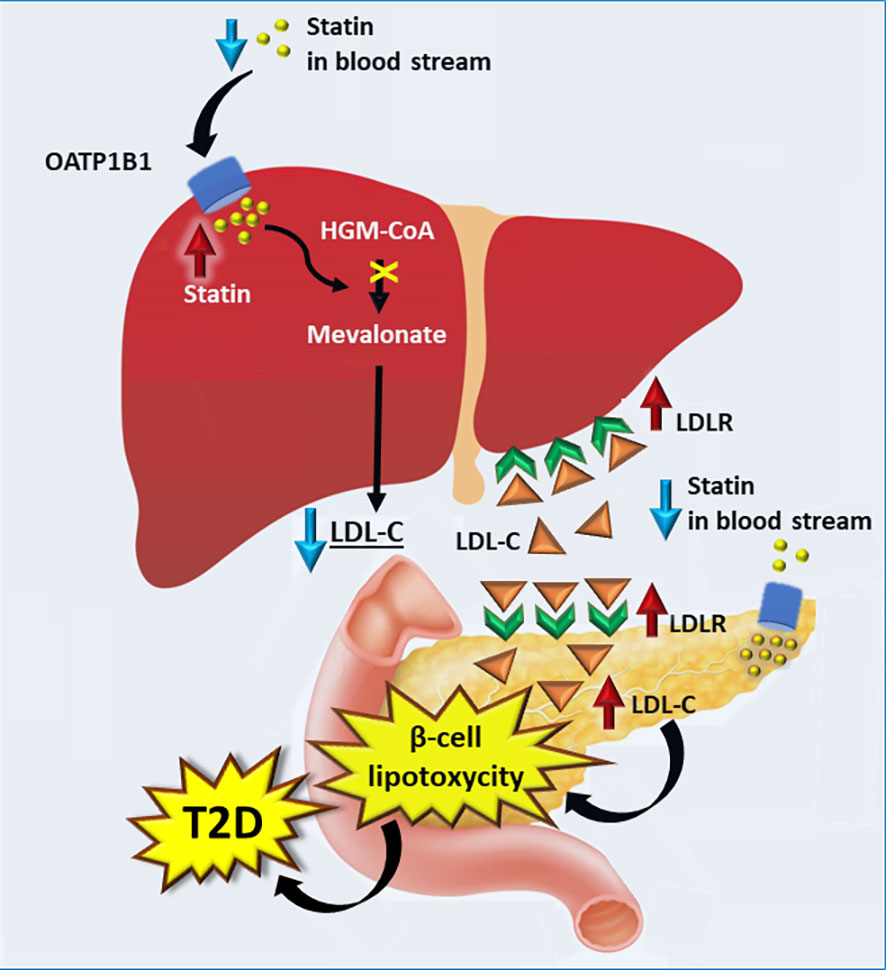
A proposed mechanism for statin-induced Type 2 Diabetes (T2D).
frontiersin.org/journals/endoc…

English
HENRI PINEDA retweetledi

🙌We are pleased to share our latest publication:
“Inhibition of ANGPTL3 as a target for managing hypertriglyceridemia”
recently published in Current Opinion in Endocrinology, Diabetes and Obesity.
👉Scope: Comprehensive review of ANGPTL3 inhibition as a therapeutic strategy to reduce triglyceride-rich lipoproteins and residual cardiovascular risk
👉Therapeutic approaches discussed:
– Monoclonal antibodies (e.g., evinacumab)
– RNA-based therapies (ASOs and siRNA: vupanorsen, zodasiran, solbinsiran)
– Emerging gene-editing strategies (CRISPR/base editing)
👉Key message: Targeting ANGPTL3 provides robust reductions in triglycerides, apoB-containing lipoproteins, and non-HDL cholesterol, independently of the LDL receptor
👉Clinical relevance: Positions ANGPTL3 inhibition as a next-generation approach for managing mixed dyslipidemia and lipid-related residual risk beyond LDL-C
🔗 journals.lww.com/co-endocrinolo…
@society_eas
@lschreier1
@natinardelli_
@CO_EndoDiabetes

English
HENRI PINEDA retweetledi