Equimetrics Equine Health

176 posts

Equimetrics Equine Health banner
Equimetrics Equine Health

Equimetrics Equine Health

@EquimetricsX

Equimetrics Equine Health Monitoring Irish based equine health monitoring & smart technology company

Ireland Katılım Mart 2025
55 Takip Edilen109 Takipçiler
Equimetrics Equine Health retweetledi

British Horseracing Authority
British Horseracing Authority@BHAHorseracing·
ℹ️ Pre-race examinations: What they are and how they work The pre-race examination of horses has become an increasingly important part of British racing’s ongoing efforts to continually improve safety and reduce the risk of injury. At fixtures across the country, the BHA’s expert team of regulatory vets will check horses for any sign of injury before racing starts. This is because everyone involved in our sport wants to ensure that horses are in the best possible condition to race following their journey to the racecourse. The checks are designed to complement a trainer’s knowledge and judgement about the horses in their care. Their intention is to provide an extra layer of protection and help identify any potential injury that may have occurred in transit or on arrival at the racecourse, or any underlying or undetected issue. The process itself is clear and well established, both in Britain and across many other international racing jurisdictions. The horse will be trotted on a firm surface and in a straight line over a distance of around 25 metres – away from and back towards the BHA’s veterinary officers. This is to assess how the horse is moving and to look for any signs of lameness. The vets will then feel – or palpate – the horse’s front limbs to check for any signs of pain, heat or swelling. If there is any heat, pain or swelling in the tendon it can often be the case that a horse may appear sound, but that these signs may indicate a more serious underlying issue that could cause significant injury if the horse is allowed to gallop. The checks aren’t just about examining a horse's soundness – i.e. gait and movement. They can also help identify any potentially unknown or undetected risk, including cardiac issues. The veterinary team will listen to the horse’s heart using a stethoscope. All BHA vets now use digital stethoscopes, which provide information on a horse’s heart rate and rhythm and can be shared with others in real time if additional professional opinion is required. This allows the vets to make better decisions for the horse, either by preventing them from running that day or being able to track and monitor any anomaly in a horse that’s otherwise within normal expectations. Indeed, there have been several examples of horses being withdrawn prior to racing on veterinary advice due to cardiac concerns. If during the pre-race examination the BHA veterinary officer team has any concerns about a horse, then multiple veterinary opinions are sought to make a decision about that horse’s suitability to race. This will always be a comprehensive process, which includes input from and engagement with the trainer or their representative on the racecourse. It will include giving the horse an opportunity to warm up through walking and sometimes re-examination on a softer surface. If any concerns remain, then the horse will be withdrawn on veterinary grounds and the trainer required to provide the BHA with a report from their home vet for analysis and discussion by a panel of veterinary officers prior to the horse being permitted to race again. The withdrawal of any horse prior to racing will understandably be disappointing for connections and in some cases racegoers, who were looking forward to seeing the horse run. But these decisions will always be taken on veterinary advice following a thorough examination and extensive deliberation by a panel of veterinary surgeons. To help avoid this disappointment, the BHA encourages trainers to engage with our veterinary teams well in advance of raceday about any horse that may have an unusual or asymmetrical gait or may appear mildly lame. The sooner we know about these horses, the better, as early notification allows the BHA’s vets to work with the trainer and home veterinary surgeon to discuss that horse’s individual circumstances and consider any additional information or diagnostic work. This collaborative approach helps reduce the likelihood of a horse needing to be withdrawn on the day of the race and therefore avoid any last-minute disappointment. The BHA has well-established suitability to race guidance, which is shared with racehorse trainers and their vets so that they understand why and how horses are examined on the racecourse by veterinary surgeons. The aim of this approach is to enhance transparency about the procedures in place, including why some horses might be subject to an even greater level of check due to a particular factor such as their age, profile, race history or a pre-existing condition. More information for trainers and vets about the role of the BHA veterinary officers on raceday, including the pre-race examination process and how decisions are made about a horse’s suitability to race, is available on the BHA website. britishhorseracing.com/pre-race-exami…
British Horseracing Authority tweet media
English
1
5
8
2.2K
Equimetrics Equine Health retweetledi
British Horseracing Authority
British Horseracing Authority@BHAHorseracing·
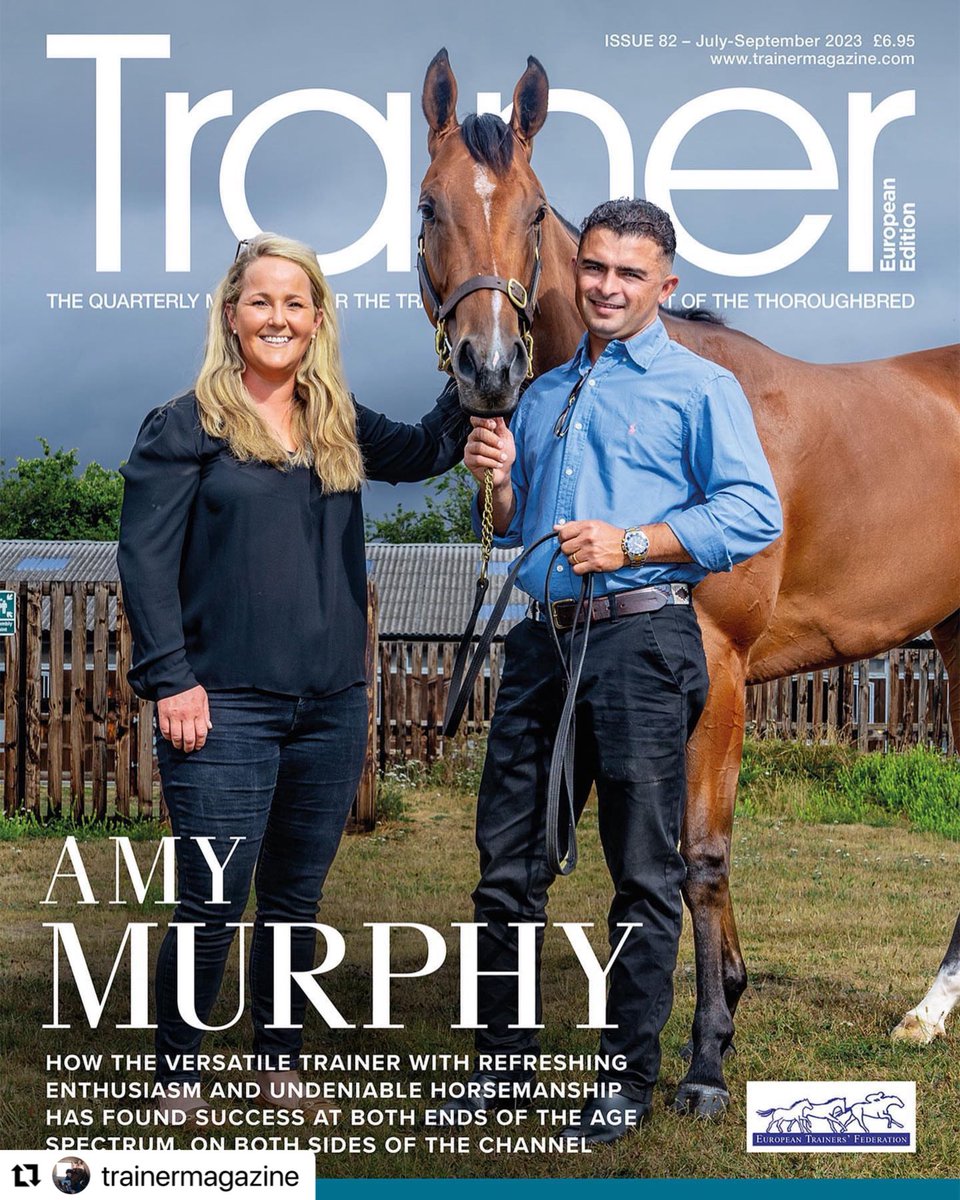
Heart monitors for horses: harnessing tech to improve equine safety 🏇 In 2025, Britain became the first horseracing nation to pilot the use of in-race heart monitors for racehorses. These ‘equine Fitbits’ use the latest technology to track a horse’s heart rhythm and activity, providing an insight into their health and performance. By collecting and analysing the data, British racing can better identify and screen those horses at greater risk of experiencing cardiac issues – part of wider efforts to continually improve safety and reduce risk. Writing for the latest edition of @trainer_mag, BHA vet Sally Taylor & @RossdalesVets Celia Marr reflect on the first year of the pilot, its initial research findings & expanding this important work in 2026. 🔗 Read more: issuu.com/anderson-co/do…
British Horseracing Authority tweet mediaBritish Horseracing Authority tweet mediaBritish Horseracing Authority tweet media
English
2
10
52
9.4K
Equimetrics Equine Health
Equimetrics Equine Health@EquimetricsX·
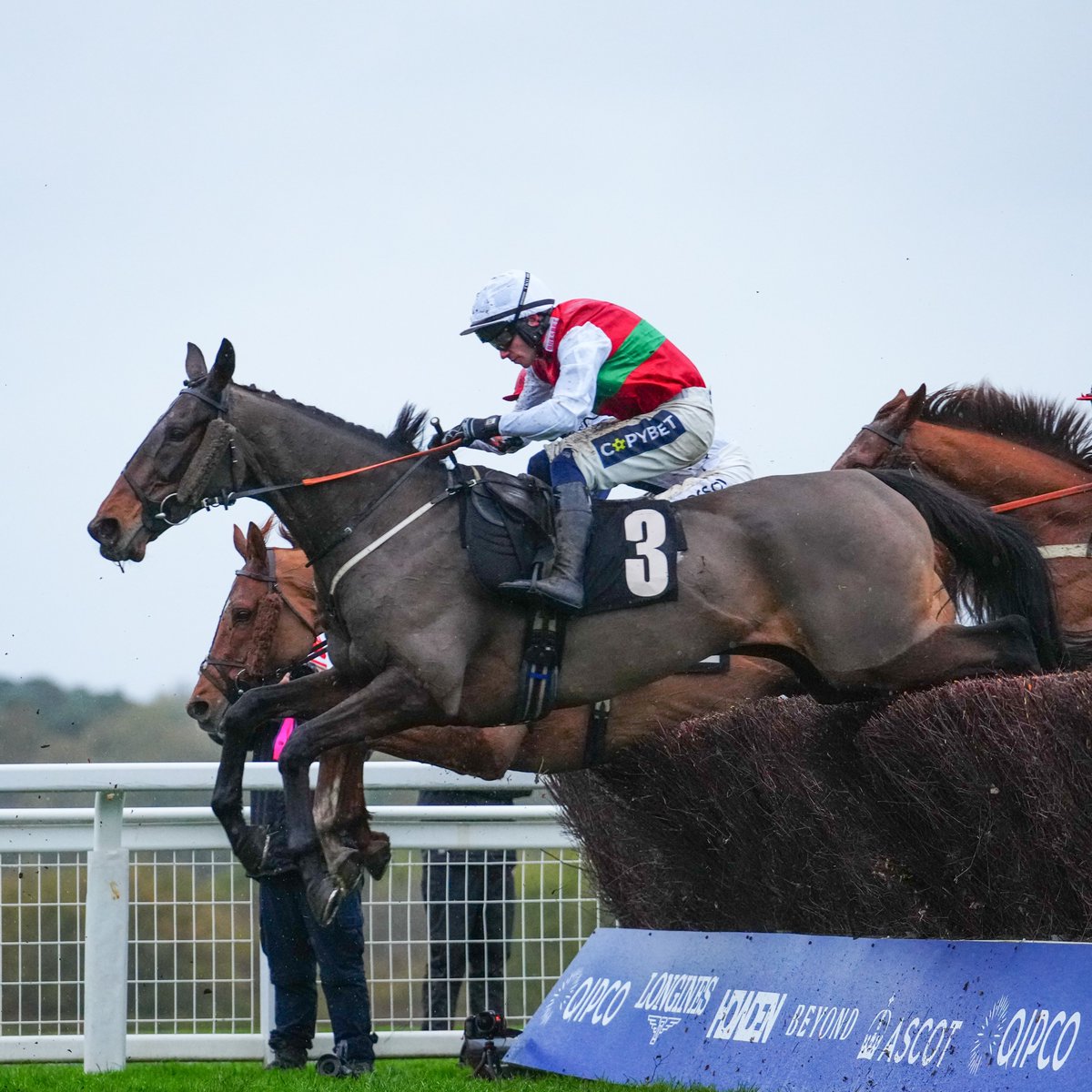
In May 2025, Britain became the first horseracing jurisdiction to permit the use of equine heart monitors on the racecourse as part of a pilot scheme to test technology under race conditions. This initiative worked closely with Max Kendrick and the team at Fergal O’Brien Racing.
Equimetrics Equine Health tweet mediaEquimetrics Equine Health tweet media
English
0
0
3
313
Equimetrics Equine Health
Equimetrics Equine Health@EquimetricsX·
Built to support busy teams, V-PRO is a practical solution to workforce shortages, reducing day-to-day pressure while improving patient care and clinician wellbeing. Upgrade your monitoring. Improve your outcomes. Contact our sales team today.
English
1
0
0
33
Equimetrics Equine Health
Equimetrics Equine Health@EquimetricsX·
Still relying on CCTV to monitor your patients? Equimetrics V-PRO is a remote equine health monitoring system that gives you real-time, live health updates from anywhere, helping you run a more efficient, responsive clinic.
Equimetrics Equine Health tweet media
English
1
0
0
72
Equimetrics Equine Health
Equimetrics Equine Health@EquimetricsX·
Equimetrics V-PRO proved to be an invaluable tool in balancing high-quality care with strict infection control.” Jesús García Macías MVDr CertAVP (Int Med)
Español
0
0
0
33
Equimetrics Equine Health
Equimetrics Equine Health@EquimetricsX·
Cut Risk, not care, with Equimetrics V-PRO. “When we admitted a mare and her foal with colitis, immediate isolation was critical to prevent a potential outbreak. Managing infectious cases like this always comes with the challenge of close monitoring while minimizing exposure…
English
2
0
1
117
Equimetrics Equine Health
Equimetrics Equine Health@EquimetricsX·
Using Equimetrics V-PRO allowed me to remotely track her vital parameters without repeatedly entering the isolation box. This not only reduced biosecurity risks but also ensured continuous, reliable monitoring during a critical period…
English
0
0
0
32
Equimetrics Equine Health
Equimetrics Equine Health@EquimetricsX·
You don’t expect to find the heart issues when you’re looking for lameness. On a recent visit to Alamo Pintado Equine, a horse presented for a routine lameness assessment. One ECG later, using Equimetrics V-PRO, the picture changed instantly. Atrial fibrillation.
English
1
0
1
339
Equimetrics Equine Health
Equimetrics Equine Health@EquimetricsX·
Performance is not guesswork. It’s measurable. With Equimetrics S-PRO, every session is captured, analysed, and turned into actionable insight through the S-PRO app.
English
2
0
0
66
Equimetrics Equine Health
Equimetrics Equine Health@EquimetricsX·
Track speed per furlong with precision using onboard GPS. Monitor heart rate zones in real time with high-resolution data that shows exactly how hard your horse is working.Then watch it all come together in the app where every session is broken down into clear, usable metrics.
English
0
0
0
24
Equimetrics Equine Health
Equimetrics Equine Health@EquimetricsX·
Take control of every training session with the S-PRO App. Track speed stride distance and heart rate zones in one place. Factor in ground conditions and rider weight for a complete view of performance and training load.
Equimetrics Equine Health tweet media
English
1
0
0
58
Equimetrics Equine Health
Equimetrics Equine Health@EquimetricsX·
We’re always interested to learn how our customers are using our products. It’s especially rewarding when we see them applied in innovative ways we hadn’t originally considered. Seeing that kind of creativity and real-world testing helps us understand their value even more.
English
1
0
0
135